
EUROPE
Click on the country on the map below to get more information
ÅLAND ISLANDS
ALBANIA

The Balkan Peninsula, or the Balkans, are a geographic area in Southern Europe, composed of countries with geographical and historical ties. The countries that make up the Balkans are generally noted to be Albania, Bosnia and Herzegovina, Bulgaria, Greece, Kosovo, Montenegro, North Macedonia, Turkey, Croatia, Serbia, Romania, and Slovenia.

Albania is located in Southeastern Europe, next to the Adriatic and Ionian seas, and share borders with Greece, North Macedonia, and Montenegro. Initially settled by Greek colonies, Albania became independent in 1912. As a developing country, it is an official candidate for European Union membership. My time here took me through Tirana, Shkodër, Theth, Berat, Vlorë, Borsh, and Gjirokaster.

Borsh is a small seaside village on the West coast of Southern Albania. Known for its olive oil production, it has become more prominent for tourism due to its pristine beach, the largest in the Ionian sea. The town will only become more prominent as tourist-related businesses start to invest in local infrastructure. The Lab dialect of Albanian is typically spoken by locals in the area.

Gjirokaster is a UNESCO World Heritage site, located in the South of Albania. It's name in Medieval Greek translates to 'Silver Castle'. The city's record dates it back to 1336, when it was part of the Byzantine Empire. It is the birthplace of Enver Hoxha, the former communist leader. Above the city sits Gjirokaster Fortress and its old town has been recognized for its intact Ottoman influences.

Berat is a UNESCO World Heritage site, located in the South of Albania. Due to its existence across many times and civilizations, the city comprises many unique styles of architecture and influences. Its origins date back to the 7th century BC. it is often called the 'Town of a Thousand Windows' with notable landmarks such as Berat Castle, Gorica Bridge, and St. Michael's Church.

Theth is a small village in Northern Albania, located two hours from the large city of Shkodër. Home to the Theth National Park, Theth itself is classified as a protected historical center. A few of the main attractions of Theth that can't be missed include the Blue Eye of Theth, the Grunas Waterfall, and the Catholic Church of Theth.

Shkodër, regarded as the traditional capital of Northern Albania, is the 5th largest city of the country. It was created as the Capital of the Illyrian kingdom under the name Skodra. The history of Shkodër is storied, with origins in the Bronze Age coupled with Roman, Serbian, and Ottoman influences. Notable sights to see include Rozafa/Shkodër Castle and the Ebu Bekër Mosque.

Tirana is the capital city of Albania, founded in 1614, and has been inhabited since the Iron Age. It was part of the Roman Empire, and subsequent Byzantine Empire, and is today considered a Gamma World city. The city is fast growing and displays both traditional and modern influences. Notable landmarks include the Pyramid of Tirana, Archaea Tower, Bunk'Art Museum, and the Namazgah Mosque.
AUSTRIA

Graz is the capital city of Styria, the heavy forest region on the Eastern edge of the Alps in Austria. A weekend break here was perfect to walk around the old town, and see places like the Kunsthaus, Eggenberg Palace, Schlossberg, the Graz Cathedral, and the Glockenspiel. I found Austrians to also be very warm and friendly during my stay and because of that, I would LOVE to return.
BELGIUM
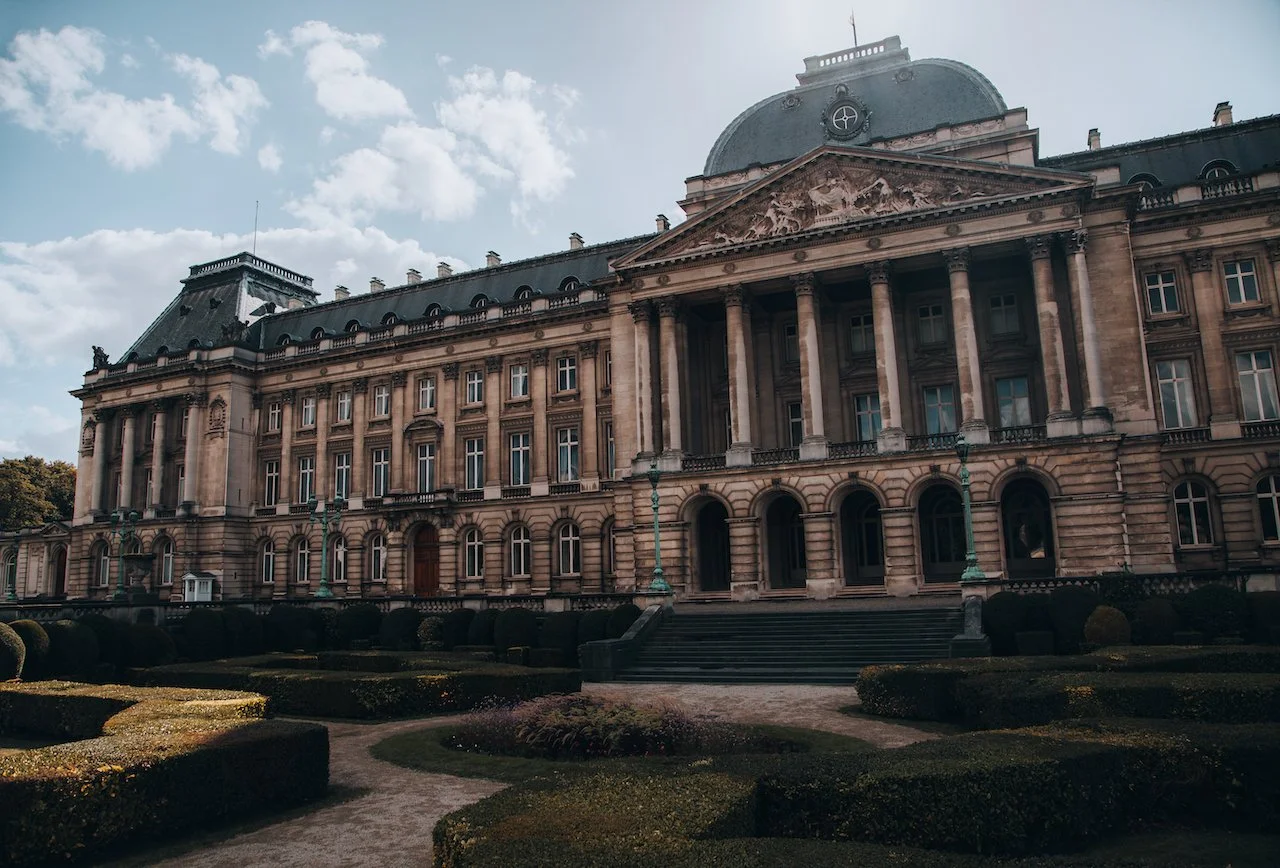
My time in Brussels was too short. I tried to see as much as I could. Some of my favorite places were Royal Palace of Brussels and Brussels Park, Atomium, the Castles of Laeken and Karreveld, the Chinese and Japanese Pagodas, Pannenhuis, the Triumphal Arch, and the Royal Gallery of Saint Hubert. recommend three days in Brussels and also taking day trips to the nearby cities of Bruges and Lille!

After hearing so much about Bruges, I decided I had to go. I took a bus from Brussels and spend the day in Bruges, walking around and taking in the sites. Some of my favorite places were Saint John’s Hospital, Bruges City Hall, Church of Our Lady Bruges, Basilica of the Holy Blood, the Market Square, the Provincial Court, Spiegelrei, and De nieuwe Papegaai. Do not miss this city when in Belgium!
BOSNIA AND HERZEGOVINA
The Balkan Peninsula, or the Balkans, are a geographic area in Southern Europe, composed of countries with geographical and historical ties. The countries that make up the Balkans are generally noted to be Albania, Bosnia and Herzegovina, Bulgaria, Greece, Kosovo, Montenegro, North Macedonia, Turkey, Croatia, Serbia, Romania, and Slovenia.
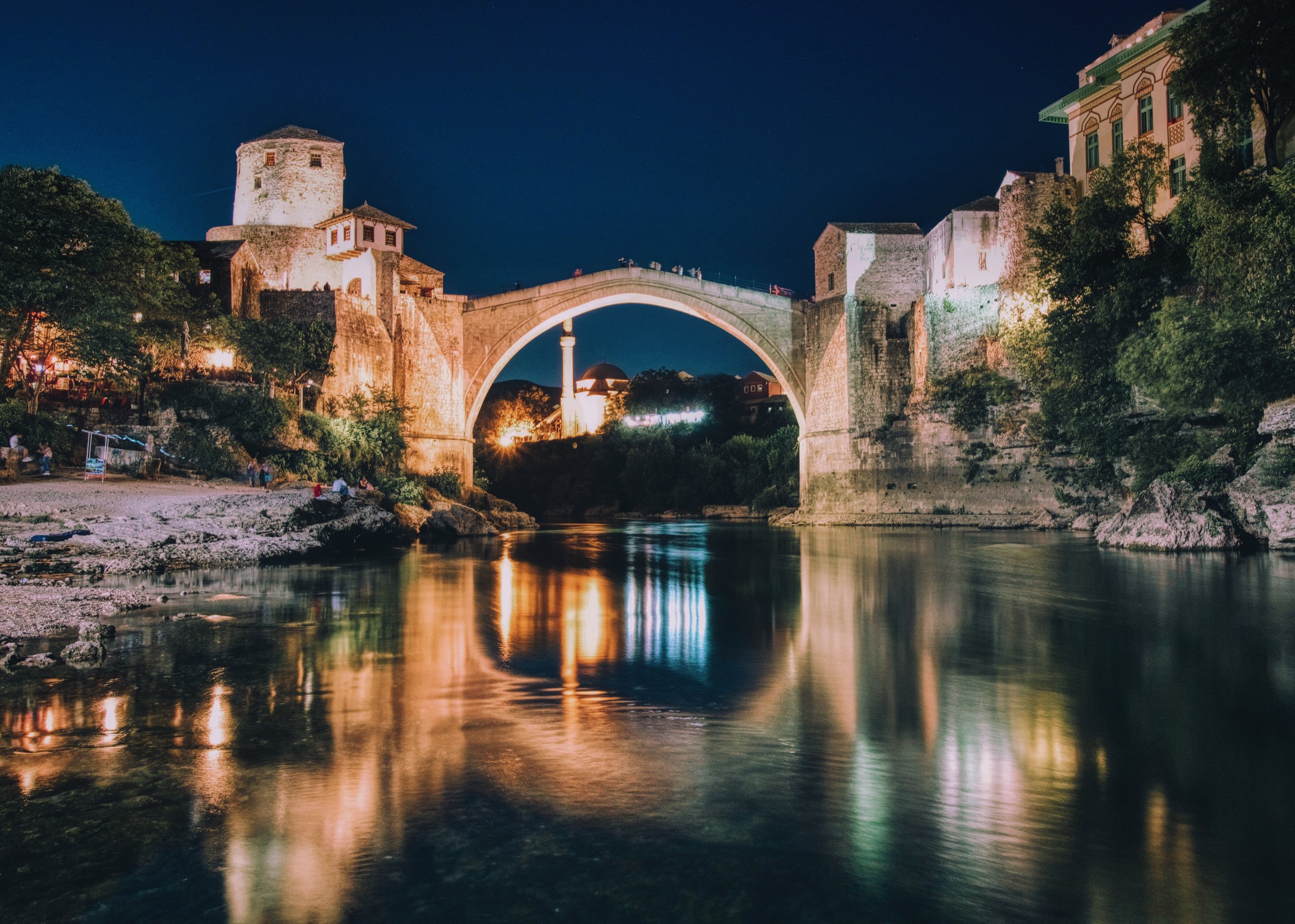
Mostar is quietly becoming a more popular destination in the Balkan Peninsula. Perhaps what is most striking is the iconic Stari Most bridge. Book a day tour and you can also see other landmarks like the Millennium Cross on Hum Hill, the Dervish Monastery at Blagaj Tekke, the village of Pocitelj, and the Kravica waterfalls.
BULGARIA
The Balkan Peninsula, or the Balkans, are a geographic area in Southern Europe, composed of countries with geographical and historical ties. The countries that make up the Balkans are generally noted to be Albania, Bosnia and Herzegovina, Bulgaria, Greece, Kosovo, Montenegro, North Macedonia, Turkey, Croatia, Serbia, Romania, and Slovenia.

Sofia in Bulgaria possesses a treasure trove of churches, cultural monuments, and even ruins of the ancient Roman city of Serdica. Take a weekend break to check out places like Vitosha Blvd, Alexander Nevsky Cathedral, St. Sofia Church, Church of Sveti Sedmochislenitsi, The Largo, Sofia History Museum, and St. Kyriaki Cathedral Church (among other places).
CROATIA
The Balkan Peninsula, or the Balkans, are a geographic area in Southern Europe, composed of countries with geographical and historical ties. The countries that make up the Balkans are generally noted to be Albania, Bosnia and Herzegovina, Bulgaria, Greece, Kosovo, Montenegro, North Macedonia, Turkey, Croatia, Serbia, Romania, and Slovenia.

Dubrovnik is quickly becoming one of the best summer destinations in all of Europe. This walled city with orange-shingled rooftops may be recognizable from TV shows but here you can also go kayaking around the walls at Kolorina, go hiking on Srd Hill, swim at Poporela, go shopping on Stradun St., and hang out with new friends on the Jesuit Staircase.
CZECH REPUBLIC

Known for it's cheap beer and destination for stag and hen do's, there is much more to this Central European capital. The main sites like the Lennon Wall, Prague Castle, Charles Bridge, and Old Town Square are a must see. Do yourself a favour though and try to get off the beaten path and check out places like the Kafka Museum, Rigierovy sady park, and St. Vitus Cathedral.
DENMARK
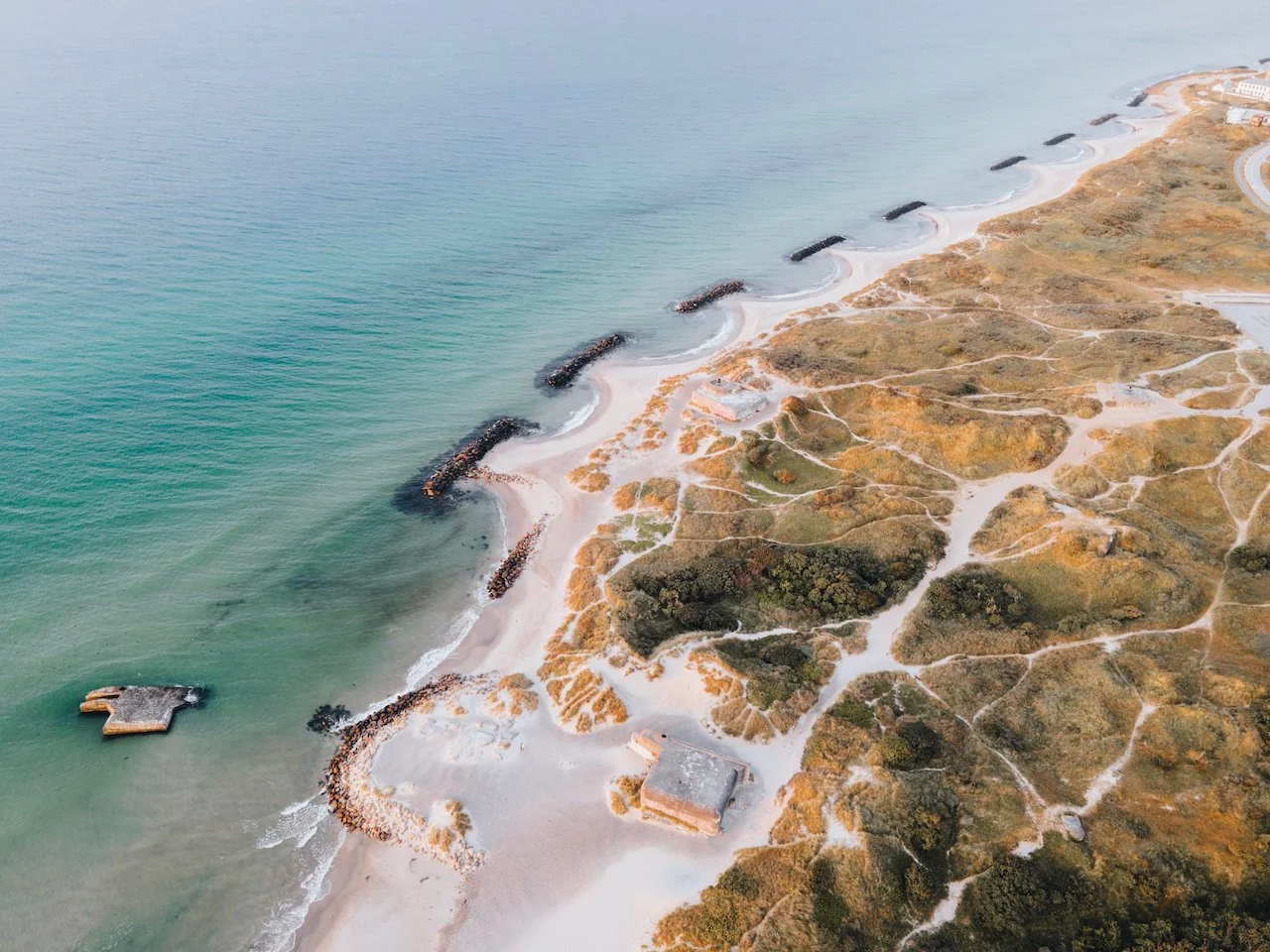
Visit Grenen, Denmark’s northernmost point near Skagen, where the Skagerrak and Kattegat seas meet. This natural wonder is famous for its shifting sandbar, seabirds, and scenic coastal walks. Learn how to get there, the best time to visit, and what makes Grenen one of Denmark’s most unique and unforgettable destinations.
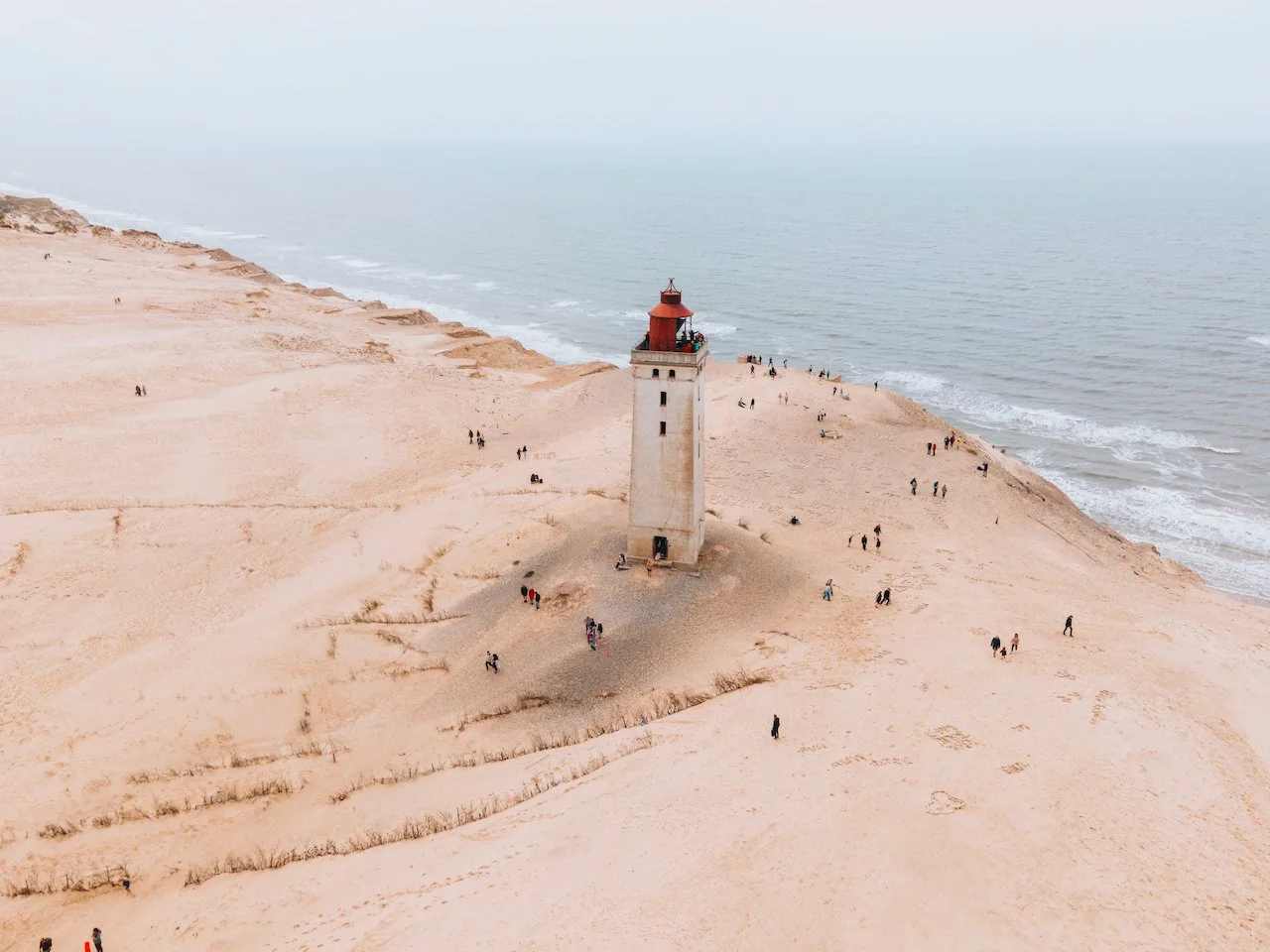
Explore the rugged coastline and charming towns of North Jutland in Northern/Western Denmark with this full road trip guide. Includes route options, driving distances and highlights such as Skagen, Løkken, Klitmøller (Cold Hawaii), Thy National Park and the North Sea beaches. Perfect for those planning a scenic Denmark road trip from spring to autumn.
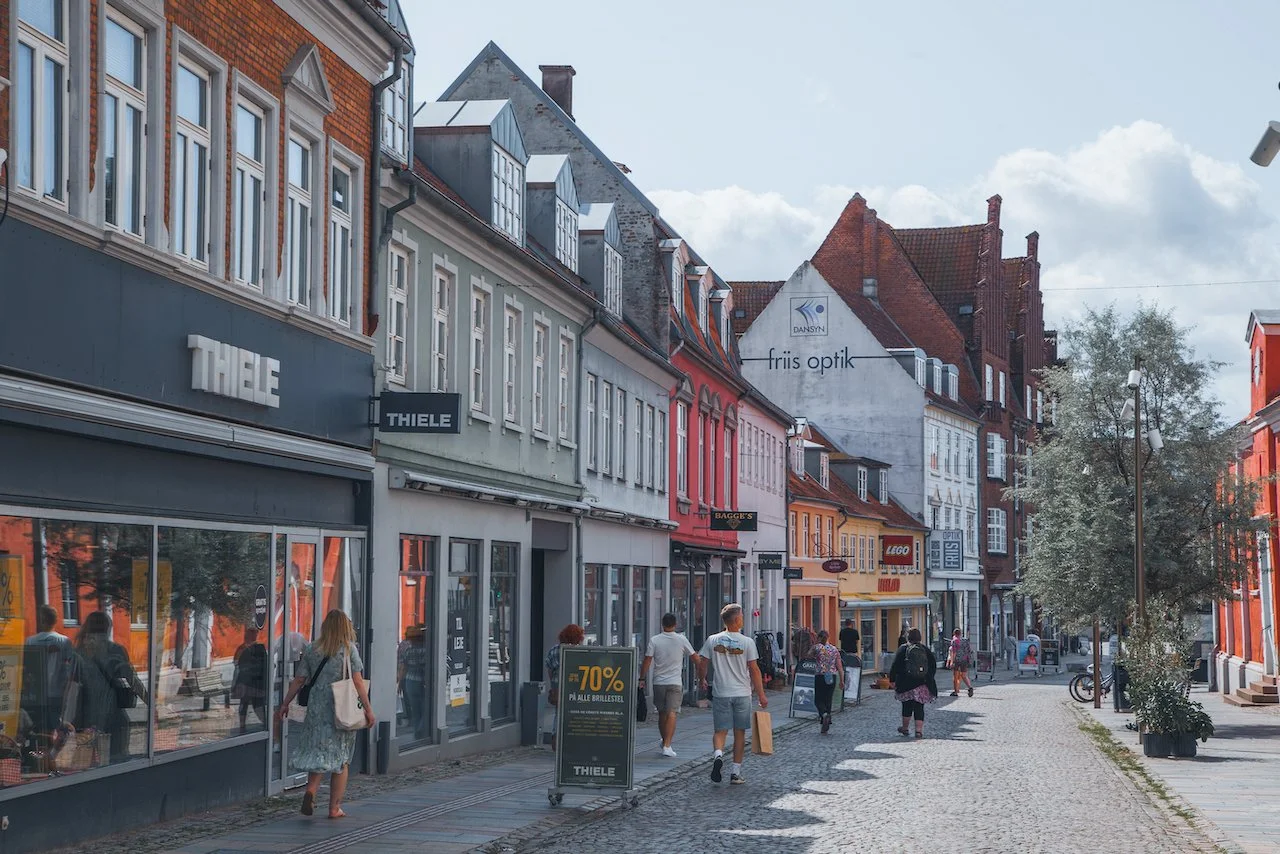
Visit one of Denmark’s most historic and cultural cities. This Horsens travel guide explains how to get there, what to see, where to eat and which attractions are worth visiting – from the former state prison and fjord area to museums, parks and day trips in East Jutland.
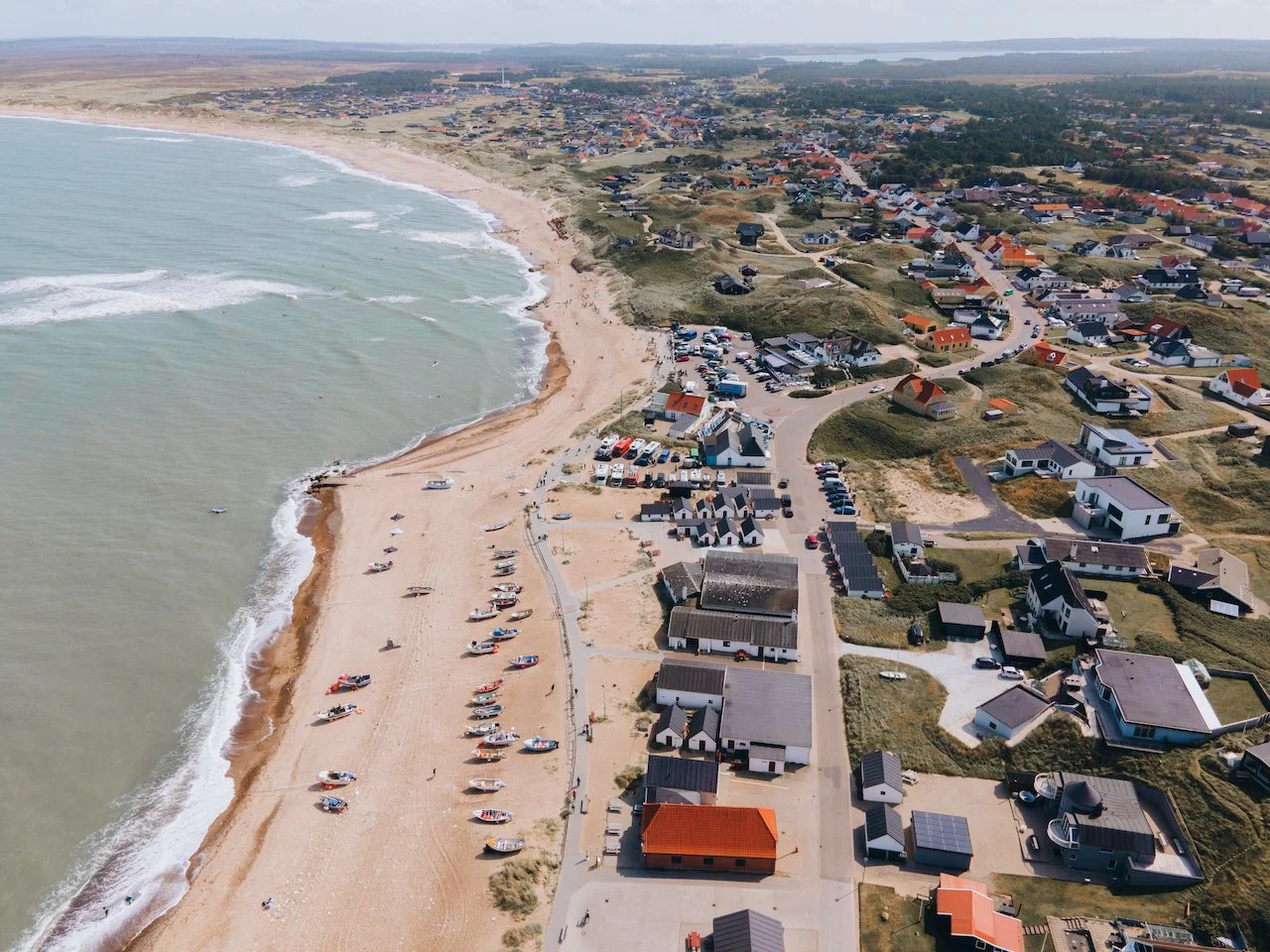
Heading to “Cold Hawaii”? This guide to Klitmøller covers everything you need – how to get there, the best surf spots and what to do in and around Denmark’s surf capital. Includes seasonal tips, accommodation recommendations and ideas for exploring the North Jutland coast.
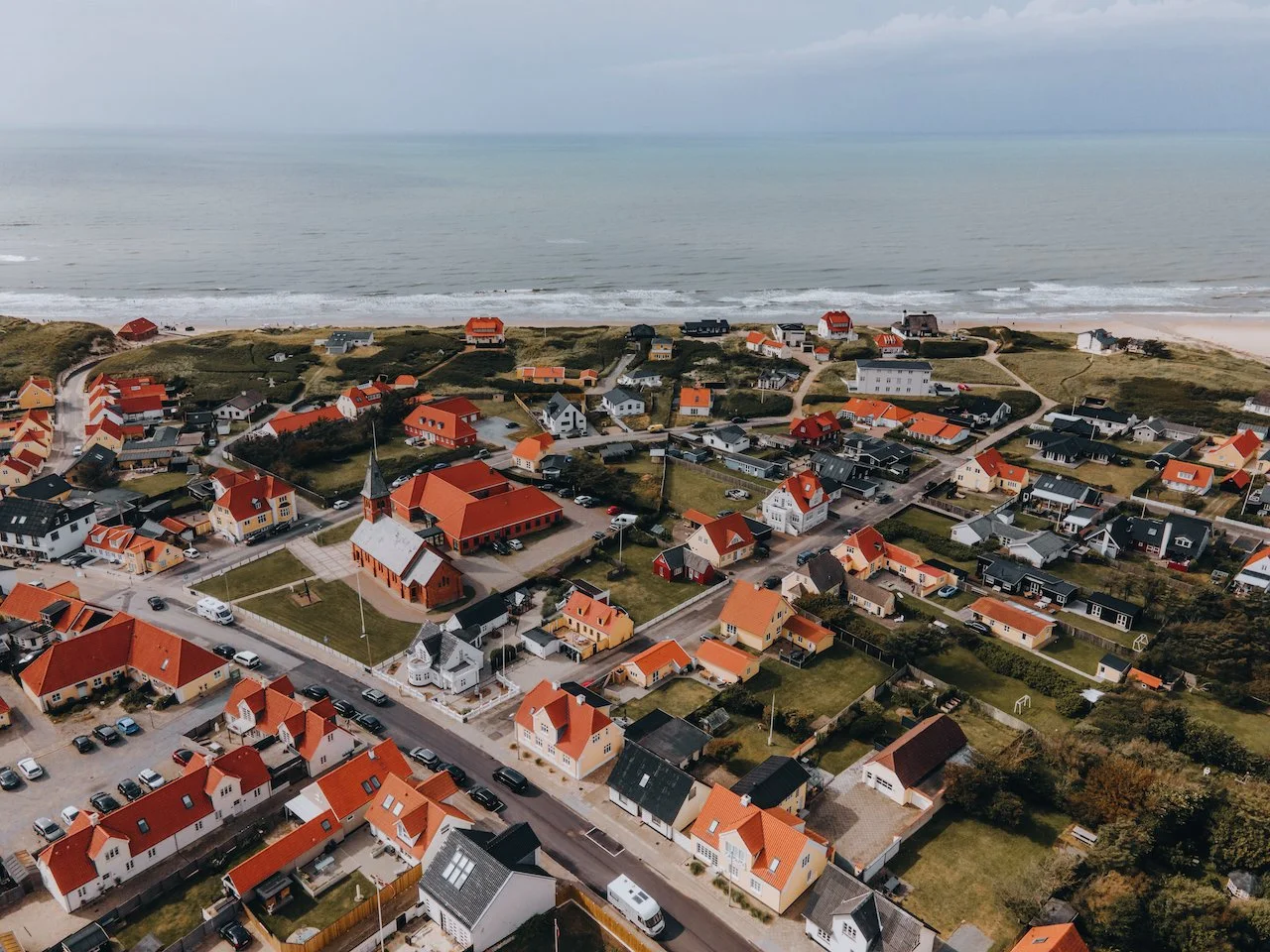
Discover why Løkken is one of Denmark’s most underrated beach destinations. Find out how to get there, where to stay and the top things to do – including endless white-sand beaches, bathing houses, WWII bunkers and nearby coastal hikes. Perfect for a laid-back North Jutland getaway.
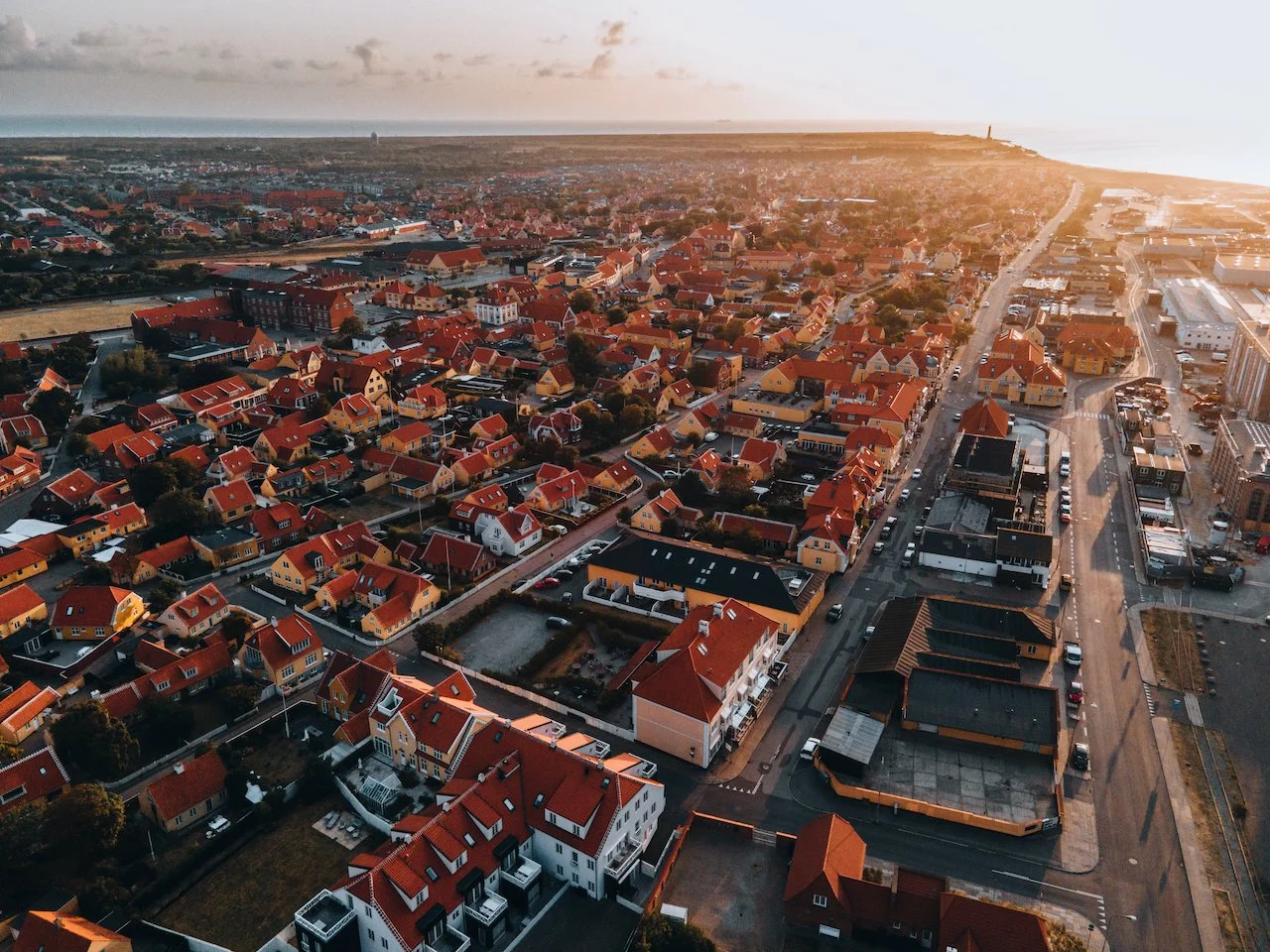
Plan the perfect trip to Skagen, Denmark’s northernmost town. Learn how to get there, the best beaches to visit, where to stay and what to see – including Grenen, the Sand-Covered Church and the town’s colourful yellow houses. Ideal for summer holidays and coastal photography.

Odense, Denmark is the birthplace of Danish author Hans Christian Andersen, who wrote the Little Mermaid (among other tales). Odense is the 3rd largest city in Denmark and started off as a settlement 4,000 years ago. The city is small and cozy with plenty of landmarks like Odense Castle, H.C. Andersen House, Munke Mose, Ansgar Kirke, St. Canute's Cathedral, Eventyrhaven, and Møntergården.

Aarhus is the 2nd largest city in Denmark whose origins date back to the 8th century. This city is full of history, green spaces, cafes, museums, and all around good vibes. I visited here in May and saw such cool places like the Aarhus Art Museum (ARos), Aarhus Cathedral, Our Lady Church, Aarhus Customs House, Marselisborg Beach and Castle, The Infinite Bridge, Mejlborg, and Mølleparken.

The Nordic region of Europe consists of some of the world's happiest countries. The term Nordic is often mixed with Scandinavia though the two represent certain parts of Northern Europe. Each capital is quite different and has much to offer. This guide breaks down the Nordic capital cities of Copenhagen, Stockholm, Oslo, Helsinki, Reykjavik, Torshavn, and Mariehamn.

Your comprehensive guide to seeing Denmark's capital of Copenhagen, taking you to sites such as Nyhavn Harbor, Frederik's Church, St. Alban's Church, Kastellet, Danish Royal Library Gardens, Rosenborg Palace, Amalienborg Palace, NY Carlsberg Glyptotek, Tivoli Gardens, Christiansborg Palace, Little Mermaid Statue, and the town of Christiania.
ENGLAND
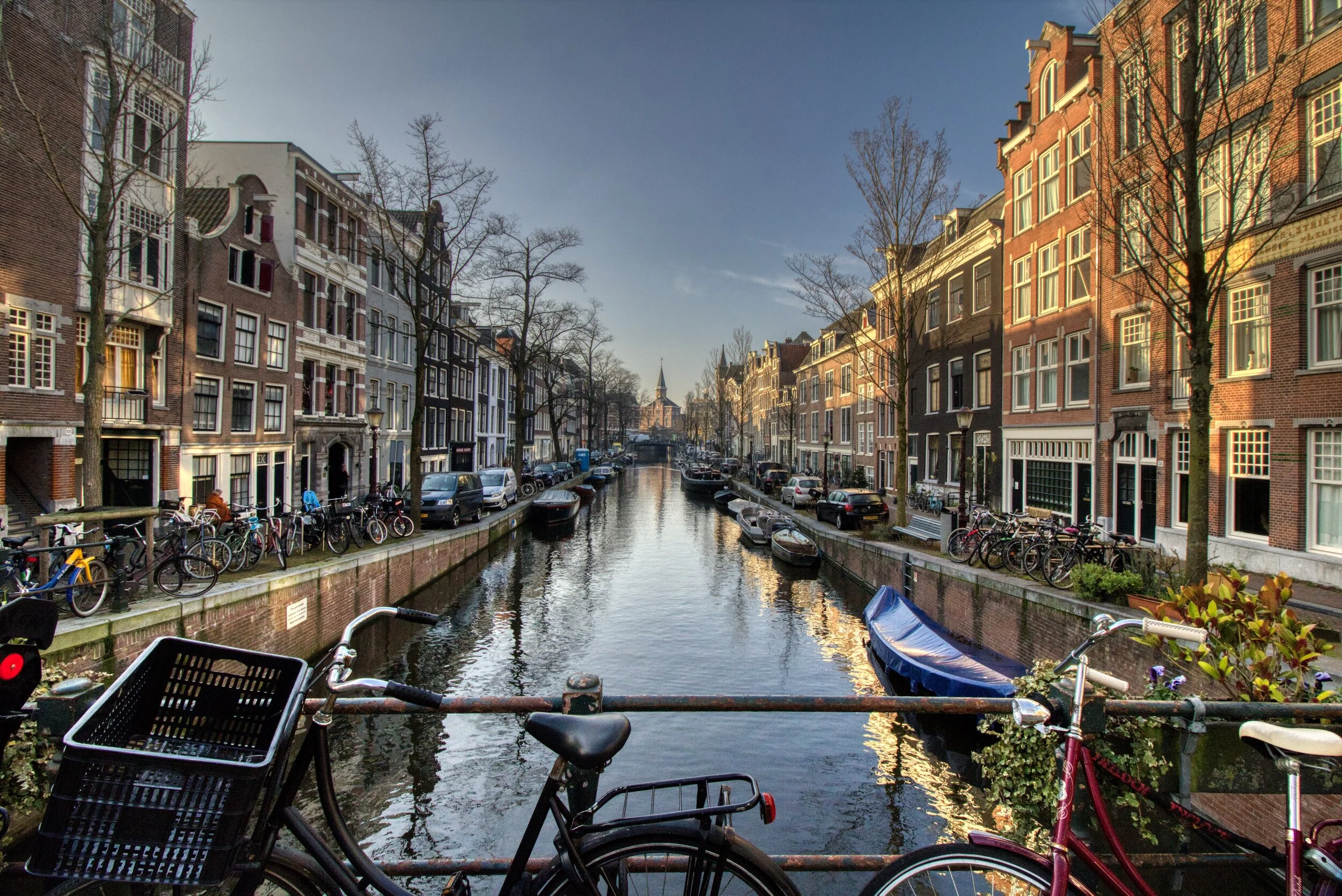
Sometimes when you plan a trip, you have to deal with a longer than normal layover in a different city. This can be a blessing! I have highlighted five such layovers you can build into your trip itinerary to get the most from your trip (KLM - Amsterdam, Emirates - Dubai, British Airways - London, Turkish Airlines - Istanbul, IcelandAir - Reykjavik).

This is London. It's huge and it's full of energy. There are so many things to see in this city. Whatever you decide to do, don't forget to see iconic places like St. Paul's Cathedral, the Shard, Covent Garden, Piccadilly Circus, Soho, Hyde Park, Buckingham Palace, Big Ben and Parliament, The Tate, Carnaby Street, Tower Bridge, the London Eye, and Westminster Abbey, just to name a few!

There is much more to Liverpool than Beatles and docks. The independent scene here is what makes this city so unique. Here you can also watch the best football team in the world (Liverpool FC), see the WWII era ruins of the 'Bombed Out Church', hear live music at the Cavern Club, stroll along Albert Dock, see art at the Tate, and eat to your heart's content at Baltic Market.
ESTONIA

The term Baltic State is geopolitical and refers to the 3 sovereign states located on the eastern coast of the Baltic Sea, which have formed close intergovernmental and parliamentary ties with each other. Each capital is quite different and has much to offer. This guide breaks down the Baltic capital cities of Tallinn (Estonia), Riga (Latvia), and Vilnius (Lithuania).

Estonia's capital of Tallinn is a vastly underrated city not only in the Baltics, but in all of Europe. As technologically advanced as the city is, it boasts a wonderful Old Town. Other attractions include Kadriorg Palace, the artsy district of Noblessner, Victory Square and Column Monument, Alexander Nevsky Cathedral, and great bars like Fersen and cafes like Røst.
FAROE ISLANDS
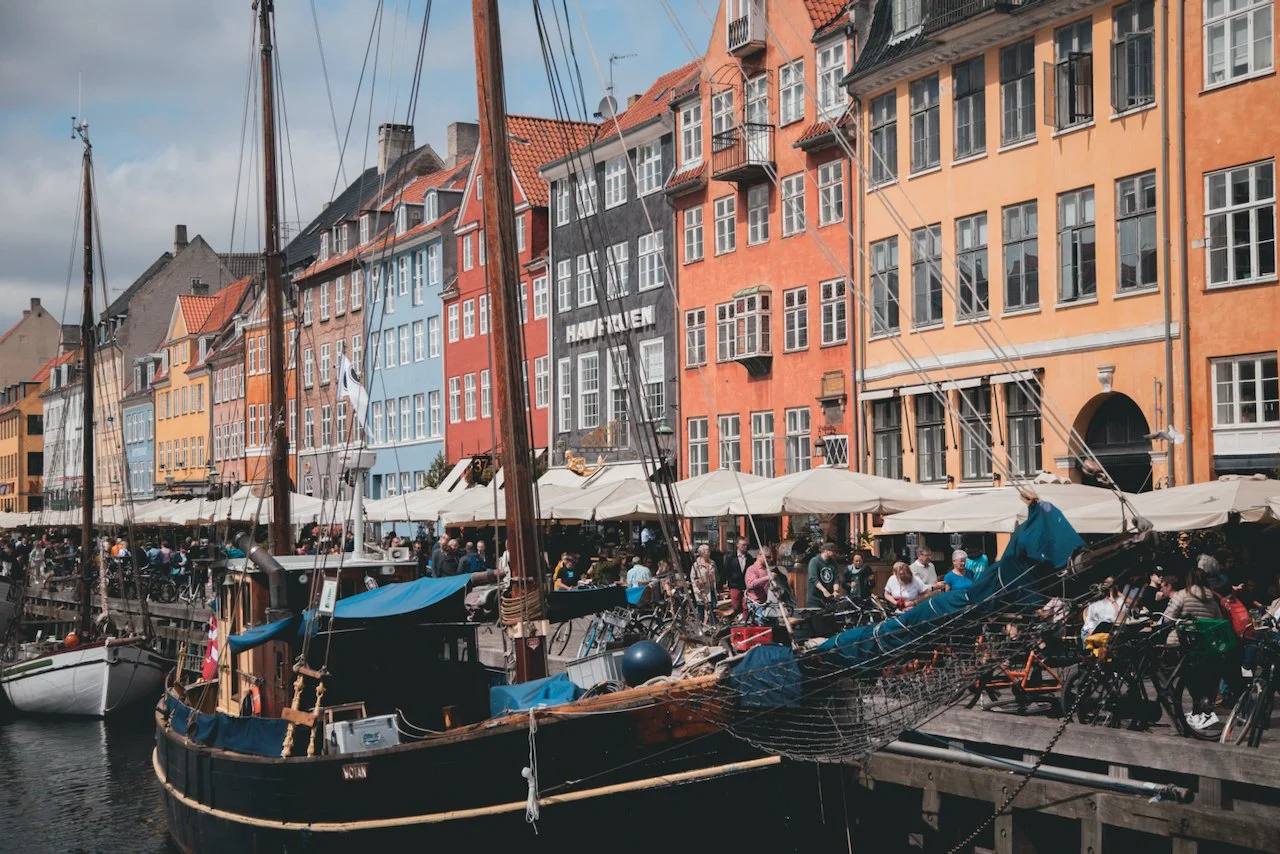
Discover the most beautiful destinations in Denmark with this complete travel guide covering historic cities and stunning coastal towns. Explore cultural hubs like Copenhagen, Aarhus and Odense, then head north to the beaches and fishing villages of Skagen, Løkken and Klitmøller. Includes practical tips for visiting Horsens and Ebeltoft.
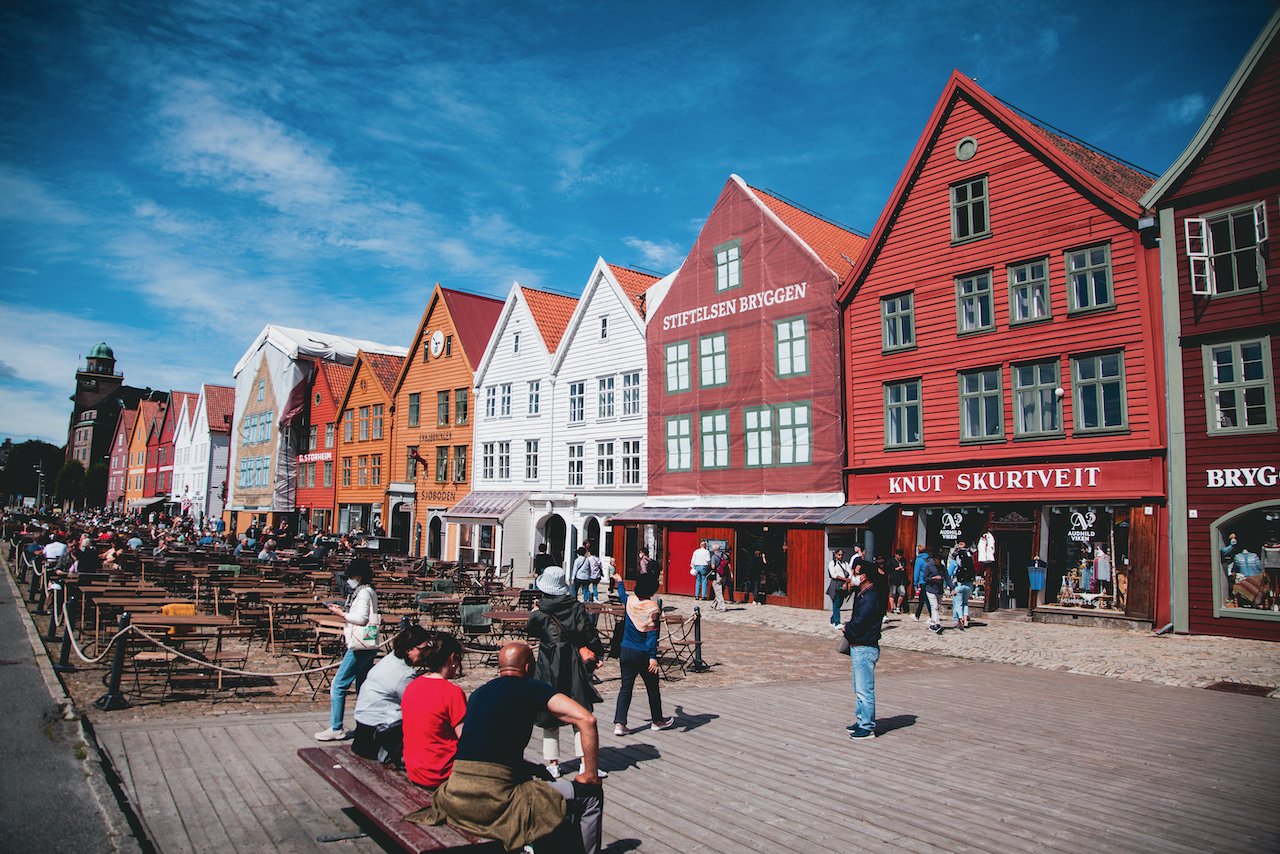
The Nordics include Sweden, Finland, Denmark, Norway, Iceland, and the Faroe Islands. This part of Europe contains such awesome metropolitan capitals like Stockholm, Reykjavik, and Tórshavn (among others). Along with such iconic cities in these Northern European countries, you will also find gorgeous fjords, waterfalls, snow topped mountains, massive castle, and cool cathedrals. I have outlined all Nordic cities (including capitals), as well as the natural attractions in this part of the world and consolidated them into this ultimate guide!

The Faroe Islands is a North Atlantic archipelago owned by Denmark. This small country with its 50,000 inhabitants has some of the best nature you can imagine. Islands like Vágar, Mykines, Streymoy, Eysturoy, Kalsoy, Bordoy, Vidoy, and Sandoy all have amazing nature to see and appreciate. Renting a car to travel through Faroe in the summertime is the way to go so use this guide as a resource!

The Faroe Islands are in no shortage of waterfalls, but some are more gorgeous than others. This is a guide on some of the most notable ones spread across the islands of Streymoy, Vágar, and Bordoy. Notably, the Fossá, Múlafossur, Skarðsáfossur, Bøsdalafossur, Svartafoss, Týggjará, and Svartidalurfoss Waterfalls are the most worth seeing.
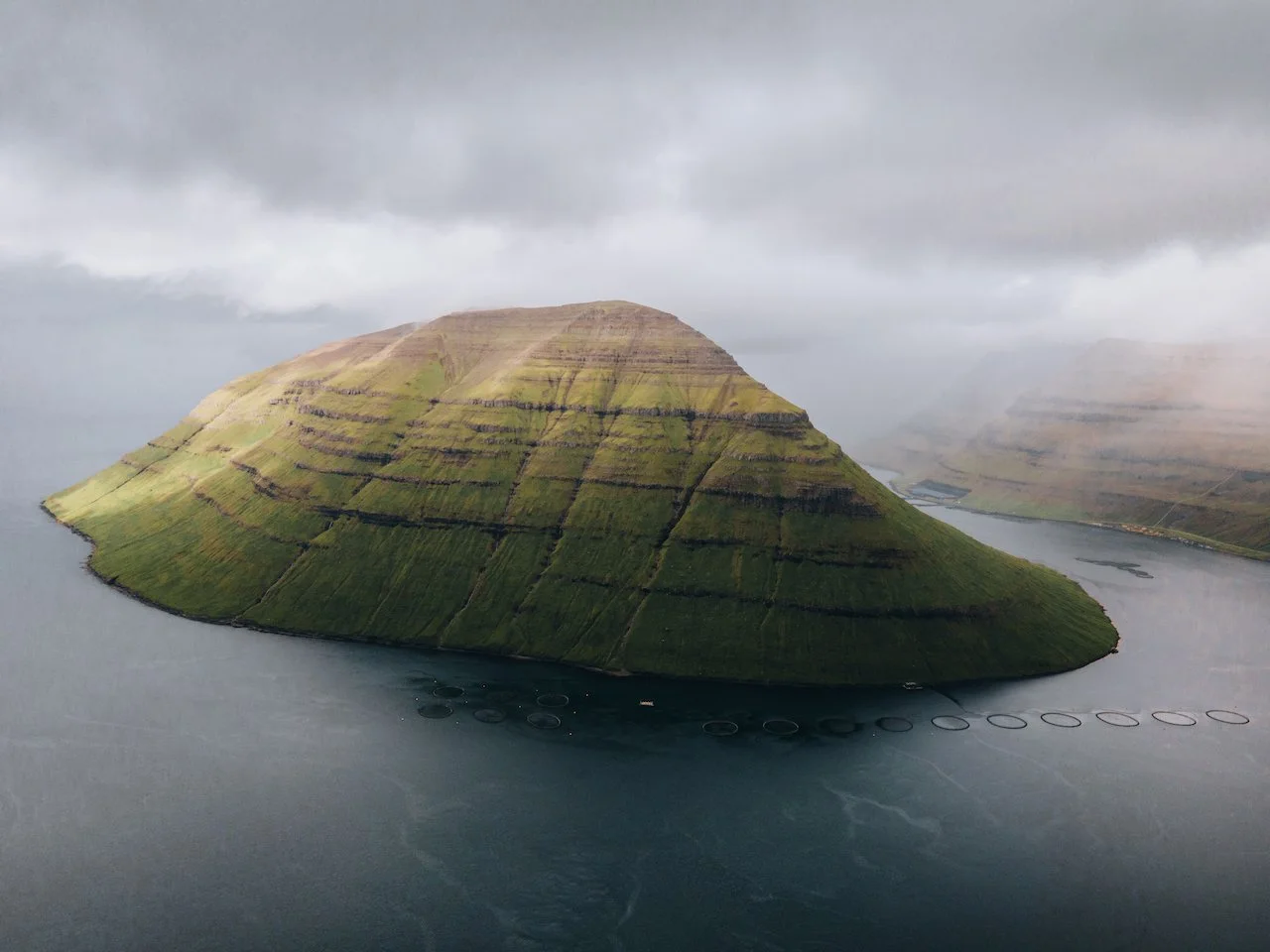
The long and narrow island of Kunoy is located in the Northeast of the Faroe Islands. It translates to 'Woman Island' and has a great view of the Kalsoyarfjørður fjord. The villages of Kunoy and Haraldssund occupy the island and has populations of 77 and 69, respectively. The Kunoy forest can also be found here, possessing the largest concentration of trees found in the Faroe Islands.

The island of Sandoy is located within the Faroe Islands archipelago, which is owned by Denmark. The village of Sandur boasts the largest population on the island with 532 inhabitants. The villages of Skarvanes, Skopun, Skálavík, Húsavík and Dalur can also be found on the island of Sandur. The name comes from the relatively sandy soil that makes up the island.

The island of Mykines is located within the Faroe Islands archipelago, which is owned by Denmark. It is the westernmost island in the entire nation and was formed 60 million years ago. Large stacks of basalt can be seen along the coastline, specifically near the 1 km long islet Mykineshólmur. The population on the island has declined significantly with only 11 permanent inhabitants in 2014.

The island of Viðoy (meaning 'Wood Island') is located within the Faroe Islands archipelago, which is owned by Denmark, and has a population of 605. The settlements of Viðareiði and Hvannasund occupy the Northwest and Southwest coasts of the island, respectively. There are 11 mountains alone on this island with Villingadalsfjall being the northernmost among the Faroe Islands.
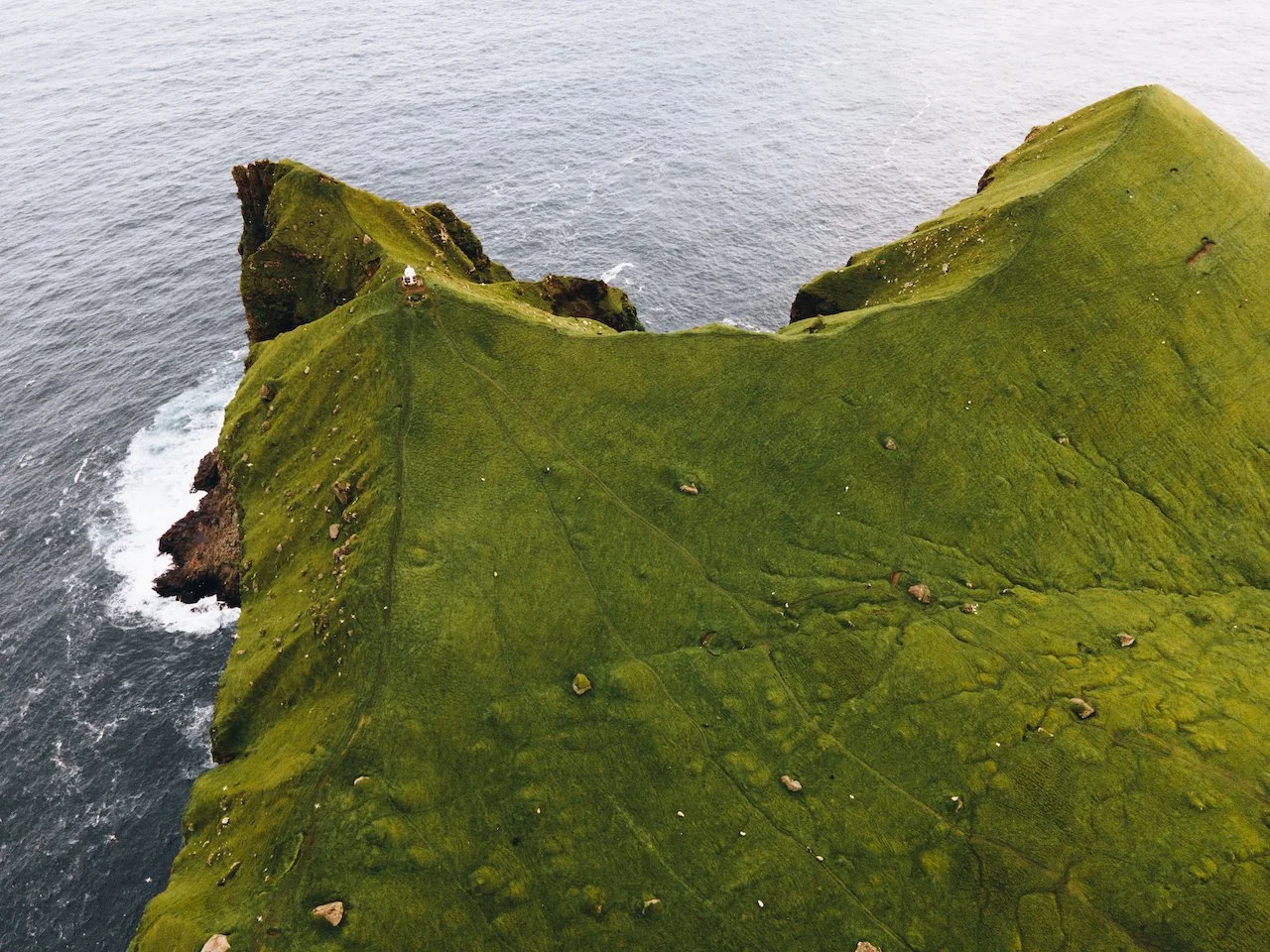
The island of Kalsoy (meaning 'Mans Island') is located within the Faroe Islands archipelago, which is owned by Denmark. The island is isolated and can be reached by a ferry from Klaksvík to Syðradalur. A hike to the Kallur Lighthouse in Trøllanes is a must with stops at the settlements of Mikladalur and Húsar. Kalsoy was also a filming location for the 25th James Bond Film, 'No Time to Die'.
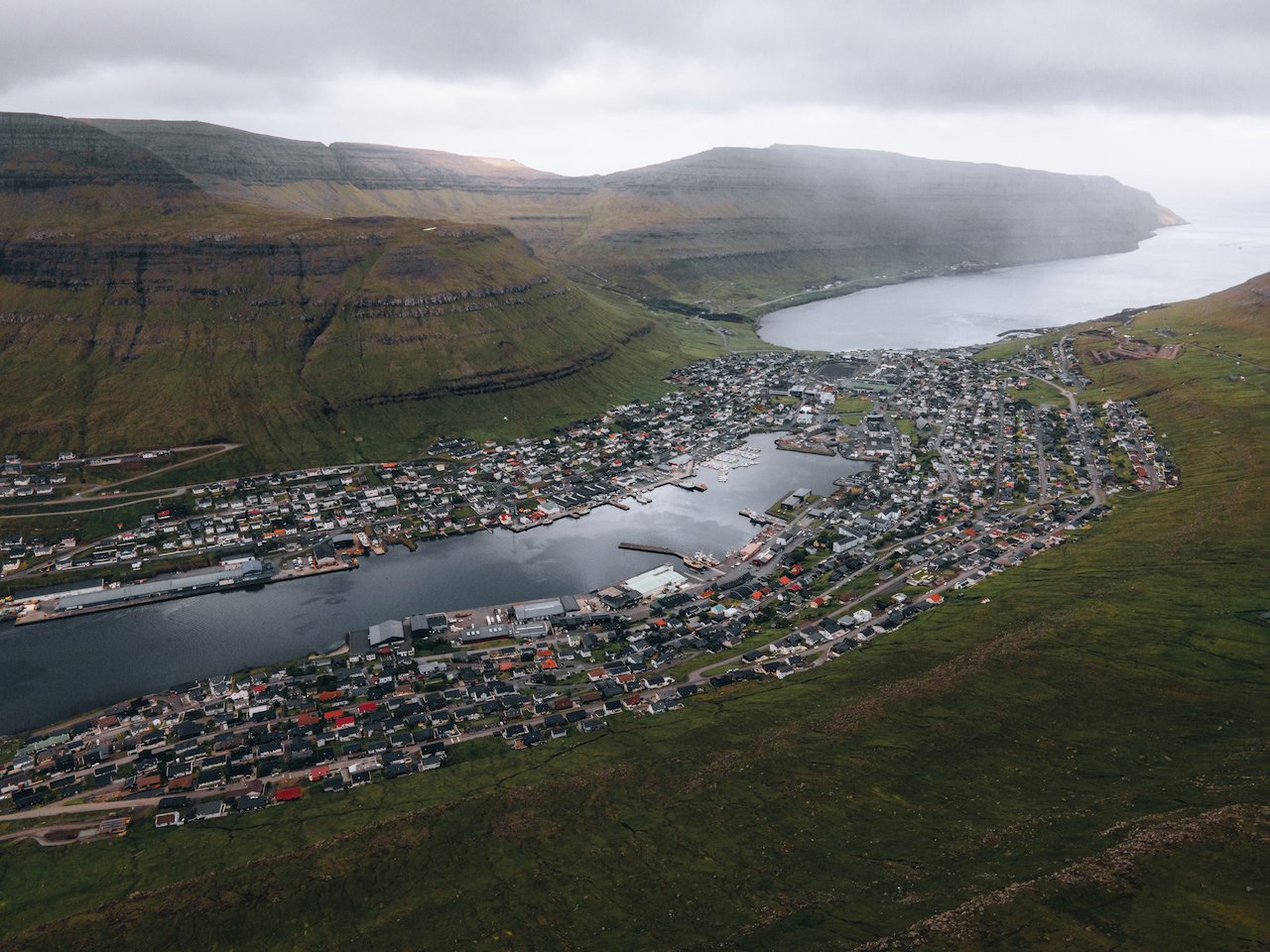
The island of Bordoy (meaning 'Headland island') is located within the Faroe Islands archipelago, which is owned by Denmark. There are 8 settlements on the island with a combined population of 6,314. One settlement is Klaksvík, the second largest city in the Faroe Islands. Notable places to see on Bordoy include Svartidalurfoss, Klakkur, Christianskirkjan, and the Árnafjarðar Church.

The island of Eysturoy (meaning 'East Island') is located within the Faroe Islands archipelago, which is owned by Denmark. It is the 2nd largest and most populated island in the country, containing the villages of Eiði and Gjógv to the north, the basalt sea stacks Risin og Kellingin, Slættaratindur - the highest mountain in Faroe, and the fjords Skálafjørður and Funningsfjørður.

The island of Streymoy (meaning 'Island of Currents') is located within the Faroe Islands archipelago, which is owned by Denmark. It is the largest/most populated island in the country, also containing the capital city of Tórshavn. Great places to visit include the villages of Tjørnuvík, and Kirkjubøur,, Fossá Waterfall, Tórshavn, Kirkjubøur, Týggjará Waterfall, and the black sand beach at Saksun.

The island of Vágar is located within the Faroe Islands archipelago, which is owned by Denmark. The three largest villages are Miðvágur, Sandavágur and Sørvágur but the highlight of Vágar are its natural features: Tindhólmur and Drangarnir, the Múlafossur, Bøsdalafossur, and Skarðsáfossur waterfalls, Lake Sørvágsvatn, and the Trøllkonufingur and Dunnesdrangar Sea Stacks.
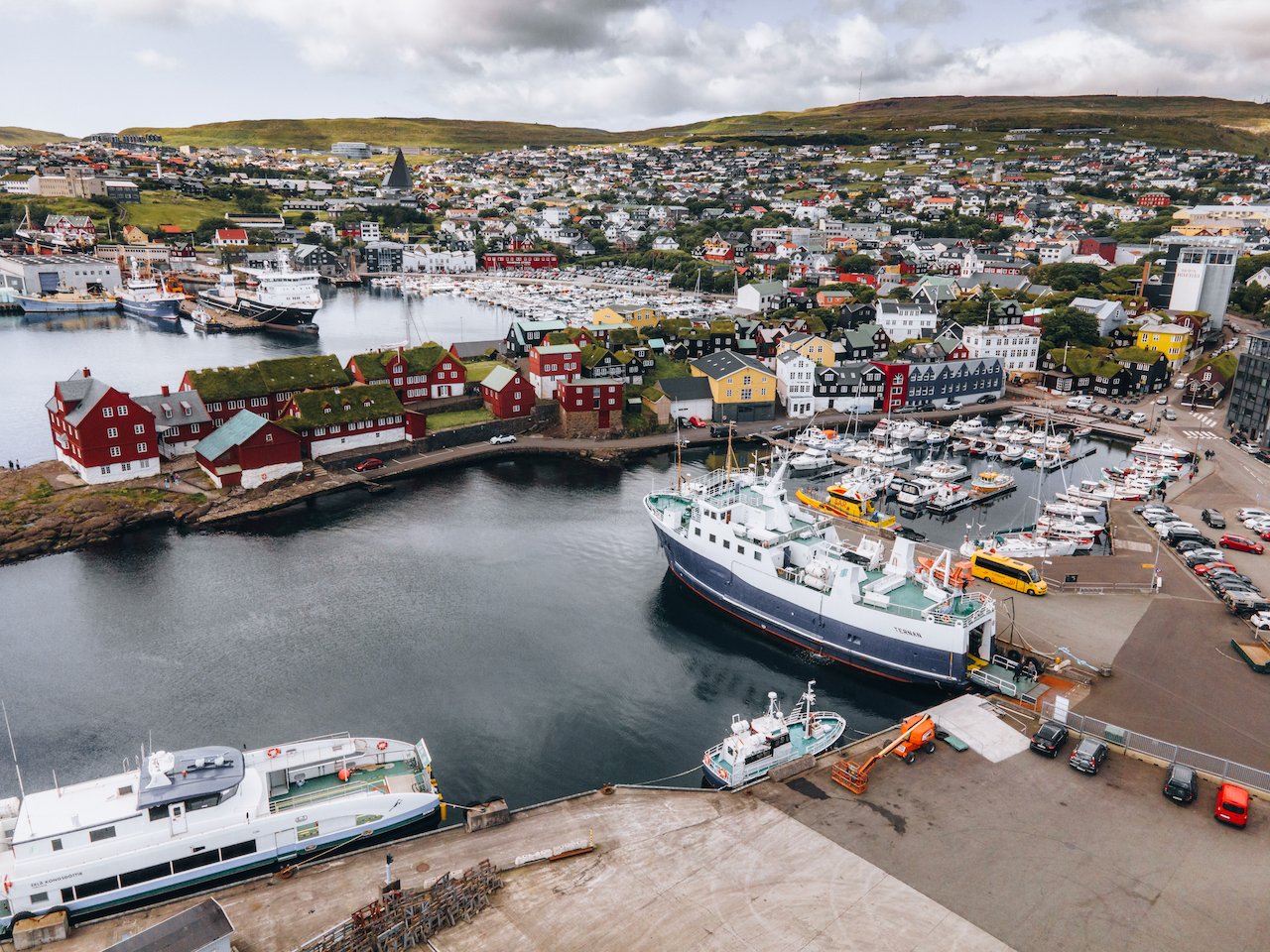
The Norse established their parliament on the Tinganes peninsula of Tórshavn in 850 AD, which has since been known as the capital city of the Faroe Islands with a population of 13,083. The city features great attractions like the Svartafoss Waterfall, Vesturkirkjan, Skansin, and the Tórshavn Old Town. All roads lead to Tórshavn in the Faroe Islands and a day is all you need to explore the city.
FINLAND
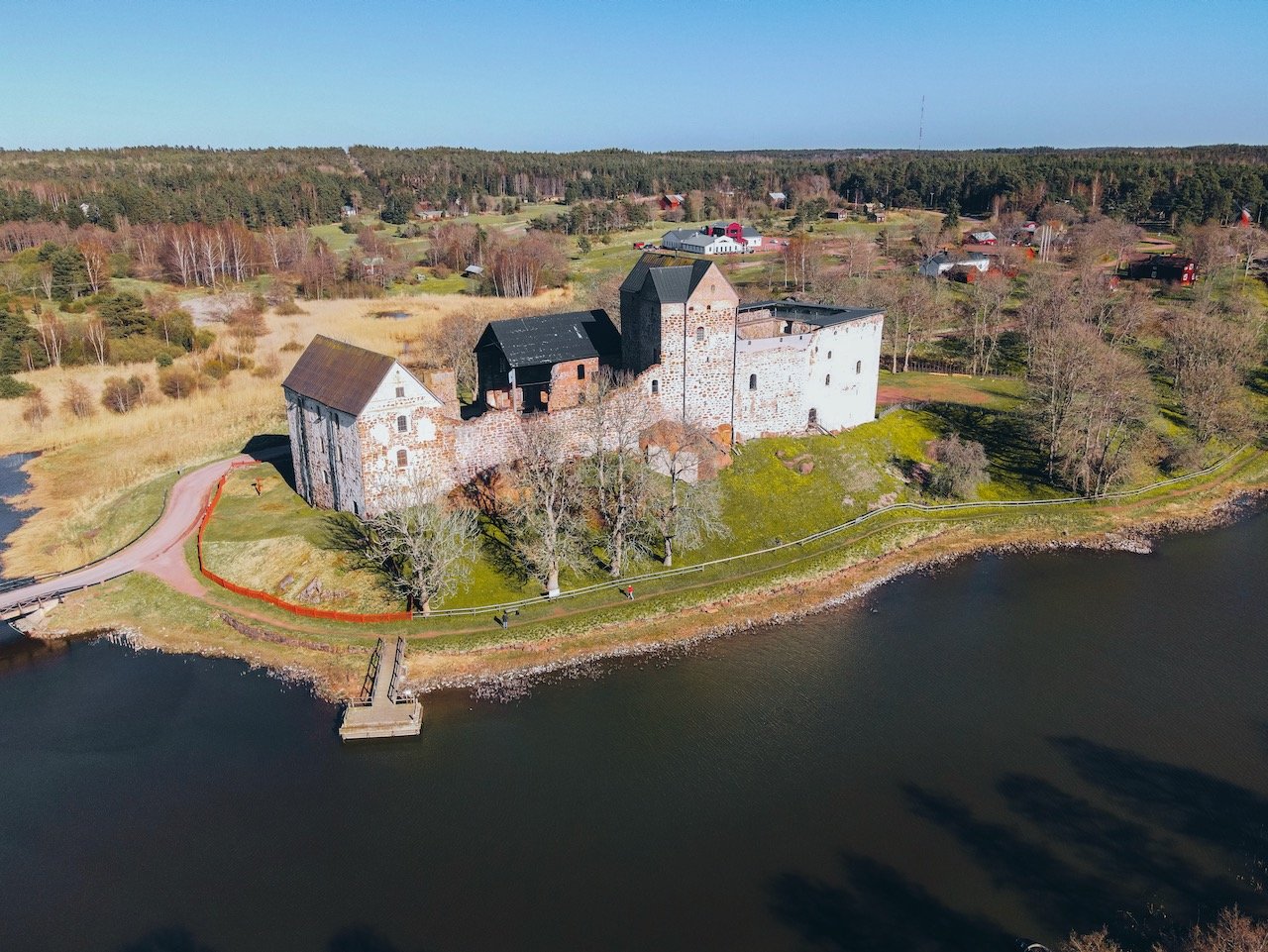
The Åland Islands are an autonomous region of Finland, located in the Baltic Sea. The capital city is Mariehamn and the official language is Swedish. The islands are perfect for hiking, sailing, and other outdoor activities and are easily reachable by ferry from Sweden. Notable places to visit include Kastelhomn Castle, Nåtö and Espholm Nature Reserves, and the city of Mariehamn.
The Nordics include Sweden, Finland, Denmark, Norway, Iceland, and the Faroe Islands. This part of Europe contains such awesome metropolitan capitals like Stockholm, Reykjavik, and Tórshavn (among others). Along with such iconic cities in these Northern European countries, you will also find gorgeous fjords, waterfalls, snow topped mountains, massive castle, and cool cathedrals. I have outlined all Nordic cities (including capitals), as well as the natural attractions in this part of the world and consolidated them into this ultimate guide!
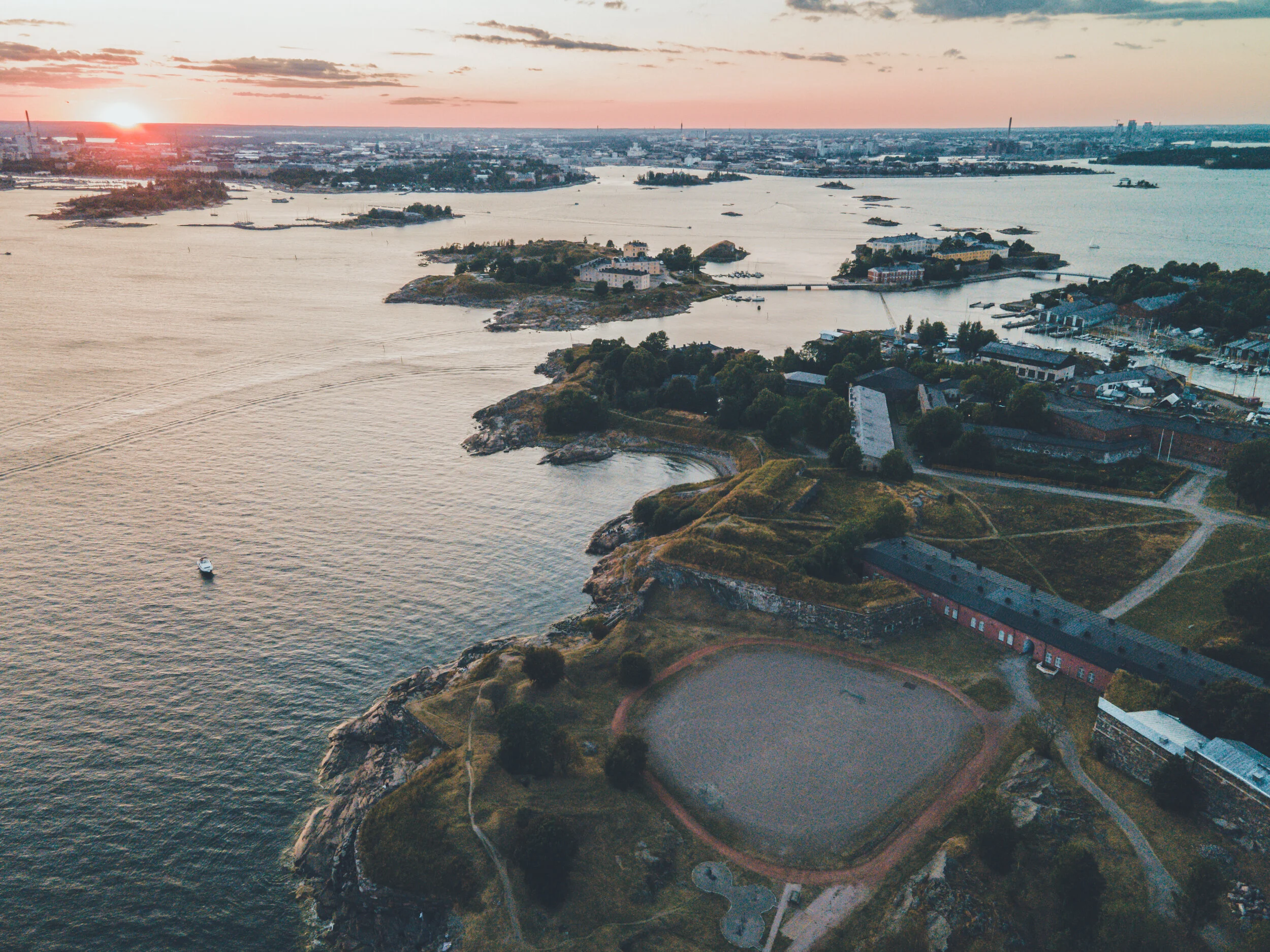
Suomenlinna, situated off the coast of Helsinki, translates to 'Castle of Finland'. Originally built by the Swedes, it has been occupied by the Russians, before being handed over to Finland. Take some time here to explore the Suomenlinna and Military Museums, Cafe Silo, Cafe Vanille, Adlerfelt, the King's Gate and Artillery Battery, Sveaborgs badstrand, and the Jetty Barracks Gallery!
The Nordic region of Europe consists of some of the world's happiest countries. The term Nordic is often mixed with Scandinavia though the two represent certain parts of Northern Europe. Each capital is quite different and has much to offer. This guide breaks down the Nordic capital cities of Copenhagen, Stockholm, Oslo, Helsinki, Reykjavik, Torshavn, and Mariehamn.

There is more to Helsinki than it's gorgeous emerald-domed cathedral. This Scandinavia capital is replete with a ton of fantastic cafes that give great views of the capital countryside. The fortress of Suomenlinna is also just a ferry ride away and its solitude and quietness stands in great contrast to the city sounds just across the water.
FRANCE

I had not seen much of France outside of Paris. I'm so glad I got to see Lille when I visited Brussels (via a short bus journey). The French people were so kind and I loved the sights around the city like Citadelle de Lille, the Grand Palace, the Sacred Heart of Jesus Catholic Church, the park of Jardin Vauban, Saint Maurice Catholic Church, and Bloom Cafe. This last place is a must see cozy spot!
GERMANY
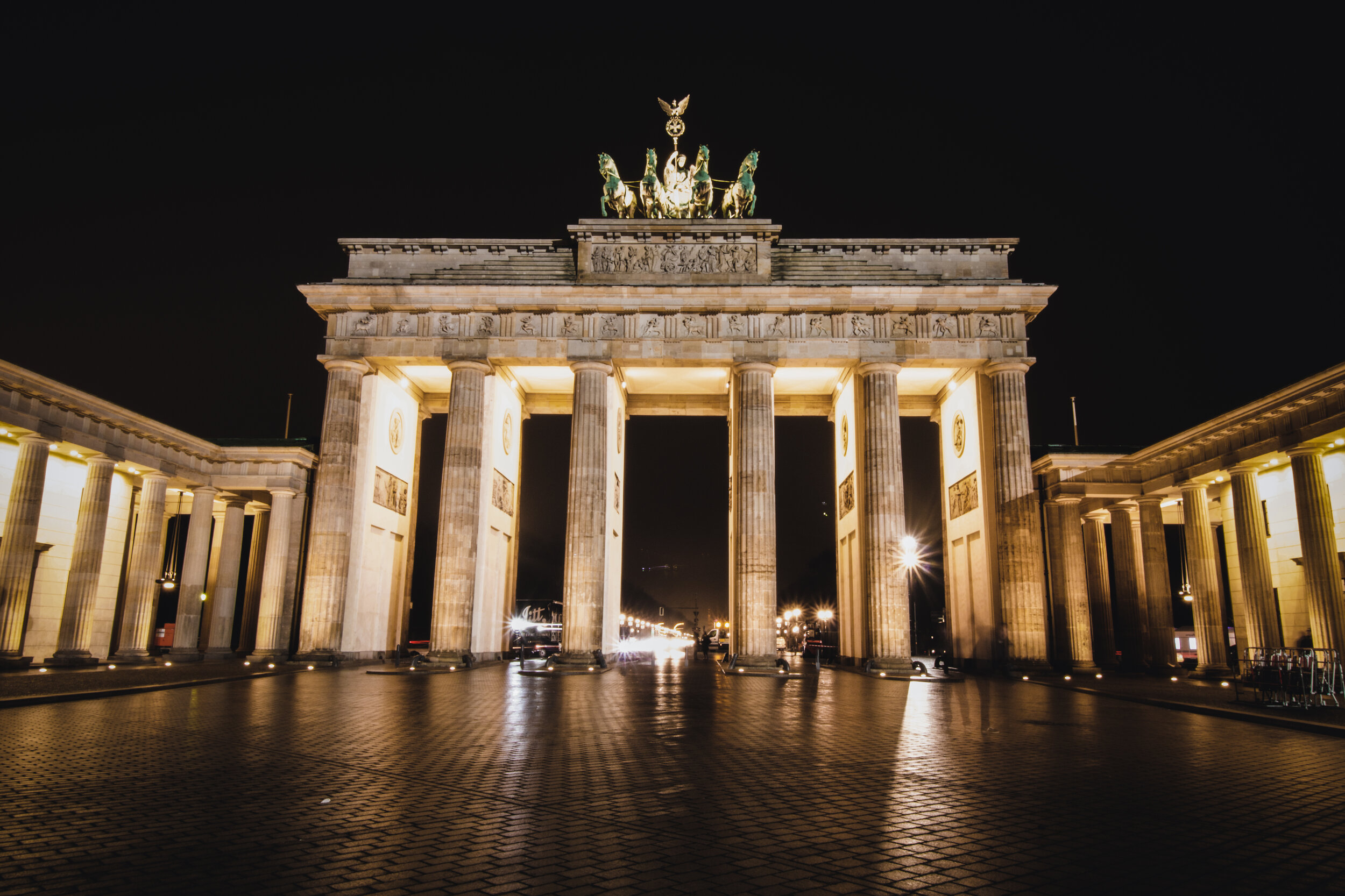
The German capital of Berlin is great every time of year, but not time is better than during Christmas. Aside from some of the great landmarks of the city like Berliner Dom, Brandenburg, Gate, the Reichstag, East Side Gallery and Checkpoint Charlie, the many Christmas Markets (Christkindlmarkt) are in full swing during the month of December. Pack a coat and enjoy this great German city!
GREECE
The Balkan Peninsula, or the Balkans, are a geographic area in Southern Europe, composed of countries with geographical and historical ties. The countries that make up the Balkans are generally noted to be Albania, Bosnia and Herzegovina, Bulgaria, Greece, Kosovo, Montenegro, North Macedonia, Turkey, Croatia, Serbia, Romania, and Slovenia.

Athens is one of the world's oldest cities and is the capital city of Greece. As a historical center for the arts, learning, and philosophy and current economic center in the Aegean, it is considered a Beta-status Global city. It is also known for its natural treasures and artefacts from the Classical Era. These includes the Acropolis, the Parthenon, Erechtheion, and the Temple of Hephaistos.
HUNGARY

This is a capital like no other. It's mainly known as the home of the Hungarian Parliament Building, the Sziget Festival, and the Széchenyi Baths. Make sure you carve out time to see sights on both sides of the river like Heroes Square, Vajdahunyad Castle, Chain Bridge, Fisherman's Bastion, Shoes on the Danube, and Buda Castle.
ICELAND

Vík í Mýrdal, also known as Vik, is the Southernmost village in Iceland. It is a common stop on a road trip through the Southern coast of Iceland. It is known for its black sand beach and rock formation off its coastline called Reynisdrangar. Around these sea stacks also sits Reynisfjara beach, a popular tourist site. It faces a constant threat of volcanic eruption from the nearby volcano called Katla. Vik is a must see village while on your trip to Iceland.

Jökulsárlón Glacier Lagoon is one of the most popular spots in Iceland. It sits near the Vatnajökull National Park in southeastern Iceland. It is known for having icebergs of various sizes from the Breiðamerkurjökull Glacier flowing in and out of the Atlantic Ocean. Fellsfjara is the nearby black sand beach where you will find many of these icebergs beached. This is a must see in Iceland!
The Nordics include Sweden, Finland, Denmark, Norway, Iceland, and the Faroe Islands. This part of Europe contains such awesome metropolitan capitals like Stockholm, Reykjavik, and Tórshavn (among others). Along with such iconic cities in these Northern European countries, you will also find gorgeous fjords, waterfalls, snow topped mountains, massive castle, and cool cathedrals. I have outlined all Nordic cities (including capitals), as well as the natural attractions in this part of the world and consolidated them into this ultimate guide!

Since it is an island nation, Iceland sure must have plenty of lighthouses. There are about 104 of them, manning the roughly 5000 kilometer coastline. Some notable lighthouses include the Garður Old Lighthouse, and the ones in Malarrif, Svörtuloft, Hvalnes, Öndverðarnes, Súgandisey Island, Dyrhólaey, Old Akranes, Bjargtangar, Dalatangi, Þrídrangaviti, and Grótta Island.

The 350 Churches for 330,000 people living in Iceland is probably too much. Regardless of your faith, there are many of these gorgeous churches all around the country that are worth seeing. Here is a guide to some of them like Hvalsneskirkja, Strandarkirkja, Vikurkirkja, Kirkjubaer, Husavikurkirkja, Heimaey Stave Church, Hallgrímskirkja, Seyðisfjarðarkirkja, Hofskirkja, Búðakirkja, and Glaumbaer.
The Nordic region of Europe consists of some of the world's happiest countries. The term Nordic is often mixed with Scandinavia though the two represent certain parts of Northern Europe. Each capital is quite different and has much to offer. This guide breaks down the Nordic capital cities of Copenhagen, Stockholm, Oslo, Helsinki, Reykjavik, Torshavn, and Mariehamn.
Sometimes when you plan a trip, you have to deal with a longer than normal layover in a different city. This can be a blessing! I have highlighted five such layovers you can build into your trip itinerary to get the most from your trip (KLM - Amsterdam, Emirates - Dubai, British Airways - London, Turkish Airlines - Istanbul, IcelandAir - Reykjavik).

They say there are more than 10,000 waterfalls in Iceland. Though you won't have time to see all of them, here is a list of a few worth seeing: Hundafoss, Svartifoss, Svöðufoss, Hjalparfoss, Seljalandsfoss, Hengifoss, Öxarárfoss, Bruarfoss, Kirkjufellsfoss, Faxifoss, Haifoss, Goðafoss, Selfoss, Hraunfossar, Dettifoss, Klifbrekkufossar, Litlanessfoss, Skógafoss, Kolufoss, and Urriðafoss.

This road trip through the south coast of Iceland will take your breath away. Hire a car and set out from Reykjavik and stop at waterfalls like Seljalandfoss and Skógafoss, see glaciers at Jökulsárlón glacier lagoon (near Vatnajökull National Park), discover ice caves at Hofn and Skaftafell, and marvel at the rock formations at Reynisdranger at Reynisfjara Beach, just outside of Vík í Mýrdal.

From waterfalls or mountain tops, you’re sure to get your dose of nature during your Iceland Road Trip. Here I provide you with sage advice on how to prepare and execute your road trip to get the most out of Iceland. I break down the specifics on what to see in the Snaefellsnes Peninsula, South Coast, North and Eastern regions of the country.
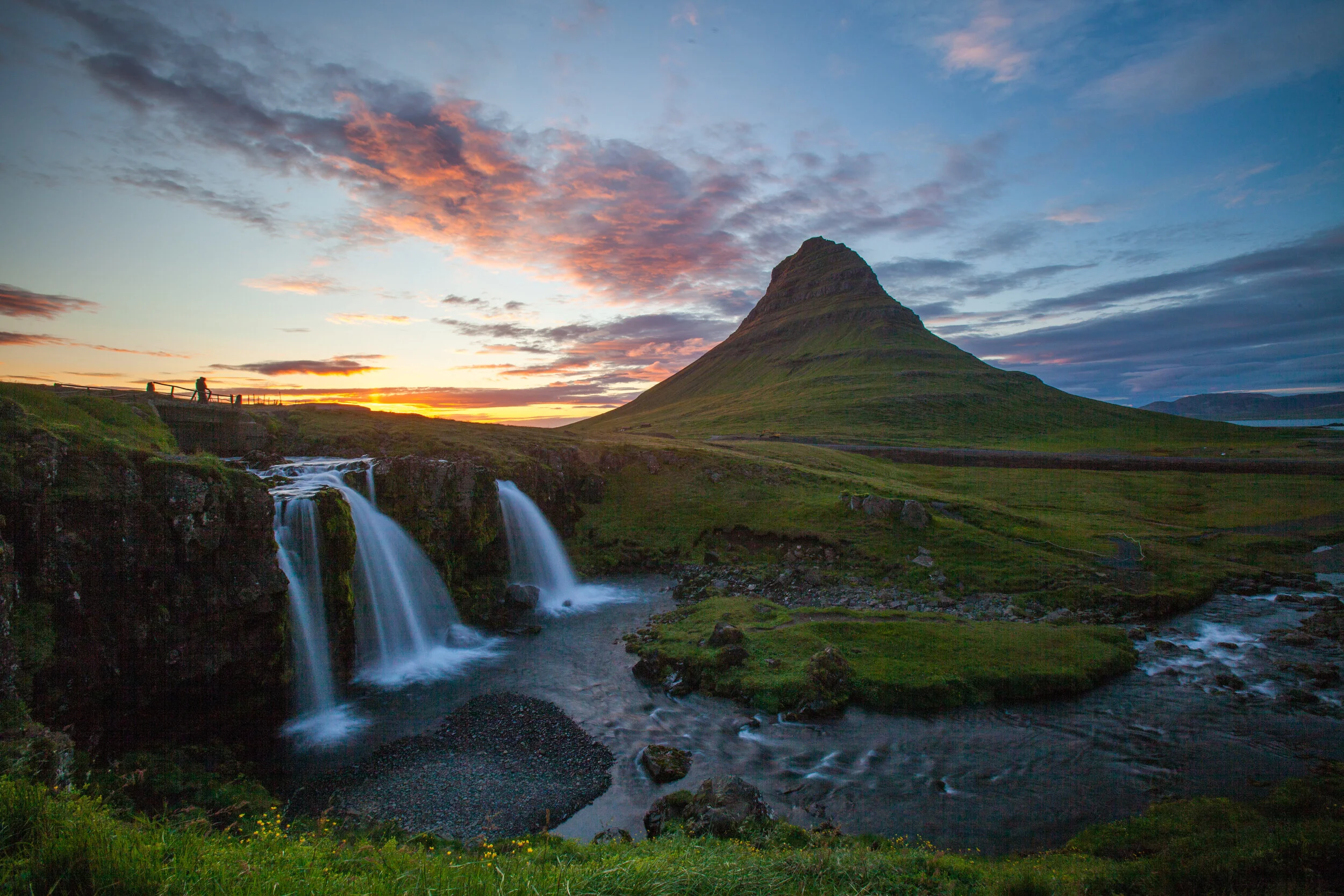
The Snaefellsnes Peninsula is full of amazing lighthouses (Malarrif, Svörtuloft, and Öndverðarnes), cool waterfalls (Kirkjufellsfoss and Svöðufoss), gorgeous churches (Búðakirkja and Ingjaldshólskirkja), nice beaches (Djúpalónssandur), and gorgeous landscapes (Lóndrangar and Gatklettur). Rent yourself a car and take the short drive here from Reykjavik to see all this with your own eyes.

A tour of Northern Iceland starts off more waterfalls (Selfoss, Dettifoss, and Hafragilsfoss) before checking out the geothermal areas of Hvevir and Krafla crater. Stop for food and coffee in the 2nd largest Icelandic city, Akureryi, before continuing to see Goðafoss and Kolufoss. The Glaumbaer church should also not be missed.

Your East Iceland road trip begins in Höfn. Nearby is the iconic Vestrahorn Mountain and black sand beach. Navigate the ring road to pass other landmarks like the Hvalnes Lighthouse, en route to the Klifbrekkufossar, Litlanessfoss, and Hengifoss waterfalls. Stop by the town of Seydisfjordur and check out its gorgeous church (Seyðisfjarðarkirkja), saving the amazing Stuðlagil Canyon for last.

Finish up your South Coast road trip with stops at Fjaðrárgljúfur and Múlagljúfur canyons, the glacier lagoons at Jökulsárlón and Fjallsárlón, the waterfalls of Skaftafell National Park Hundafoss and Svartifoss as well as stops at Svínafellsjökull Glacier, the Skeiðará Bridge Monument, and the tiny icebergs at Fellsfjara.

Start your day by first seeing Seljalandsfoss, Gljufrabui, Skógafoss, and Kvernufoss waterfalls along the ring road. Also make sure you have time to discover the Sólheimajökull Glacier, Hjörleifshöfði Cave (Yoda Cave) and the Sólheimasandur plane wreck. Dyrhólaey has some of the best views and the Reynisfjara beach is a must see. The town of Vik is best for seeing Reynisdrangar as well.

Iceland's Southern Coast is perhaps the most popular area in the entire country. Start your road trip by heading East from Reykjavik to see waterfalls like Öxarárfoss, Gulfoss, Faxifoss, and Bruarfoss waterfalls near Þingvellir National Park along with Haifoss, Hjalparfoss, Gjain, and Þjófafoss just further north. Then finish your day with Kerid Crater and Urriðafoss.

You would think that a country of just 350,000 people wouldn't have much to offer, and you would be very wrong in this case. The Icelandic capital of Reykjavik is small, but packs a punch. Book a northern lights tour, go to the Blue Lagoon tourist trap, swim between the tectonic plates at Silfra, see the Golden Circle sights like Gulfoss waterfall and Strokkur geyser and grab coffee at Stofan Cafe.
IRELAND

Galway is the 4th largest city in Ireland whose origins date back to 1124. Popularized by the Ed Sheeran song 'Galway Girl', the city is located on the western coast of Ireland and is perfect for a weekend getaway. Notable attractions include Galway Cathedral, Galway River Corrib Quay, the Spanish Arch, Eyre Square, Menlo Castle, the Claddagh, the Long Walk.

The city of Dublin has been inhabited since prehistoric times. Today, it is the capital of Ireland and is an Alpha minus Global city. My time here took me to the Guinness Brewery, the Jameson Distillery, as well as other landmarks like Temple Bar, Dublin Castle, Trinity Library, Phoenix Park, Grand Canal Square, and Christ Church and St. Patrick's Cathedrals.
ITALY

Italy is located in Southern/Western Europe, in the middle of the Mediterranean Sea and sharing borders with France, Switzerland, Slovenia, and Austria. A country with such a rich history is surely to be at the top of most peoples' travel lists. This is a guide to my trips in Italy that have taken me to Venice, Rome, Florence, Trieste, Cinque Terre, the Amalfi Coast, and even to Vatican City.
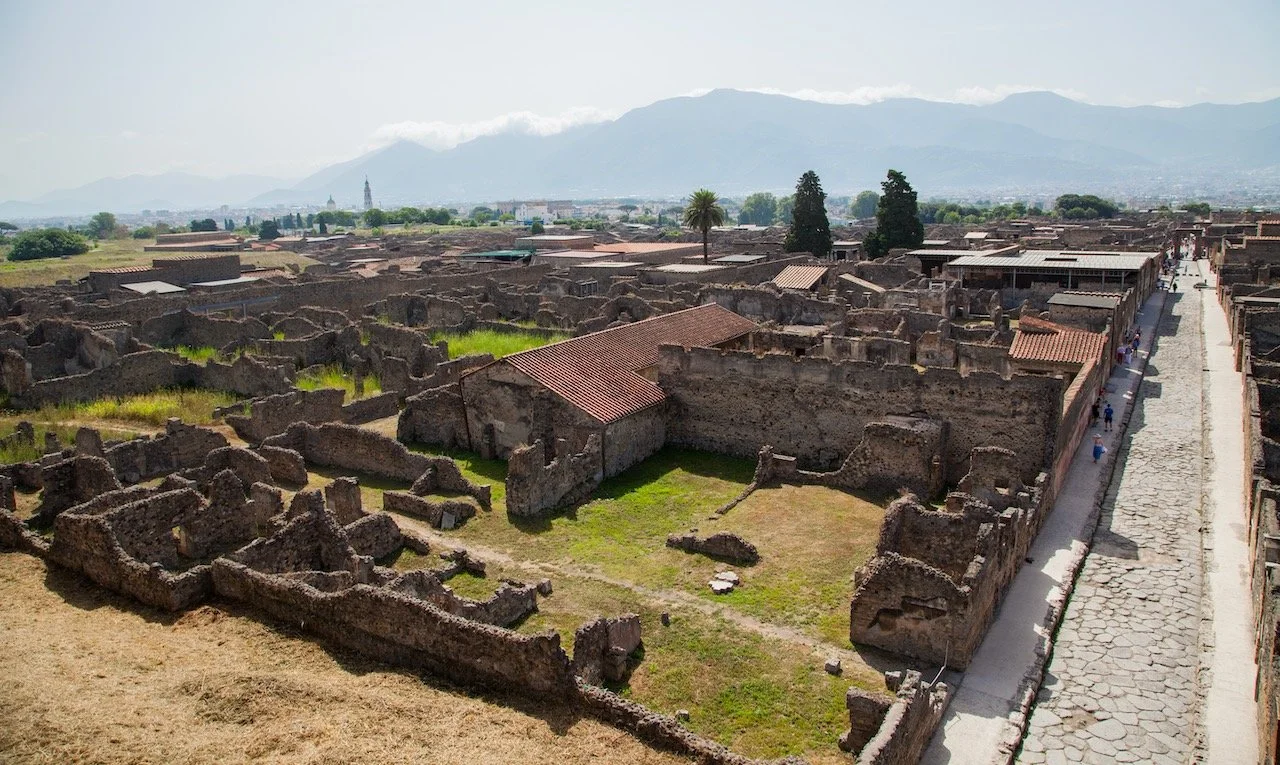
Pompeii is an ancient Roman city, located near Naples in Italy, at the foot of volcano Mt. Vesuvius dating back to 8th century BC. It is most known for its demise by the eruption of Mt. Vesuvius in 79 AD. Currently a UNESCO World Heritage Site, it was once a city of 11,000 before the eruption. Serious excavations of the city started in the 1920s and work is ongoing for preserving the site.

The island of Capri is located just off the Amalfi Coast on the Sorrentine Peninsula in Southern Italy. It is a part of the Naples municipality and has been known to be a resort town since its founding. Popular spots include the town of Anacapri, the Blue Grotto, the Belvedere of Tragara, and the Marina Piccola.

The island of Procida is located among the Phlegraean Island archipelago, off the coast of Naples, Italy, along with Ischia, Vivara, and Nisida. Created by the eruption of four volcanoes, it was visited by Greek settlers back in 8th century BC. Winner of the Italian Capital of Culture in 2022, it is best known for its colorful building facade on the southeastern side of the island.

The Amalfi Coast is located on the Sorrentine Peninsula in Southern Italy. As a UNESCO World Heritage Site, it is known for its gorgeous vistas and natural landscapes. Some of the notable towns on the Amalfi coast include Positano, Sorrento, Ravello, Minori, Maiori, Atrani, Praiano, Furore, Capri, as well as the town of Amalfi itself.

The town of Positano is located on the Amalfi Coast on the Sorrentine Peninsula in Southern Italy. Archaeological evidence of the town dates back to the 1st Century BC. Known for its market port in the 15th to 17th centuries, it was a poor fishing village in the mid 1900s, then roared in popularity thereafter. Notable sites to see are the Church of Santa Maria Assunta and the Marina Grande beach.

The beach of Fiordo di Furore is located on the Amalfi Coast on the Sorrentine Peninsula in Southern Italy. The village of Furore is located higher up on the cliffside, but the beach is the most notable attraction of the town. The beach is a ria, or coastal inlet, created by the Schiato torrent. It is a popular destination for swimmers with its aqua water and arched bridge facade.

The town of Atrani is located on the Amalfi Coast on the Sorrentine Peninsula in Southern Italy. It is the smallest municipality in Italy, located just East of Amalfi. It bears the designation of 'I Borghi più belli d'Italia', given to beautiful towns in Italy. Its traditional characteristics are well preserved and its most notable attraction is the Collegiate Church of St Mary Magdalena.

The town of Amalfi is located on the Amalfi Coast on the Sorrentine Peninsula in Southern Italy. As a famous former trading post, it is known today for its Limoncello liquor and central location along the coastline, providing port access to other coastal towns. It is a UNESCO World Heritage Site and is famous for its Cathedral, the Duomo di Amalfi.

The town of Maiori is located on the Amalfi Coast on the Sorrentine Peninsula in Southern Italy. Founded by the Etruscans, it was conquered by the Romans in the 3rd century BC. It was originally called Rheginna Maior by the Romans in relation to the river that runs through the town. It is located close to the neighboring town of Minori on the Amalfi Coast.

The town of Minori is located on the Amalfi Coast on the Sorrentine Peninsula in Southern Italy. It is known as the 'City of Taste' for its culinary tradition. Minori means 'small' in latin, referring to the La Rheginna river running through it. It is the oldest inhabited site on the Amalfi Coast, dating back to the 1st century.

The town of Ravello is located on the Amalfi Coast on the Sorrentine Peninsula in Southern Italy. It was founded in the 5th Century as a shelter against barbarian incursions at the end of the Roman Empire. The town is nestled in the Amalfi Coast cliffside and has been a popular destination for artists. Its most popular attraction is certainly the historic Villa Cimbroni.

Rome is the capital city of Italy whose history spans over 28 centuries. The historical center of Rome is a UNESCO World Heritage site and its name comes from its founder, Romulus. Referred to as the 'City of Seven Hills', some notable attractions in Rome include the Colosseum, the Pantheon, Castel Sant'Angelo, the Trevi Fountain, Spanish Steps, and the Roman Forum.

Vatican City is a landlocked country, located within the confines of Rome, Italy. It is the smallest country in the world with a population of 453 and size of 49 hectares. It officially came into existence in 1929 with the Pope as its ruler. Some notable landmarks to check out include St. Peter's Basilica, the Sistine Chapel, the Vatican Apostolic Library, and the Vatican Museums.

Trieste is a city and seaport in the Northeast corner of Italy, sitting near the border with Slovenia. It is described as the 'Vienna by the sea' and its location has given is such a rich medieval and modern history. Some great places to see was the Palazzo Gopcevich and Carciotti, Castello di San Guisto, Miramare Castle, the Roman Theater, and the Serbian Orthodox Church of Saint Spyridon.

The five villages that comprise Cinque Terre on the Italian coast are: Riomaggiore, Manarola, Corniglia, Vernazza, and Monterosso al Mare. On your journey here, you'll want to see each village in its entirety since they all have something unique to offer. From cooking classes, great swimmings spots, countless restaurants and gelato shops, use this guide to figure out what to see in each place.

The city of Florence, or Firenze, is probably one of the most popular in all of Italy. And for good reason since you have landmarks here like the Cathedral of Santa Maria del Fiore, Ponte Vecchio, Accademia Gallery, Piazza della Signoria, and the Uffizi Gallery, just to name a few. Of course, sunset over Florence at Piazzale Michelangelo is a best do on your visit here as well!

Monterosso al Mare is the northernmost town that comprises Cinque Terre, on the Italian coast. The town also has the largest beach among all five towns, replete with cafes, restaurants, and umbrellas as far as the eye can see. Aside from landmarks like the San Francesco d'Assisi Statue and Convent of the Capuchin Friars, consider taking a Pesto cooking class at the Cinque Terre Cooking School!

Vernazza is one of the best towns that make up Cinque Terre, along the Italian coastline. This town is more relaxed than the others, which still offering great panorama city views, an adorning castle at Castello Doria, and the picturesque Santa Margherita di Antiochia Church. Swimming here is also a must during the hot summer months. You do not want to miss Vernazza I guarantee you!

Corniglia sits right in the middle of Cinque Terre on the Italian coast. Perhaps the best way to see the city is to meander through the many alleyways and pockets of shops and restaurants before making your way to the Chiesa Di San Pietro. You can reach this town by train but consider also hiking from nearby Manarola, you'll be glad you did.

The town of Manarola will be your favorite in all of Cinque Terre I promise you. This cliffside town has amazing coastal views which is best seen from the restaurant Nessun Dorma. You can't go wrong with spending an entire day here and swimming in the beach below, especially during the hot Italian summers. Then cap off the day with an Aperol Spritz and Burrata from one of the many restaurants.

The Southernmost town of Cinque Terre is Riomaggiore, nestled on the Italian coast. Journey here during the summer time and eat all the gelato and espresso you desire while taking in great panamoric views and exploring landmarks like the Church of San Giovanni Battista of Riomaggiore, Castelo di Riomaggiore, and Riomaggiore Beach.

Venice may be a victim of overtourism and climate change, but there is still time to see this Italian island while contributing to its longevity. Stay a few nights here, grab some gelato and pizza, and check out the Rialto and L'Accademia Bridges, St. Mark's Square with the Campanile, Doge's Palace, and Bridge of Sighs in the distance, and the neighboring islands of Lido, Murano, and Burano.
LATVIA
The term Baltic State is geopolitical and refers to the 3 sovereign states located on the eastern coast of the Baltic Sea, which have formed close intergovernmental and parliamentary ties with each other. Each capital is quite different and has much to offer. This guide breaks down the Baltic capital cities of Tallinn (Estonia), Riga (Latvia), and Vilnius (Lithuania).

The Art Nouveau style of the Latvian capital of Riga is a refreshing change from the skyscrapers that usually accompany capital cities. This city can be reached by bus, plane, or ferry and boasts city center attractions like Riga Castle, Three Brothers, House of the Blackheads, Swedish Gate, St. Peter's Church, and Riga Market.
LITHUANIA

Trakai is a small town of 5,000 people just 28 km west of Vilnius in Lithuania with origins dating back to 1337. The town features a large array of different community nationalities (Karaims, Tatars, Lithuanians, Russians, Jews and Poles). The highlight of the town has to be the Trakai Island Castle on Lake Galvé. Today it serves as a museum as well as a venue for festivals and concerts.
The term Baltic State is geopolitical and refers to the 3 sovereign states located on the eastern coast of the Baltic Sea, which have formed close intergovernmental and parliamentary ties with each other. Each capital is quite different and has much to offer. This guide breaks down the Baltic capital cities of Tallinn (Estonia), Riga (Latvia), and Vilnius (Lithuania).
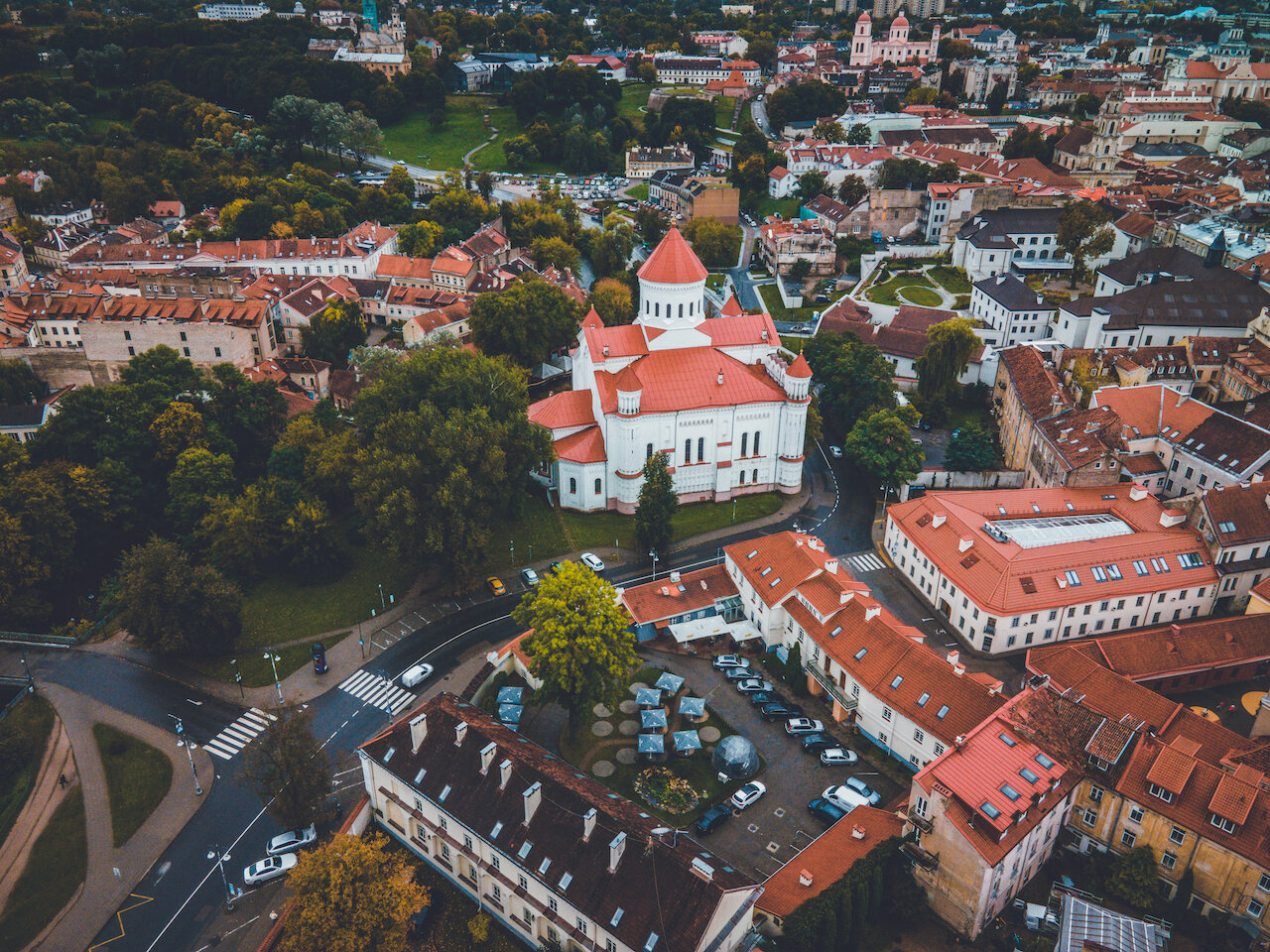
Vilnius is rich in historical and cultural entities that serves as the capital of the Baltic State of Lithuania. My trip here took me to great places like St. Anne's Church, Vilnius Cathedral, the Three Crosses, Gediminas Castle Tower, Bastion Hill, Cathedral and Town Hall Squares, Pilies and Literatai Streets, and Missionary Gardens, just to name a few. This was my FAVORITE Baltic Capital!
MALTA

Malta is an archipelago in Southern Europe and has been inhabited since 5900 BC. Its location in the Mediterranean has made it a historically significant site of strategic important. It has a population of half a million and is the 10th smallest country by area. Use this guide as a crash course into the cities of Valletta and Mdina, as well as Gozo, Comino, and Malta Islands.

Mdina is a fortified city located in the Northern part of Malta and served as the capital until the medieval period. No cars are allowed in Mdina, giving it the nickname the 'Silent City'. In addition to the city walls, other attractions in Mdina that are worth seeing include Mdina Gate, St. Paul's Cathedral and Catacombs, Palazzo Vilhena and Falson, and St. Agatha's and St. Nicholas' Chapels.
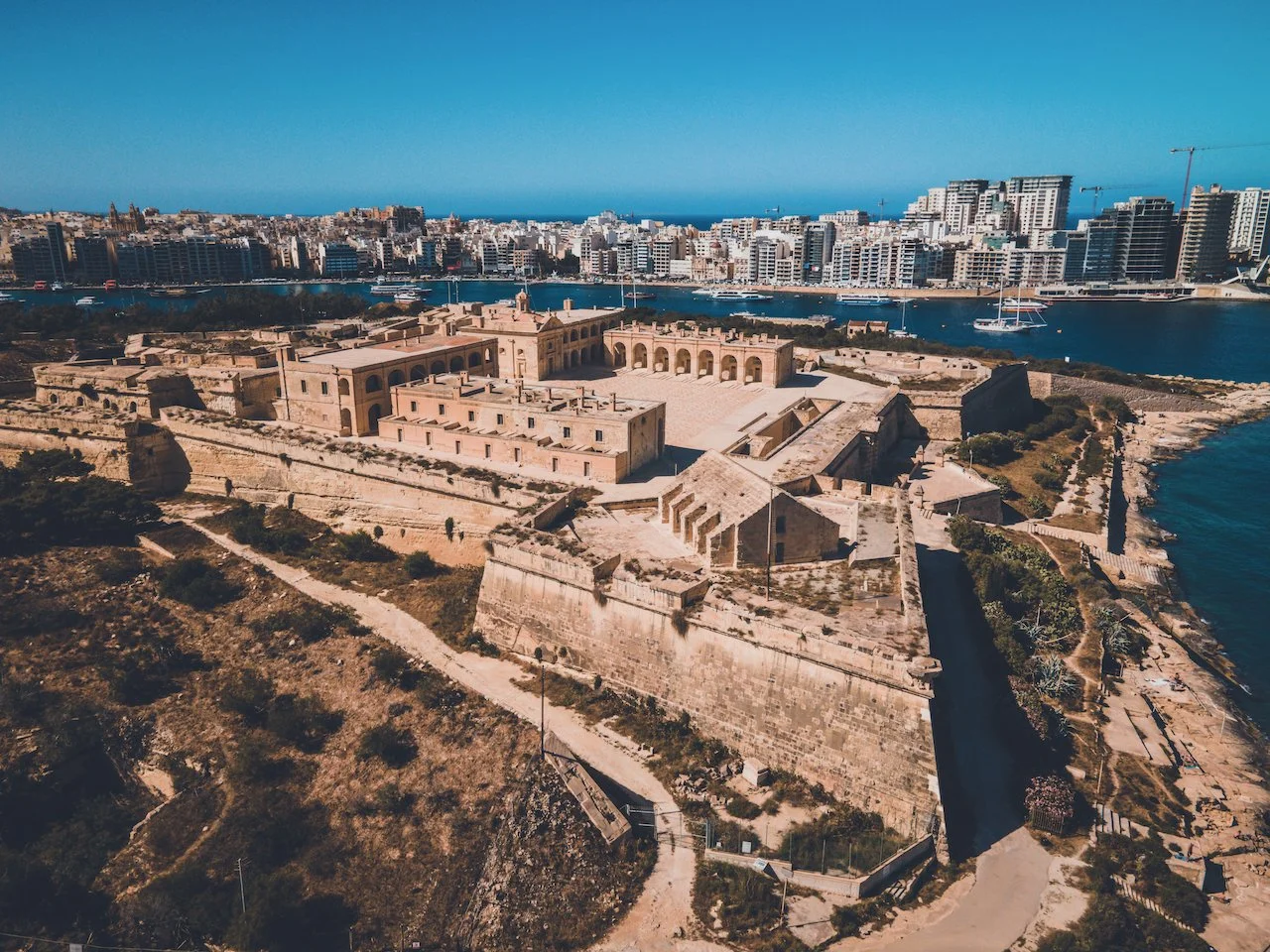
Valletta is the capital city of Malta and the Southernmost European capital. The city was successfully defended in the 16th century from the Ottoman Empire by Jean Parisot de Valette, with whom the city is named after. The city boasts elements of Baroque, Mannerist, Neo-Classical and Modern architecture. Be sure to check out Fort Manoel, the Grand Harbor, and the Upper Barrakka Gardens.

The smallest inhabited island of Comino is a short ferry ride away from the main island of Malta. Take a day trip here to explore St. Mary's Tower, the Santa Maria Caves, Crystal Lagoon, Lantern Point, Cominotto Reef, and relax the rest of the day at the picturesque Blue Lagoon. You have a choice in returning to Malta or going further to Gozo, but you should not miss Comino on your visit here.
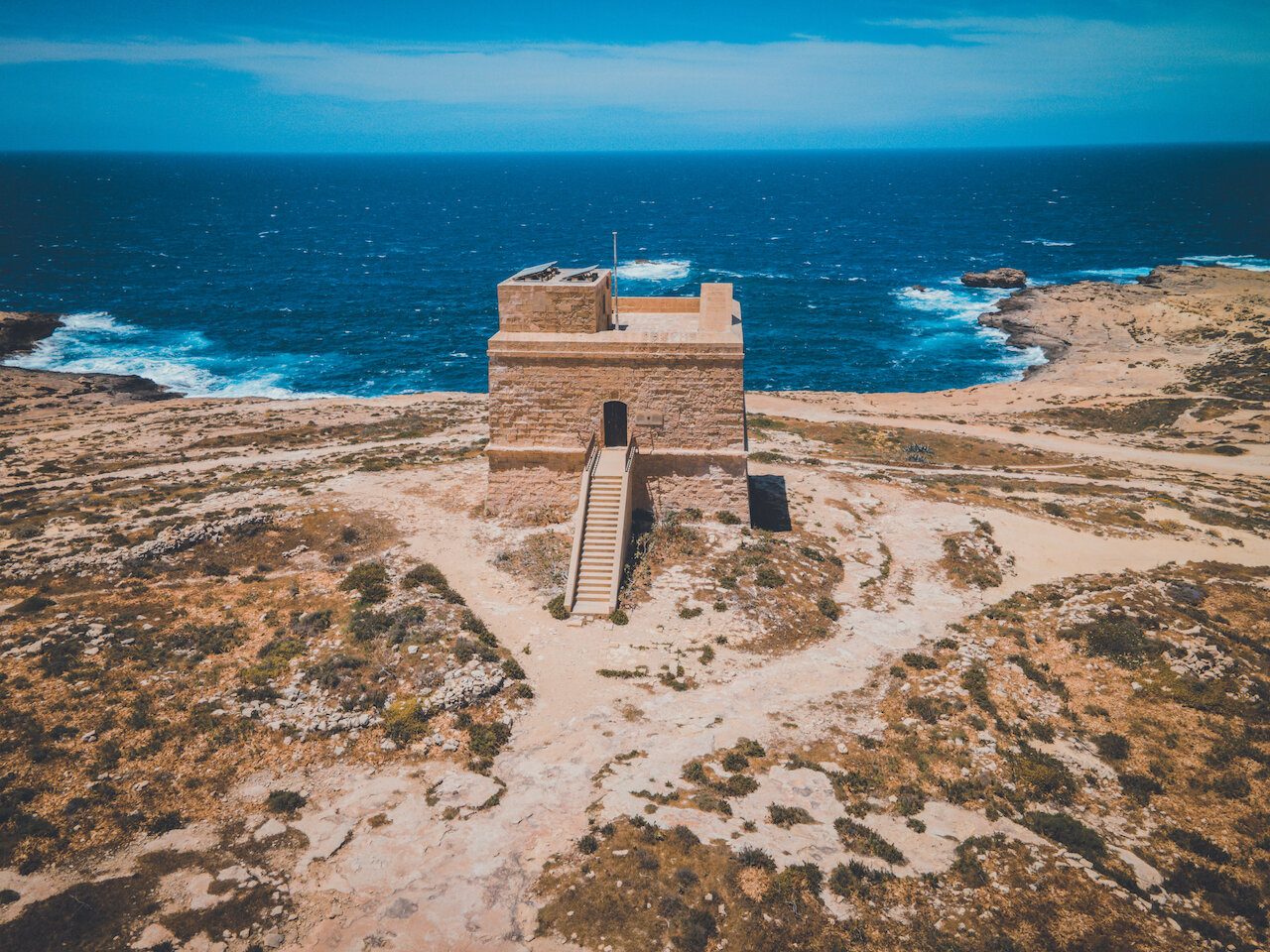
The island of Gozo is easily reached from Malta's main island by taking a ferry from Cirkewwa to Mġarr. Take a day trip here and spend your time exploring places like Wied Il-Mielaħ, the Azure Window, Fungus Rock, Sopu Tower, Ramla Beach, Calypso Cave, Blue Hole, Reqqa Point, Dahla ta' Bemberin, and Ġgantija. The churches at Mġarr and Ta' Pinu are also spectacular to see!

Malta as a destination is the perfect combination of plentiful sunny beaches and lagoons, mixed with countless historical entities and gorgeous natural features. Take a few days and check out awesome places like the capital Valletta, Blue Grotto, Selmun Palace, Red Tower, Fort Manoel, Fort St. Angelo, Golden Bay, Mdina, Rabat, Marsamxett and Grand Harbours, the Dingli Cliffs and Fisherman's Cave.
MONTENEGRO
The Balkan Peninsula, or the Balkans, are a geographic area in Southern Europe, composed of countries with geographical and historical ties. The countries that make up the Balkans are generally noted to be Albania, Bosnia and Herzegovina, Bulgaria, Greece, Kosovo, Montenegro, North Macedonia, Turkey, Croatia, Serbia, Romania, and Slovenia.

Kotor is known for its fortified city walls, nestled in a river canyon below limestone cliffs. This city in Montenegro has become a popular destination in recent years and is worth the trip! Be sure to head on over this way to check out Kotor sights like Forts Škaljari, Trojica, Gorazda, and Šanik, San Giovanni Castle, and Church of Our Lady of Remedy and St. Nicholas Church, just to name a few.

The picturesque town of Budva in Montenegro sits on the Adriatic Sea and is around 2,500 years old. Its high city walls and orange rooftops make it a welcome sight for travelers looking for an old town feel. Make your way to Budva and check out places like the Citadela Fortress, Sveti Nikola Island, Jaz Battery, Fort Mogren and Pizana and Mogren Beaches!
THE NETHERLANDS
Sometimes when you plan a trip, you have to deal with a longer than normal layover in a different city. This can be a blessing! I have highlighted five such layovers you can build into your trip itinerary to get the most from your trip (KLM - Amsterdam, Emirates - Dubai, British Airways - London, Turkish Airlines - Istanbul, IcelandAir - Reykjavik).

Head on over to Holland come see what makes Amsterdam such a special city. Get lost in the labyrinth of canals, lined by architecturally stunning buildings. Better yet, rent yourself a bike and head on over to great places like the Rijksmuseum, Vondelpark, Anne Frank Huis, Rembrandt Huis, the Red Light District, and the Heineken Brewery.
NORWAY
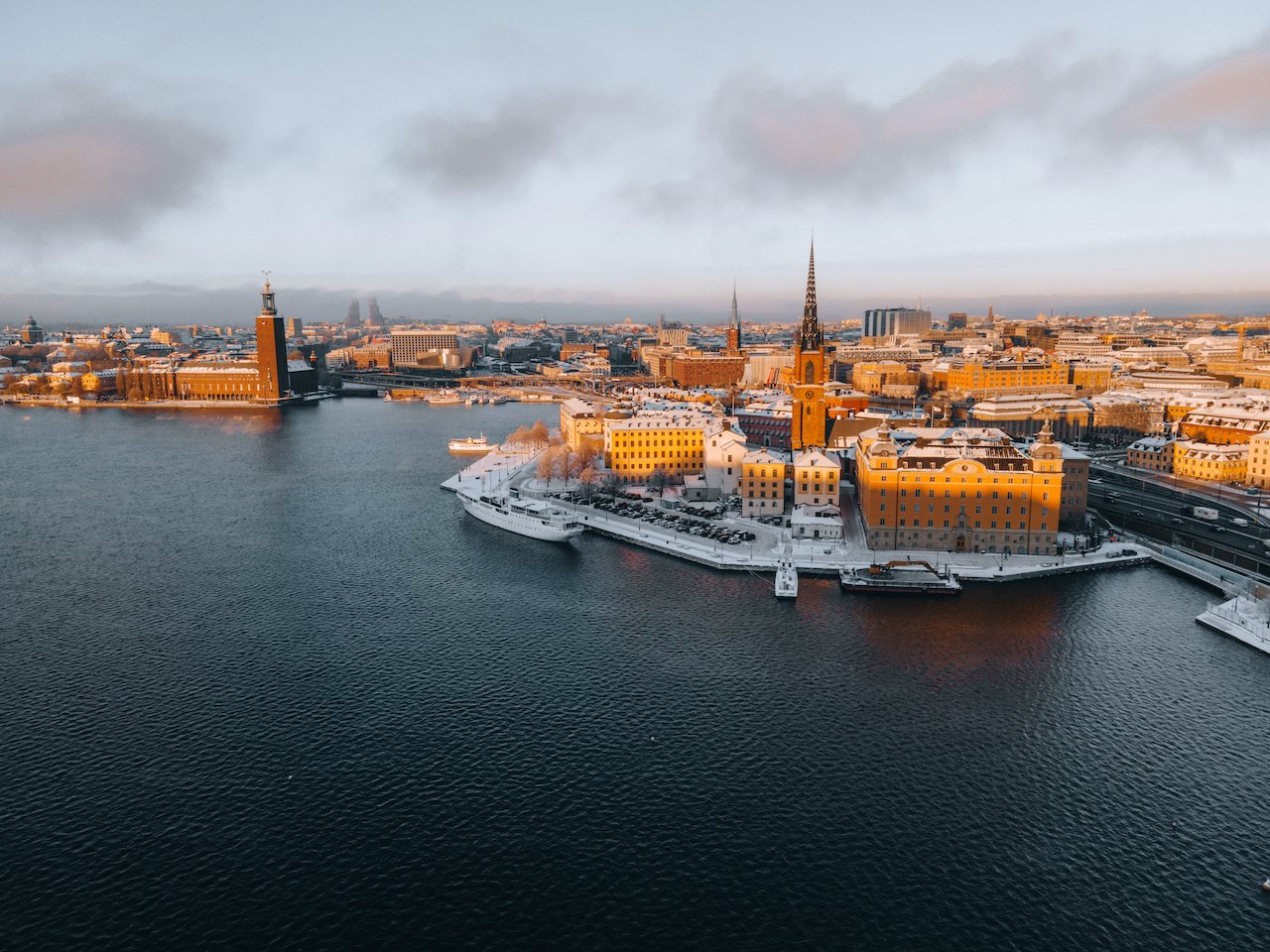
The countries of Scandinavia include Sweden, Norway, and Denmark. Despite being geographical neighbors, there is a long history among these countries. They are truly unique places in comparison to other countries of the world and are very much worth seeing. Use this guide for not just seeing their capitals (Stockholm, Oslo, Copenhagen), but also their cities as well.
The Nordics include Sweden, Finland, Denmark, Norway, Iceland, and the Faroe Islands. This part of Europe contains such awesome metropolitan capitals like Stockholm, Reykjavik, and Tórshavn (among others). Along with such iconic cities in these Northern European countries, you will also find gorgeous fjords, waterfalls, snow topped mountains, massive castle, and cool cathedrals. I have outlined all Nordic cities (including capitals), as well as the natural attractions in this part of the world and consolidated them into this ultimate guide!

This guide to Norway breaks down several cities and natural areas within the country that are worth visiting. This includes the capital city of Oslo and the 2nd most populous city of Bergen, the most populated Norwegian city in the Arctic Circle at Tromsø, and the smaller city to Stavanger. If it is nature you seek, I also talk about places like Trolltunga, Preikestolen, and the Lofoten Islands.
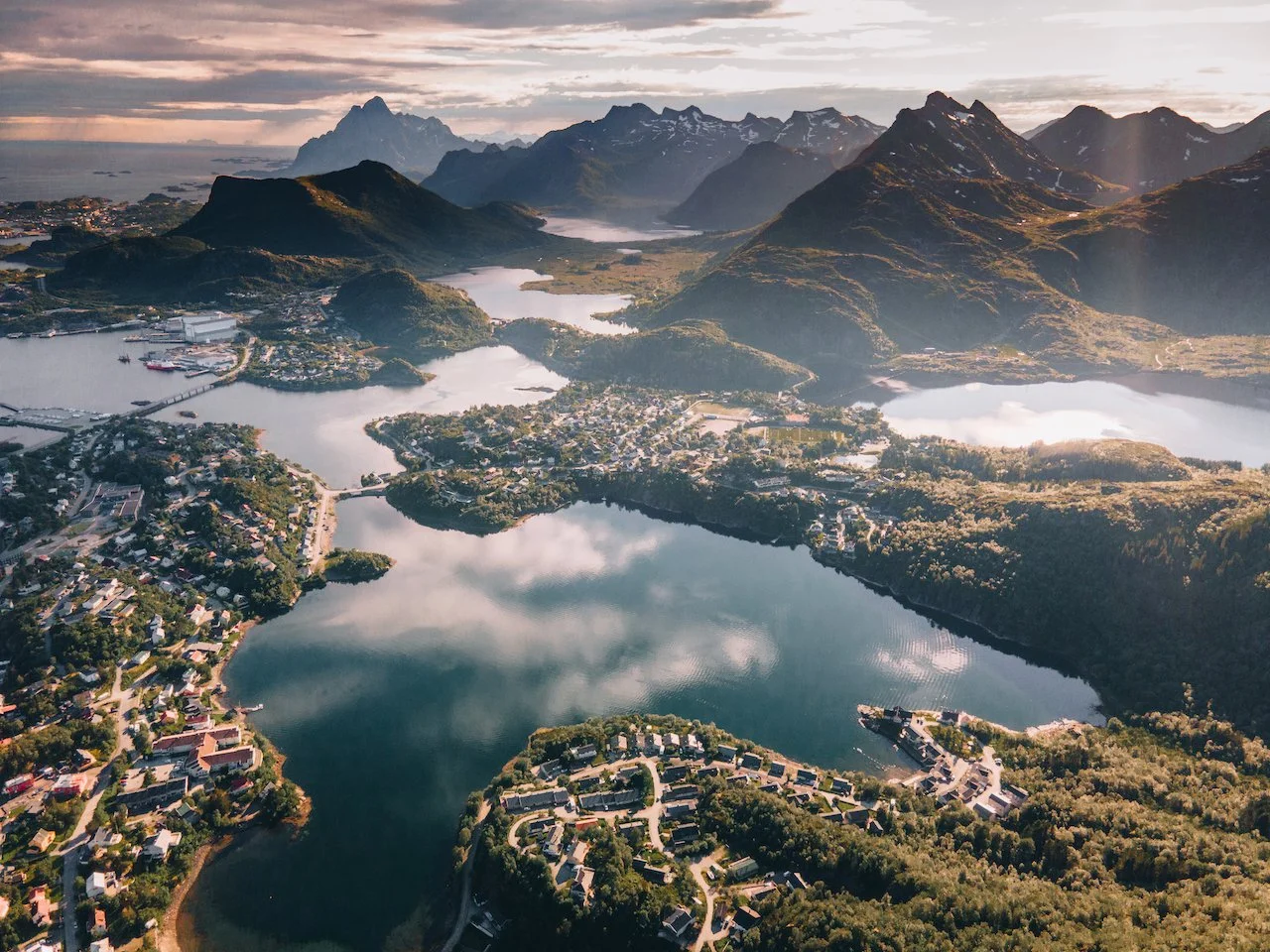
The Lofoten Islands are located in Nordland County in Norway. They are composed of the islands Gimsøy, Austvågøy, Vestvågøya, Flakstadøya, Mostenesøya, and Værøy. These islands are some of the most beautiful in the world and a summertime road trip to Lofoten is a huge bucket list item. My favorite spots were Henningsvær, Reine, Ryten, Nusfjord, Vikten, Offersøykammen, and Eggum, to name a few!

The island of Værøy is a part of the Lofoten archipelago in Nordland County, Norway. It is home to roughly 728 people and accessible only by ferry from Mostenes or Bødo. The viewpoint after hiking to Håen is one of the best in all of Lofoten. You can also hike at Nordlandsnuppen, Plantefeltet, and Værøyhornet. A day trip here is all you need to see the southern tip of the Lofoten Islands.
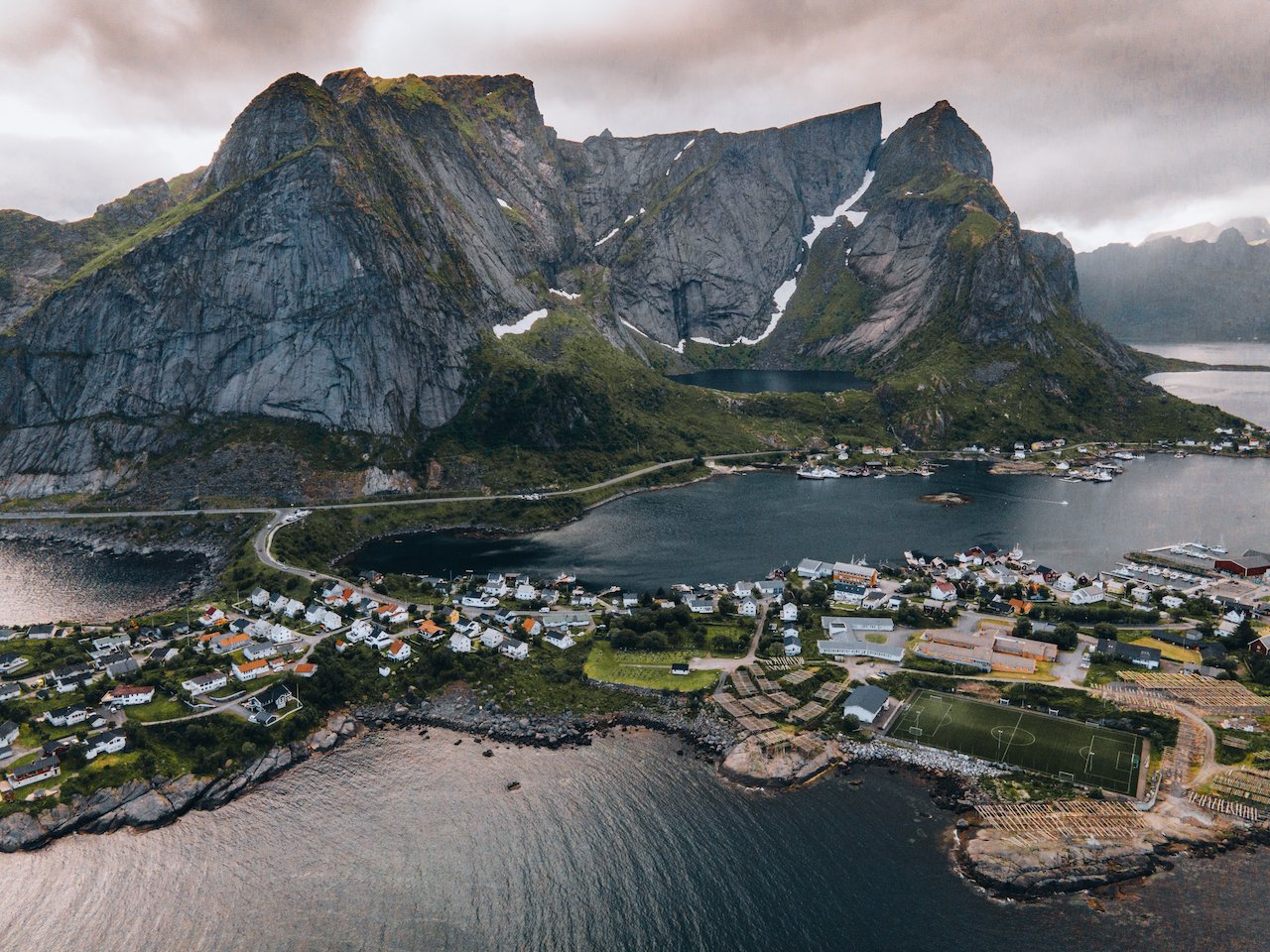
The island of Moskenesøya is a part of the Lofoten archipelago in Nordland County, Norway. There are a plethora of hikes to undertake on the island: Reine, Ryten, Røren, Andstabben, and Munken. Some great beaches to check out are also at Kvalvika, Horseid, and Bunes. Lastly, the fishing villages of Hamnøy and Sakrisøy are incredibly picturesque and worth stopping for.

The island of Flakstadøya is a part of the Lofoten archipelago in Nordland County, Norway. There are many hikes to undertake on the island: Hustinden, Volandstind, Moltind, and Nubben. There are a number of beaches too at Skagsanden, Rambergstranda, and Flakstad. The town of Vikten is a MUST visit to see the glass blowing at Glashytta Kafé. Lastly, Nusfjord is a charming fishing village you can't miss.
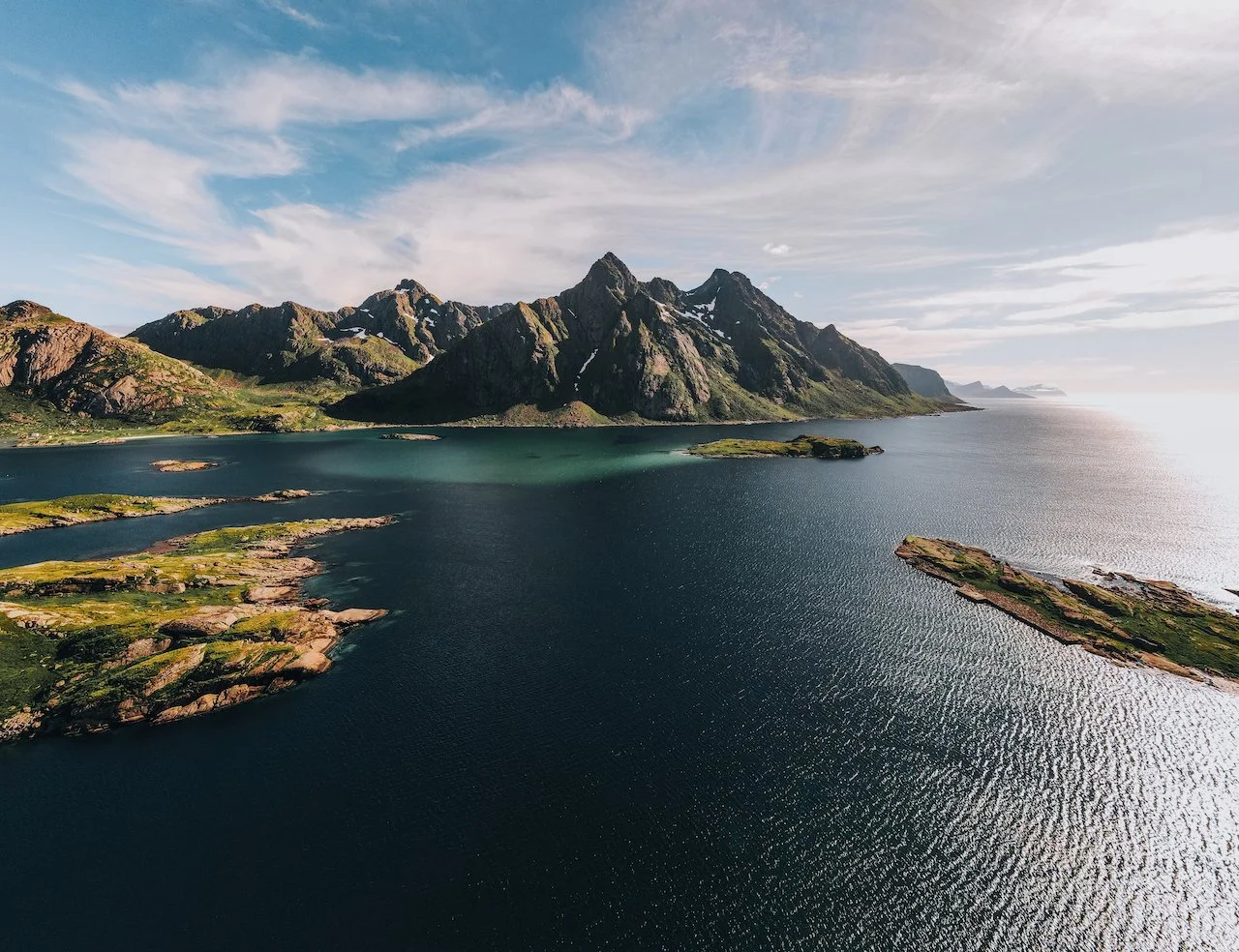
The island of Vestvågøya is a part of the Lofoten archipelago in Nordland County, Norway. There are a plethora of hikes to undertake on the island: Mannen, Offersoykammen, Nonstind, Veggen, and Kleivheia. There are a number of beaches too at Uttakleiv, Unstad, and Haukland. Lastly, a kayaking during the midnight sun in Eggum in a must do when here in the summer.

The island of Austvågøya is a part of the Lofoten archipelago in Nordland County, Norway. There are a plethora of hikes to undertake on the island: Fløya, Festvågtind, Matmora, and Djevelporten. Also including the towns of Slovaer and Henningsvaer, the latter is probably one of the best to explore in warmer weather. It is known for its football stadium, built into one of the outer islands of town.
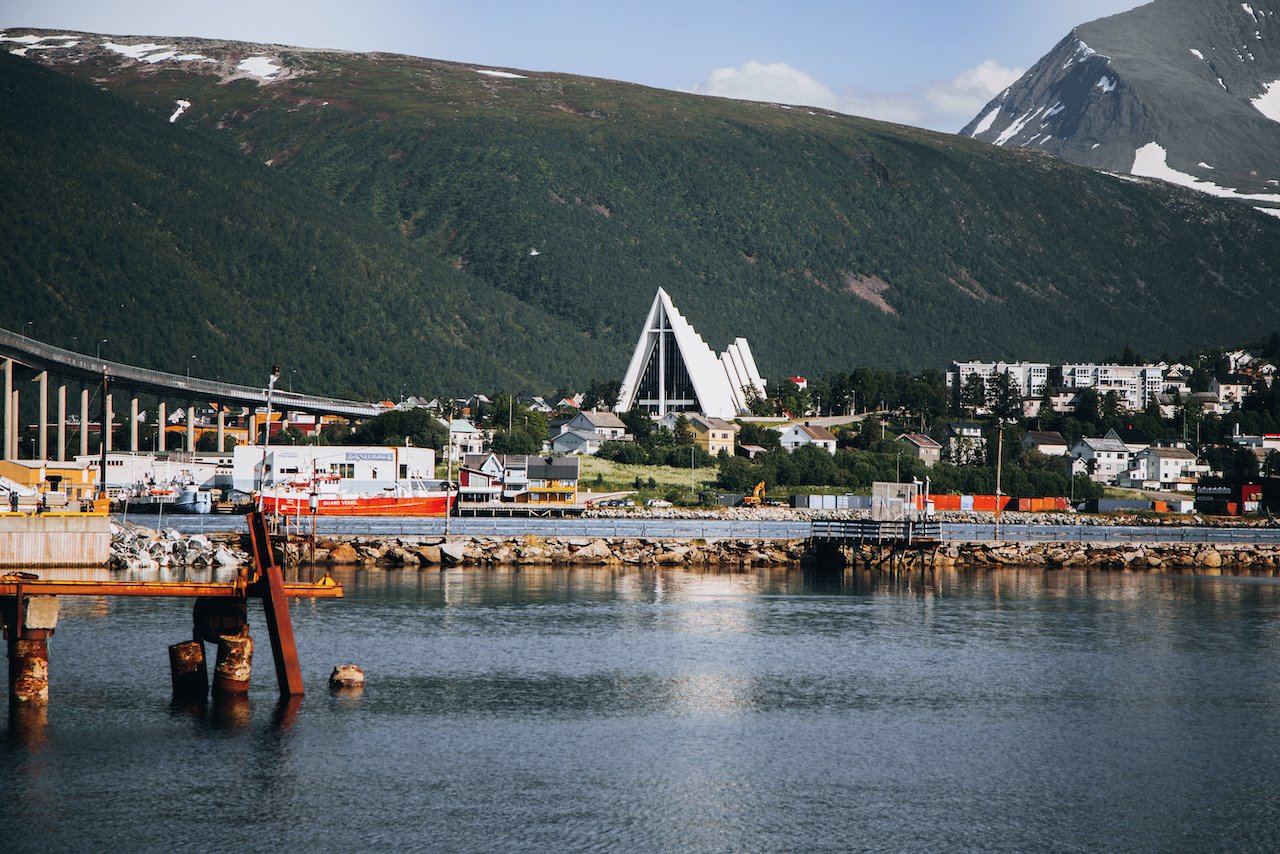
Take a trip to the Tromsø, the largest city in Norway in the Arctic Circle. You can experience the Midnight sun or Polar night here depending on the season! Tromsø is situated across the two islands of Tromsøya and Kvaløya and has plenty of sights to see like Fjellheisen, the Tromsø and Arctic Cathedrals, the Tromsø Gallery of Contemporary Art, among other things! Come see the Northern Lights too!
The Nordic region of Europe consists of some of the world's happiest countries. The term Nordic is often mixed with Scandinavia though the two represent certain parts of Northern Europe. Each capital is quite different and has much to offer. This guide breaks down the Nordic capital cities of Copenhagen, Stockholm, Oslo, Helsinki, Reykjavik, Torshavn, and Mariehamn.

This Scandinavian capital has loads of fascinating sights to see. Start at the Oslo Opera House and also check out Akershus Fortress, the Royal Palace, and Frogner Park. Make sure you don't miss the Kon-Tiki, Fram, and Viking Ship Museums on the Bygdøyfergene Peninsula as well.

Endless hiking opportunities and stunning vistas make Norway the best place for the outdoors and a road trip. Two of the most famous hikes are Preikestolen and Trolltunga. Start your road trip by flying into Stavanger and then heading north. Make sure you take some time to plan this trip to get the best experiences of these places. You may just luck out with the weather as well.
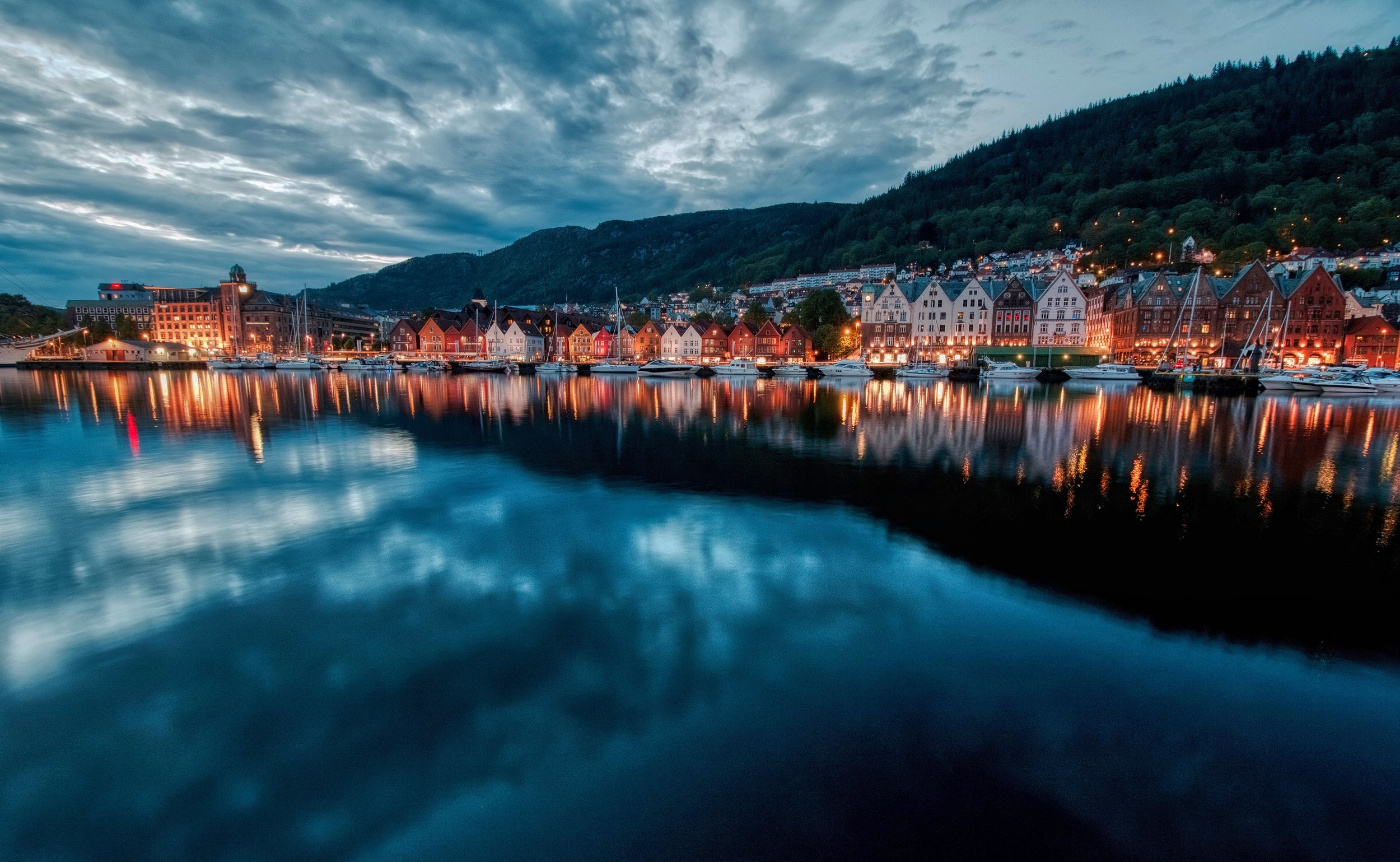
You will realize really quickly that pretty much every city, town, village, corner of Norway is gorgeous and Bergen is no different. There are awesome sights to see on the water like Bryggen Bergen and Bergenhus Fortress. What's more is that you can get the best aerial view of the city from Mt. Fløyen and Mt. Ulriken, or you can admire the street art in addition to the Kode Art Museum.
POLAND

Start off your trip in this quaint Northern Polish city by walking along Dluga Targ, the main street and pass sights like Neptune's Fountain, St. Mary's Church, The Great Mill, and the Old Crane. Don't forget about the World War II Museum as well. If time permits, venture your way to the cities of Sopot and Gdnyia to complete your tour of the Tri-City Metropolitan Area.

The city of Kraków in Poland is arguably one of the best in the entire country. What is most stunning in this city is perhaps it’s gorgeous architecture. Located along the Vistula River, you can experience sweeping views of the Wawel Royal Castle and Father Bernatek's Bridge. Other attractions include St. Mary’s Basilica, St. Joseph’s Church, Kościuszko Mound, Florianska Street, and Szeroka Square to name a few. Day trips can also be taken to Auschwitz-Birkenau and the Wieliczka Salt Mine.
PORTUGAL

Seixal is a small town on the Northern Coast of Madeira, an autonomous region of Portugal. The seaside village is perched on a peninsula that juts out into the Atlantic Ocean. Home to a population of just 656, its beach, Porto de Abrigo do Seixal beach, is well known. Natural swimming pools can also be found here and kayaks are able to be rented out.

Madeira is an autonomous zone owned by Portugal, situated off the coast of Morocco. Its population is nearly 250,000 with most situated in the city of Funchal. The entire zone is actually an archipelago, which also includes Porto Santo, the Desertas, and the Savage Islands. Great places to see include Ponta de São Lourenço, Pico do Arieiro, Ponta do Sol, Achadas da Cruz, Ponte Moniz, and Seixal.

Funchal is the capital city of the autonomous zone of Madeira, owned by Portugal. With a population just north of 100,000, it is the 6th largest city in all of Portugal. Some great places to check out include the Funchal-Monte Teleférico, Forte de São Tiago, the Cristiano Ronaldo Museum, Jardim Quinta Magnólia, Palácio de São Lourenço, and Fuerte De Madeira.
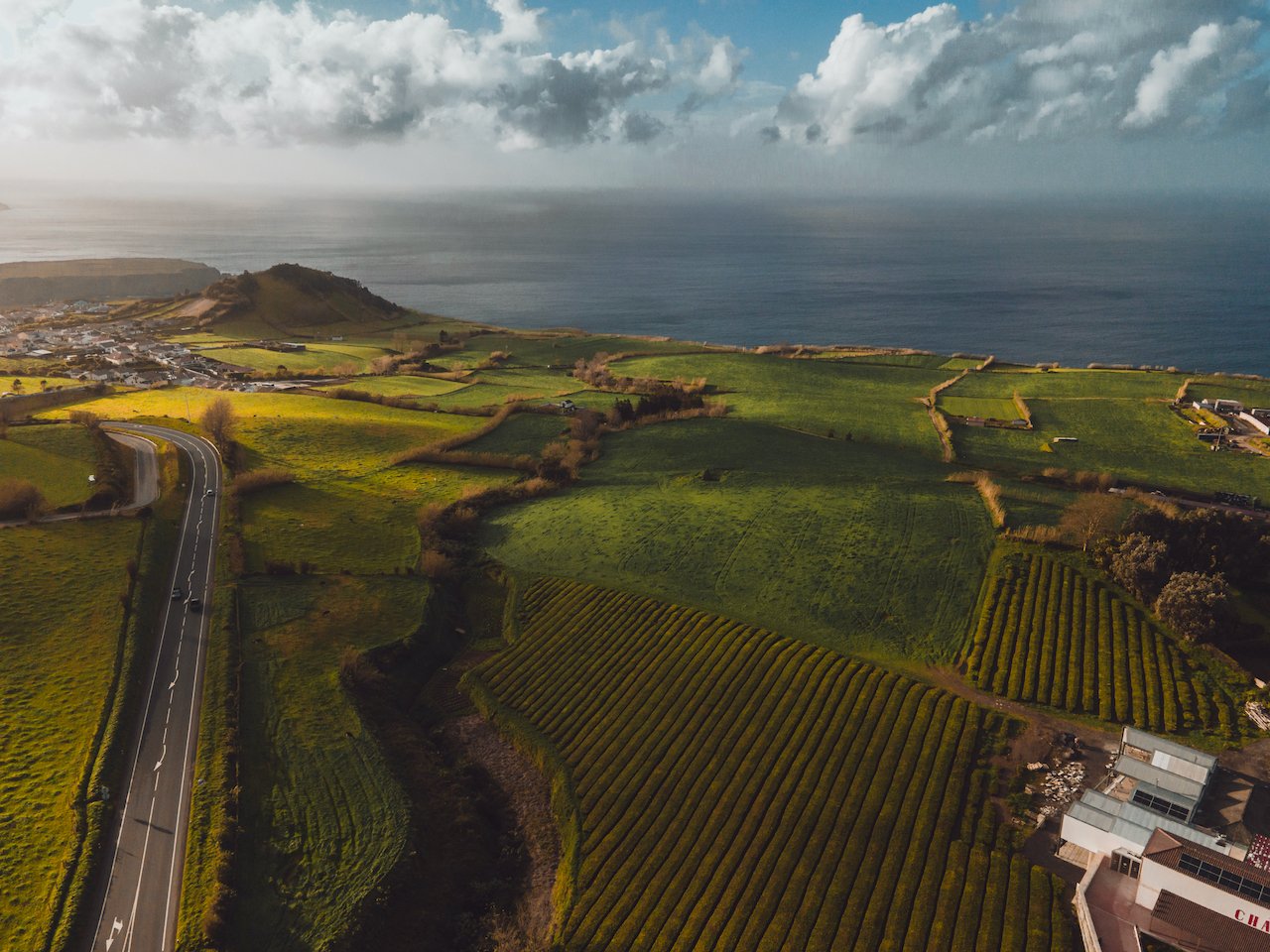
The Azores islands consist of 9 islands and are owned by Portugal. The islands of the Azores are Flores, Corvo, Graciosa, Terceira, São Jorge, Pico, Faial, São Miguel, and Santa Maria. Created by volcanic activity, they boast incredible geographical landscapes and biomes. Considered the "Hawaii of Europe", it is one of two autonomous zones of Portugal, the other being Madeira.

Madalena is the largest city on the island of Pico, in the Azores (an autonomous region owned by Portugal). Mount Pico is the most recognizable backdrop that accompanies the city. It is home to 6000 inhabitants and sits on the Faial channel, just 7 kilometers away from Faial island. The city is small but exceptionally quaint and is worth seeing while being in this part of the Azores.

Horta is the largest city on the island of Faial in the Azores (an autonomous region owned by Portugal). It is home to 7000 inhabitants and sits on the Faial channel, just 7 kilometers away from Picol island. The city is known for being a usual stop for transatlantic voyages where all sailors are known to commemorate their journeys with murals presented on the Horta Pier.

Ponta Delgada (meaning "Thin Cape") is the largest city in the Azores (an autonomous region owned by Portugal), situated on the island of São Miguel. It was established in 1450 and is essentially the heart of the Azores islands economically, politically, and socially. Some notable places to check out include Igreja Matriz de São Sebastião, Forte de São Brás, and Plantação de Ananás dos Açores.

Pico (Ilha Preta) is just one of the islands that make up the Azores Islands, formally owned by Portugal. Known as the "Black Island", it is one of three islands that make up the central Azores islands. Formed about 300,000 years ago, it is known for its volcanic history and its emerging wine industry. Places to check out include São Mateus, Madalena, Lajes do Pico, and Lagoa do Capitão.

Faial (Ilha Azul) is just one of the islands that make up the Azores Islands, formally owned by Portugal. Known as the "Blue Island", it is one of three islands that make up the central Azores islands. The island's geography is remarkable with notable sites to see such as the Caldeira do Cabeço Gordo, the Lighthouse of Ponta dos Capelinhos, and the town of Horta.

São Miguel (Ilha Verde) is just one of the islands that make up the Azores Islands, formally owned by Portugal. Known as the "Green Island", it is the largest and most populated island in the Azores . The geography and biome of the island make it an amazing place to visit. Great places to check out include Sete Cidades, Mosteiros, Povoação, Furnas, Vila Franca do Campo, and Ponta Delgada.

Just a short train ride away from Lisbon, the city of Sintra is a must see. It's best known as the site for the National Palace of Pena, the colorful Romanticist Castle and one of the Portugal’s Seven Wonders. Other places to see in Sintra include Castelo dos Mouros (Castle of the Moors) and Quinta da Regaleira (a lavish garden estate and UNESCO World Heritage Site).

Lisbon may be considered one of the most romantic cities in Portugal (let alone the world), but did you know you can also surf here too? In the town itself, check out the Tower of Belém, Castelo de S. Jorge, Carmo Convent, and Elevador da Bica. For a great bar with sweeping views of the city, head on over to PARK!
SCOTLAND
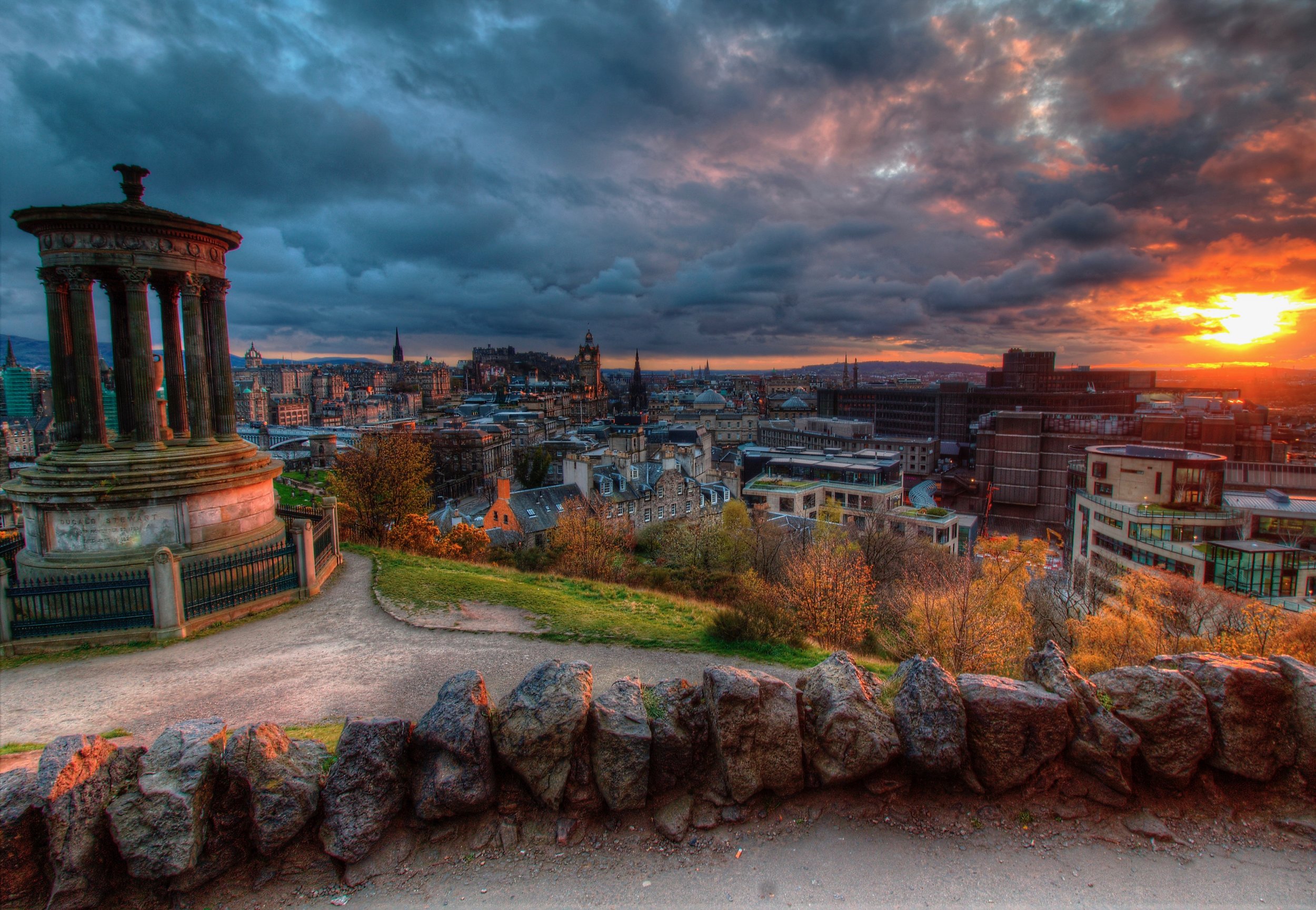
Edinburgh is the capital of Scotland and is the UK's second most popular tourist destination. Aside being the inspiration for Hogwarts by JK Rowling in Harry Potter, the city boasts so many amazing attractions. Spend a weekend here and check out Princes Street Gardens, Edinburgh Castle, Calton Hill, National and Dugald Stewart Monuments, Arthur's Seat, and Victoria Street.
SLOVENIA
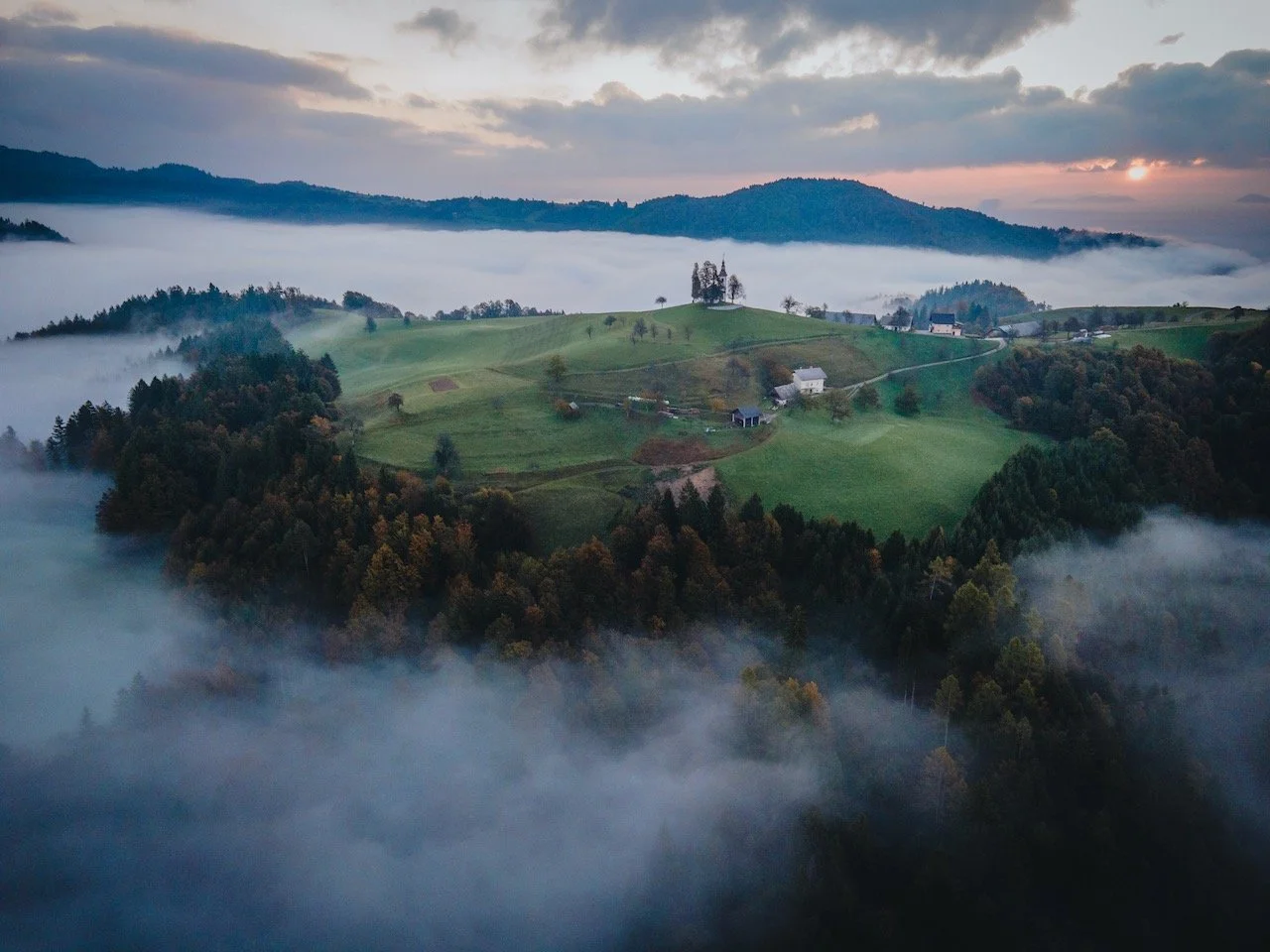
Sveti Tomaž is a small settlement located about an hour away from the Slovenian capital city of Ljubljana. The name of the village translates to 'Saint Thomas', which refers to the church that sits atop the settlement. The church features Romanesque and Gothic architecture dating back to the 1500s. My journey here was during sunrise and above the clouds, which made for quite the spectacle!
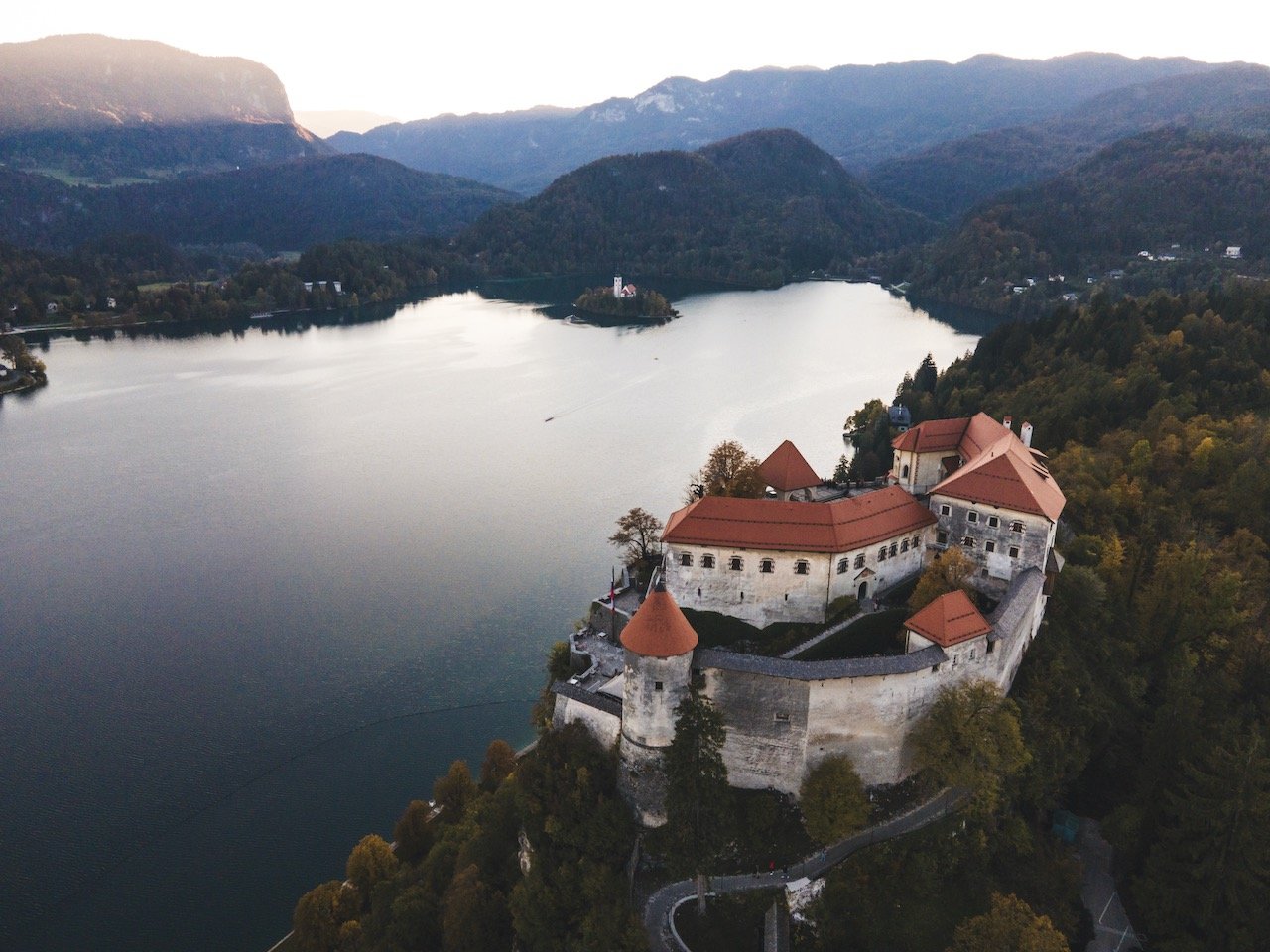
Slovenia is a country that boasts more than 500 castles due to its long and storied history. The best way to see many of them is to take a road trip through the country, orchestrating stop offs to see each one. Some of the castles I managed to see in my travels include Ljubljana Castle, Ptuj Castle, Maribor Castle, Žovnek Castle, Celje Castle, and Branik/Rihemberk Castle.
The Balkan Peninsula, or the Balkans, are a geographic area in Southern Europe, composed of countries with geographical and historical ties. The countries that make up the Balkans are generally noted to be Albania, Bosnia and Herzegovina, Bulgaria, Greece, Kosovo, Montenegro, North Macedonia, Turkey, Croatia, Serbia, Romania, and Slovenia.

Slovenia is a country that is perfect for a road trip. It's not too large, plenty of small cities to visit, and a gorgeous national park with a plethora of gorges and waterfalls for hiking and other outdoor sports. This is a road trip guide on seeing the Slovenian cities of Ljubljana, Ptuj, Maribor, Piran, Bled, Triglav National Park, and some other stops along the way.

This small town sits on a peninsula on Slovenia's Adriatic coast. The orange-shingled rooftops evoke impressions from Dubrovnik and other Balkan sea towns. Piran is one big old town with medieval city walls, a city square, a church and bell tower (Zvonik Campanile Bell Tower), and plenty of restaurants and cafes lining the streets. It is a must see stop anything you're in this part of the world.

Triglav is the highest mountain in Slovenia and the tallest peak in the Julian Alps. As such, it is the centerpiece (and namesake) of Slovenia's only national park. This park is vast and full of natural wonders, my favorites being Tolmin Gorges, Lake Bohinj, Slap (waterfall) Pericnik, Vintgar and Great Soča Gorges, Fort Kluže, the Russian Chapel, and Slap Virje, among many others!

There's a reason why people think Bled is the best city to see in Slovenia. Centered around a gorgeous lake, the crown jewel has to be the Pilgrimage Church of the Assumption of Maria. Other great places to see include Bled Castle, St. Martina Parish Church, the Heart of Bled, and the viewpoints at Velika, Mala, and Ojstrica (perfect for sunrise).

As the 2nd largest city in Slovenia, Maribor is considered the cultural center of the country. Crowned the European Co-Capital of Culture of 2012, this history possesses some incredible landmarks built in the Baroque, Gothic, and Renaissance styles. Be sure to check out Maribor Castle, Vodni Stolp, Mestni Park, Grajski Square, Old Town, and the Basilica of Our Mother of Mercy.

Ptuj is the oldest recorded city in Slovenia with origins dating back to the Stone Age. Developed from a Roman fort, this small town of just thousands of people is a nice detour on your trip through Slovenia. Take half a day to check out the Ptuj Castle and St. George's Church while walking through the charming old town and along the riverside.

The Slovenian capital of Ljubljana is small with a population of just above a quarter million. But the city boasts a plethora of sights which include Ljubljana Castle and Cathedral, Triple Bridge, Metelkova Art Center, Republic and Congress Square, Cerkev Marijinega Oznanjenja, and Saints Cyril and Methodius Church, as well as plentiful green spaces like Tivoli Park!
SWEDEN
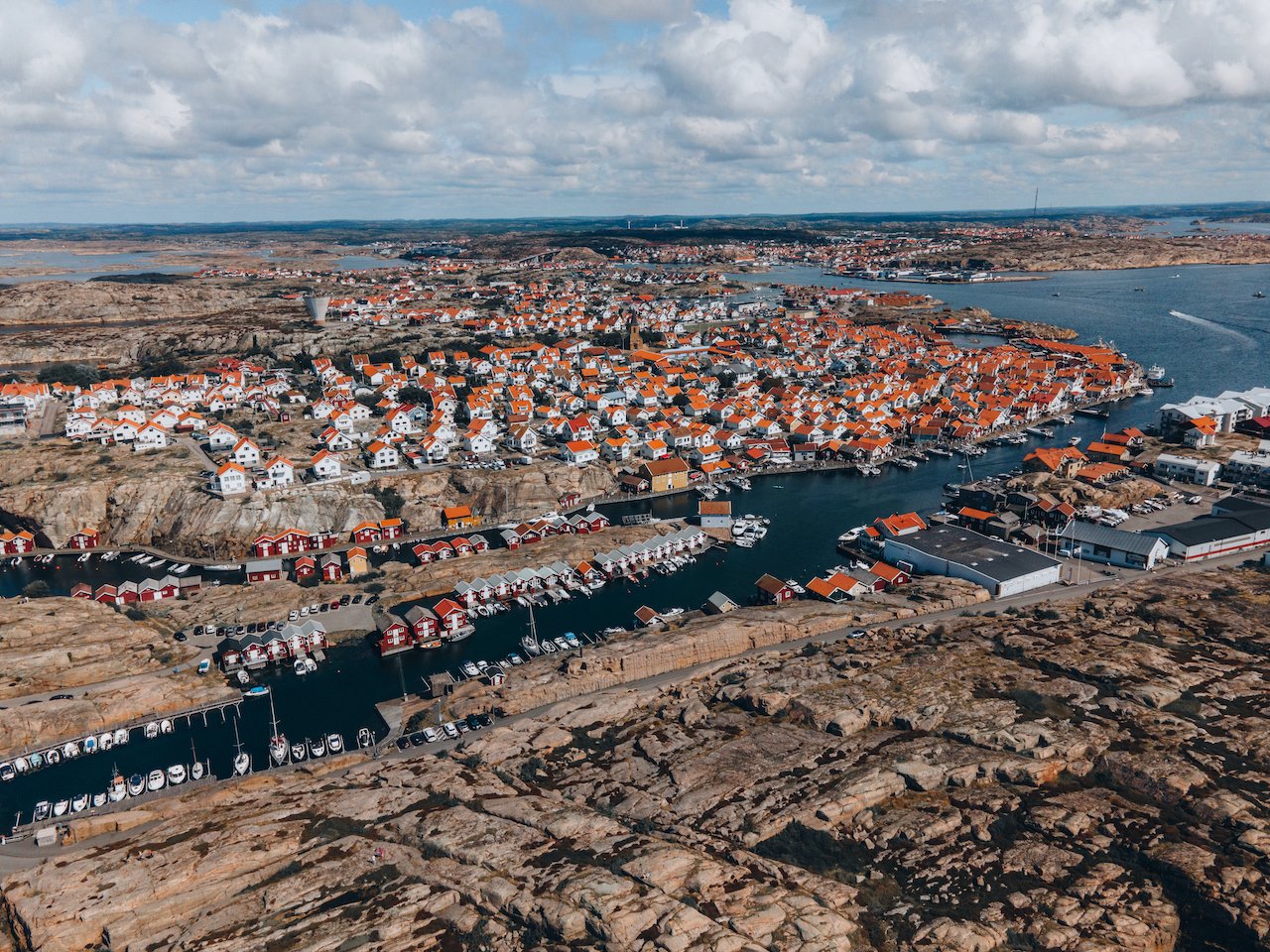
Plan the ultimate Western Sweden road trip with this detailed itinerary covering the best coastal towns, scenic driving routes and hidden gems. Discover places like Smögen, Fjällbacka, Marstrand and the Bohuslän archipelago. Includes practical tips on where to stop, distances, photo spots and the best time of year to visit.
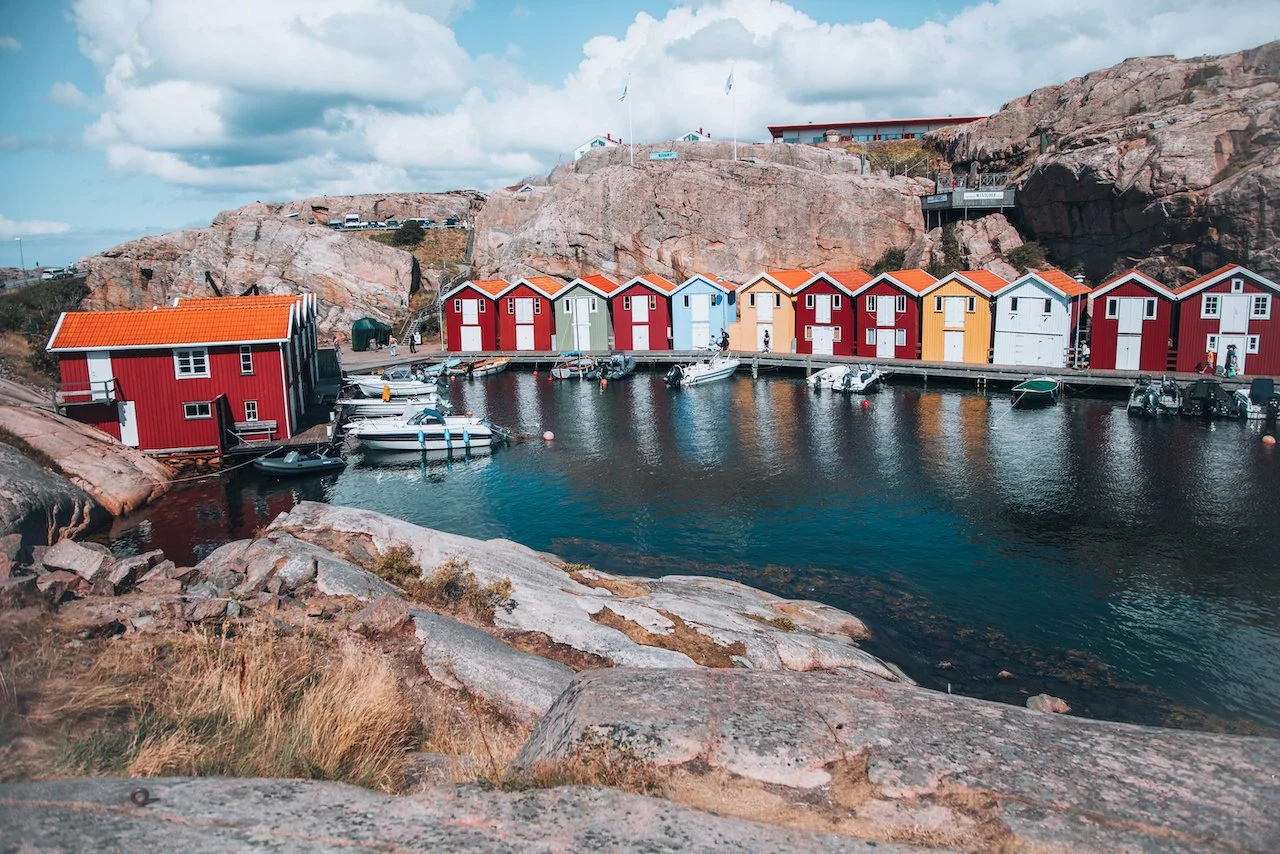
Discover one of Sweden’s most beautiful west-coast villages. This complete guide to Smögen covers how to get there, what to see, where to eat and the best things to do – from walking the iconic wooden boardwalk to fresh seafood, island hopping and sunset photo spots.
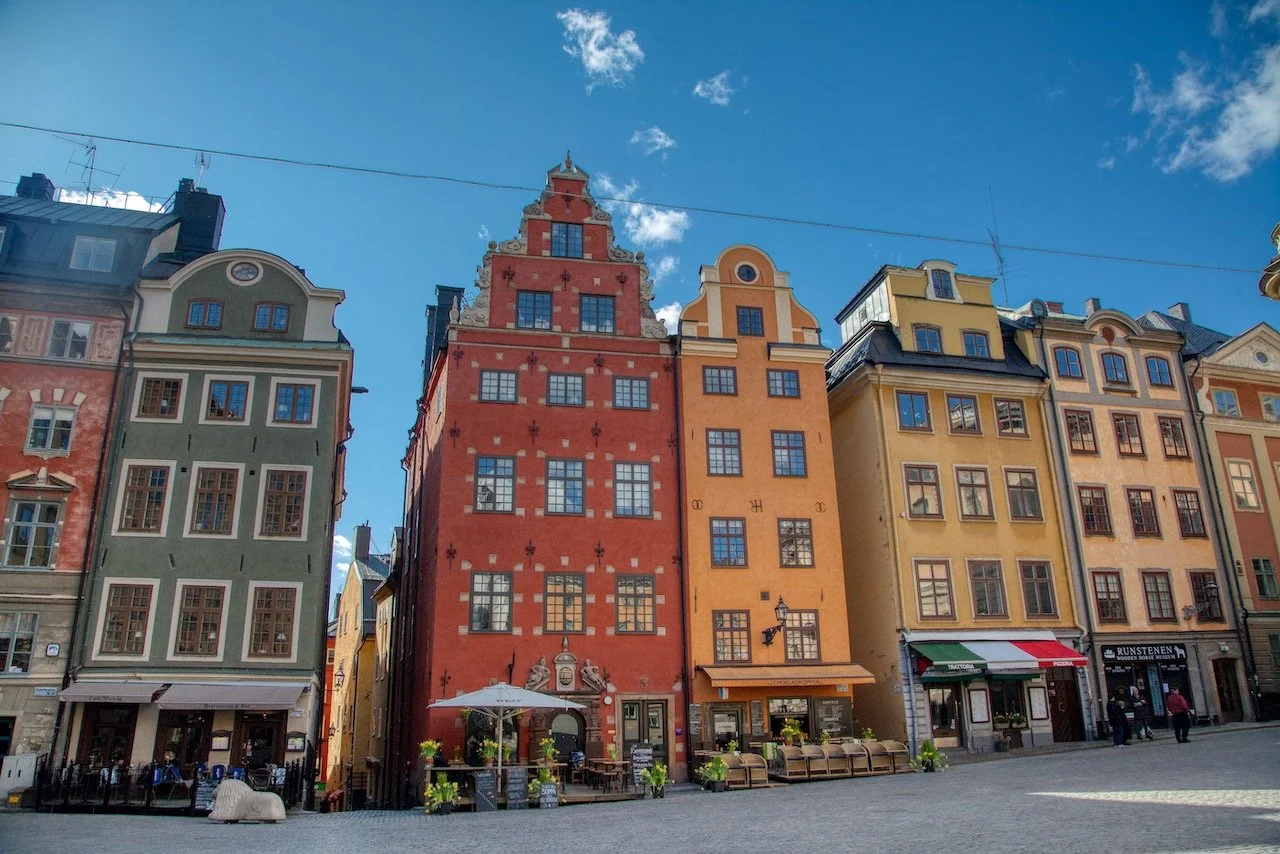
Gamla Stan, which translates to 'The Old Town', sits in the center of Stockholm, the capital of Sweden. It is a quintessential example of old Swedish architecture, especially in the main square of Stortorget. The island itself is home to landmarks such the Stockholm Cathedral, the Nobel Museum, and the Riddarholm church, as well as the Royal Palace. Gamla Stan is an absolute must see while you are visiting Stockholm

The Swedish capital of Stockholm is situated accross a 14-island archipelago. The island of Djurgården, translated to 'Animal Garden', was once where the Royal Family kept their animals. In fact, King John III in the 16th century kept deer, elk and reindeer there. The island is also home to the Gröna Lund amusement park, as well as the ABBA and Vasa Museums that are worth seeing.
The countries of Scandinavia include Sweden, Norway, and Denmark. Despite being geographical neighbors, there is a long history among these countries. They are truly unique places in comparison to other countries of the world and are very much worth seeing. Use this guide for not just seeing their capitals (Stockholm, Oslo, Copenhagen), but also their cities as well.
The Nordics include Sweden, Finland, Denmark, Norway, Iceland, and the Faroe Islands. This part of Europe contains such awesome metropolitan capitals like Stockholm, Reykjavik, and Tórshavn (among others). Along with such iconic cities in these Northern European countries, you will also find gorgeous fjords, waterfalls, snow topped mountains, massive castle, and cool cathedrals. I have outlined all Nordic cities (including capitals), as well as the natural attractions in this part of the world and consolidated them into this ultimate guide!

The Island of Gotland is owned by Sweden and is situated in the Baltic Sea. It is a popular destination for Swedes, especially in the summer. Such popular spots like Fårö, Visby, and Hemse are not to be missed. You can easily fly into Visby or take a ferry from the Swedish mainland at Nynäshamn. Seeing the island by bike or by car is highly recommended to explore its wonderful beaches and cliffs.

The town of Visby is the best preserved medieval city in all of Scandinavia, most exemplified by its still-standing city walls and defensive towers. The town is a UNESCO World Heritage Site and features many churches (Visby Cathedral, St. Mary's Cathedral, St. Nicolai Ruin). Also, Stora Torget features many nice shops and restaurants. No visit to Gotland is complete without seeing Visby!

You can easily reach the island of Fårö by taking a ferry from Nynäshamn to Gotland, then taking a Fårö via the northeast of Gotland. This island, along with Visby, is a popular place to explore in the summertime for Swedes and tourists alike. The island features numerous beaches and lighthouses, along with its famous natural limestone rock formations, or rauks, at Langhammar.

Sweden has countless castles (or 'slott' in Swedish) from its storied history. Seeing all of them would take ages. I have compiled a list of some of my favorite castles from across Sweden including Uppsala Castle, Kalmar Castle, Kärnan, Borgholms Castle, Gripsholm Castle, Vaxholm Fortress, Örebro Castle, Skokloster Castle, and Carlstens Fästning.

Helsingborg is the 9th largest city in Sweden, located in the South (otherwise known as Skåne). A city of barely 100,000, it is worth seeing as it boasts excellent architectural wonders like Rådhuset and Kärnan, great beaches and ports that can whisk you to Helsingør, Denmark, and wonderful manor grounds at Sofiero. The island of Ven is also a popular day trip for many of the residents here.
So many things come to mind when you think of Sweden: ABBA, Skiing, IKEA, Volvo, High Taxes, Vikings, the Swedish Chef, etc. Sweden is also more than just its capital of Stockholm. If you have the time, be sure to check out other Swedish cities like Gothenburg (the 2nd largest), Malmö (the 3rd largest), Uppsala and Lund (both university towns), Helsingborg in the South of Sweden, Kalmar in Småland County, and the islands of Öland and Marstrand off the Swedish coast.

The island of Marstrand sits about an hour north of Gothenburg on the west coast of Sweden. The archipelago of Gothenburg is a sight to see but if you're feeling more ambitious, find your way to Marstrand where you can hike around the whole island, enjoy swedish dishes like skagenröra and kardemummabulle, while taking in views of Carlstens Fästning and Strandverket.
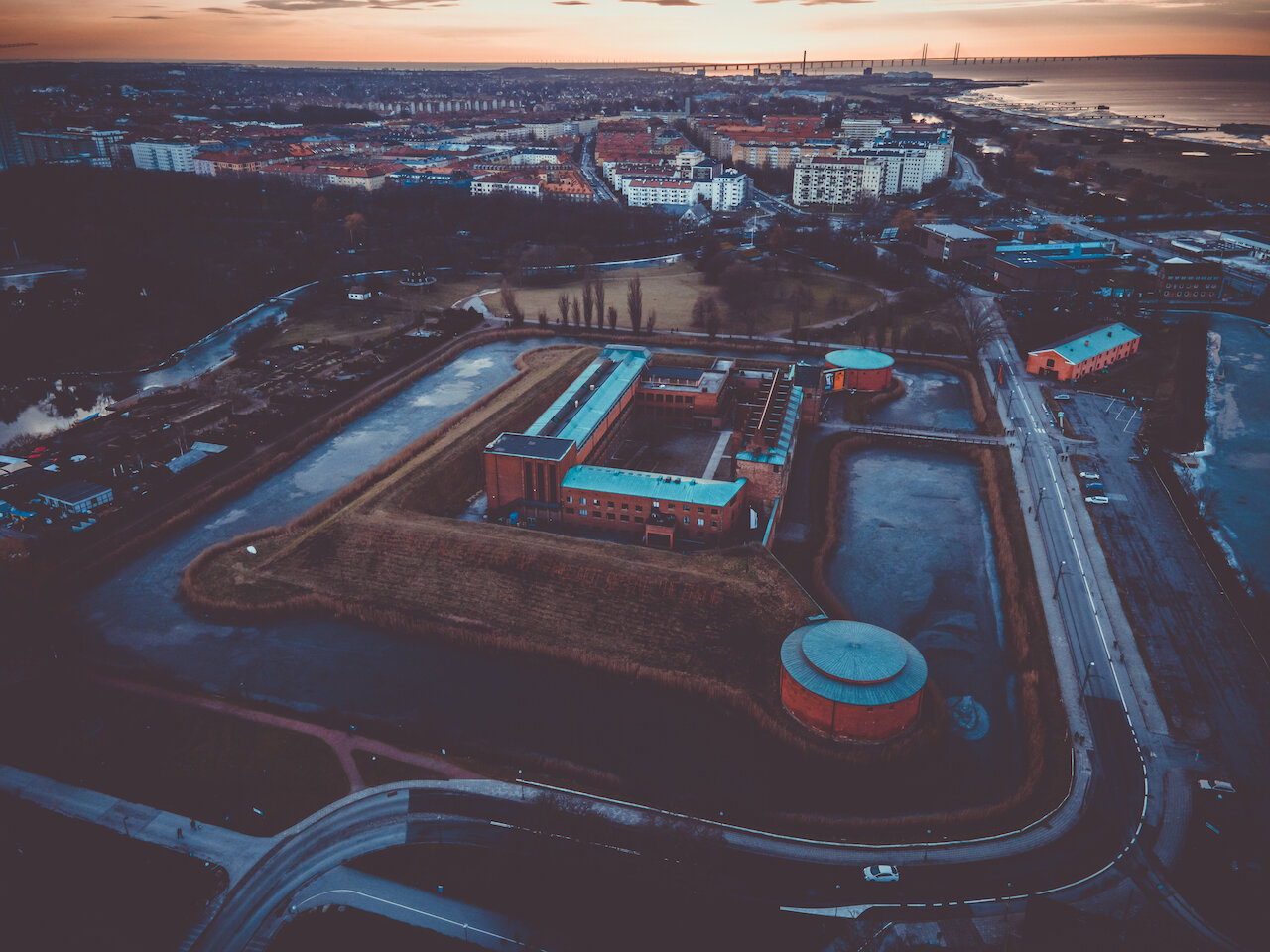
You can make your way to Sweden’s 3rd largest city by train from anywhere in the country, even from Copenhagen airport in Denmark (by taking a train across the Øresund Bridge). You'll likely need a whole weekend here to see sights like the Turning Torso, Malmö Castle and Konsthall, the Malmö City Library, Lomma Beach, Gamla Väster, Möllevången, Steinstrand, and Lilla torg (among others!).

The Swedish University town of Lund is a favorite among students. Its close proximity to Malmö (and Copenhagen) make it a very accessible city that still possesses a charming, small town feel. Be sure to check out Lund University, Kulturen, Stadsparken, Lundagård, the All Saints Church, and Lund Cathedral on your visit to this city in Skåne county in the South of Sweden.

You can’t go see Kalmar without seeing the island of Öland next to it. Origins of this island date back to 8000 BC so the amount of history here is enormous. Rent a car and see places like Borgholm Castle, Solliden Palace, Långe Erik, Långe Jan, Lerkaka, Ismantorp Fortress, Eketorps Borg, Mysinge Hög, Köpingsvik Beach, and countless Rune stones (Runsten) from old Swedish lore.

This small Swedish town on the Southeast Coast is perfect for a weekend getaway. Take the train or rent a car to see Kalmar Castle, Kalmar Konstmuseum, Tripp Trapp Trull, Klapphuset, Laboritorieholmen, Svinö, and Kalmar Domkyrka. If you have even more time, take a day trip to the island of Öland just nearby.
The Nordic region of Europe consists of some of the world's happiest countries. The term Nordic is often mixed with Scandinavia though the two represent certain parts of Northern Europe. Each capital is quite different and has much to offer. This guide breaks down the Nordic capital cities of Copenhagen, Stockholm, Oslo, Helsinki, Reykjavik, Torshavn, and Mariehamn.

The port city of Gothenburg lies on Sweden's western coast, just south of Norway, and north of Denmark. As a great alternative to Stockholm, Gothenburg boasts much natural green space (Seminarieparken, Slottsskogen, Palm House/Horticultural Gardens) with excellent attractions (Liseberg, Haga), and great city views (Skansen Kronan, Röda Sten Konsthall, Stenpiren).

The say that the Stockholm Metro (or Tunnelbana) is the world's longest art gallery. Nearby every station you get off at, you will be welcomed by new and vibrant art. Some amazing stations include Solna Centrum, Hallonbergen, Universitet, Tekniska Högskolan, T-Centralen, Morby Centrum, Rådhuset, Näckrosen, Huvudsta, Solna Strand, Tensta, and Thorilsplan.

Uppsala is just 40 minutes north of Stockholm by train. It's the fourth largest city in Sweden (with a paltry 200k for population). Make no mistake, this charming city has great importance in Sweden as a whole. While here, you can enjoy Uppsala Castle and Linnaeum nearby. The best place in the city to experience the sunset and Uppsala Cathedral is right along the canal at Gotlandsparken.

The Swedish capital of Stockholm is arguably the best in all of Scandinavia. An archipelago of 14 islands, the city offers great attractions and museums such as Fotografiska, Erik's Gondolen, Monteliusvägen, Gröna Lund, Gamla Stan, Riddarholm Church, Royal Palace, Vasa and ABBA Museums, and the Stockholm Tunnelbana.
SWITZERLAND

As the global center of banking and finance, it is quite fitting how Zürich has come to be known as one of the most expensive cities in the world. Despite that, you can manage to have a wonderful city break here without breaking the bank. The gorgeous churches of Fraumünster and Grossmünster sit just opposite one another across the Limmat River. Other notable attractions include Kirche Enge, the Swiss National Museum, the Botanical Garden, St. Peter’s Church, and Bahnhofstrasse (especially during Christmas time).
TURKEY
The Balkan Peninsula, or the Balkans, are a geographic area in Southern Europe, composed of countries with geographical and historical ties. The countries that make up the Balkans are generally noted to be Albania, Bosnia and Herzegovina, Bulgaria, Greece, Kosovo, Montenegro, North Macedonia, Turkey, Croatia, Serbia, Romania, and Slovenia.
Sometimes when you plan a trip, you have to deal with a longer than normal layover in a different city. This can be a blessing! I have highlighted five such layovers you can build into your trip itinerary to get the most from your trip (KLM - Amsterdam, Emirates - Dubai, British Airways - London, Turkish Airlines - Istanbul, IcelandAir - Reykjavik).

As the only city located on two continents (Europe and Asia), you could say Istanbul is double the fun. The attractions of this city are endless: Topkapi Palace, Blue Mosque, Hagia Sophia, Galata bridge and tower, Taksim Square, Grand Bazaar, Basilica Cistern, and the Maiden's Tower are a great way to get started to discovering the identity of this amazing city.
UKRAINE

Chernobyl is an infamous area, known for the nuclear meltdown it experienced in 1986. The town of Pripyat, just 3 miles away, experienced the devastation of this accident, and to this day is a ghost town. Book a tour of this city and see the abandoned buildings of Hotel Polissya, Prometheus Cinema, and Avangard Stadium. The Duga Radar and Containment Zone are also popular stops.
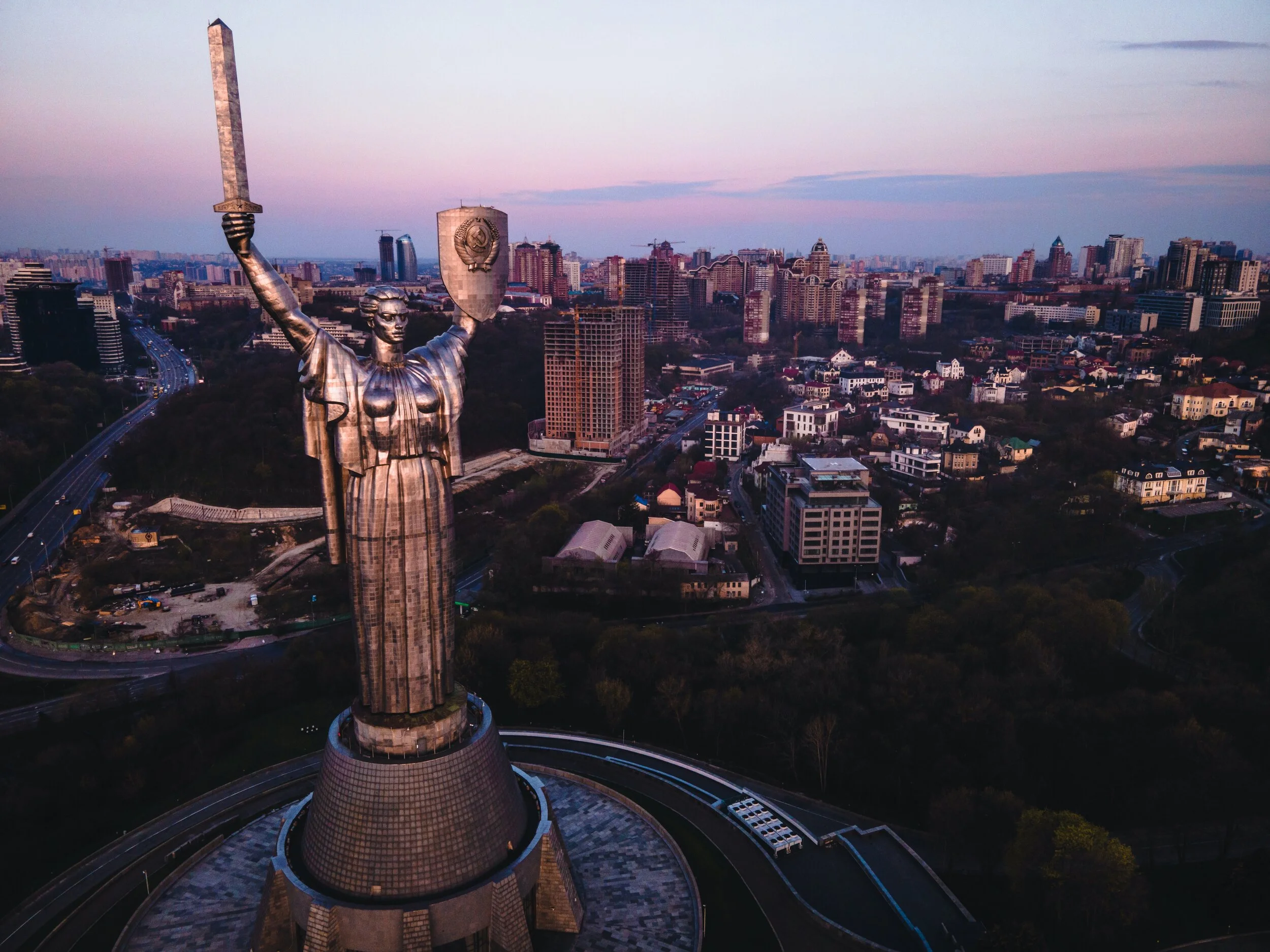
Kiev (or Kyiv), Ukraine surprised me in many ways. So many churches to see: St. Andrew's Church, St. Michael's Gold-domed Monastery, St. Sophia's Cathedral, and Kiev Pechersk Lavra. Great historical monuments like the Motherland Monument. And awesome neighborhoods like Vozdvyzhenka Barrio, Andriivs'kyi descent, and Park Landscape Alley. If you have the time, a day trip to Chernobyl is a must!
VATICAN CITY
Italy is located in Southern/Western Europe, in the middle of the Mediterranean Sea and sharing borders with France, Switzerland, Slovenia, and Austria. A country with such a rich history is surely to be at the top of most peoples' travel lists. This is a guide to my trips in Italy that have taken me to Venice, Rome, Florence, Trieste, Cinque Terre, the Amalfi Coast, and even to Vatican City.
Vatican City is a landlocked country, located within the confines of Rome, Italy. It is the smallest country in the world with a population of 453 and size of 49 hectares. It officially came into existence in 1929 with the Pope as its ruler. Some notable landmarks to check out include St. Peter's Basilica, the Sistine Chapel, the Vatican Apostolic Library, and the Vatican Museums.
The Åland Islands are an autonomous region of Finland, located in the Baltic Sea. The capital city is Mariehamn and the official language is Swedish. The islands are perfect for hiking, sailing, and other outdoor activities and are easily reachable by ferry from Sweden. Notable places to visit include Kastelhomn Castle, Nåtö and Espholm Nature Reserves, and the city of Mariehamn.