
Western Sweden Road Trip Guide – Best Stops, Routes & Travel Tips
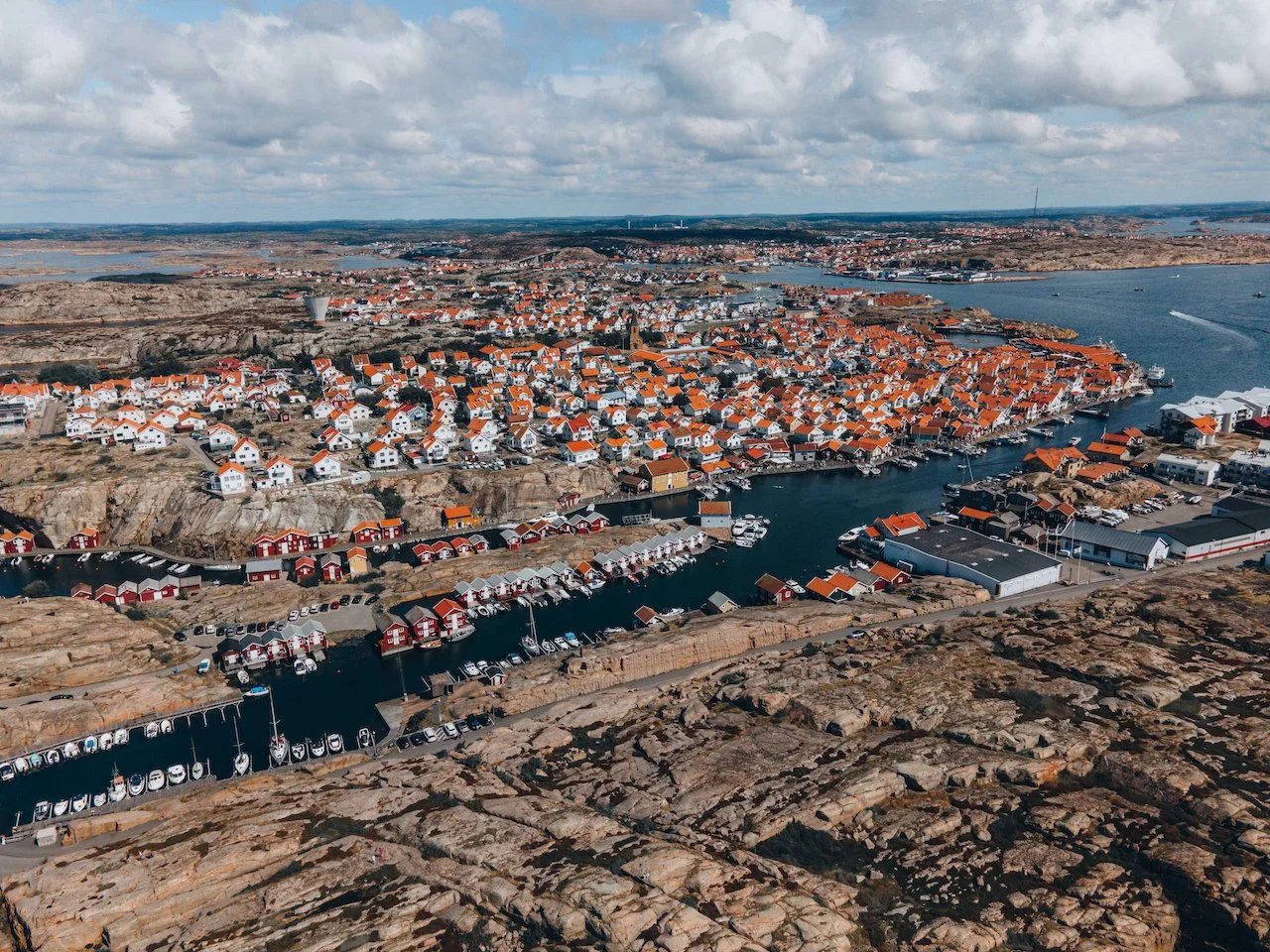
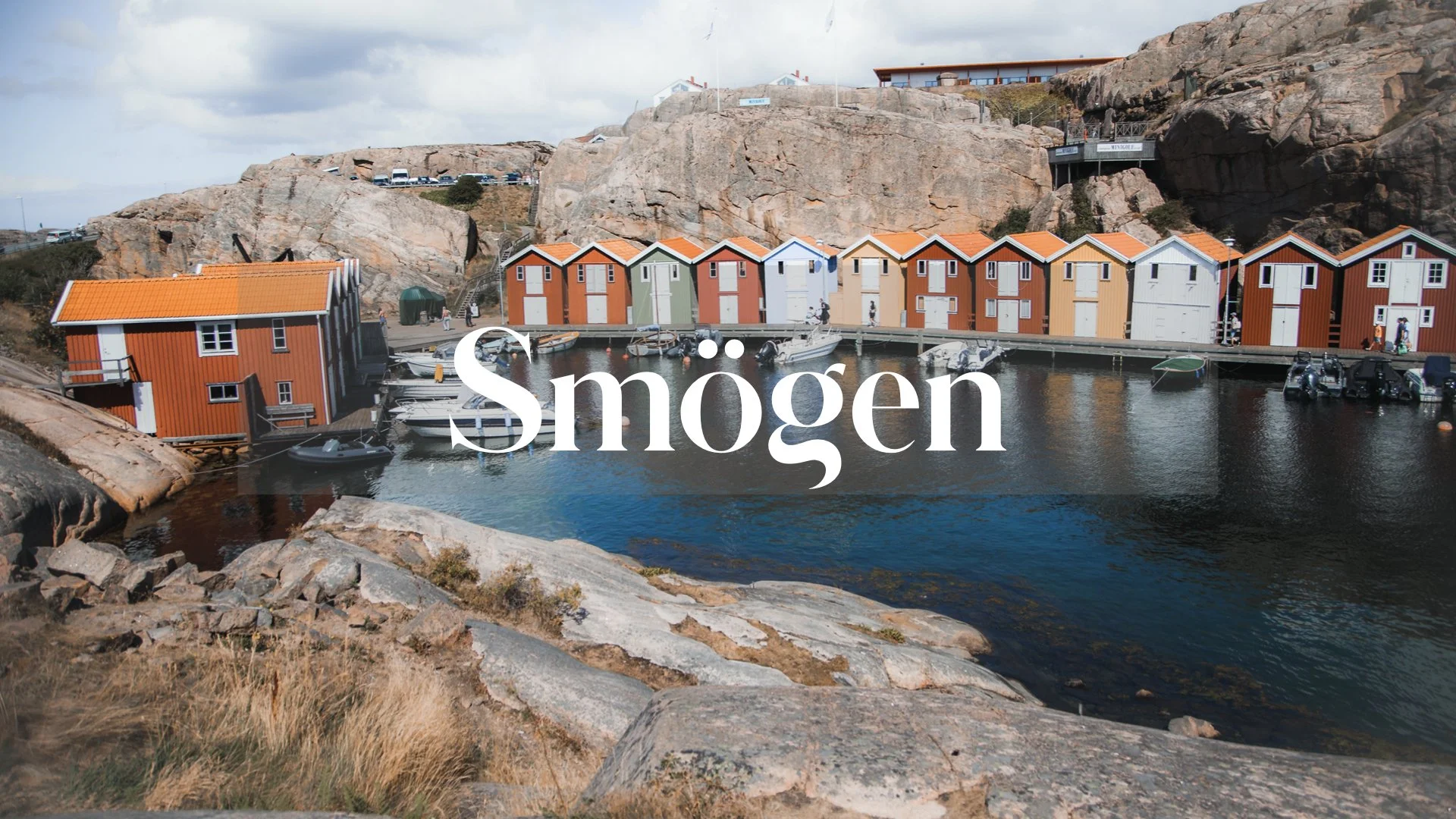
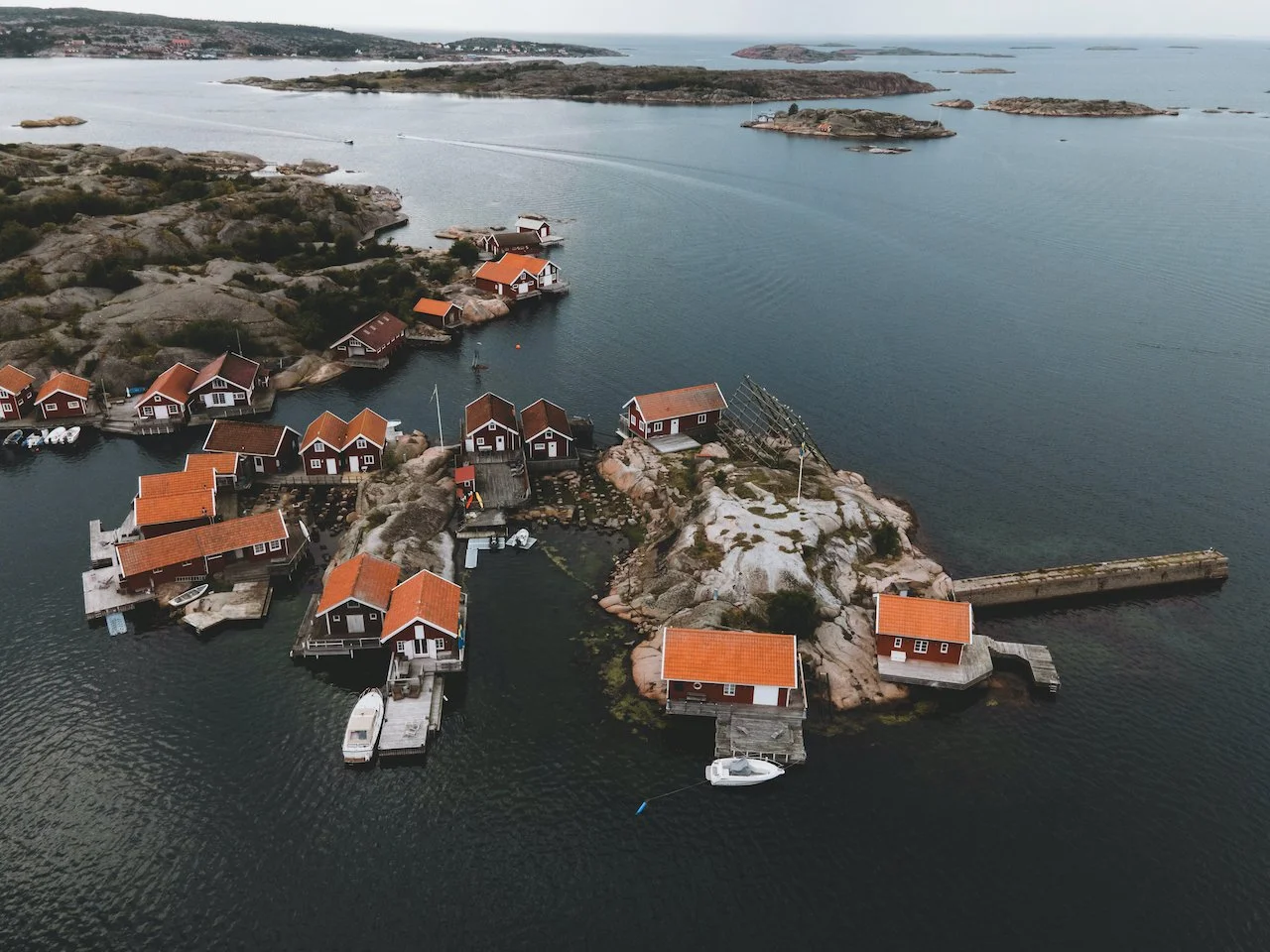
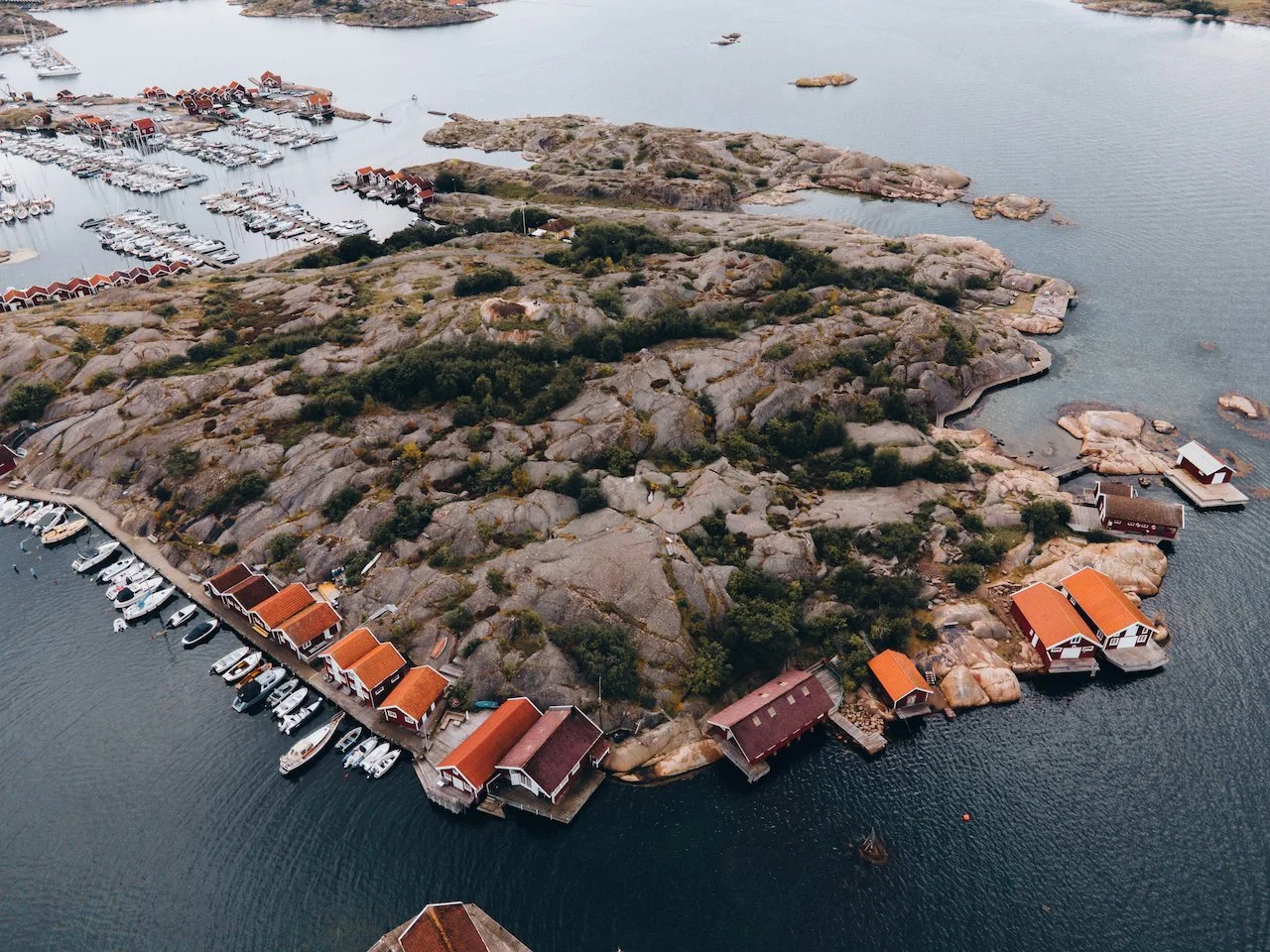
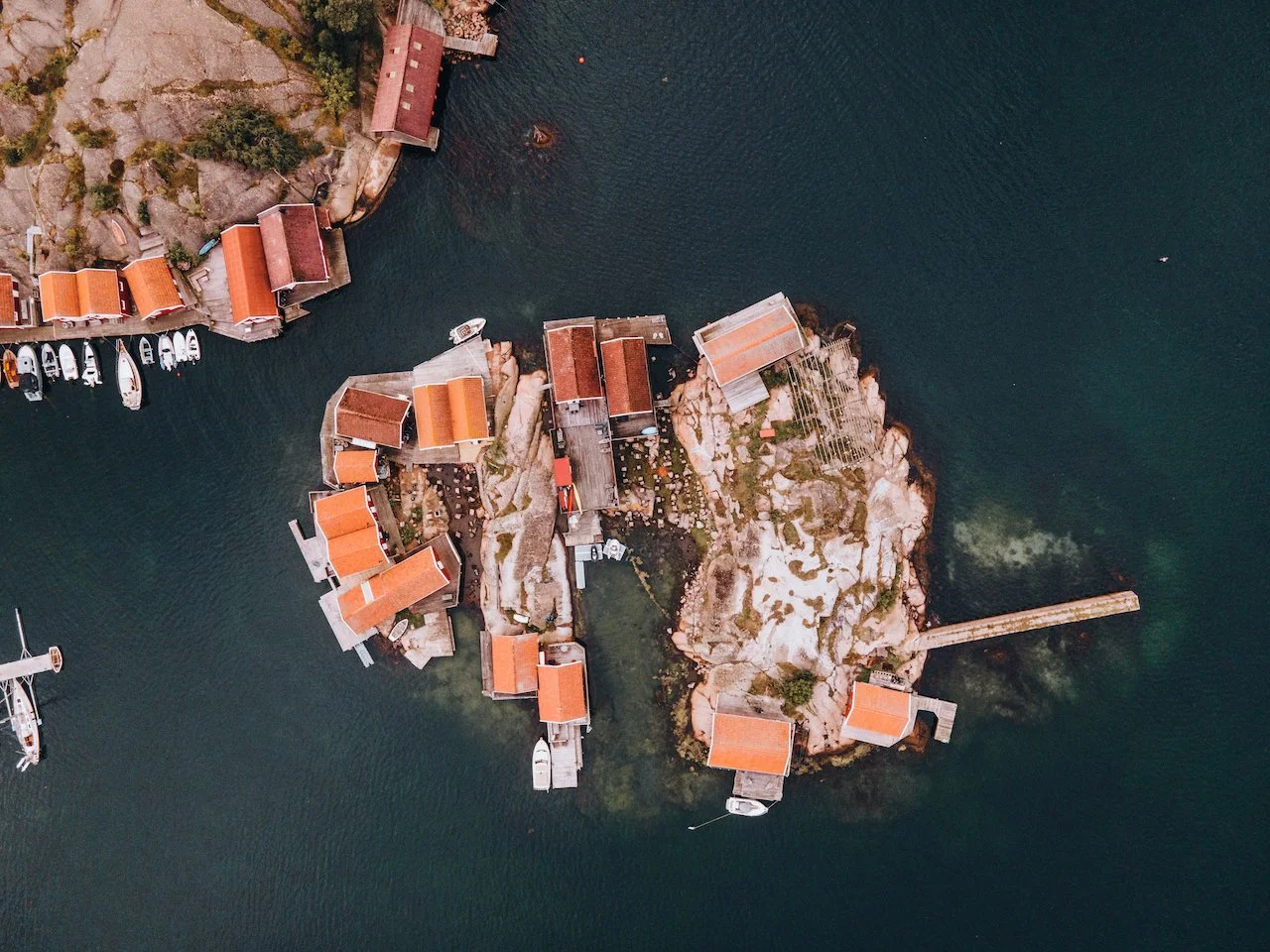
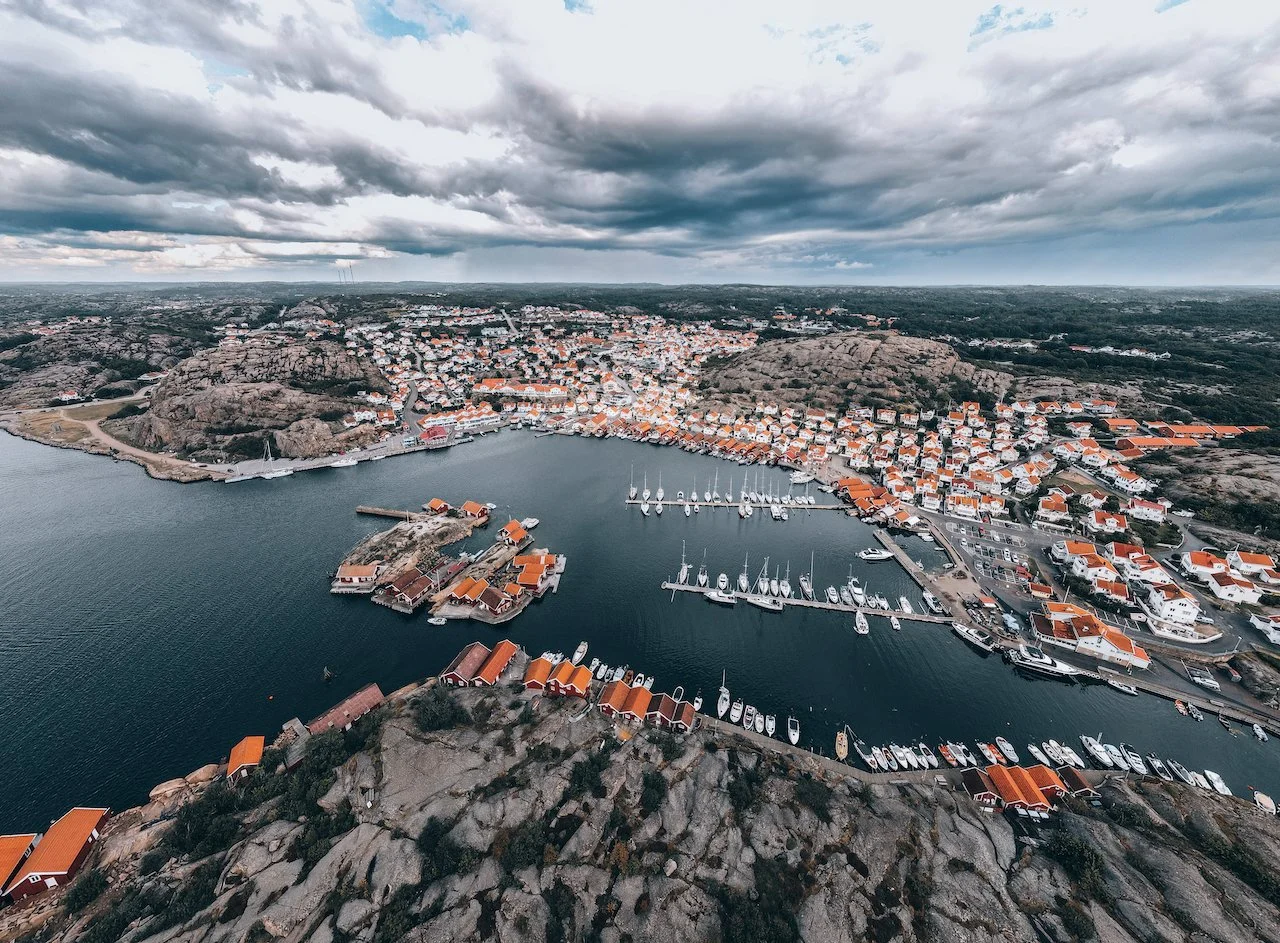
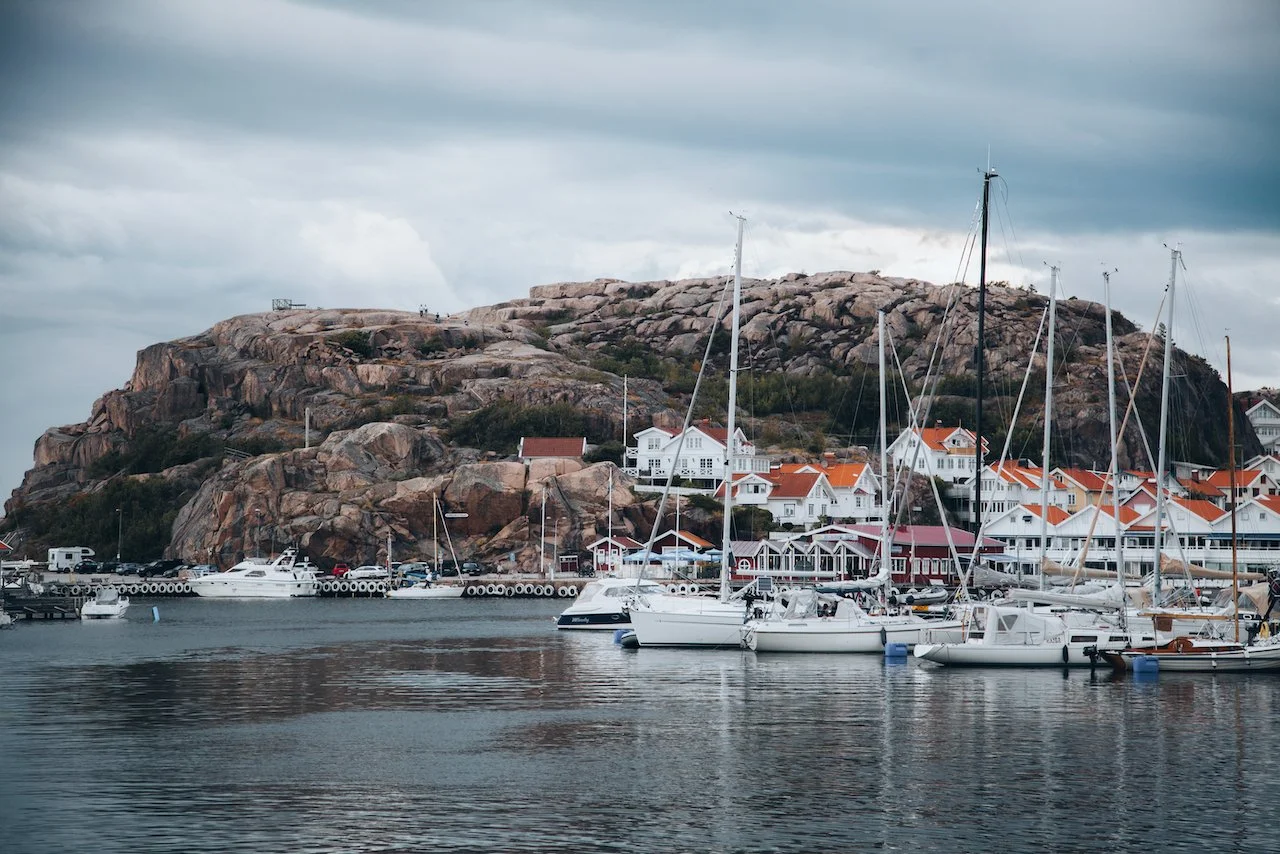
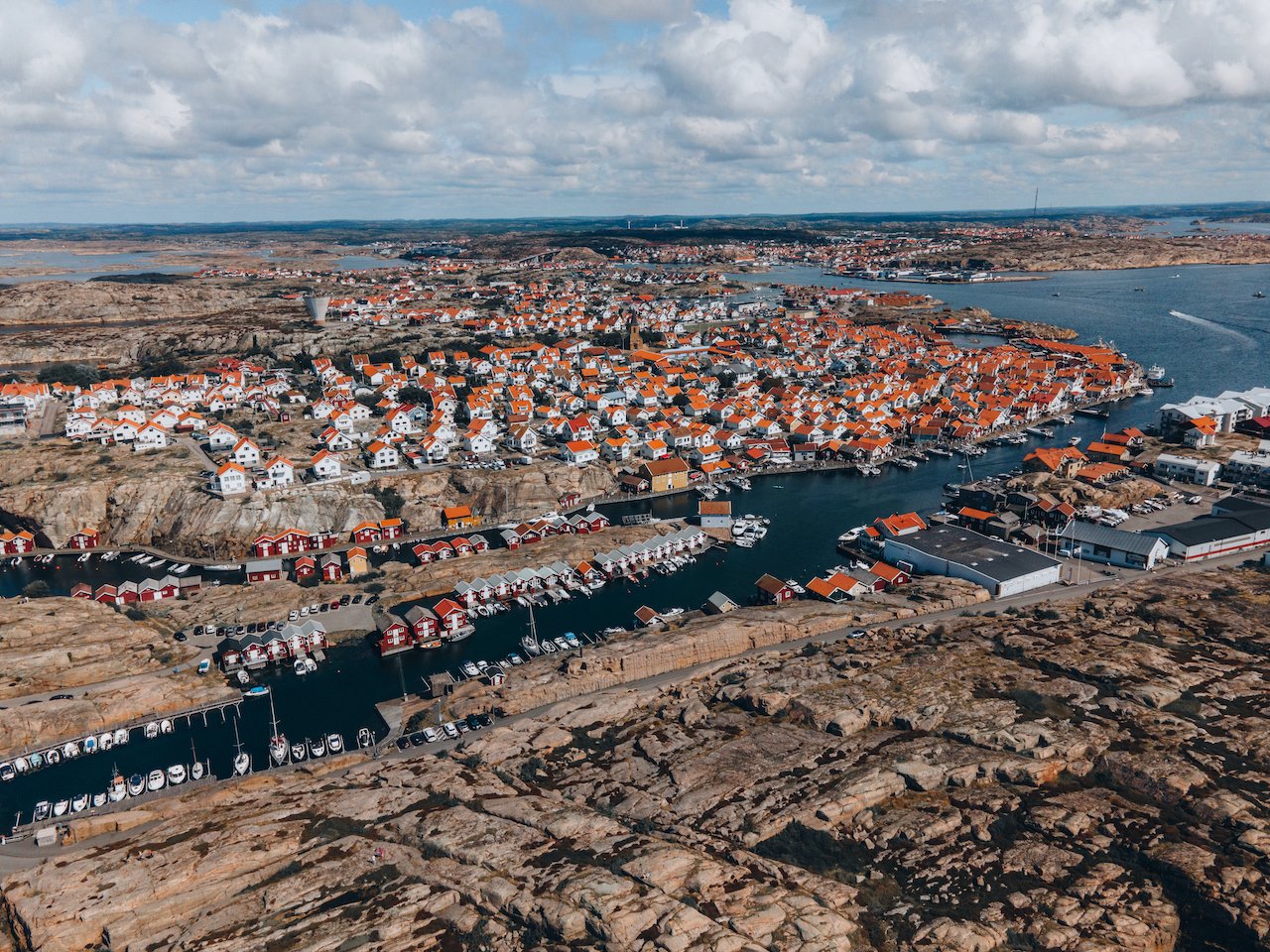
Smögen, Sweden (ISO 200, 4.5 mm, f/2.8, 1/40 s)
(Some links in this post are affiliate links. If you click through and take action, I'll be compensated.) If you are also interested in any PRINTS from any of my posts, be sure to check out my store where you can buy prints as posters, in metal/wooden frames or on canvas.
A road trip through western Sweden is the perfect way to discover the region’s mix of vibrant cities, charming coastal villages, and dramatic seascapes. Starting in Gothenburg, Sweden’s lively west coast capital, you can wander canals, savor fresh seafood, and soak in a city full of cultural energy. From there, the journey takes you to idyllic spots like Marstrand with its historic Carlsten Fortress, the colorful boathouses of Smögen, and the granite cliffs of Hunnebostrand. Further south, Helsingborg offers seaside promenades and castle views, while Malmö blends modern design with Scandinavian tradition. Together, these destinations create an unforgettable adventure filled with history, nature, and authentic Swedish charm.
Since we live in Eastern Sweden, we don’t venture to the West coast very often, but we are well away of some of the gems to see along the coastline. Therefore we decided to plan a road trip in this part of the country, along with a road trip in Denmark’s North Jutland region to create a 2 week itinerary. Admittedly, this road trip only took us as far south as Gothenburg before we took the ferry to Denmark but missing the Skåne region in southern Sweden would be a mistake. You can see the google map showing the driving route between these destinations I have highlighted below.
Fjällbacka → Smögen → Hunnebostrand → Gullholmen → Marstrand → Gothenburg → Helsingborg → Lund → Malmö
All of these places taken together provide a range of experiences that one wants during a road trip: large cities, small towns, beaches, castles, nature reserves, fishing villages, and more. If you are feeling extra adventurous, you could also add Copenhagen, Denmark to the end of your destination list. Getting to it from Malmö just requires driving over the Oresund bridge.
Furthermore, you could start the beginning of your road trip in Oslo, Norway, and then drive down South, cross the Sweden border, and arrive in Fjällbacka. Nonetheless, since our road trip discussed in the post starts at Fjällbacka, I will detail instructions on how to reach it followed by a description and highlight of each place on the list and links to individual blog posts I have published about each place that contains more information. Safe travels!
If you like some of my photos that you have come across, just know that I have many prints showcasing a variety of landscapes available for purchase below! (Sold as Posters, Canvas, or in Metal-Frames and Wooden-Frames).





How to get to Fjällbacka
Fjällbacka is a picturesque fishing village on Sweden’s west coast, about 150 km north of Gothenburg. The town is not directly served by an airport or train, but it’s easily reached by a combination of flights, trains, buses, or car rental.
Fly - The closest major airport is Gothenburg Landvetter Airport (GOT), located about 150 km south of Fjällbacka.
Flights connect Gothenburg with major European cities such as London, Paris, Amsterdam, and Berlin.
From Landvetter, you can rent a car, take a shuttle to Gothenburg, or continue by train/bus.
Train + Bus - There is no direct train station in Fjällbacka, but you can combine rail and bus travel:
Train: Take a SJ train from Gothenburg Central Station to Tanum Station (~1 hour 45 minutes). Ticket prices range from 120–200 SEK depending on the time of booking.
Bus: From Tanum Station, take Västtrafik Bus 879 to Fjällbacka (~25 minutes). Tickets cost about 40–60 SEK and can be purchased via the Västtrafik To Go app.
Bus (Direct from Gothenburg) - You can also take a direct bus to Fjällbacka:
Västtrafik regional buses run from Gothenburg Nils Ericson Terminal to Tanumshede, with onward connections to Fjällbacka.
Duration: ~2.5–3 hours
Cost: Around 120–180 SEK
Tickets: Available via the Västtrafik To Go app or at the terminal.
Car Rental - Driving is the most flexible option and lets you explore more of the Bohuslän coast.
Distance from Gothenburg: ~150 km
Driving Time: ~2 hours via E6 highway north → Exit 105 → Route 163 west to Fjällbacka
Notes: Roads are well-maintained, and the route passes scenic coastal towns like Kungshamn and Smögen.
Taxi or Private Transfer - While not the most budget-friendly option, taxis and transfers are available.
Taxi from Gothenburg to Fjällbacka: ~3,000–3,500 SEK
Duration: ~2 hours
Best for groups splitting the cost or travelers wanting direct, door-to-door service.
Fjällbacka
Fjällbacka is a small seaside village made famous by author Camilla Läckberg’s crime novels and its stunning coastal scenery. With its narrow streets, red wooden houses, and breathtaking archipelago views, it’s one of the most picturesque towns on Sweden’s west coast. Fjällbacka also offers fantastic seafood, cozy cafés, and boat trips into the surrounding islands.
Kungsklyftan Gorge – This dramatic rock formation runs through the cliffs above the town, famously featured in Ingmar Bergman’s film The Virgin Spring. Hiking through the gorge rewards visitors with panoramic views over Fjällbacka and the sea.
Boat Trips in the Fjällbacka Archipelago – Explore the nearby Weather Islands, a rugged cluster of islets known for pristine landscapes and abundant birdlife. These trips provide an unforgettable look at Bohuslän’s coastal beauty.
Fjällbacka Old Town – Wander the cobbled streets lined with colorful houses and charming boutiques. The town’s historic architecture and lively harbor make it a perfect stop for photography and relaxation.
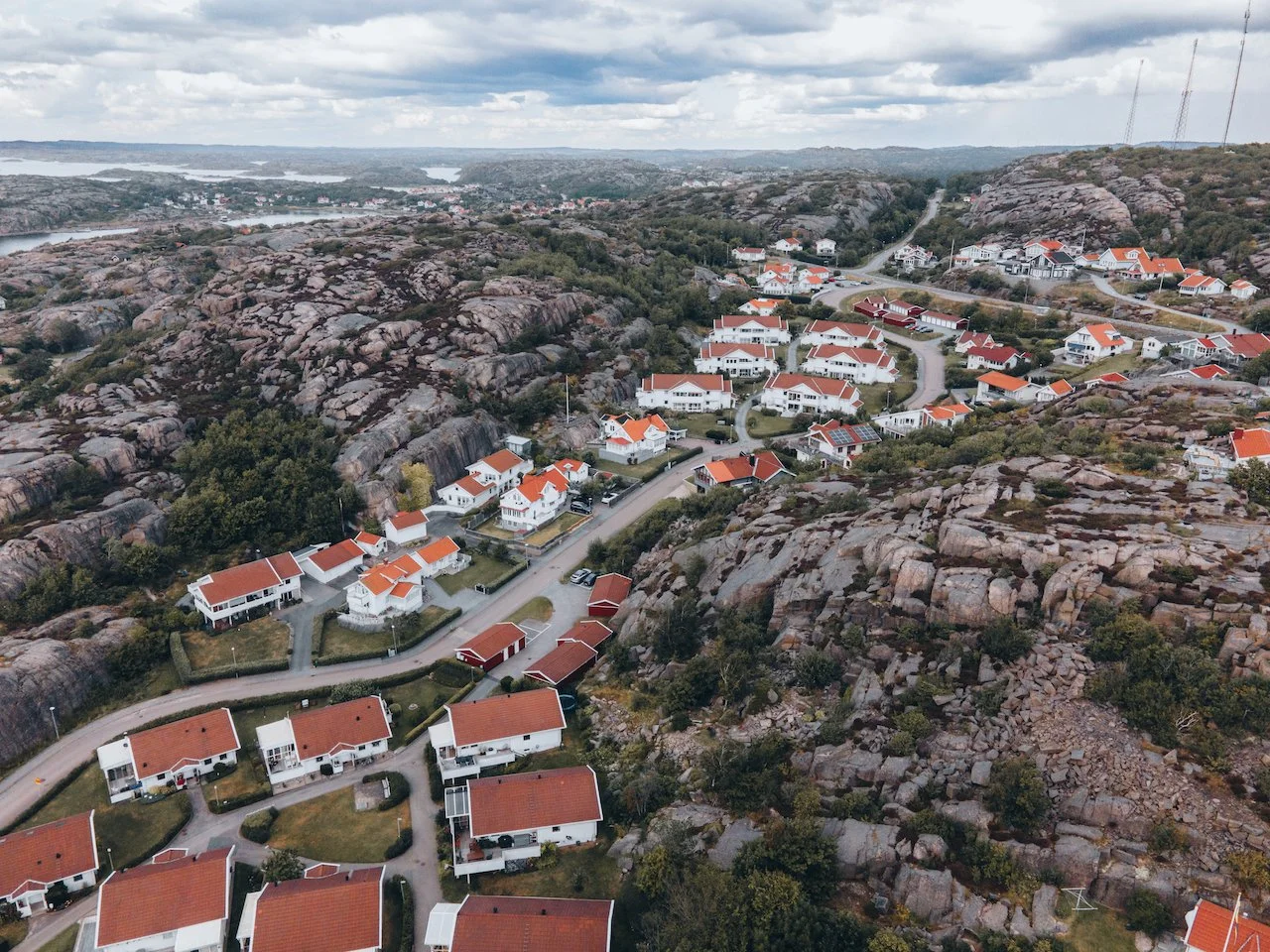
Smögen
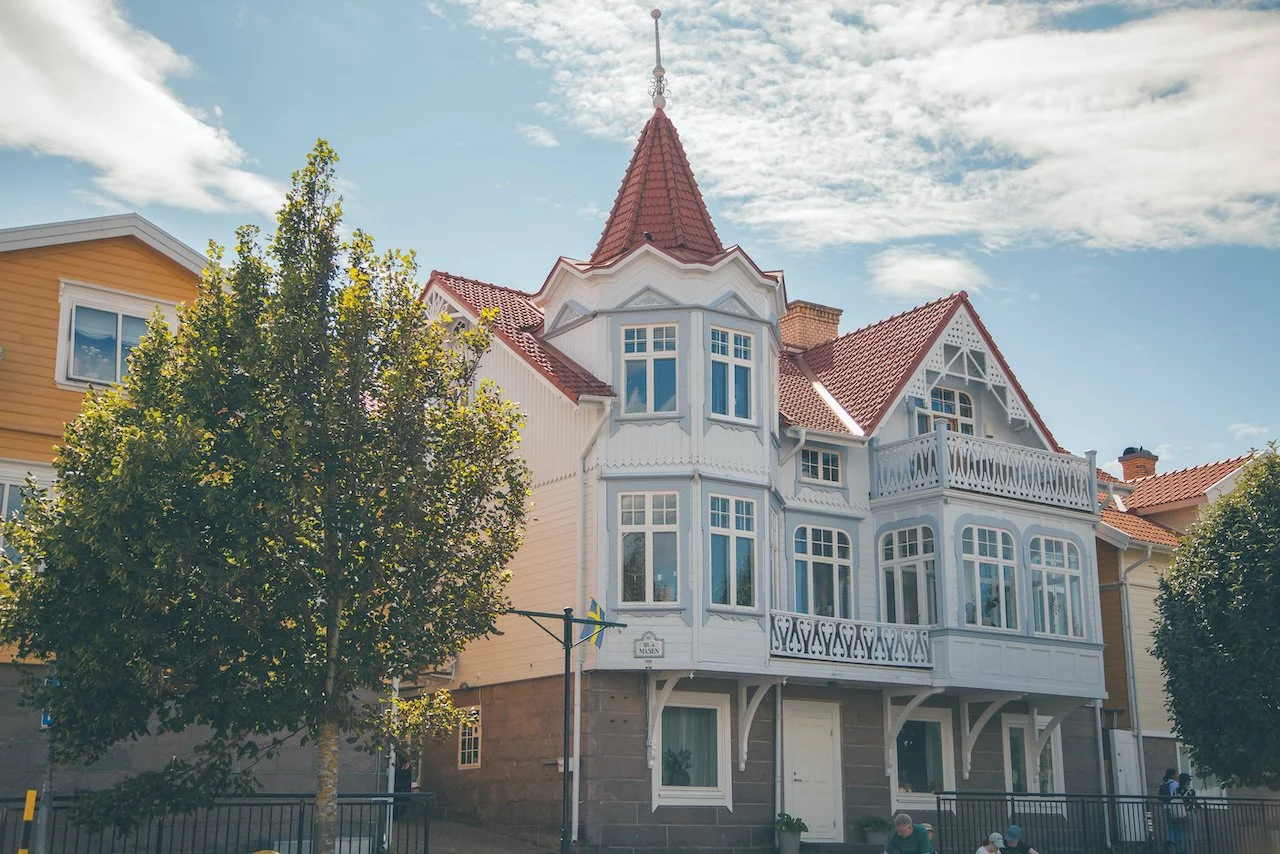
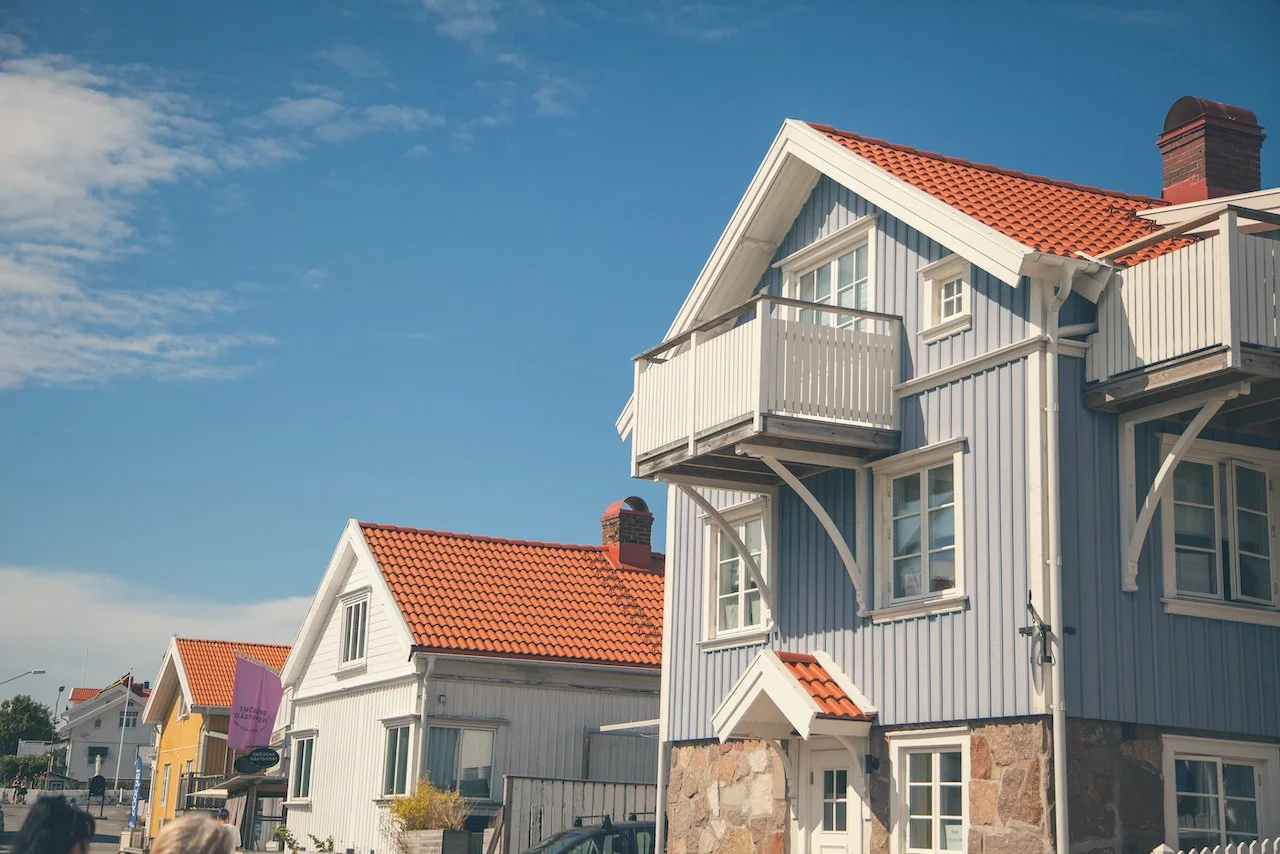
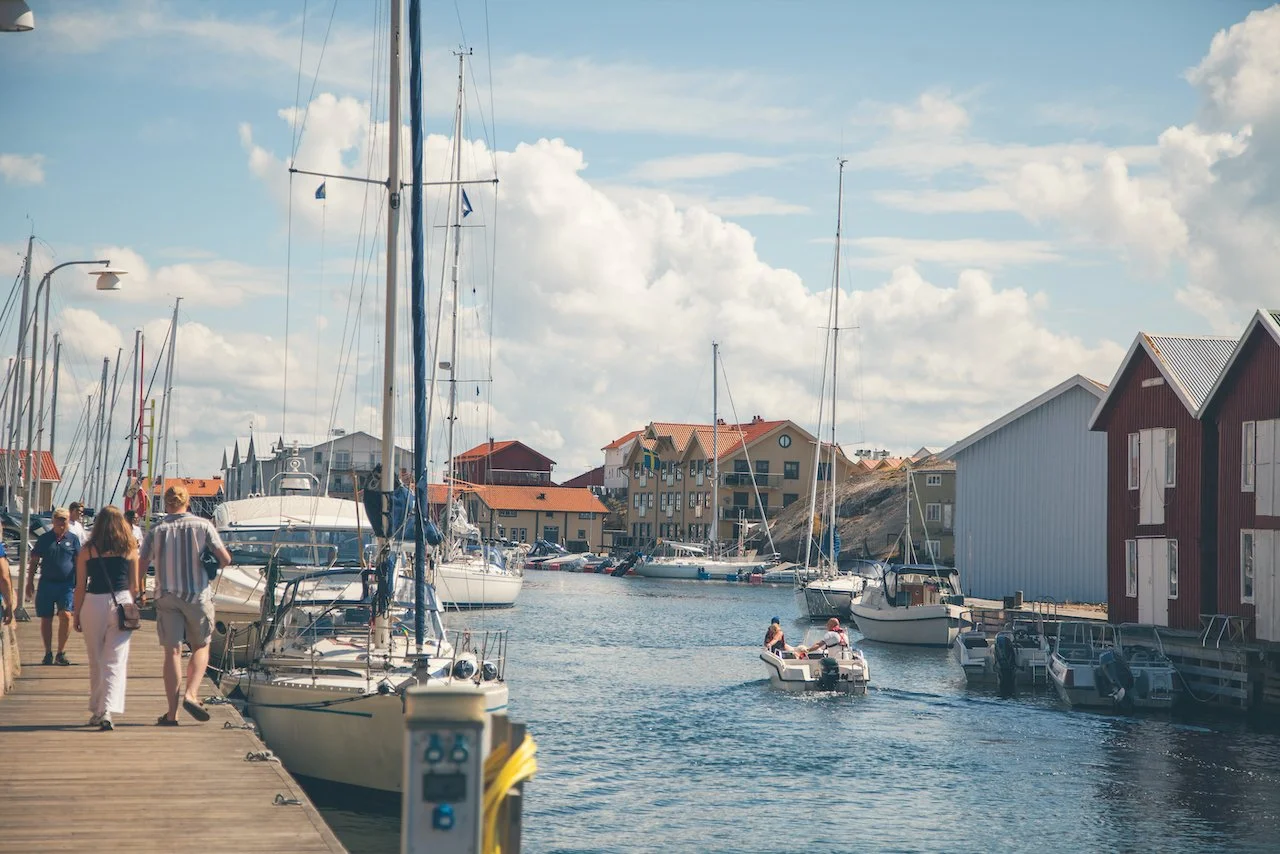
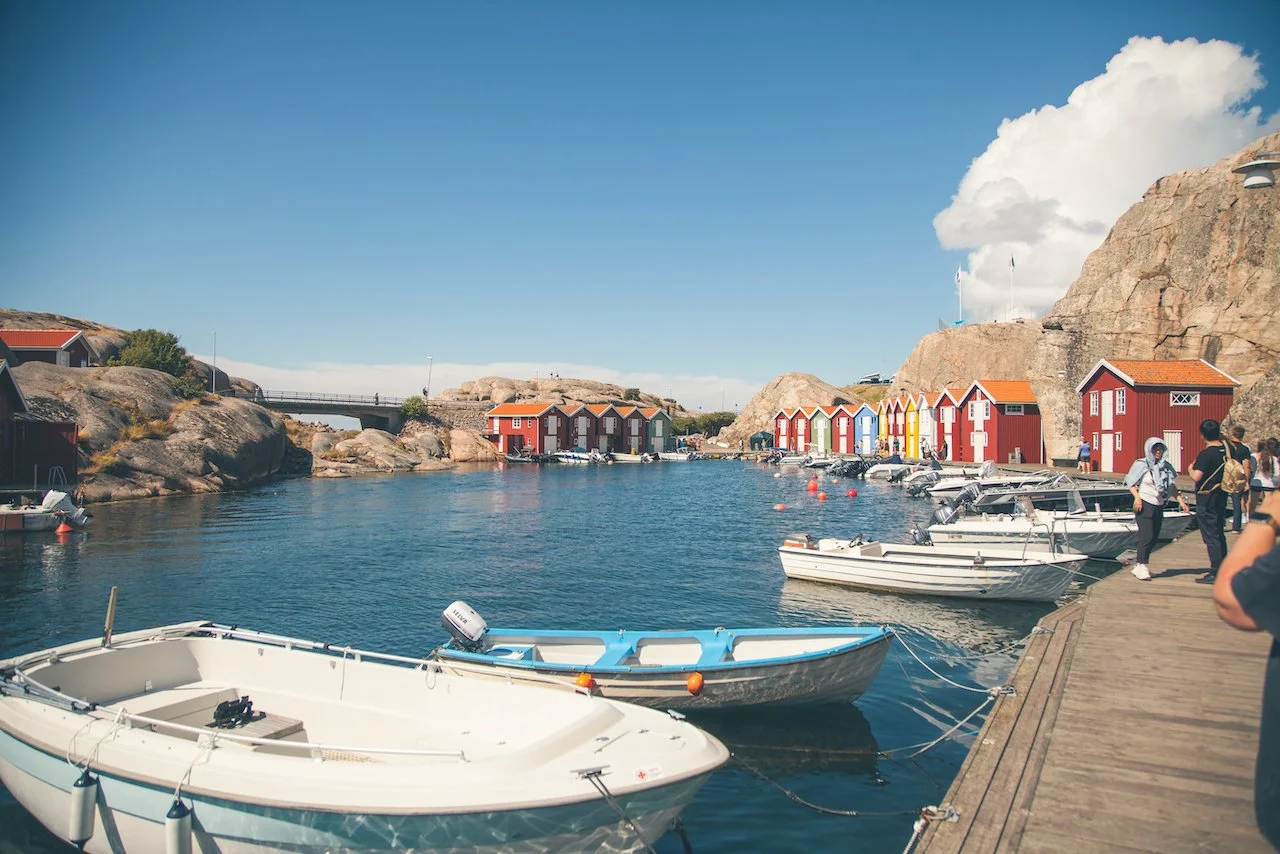
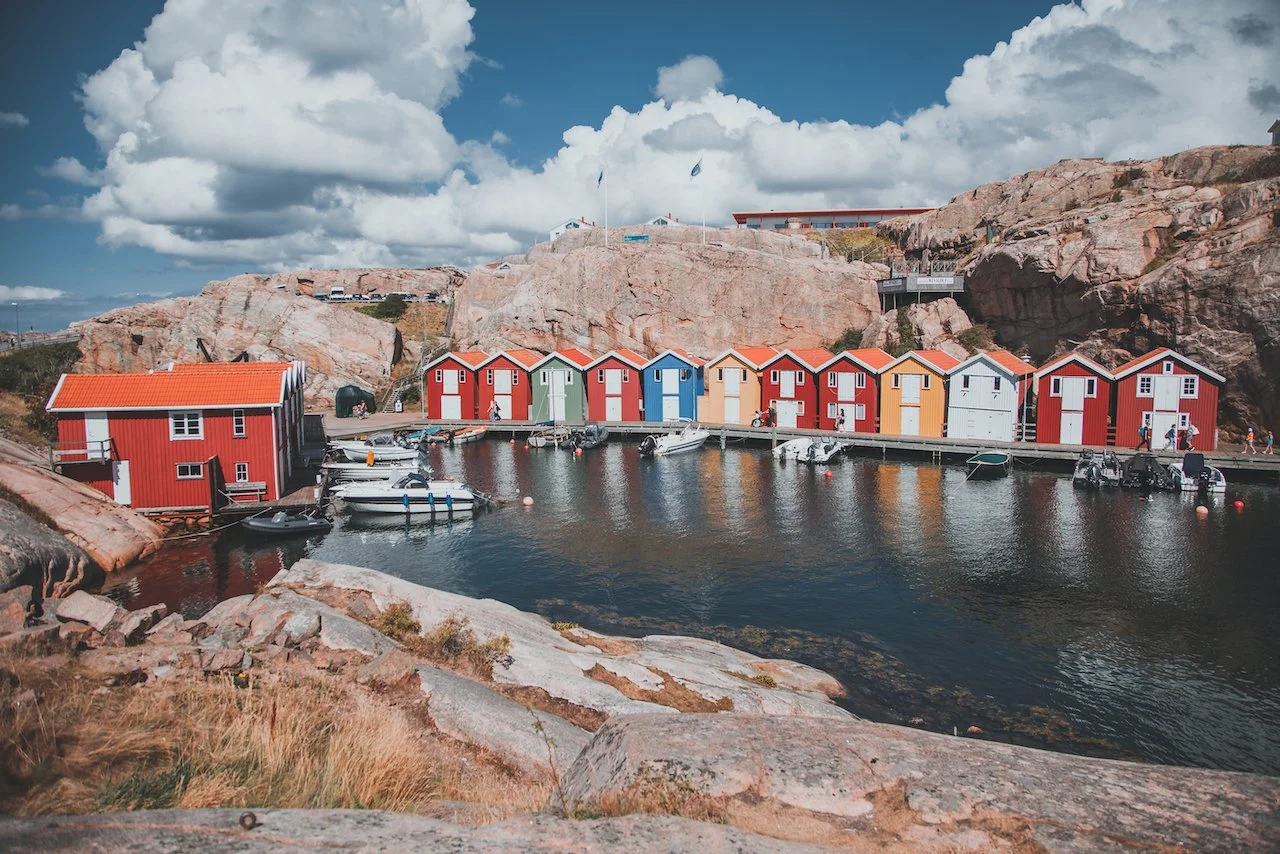
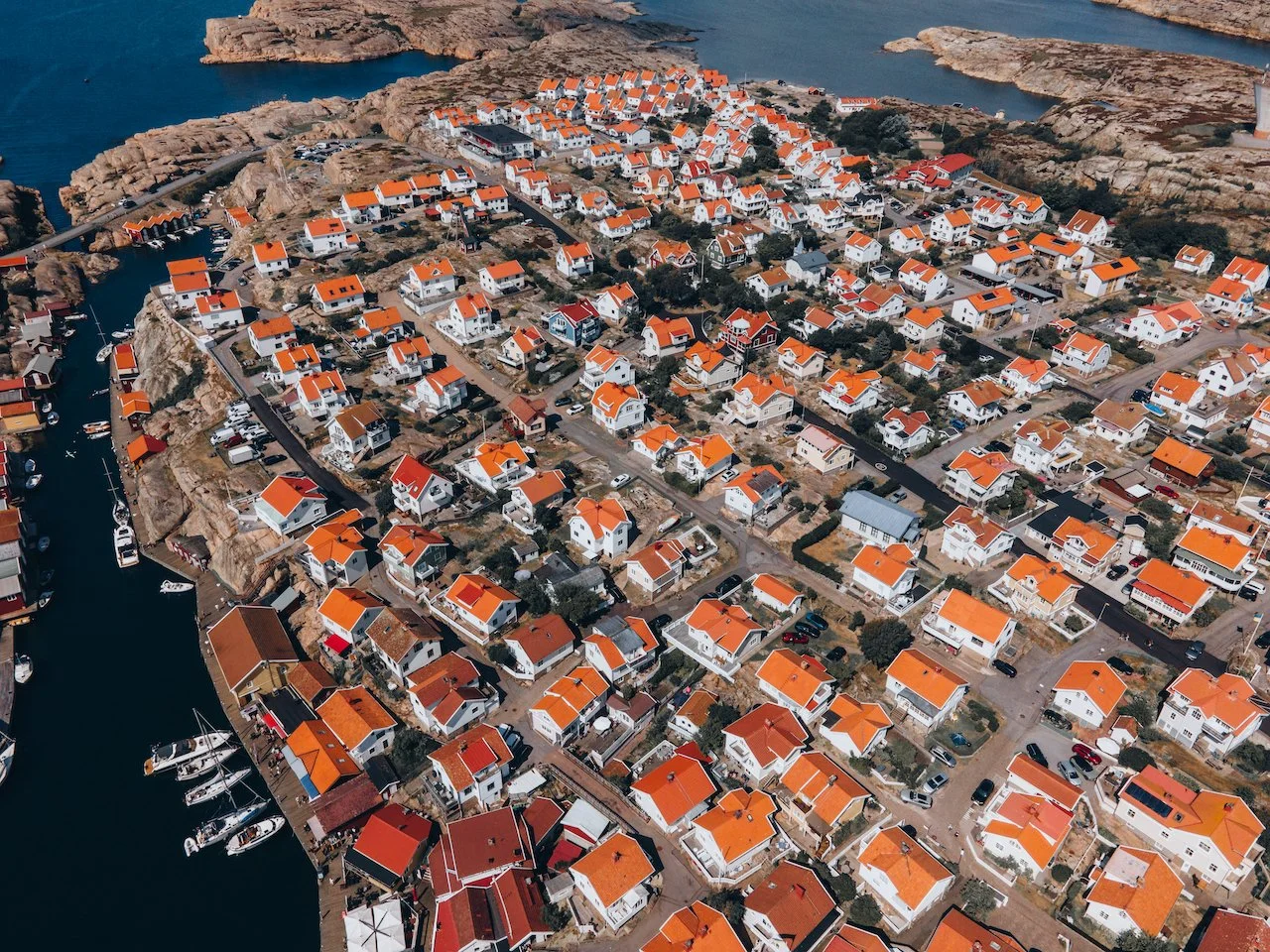
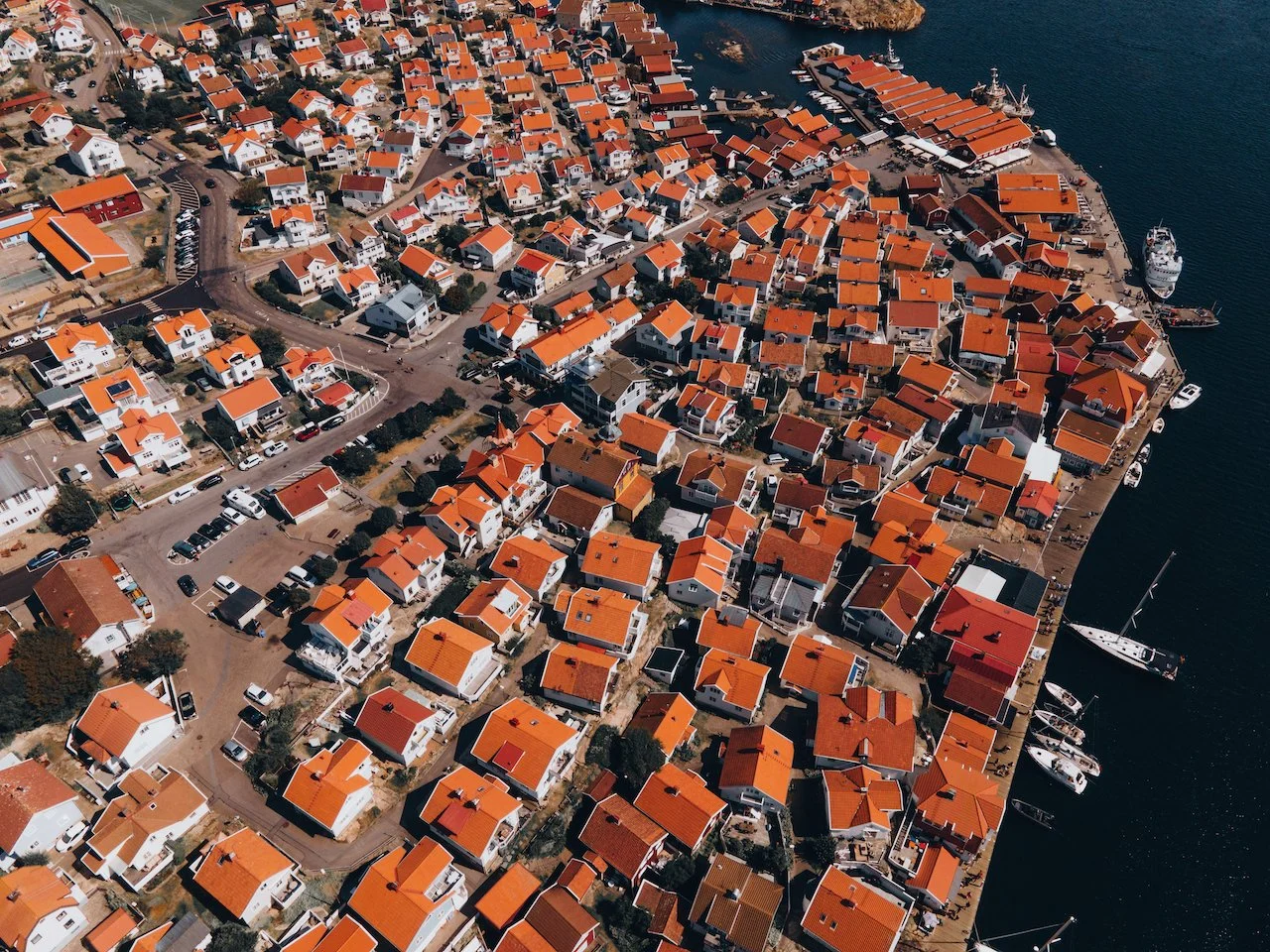
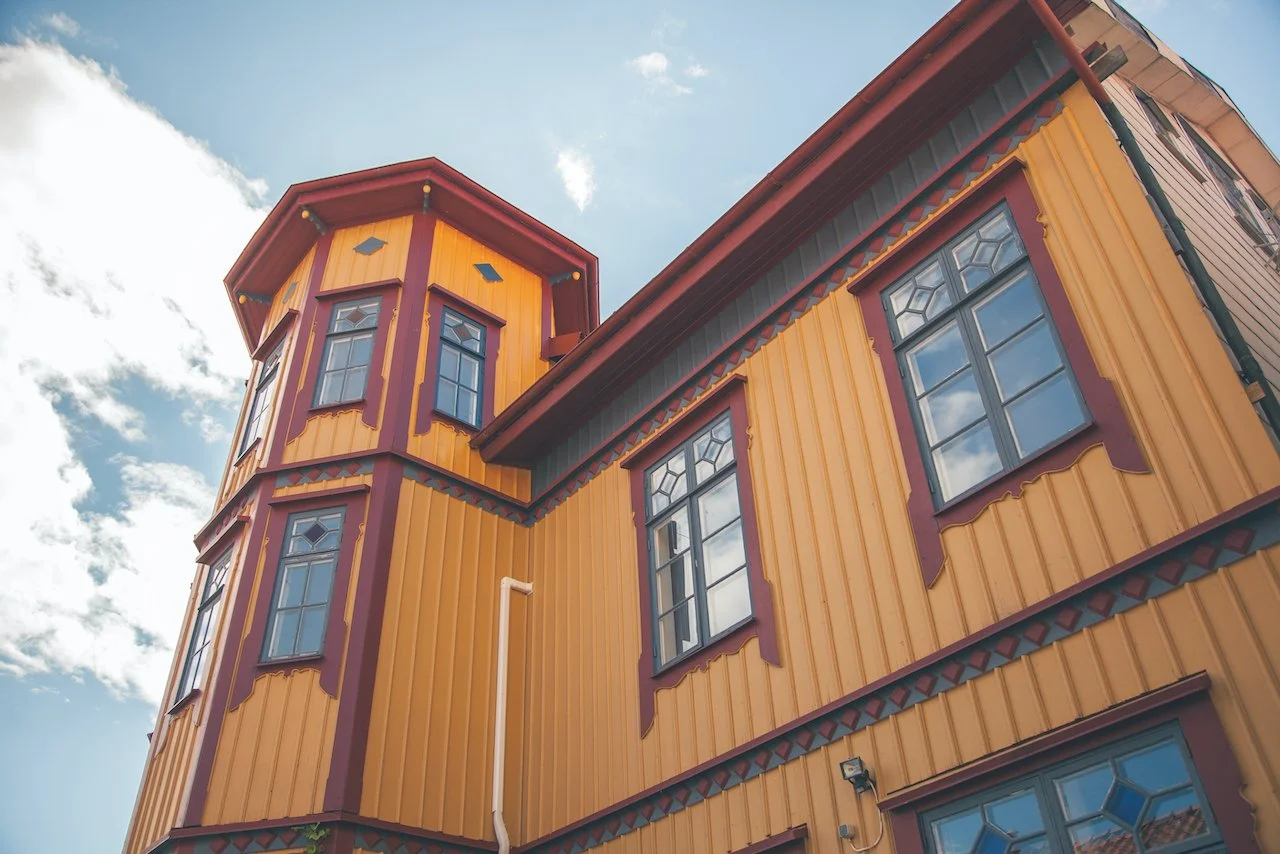
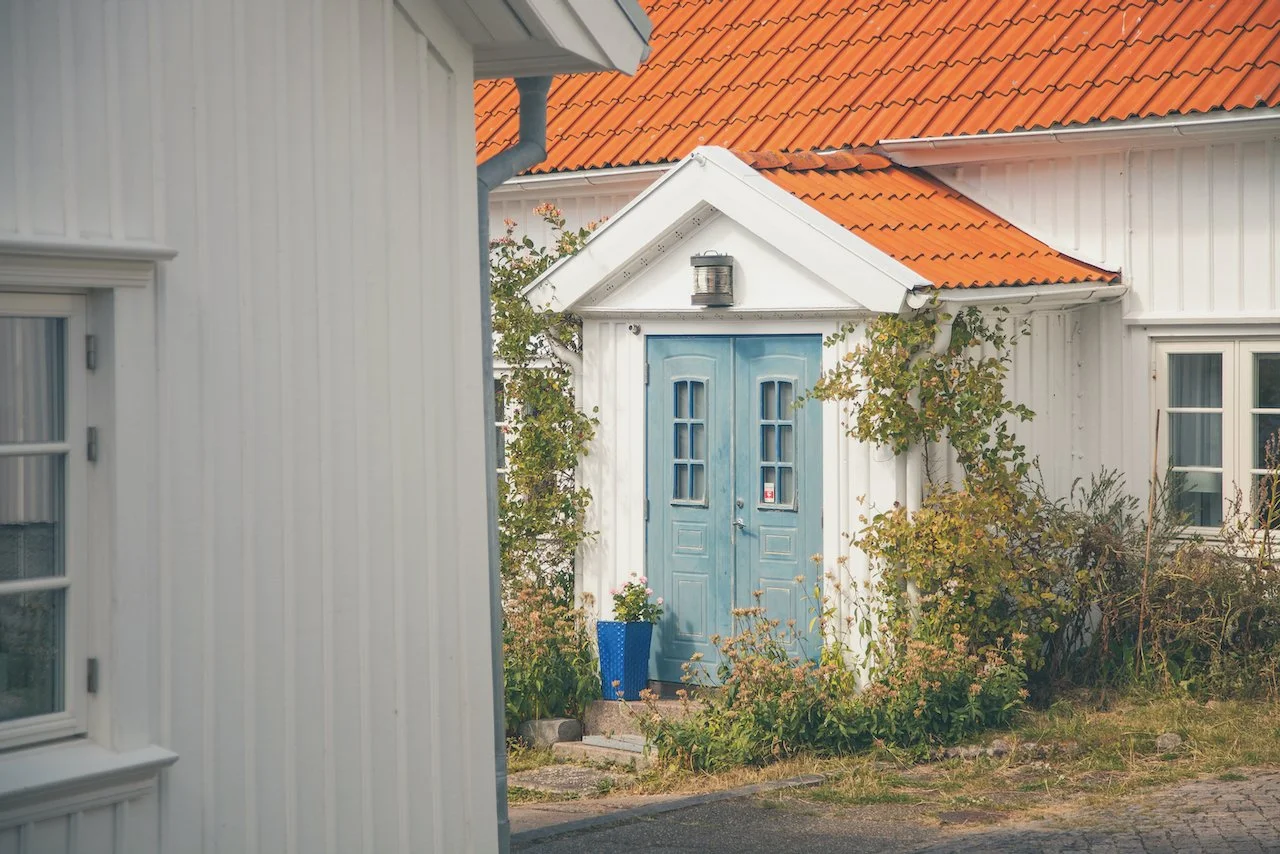
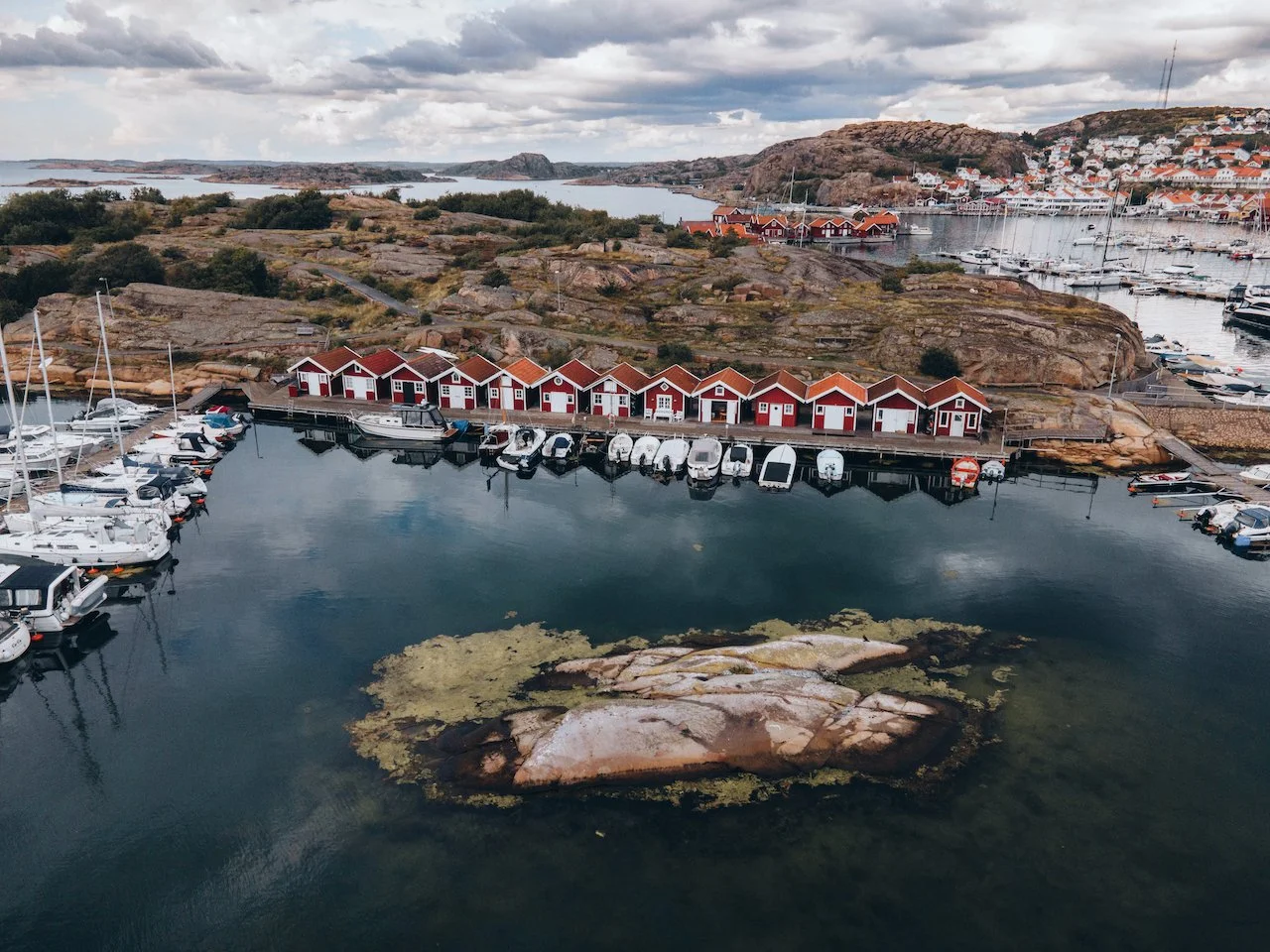
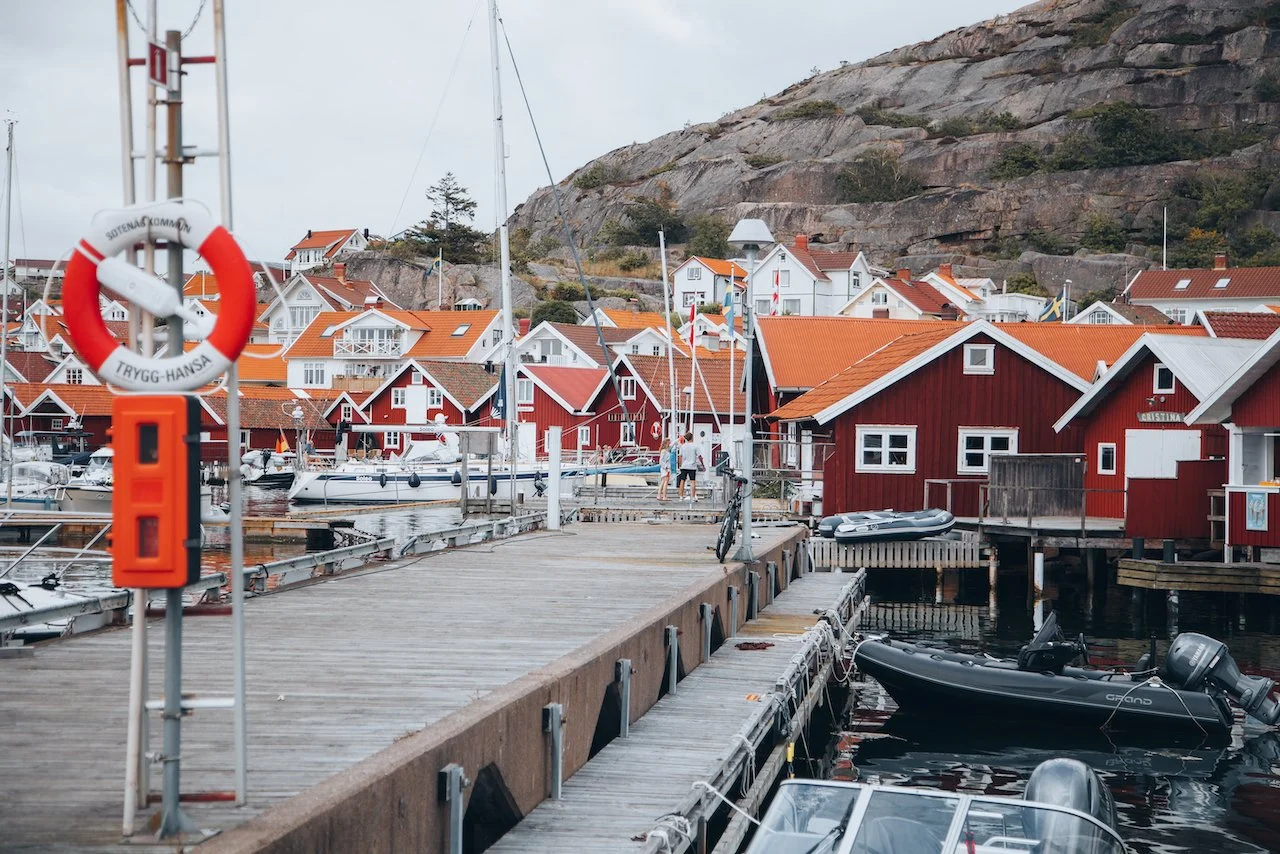
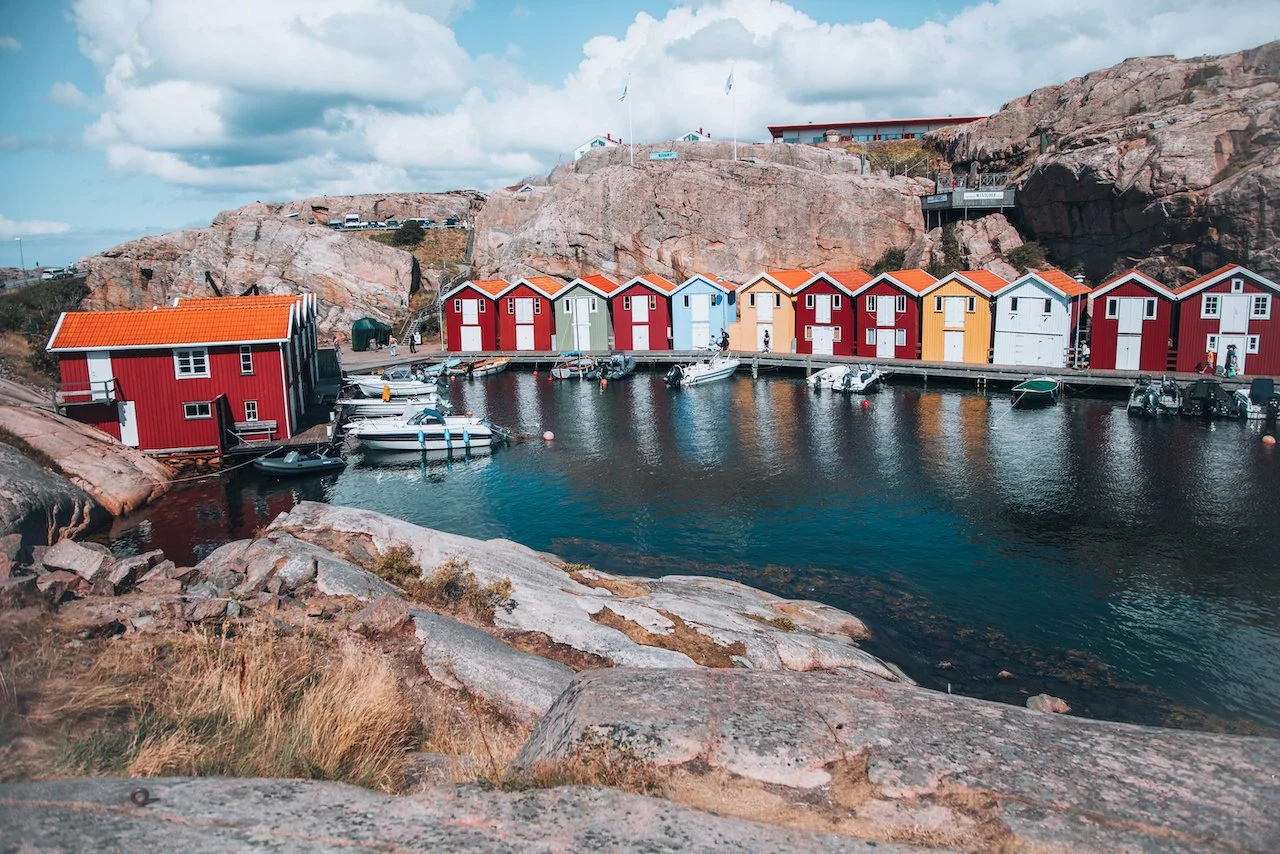
Smögen is one of Sweden’s most popular summer destinations, renowned for its vibrant boardwalk and lively fishing harbor. The Smögenbryggan boardwalk is lined with restaurants, shops, and iconic boathouses, creating a buzzing seaside atmosphere. Visitors can enjoy fresh seafood, coastal walks, and boat tours of the Bohuslän archipelago.
Smögenbryggan Boardwalk – This nearly one-kilometer wooden boardwalk is the heart of Smögen life. It’s the best spot to sample local seafood and soak in the bustling coastal vibe.
Seafood Safaris – Join guided tours to catch and taste local delicacies such as lobster, prawns, and crayfish. These experiences give travelers a hands-on introduction to Bohuslän’s culinary heritage.
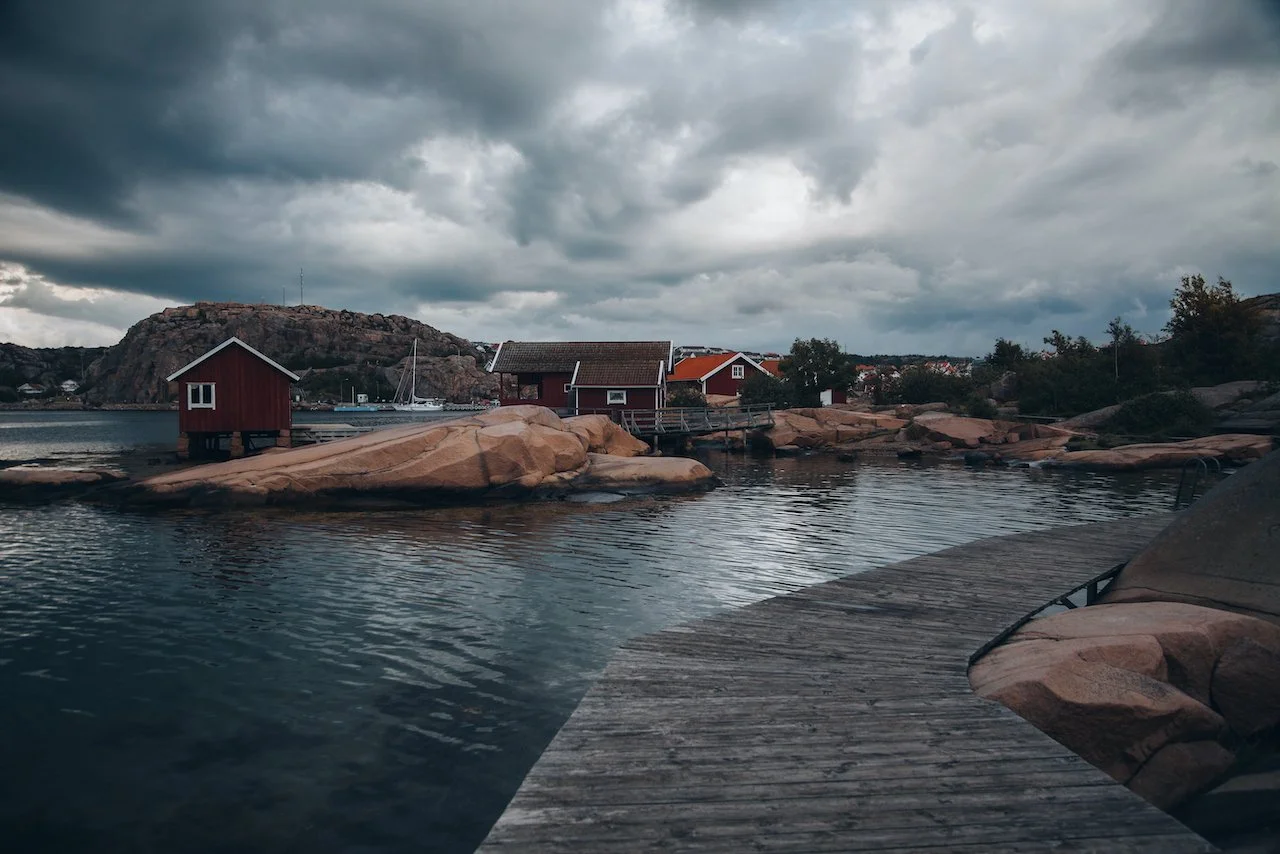
Cliffside Swimming Spots – The granite cliffs around Smögen offer natural swimming platforms with crystal-clear water. These spots are perfect for a refreshing dip in summer with stunning sea views.
Hunnebostrand
Hunnebostrand is a charming fishing village with a strong maritime heritage and stunning coastal surroundings. Known for its granite quarries, the town blends natural beauty with industrial history. It’s a quieter alternative to Smögen but still offers excellent seafood, scenic harbors, and nearby nature reserves.
Hunnebostrand Harbour – A lively spot filled with fishing boats, restaurants, and summer activity. Strolling along the harbor provides a taste of authentic coastal life.
Nordens Ark Zoo – Just outside Hunnebostrand, this zoo focuses on endangered animals such as snow leopards, wolves, and lynxes. It’s a family-friendly attraction combining conservation with education.
Granite Sculptures and Quarries – Discover Hunnebostrand’s history through its granite quarries and outdoor art installations. The town’s unique stone heritage gives it a distinct cultural identity.
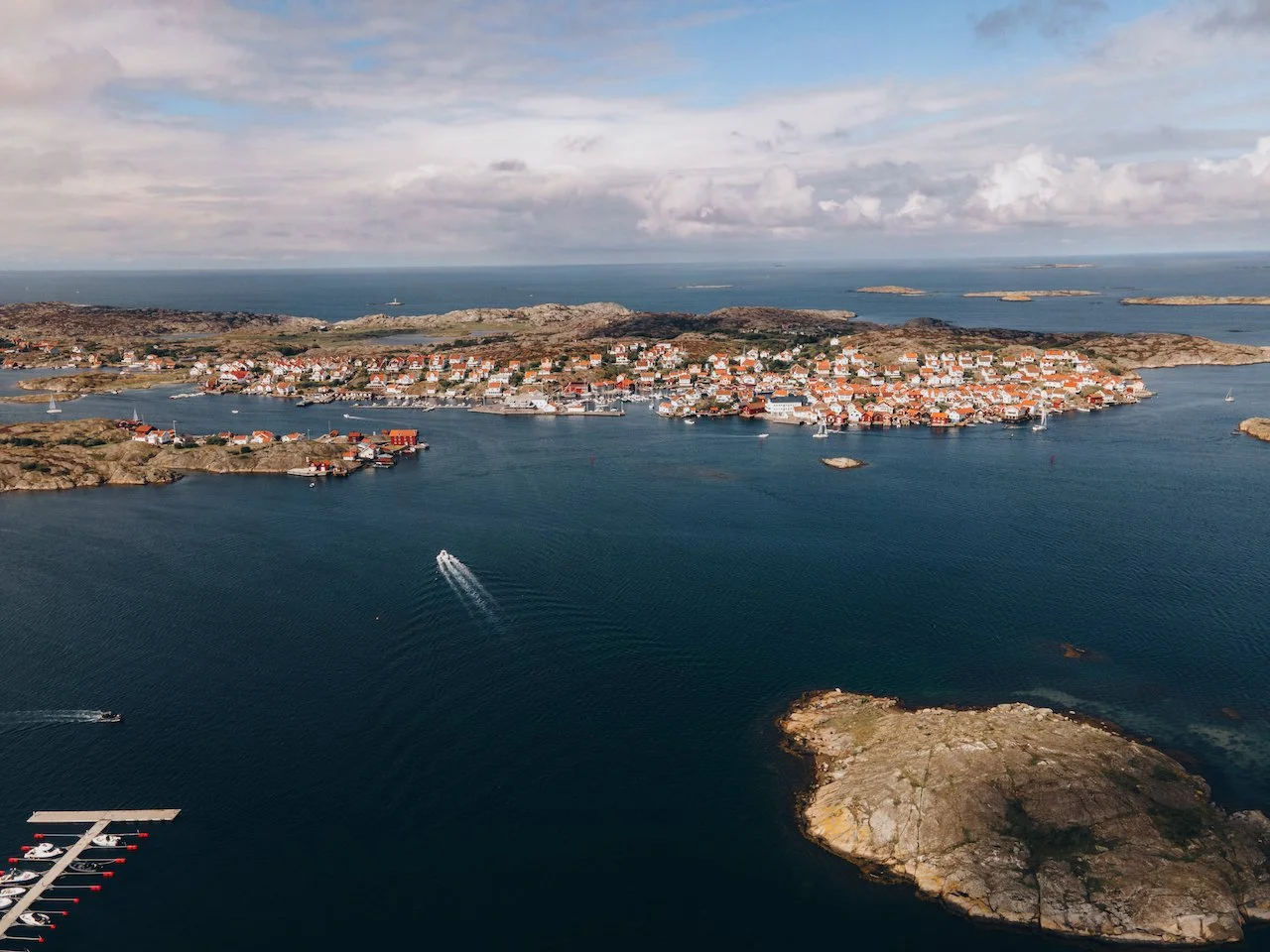
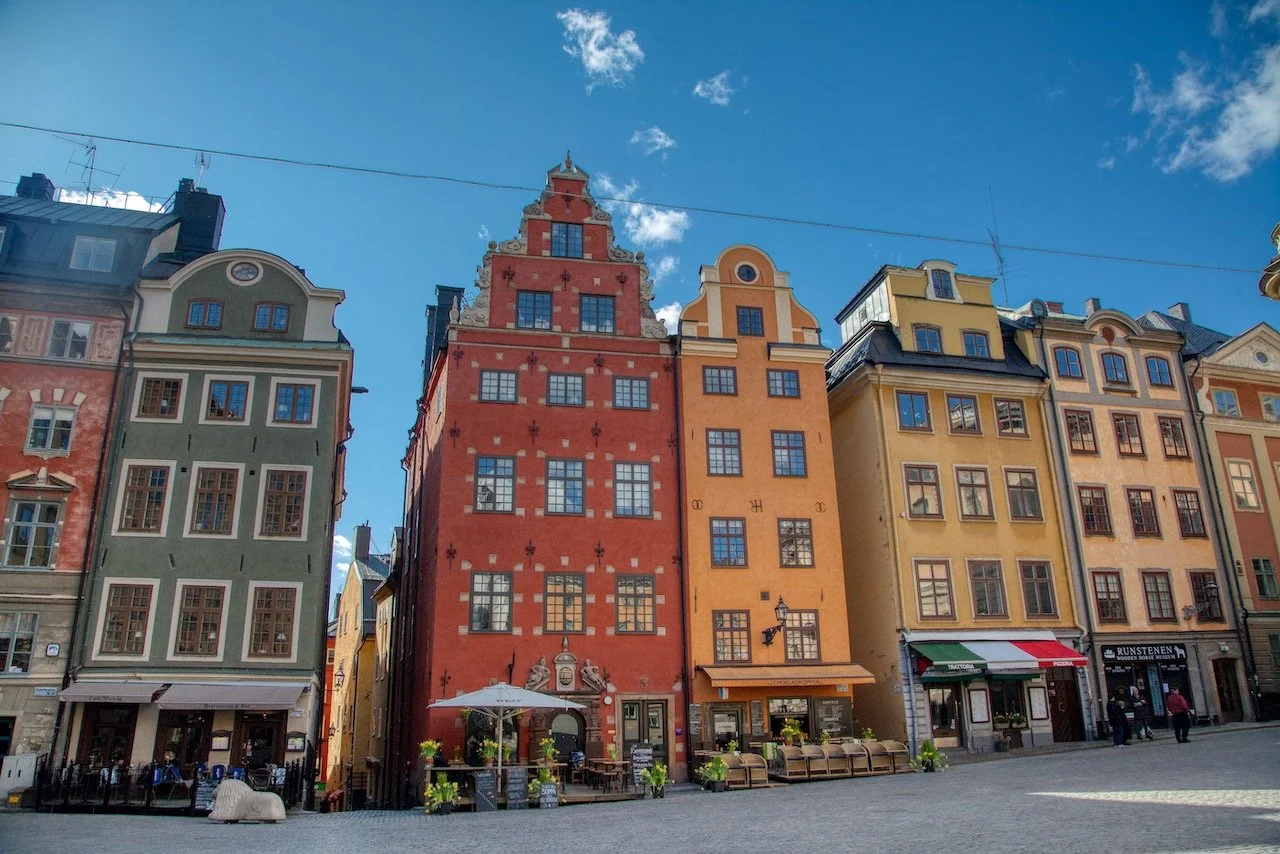
Gullholmen, Sweden (ISO 100, 4.5 mm, f/2.8, 1/50 s)
Gullholmen
Gullholmen is one of Sweden’s oldest fishing communities, located on a small island in Bohuslän’s archipelago. With its tightly packed wooden houses and narrow alleys, it offers a true taste of traditional coastal life. The island is car-free, making it an idyllic and peaceful getaway.
Gullholmen Harbour – A postcard-perfect harbor lined with fishing huts and sailboats. It’s a fantastic spot to enjoy seafood and watch local life unfold.
Gullholmen Museum – This local museum highlights the island’s fishing heritage and maritime history. Visitors gain insights into how the community thrived for centuries on the sea.
Island Walks – Stroll around the island’s trails for views of the sea, rocky cliffs, and surrounding archipelago. The peaceful atmosphere makes it ideal for slow exploration and photography.
Marstrand
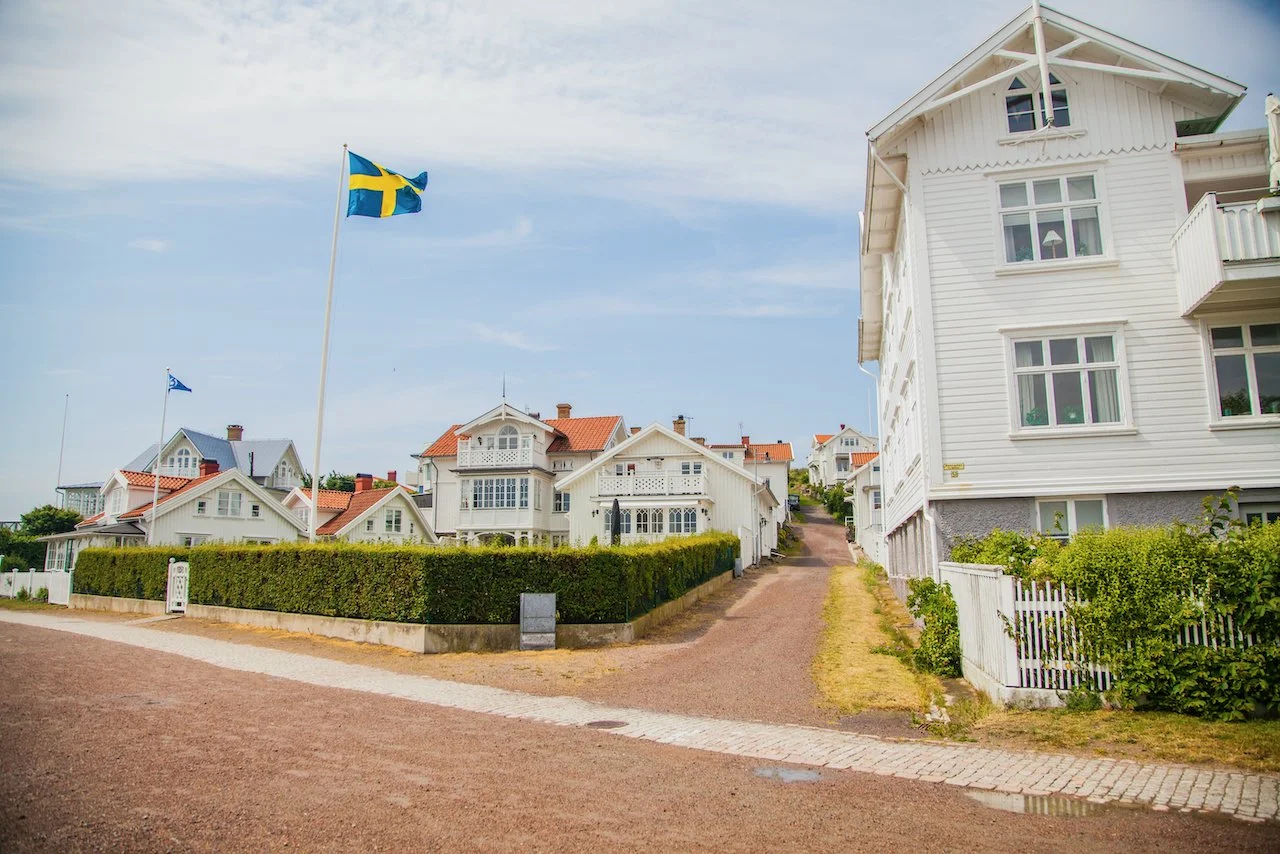
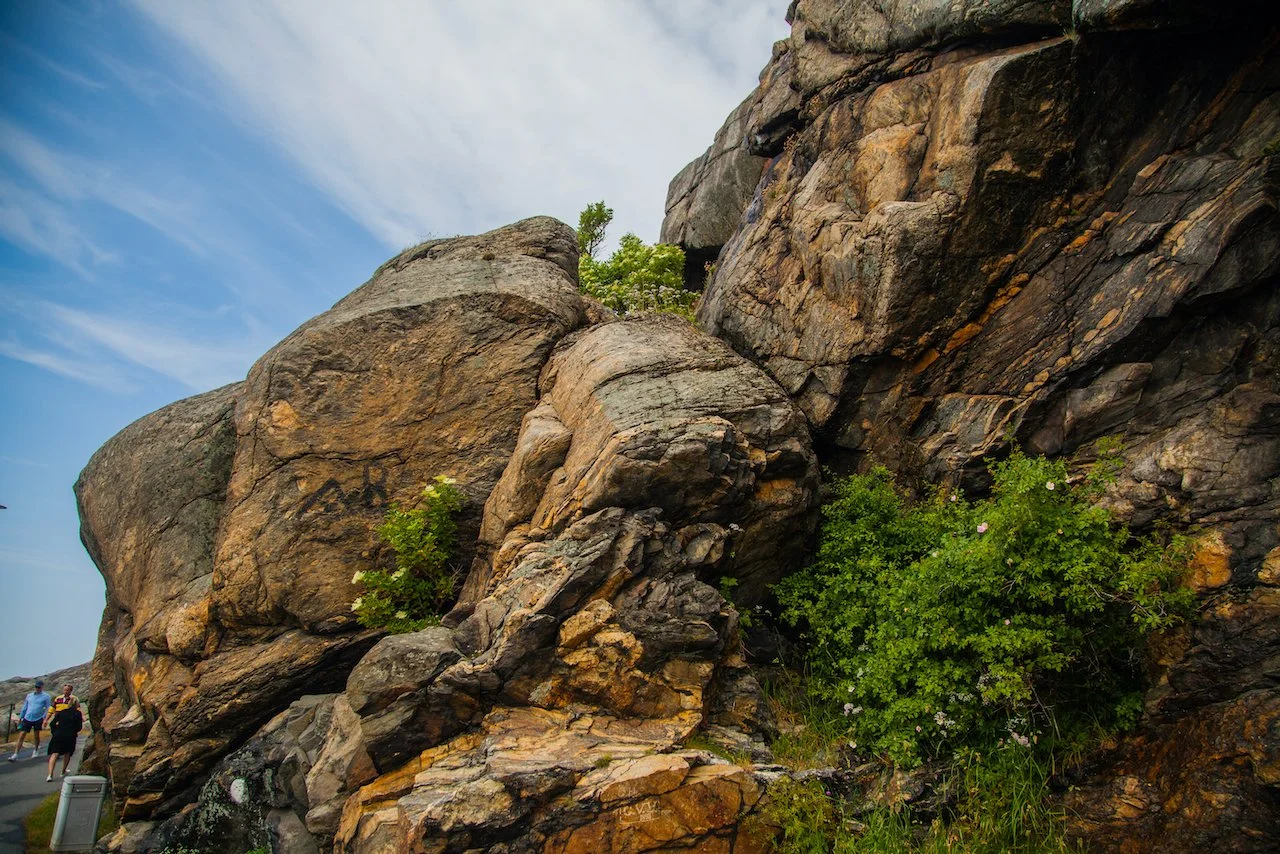
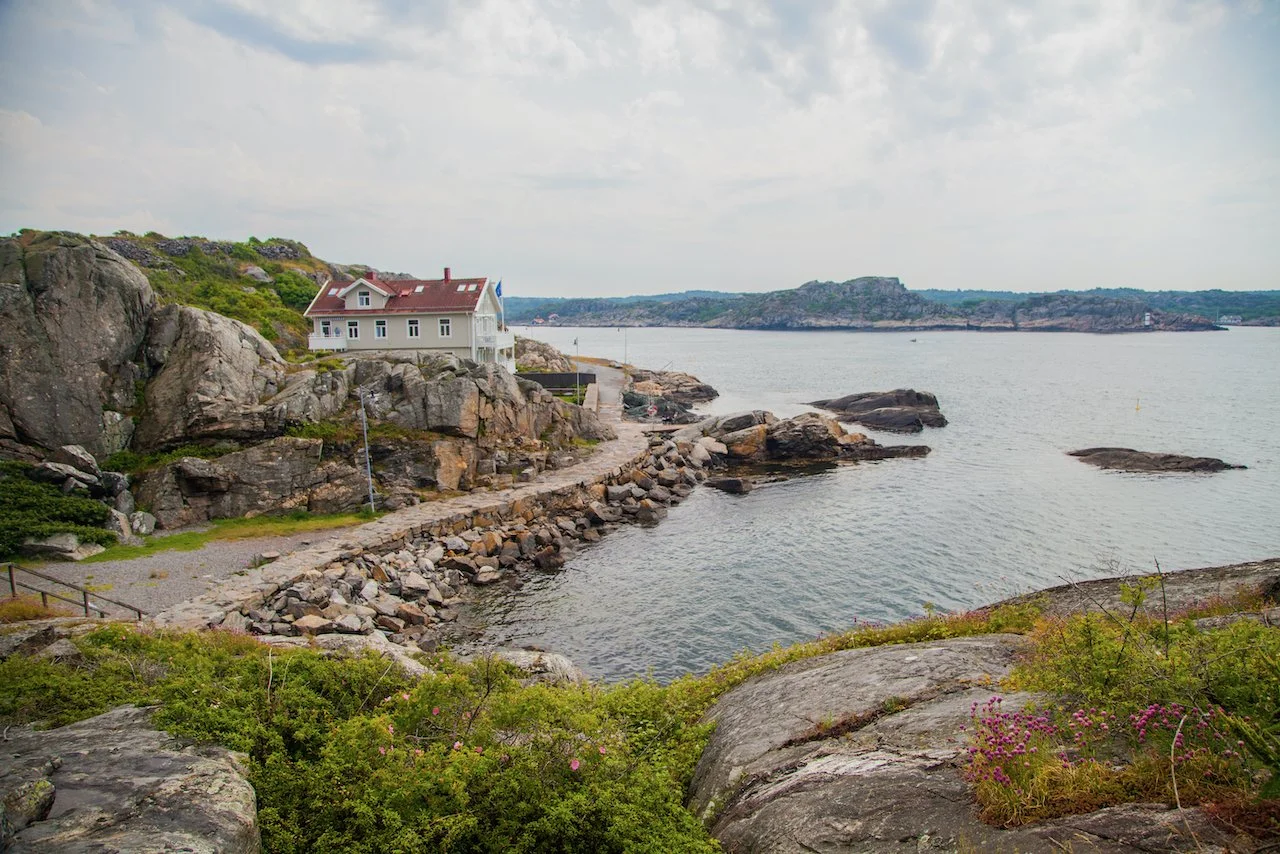
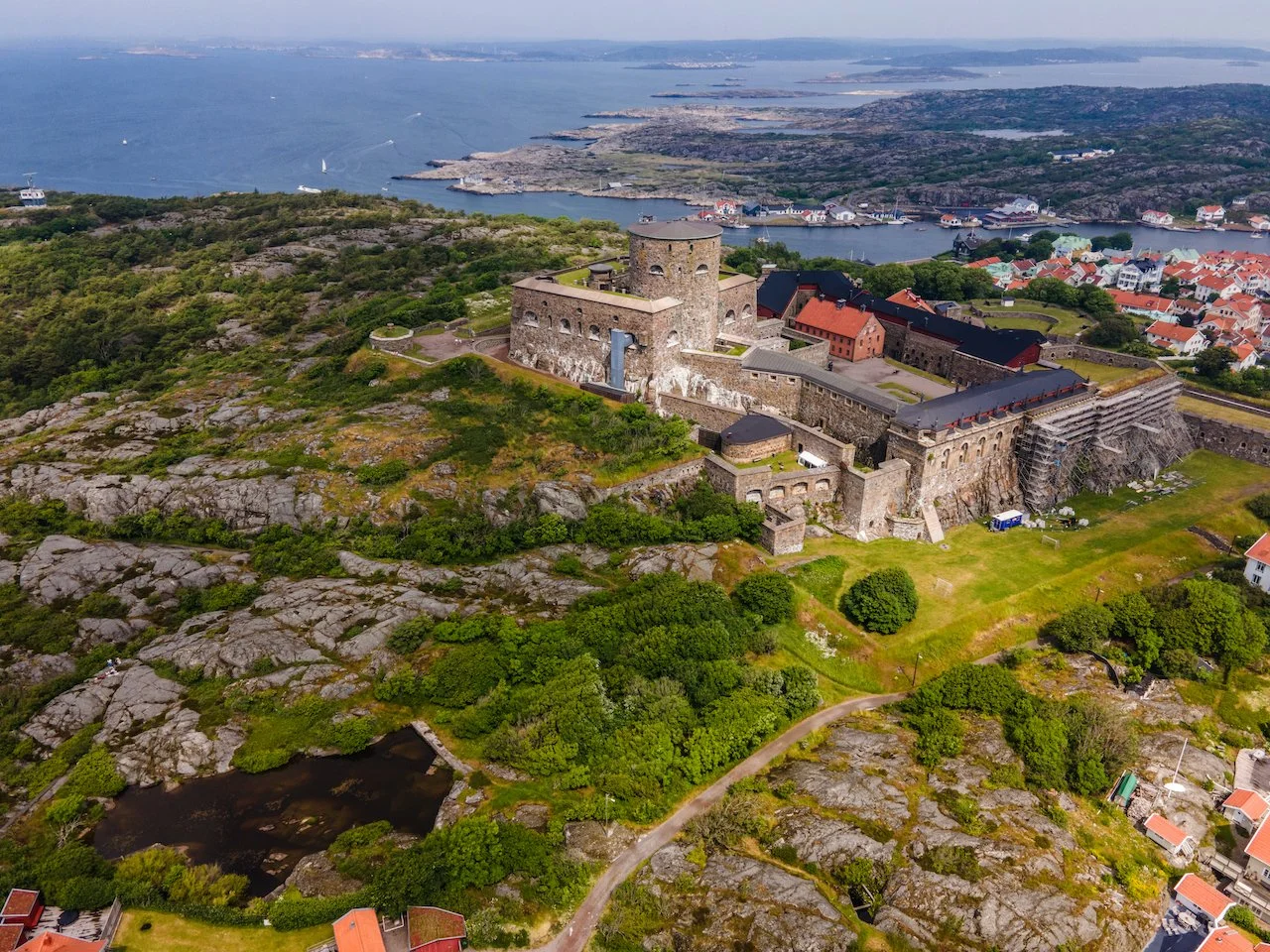
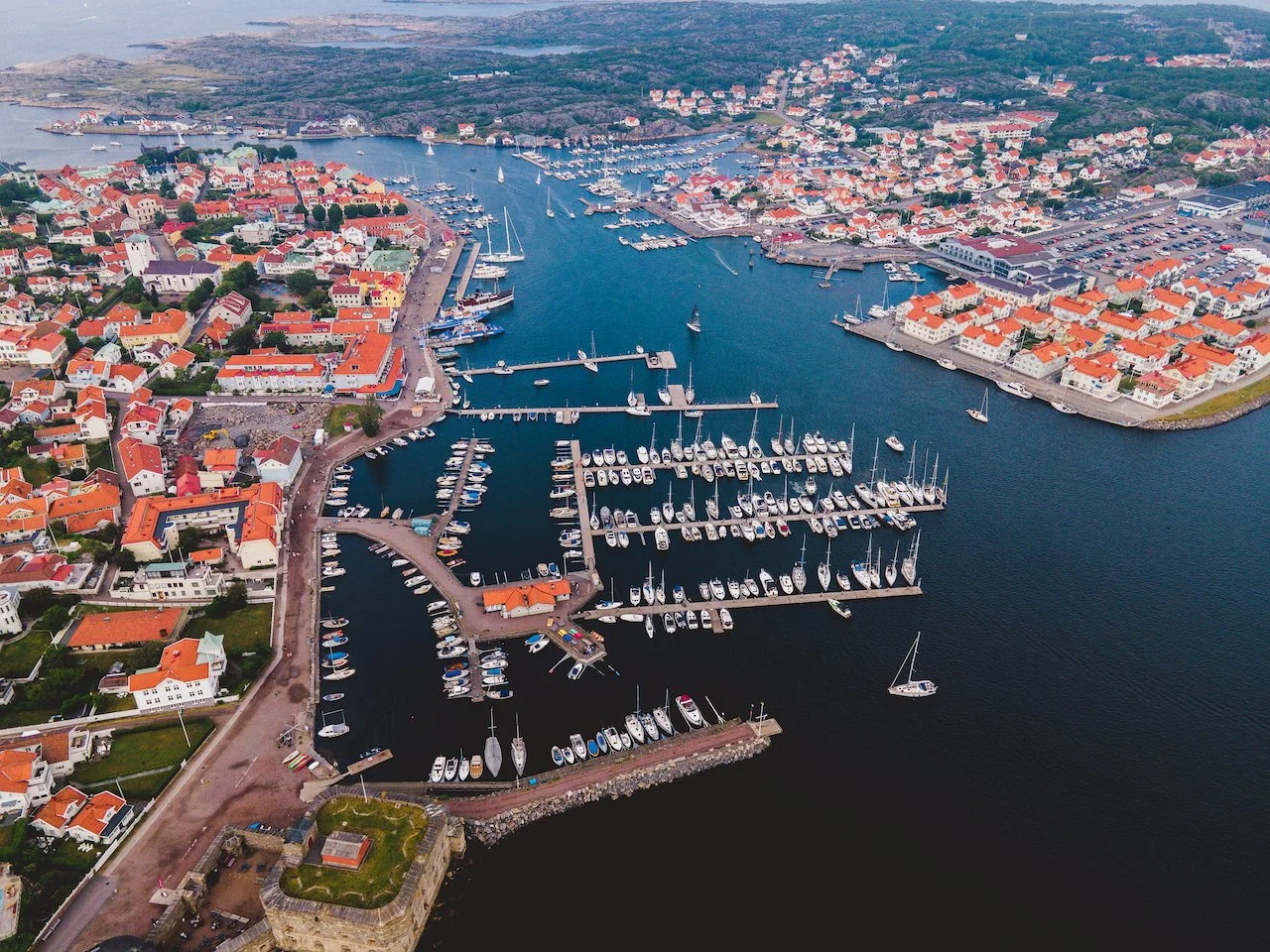
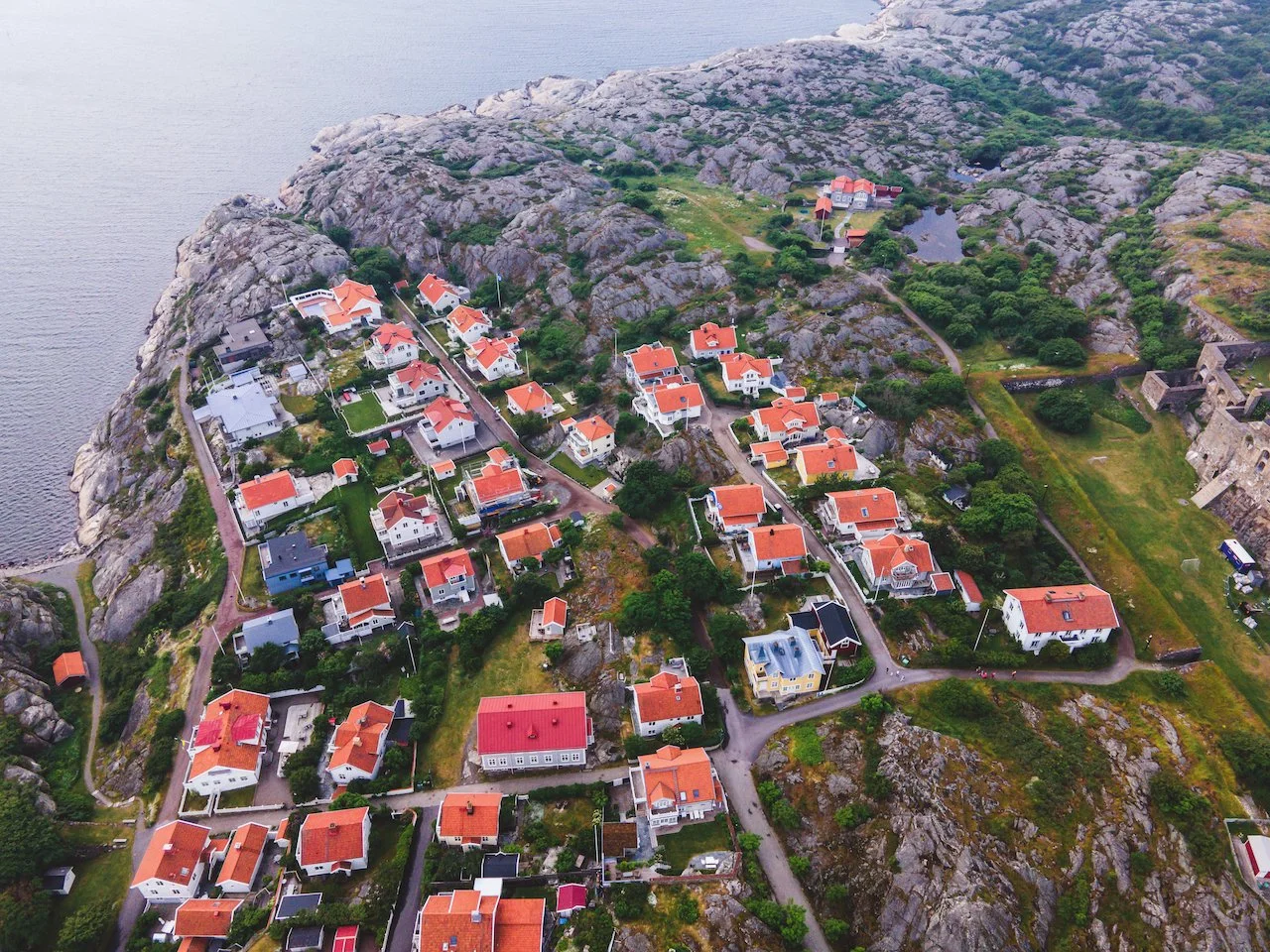
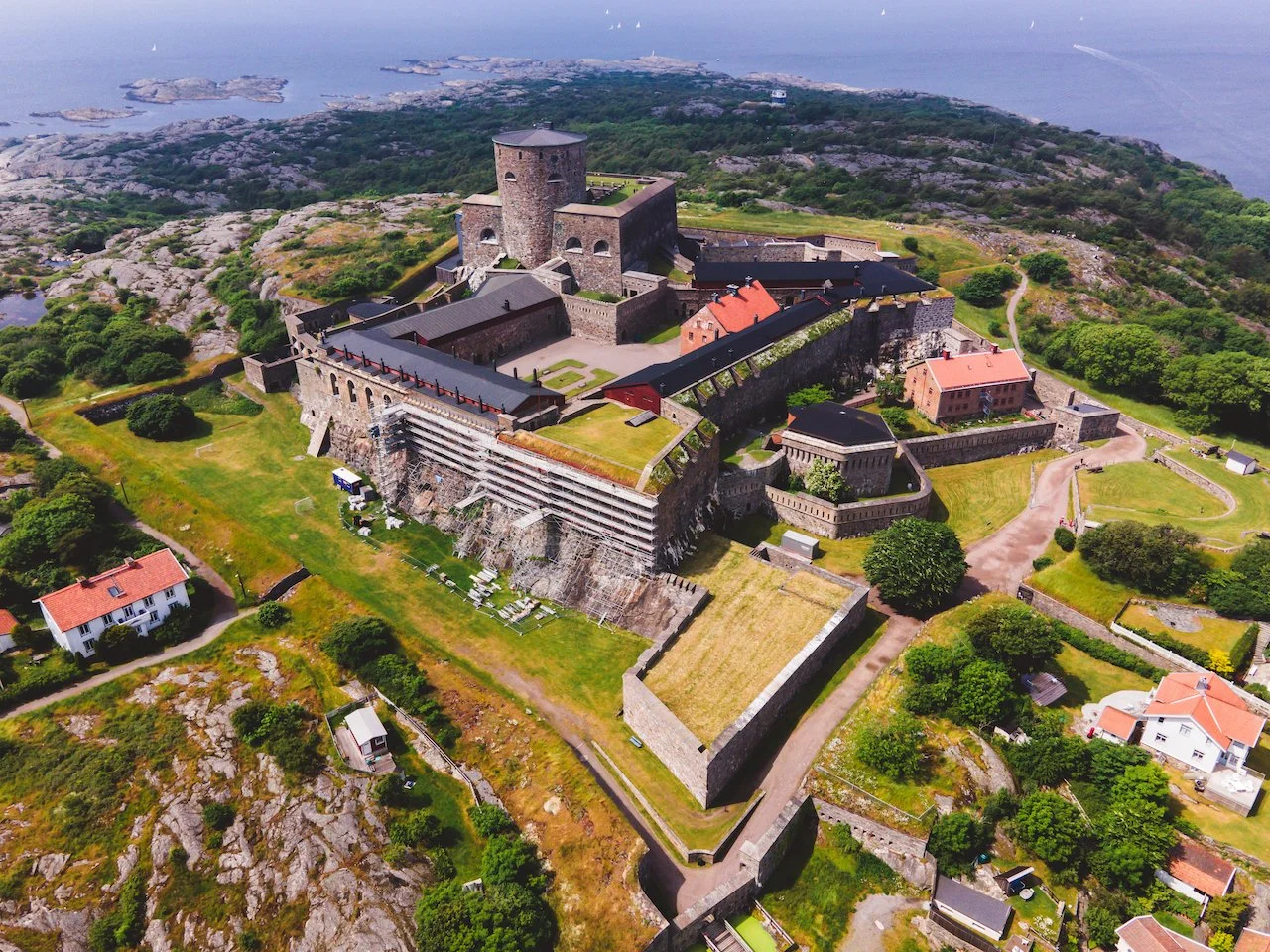
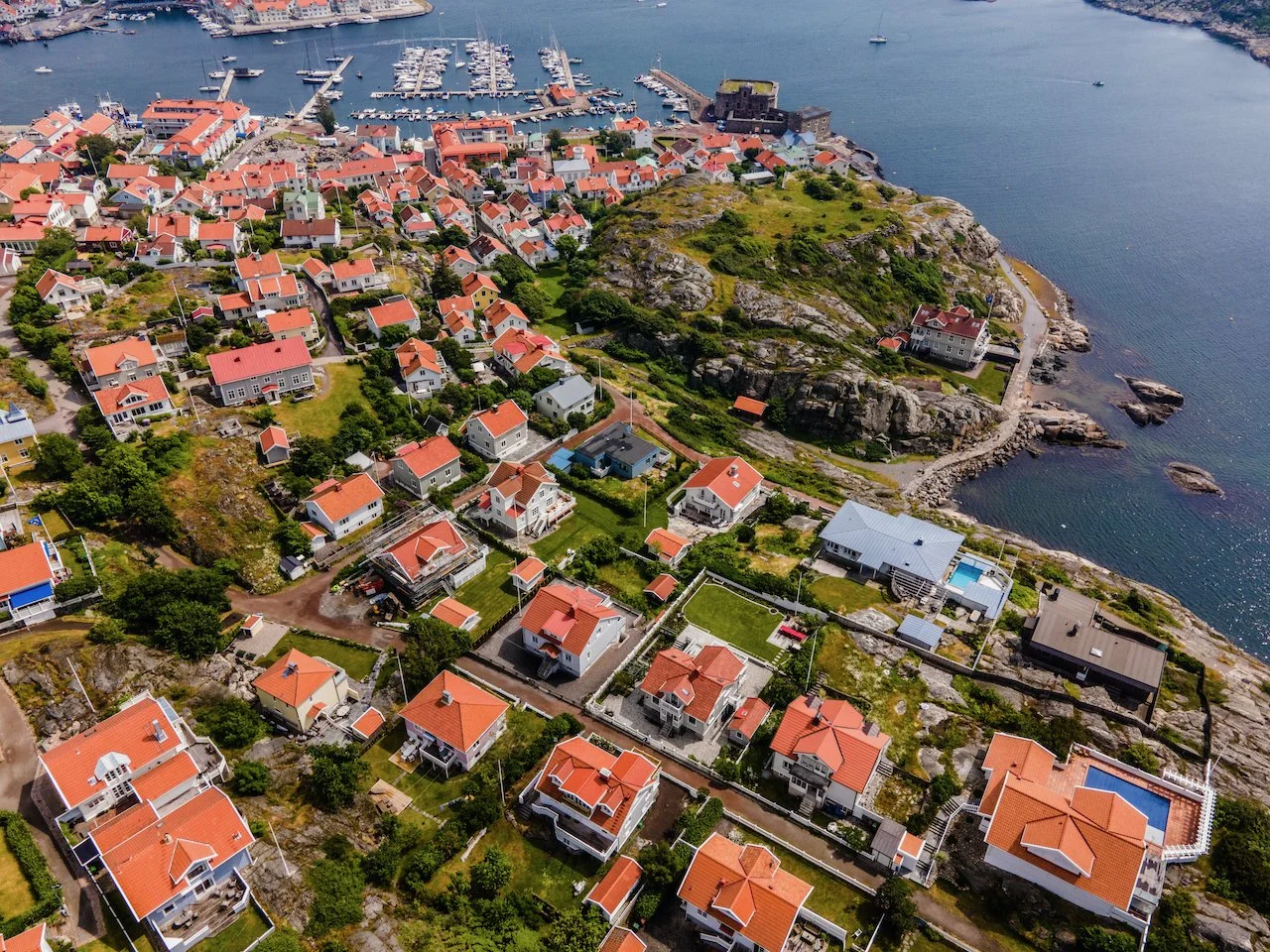
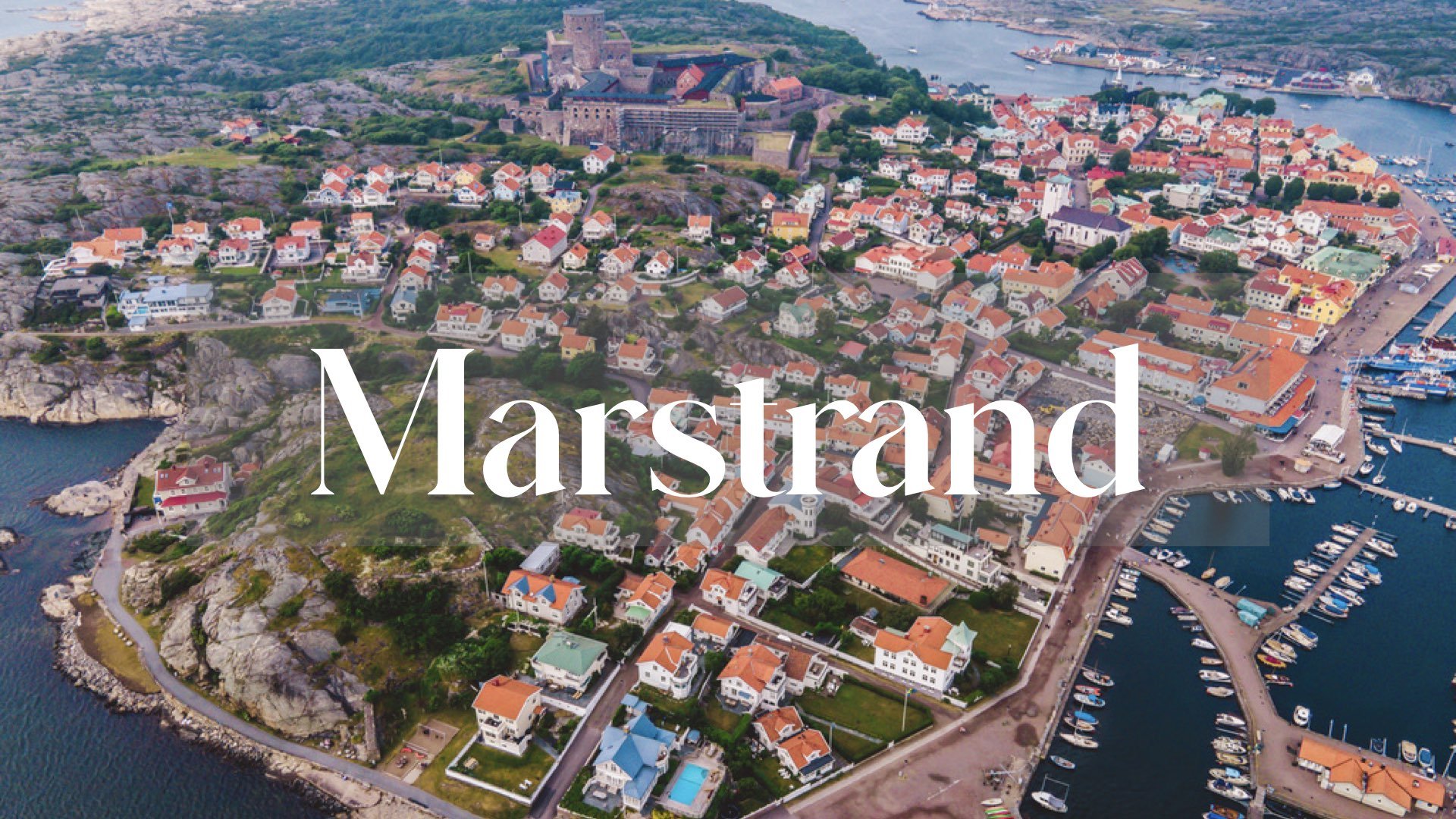
Marstrand is a historic island town famous for its sailing culture and medieval fortress. With colorful houses, cobbled streets, and lively regattas, it’s a hotspot for both history buffs and water sports enthusiasts. The island’s car-free charm makes it a perfect escape just outside Gothenburg.
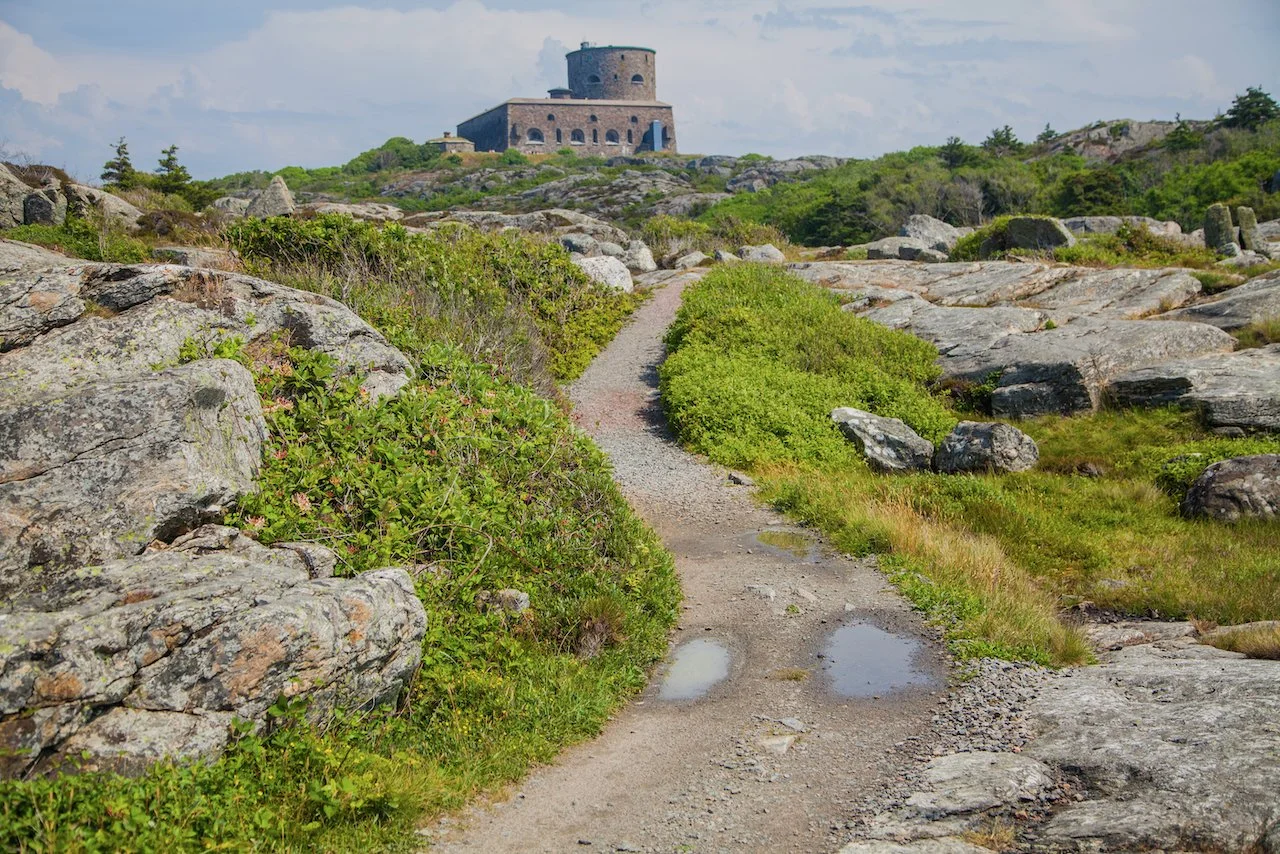
Carlstens Fortress – This 17th-century fortress towers over Marstrand, offering panoramic views of the sea. Guided tours bring history to life with stories of sieges, prisoners, and maritime battles.
Sailing & Regattas – Marstrand is Sweden’s sailing capital, hosting international competitions and local events. Visitors can also rent boats or take lessons to enjoy the island’s maritime spirit.
Marstrand Village – Explore charming streets filled with boutique shops, seafood restaurants, and historic homes. The blend of heritage and seaside atmosphere creates a unique island vibe.
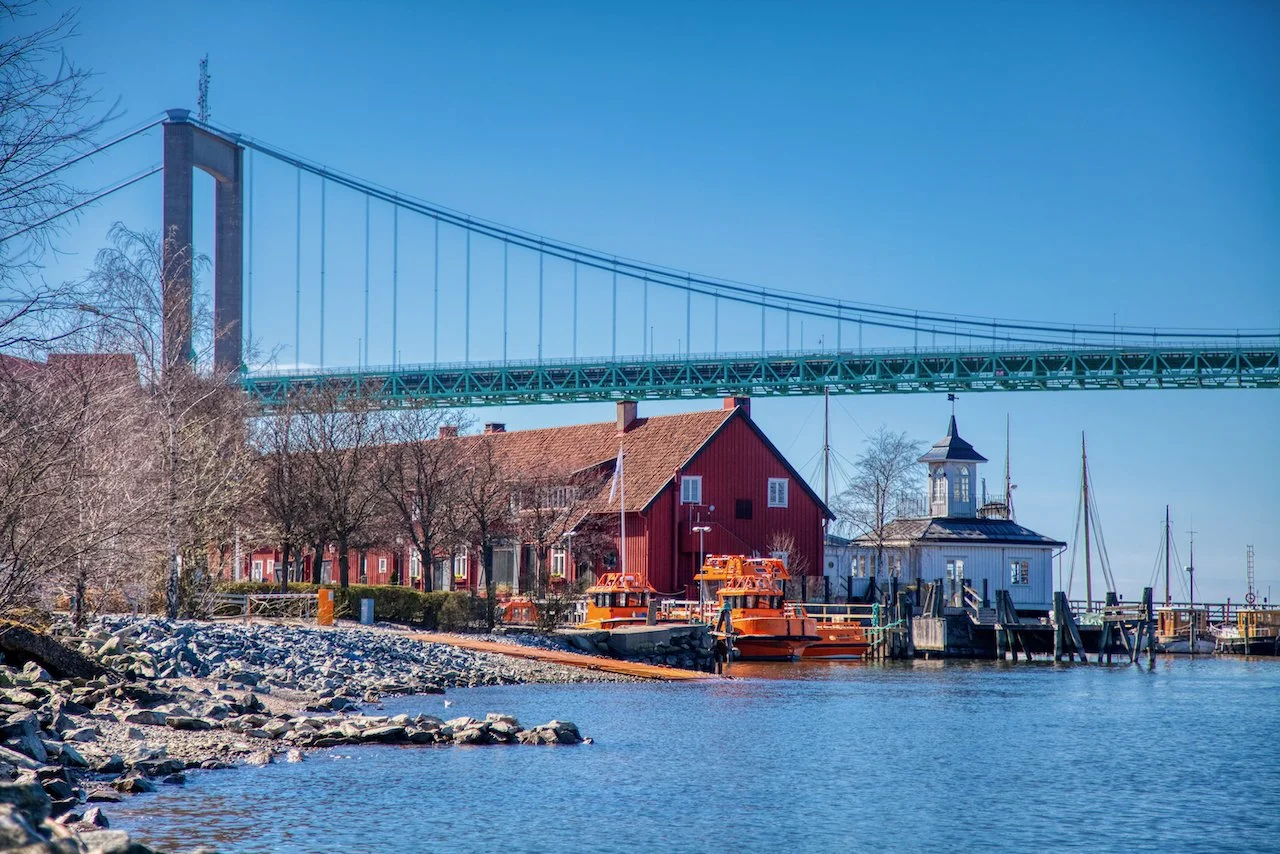
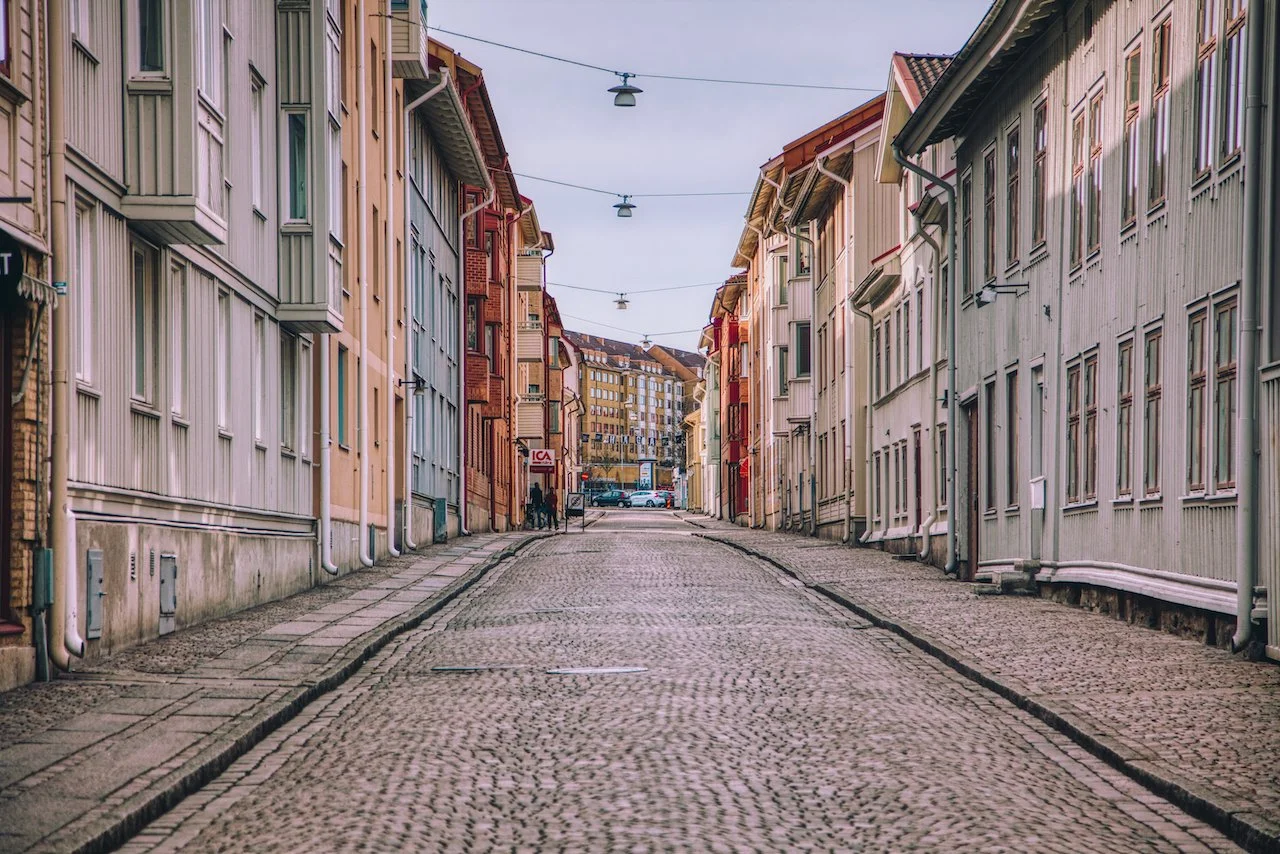
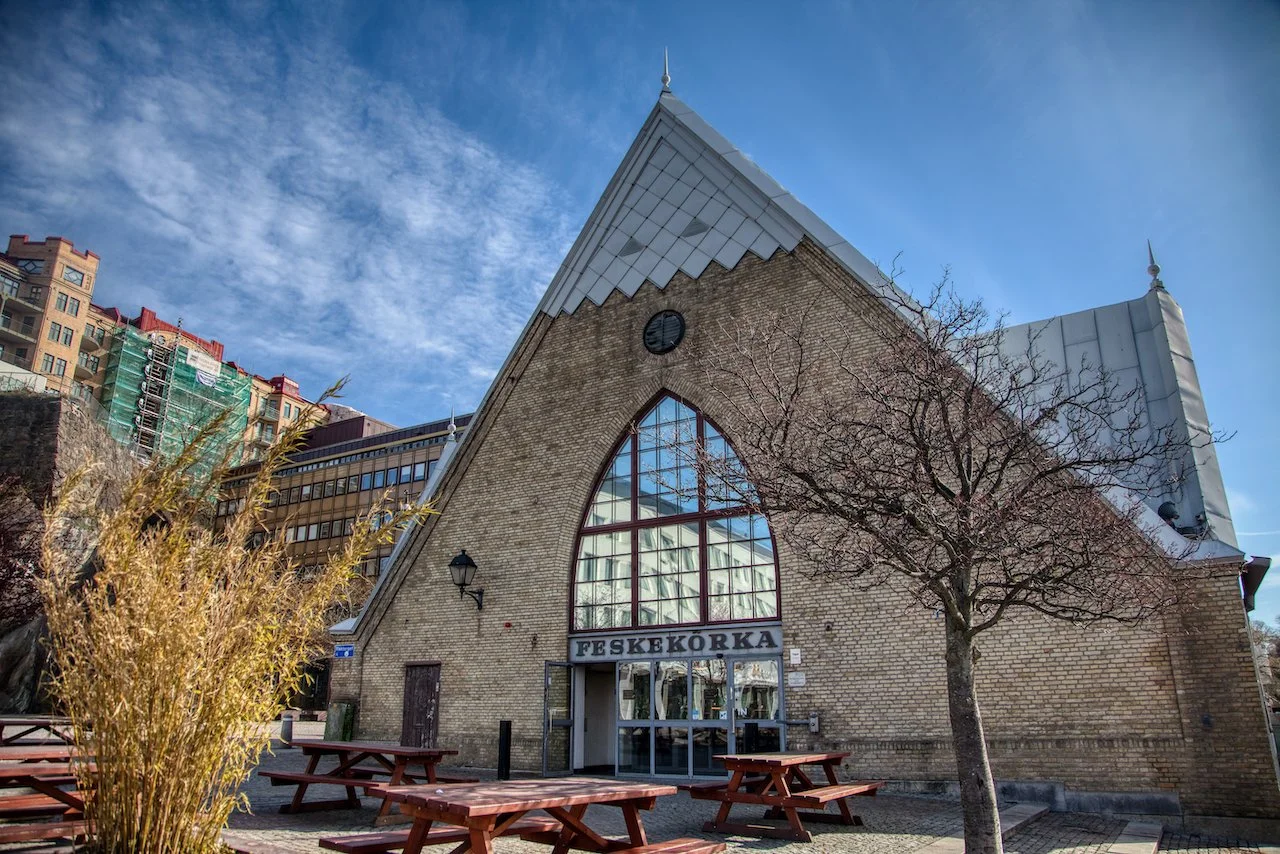
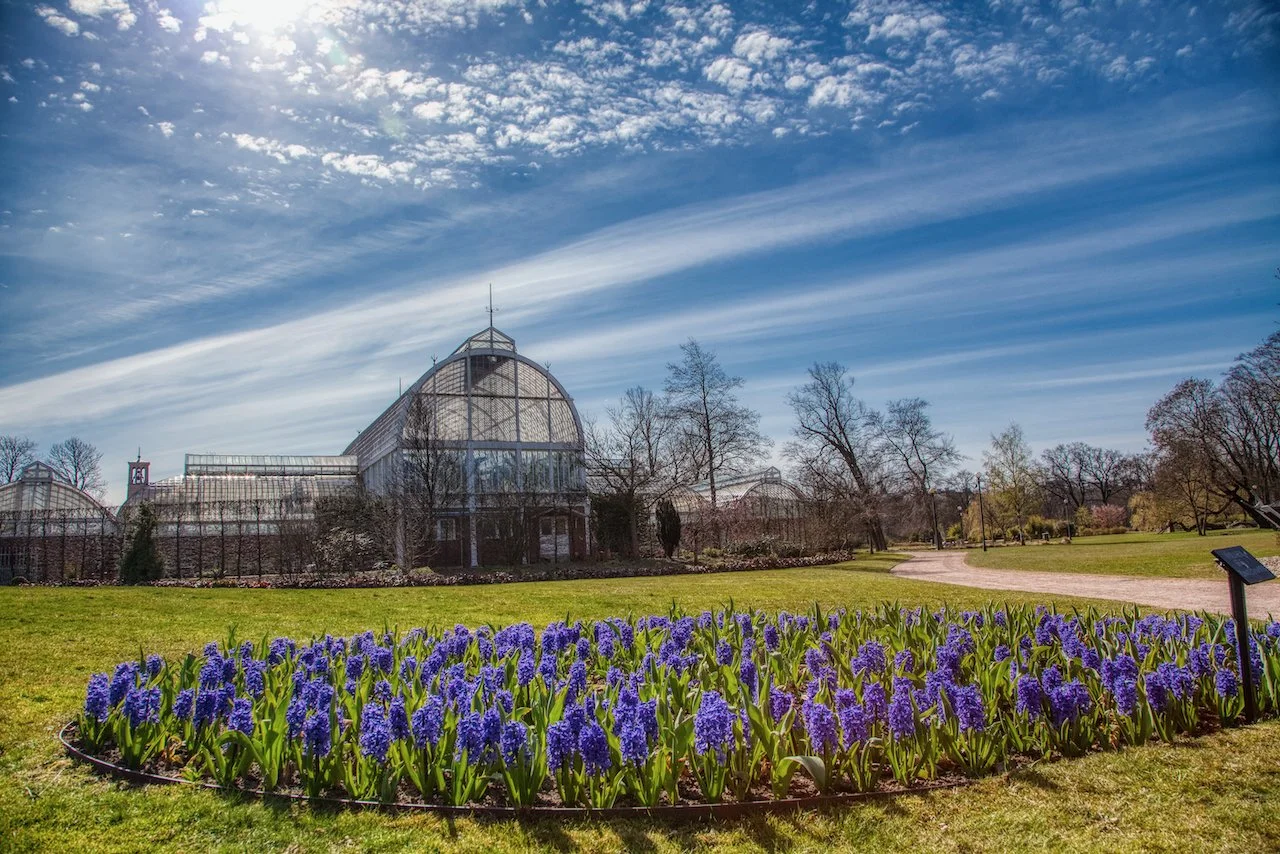
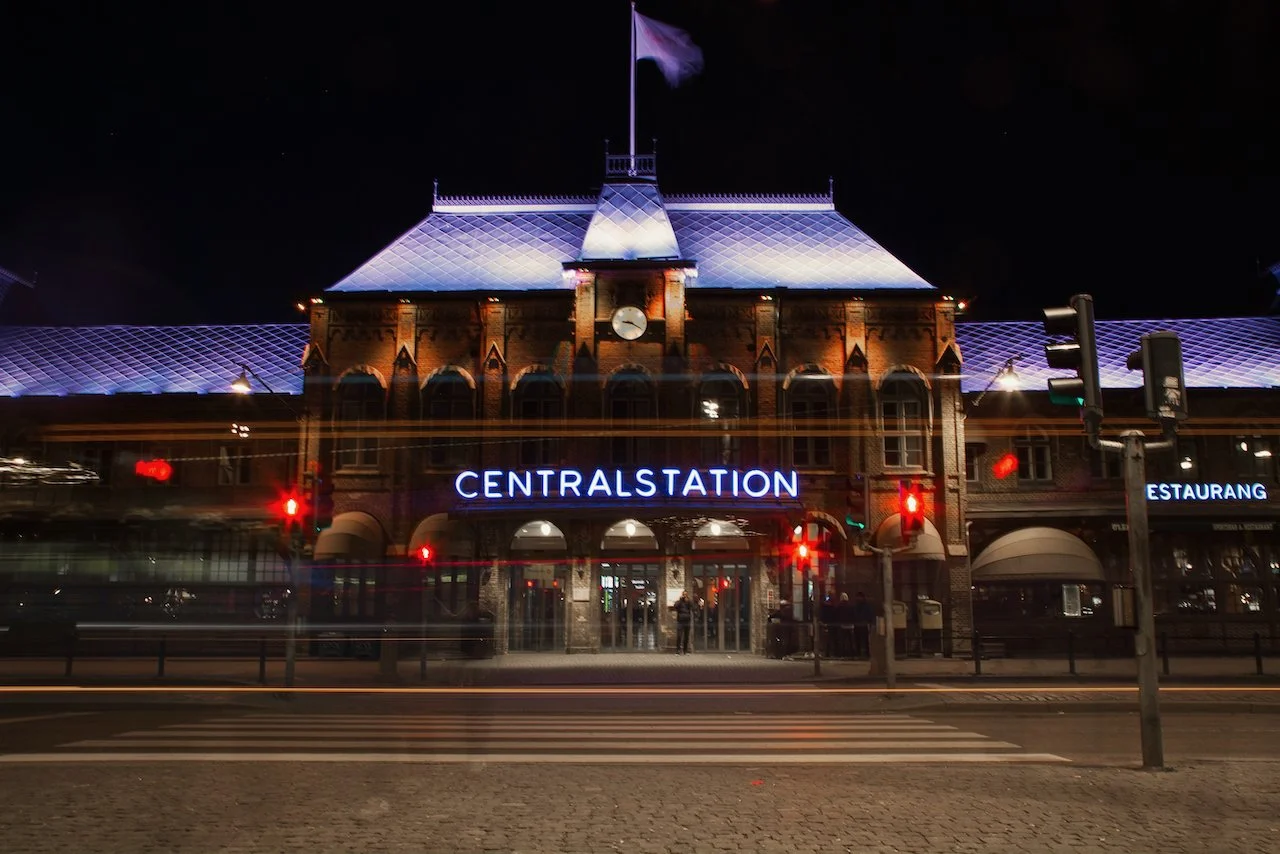
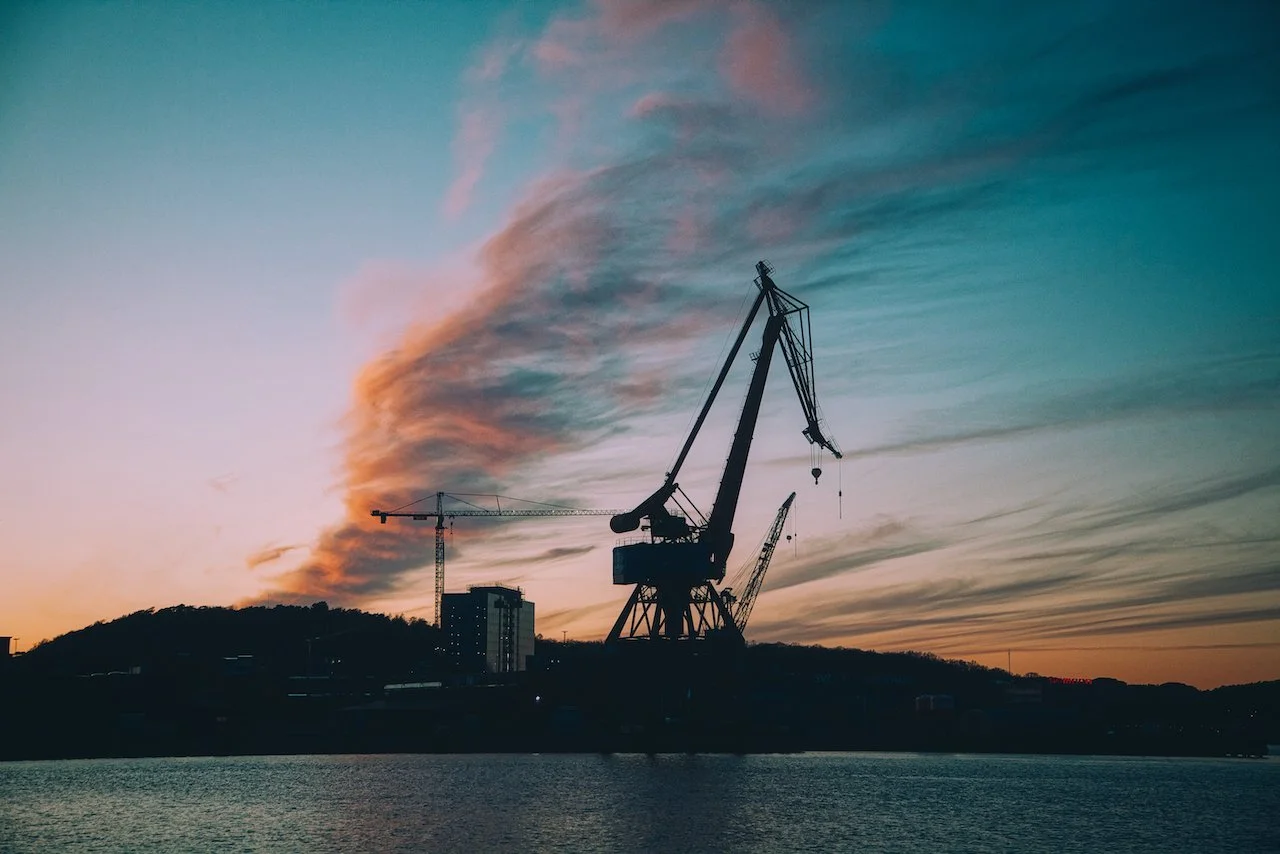
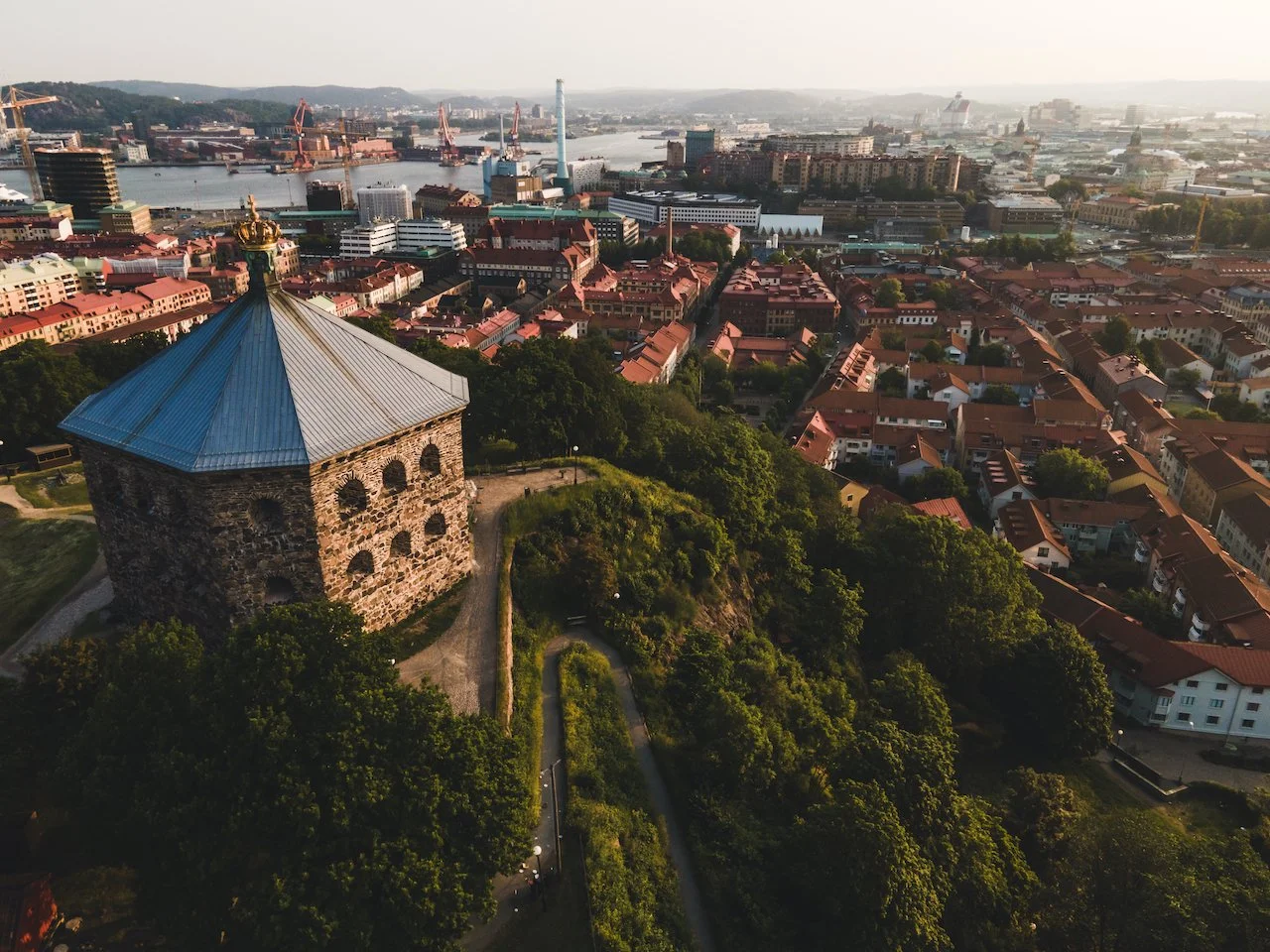
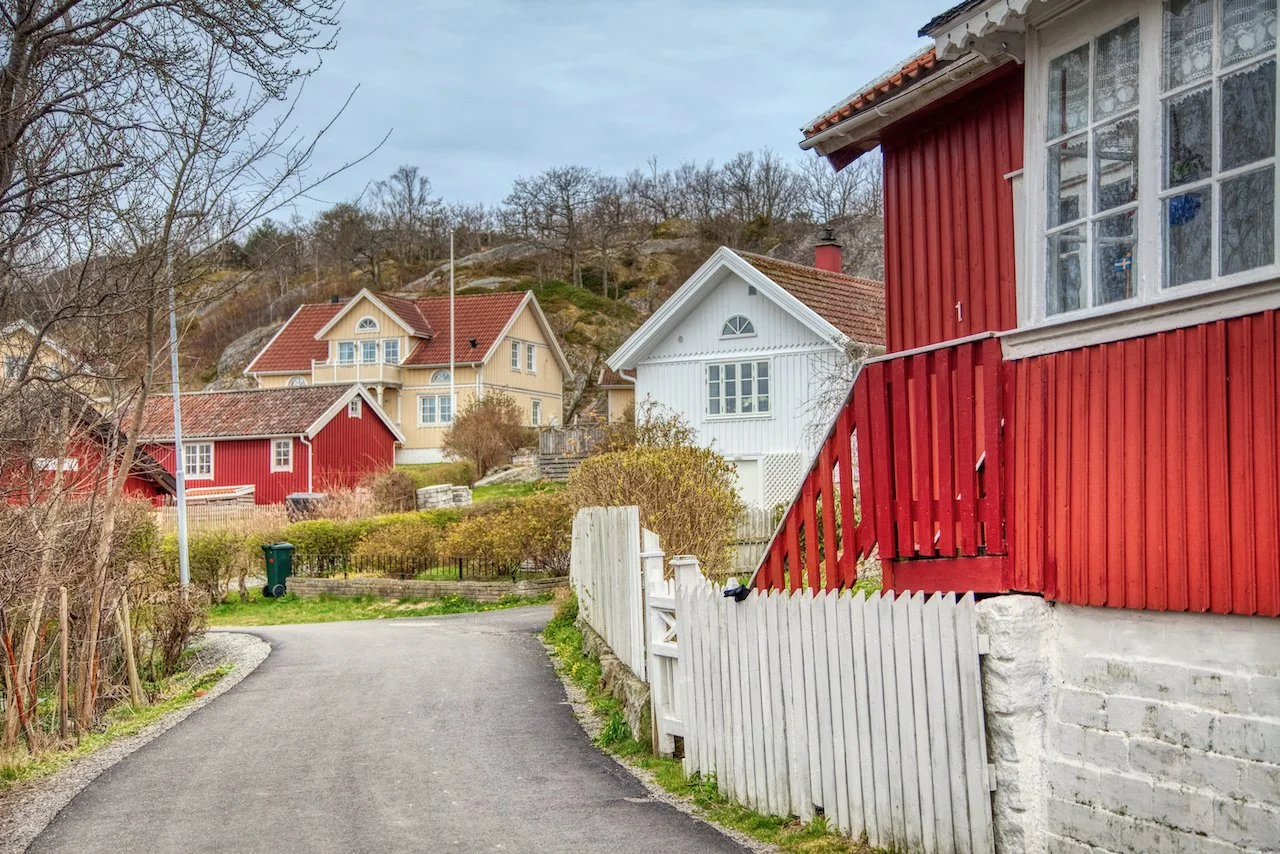
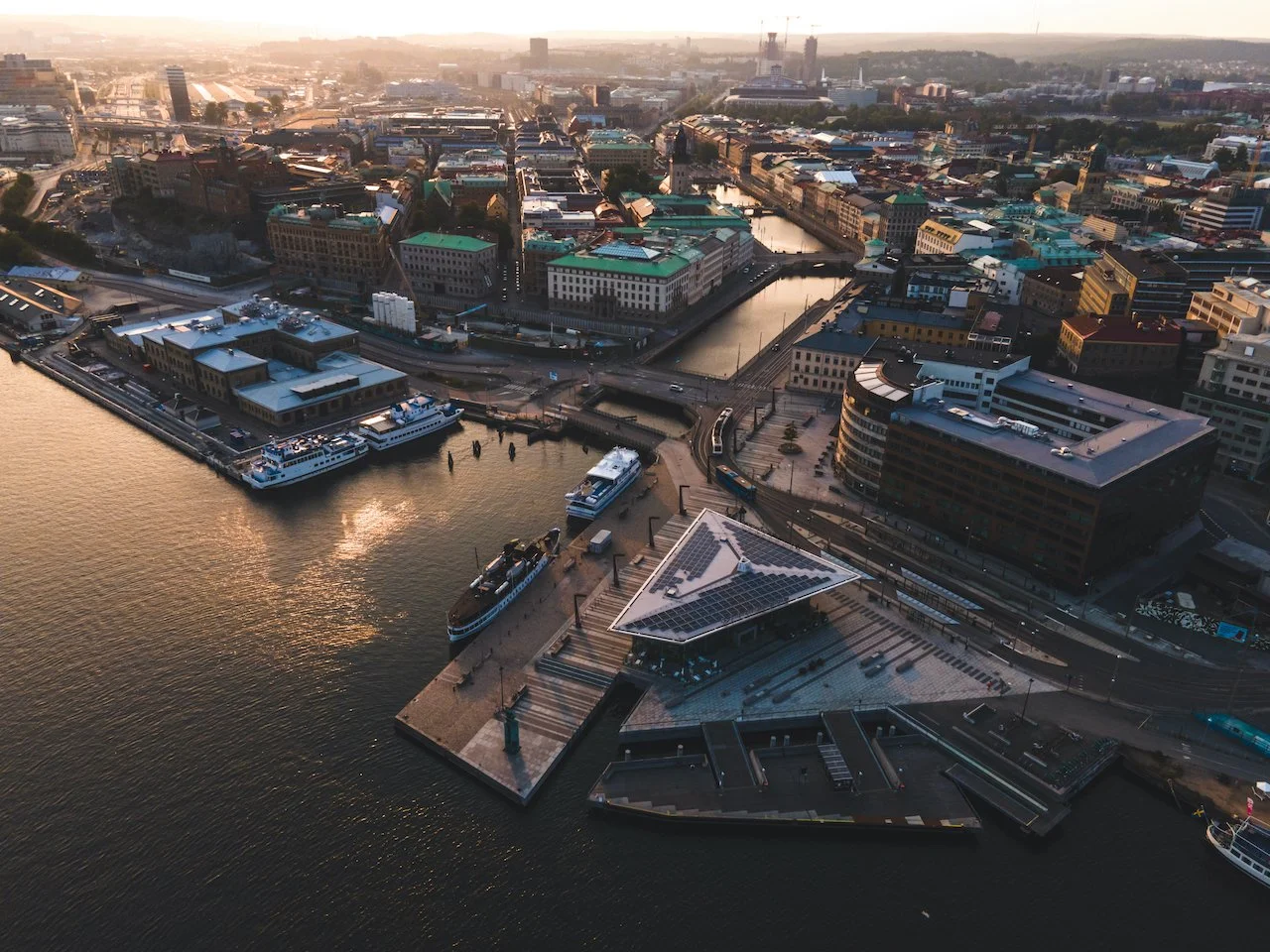
Gothenburg
Gothenburg, Sweden’s second-largest city, combines urban culture with easy access to the sea. Known for its canals, lively food scene, and innovative design, Gothenburg is a must-see destination in Western Sweden. The city also serves as a gateway to the Bohuslän coast and the Gothenburg archipelago.
Liseberg Amusement Park – One of Scandinavia’s most popular amusement parks, offering thrilling rides and seasonal events. It’s perfect for both families and adrenaline seekers.
Universeum Science Center – This interactive science museum includes a rainforest, aquarium, and hands-on exhibits. It’s a top attraction for families and curious travelers alike.
Haga District – A historic neighborhood known for cobblestone streets, cozy cafés, and boutique shops. Haga’s famous giant cinnamon buns are a must-try for food lovers.
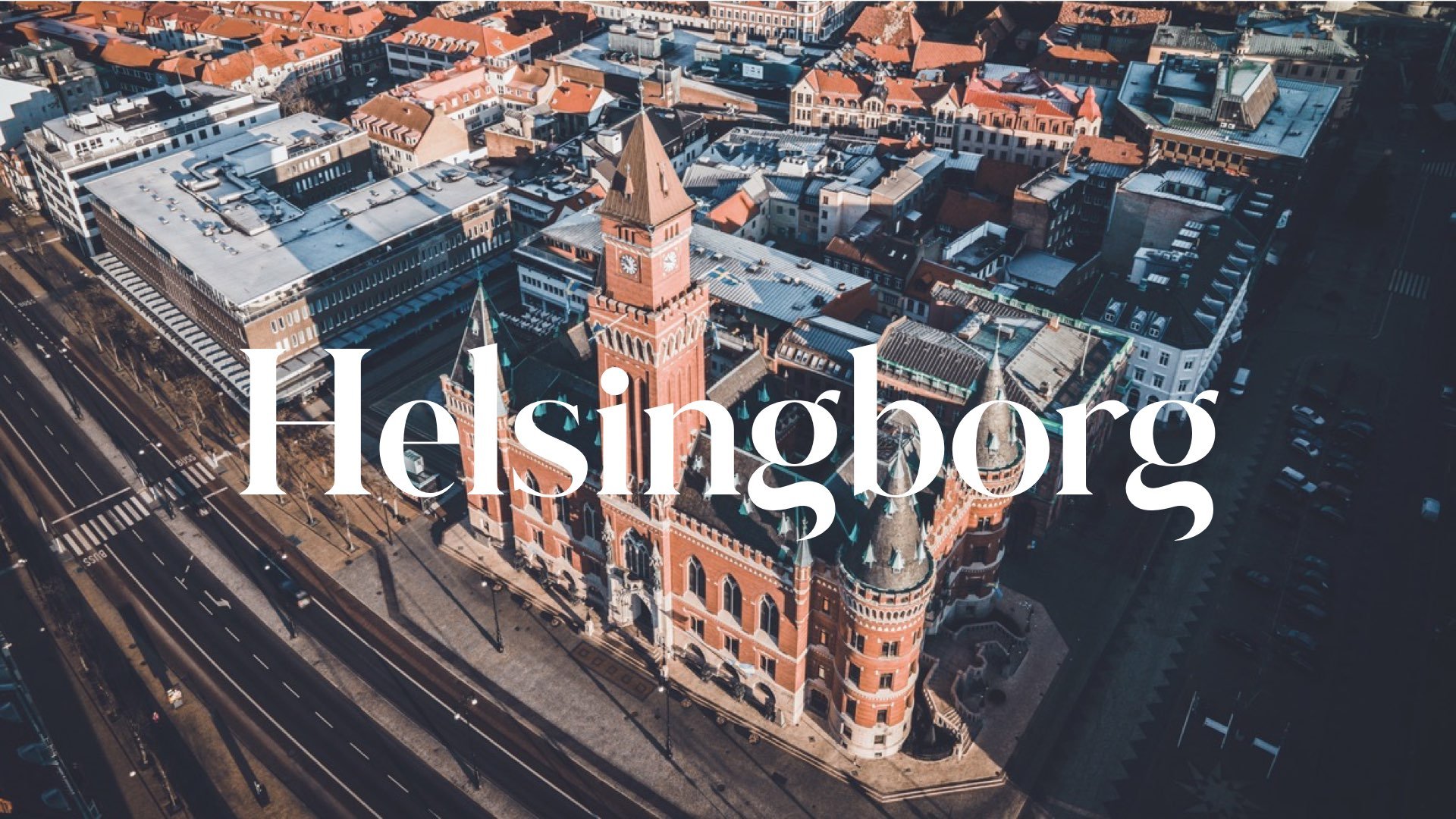
Helsingborg
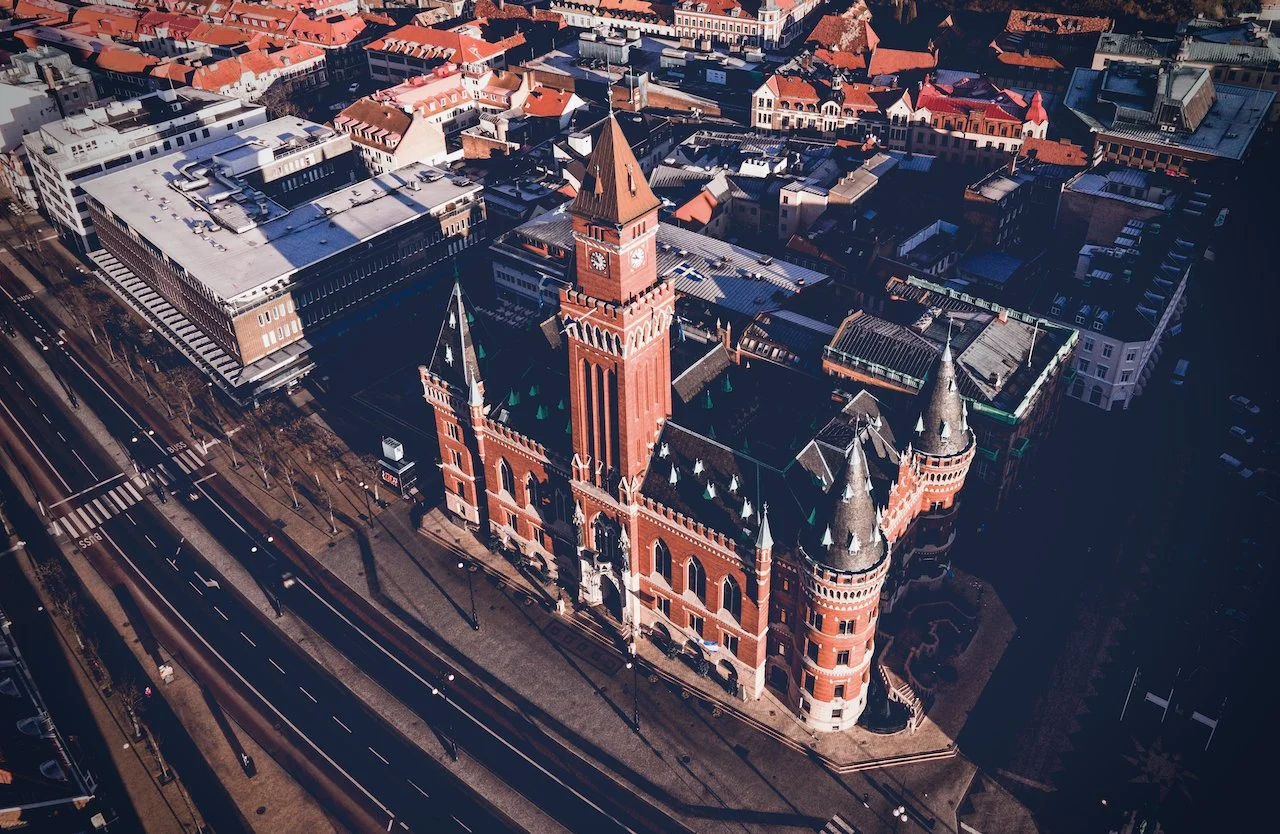
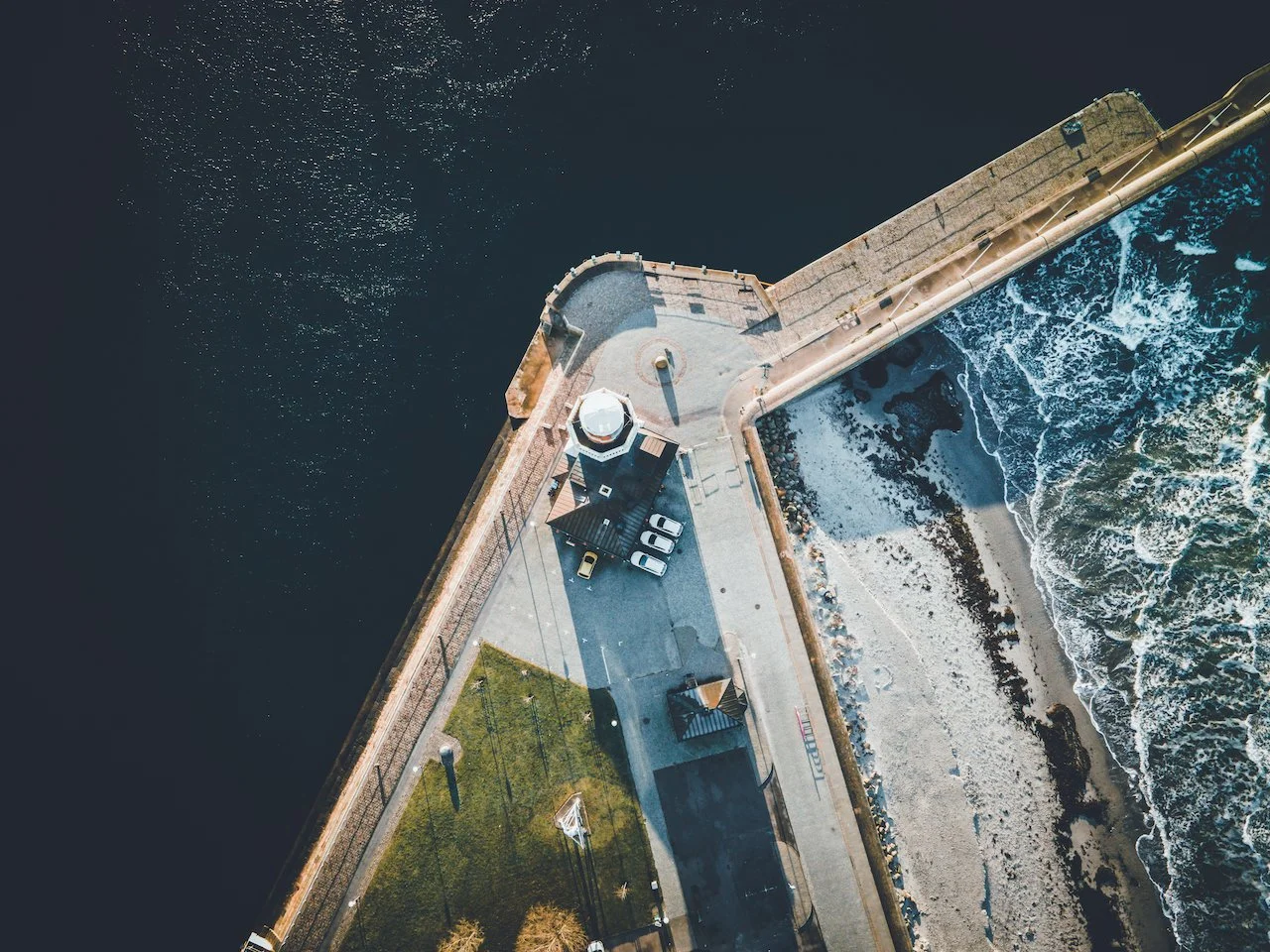
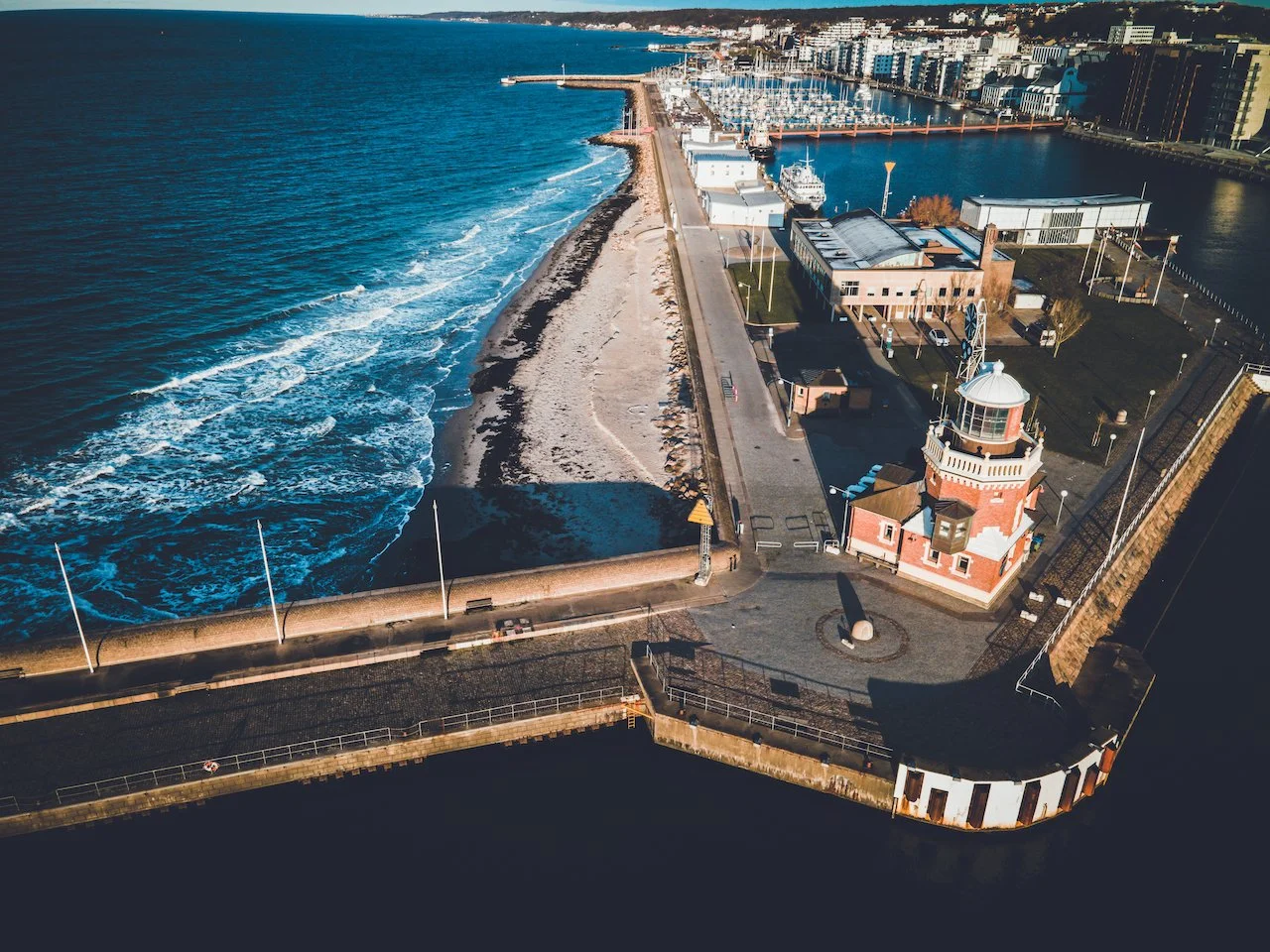
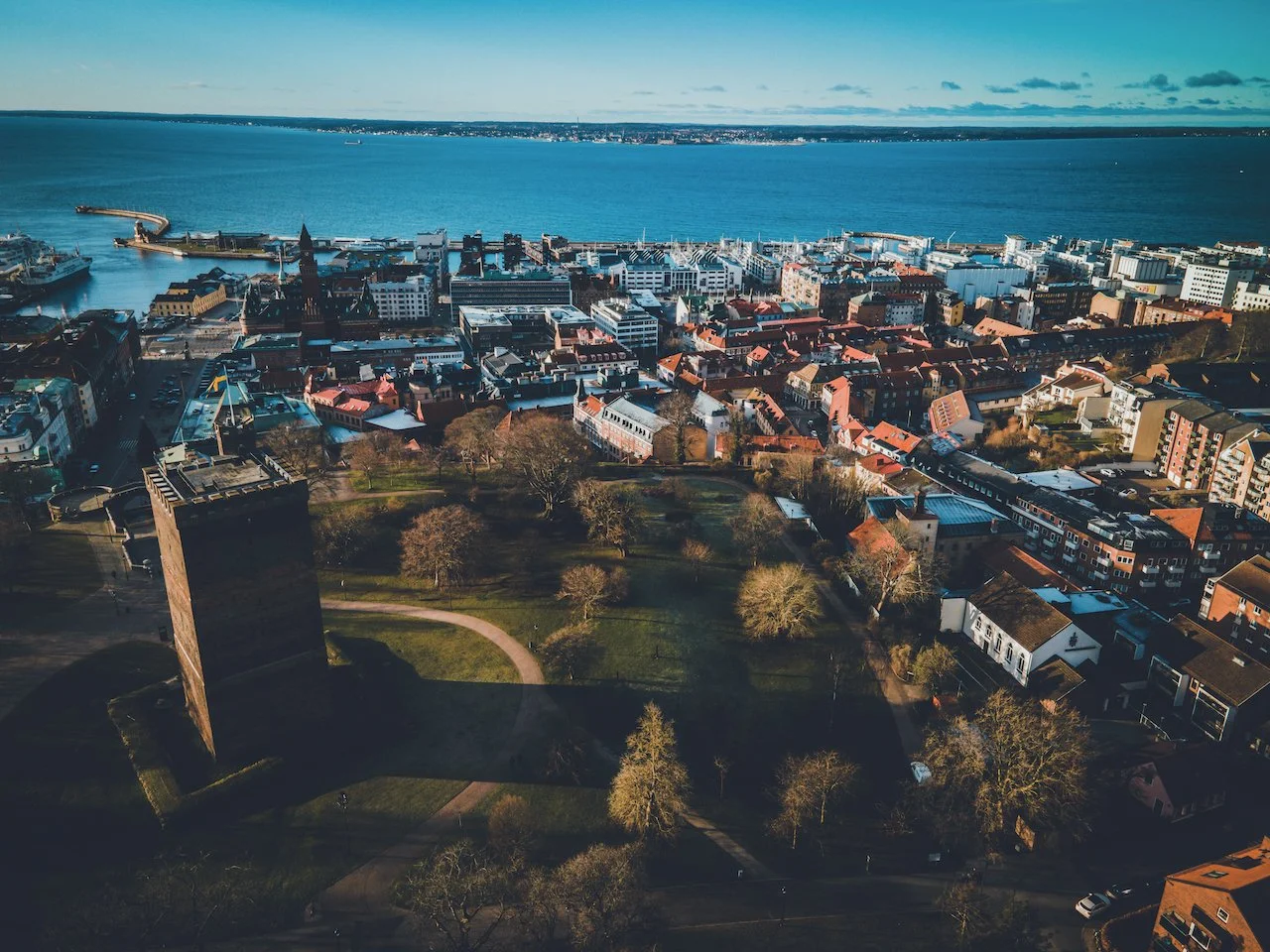
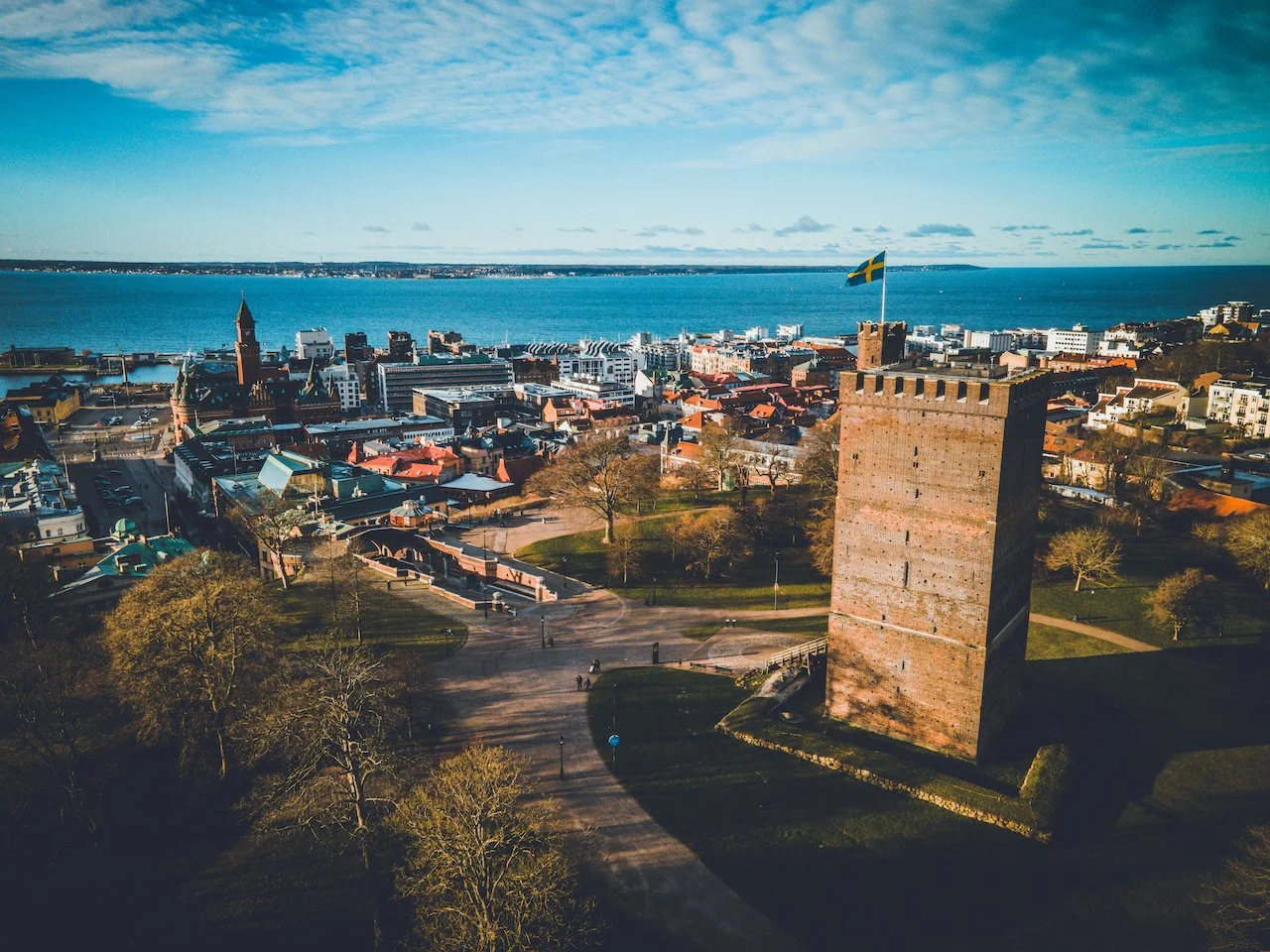
Helsingborg is a coastal city in southern Sweden with a rich mix of history and modern attractions. Its location on the narrowest part of the Øresund Strait offers easy access to Denmark via ferry. The city is known for its medieval castle ruins, cultural venues, and lively waterfront.
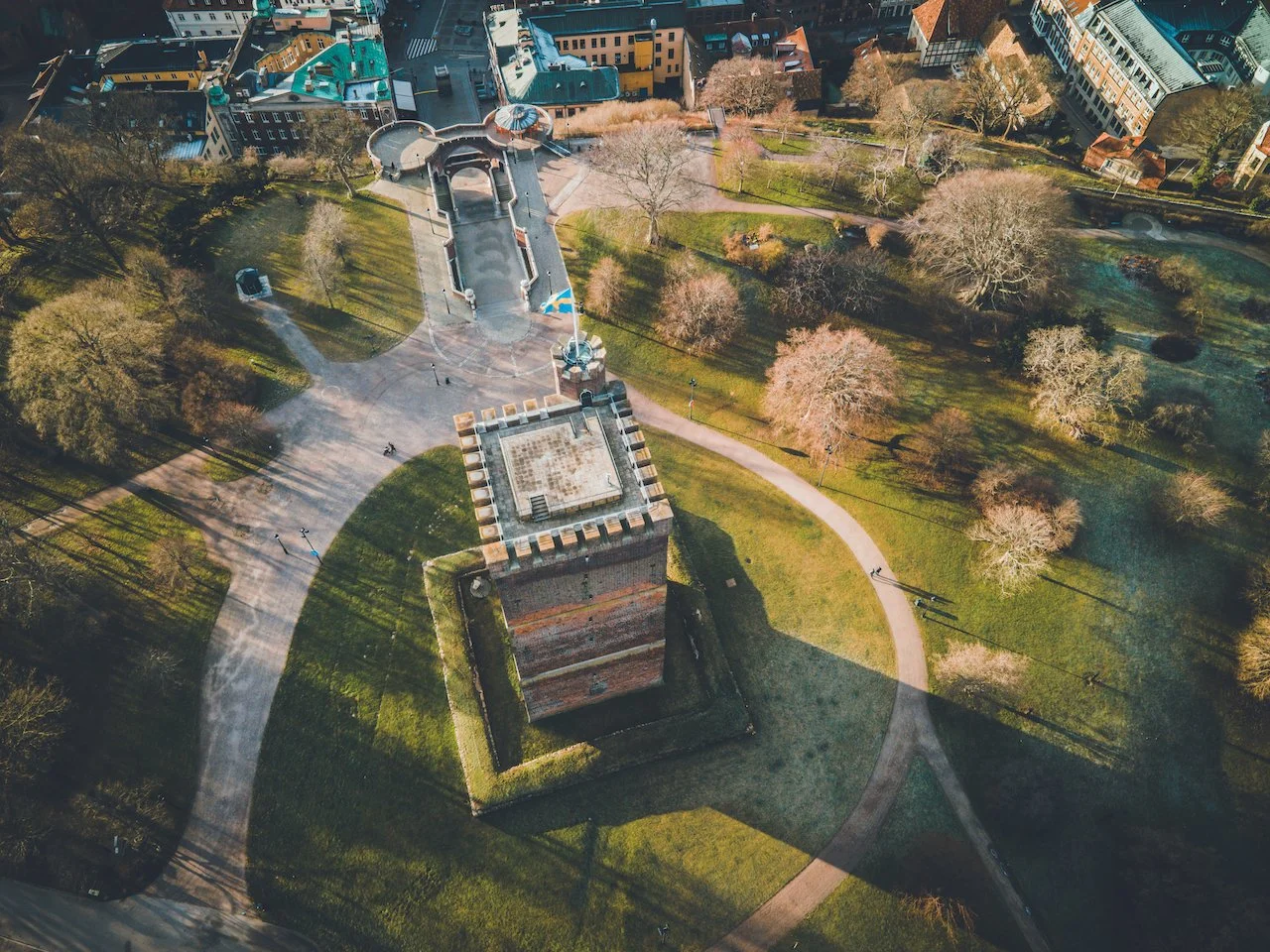
Kärnan Tower – A medieval fortress tower that dominates Helsingborg’s skyline. Climbing to the top rewards visitors with sweeping views across the Øresund to Denmark.
Sofiero Palace & Gardens – A 19th-century royal residence surrounded by lush gardens. The palace is especially famous for its rhododendrons and seasonal flower displays.
Helsingborg Waterfront – A modern promenade lined with restaurants, shops, and cultural venues. It’s a lively place to enjoy dining with views of the strait.
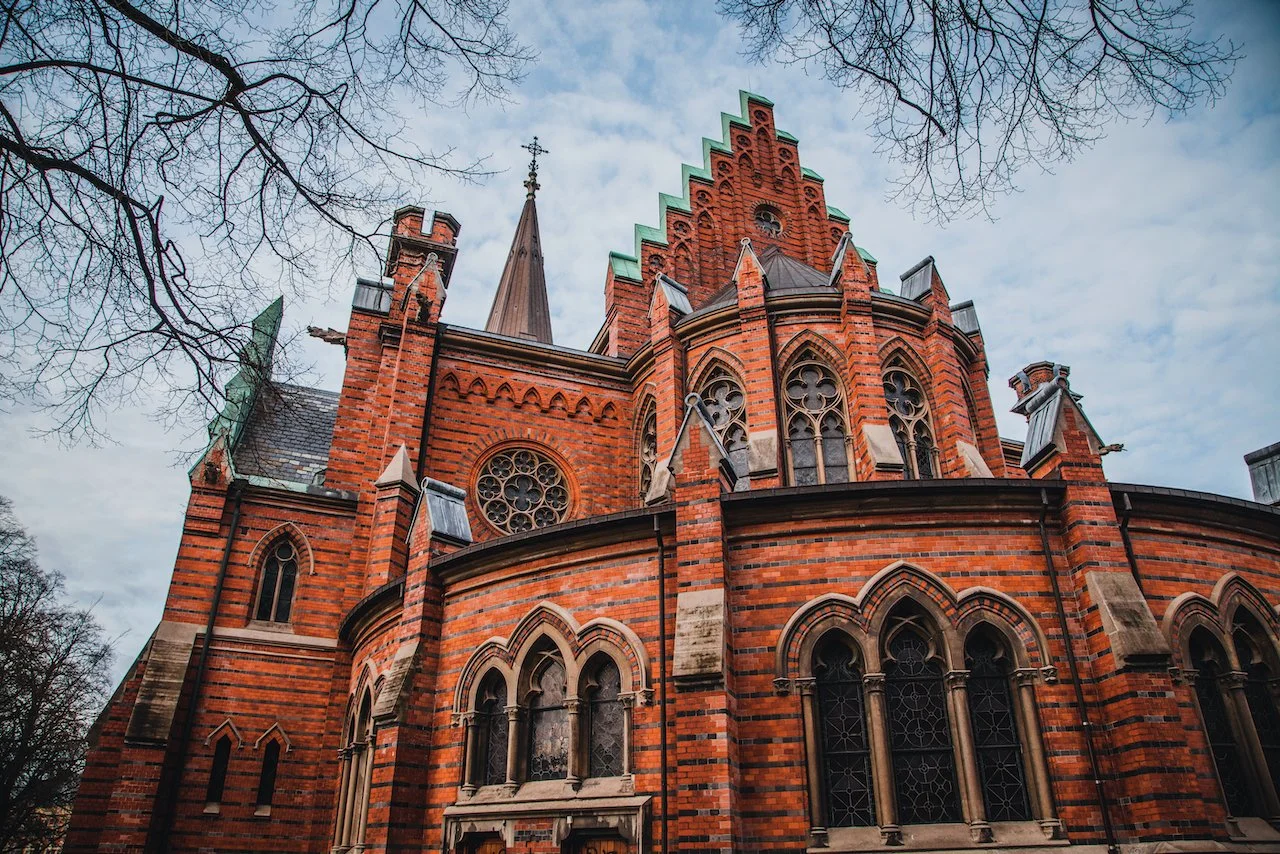
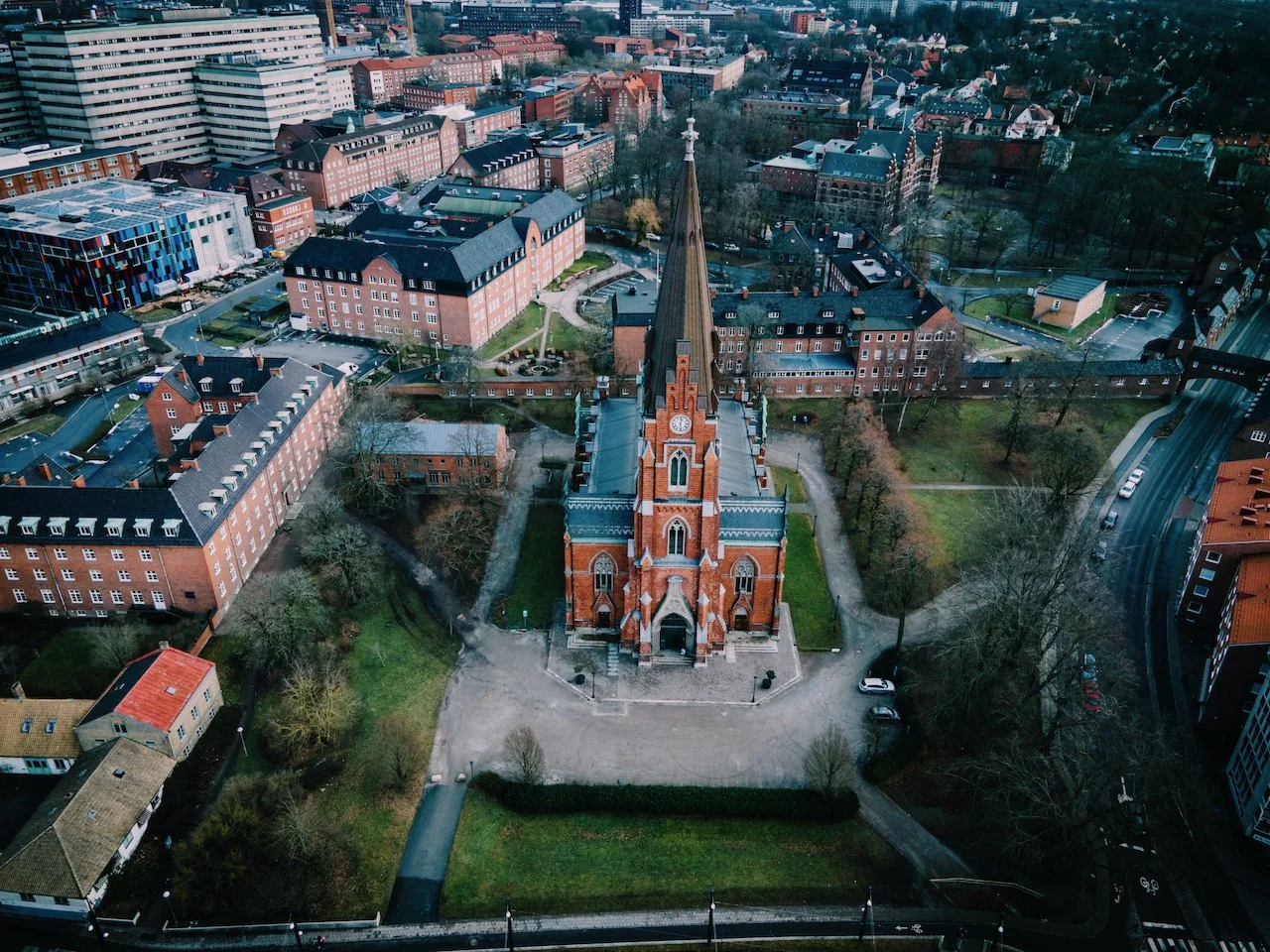
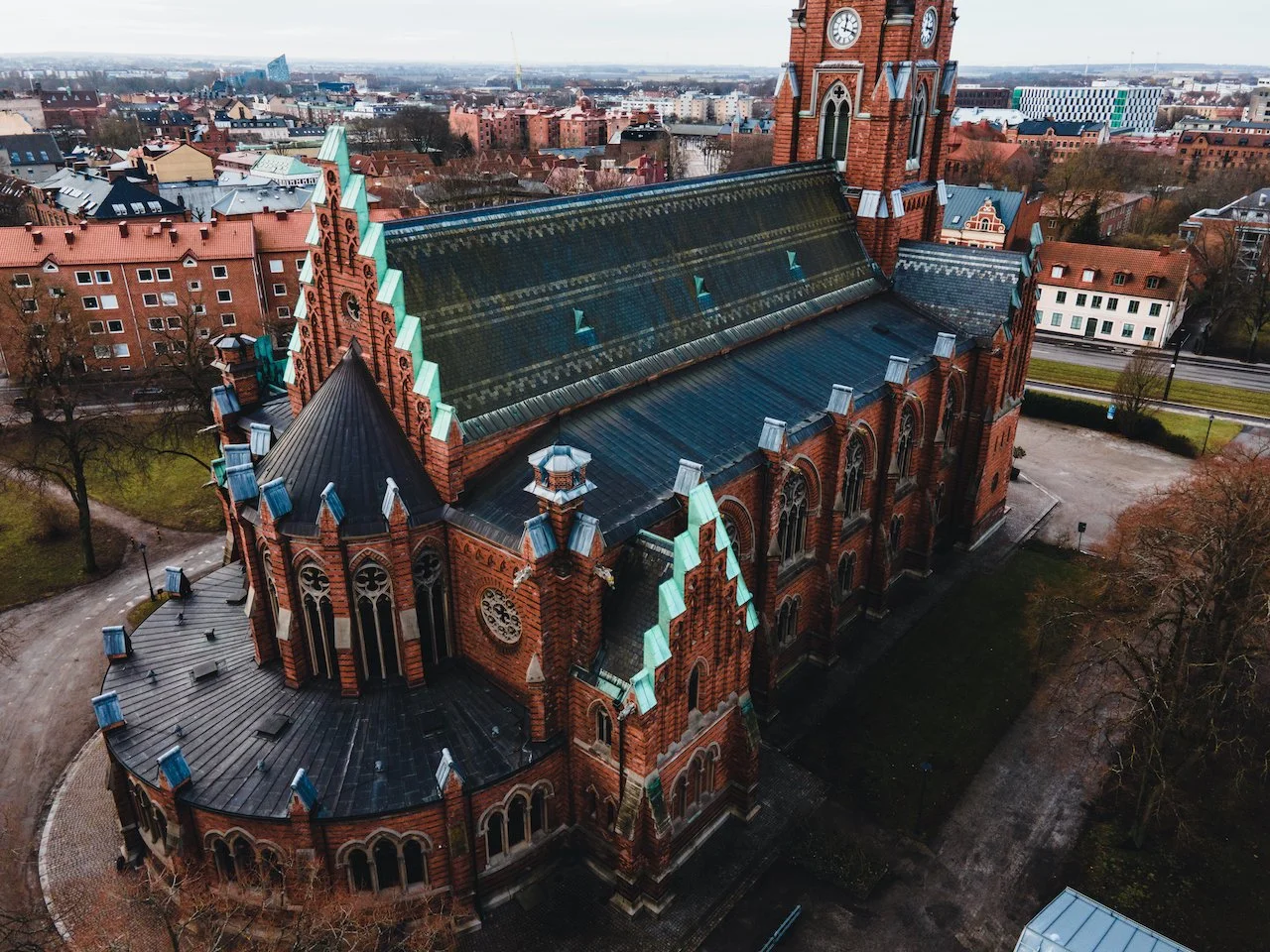
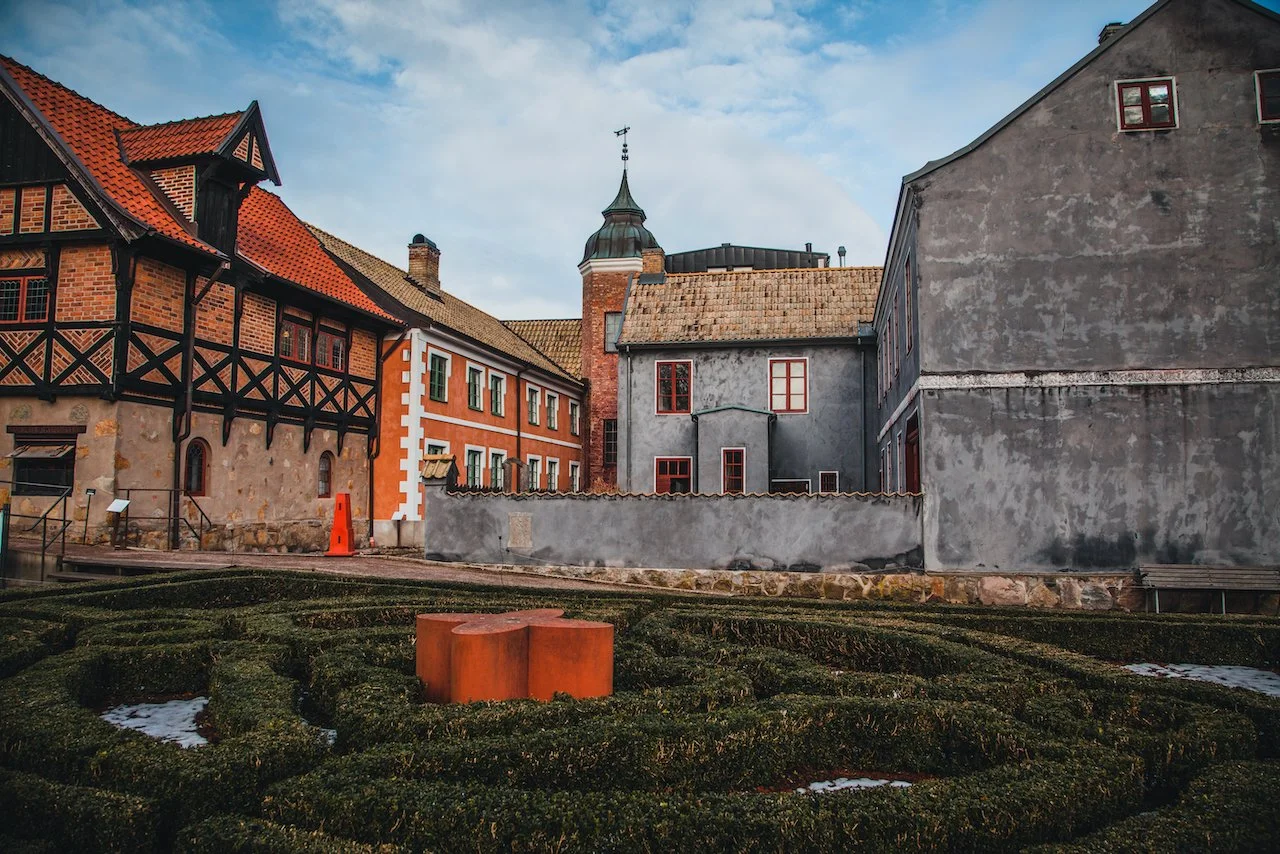
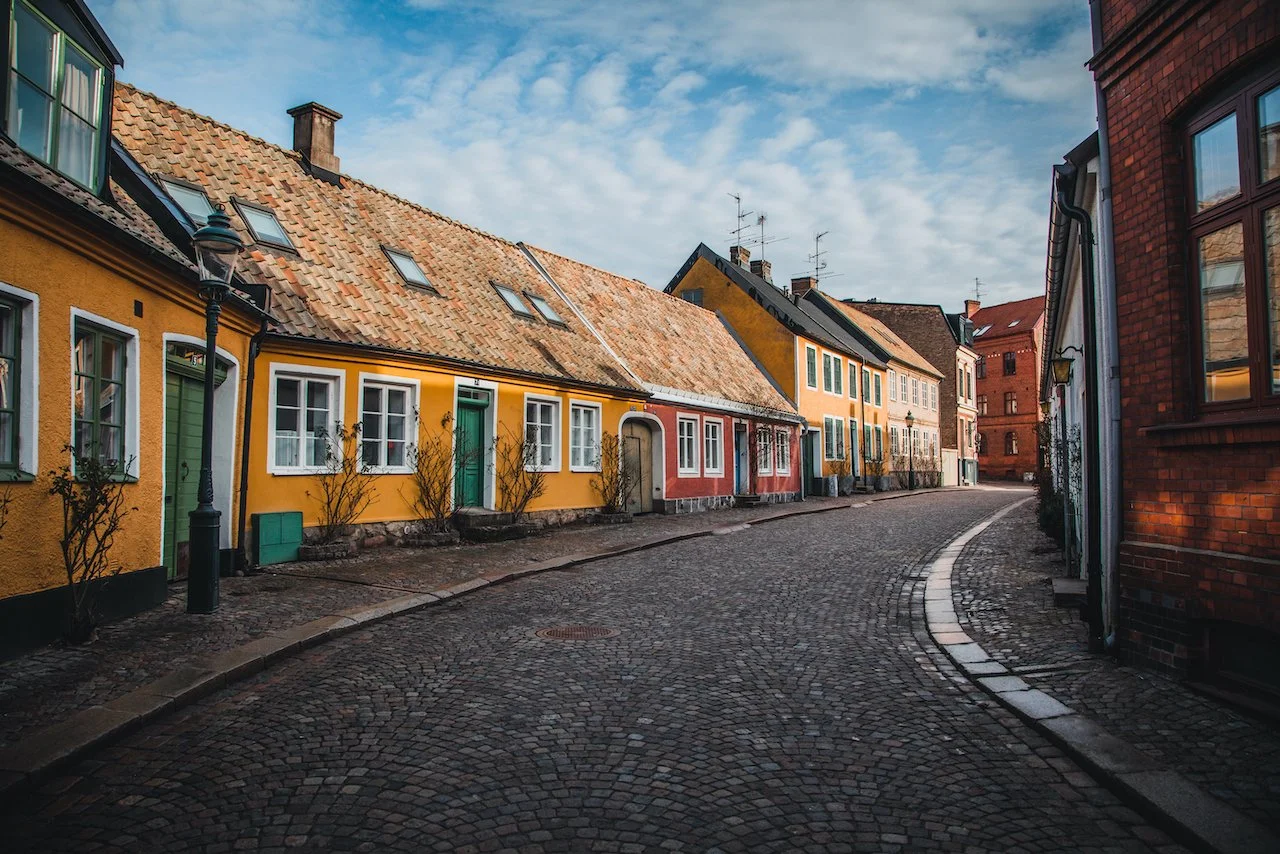
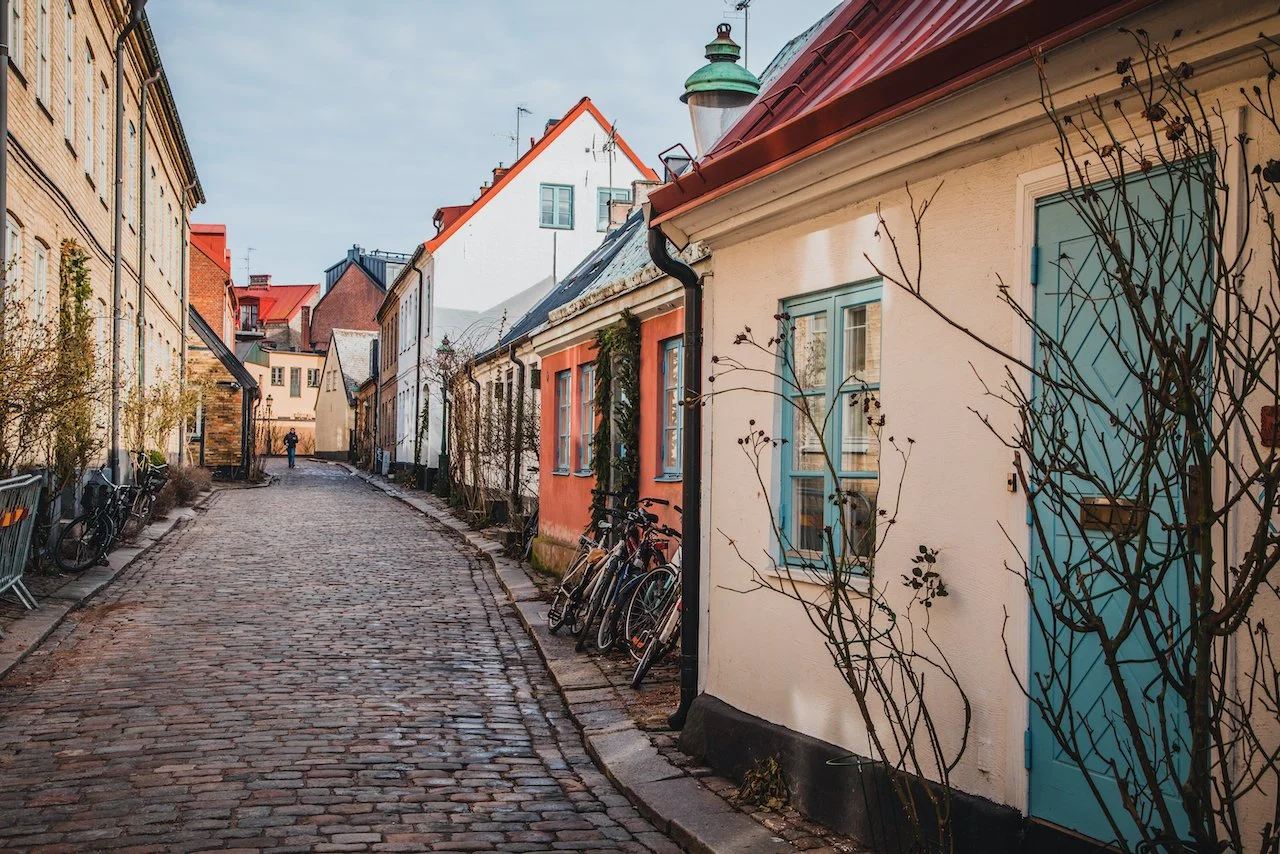
Lund
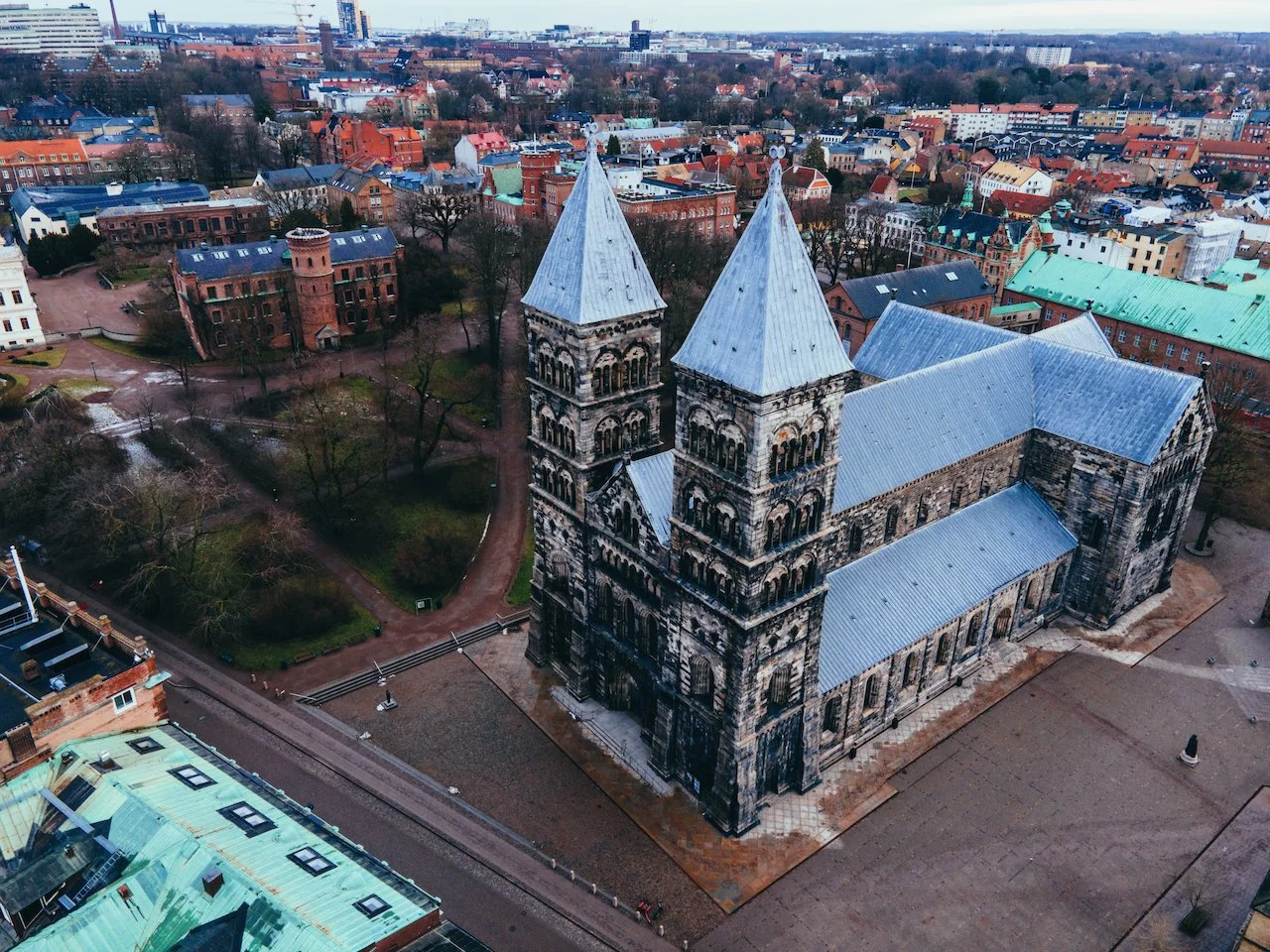
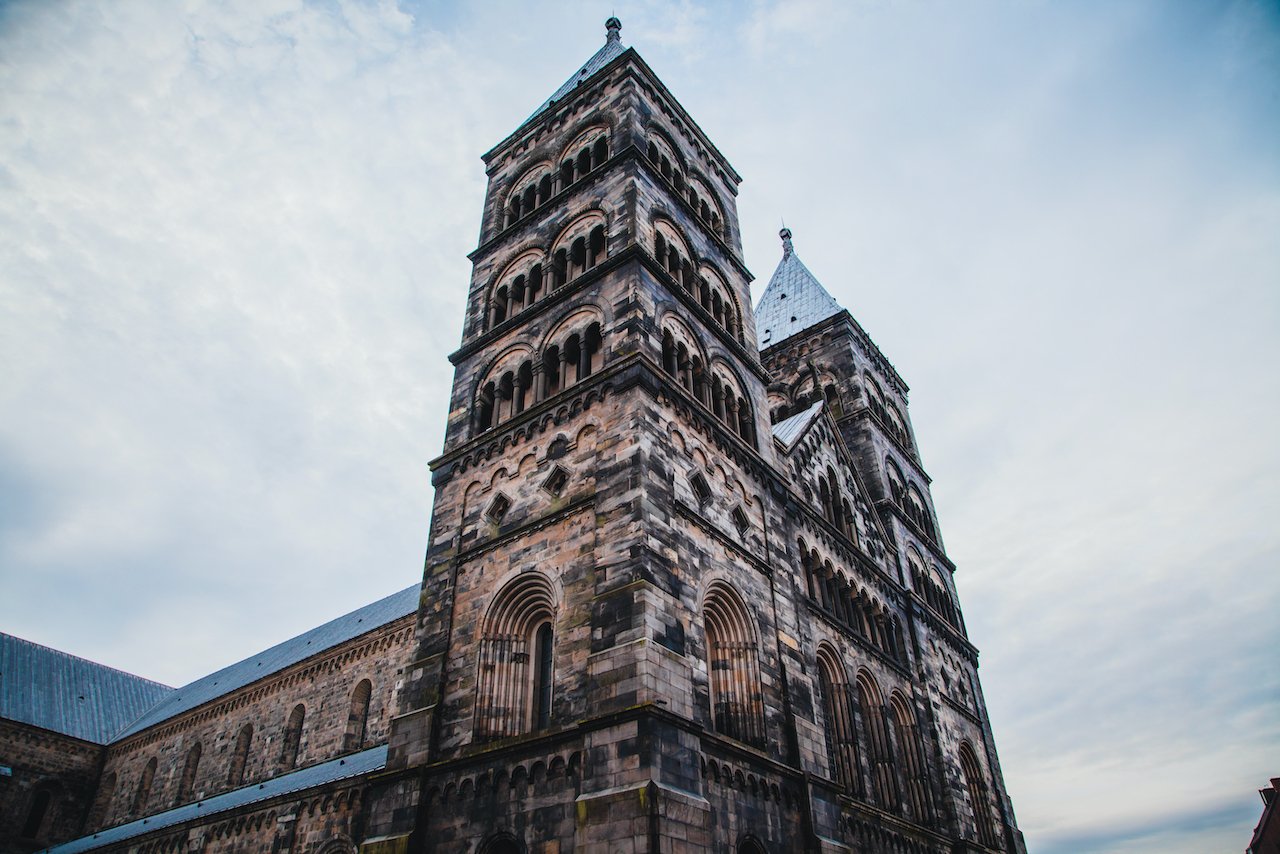
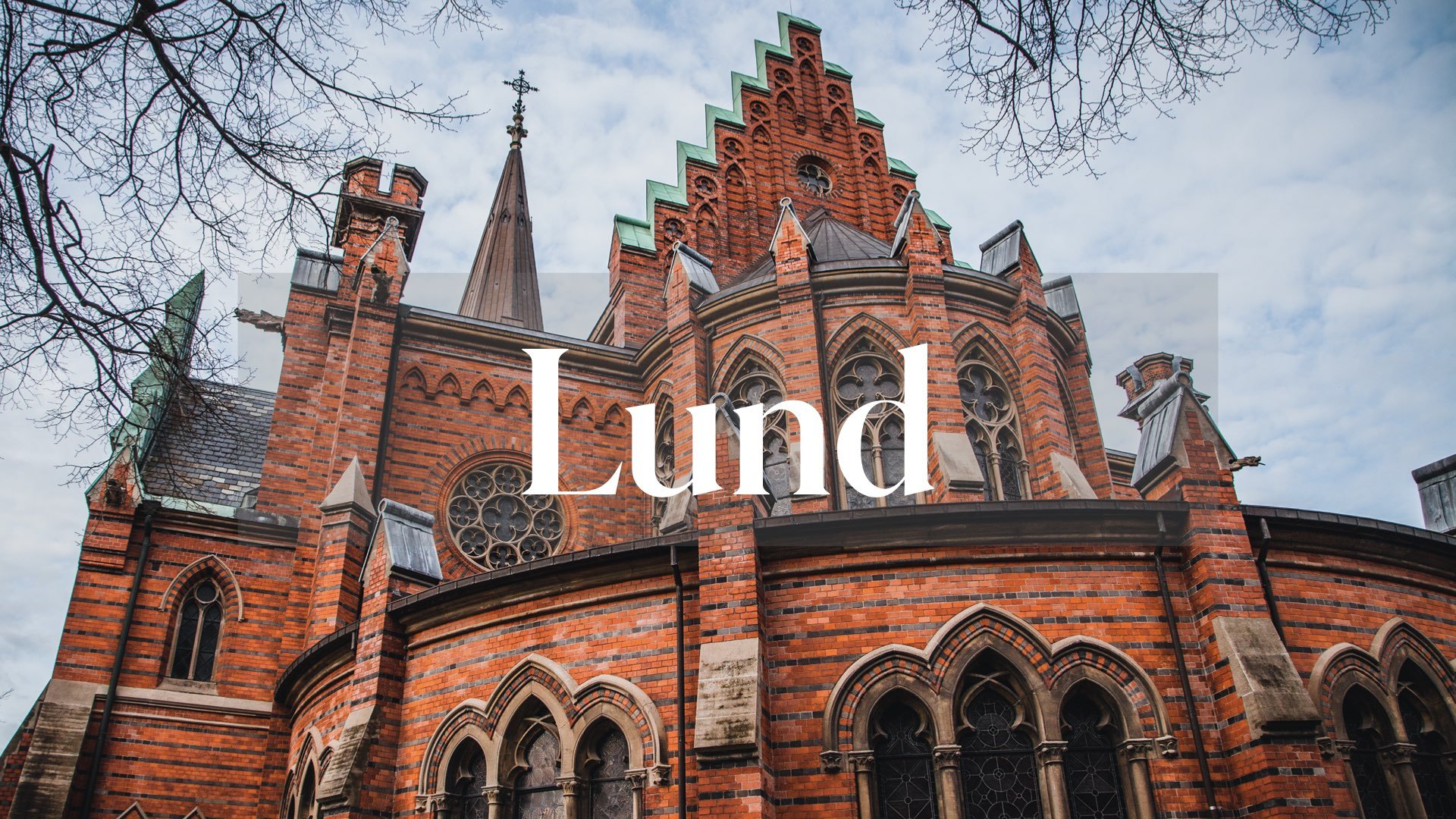
Lund is one of Sweden’s oldest cities, founded in the 10th century and known for its blend of medieval history and youthful energy. As home to Lund University, the city thrives with a vibrant student atmosphere, cultural events, and charming cobblestone streets. Visitors come for its historic landmarks, cozy cafés, and the chance to experience authentic southern Sweden.
Lund Cathedral (Lunds Domkyrka) – Built in the 12th century, Lund Cathedral is one of Scandinavia’s most important Romanesque churches. Inside, visitors can admire the astronomical clock, medieval crypt, and soaring stone arches.
Kulturen Museum – This open-air museum features historic buildings, exhibitions, and artifacts that showcase Swedish life from the Middle Ages to modern times. It’s an immersive way to step back in time and explore local heritage.
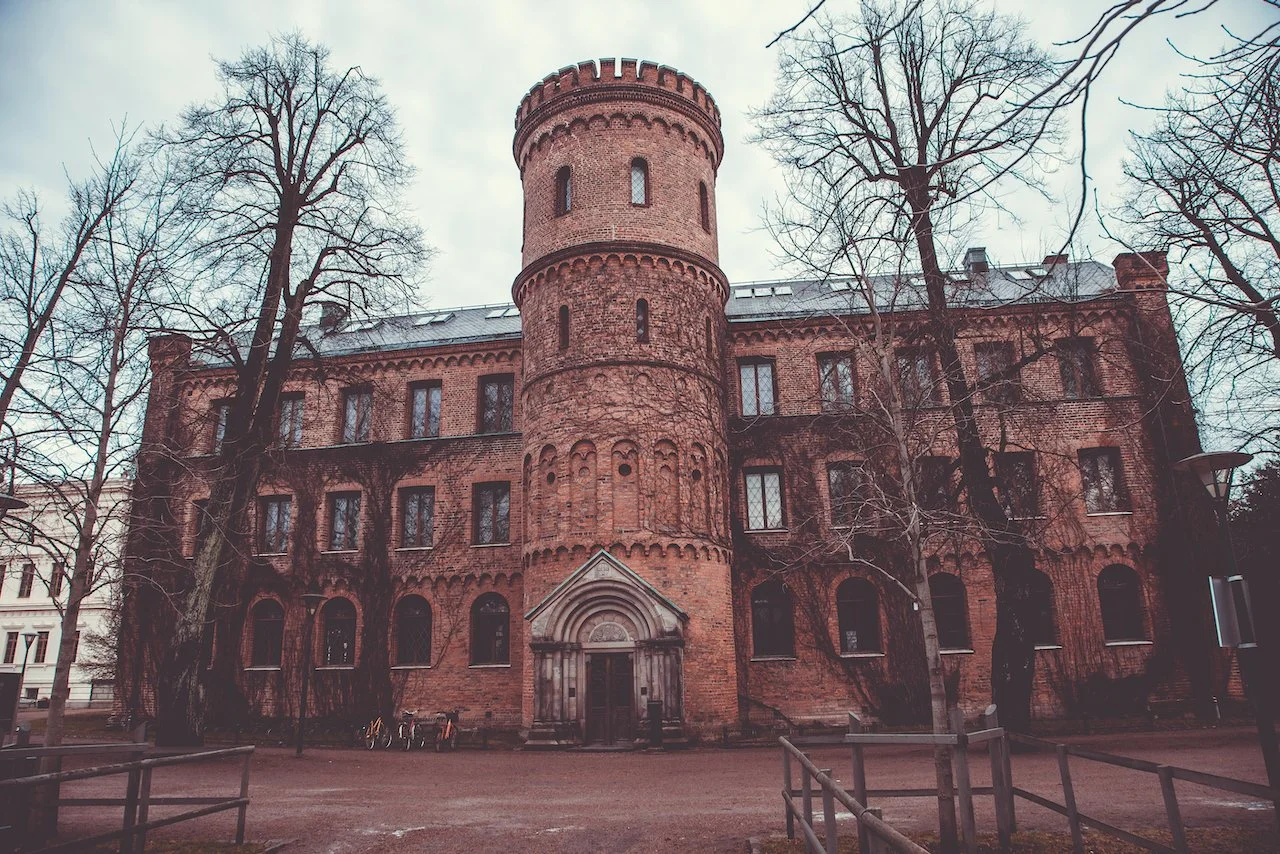
Botanical Garden (Botaniska trädgården) – With over 7,000 species of plants, Lund’s Botanical Garden is a lush oasis in the city. Visitors can wander its greenhouses, themed gardens, and walking paths for a relaxing break.
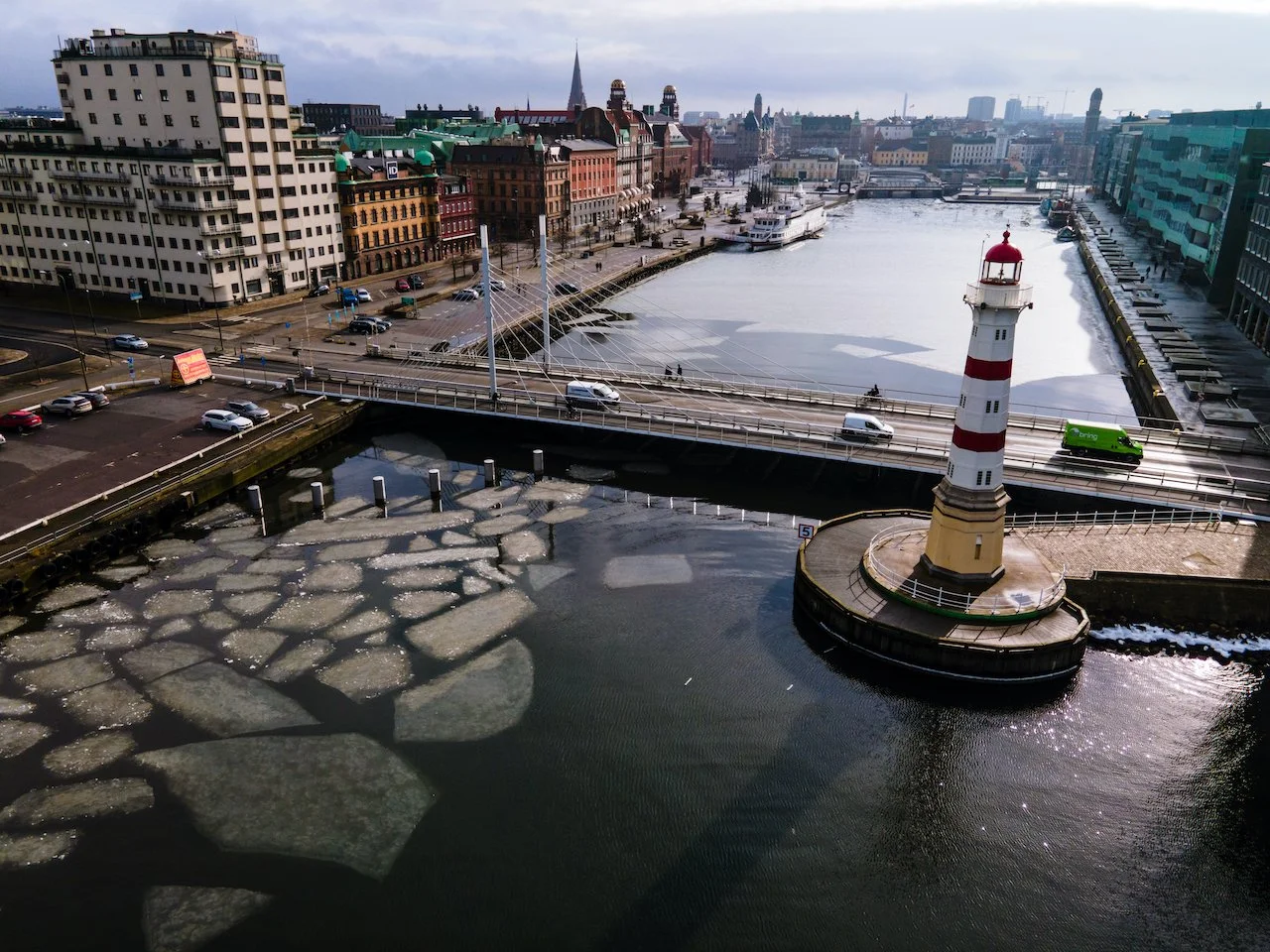
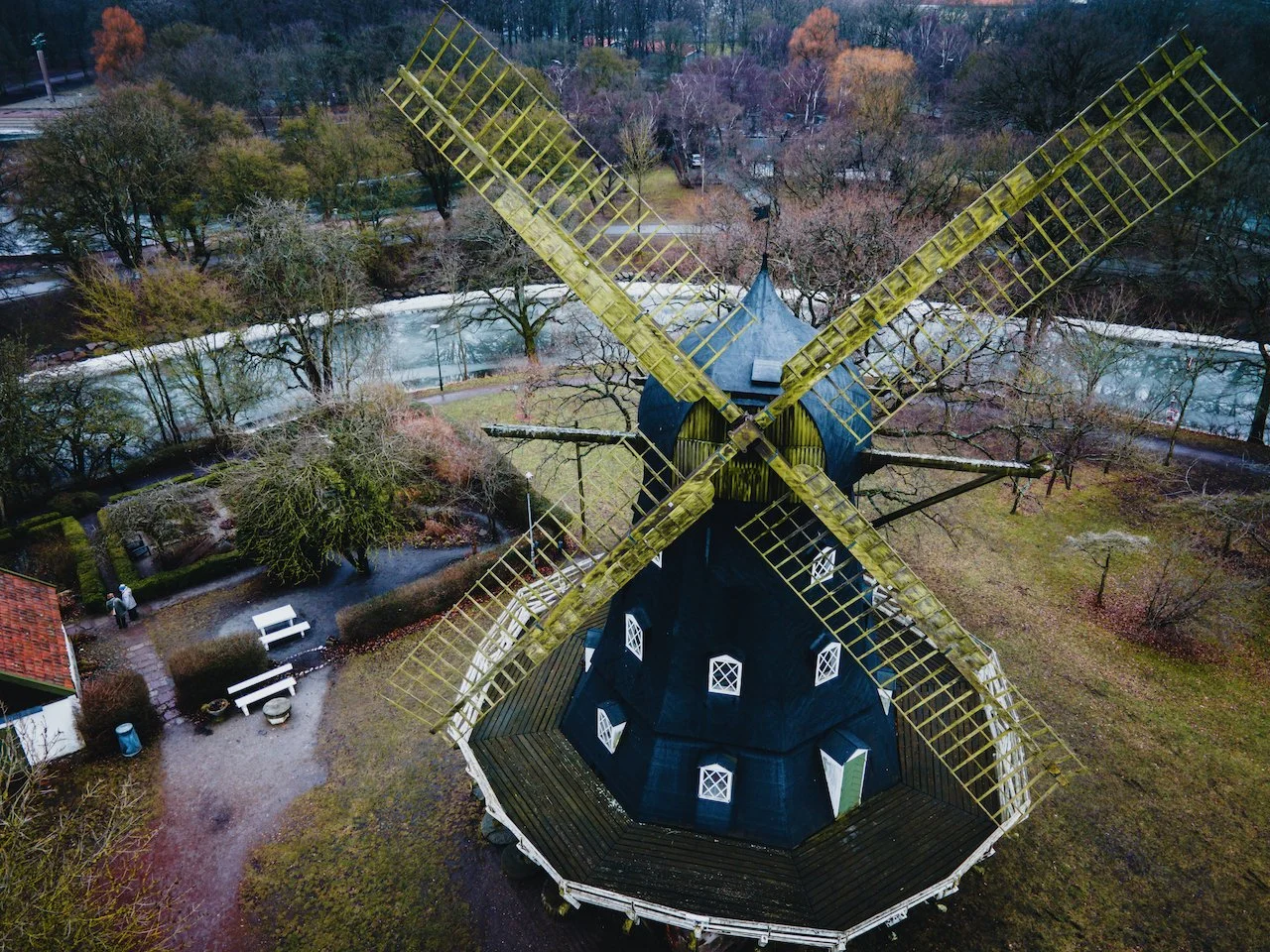
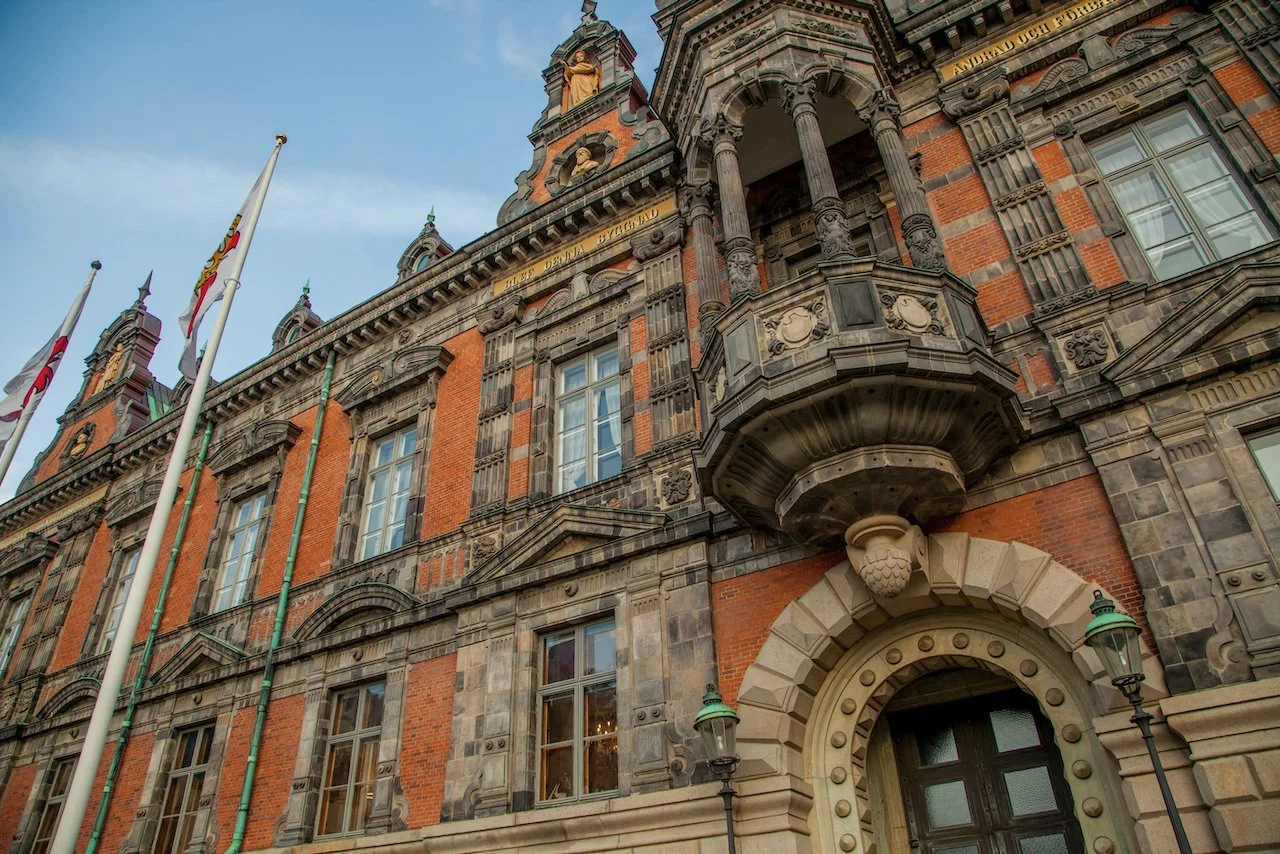
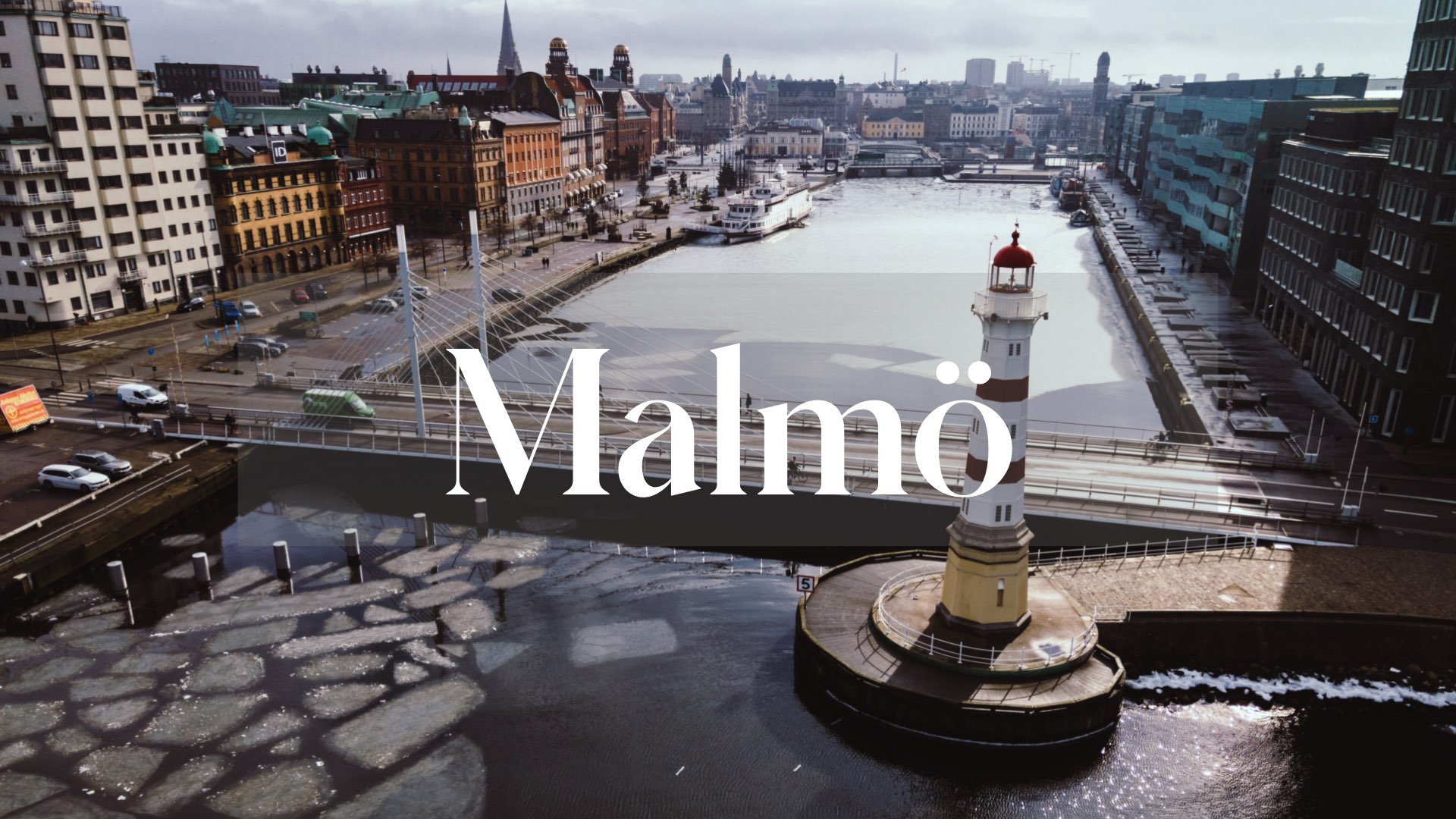
Malmö
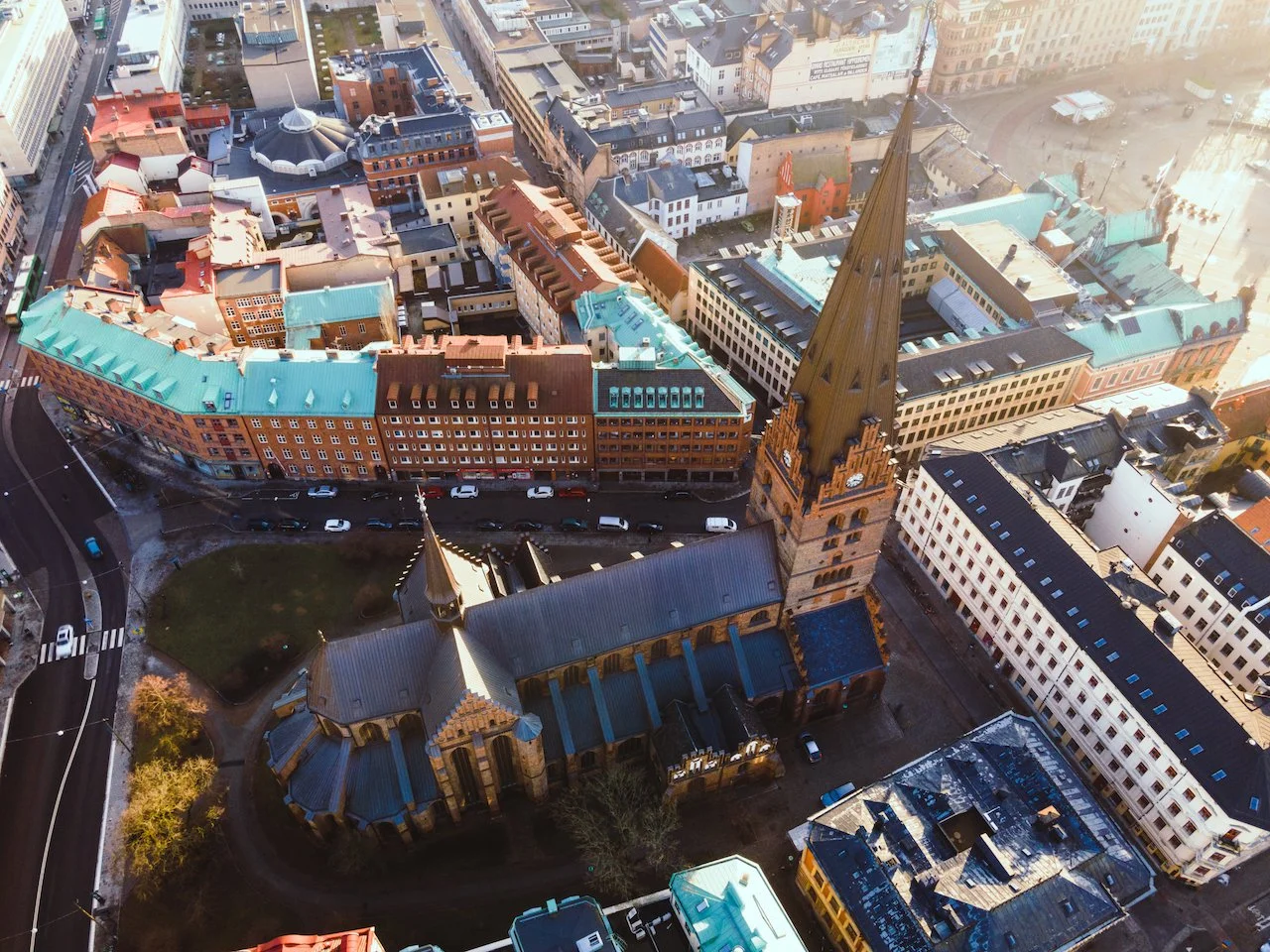
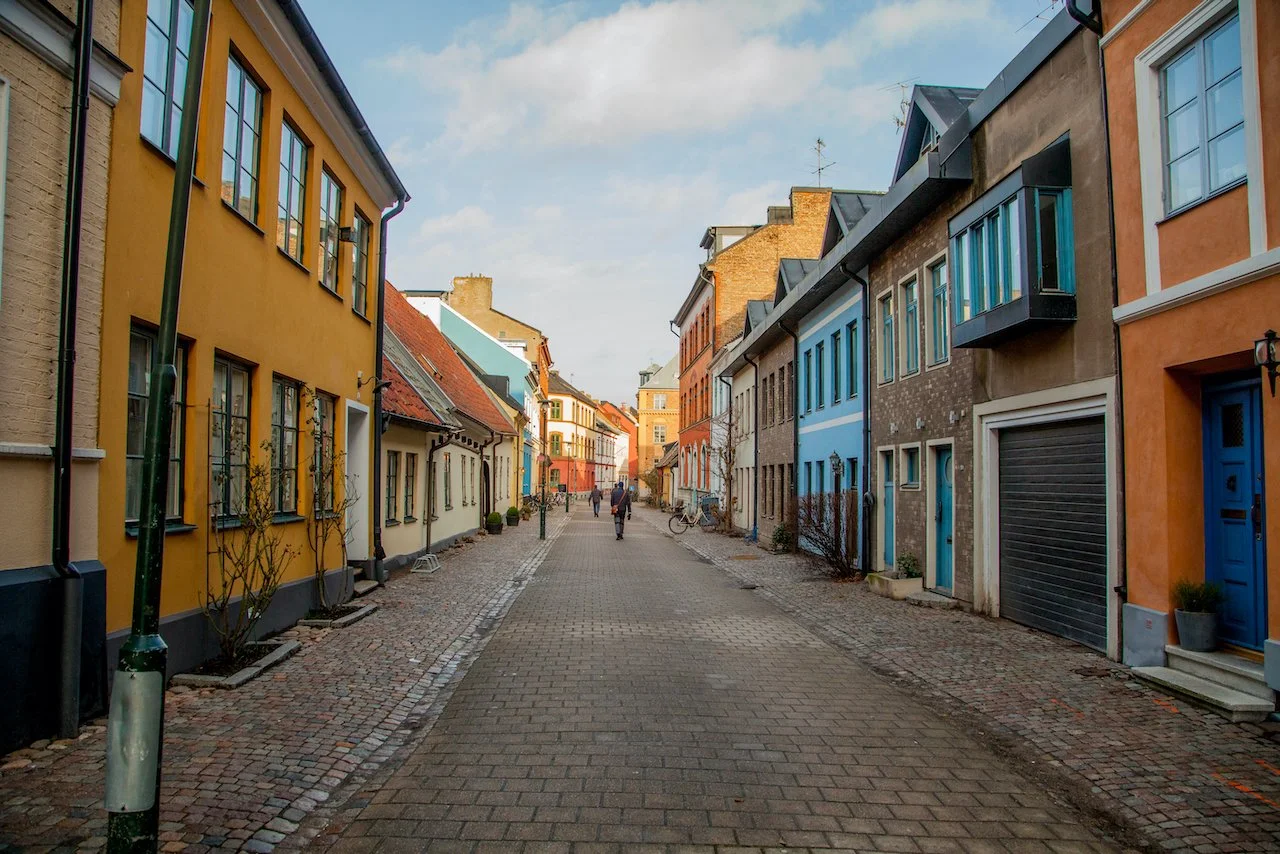
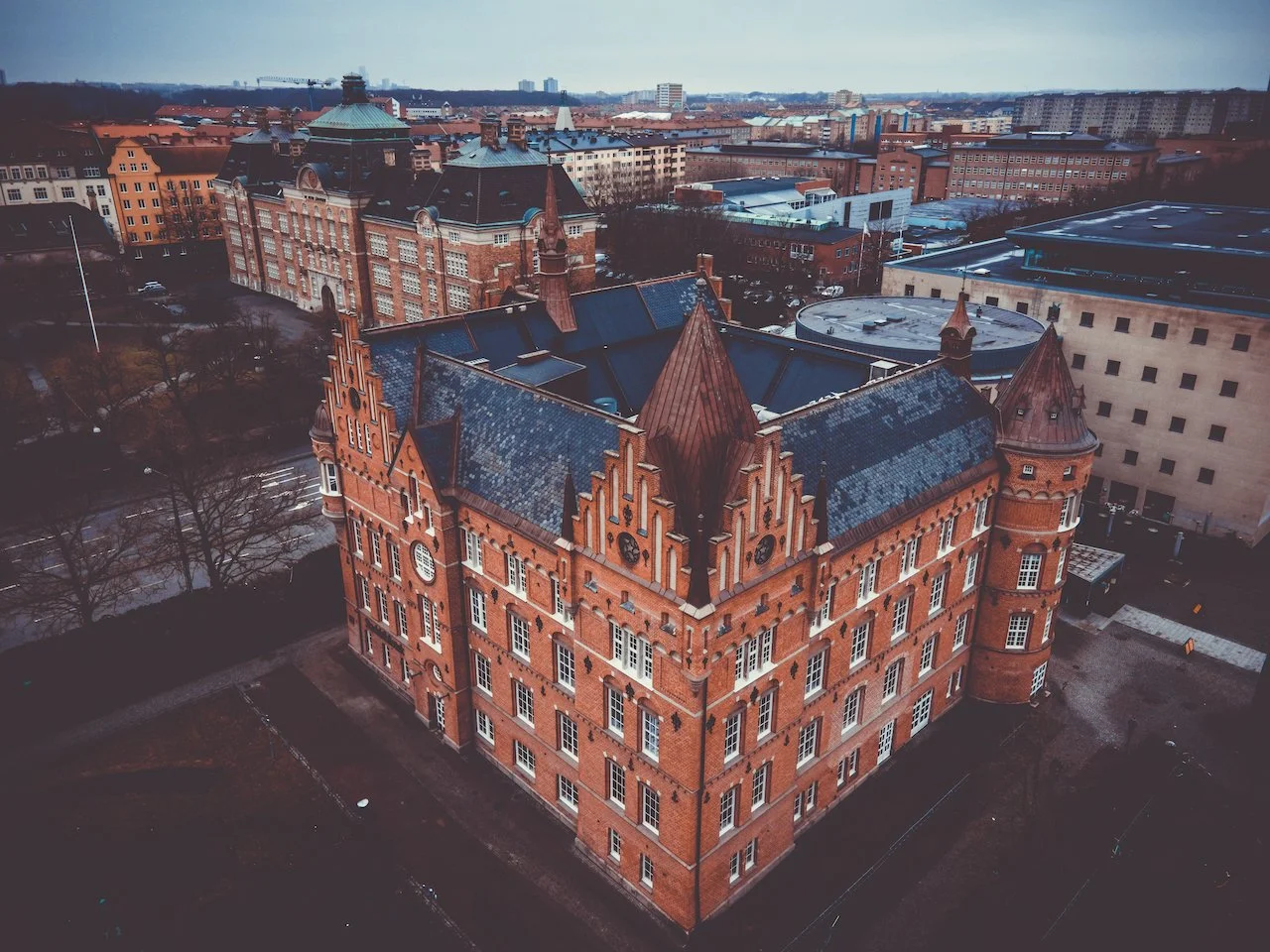
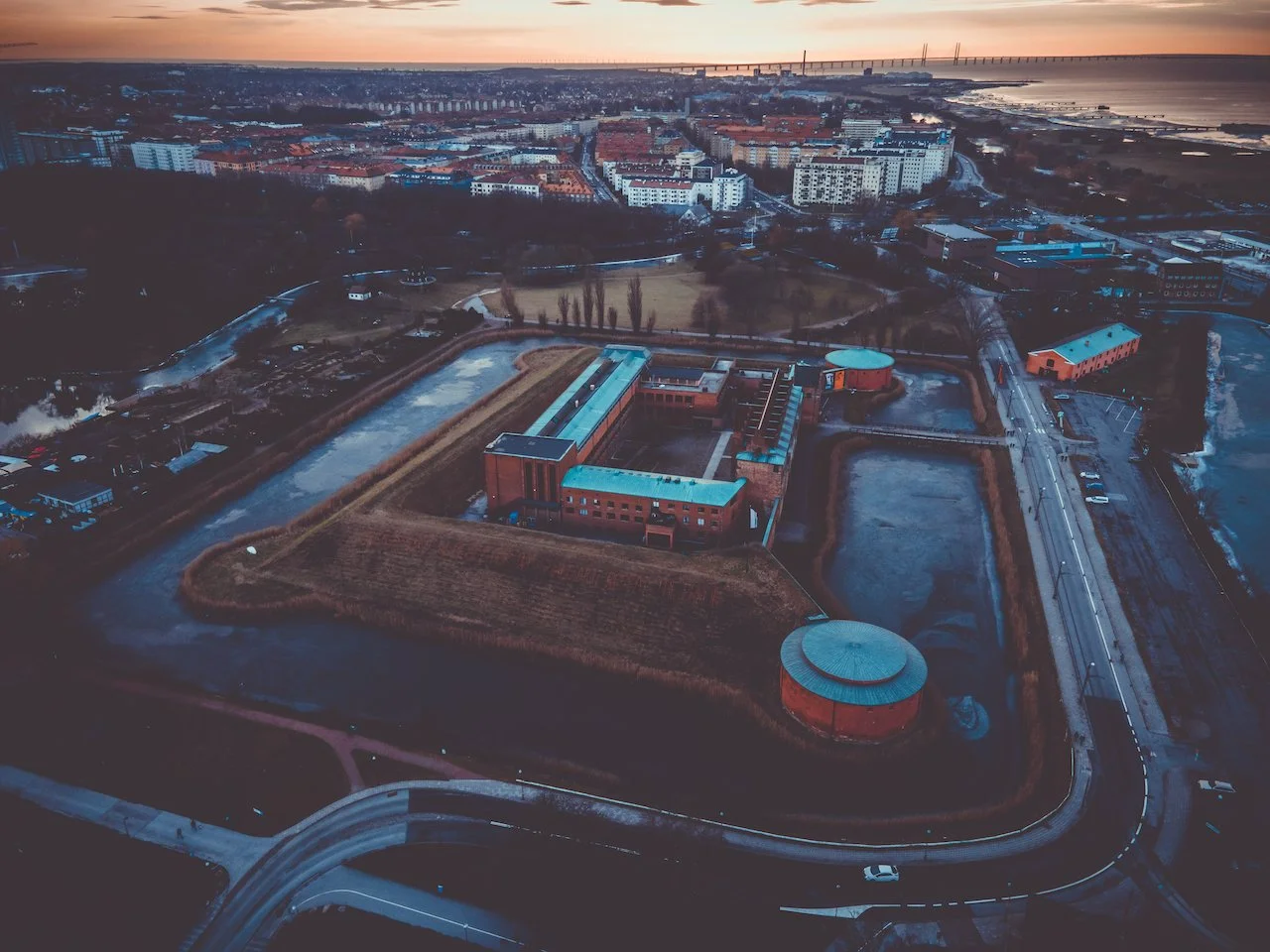
Malmö is Sweden’s third-largest city, blending historic charm with modern innovation. Its proximity to Copenhagen via the Øresund Bridge makes it an ideal city-break destination. Malmö is known for its diverse food culture, waterfront parks, and architectural landmarks.
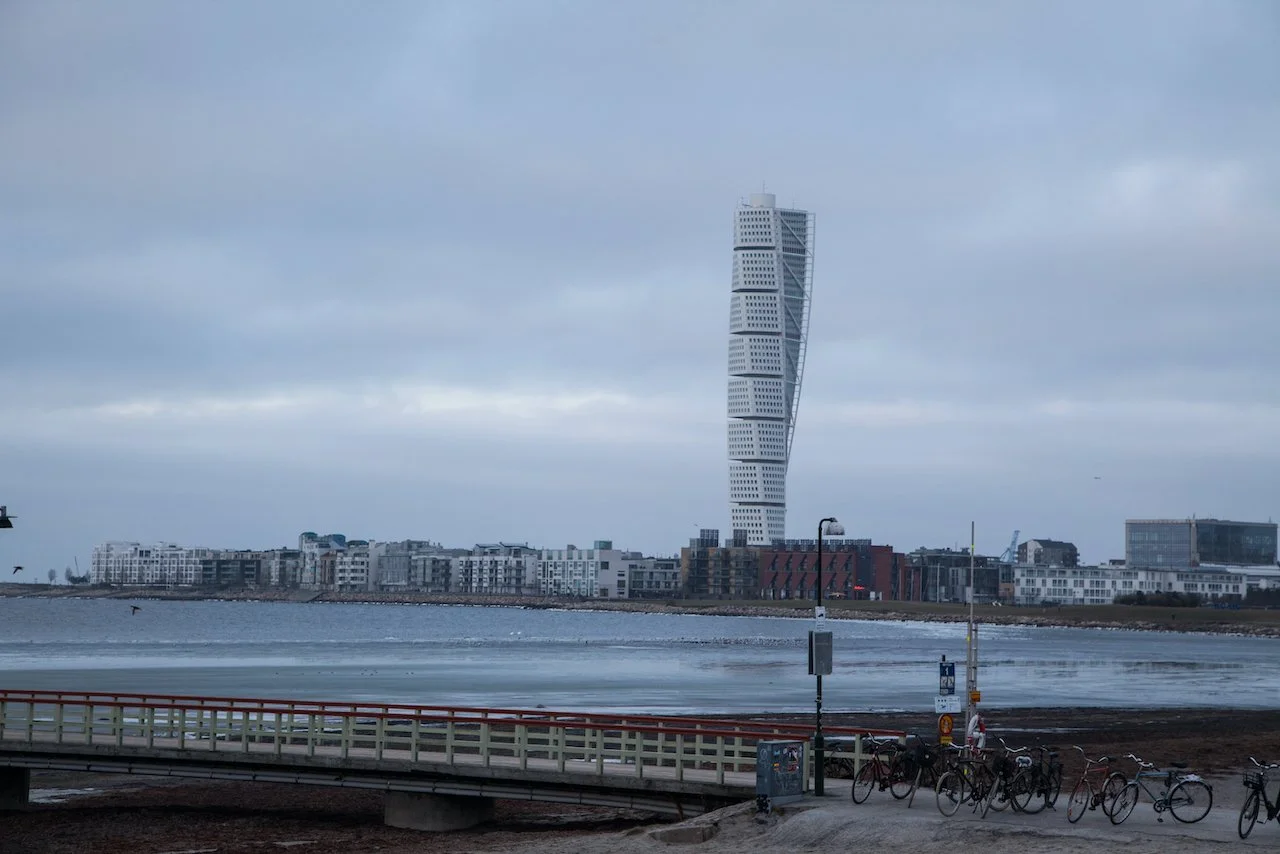
Turning Torso – Scandinavia’s tallest building, designed by architect Santiago Calatrava. The twisting skyscraper has become Malmö’s most iconic landmark.
Malmö Castle (Malmöhus) – A 16th-century fortress that houses museums covering art, history, and natural science. It’s one of Malmö’s top cultural attractions.
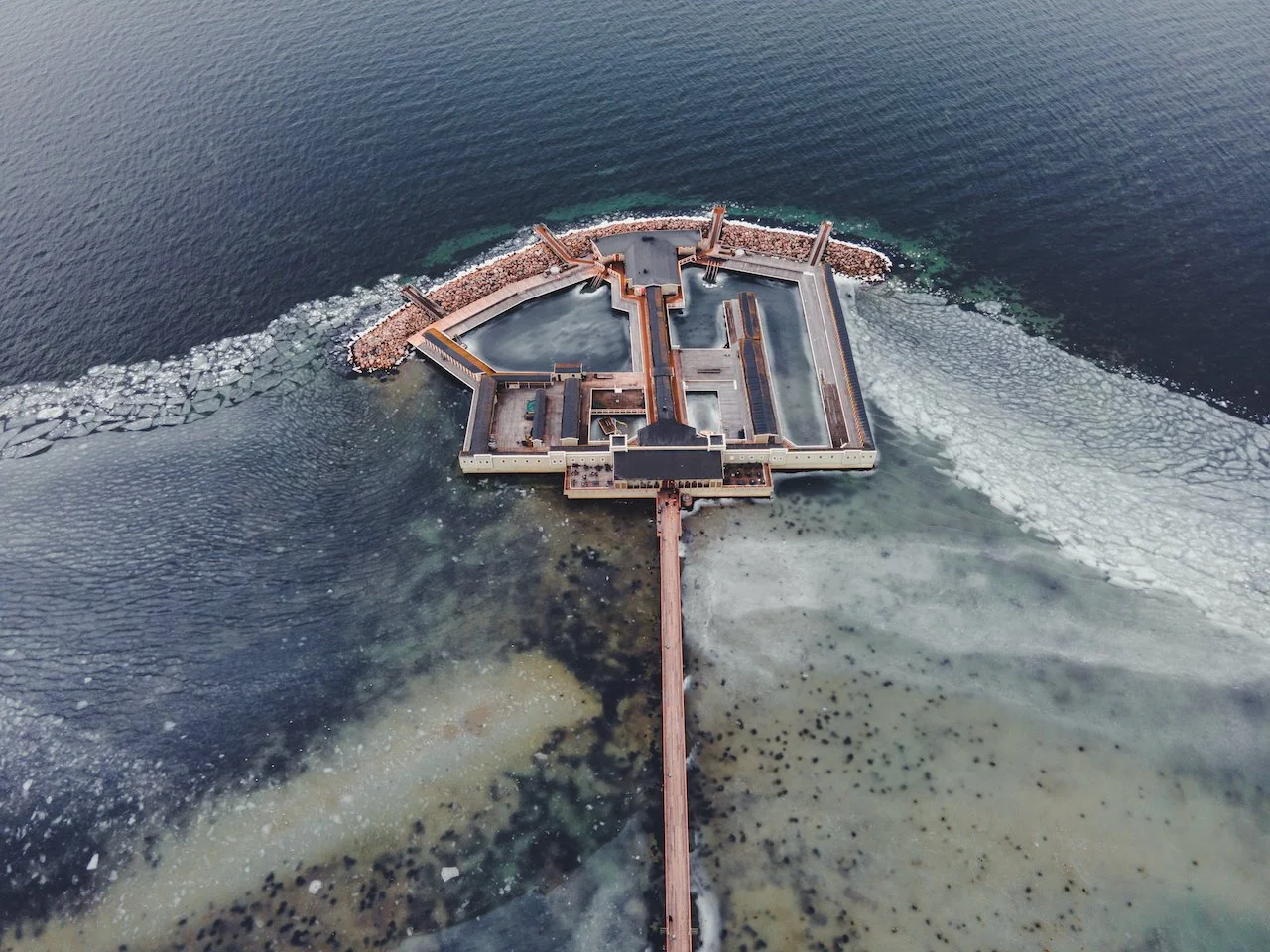
Ribersborgsstranden Beach – A long sandy beach close to the city center, popular for swimming, sunbathing, and walking. The nearby Ribersborg Bathhouse offers traditional Swedish sauna experiences.



What a majestic and amazing building. During our Summer 2023 trip to Italy, Rome was obviously a city we planned to see and explore. We got advance entry tickets to the Colosseum and marveled at the scale of the structure. Despite some parts of it falling into disrepair, it was still impressive how the entire arena is still standing. I had to take out my wide angle lens to capture as much of the building as I could.