
ASIA
Click on the country on the map below to get more information
CAMBODIA
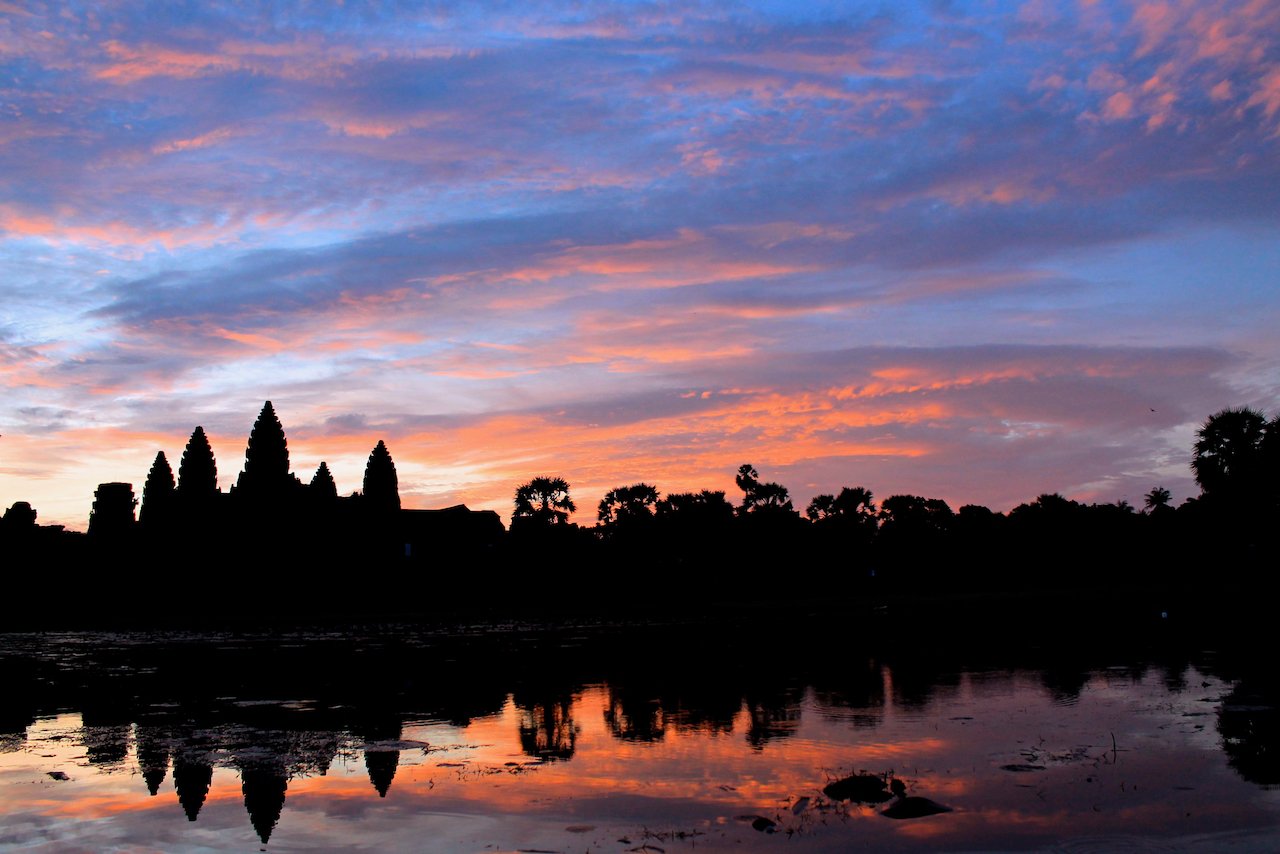
Southeast Asia typically refers to the peninsular region in Asia comprising the countries of Cambodia, Laos, Vietnam, Myanmar, Thailand, and West Malaysia, though it is often known to include many small islands in the region as well. All countries comprise about 8.5% of the world's population and 3% of Earth's total land area. SE Asia is the most culturally diverse region of the world.

Penon Penh and Siem Reap are the two must sees in Cambodia. The country is most well known for its collection of temples, in their highest concentration at Angkor Archeological Park (near Siem Reap). Here you can see world famous temples such as Angkor Wat, Angkor Thom, Bayon, Phnom Bakheng, Pre Rup, Preah Khan, and Temple Ta Prohm.
CHINA

There are plenty of places to see the Great Wall of China, each one particularly different than the others. This is a look at what to expect from Great Wall sites such as Mutianyu, Jiankou, Simatai, Huanghuacheng, Gebeikou, Juyongguan, Huangyaguan, Badaling, with a more in-depth look at the section at Jinshangling.

The old Chinese capital of Xi'an is a charming city with a vast history. It's home to the Qin Shi Huang Mausoleum and the Museum of Qin Terracotta Warriors. Even more so, here you can hike one of China's 5 great mountains, Mt. Huashan. Within the city itself, visits to the Bell and Drum Towers, Giant Wild Goose Pagoda, as well as the Xi'an city walls, are must dos.

This Chinese capital city is HUGE and it can be intimidating to see. The must-see stops of Beijing include The Forbidden City, Tianenmen Square, and the Summer Palace. You can also see different portions of the Great Wall from Beijing as well. Don't forget to sample the street food and spend some time in a tea house.

If you like epic skylines (either to enjoy or to photograph), the Chinese city of Shanghai is impressive. A more westernized city than other places in China, the city has plenty of character and is comprised of very different boroughs. Great landmarks and areas to see in Shanghai include Tianzifang, The Bund, Jing'An Sculpture Park and Temple, and the Shanghai World Financial Center.
JAPAN
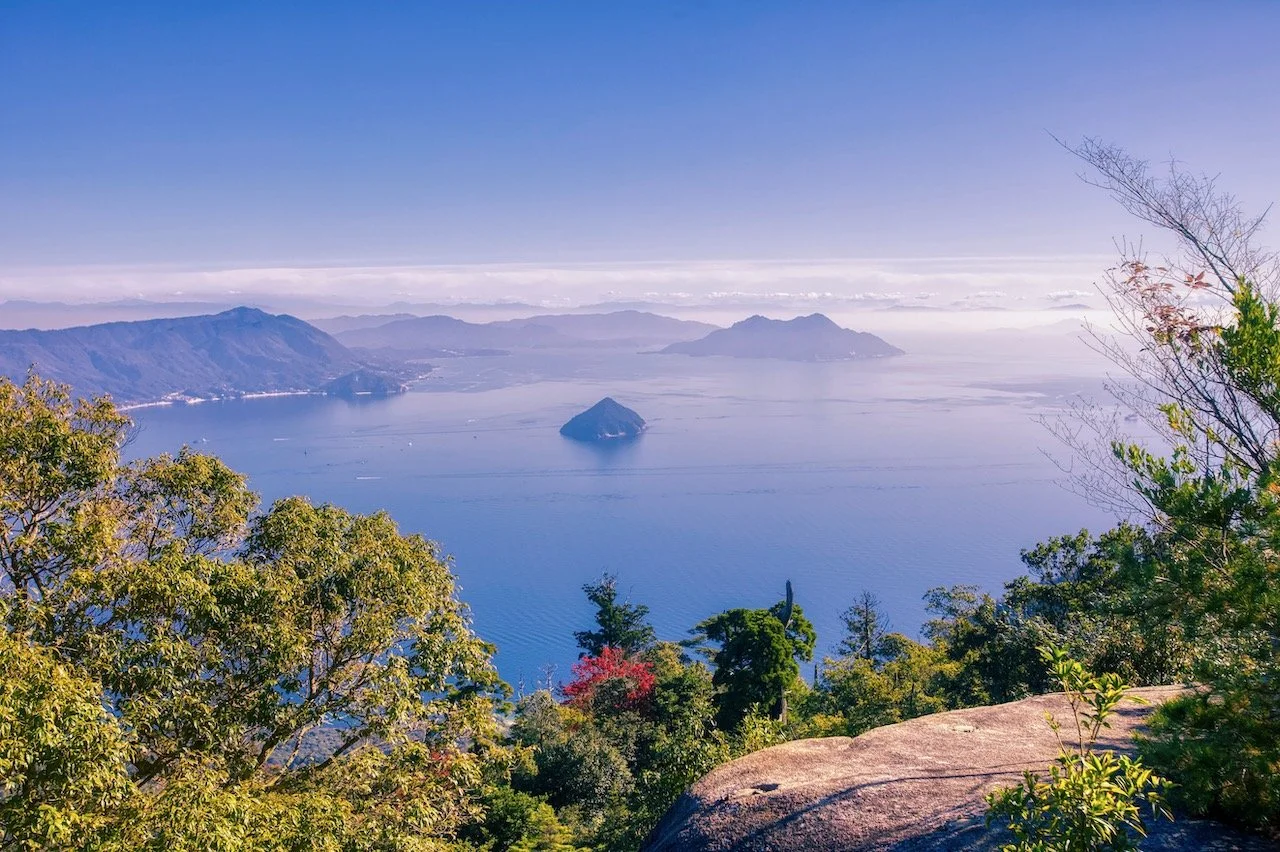
Miyajima Island, also known as Itsukushima, which translated to 'Shrine Island' is located in Hiroshima Bay in Japan. It is most known for the Itsukushima Shrine and is home to a number of temples like the Toyokuni Shrine and Daiganji Temple. There are also plentiful cherry blossoms and maple trees that bloom in the spring and fall, respectively, bringing in many foreign and domestic visitors to the island.

Japan is quite a large country with many different cities. Each place offers a wide variety of temples, markets, and landmarks to see. Use this guide as a crash course into the more popular cities of Tokyo, Kyoto, Hiroshima, and Hakone with an overview of Mt. Fuji viewing points. All these areas are easily accessible by the famous Shinkansen Bullet Train with a Japan Rail Pass.

Hiroshima is such an underrated city in Japan. Despite it's tragic past, the city has become a symbol for Peace. While you're here, check out the Hiroshima Castle, the A-Bomb Dome and Hiroshima Peace Park, and make your way to Miyajima Island for some hiking and sweeping views of the entire city.

Do some research of Tokyo first by watching 'Lost in Translation'. Then use this guide to figure out how to use the Tokyo metro system and what areas to see in this massive city like Ginza (for shopping), Shibuya, Harajuku, Shinjuku, Asakusa (Senso-Ji Temple), Yoyogi Park, the Imperial Palace, Seimon Stonebridge, Tsukiji Fish Market, and TeamLab Borderless (among MANY others).

A road trip in a foreign country doesn't have to be scary. In fact, this is the BEST way to see Mt. Fuji in Japan. Rent a car from Hakone and explore the Fuji Five Lakes (Yamanaka, Kawaguchi, Saiko, Shoji and Motosu), as well as the Chureito Pagoda, Aokigahara Forest, Lake Tanuki, Shiraito Falls, Oshino Hakkai, Hiryu Falls, and Lake Ashi.

Kyoto is a bustling city with modern conveniences, while also possessing a treasure trove of historic and cultural entities. This page breaks down some of the attractions and temples to see in the city like Nijo Castle, Kinkaku-Ji, Ginkaku-Ji, Gion District, Philosopher's Path, Arashiyama Bamboo Grove, Fushimi-Inari Taischa, Nikishi Market, and Kiyomizu-Dera Temple.
THAILAND
Southeast Asia typically refers to the peninsular region in Asia comprising the countries of Cambodia, Laos, Vietnam, Myanmar, Thailand, and West Malaysia, though it is often known to include many small islands in the region as well. All countries comprise about 8.5% of the world's population and 3% of Earth's total land area. SE Asia is the most culturally diverse region of the world.
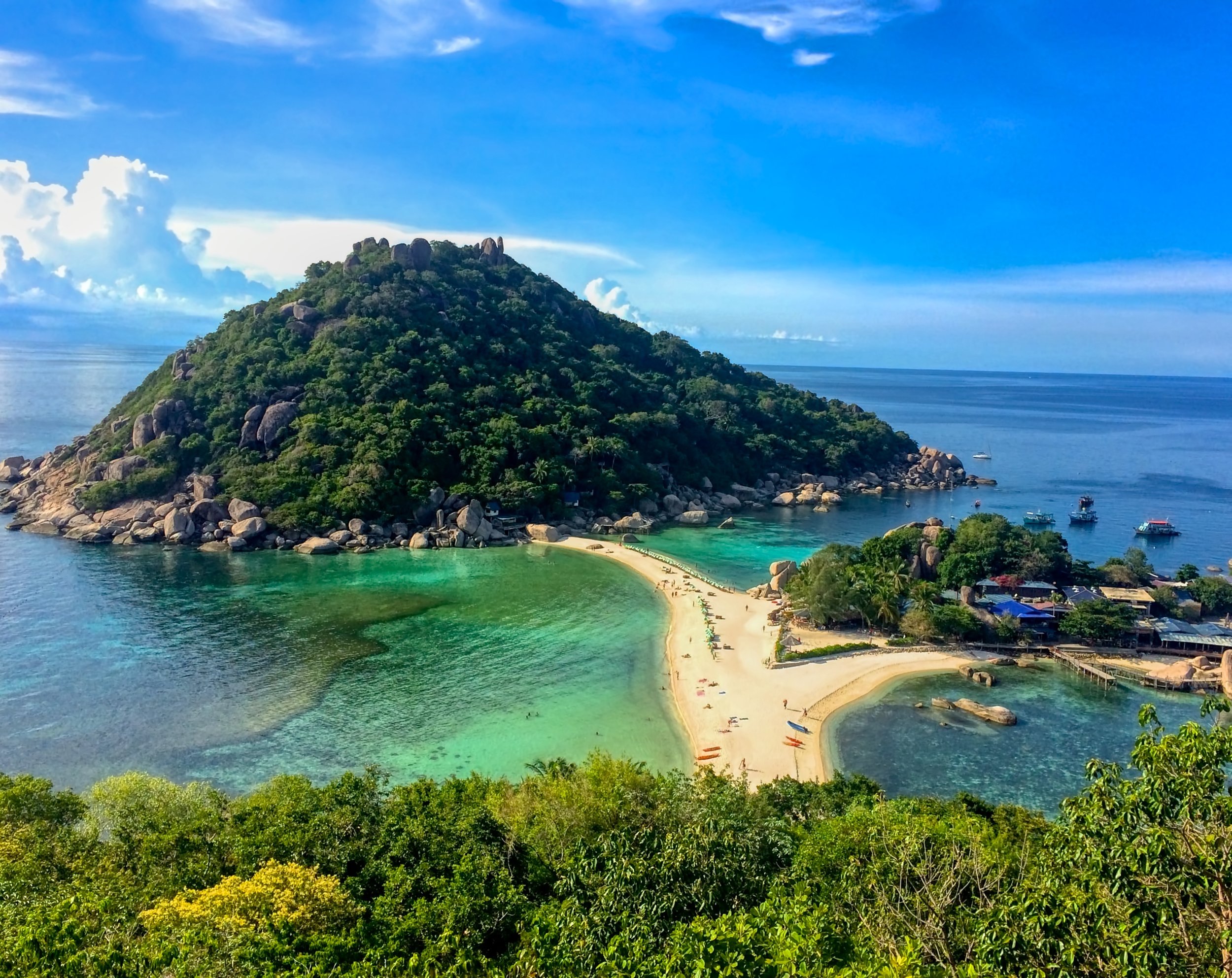
When you're in this part of the world, be sure to take a ferry from Chumphon towards the East Thai islands of Koh Samui, Koh Tao, and Koh Phangan. These islands together all have a little something different to offer so it's worth checking out all three. You can expect to go snorkeling, paddle boarding, suntanning, diving, and plenty of eating and drinking when you're here. Enjoy!

The cities of Chiang Mai and Chiang Rai in Thailand, several hours north of Bangkok, are a great change of pace from the country capital. In these cities you can discover great temples like Wat Phrathat Doi Suthep and the White Temple, see a Muay Thai fight, and even take cooking classes in traditional Thai cuisine.

It can be argued that the biggest draw of Bangkok (and Thailand in general) is the food. In between meals, you can make your way up and down the Chao Phraya river by boat, stopping at different attractions along the way. These include Wat Arun, Wat Pho, The Grand Palace, Tha Tian Market, and Saranrom Park.
TURKEY

The Balkan Peninsula, or the Balkans, are a geographic area in Southern Europe, composed of countries with geographical and historical ties. The countries that make up the Balkans are generally noted to be Albania, Bosnia and Herzegovina, Bulgaria, Greece, Kosovo, Montenegro, North Macedonia, Turkey, Croatia, Serbia, Romania, and Slovenia.
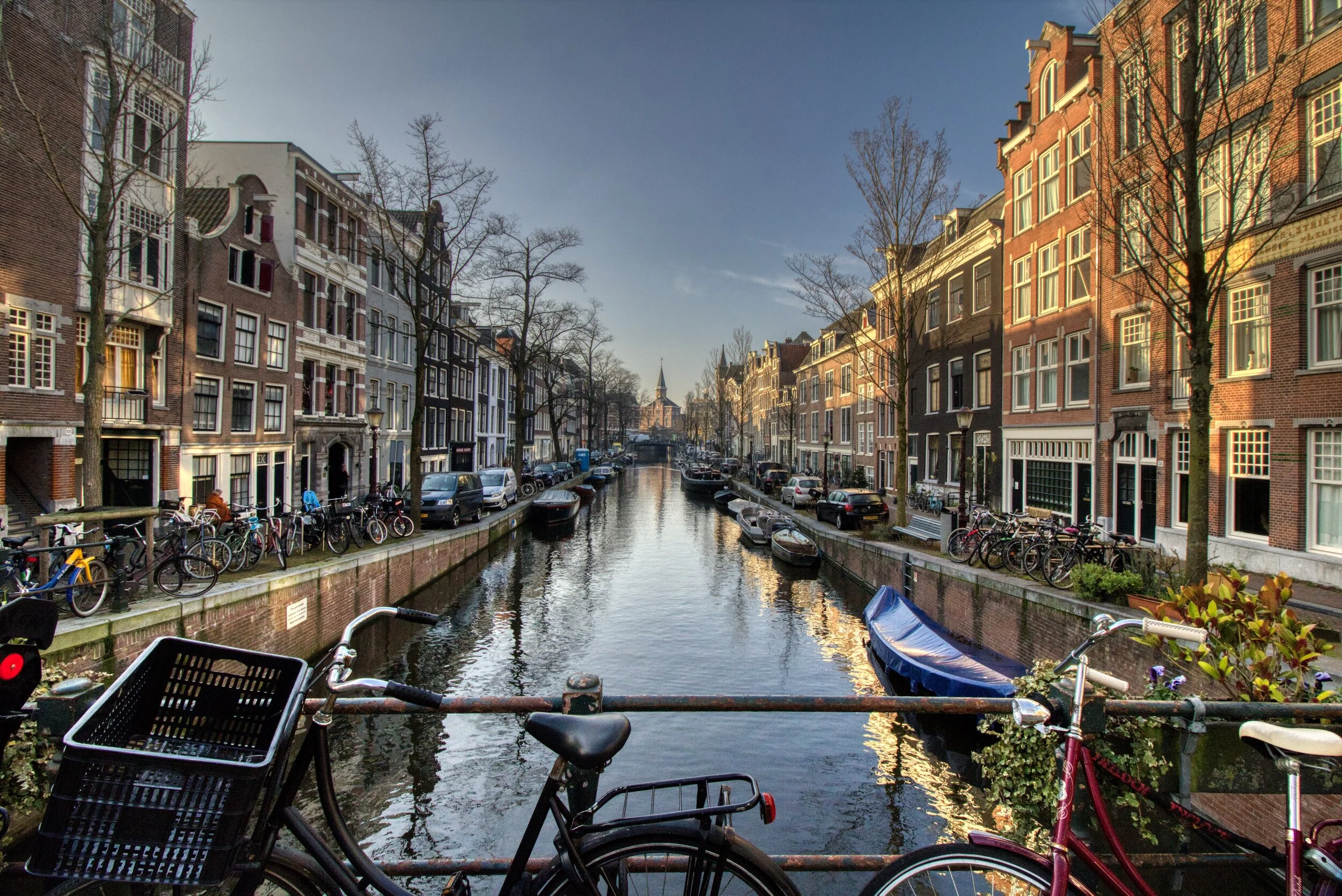
Sometimes when you plan a trip, you have to deal with a longer than normal layover in a different city. This can be a blessing! I have highlighted five such layovers you can build into your trip itinerary to get the most from your trip (KLM - Amsterdam, Emirates - Dubai, British Airways - London, Turkish Airlines - Istanbul, IcelandAir - Reykjavik).

As the only city located on two continents (Europe and Asia), you could say Istanbul is double the fun. The attractions of this city are endless: Topkapi Palace, Blue Mosque, Hagia Sophia, Galata bridge and tower, Taksim Square, Grand Bazaar, Basilica Cistern, and the Maiden's Tower are a great way to get started to discovering the identity of this amazing city.
VIETNAM

Vietnam is located on the mainland edge of Southeast Asia with a population of over 100 million. It has an extremely eventful and tumultuous history over the entirety of its existence but has recently become a popular tourist destination while in Southeast Asia. Some cities to check out while in Vietnam include Hanoi, Ho Chi Minh City, Nha Trang, and Hoi An as well as Ha Long Bay and the Mekong Delta.
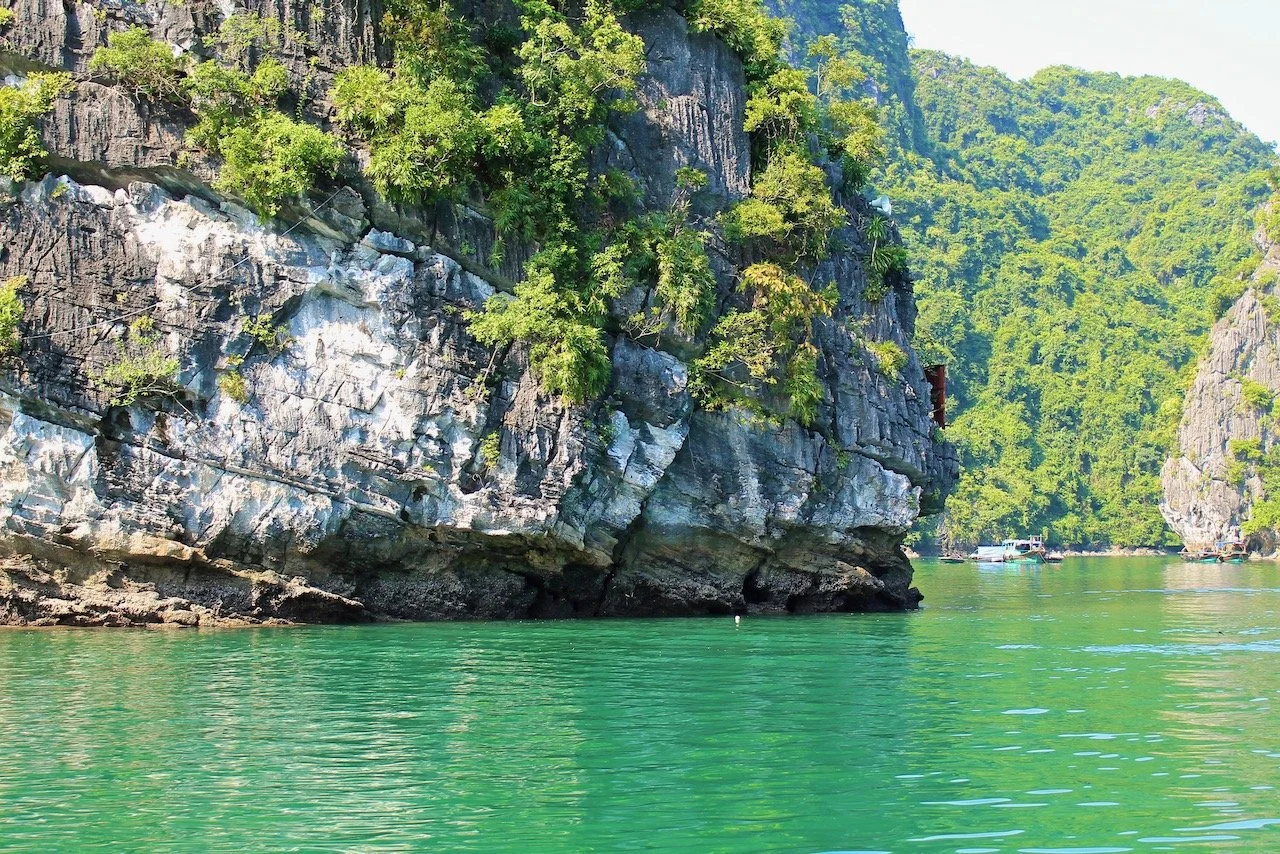
Hạ Long Bay is a UNESCO World Heritage Site located in the Quảng Ninh province in Northern Vietnam. The name Hạ Long means "descending dragon" in Vietnamese. The bay if full of thousands of karsts made of limestone and contain large amounts of vegetation on their tops. It is said that these cliffs have undergone 500 million years of formation in their lifetimes. Nonetheless, visiting Ha Long Bay is essential when it this part of Vietnam and is often a stop when visiting Hanoi.
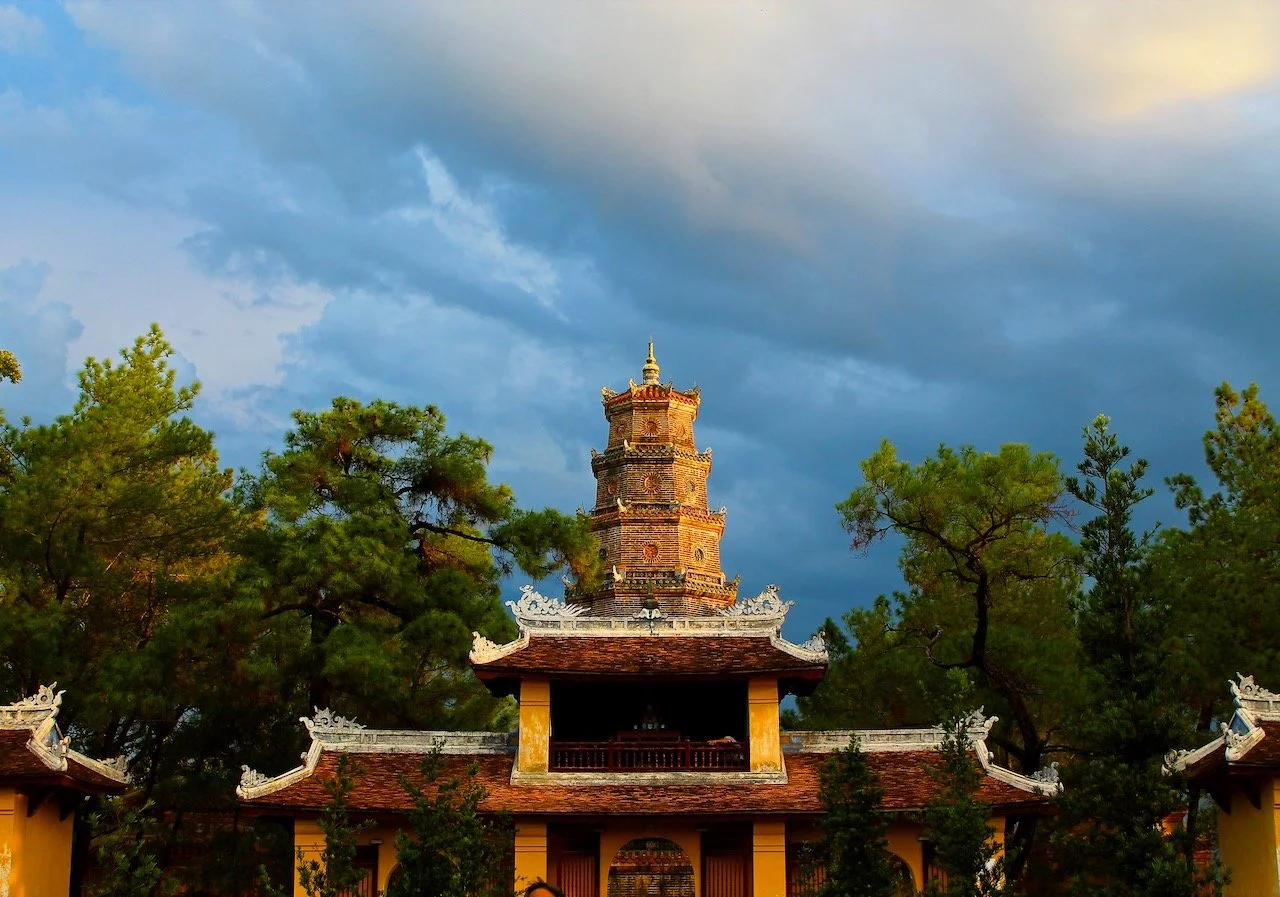
Hue is located in the Thura Thien Hue Province in North Central Vietnam. After Vietnamese conquest in 1307, Hue served as an Imperial City through the Nguyen dynasty. Today is is home to the Hue Citadel and Complex of Hue Monuments (a UNESCO Designated Site). Perched along the Perfume River there are plenty of attractions to see in Hue such as the Tự Đức and Thiên Mụ Temples along with the Hue Citadel.
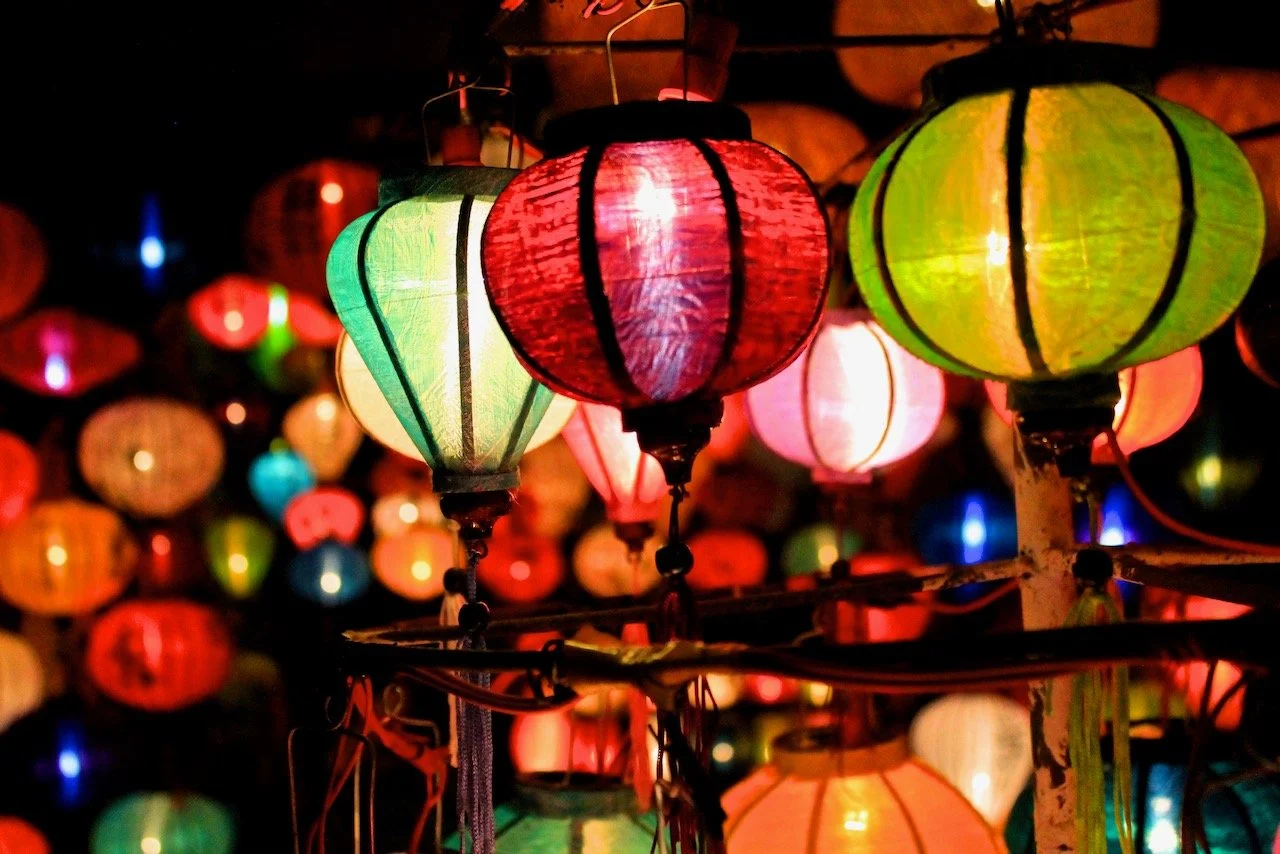
Hoi An was by far my favorite place I visited in Southeast Asia. Hoi An is a UNESCO World Heritage Site and located in central Vietnam. It is a quintessential example of a 15th century Southeast Asian trading port. It plays host to the Hoi An Lantern Festival held on the 14th day of each Lunar month. On your trip here, don't miss seeing the Japanese Bridge, or take a cooking class, or even purchase custom clothing/jewelry and lanterns to take back home.
Southeast Asia typically refers to the peninsular region in Asia comprising the countries of Cambodia, Laos, Vietnam, Myanmar, Thailand, and West Malaysia, though it is often known to include many small islands in the region as well. All countries comprise about 8.5% of the world's population and 3% of Earth's total land area. SE Asia is the most culturally diverse region of the world.

The northern region of Vietnam boasts the Vietnamese capital of Hanoi and the amazing archipelago at Ha Long Bay. Take in the sights in the capital, walk through the Old Quarter and experience Hoán Kiêm Lake while riding a scooter through the city. Then book yourself a boat to take you for a night out on Ha Long Bay with stunning viewpoints and explore Sung Sot Cave while you’re at it.

Hoi An and Hue in Central Vietnam are (IMHO) the most culturally important cities in the country. Where else in Vietnam can you ride bicycles through the alleyways lined with lanterns and through rice fields on the city outskirts, to the most picturesque beaches? The Answer: Hoi An. Hue is rich in history as well. See it all at the Imperial City and Tombs/Pagodas that dot along the Perfume river.
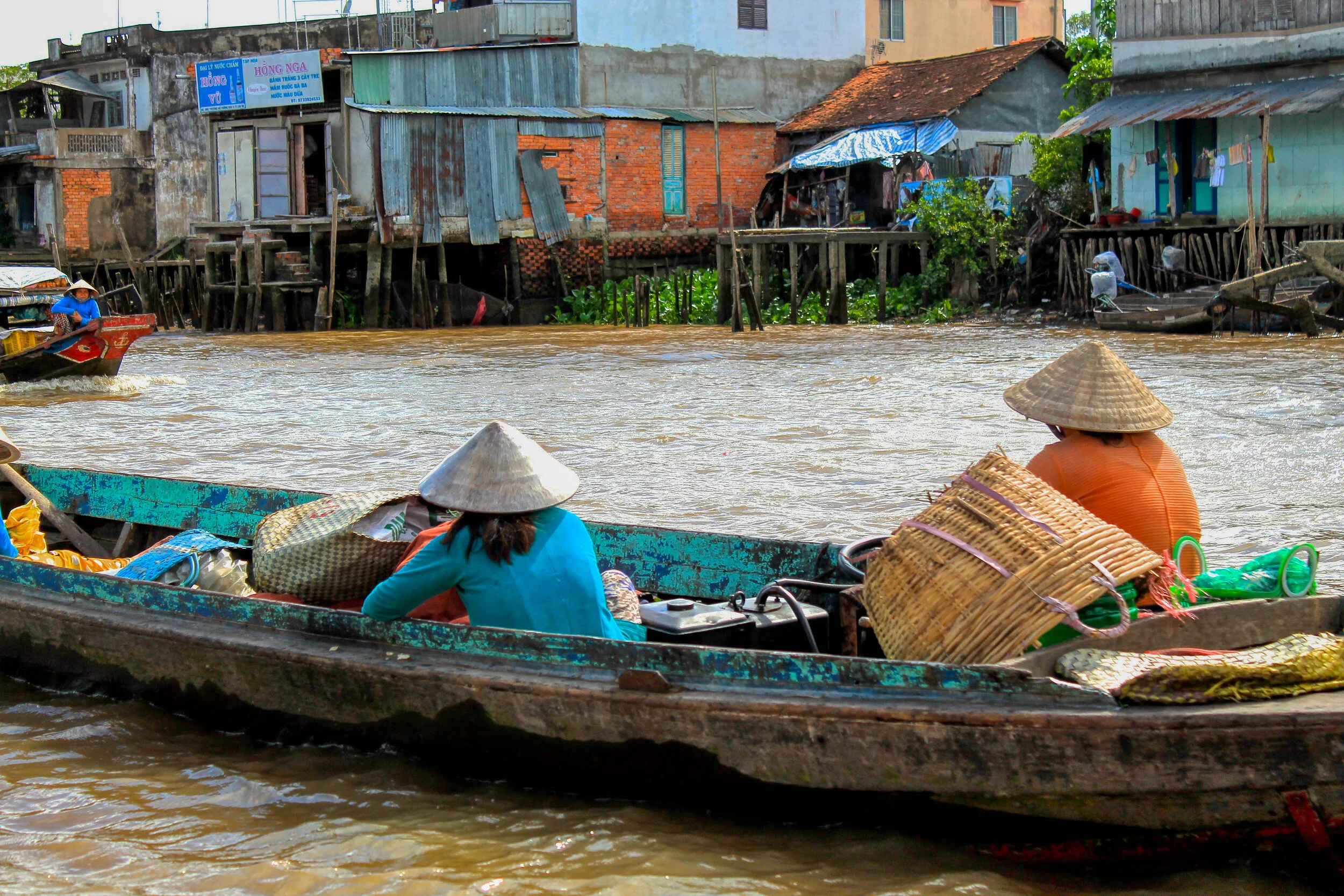
The southern region of Vietnam has a massive bustling city in Ho Chi Minh City (formerly Saigon), and an area lush with jungle vegetation, known as the Mekong Delta. Here you can get two massively different experiences, but just as much adventure. If you desire to go to the beach and live in paradise for a few days, then Nha Trang is just for you!
Lake Tonlé Sap is the largest freshwater lake in Southeast Asia and can be found in Cambodia. Its name translates to 'Great Lake' and belongs to the Mekong River Delta. Many of the 1.2 million residents of the lake live in floating villages working as fisherman, most of which are of Vietnamese descent. Day trips to Tonlé Sap can be organized from Penom Penh.