EYOS Expeditions and the New Era of Ultra-Remote Travel

There was a time when travelling somewhere truly remote usually meant accepting a long list of compromises. Comfort became basic, communications were unreliable and even relatively simple logistics could turn into an expedition of their own.

Remote travel looks very different today.

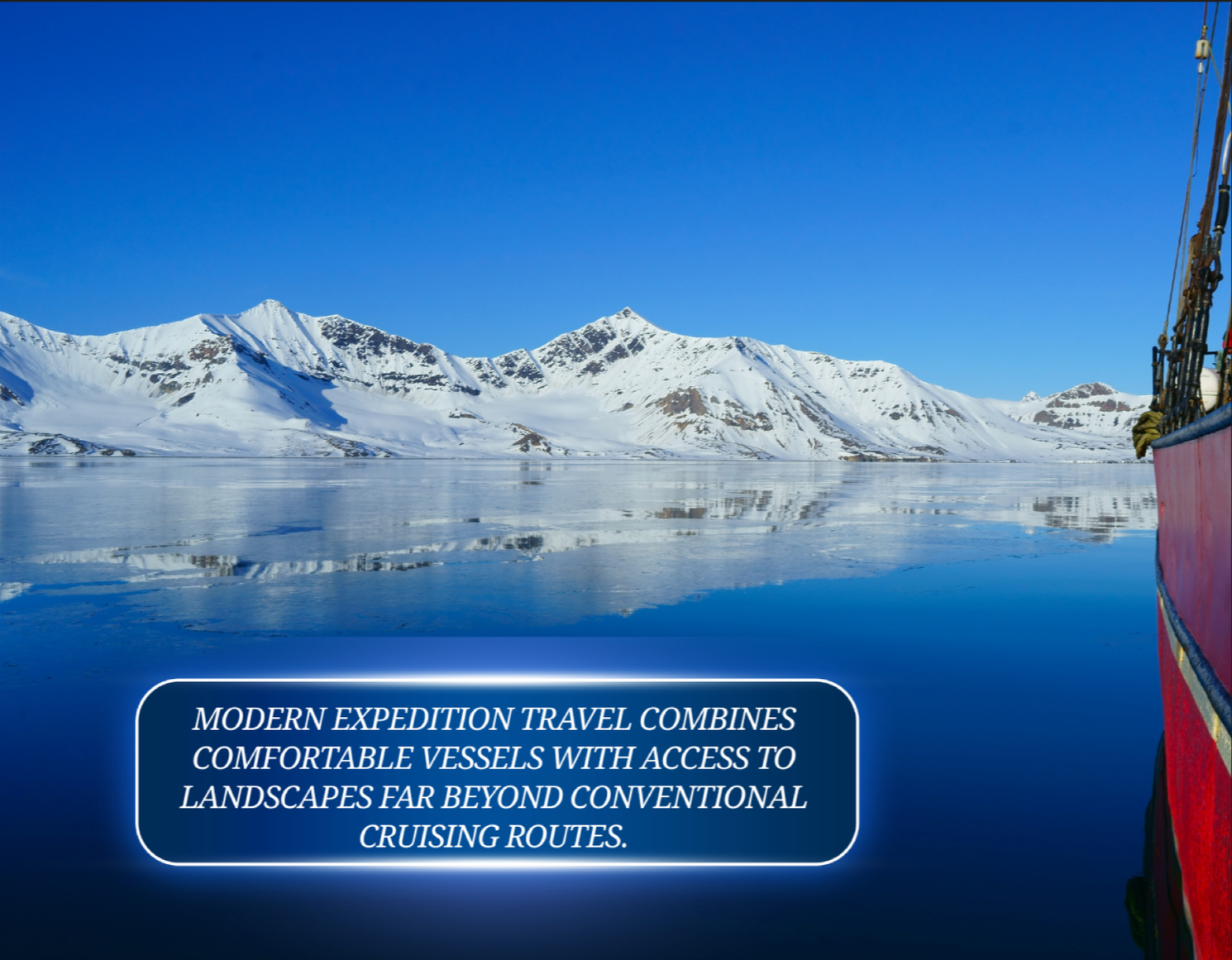
Purpose-built expedition vessels, satellite communications and better forecasting have opened parts of the world once accessible mainly to scientists, explorers and highly experienced mariners. Yet technology is only part of the story. 

As travellers push beyond established tourism routes, specialist knowledge has become increasingly important.

The new era of expedition travel is less about enduring hardship and more about gaining meaningful access to places where weather, wildlife and geography still determine how a journey unfolds.

Remoteness is becoming a different kind of luxury

Conventional luxury travel often revolves around a particular hotel, suite or restaurant. In expedition travel, the scarce commodity can be something much simpler: time and space in a landscape where few other people are present.

This helps explain the appeal of journeys through polar waters, isolated archipelagos and sparsely populated coastlines. The vessel may be sophisticated, but the experience outside it remains unpredictable.

A morning might begin with a glacier landing, change because wildlife has appeared elsewhere and end in an anchorage selected only after the crew has assessed local conditions.

It is an extension of the broader interest in adventure travel and destinations built around outdoor experiences, but with an additional layer of specialist planning. The further travellers move from roads, ports and conventional tourism infrastructure, the more valuable experienced decision-making becomes.

Southeast Alaska shows why the vessel matters

Southeast Alaska is a particularly good example of this shift.

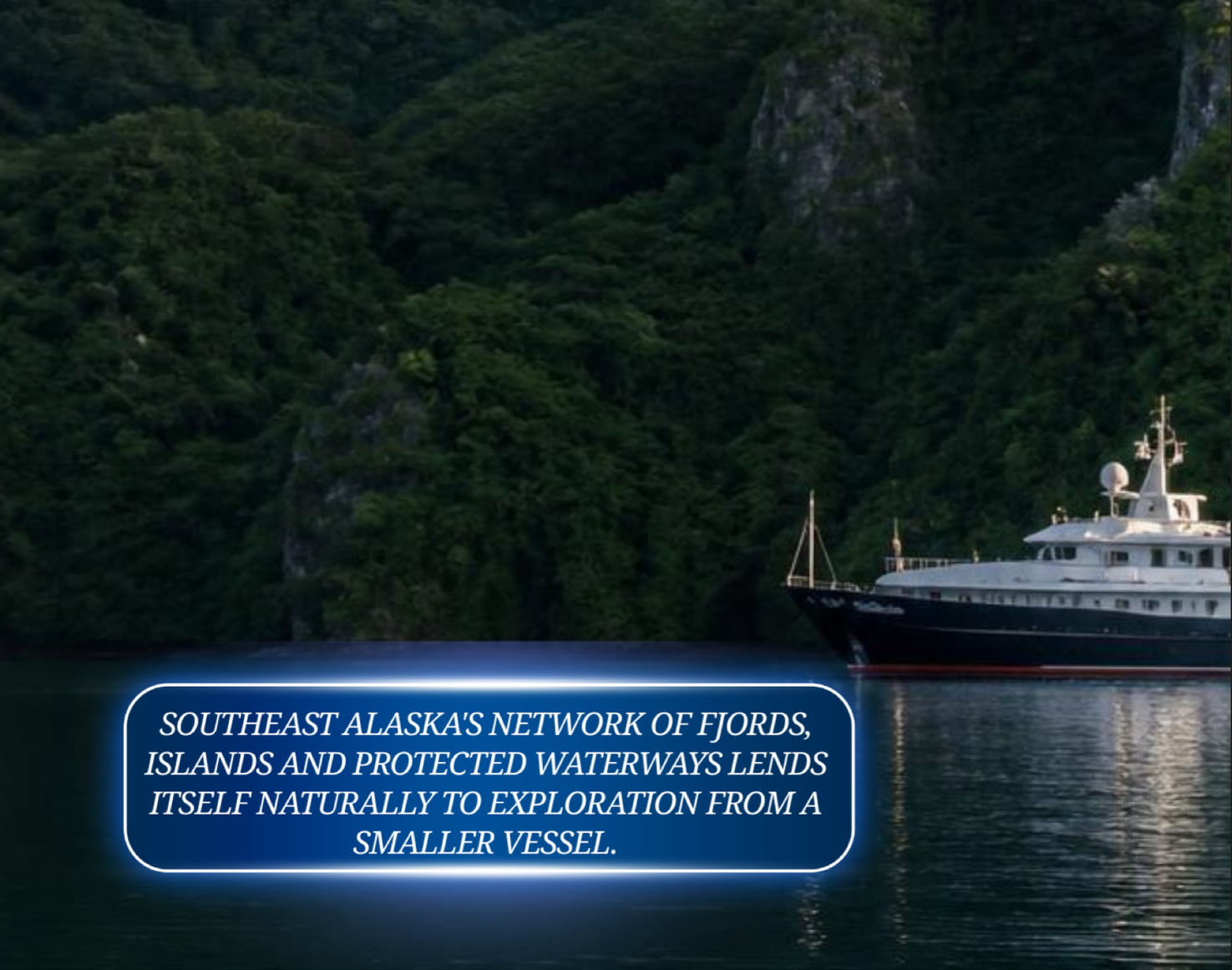
Its Inside Passage stretches for roughly 500 miles through a landscape of tidewater glaciers, forested islands and wildlife-rich fjords. 

Much of the region is covered by the Tongass National Forest, while communities and wilderness areas are linked by waterways rather than an extensive road network.

Large ships remain an excellent way to experience well-known ports such as Juneau and Ketchikan, as we look at the best cruising experiences around the world. Smaller vessels offer another possibility: using the coastline itself as the focus rather than moving primarily between scheduled ports.

Polar and remote-region specialist EYOS Expeditions works in this space, planning private journeys from Antarctica and the Arctic to the fjords of Southeast Alaska. Its expedition team brings together guiding, marine operations and logistical planning for environments where itineraries often have to remain adaptable.

On its private yacht charters to Alaska, daily options can include kayaking narrow inlets, hiking through temperate rainforest, flightseeing, wildlife observation and approaching tidewater glaciers. EYOS’s Alaska itineraries remain flexible, with captains and expedition leaders choosing activities and landing sites according to the conditions and opportunities available each day.

Access depends on expertise, not simply a smaller boat

A smaller vessel can reach quieter waterways, but size alone does not create an expedition.

Remote cruising involves permits, route planning, weather assessment, communications, wildlife protocols and a clear understanding of where a particular vessel can operate responsibly. In certain areas, access may change during a trip.

Glacier Bay National Park is a useful example. During the summer season, vessel activity is regulated to protect both wildlife and the wilderness experience. 

The National Park Service can also introduce temporary speed restrictions when humpback whales concentrate in particular waters. 

In August 2026, additional 13-knot restrictions were in place in Queen Inlet and part of the Lower Bay because whales were actively feeding there.

Flexibility therefore has boundaries. The advantage comes from knowing how to work within them.

EYOS says its full-time shoreside team has more than 350 years of collective expedition experience, spanning travel and marine expertise across seven continents. The company also acts as operator and permit holder for its expeditions, placing operational planning alongside the guest experience rather than treating it as a separate concern.

Wildlife changes the pace of a journey

Wildlife is one of the strongest reasons to visit Alaska, but it is also one of the least predictable parts of any itinerary.

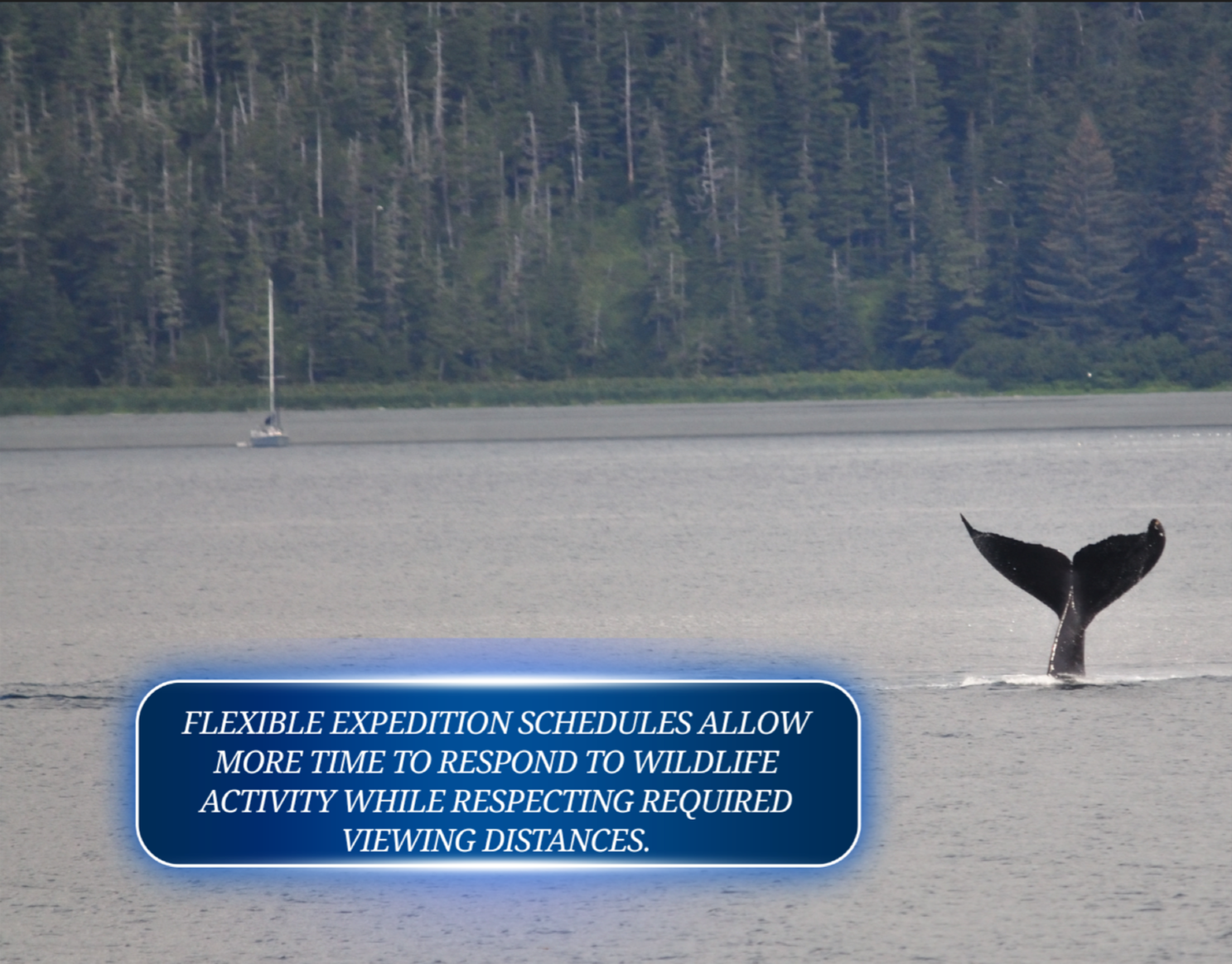
Humpback whales do not appear because the schedule says 10 a.m. Bears do not remain conveniently visible until every passenger has finished taking photographs. Eagles, sea lions and other wildlife move according to their own rhythms.

For travellers drawn to the kind of encounters explored in our guide to destinations for incredible wildlife experiences, a flexible itinerary can be especially valuable.

It gives an expedition team more scope to wait when circumstances are promising or move on when continuing an encounter would be inappropriate. 

Responsible access is as important as proximity. Glacier Bay, for instance, requires vessels to maintain prescribed distances from humpback whales and can modify navigation rules as wildlife concentrations change.

Modern expedition travel is comfortable, but still operationally demanding

The most visible change in expedition travel is comfort.

Today's specialist vessels can offer private cabins, sophisticated navigation systems, tenders, kayaks, dive equipment and long-range capability. Some explorer yachts are designed to remain away from supporting infrastructure for extended periods.

The less visible side is what makes those experiences possible.

EYOS is known to have pioneered the private expedition superyacht category in 2008 and now works with vessels ranging from ice-capable yachts to sailing craft and dive-support platforms. Its role can include selecting an appropriate vessel, planning logistics and providing expedition specialists for remote operations.

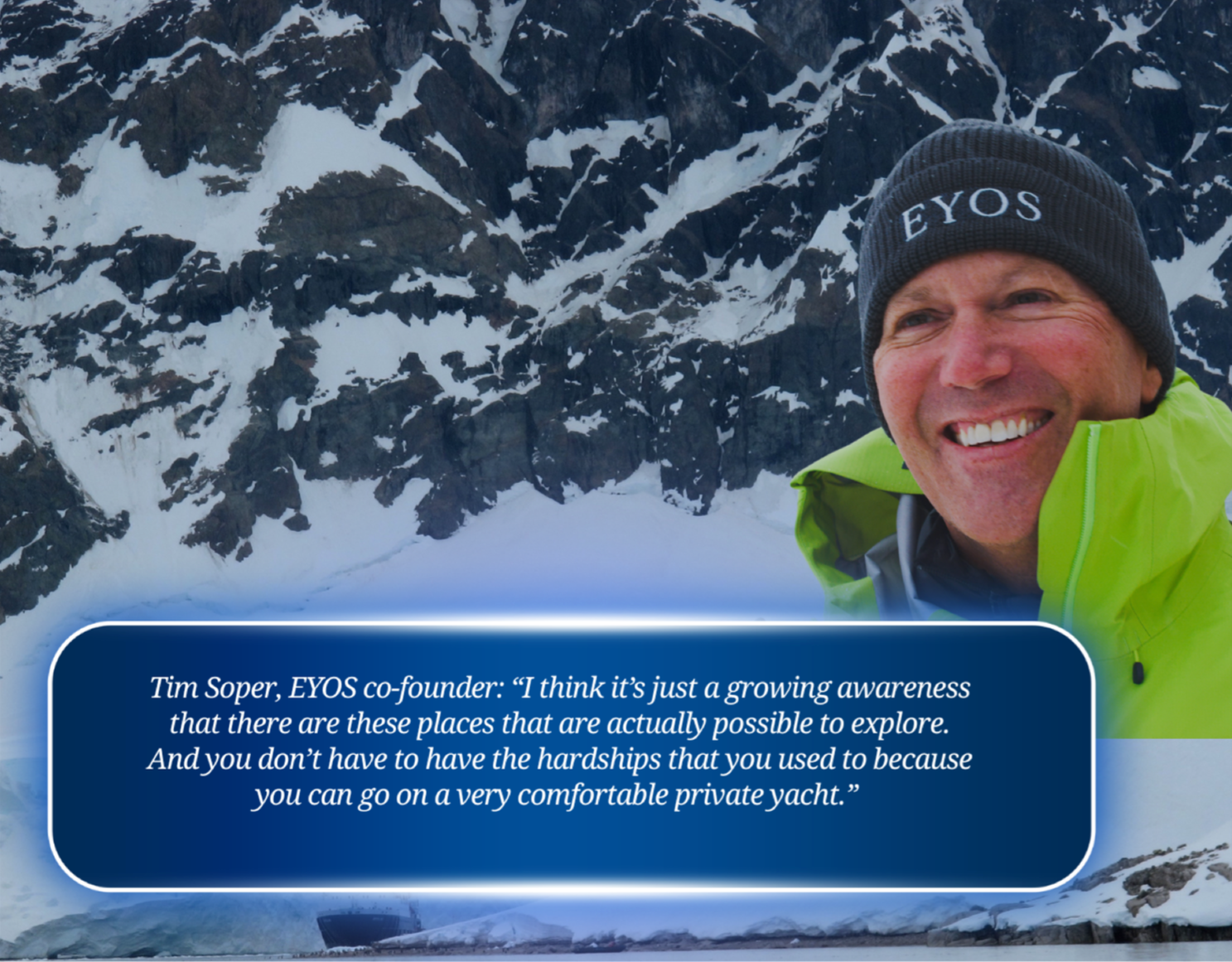
Tim Soper, EYOS co-founder: “I think it’s just a growing awareness that there are these places that are actually possible to explore.”

This is where the meaning of luxury begins to change. In a remote fjord or polar anchorage, capability can be more valuable than excess. Reliable communications, an experienced ice pilot or a guide who understands local conditions may contribute more to the journey than another onboard amenity.

The best expeditions leave room for the unexpected

Ultra-remote travel is often described in terms of distance, but distance alone is not what makes an expedition memorable.

The more meaningful change is how travellers can now experience these places. A yacht can become a mobile base rather than simply transportation. Specialist teams can interpret a landscape while also managing the practical realities of operating within it. Days can be structured around conditions instead of forcing every experience into a rigid timetable.

Southeast Alaska demonstrates how effective the model can be without requiring travellers to cross an ocean or reach a pole. Beyond its major cruise ports lies a vast network of smaller communities, secluded waterways and wilderness areas, with some remote locations accessible primarily by boat or air.

The new era of ultra-remote travel is therefore not defined by making wild places feel ordinary. Its appeal comes from preserving their unpredictability while surrounding the journey with enough expertise to explore them thoughtfully.

The destination still sets the terms. Modern expedition travel simply gives travellers a more capable way to meet them.