
North Jutland, Denmark Road Trip – Complete Itinerary, Map & Top Places to Visit
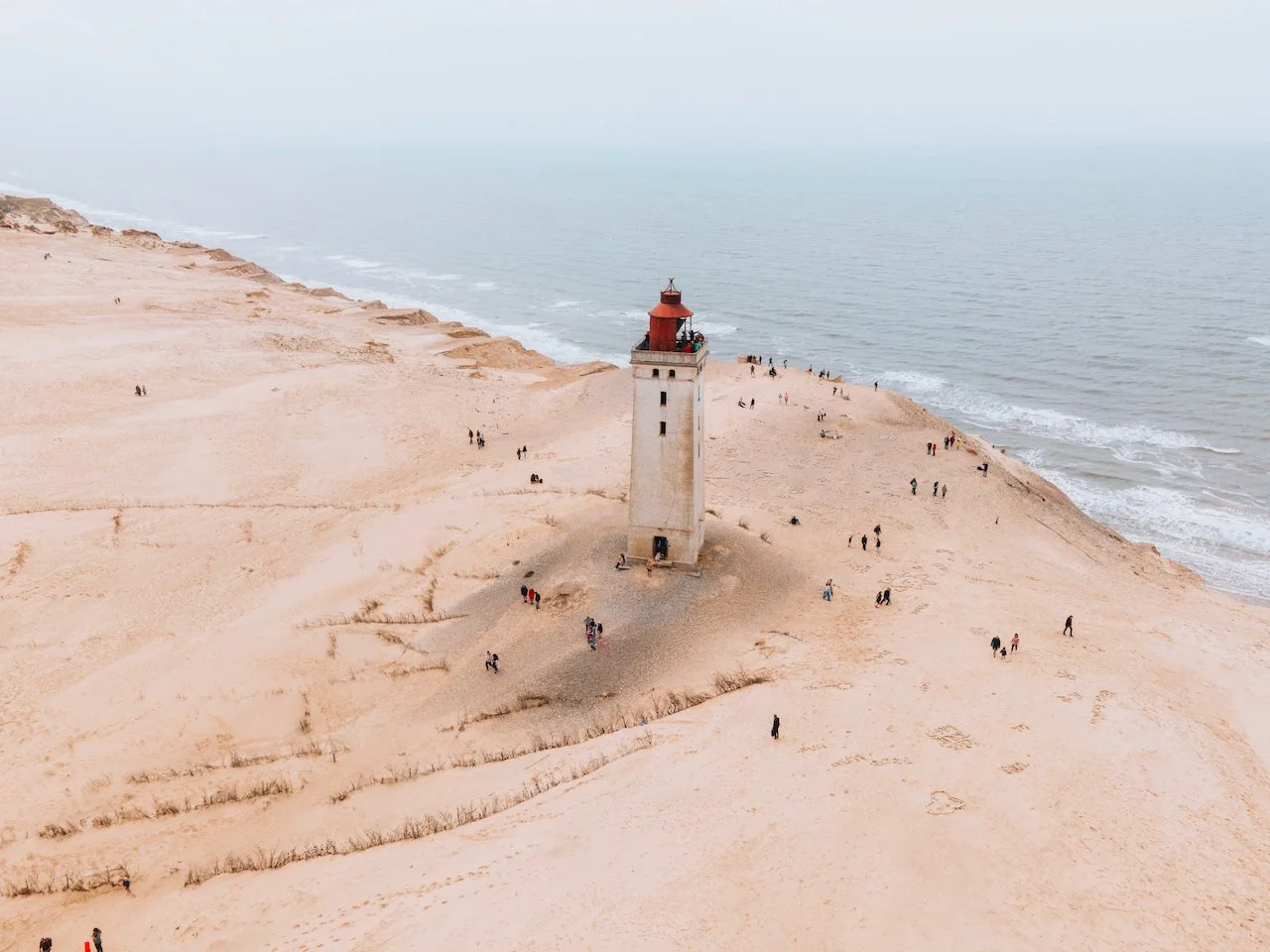
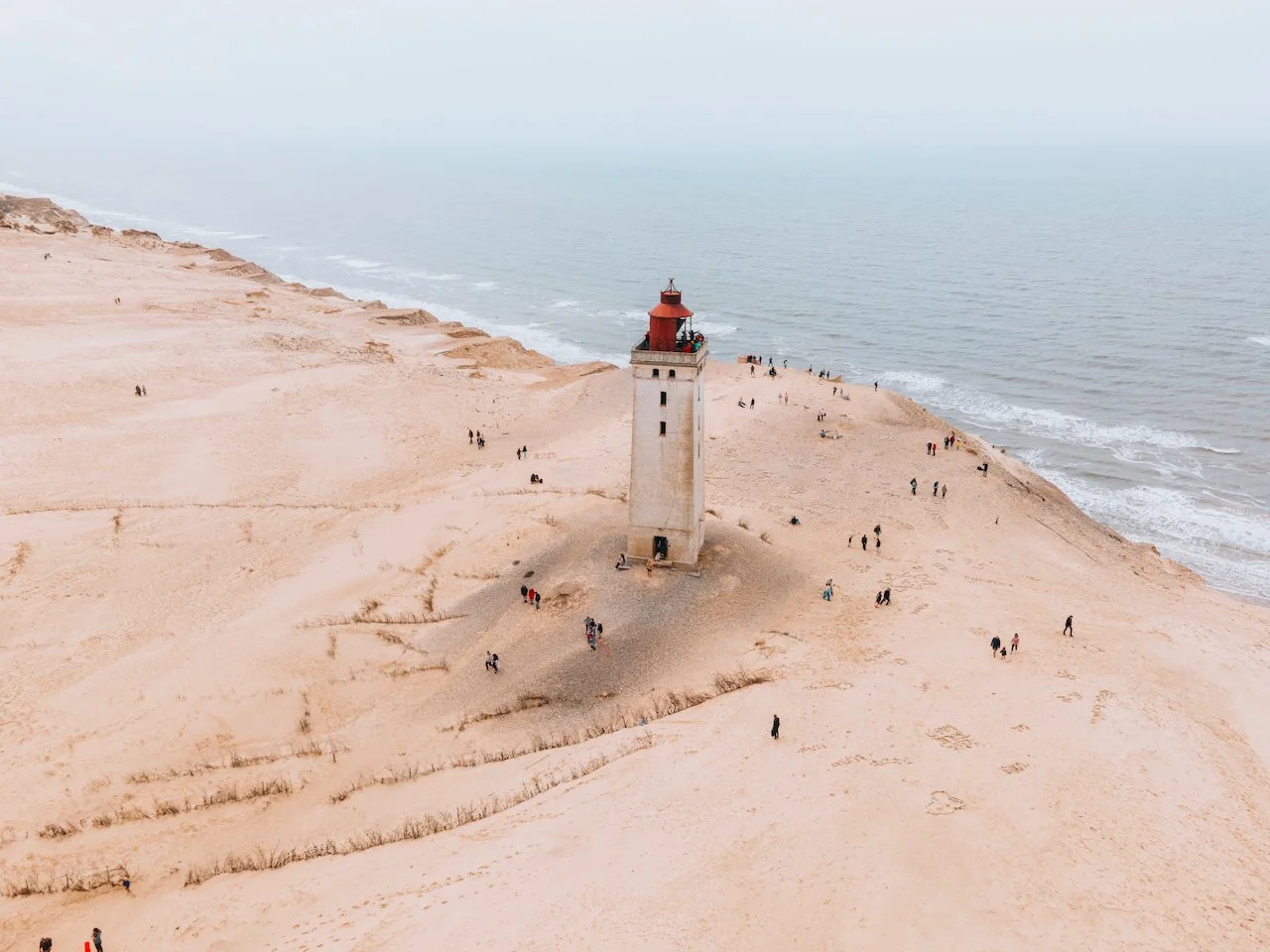
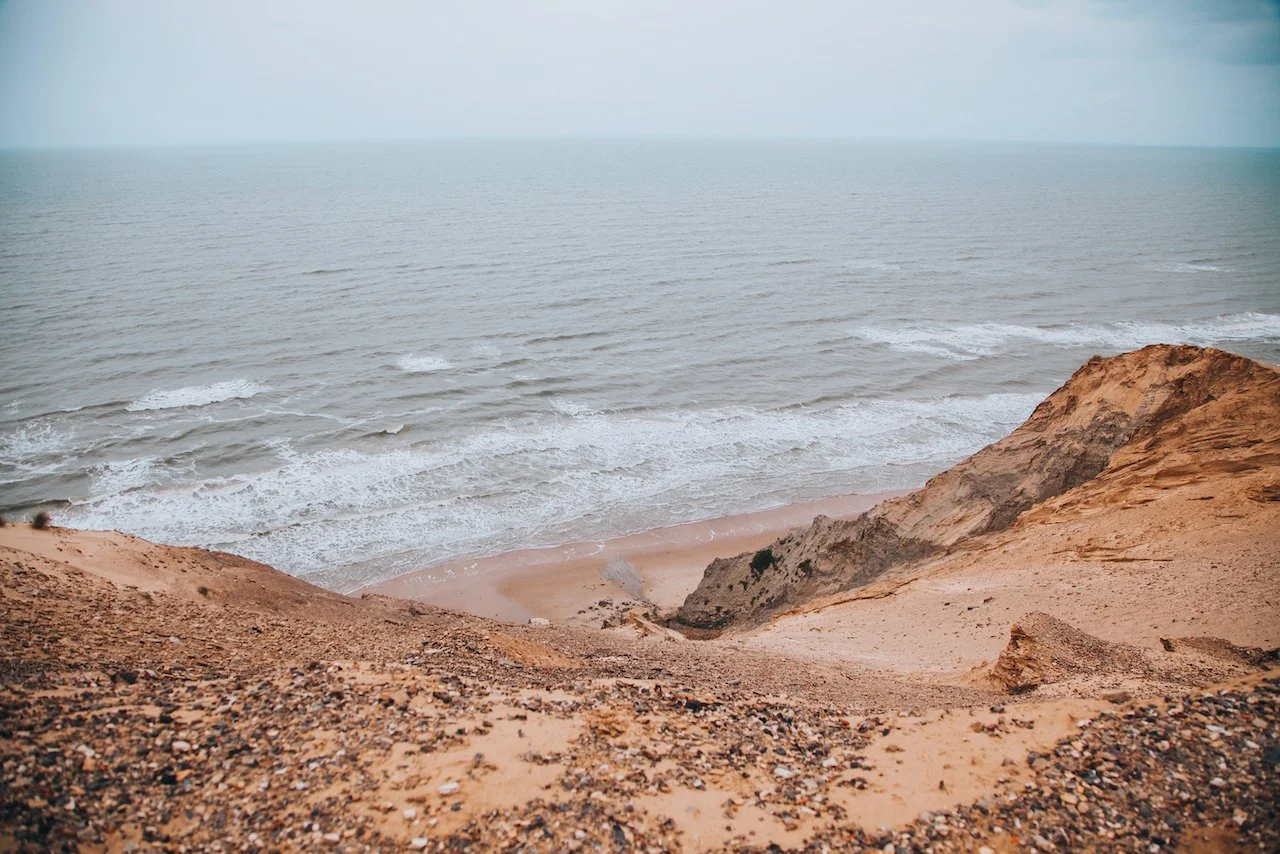
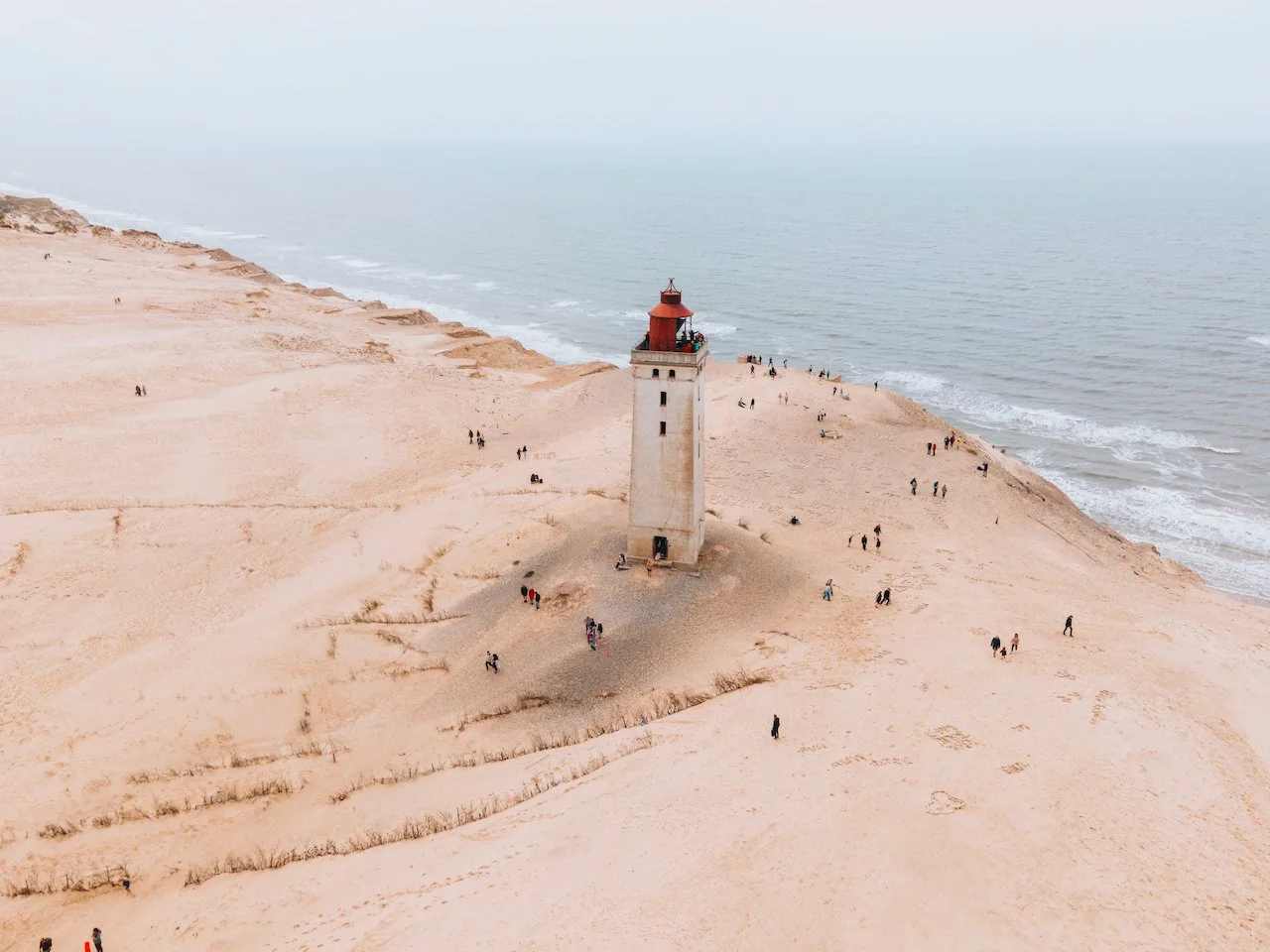
Rubjerg Knude, Denmark (ISO 200, 4.5 mm, f/2.8, 1/50 s)
(Some links in this post are affiliate links. If you click through and take action, I'll be compensated.) If you are also interested in any PRINTS from any of my posts, be sure to check out my store where you can buy prints as posters, in metal/wooden frames or on canvas.
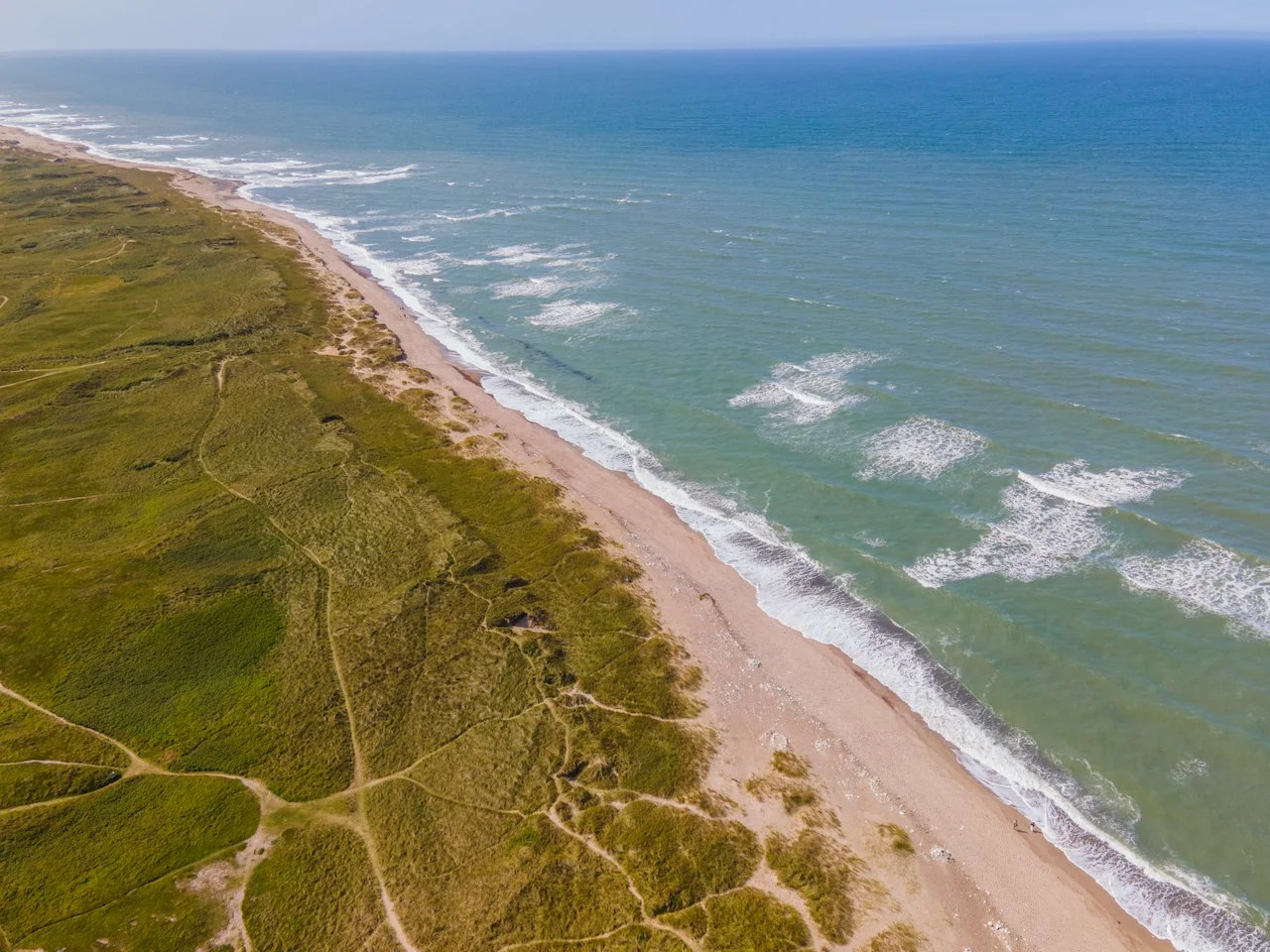
A road trip through North Jutland in western and northern Denmark is the perfect way to discover the country’s wild North Sea coast, dramatic dunes, and charming seaside towns. From standing at Grenen where two seas collide to exploring the golden light and art heritage of Skagen, this route is full of contrasts. Along the way, you can visit the towering limestone cliffs of Bulbjerg, stroll Løkken’s wide sandy beaches, and ride the waves in Klitmøller, Denmark’s “Cold Hawaii.” Nature lovers will find untouched beauty in Thy National Park, while Råbjerg Knude’s shifting sand dunes create one of Denmark’s most unique landscapes. With history, culture, and nature around every turn, a North Jutland road trip offers a true taste of coastal adventure.
When we initially planned this trip, we really only planned on seeing Skagen and the potentially heading due south towards Aalborg. It wasn’t until we started doing research into what Jutland provided us that we decided to go along the northwestern coastline of Denmark.
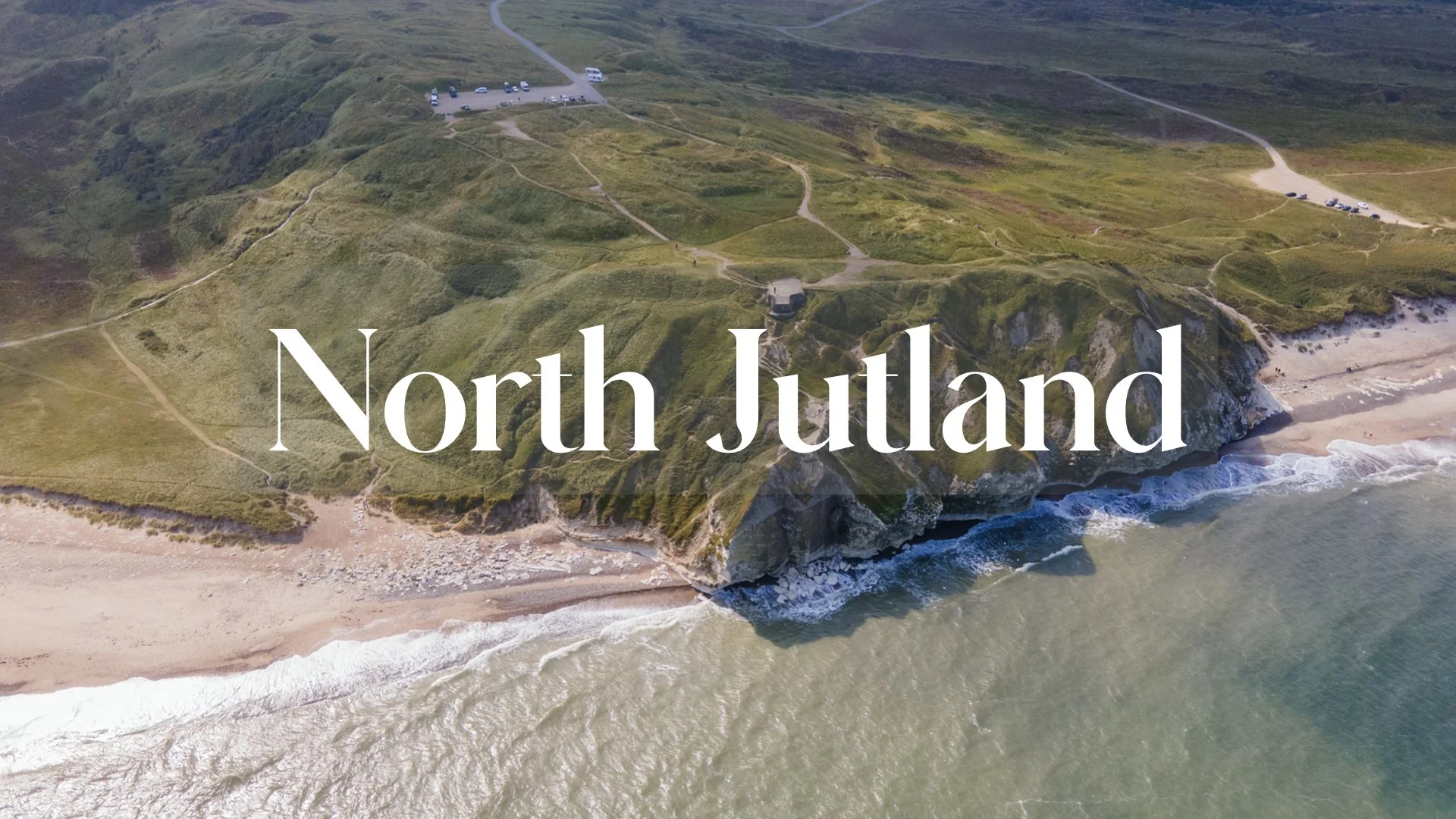
While Aalborg and then Randers would have provided us wonderful city experiences, this North Jutland route gave us smaller towns along with beaches, lighthouses, old WWII bunkers, and a national park. You can see our driving right in the Google Map as well as our destinations below.
Skagen → Grenen → Råbjerg Mile → Rubjerg Knude → Løkken → Aggersborg → Bulbjerg → Klitmøller → Thy National Park
Since the road trip for us started in Skagen, I will outline how to reach that city, and assume that you will traverse the coastline via car. I am sure there is a way to complete this road trip with public transport, but I will not outline those methods within this blog post. I will give a brief description and highlights of each place mentioned in the above list and give a link to one of my blog posts which goes into more detail for each place.
If you like some of my photos that you have come across, just know that I have many prints showcasing a variety of landscapes available for purchase below! (Sold as Posters, Canvas, or in Metal-Frames and Wooden-Frames).





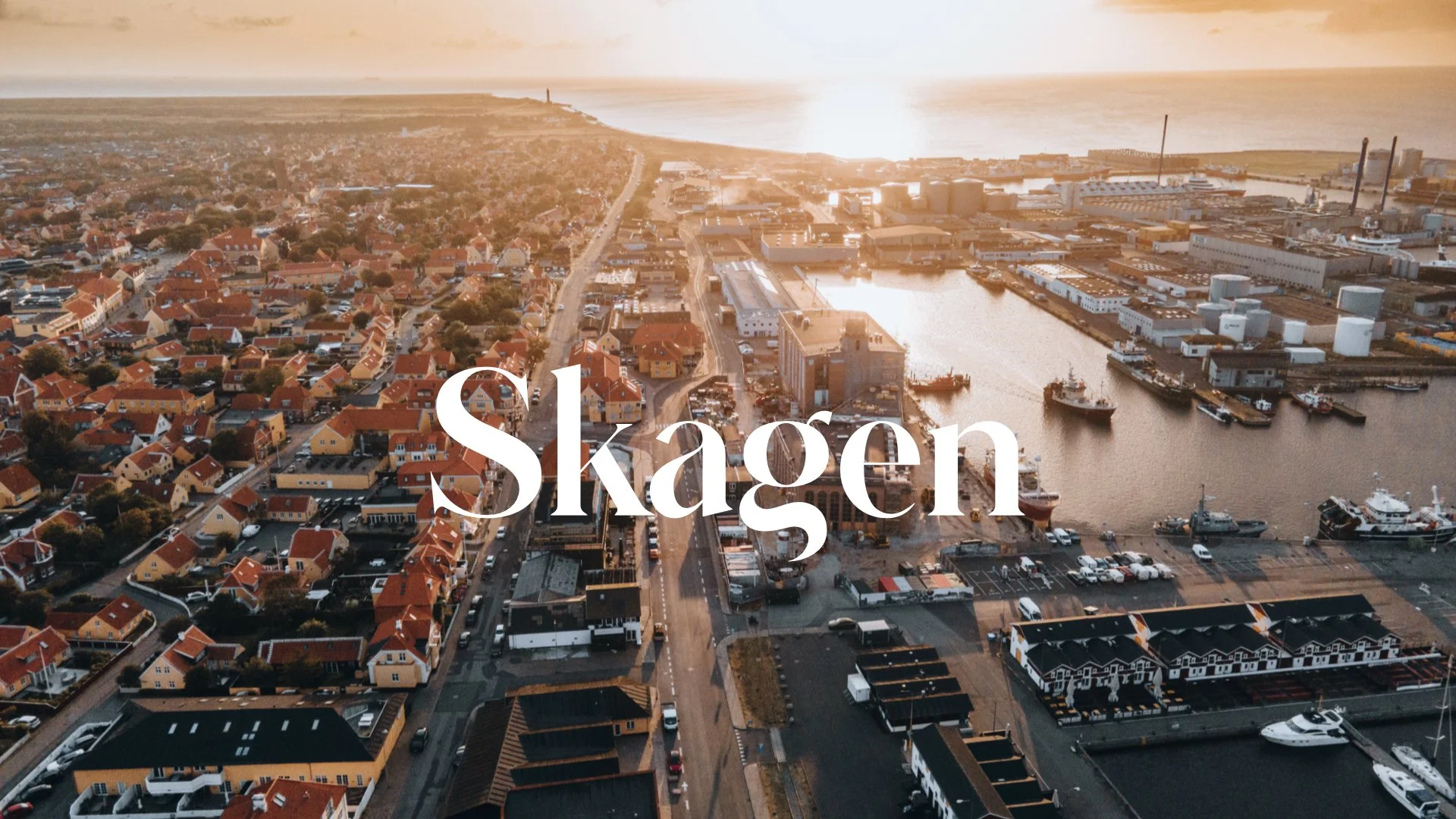
How to get to Skagen
Fly — The closest major airport to Skagen is Aalborg Airport (AAL), about 110 km south of Skagen. Aalborg Airport serves domestic flights and international connections within Europe, including low-cost carriers.
From Aalborg Airport to Skagen:
Car Rental - Major car rental companies operate at Aalborg Airport. Driving to Skagen takes about 1 hour 40 minutes via Route 40 (E45 and Route 40). This is the most flexible way to explore the northern tip of Denmark.
Bus - Bus 990X (Aalborg to Frederikshavn) connects with regional bus 380R to Skagen.
Duration: Approximately 3 hours from Aalborg Airport
Cost: Around 120–150 DKK one way
Frequency: 4–5 times daily depending on season
Tickets: Purchase via Rejseplanen app or onboard
Train - Take a train from Aalborg Airport (via Aalborg Station) to Frederikshavn, then transfer to the local train or bus to Skagen.
Duration: Around 2.5–3 hours total
Cost: About 180 DKK one way
Tickets: Purchase at the station, online via DSB, or Rejseplanen app
Taxi - Taxis are available outside Aalborg Airport arrivals.
Duration: About 1 hour 40 minutes to Skagen
Cost: Approximately 1,200–1,500 DKK
Payment: Cash and card accepted
Optional Ferry - If arriving from Norway or other coastal cities, ferries to Frederikshavn are available, then continue by car, bus, or train to Skagen.
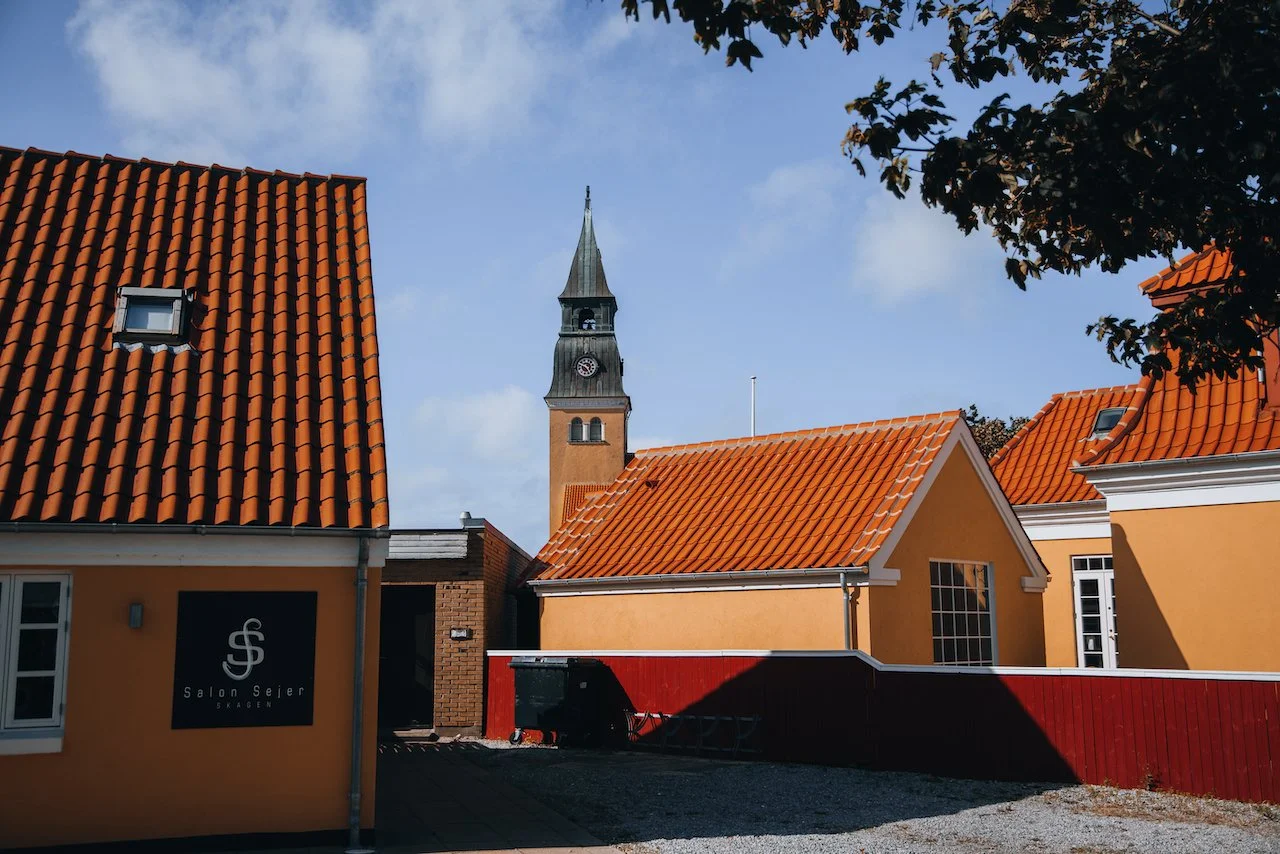
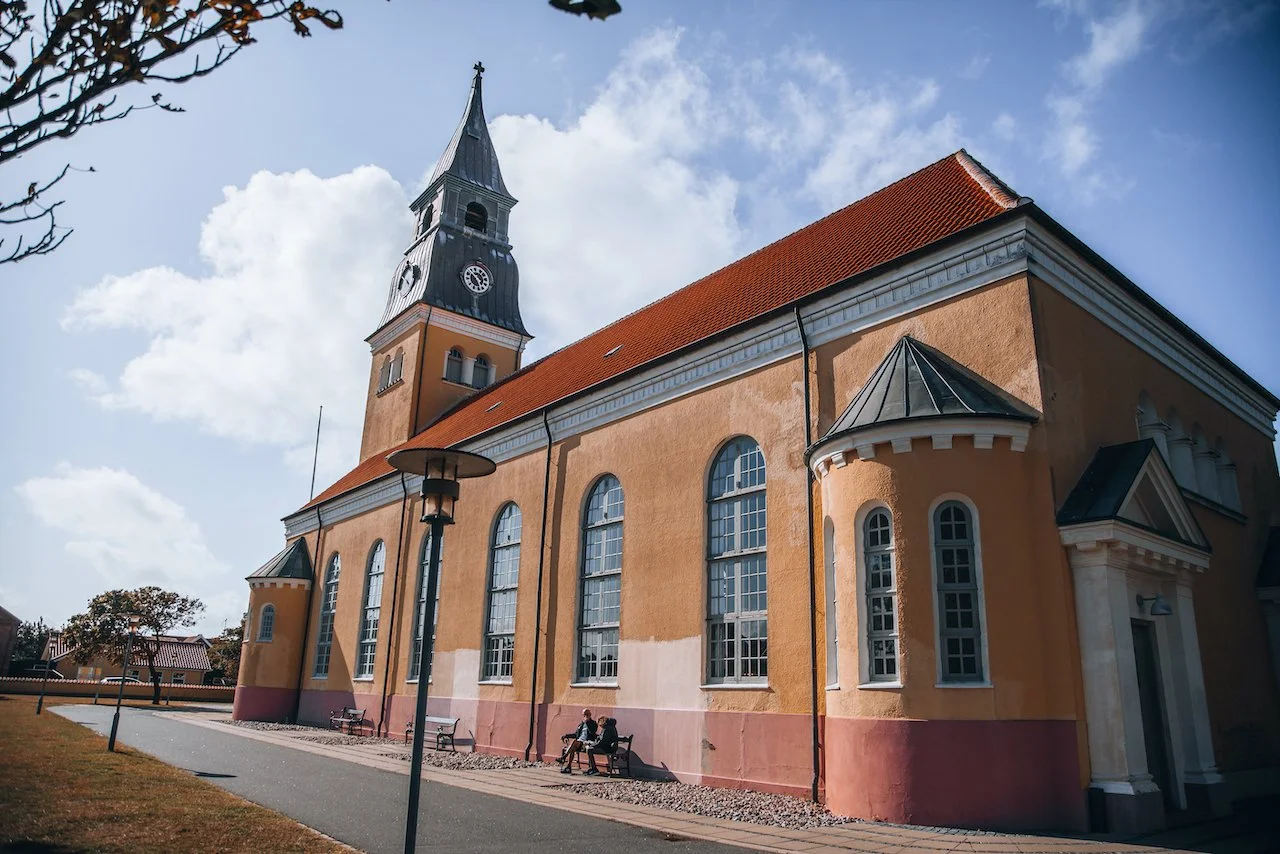
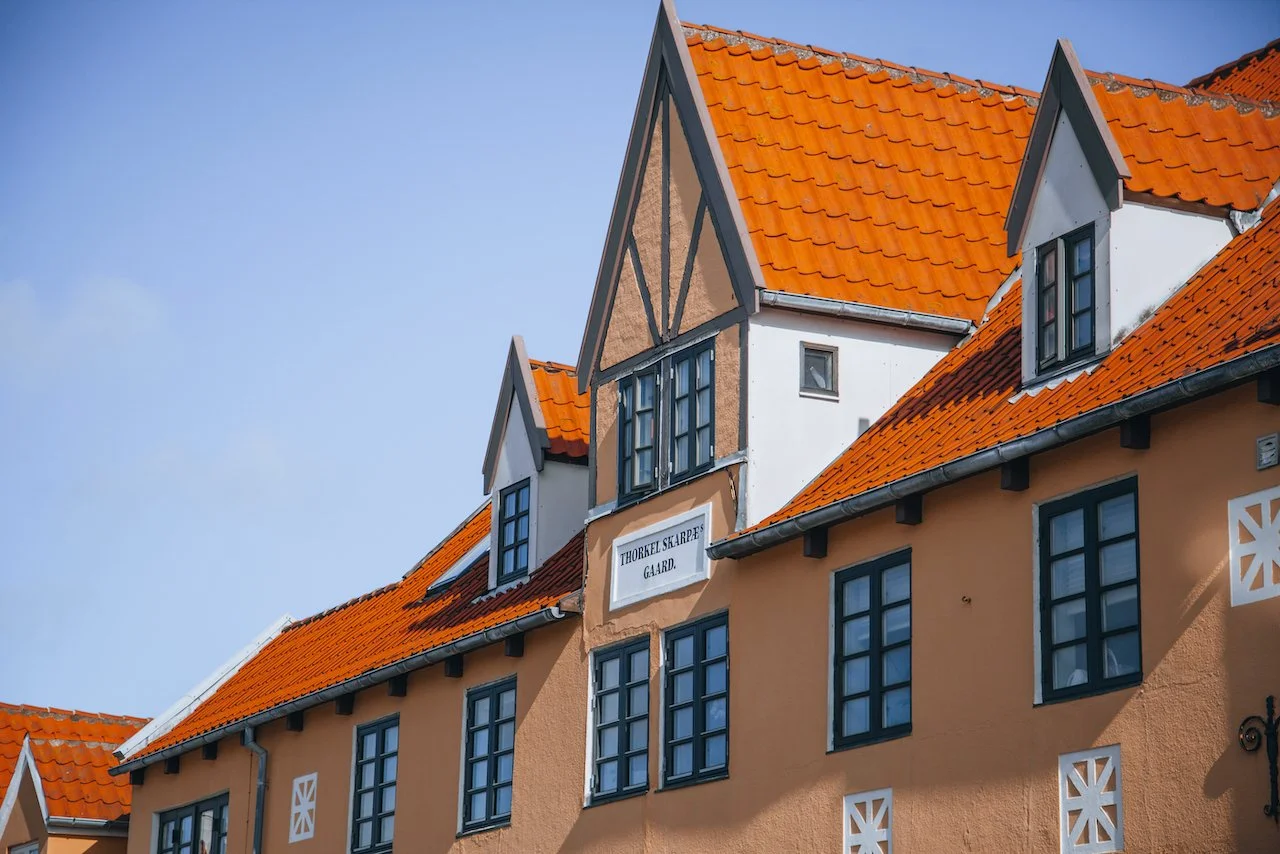
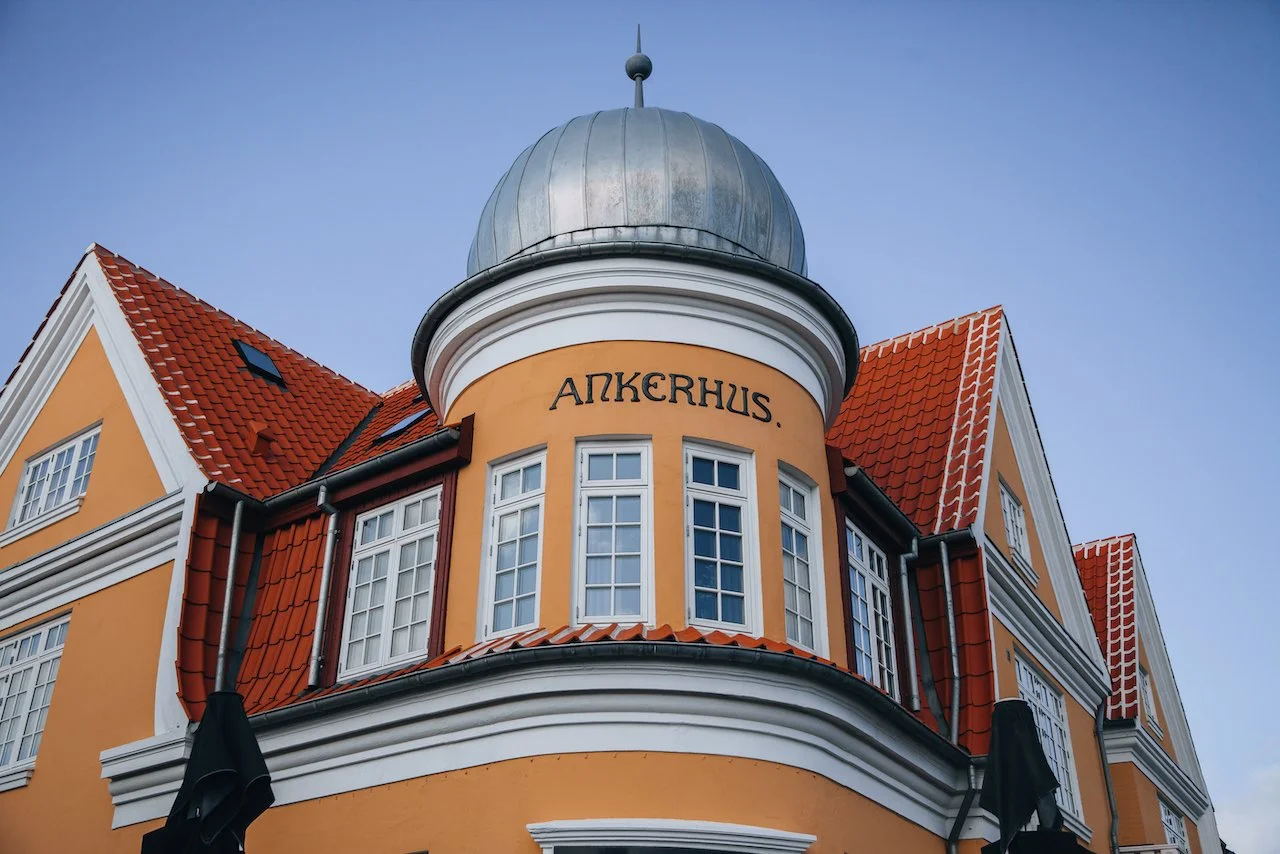
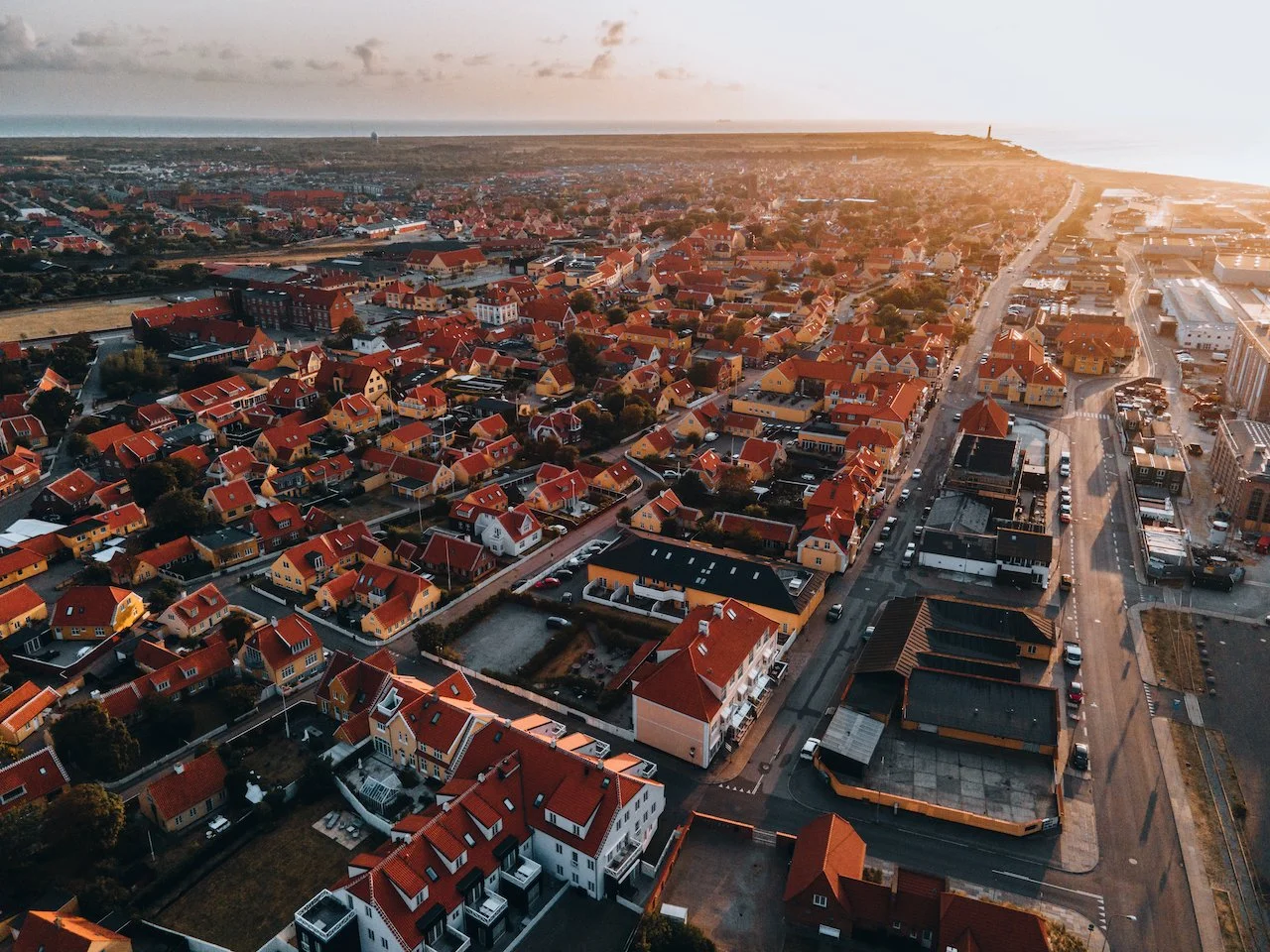
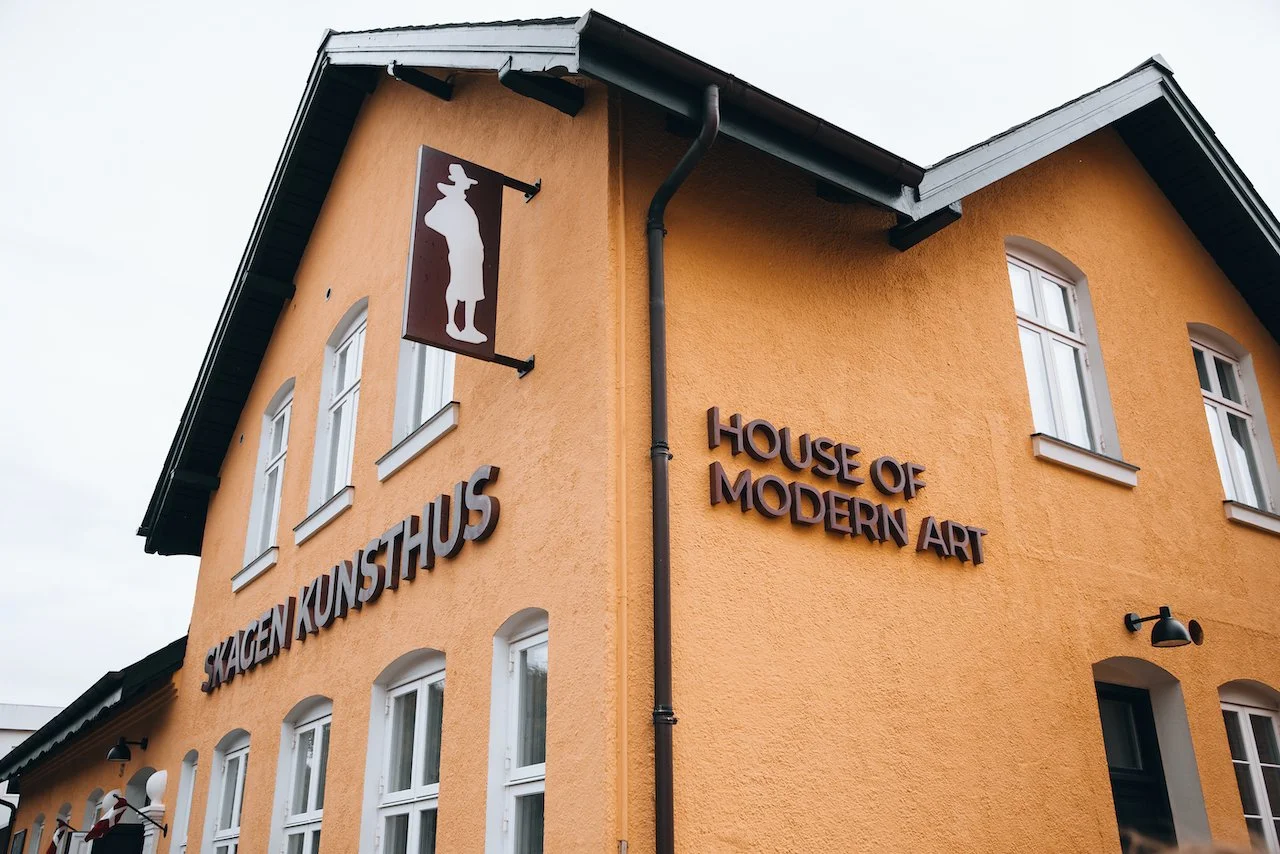
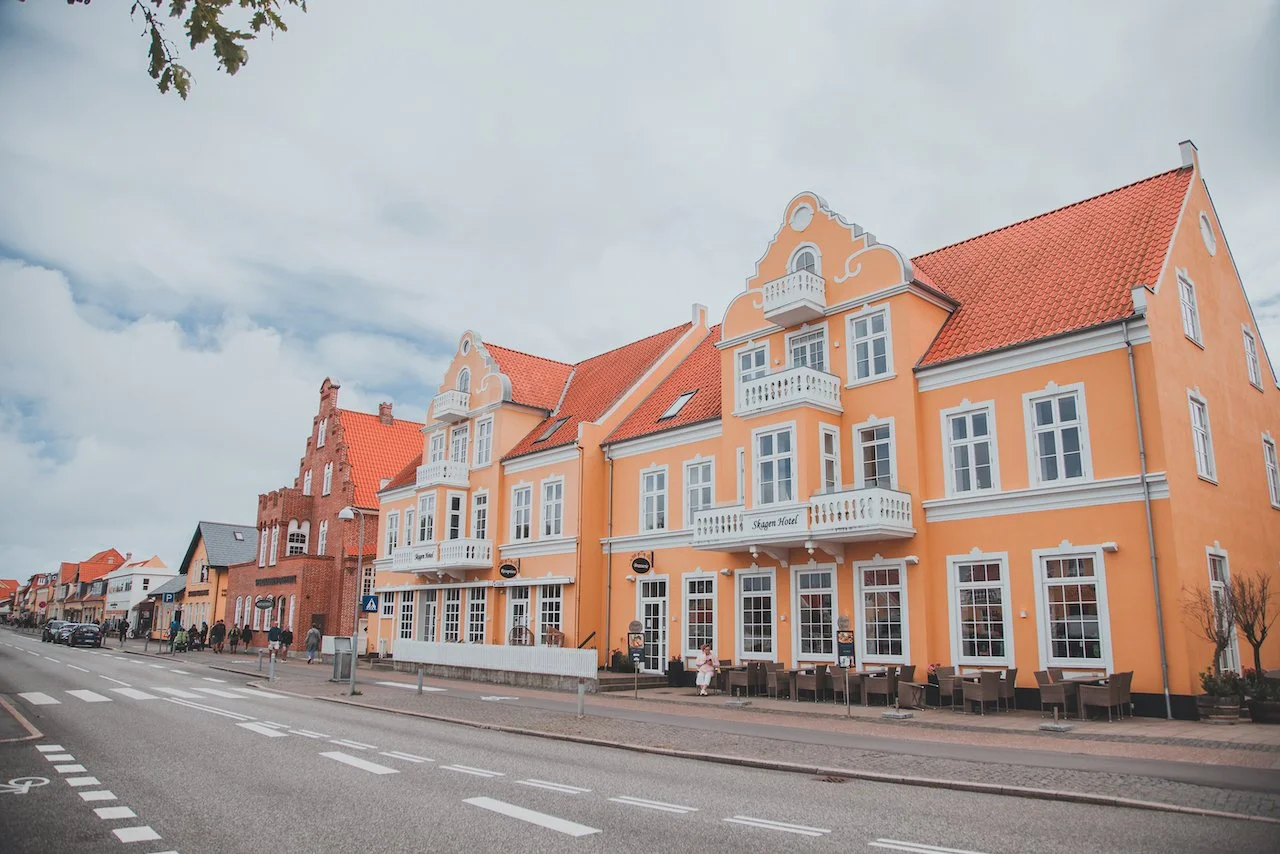
Skagen
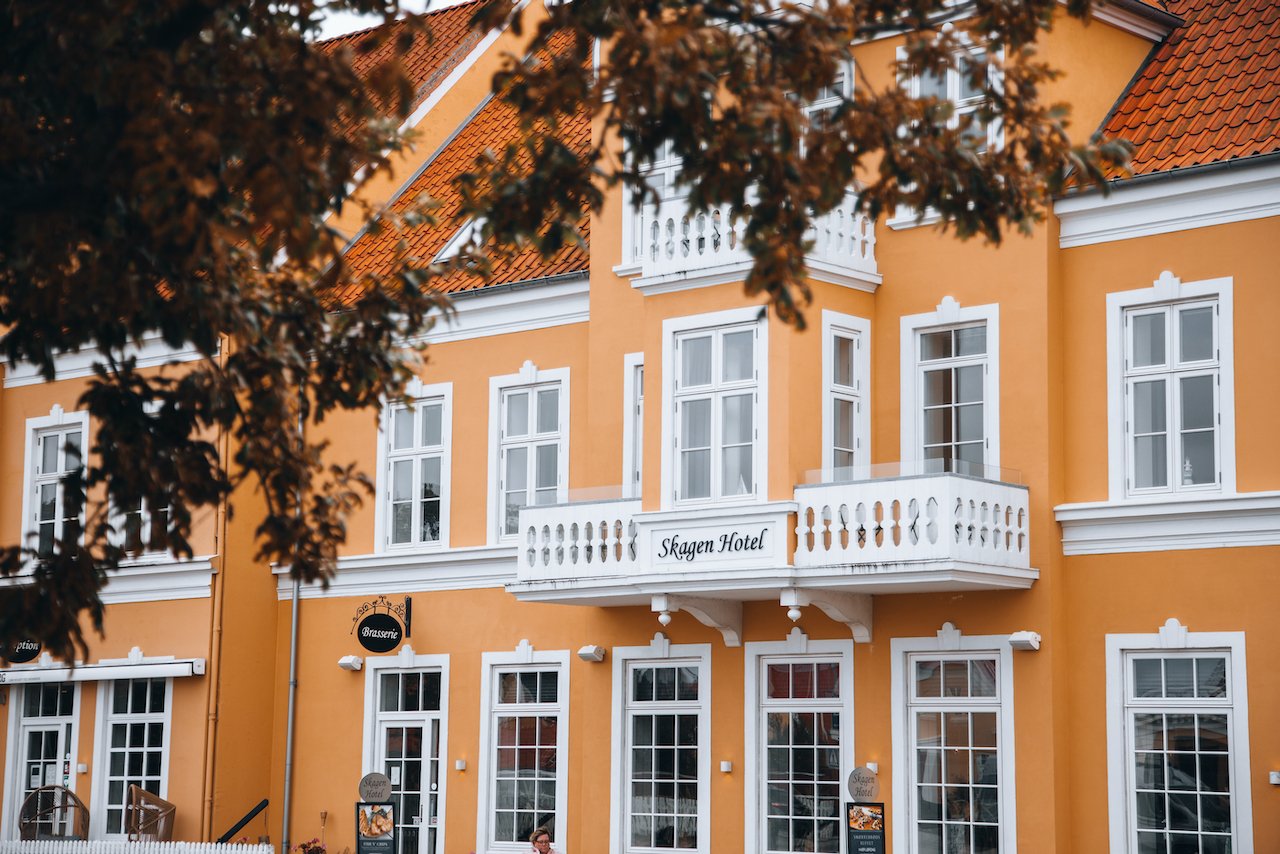
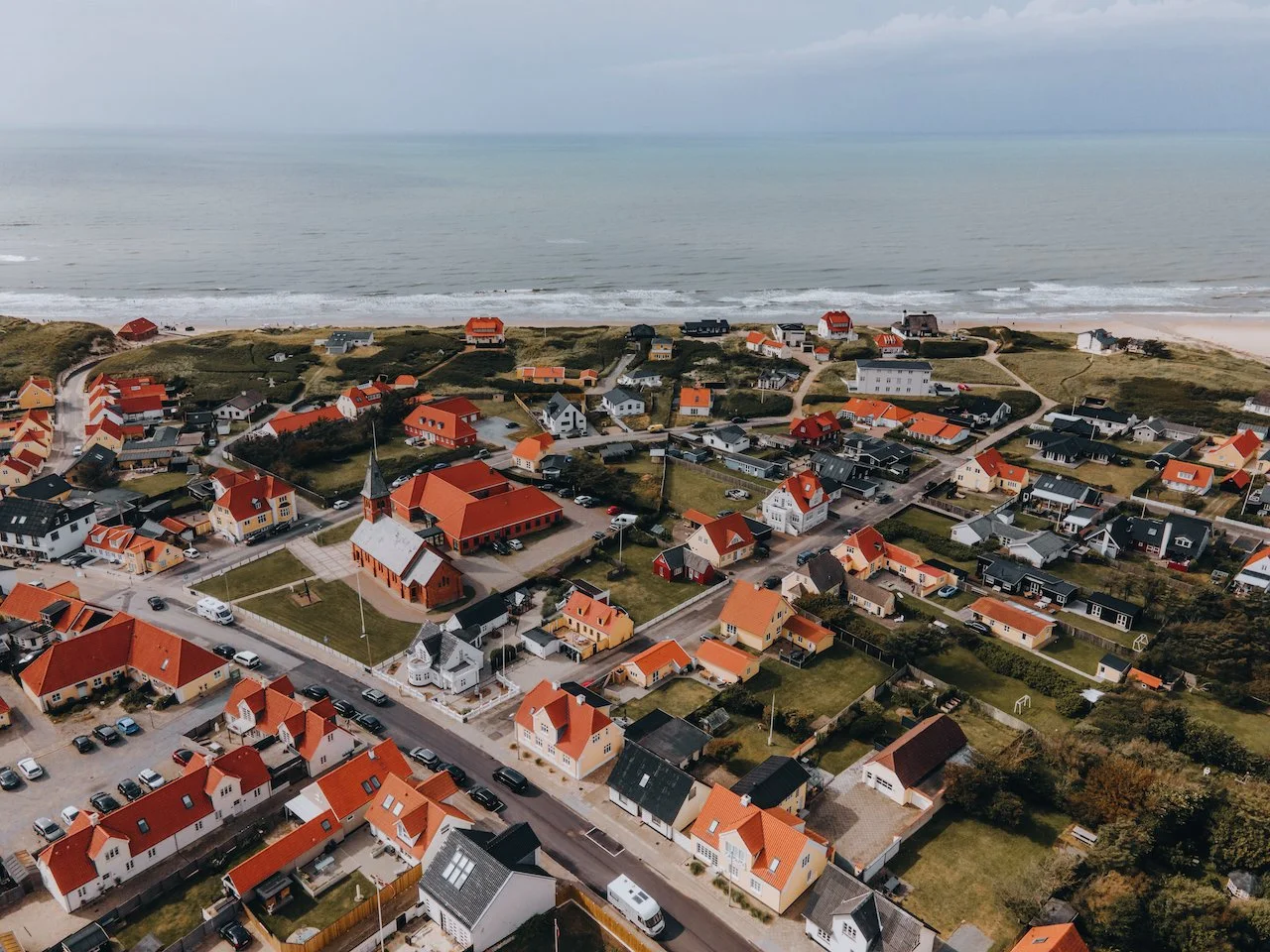
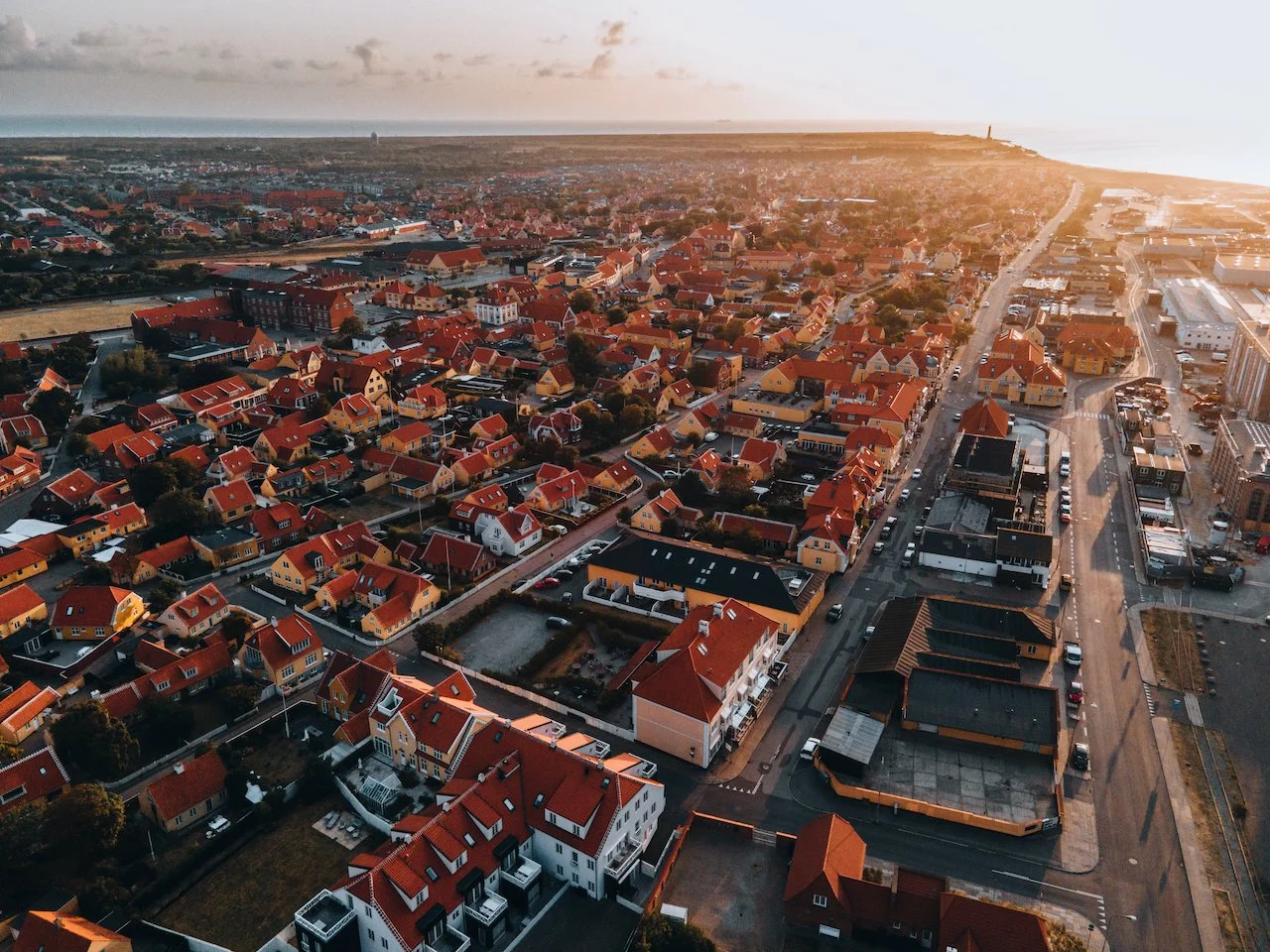
Skagen is Denmark’s northernmost town, renowned for its sandy beaches, iconic yellow houses, and golden light that inspired generations of painters. With its unique location where the North Sea and Baltic Sea meet nearby, Skagen offers both cultural heritage and natural beauty. This vibrant town is the perfect starting point for exploring North Jutland.
Skagen Museum – Home to works by the famous Skagen Painters, this museum showcases the art and culture that put Skagen on the map. Visitors can explore exhibits and learn how the light and landscapes shaped Denmark’s most iconic art movement.
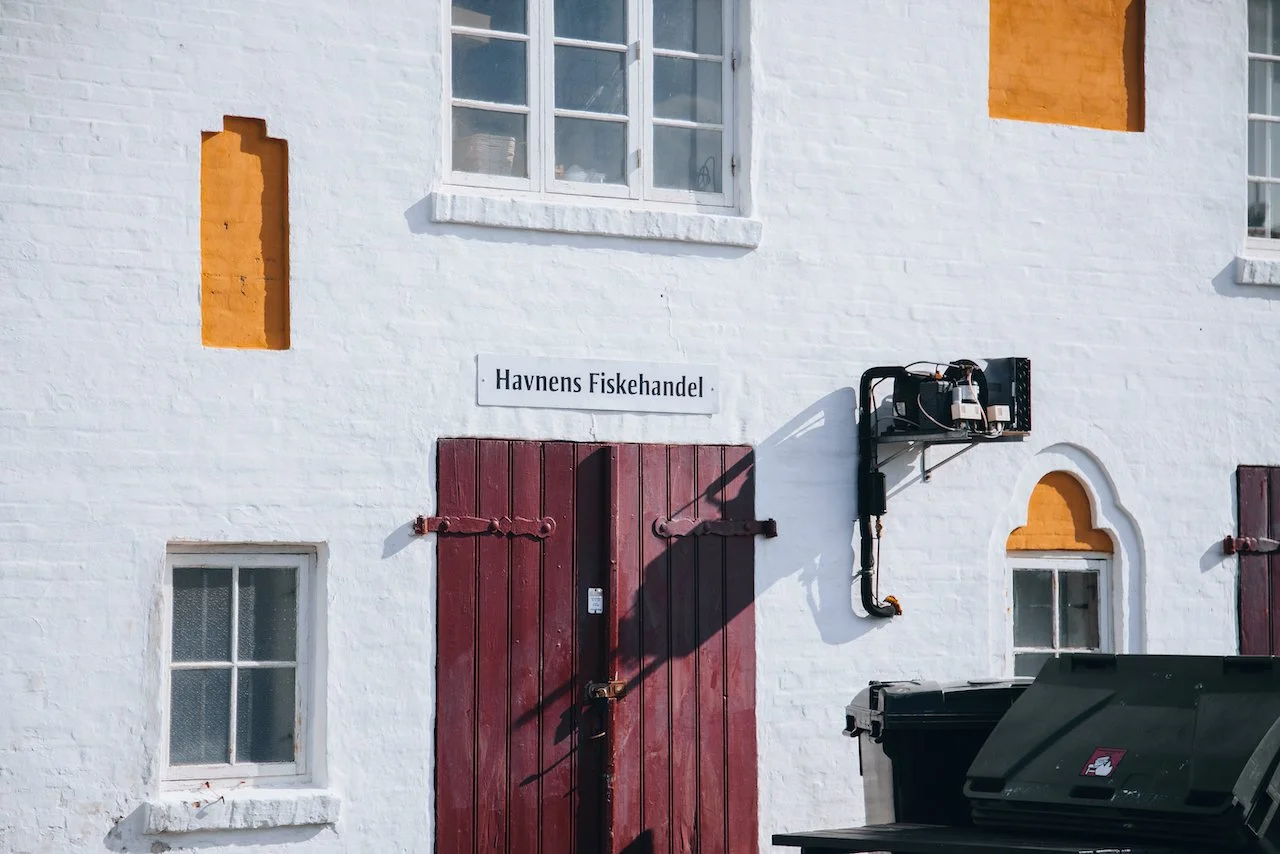
Skagen Harbour – A bustling hub of fishing boats, seafood restaurants, and colorful houses, the harbour reflects Skagen’s maritime heritage. Enjoy fresh fish straight from the sea while watching the boats come and go.
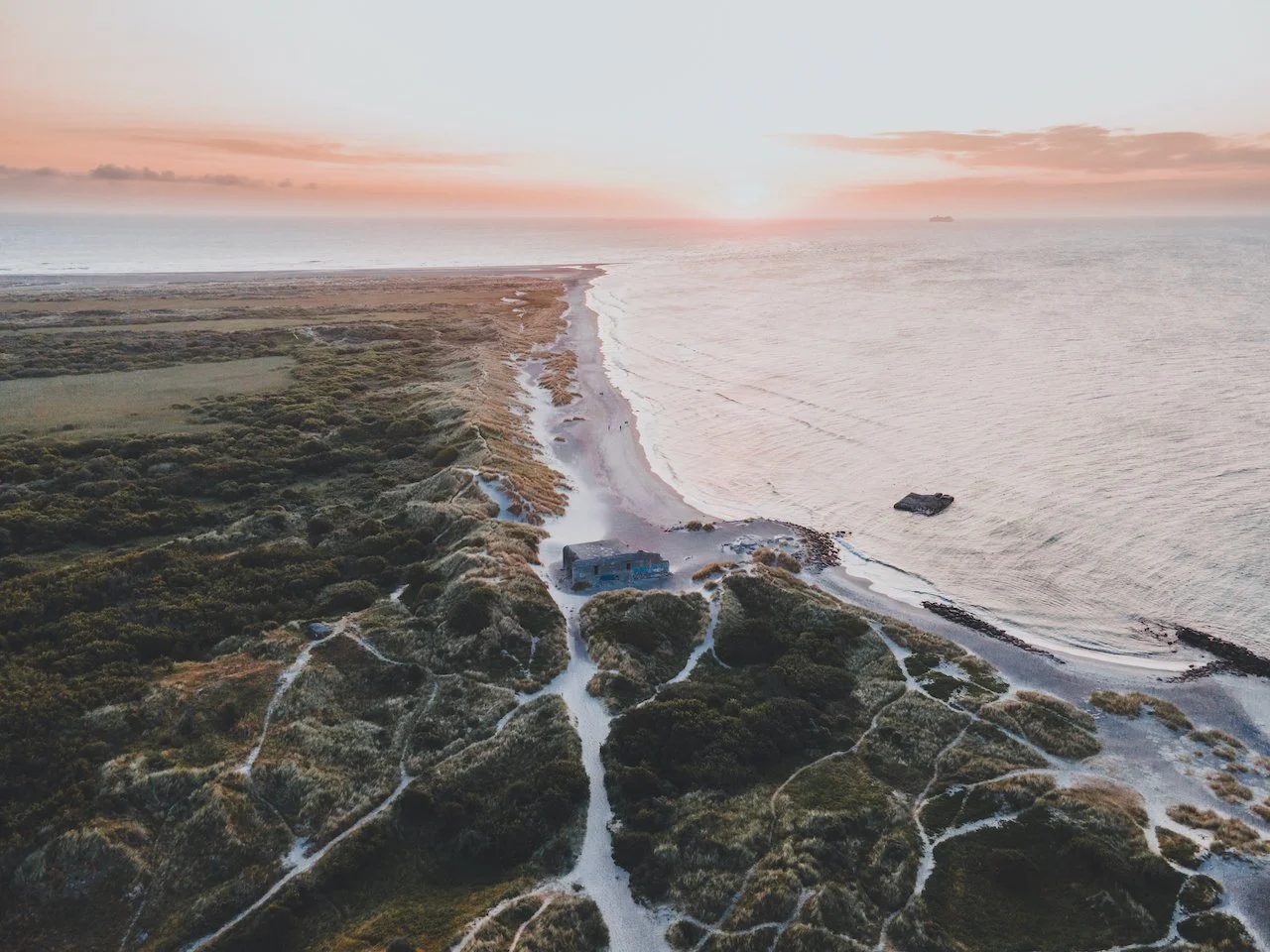
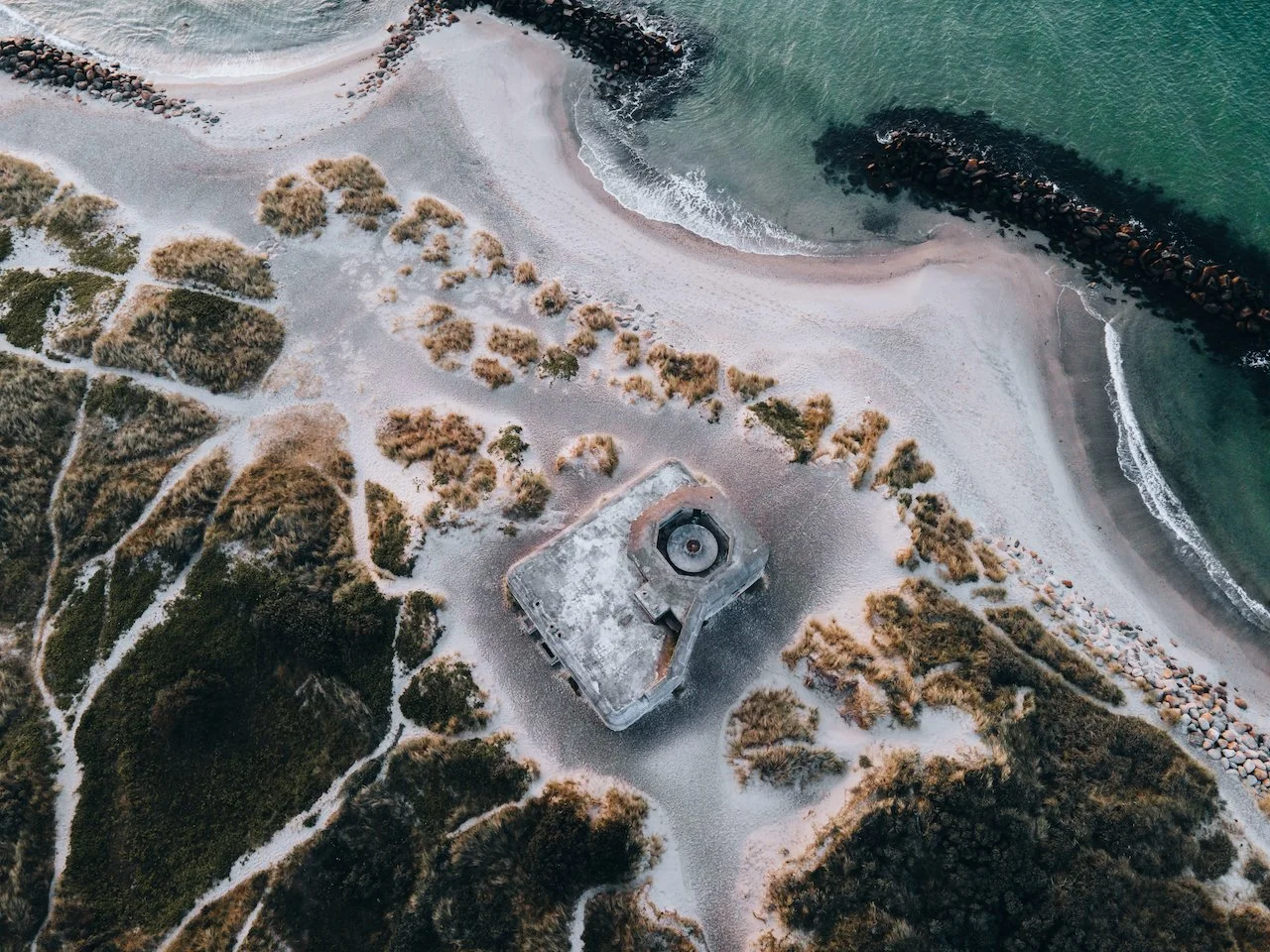
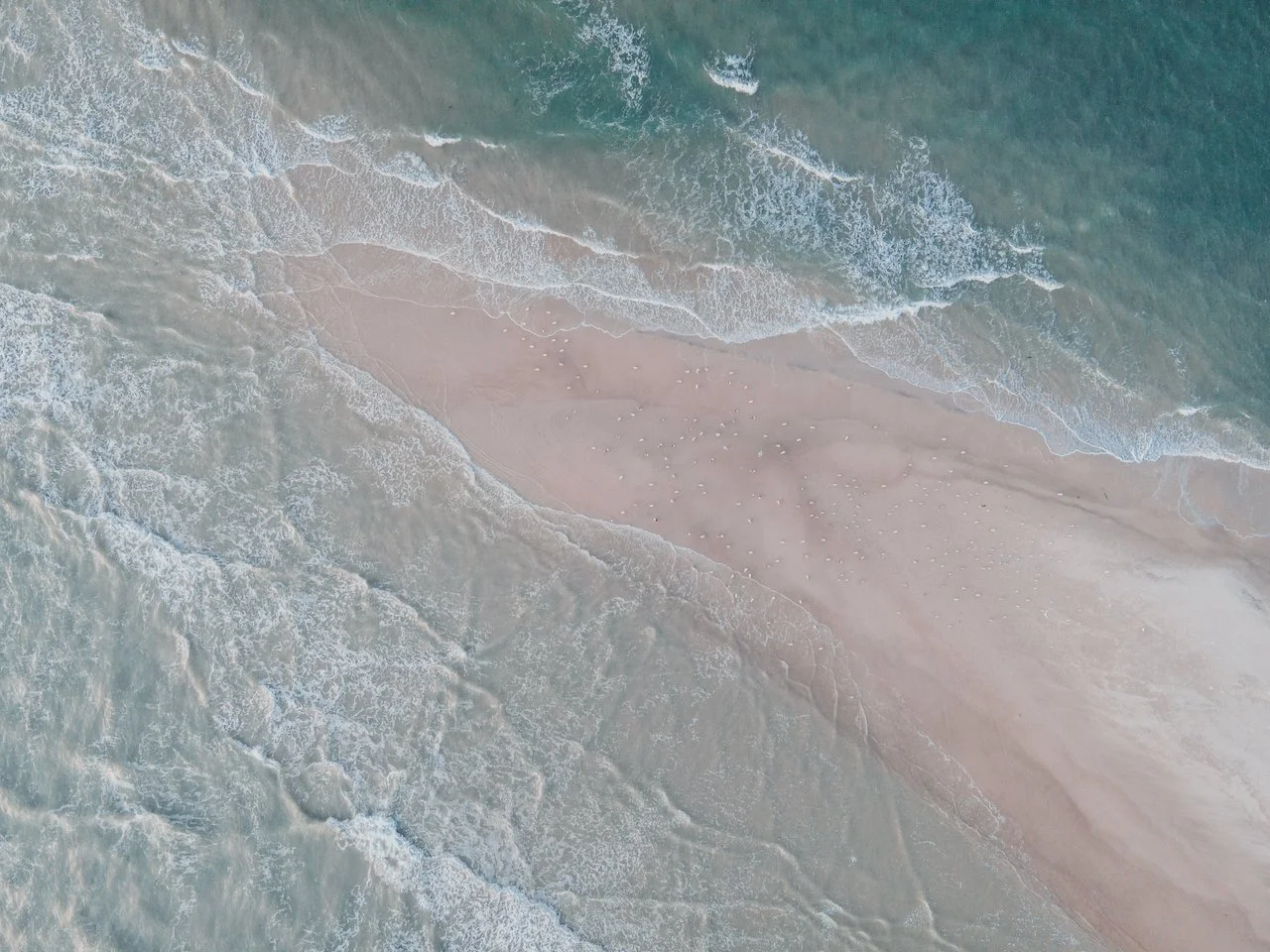
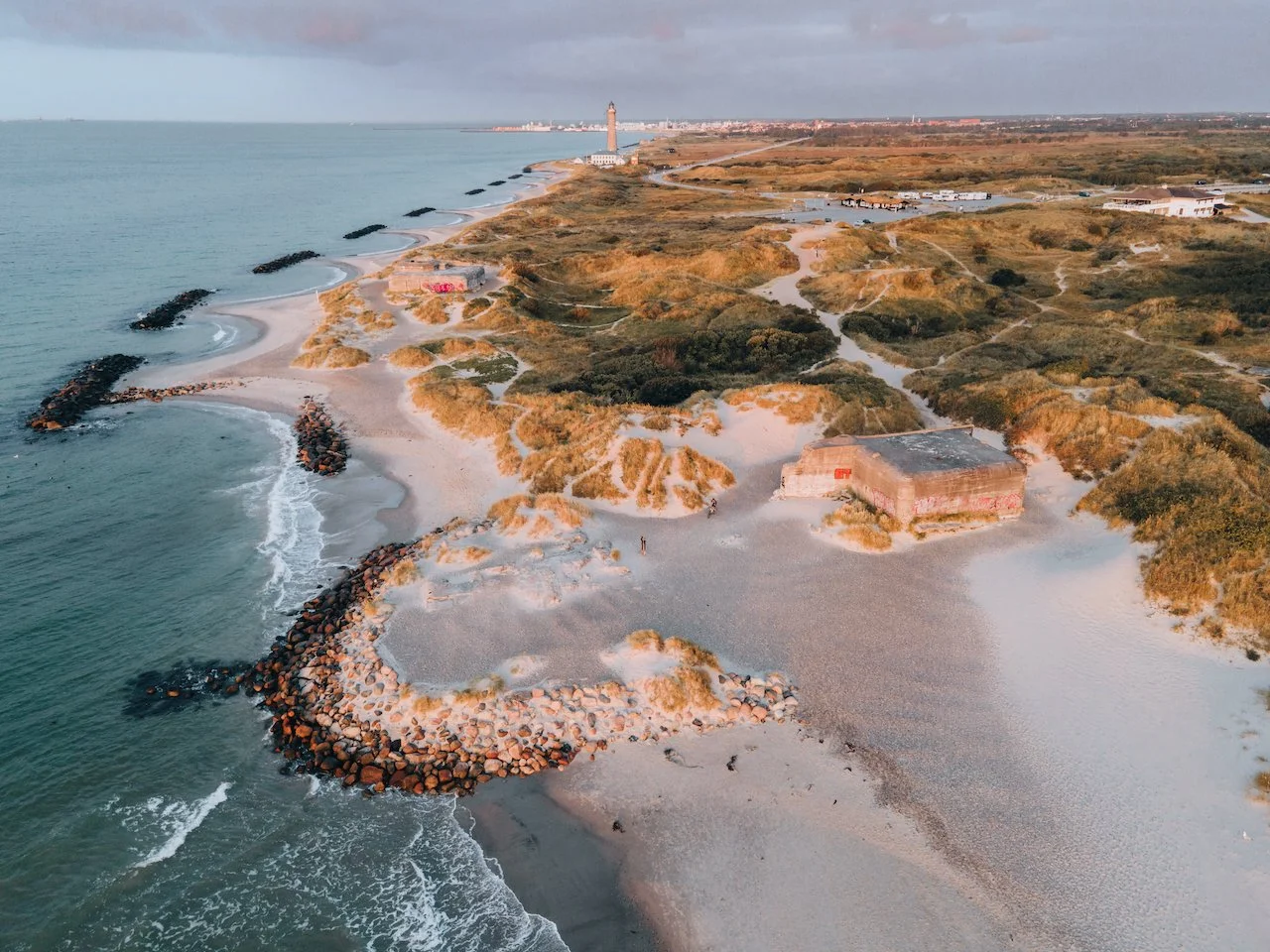
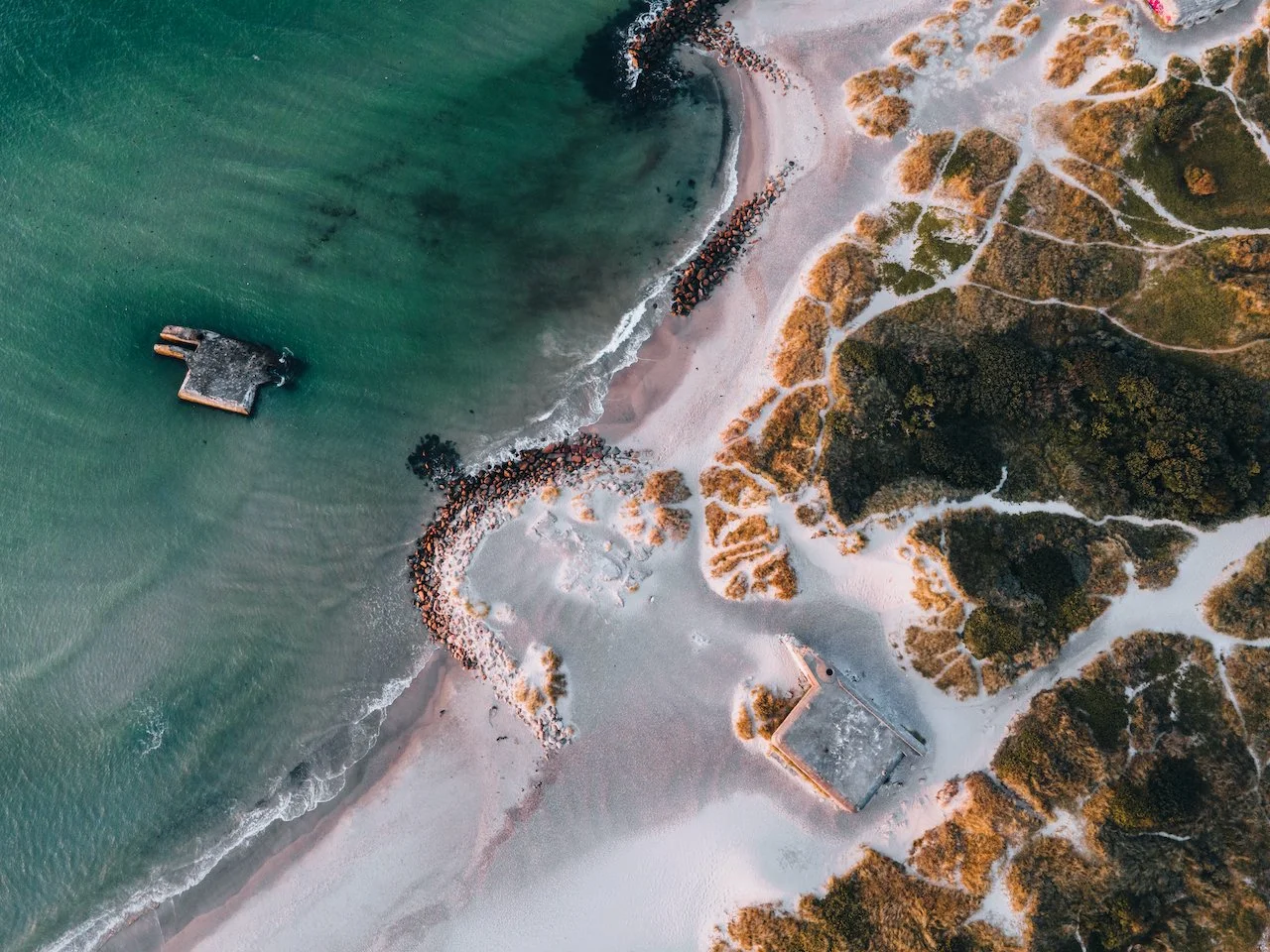
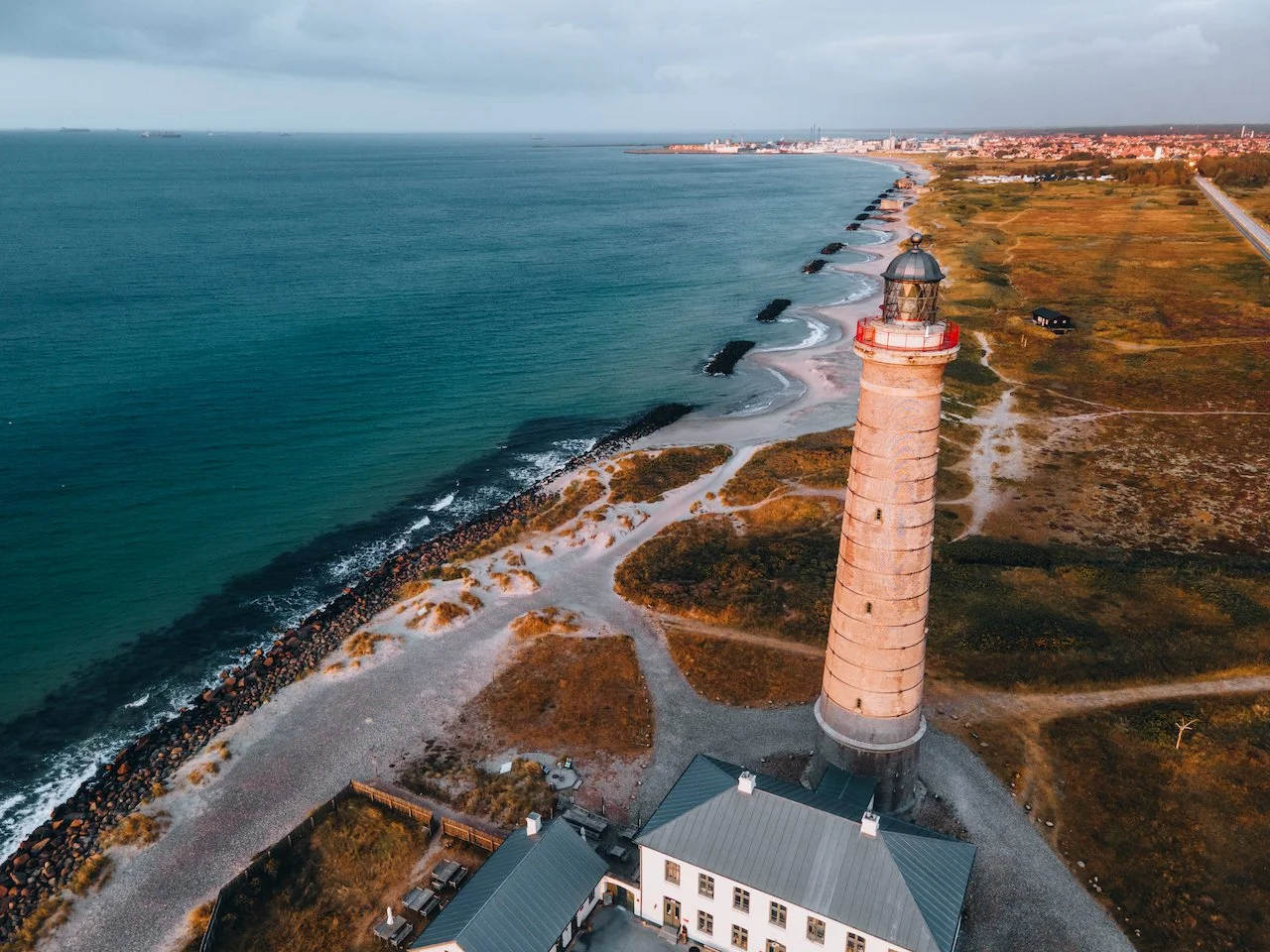
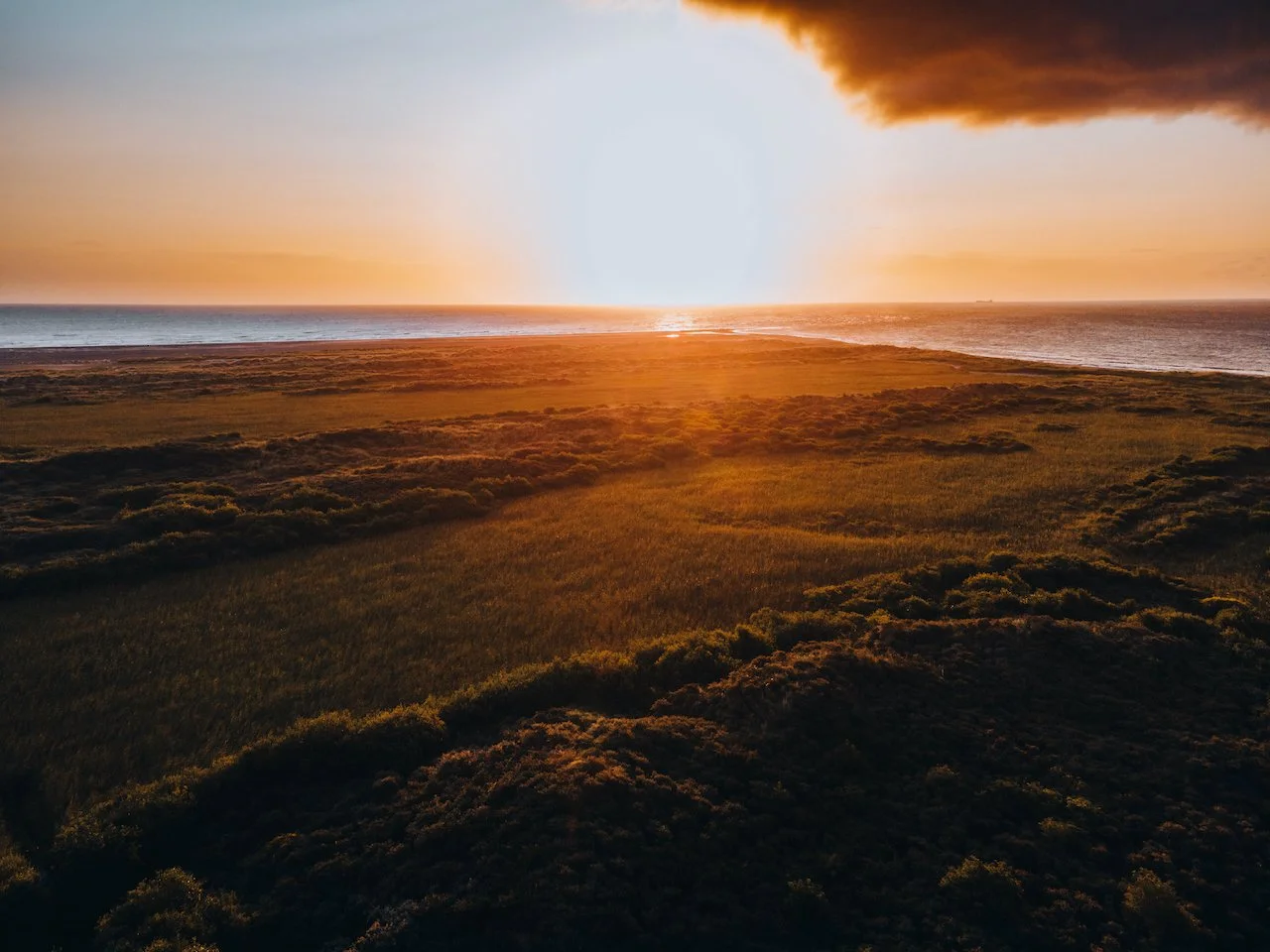
Grenen
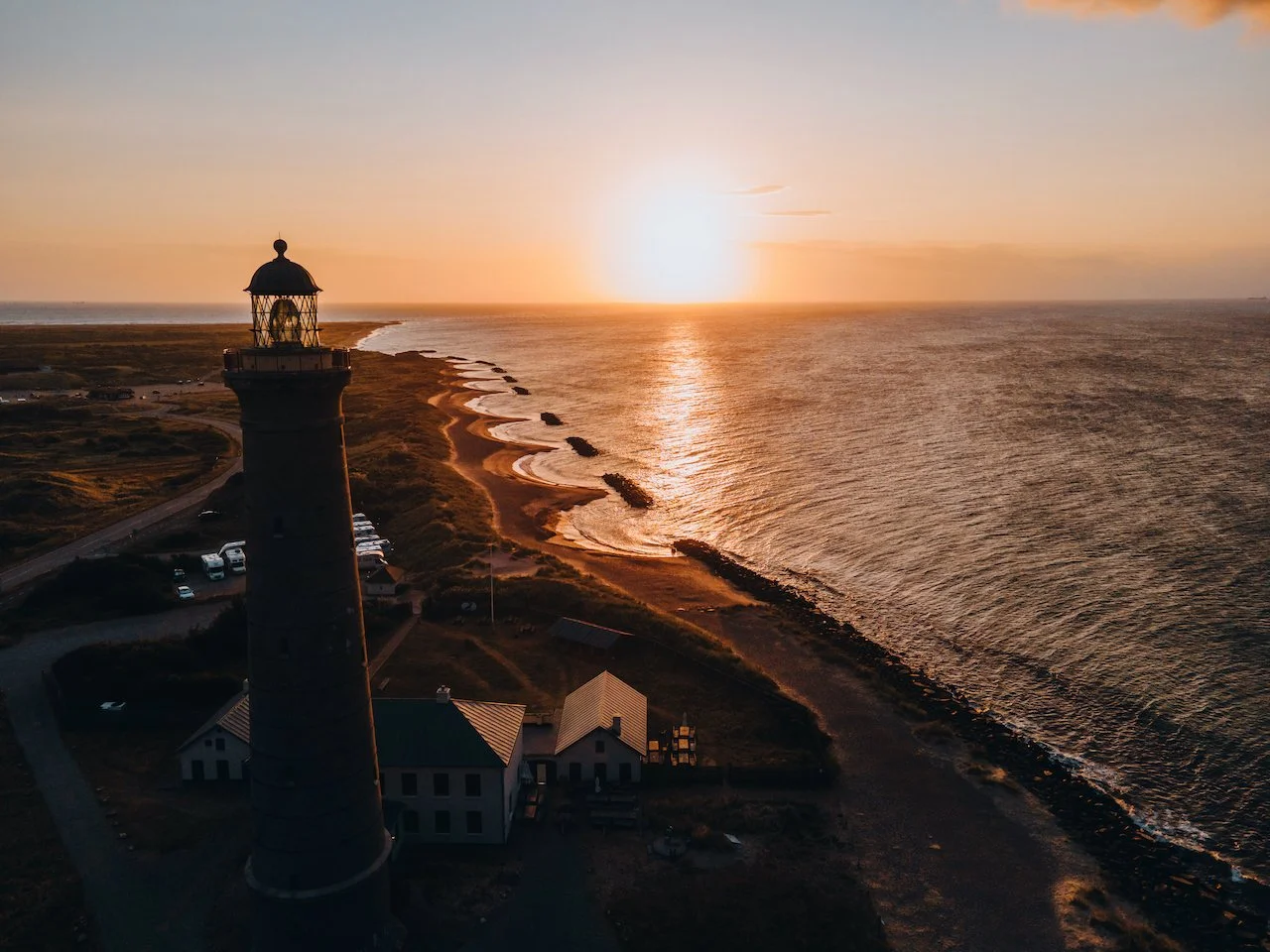
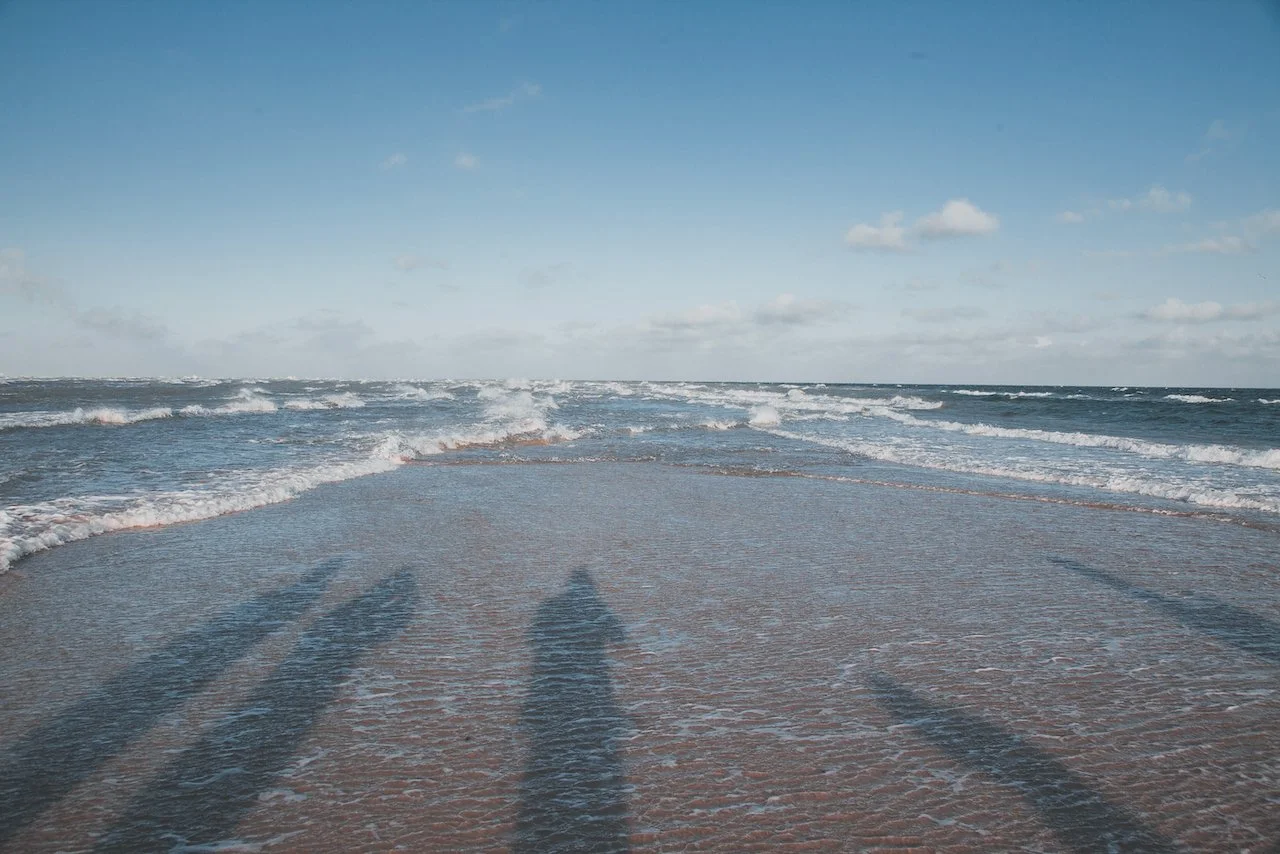
Grenen is the northernmost tip of Denmark, where the Skagerrak and Kattegat seas dramatically collide. Standing with one foot in each sea is a must-do experience for visitors, making Grenen a natural highlight of North Jutland. The area is also rich in birdlife and shifting sands that create a constantly changing landscape.
Sandbar Walk – Walking along the sandbar to the point where the seas meet offers a once-in-a-lifetime photo opportunity. The mix of crashing waves and endless horizons makes it one of Denmark’s most unique natural experiences.
Bird Watching at Grenen – Grenen is a hotspot for birdwatchers, especially during migration seasons in spring and autumn. Species such as skuas, terns, and kittiwakes can often be spotted along the shorelines.
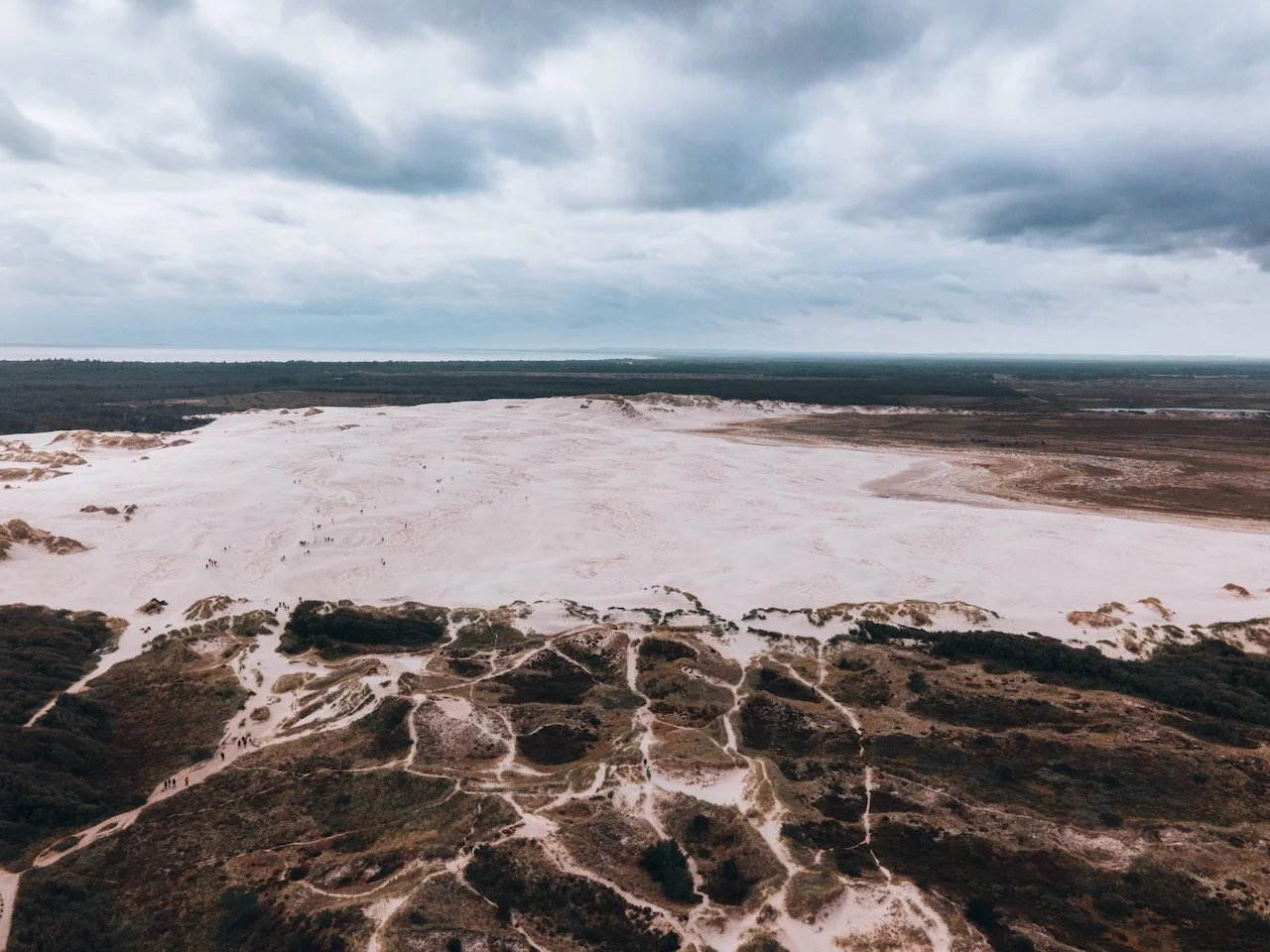
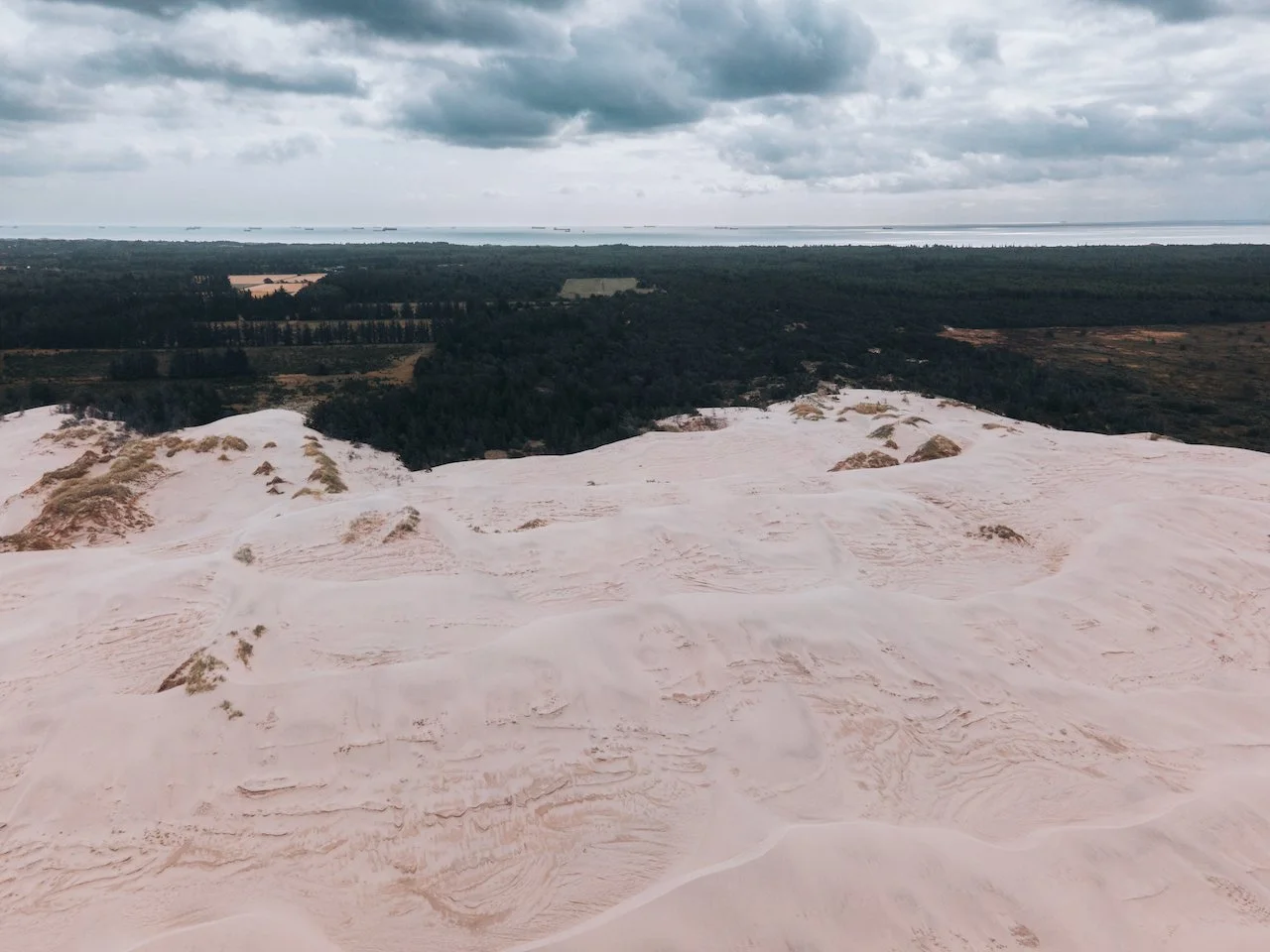
Råbjerg Mile
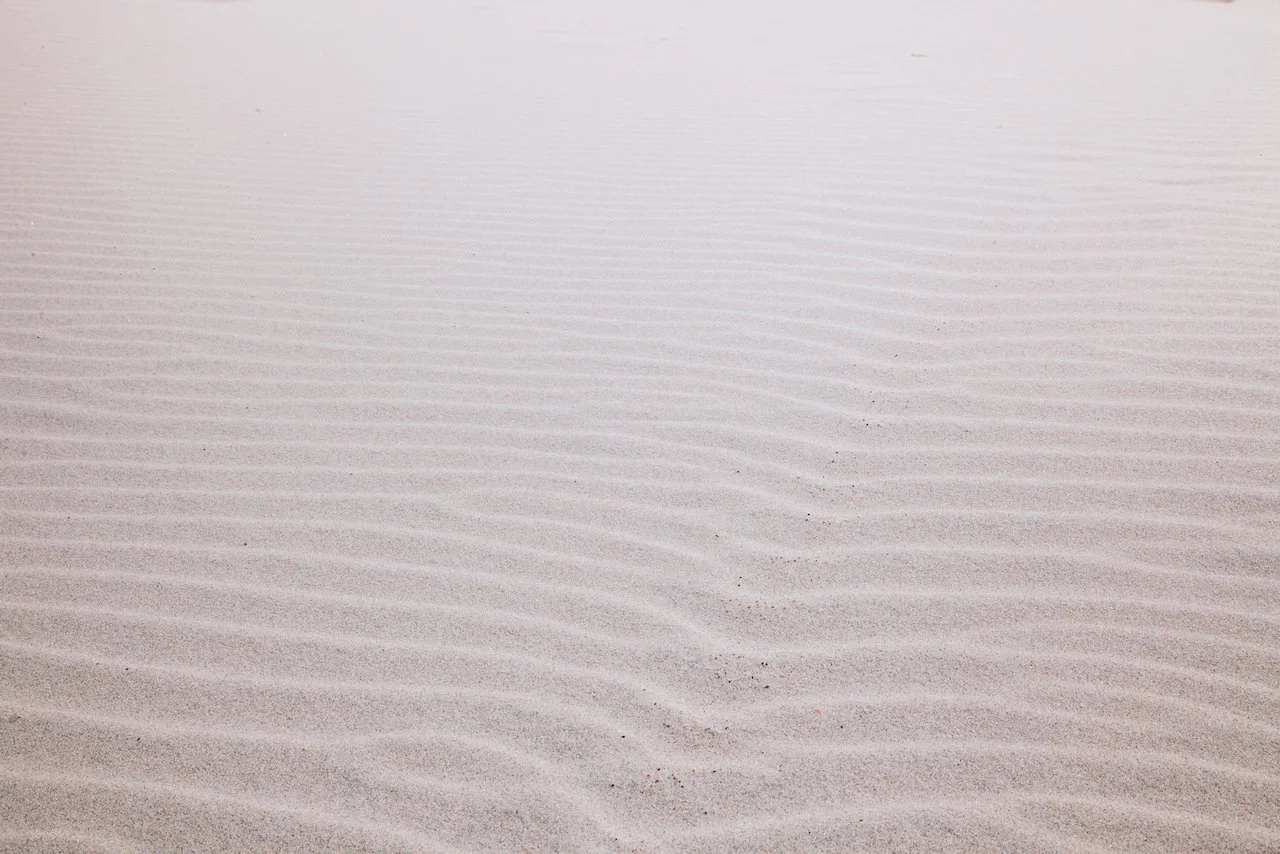
Råbjerg Mile is Europe’s largest migrating sand dune, often described as Denmark’s desert. Moving several meters each year, this enormous dune creates a surreal and ever-changing landscape. It’s a remarkable place for hiking, family outings, and photography.
Dune Hiking – Climb and wander the sandy peaks for panoramic views of the surrounding countryside. The experience feels otherworldly, as if you’ve stepped into a desert in the middle of Scandinavia.
Photography Spots – Capture the contrast of golden dunes against blue skies and distant forests. Råbjerg Mile is especially photogenic at sunrise and sunset when the colors transform the landscape.
Rubjerg Knude
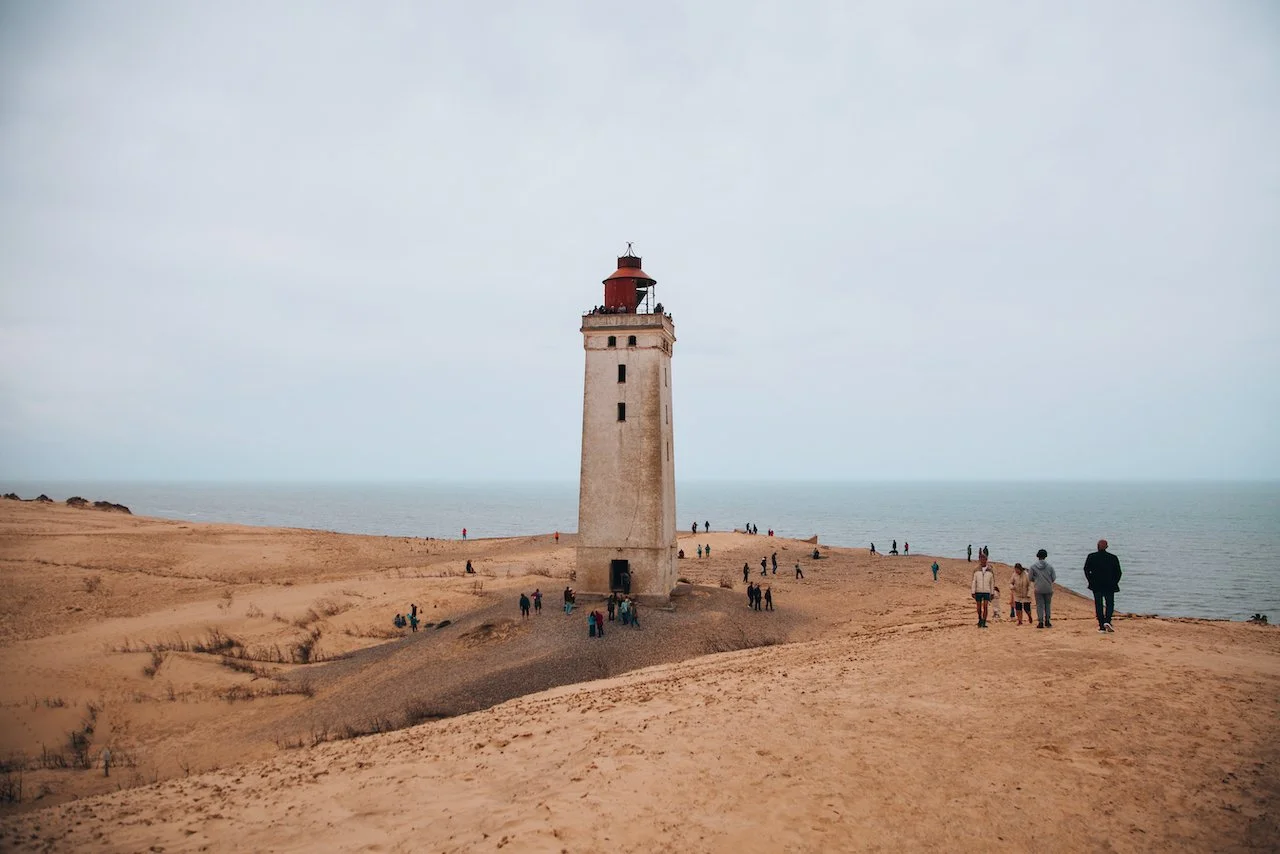
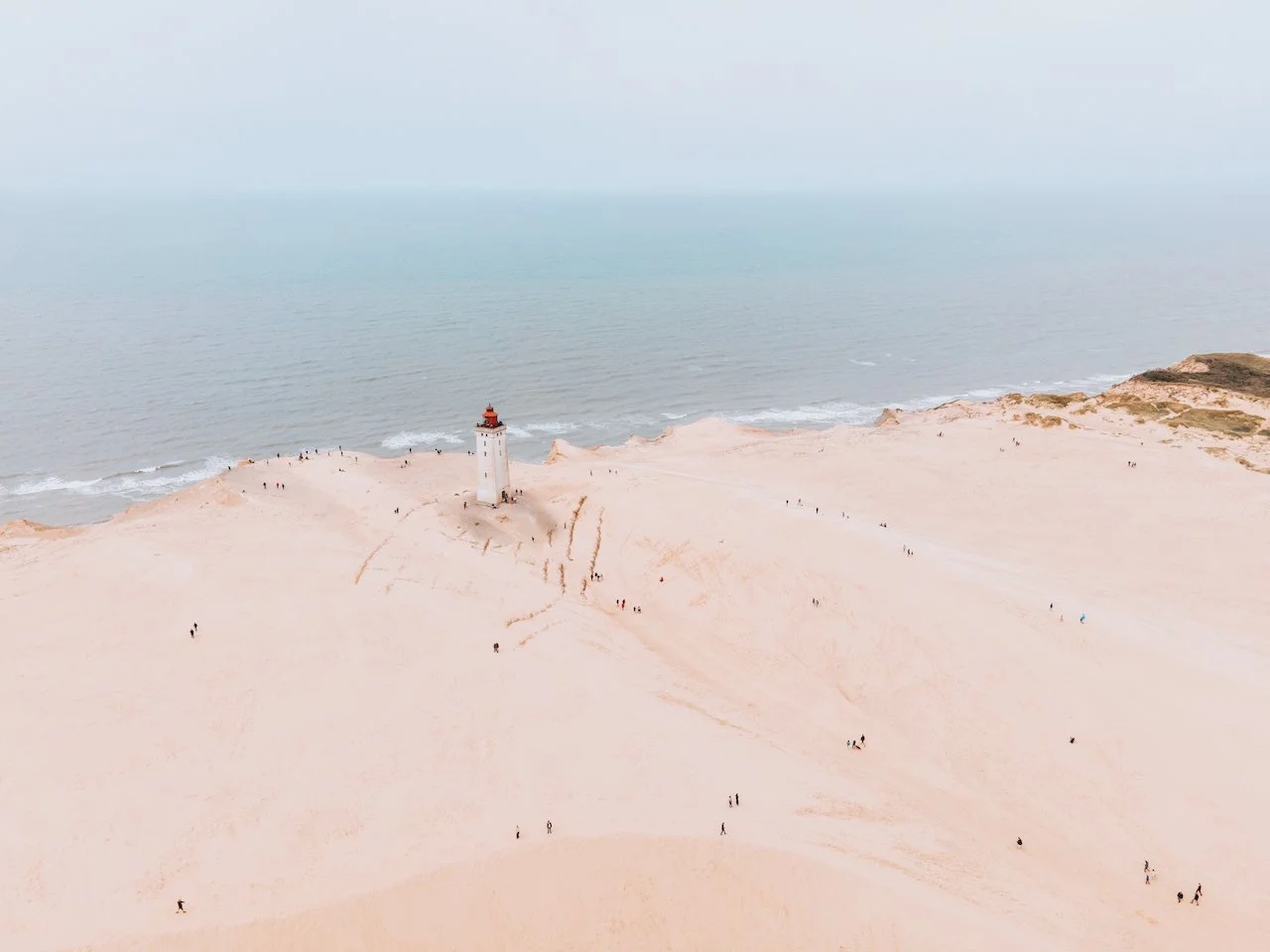
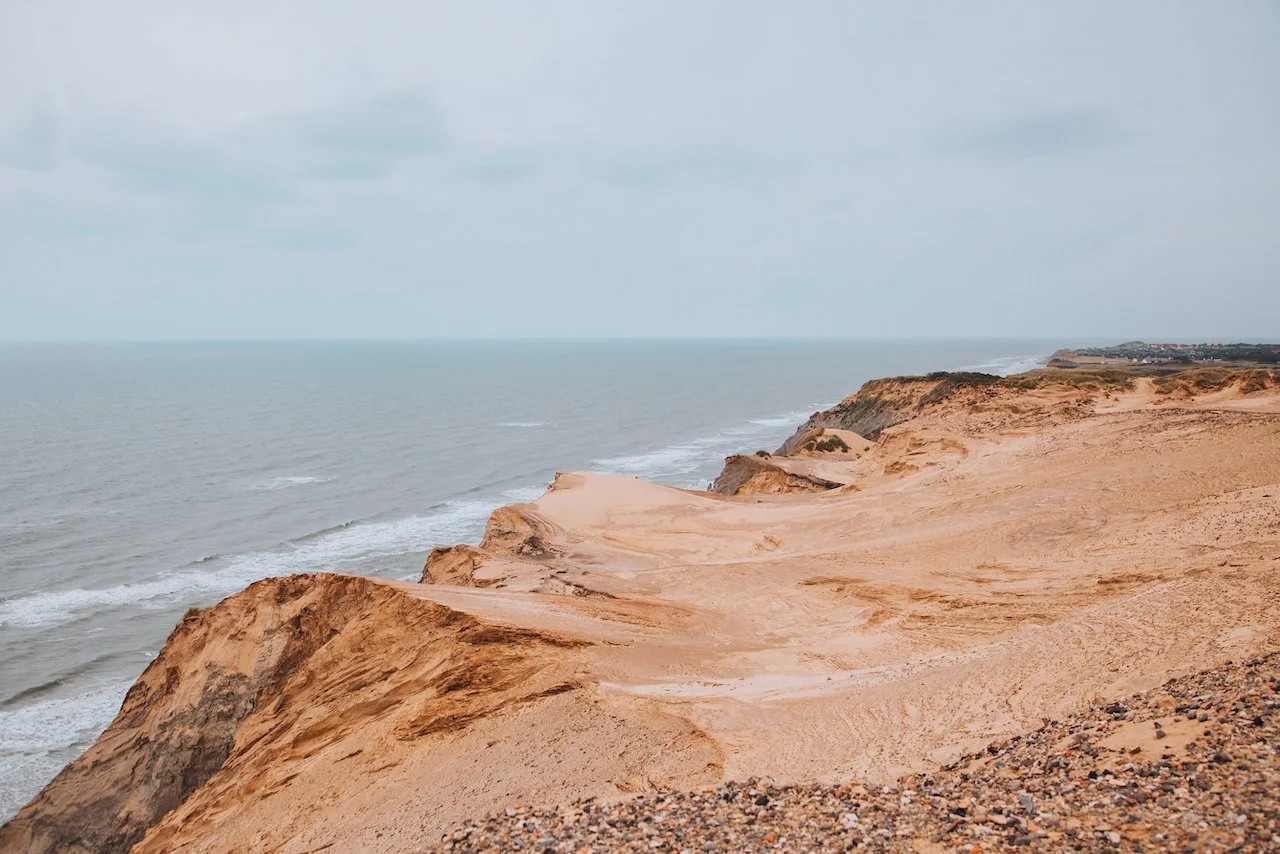
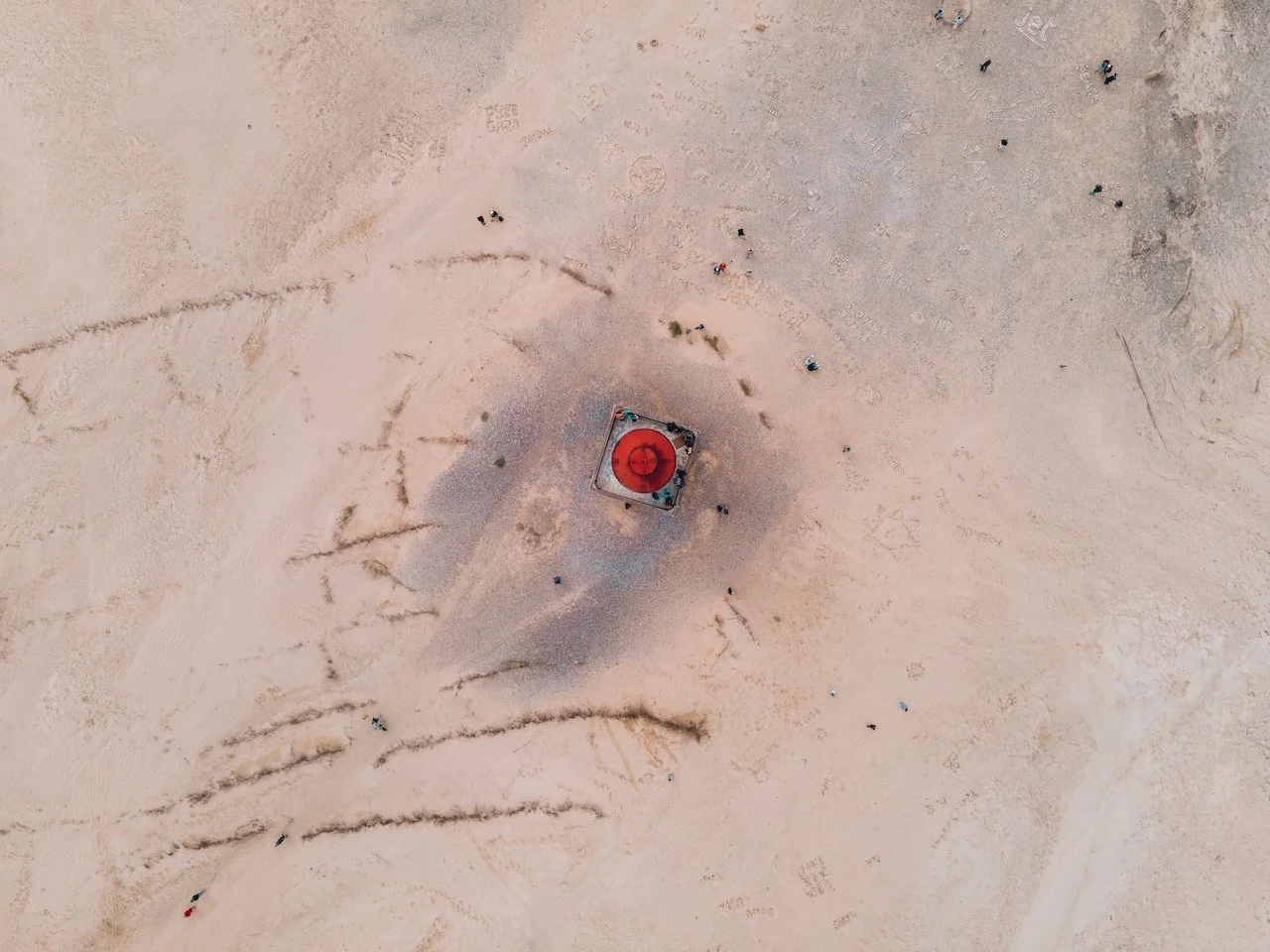
Rubjerg Knude is one of Denmark’s most dramatic natural sites, featuring towering dunes and a historic lighthouse on the edge of a crumbling cliff. The Rubjerg Knude Lighthouse was famously moved inland in 2019 to save it from erosion. Today, it remains one of the most popular landmarks in North Jutland.
Rubjerg Knude Lighthouse – Visitors can climb to the top for breathtaking views of the North Sea and surrounding dunes. Inside, you’ll also find exhibits explaining the history of the lighthouse and the battle against coastal erosion.
Clifftop Walks – Scenic trails along the cliffs give panoramic views of the wild coastline. These walks are especially stunning at sunset when the light casts golden hues across the sea and dunes.
Løkken
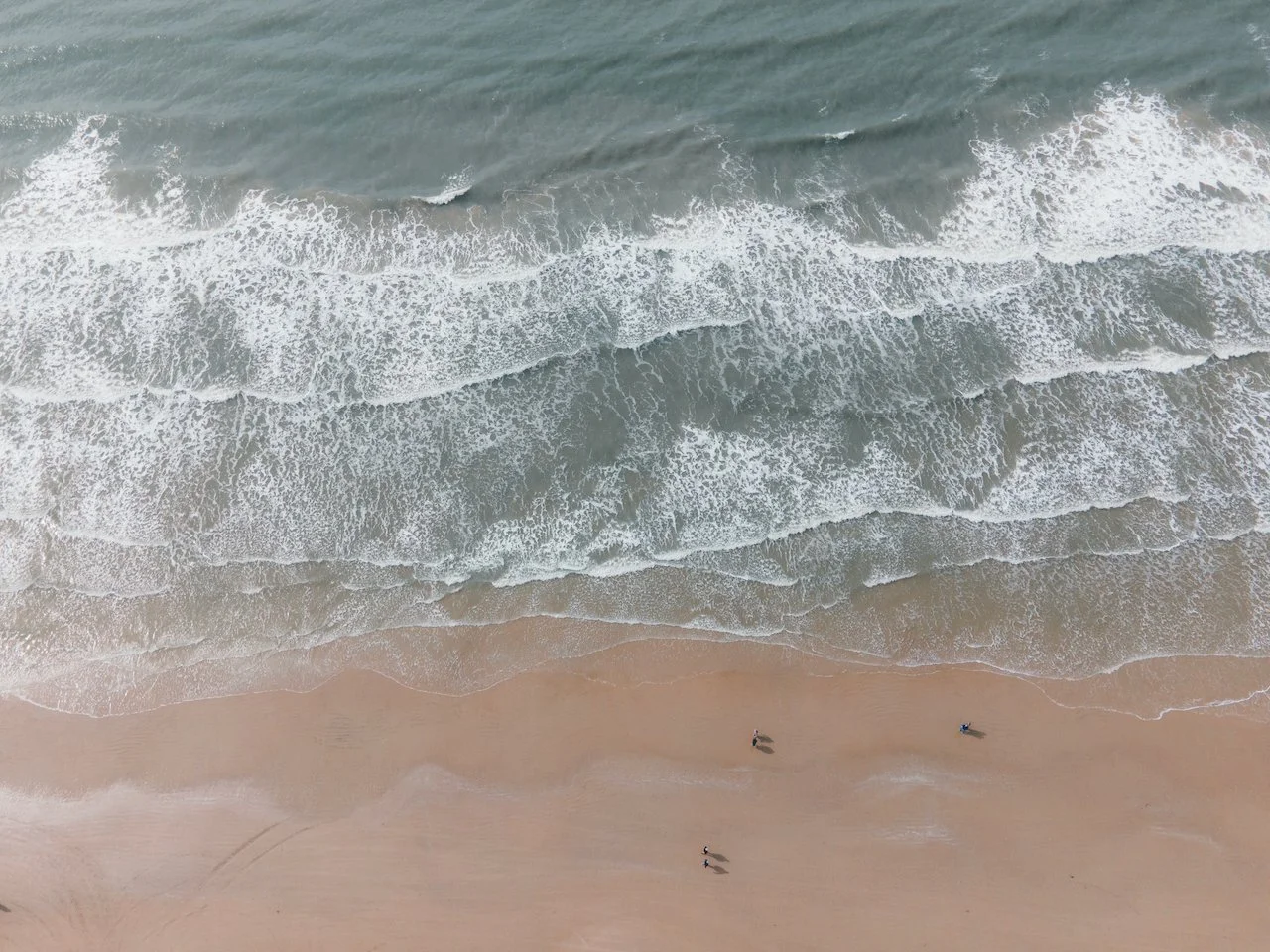
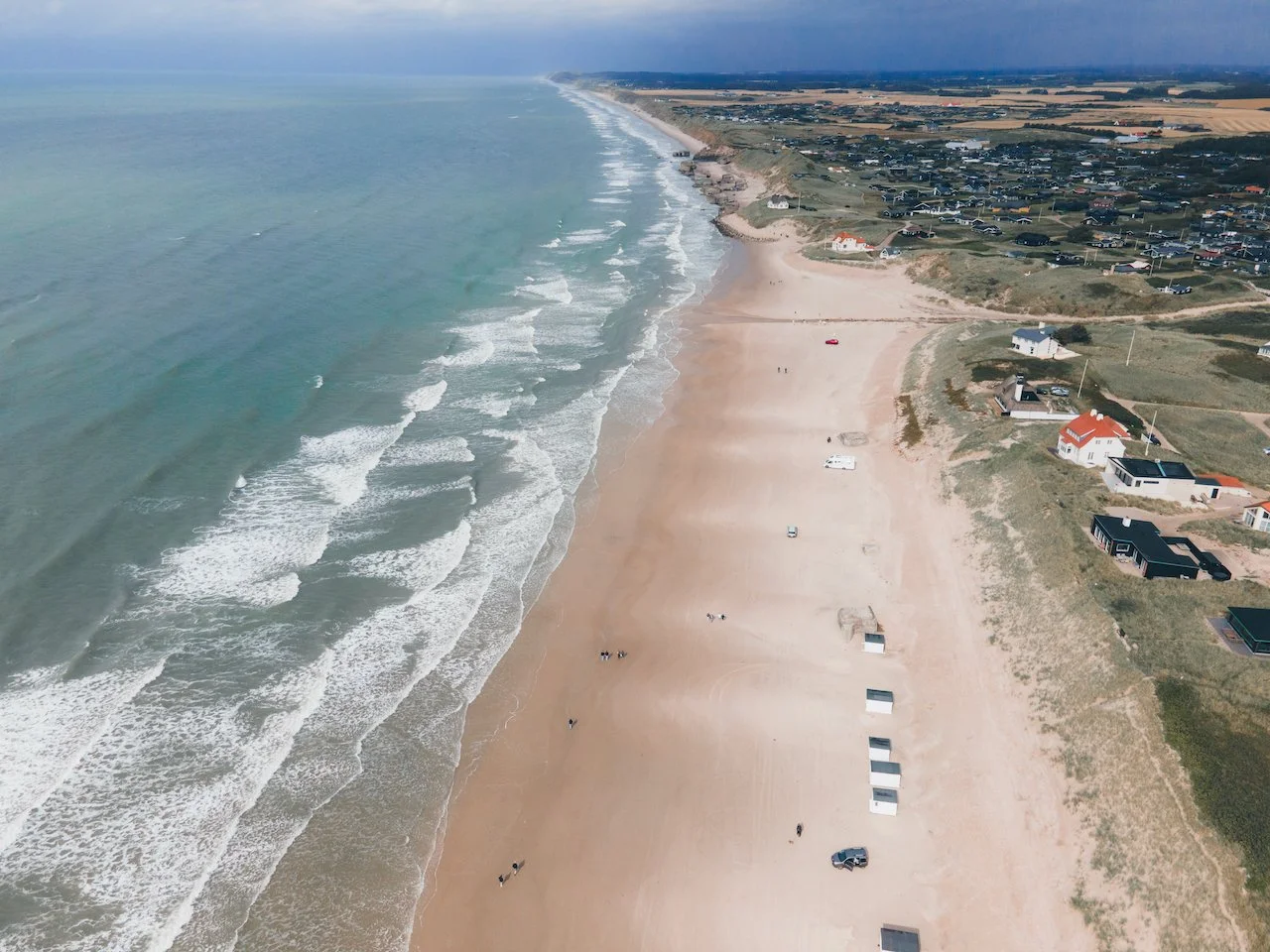
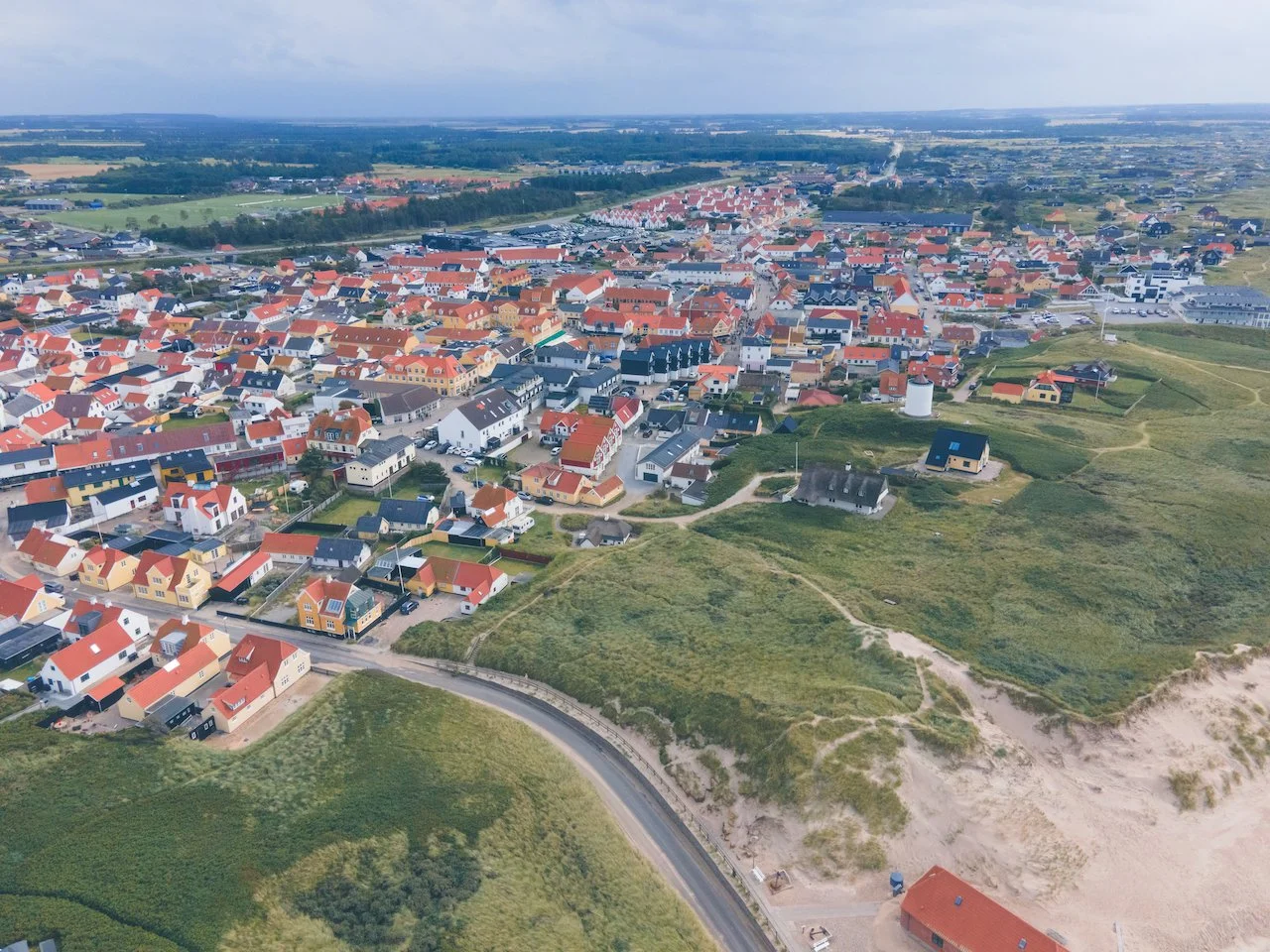
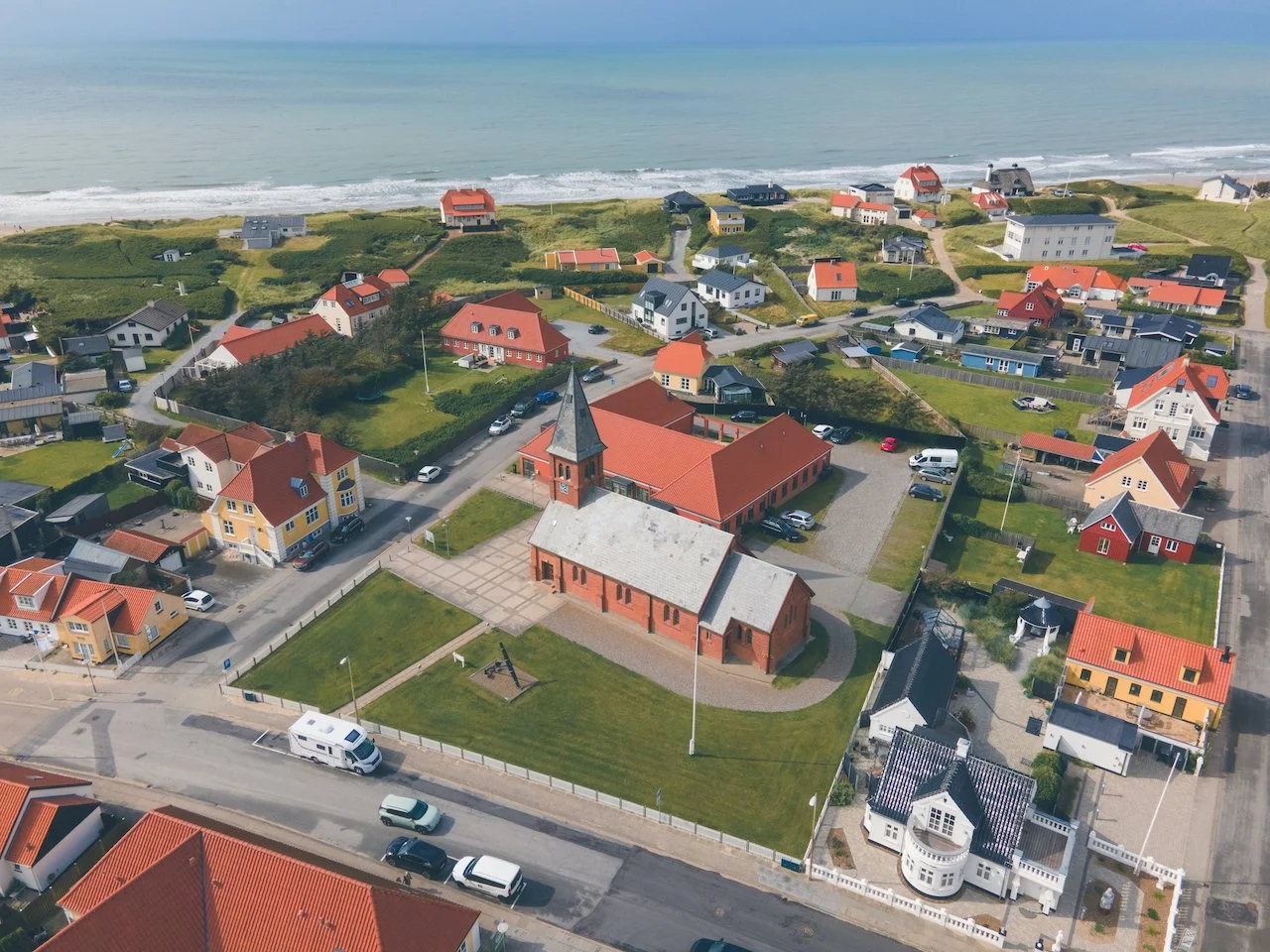
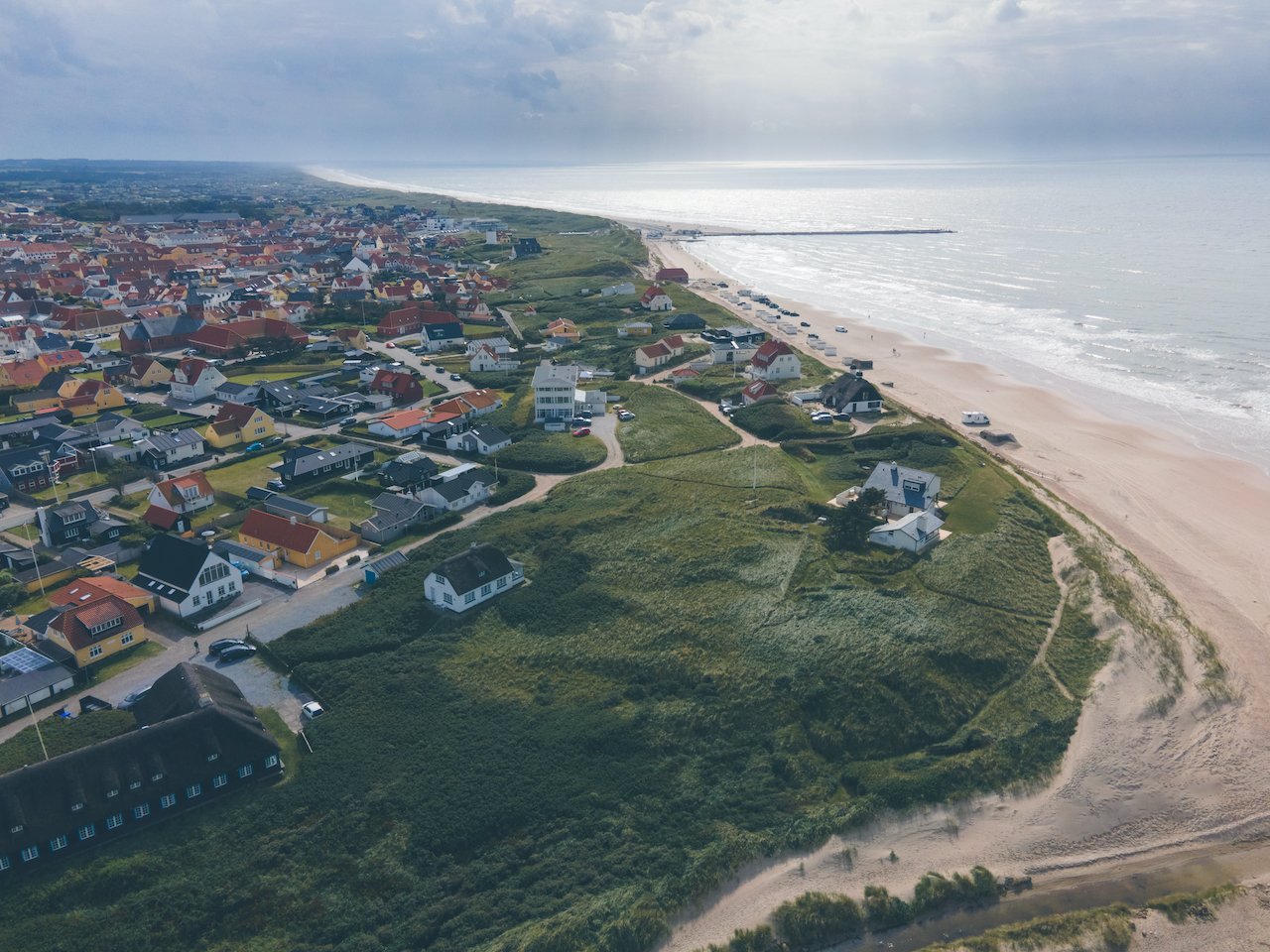
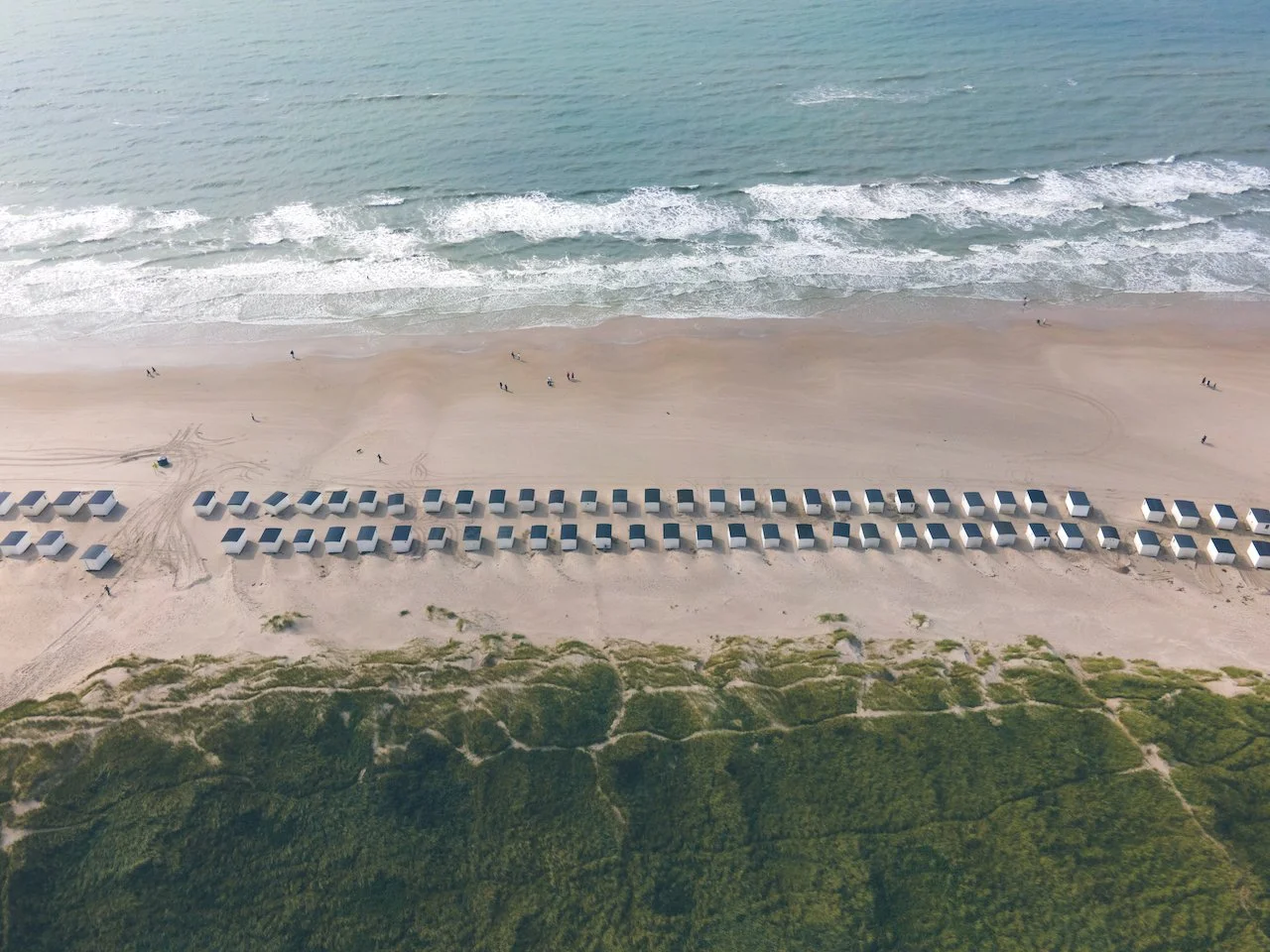
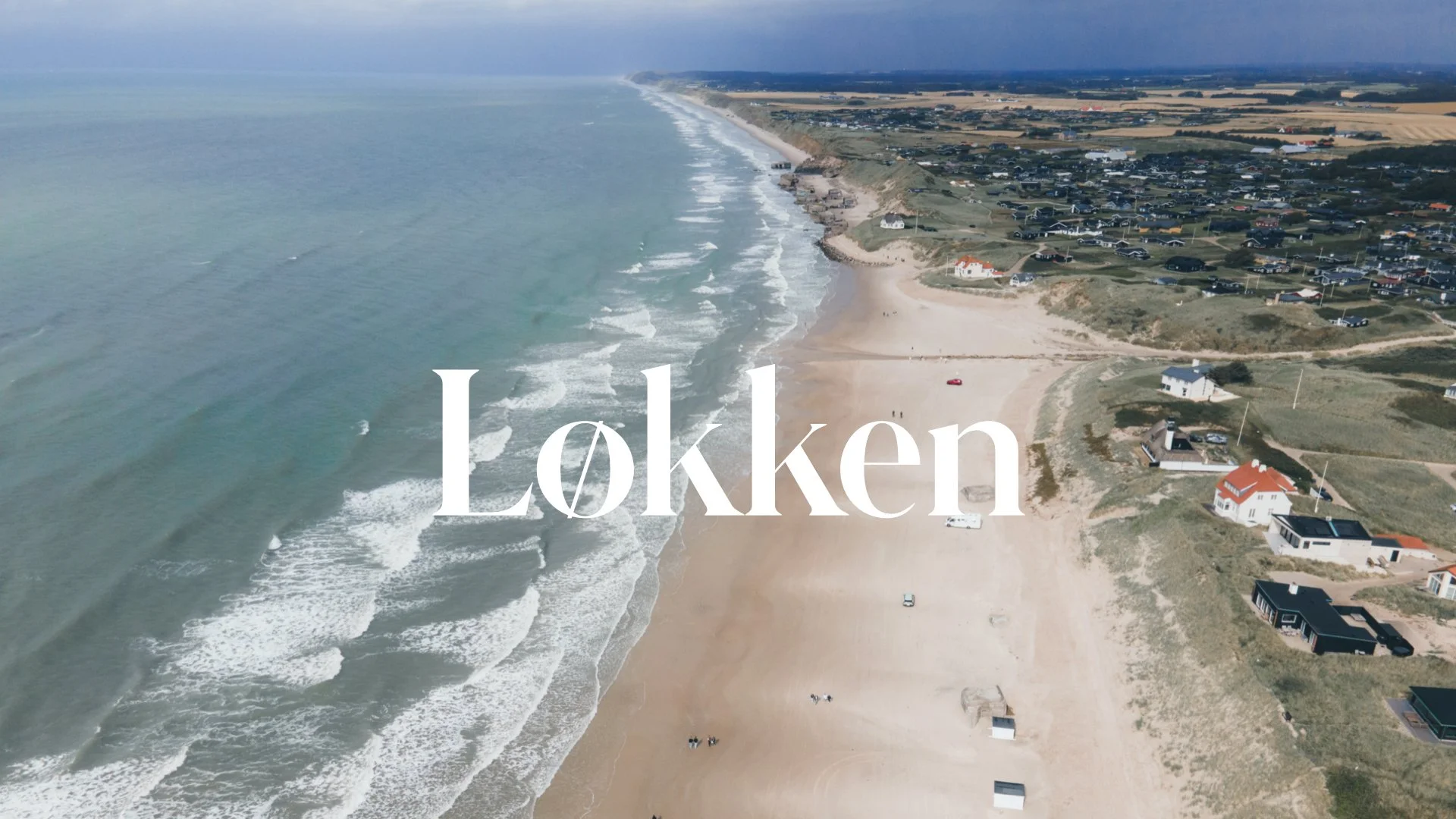
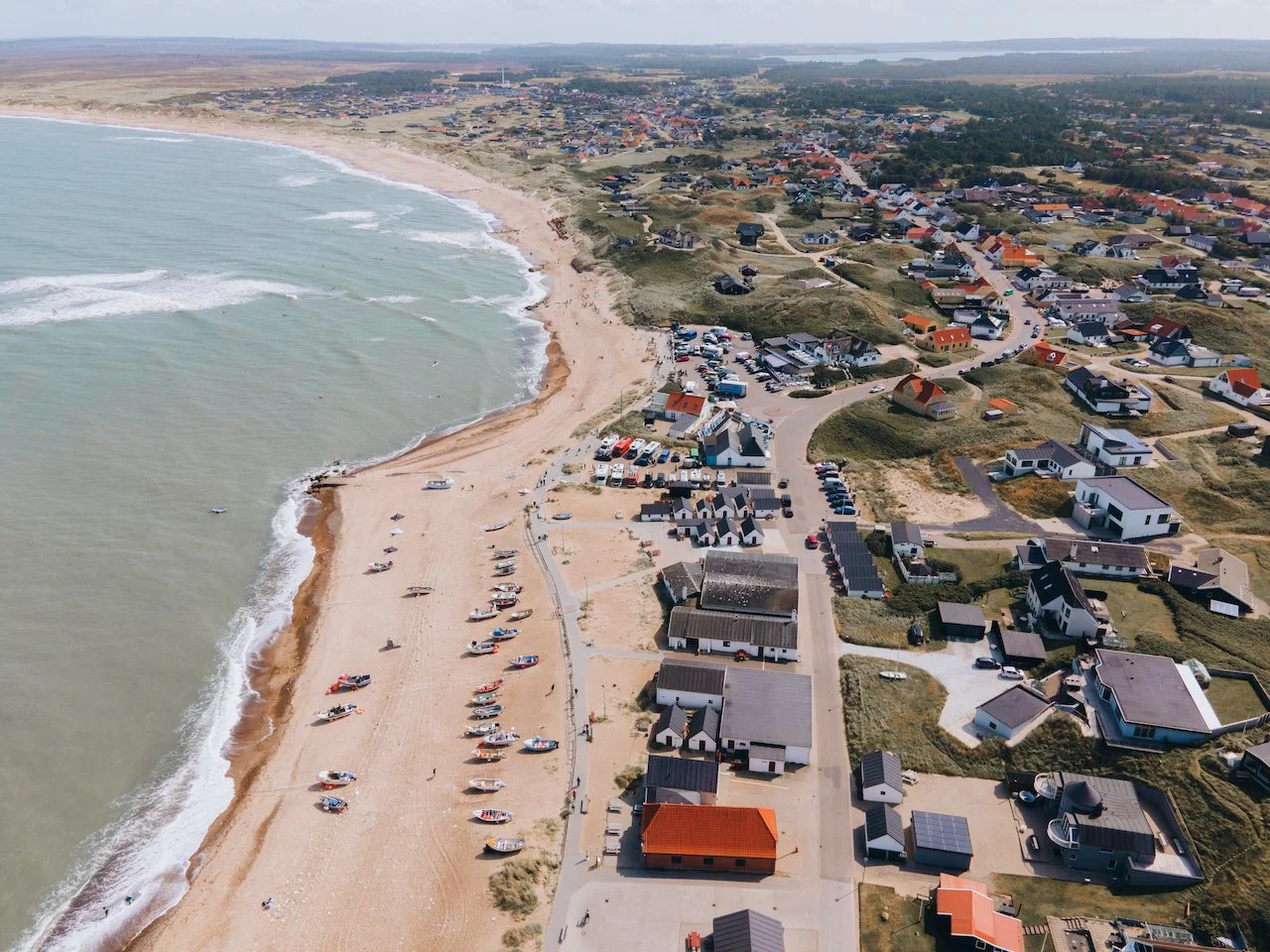
Løkken is a lively seaside town, famous for its wide sandy beaches and rows of white beach huts. It’s one of Denmark’s most popular summer holiday spots, combining relaxation, surfing, and cultural experiences. The town offers a perfect balance of history and beach life.
Løkken Beach – With miles of golden sand, the beach is ideal for swimming, sunbathing, or long walks. The iconic white beach huts create one of the most photographed scenes in Denmark.
Løkken Museum – Learn about the town’s fishing and coastal traditions at this charming local museum. Exhibits highlight life in Løkken through the ages, giving visitors a deeper appreciation of the region.
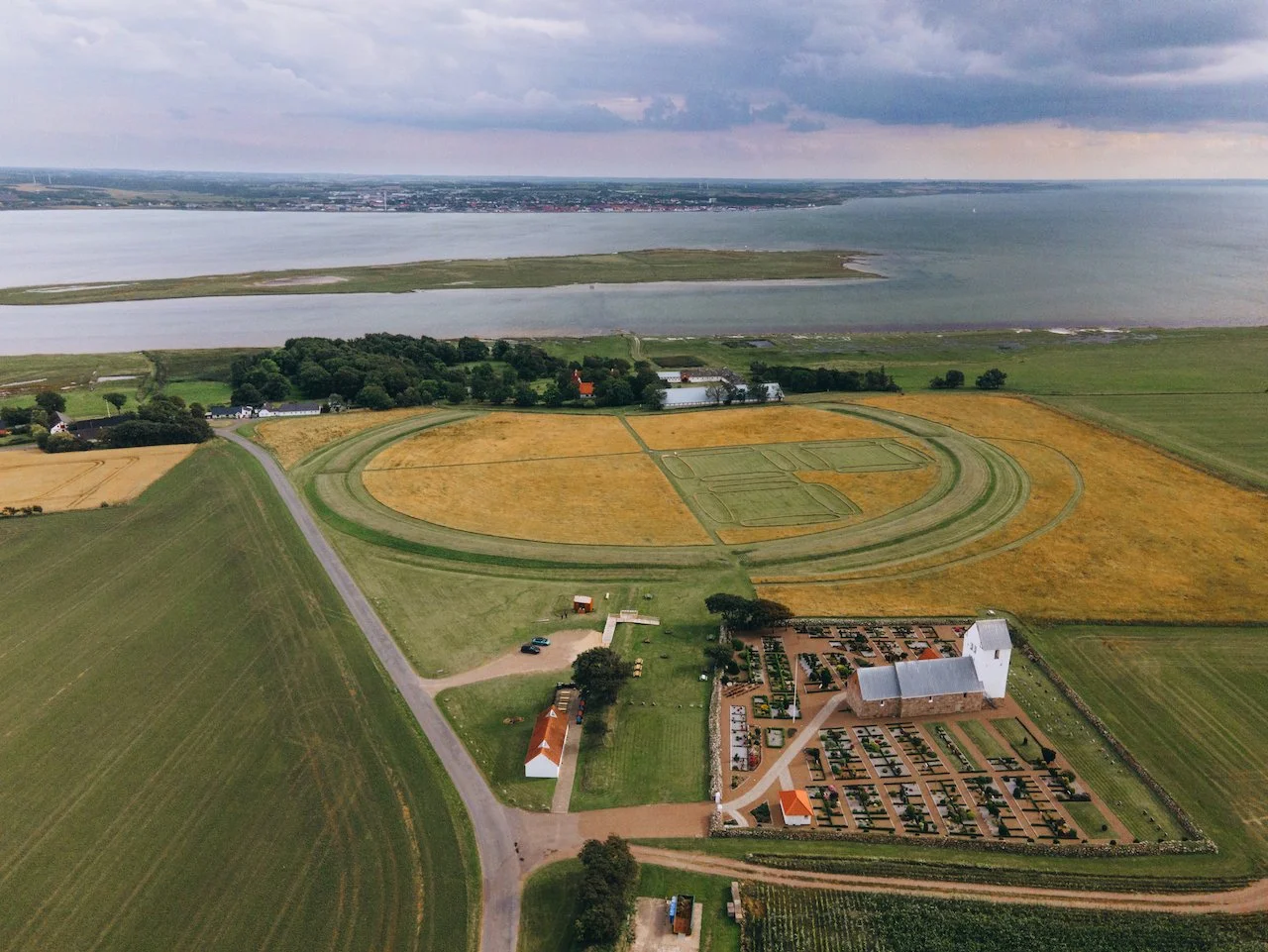
Aggersborg Fortress, Denmark (ISO 400, 4.5 mm, f/2.8, 1/80 s)
Aggersborg
Aggersborg, located by the Limfjord in Northern Jutland, is the largest Viking ring fortress in Denmark. Built around 980 AD during the reign of Harald Bluetooth, the fortress once housed hundreds of longhouses and served as a key military and trading stronghold. Today, visitors can walk the reconstructed earthworks, learn about Viking history at the site, and enjoy sweeping views of the surrounding fjord landscape.
Bulbjerg
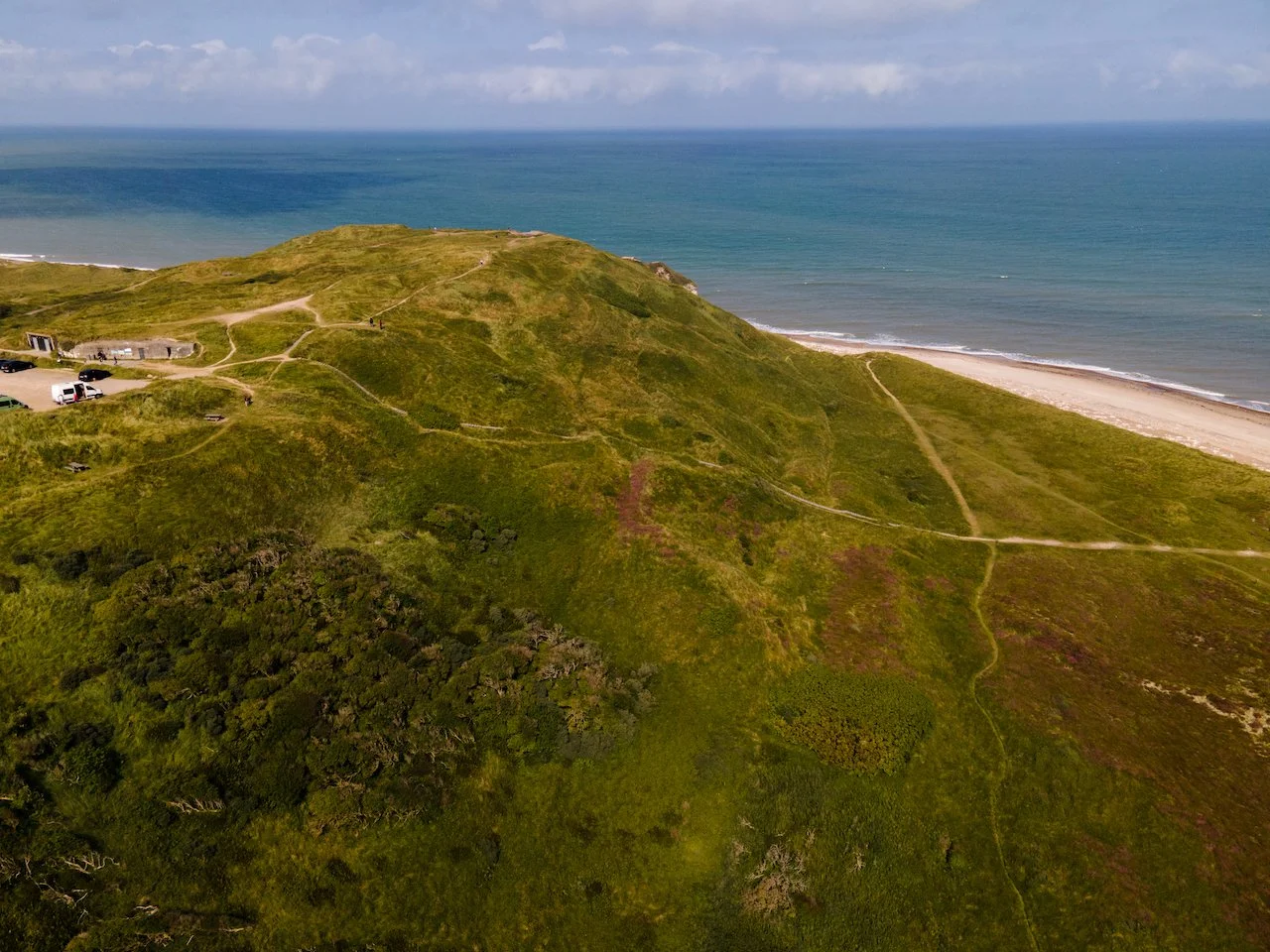
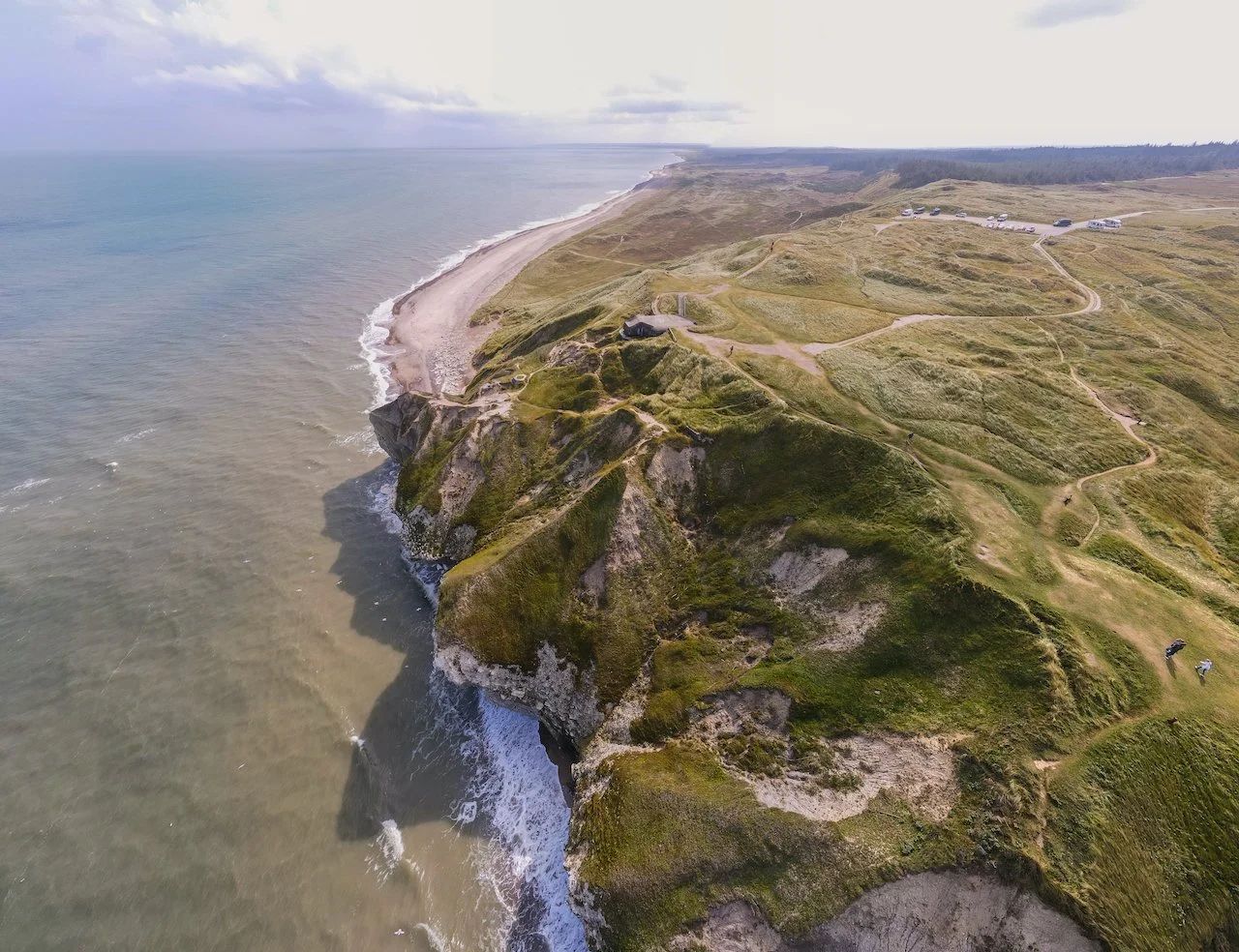
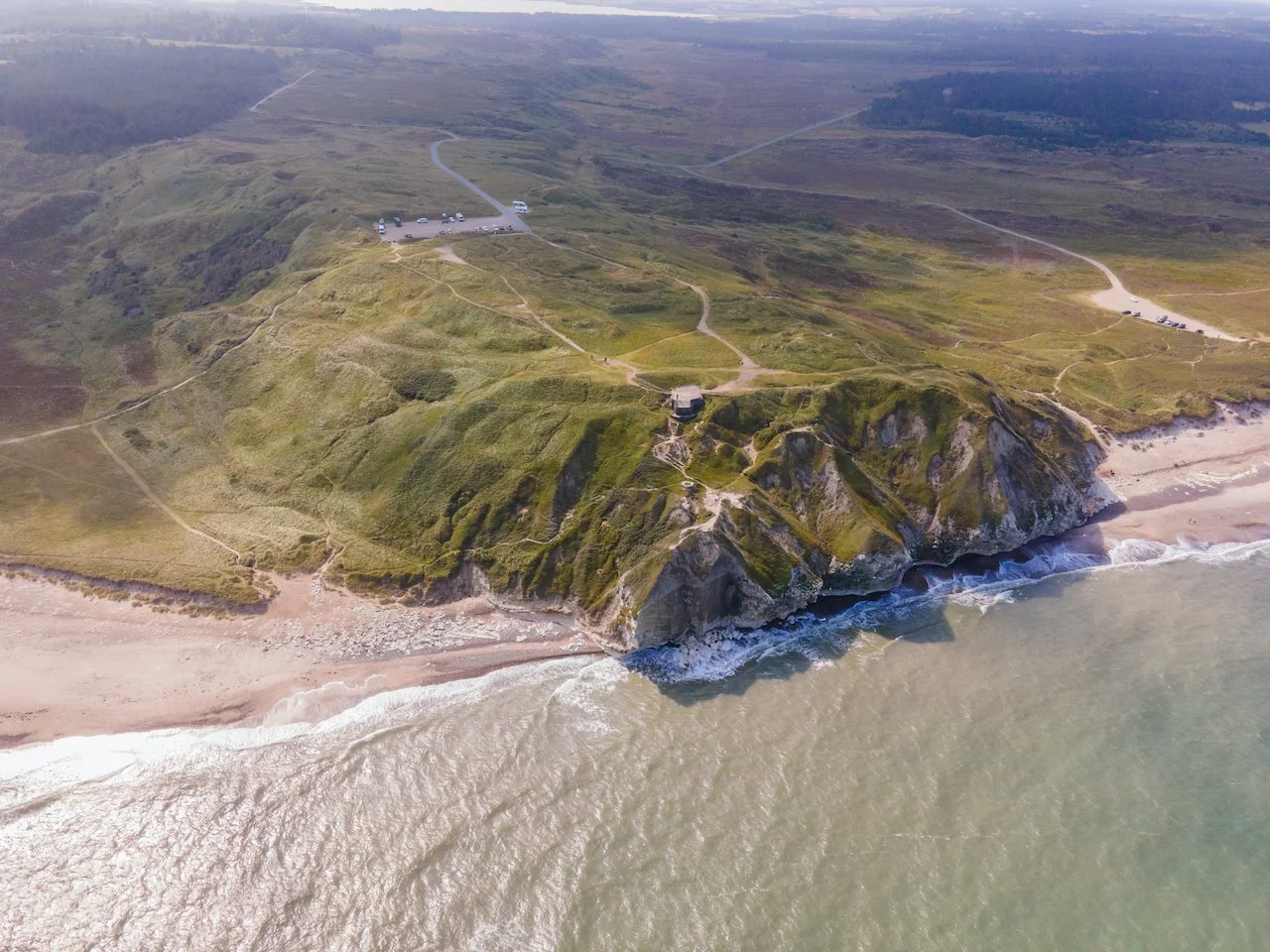
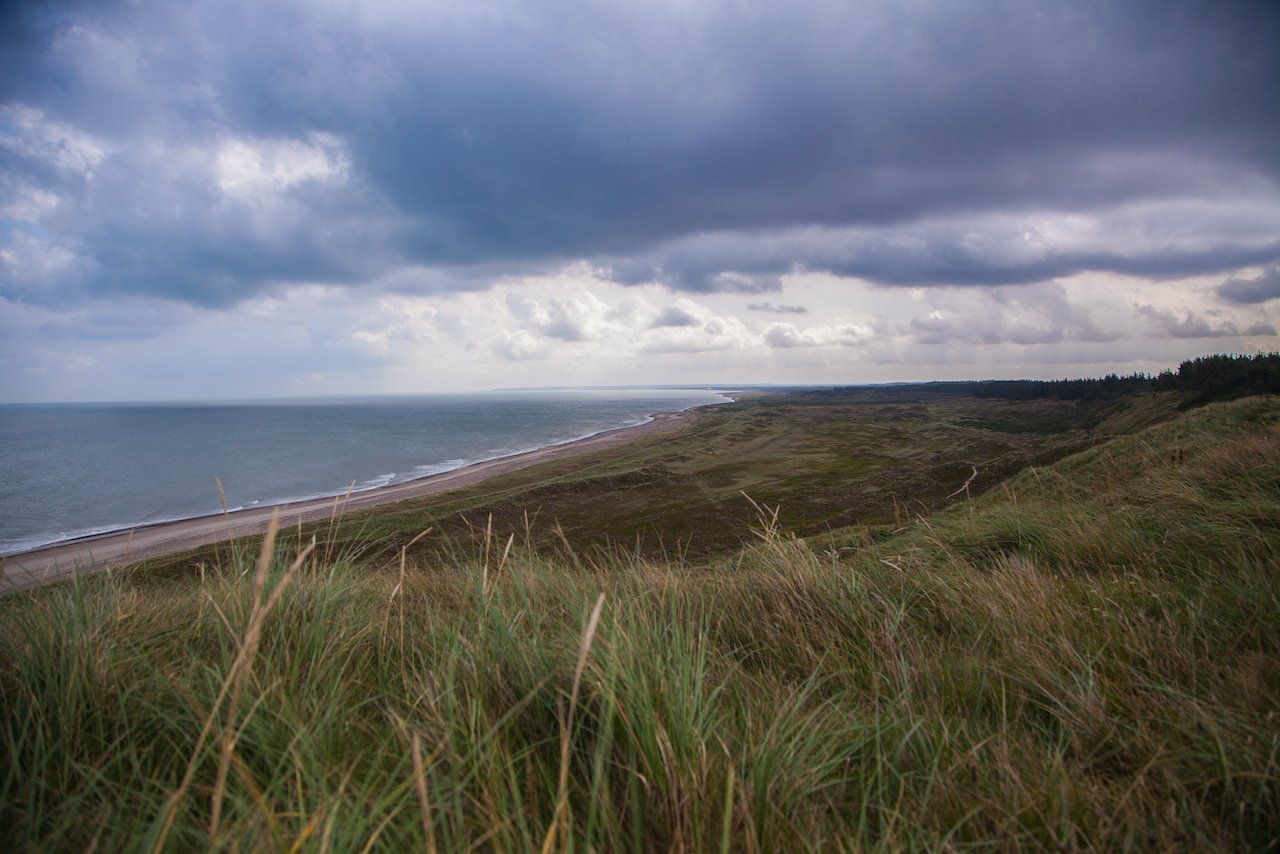
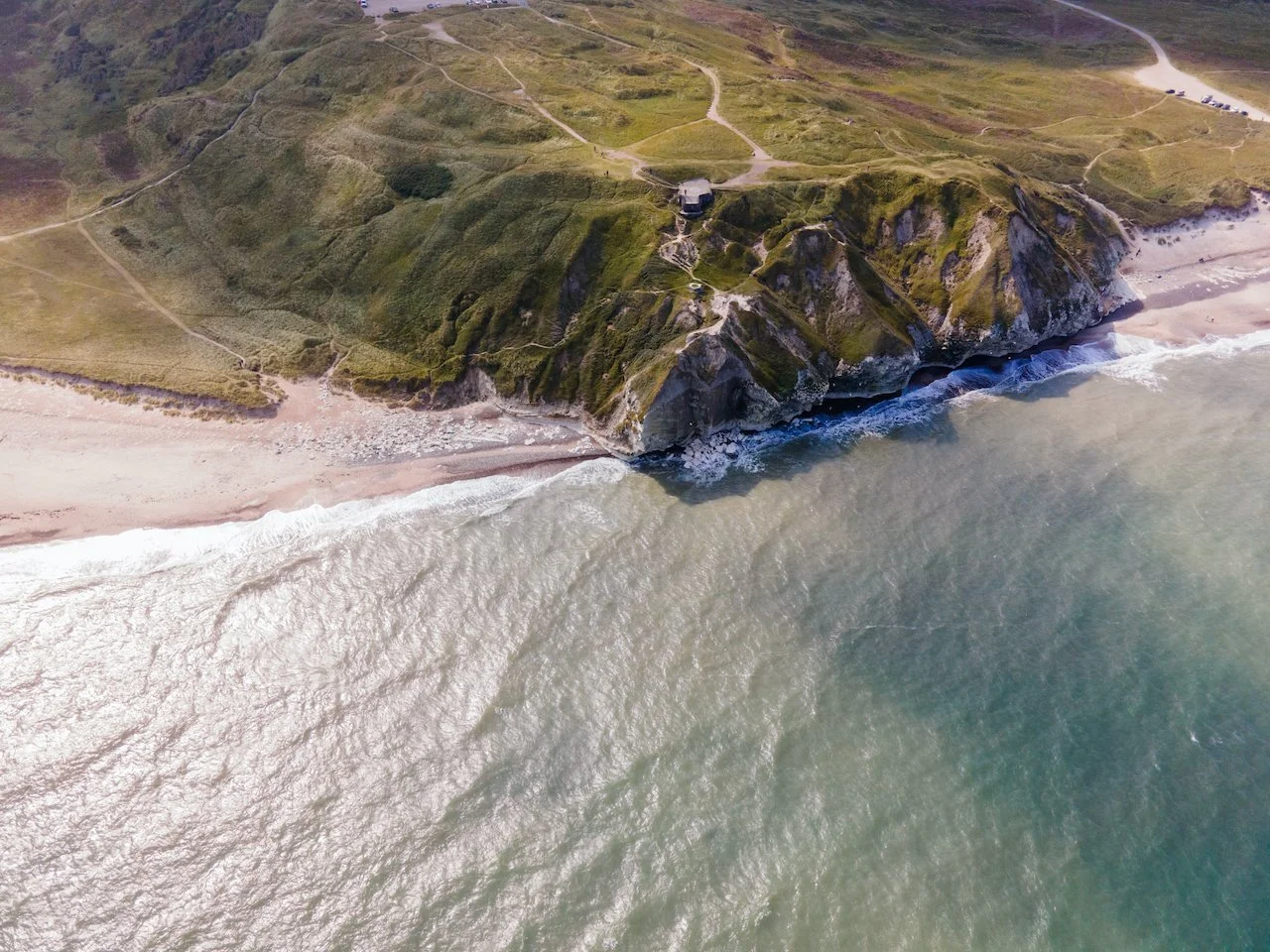
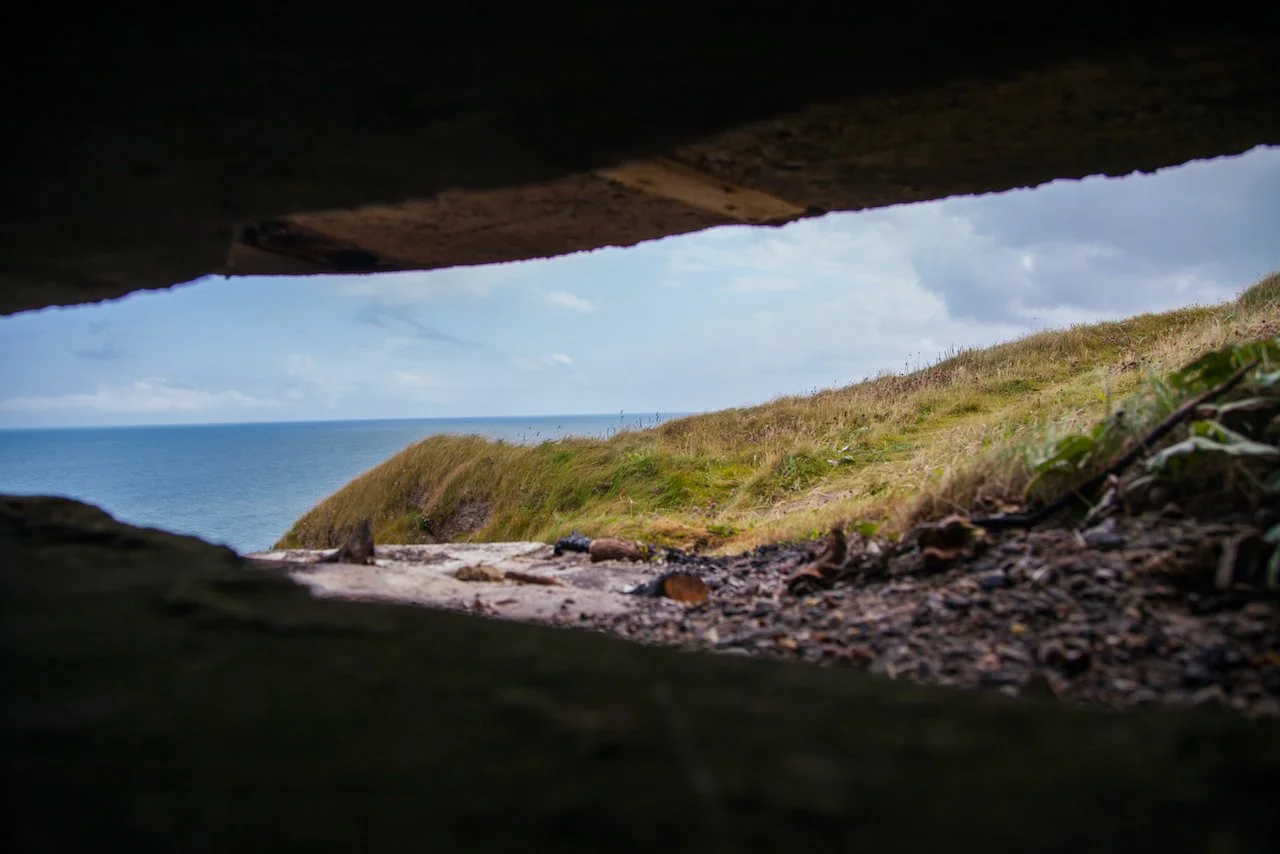
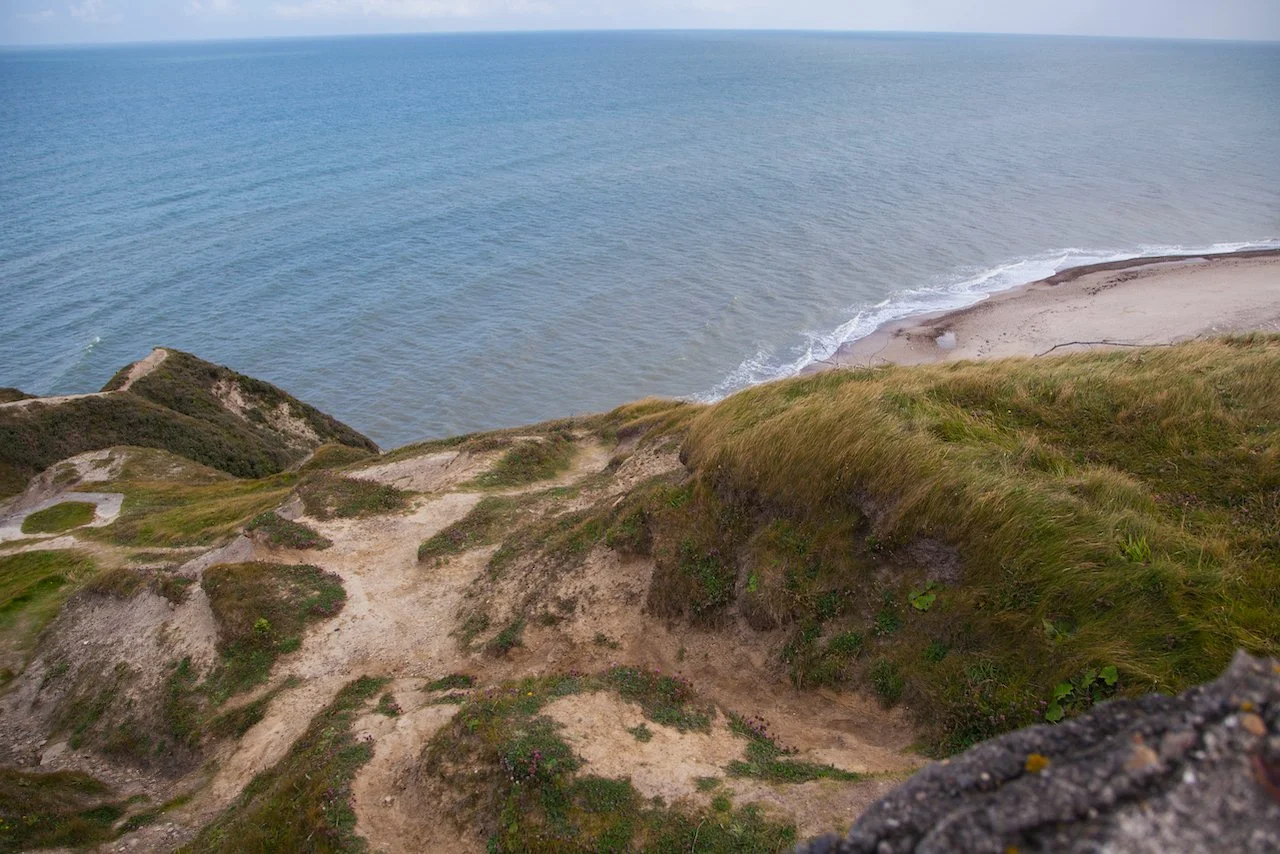
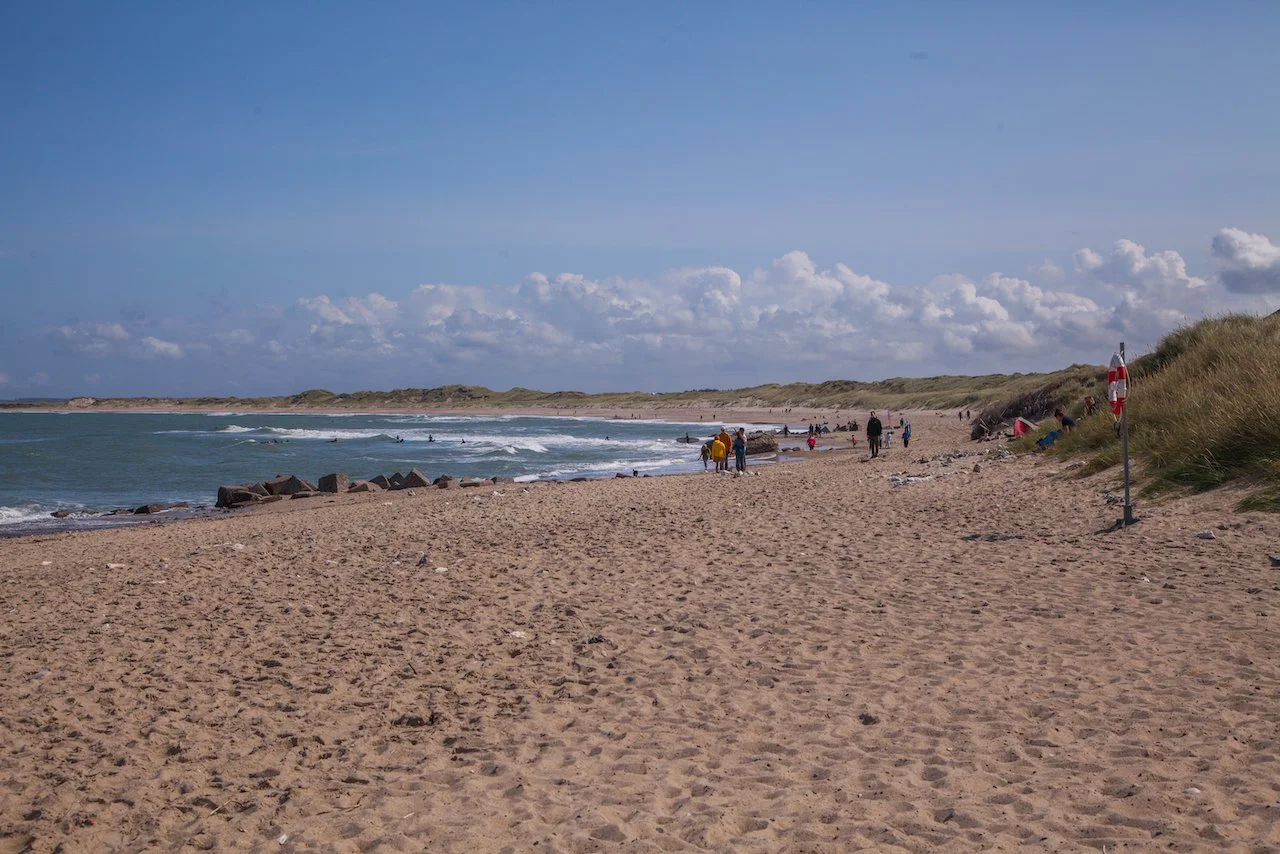
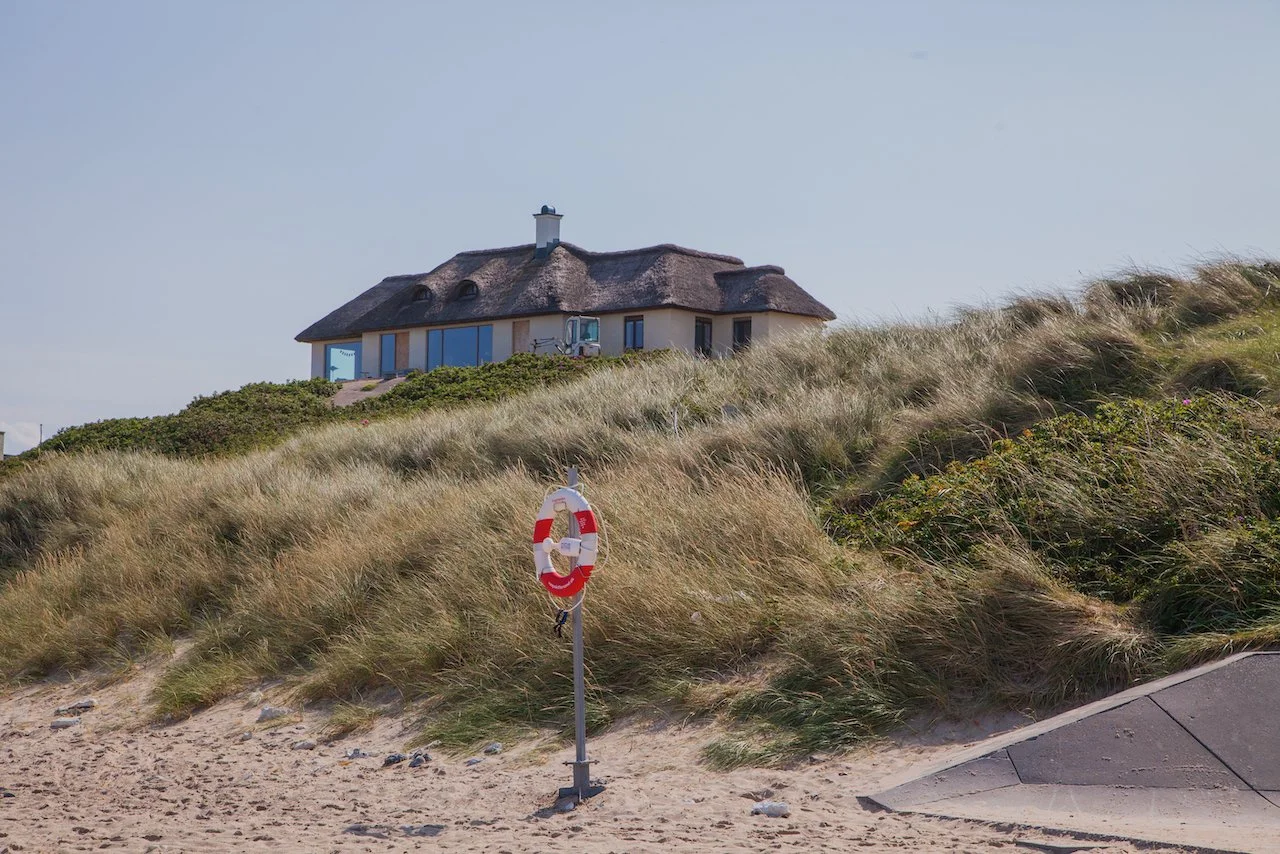
Bulbjerg, also known as “The Limestone Cliff of Denmark,” rises 47 meters above the North Sea. It’s the only bird cliff on Denmark’s mainland and a dramatic natural landmark. The rugged scenery and abundance of birdlife make it a fantastic spot for hikers and nature lovers.
Bird Cliffs – Thousands of seabirds nest here, making it an important breeding ground for species like kittiwakes. The dramatic cliffs and constant bird activity provide both natural beauty and excellent photo opportunities.
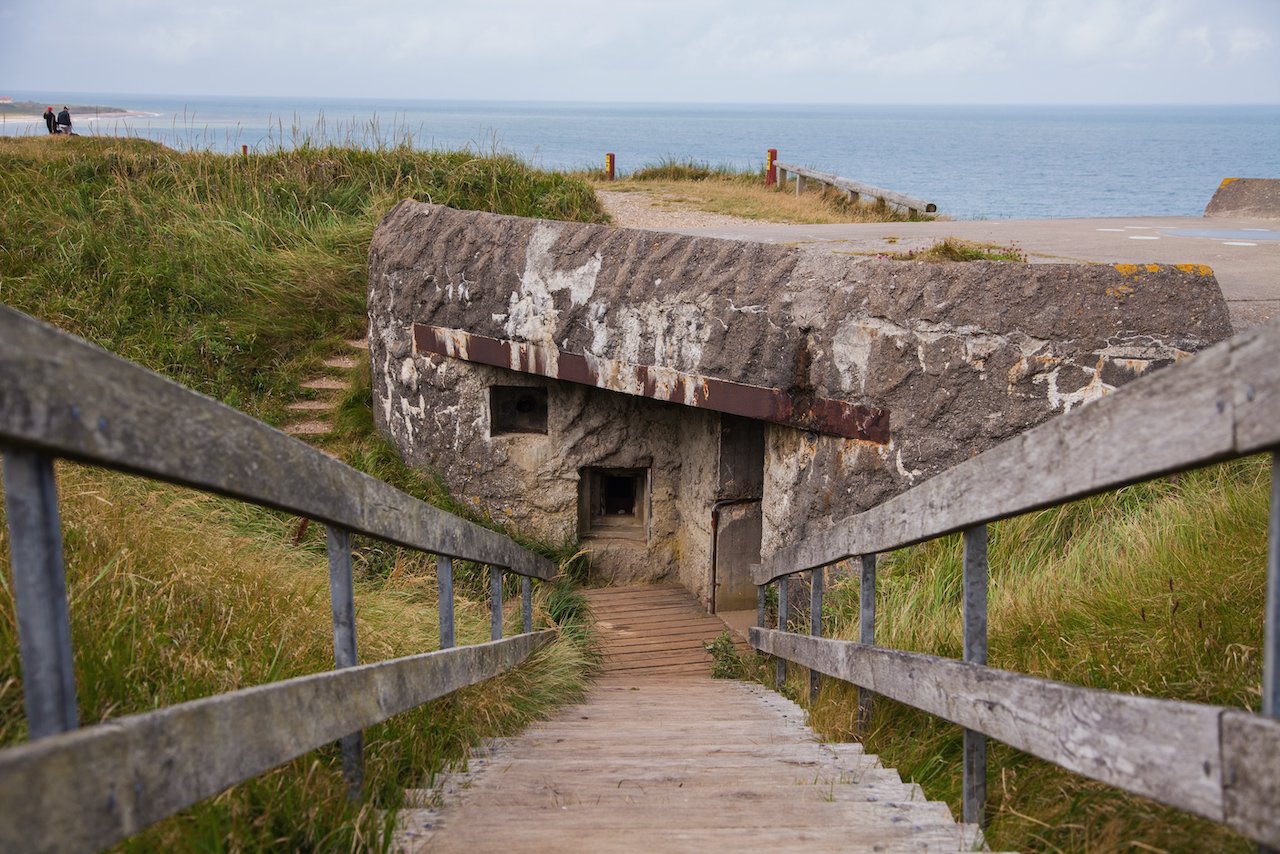
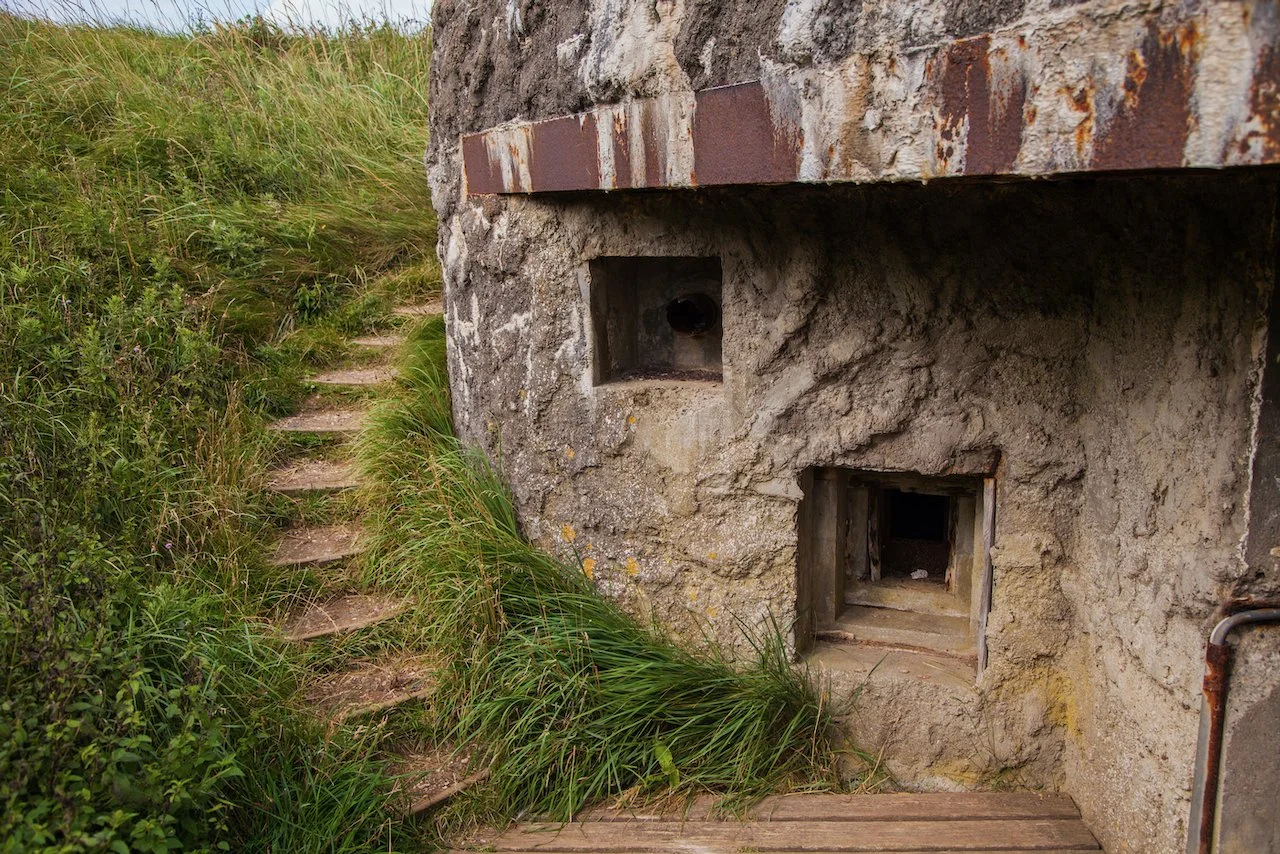
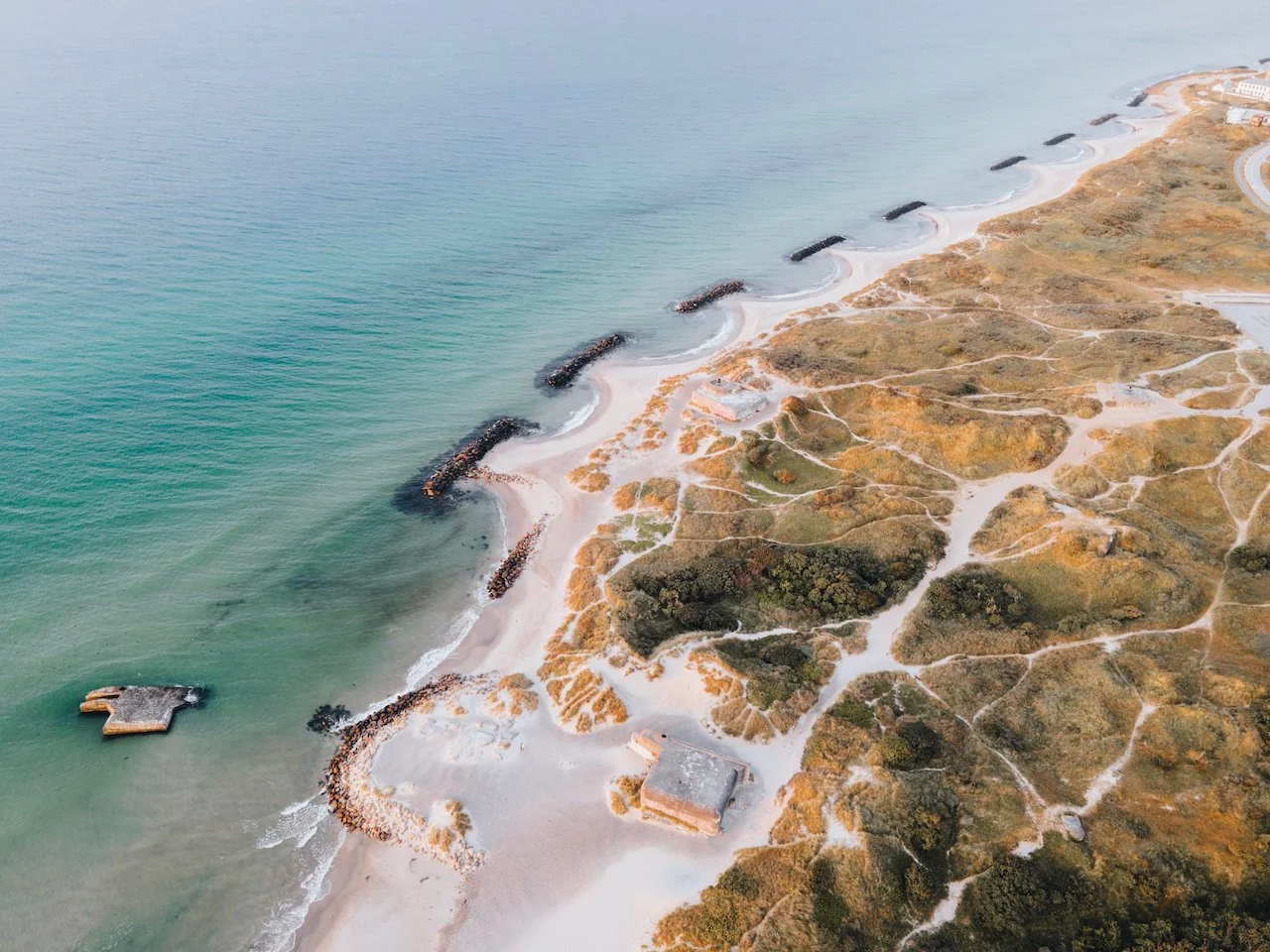
Bunker Remains – Remnants of World War II bunkers lie scattered around the cliffs. These historic structures offer an intriguing glimpse into Denmark’s past while blending into the wild coastal scenery.
Klitmøller
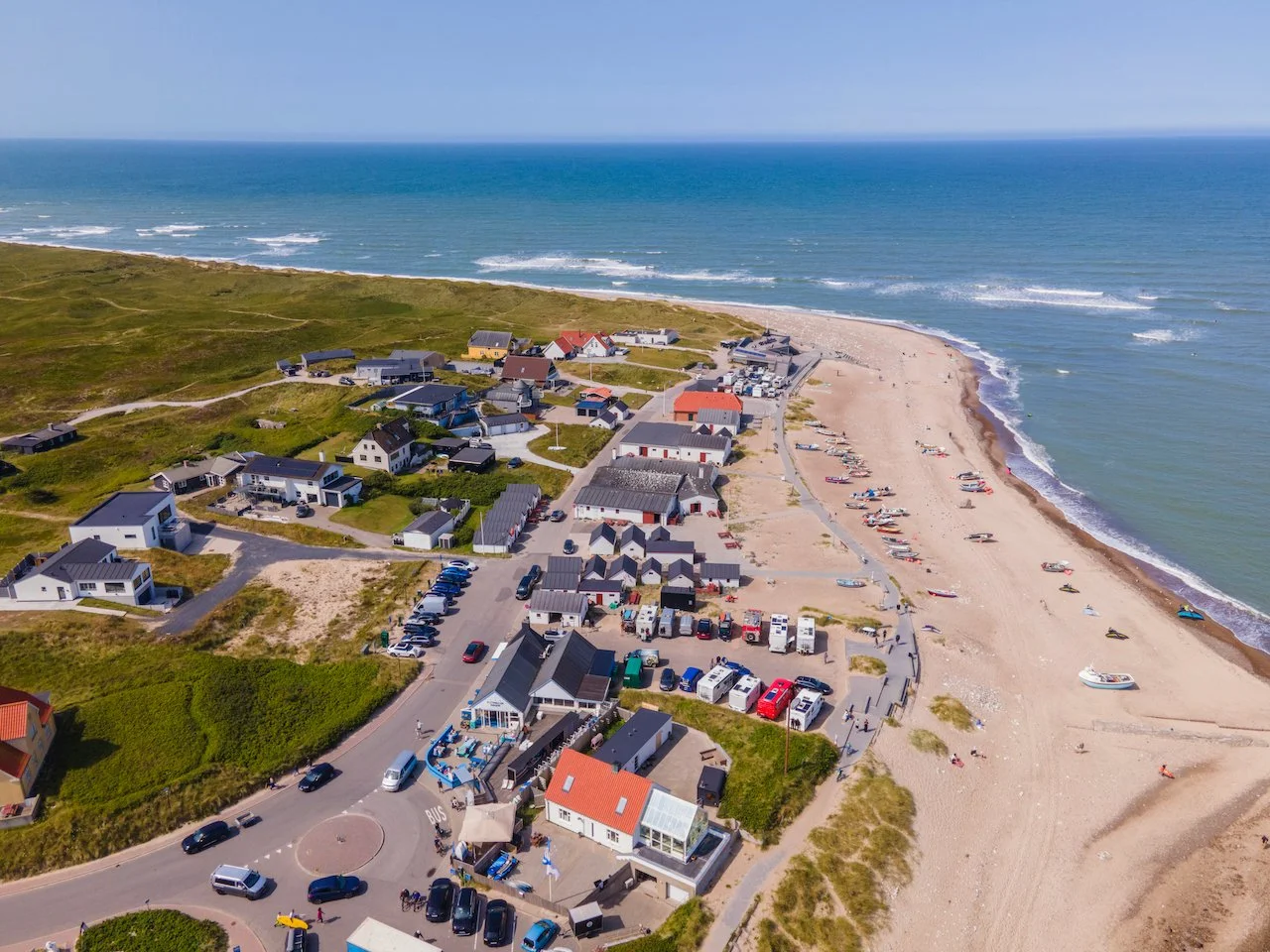
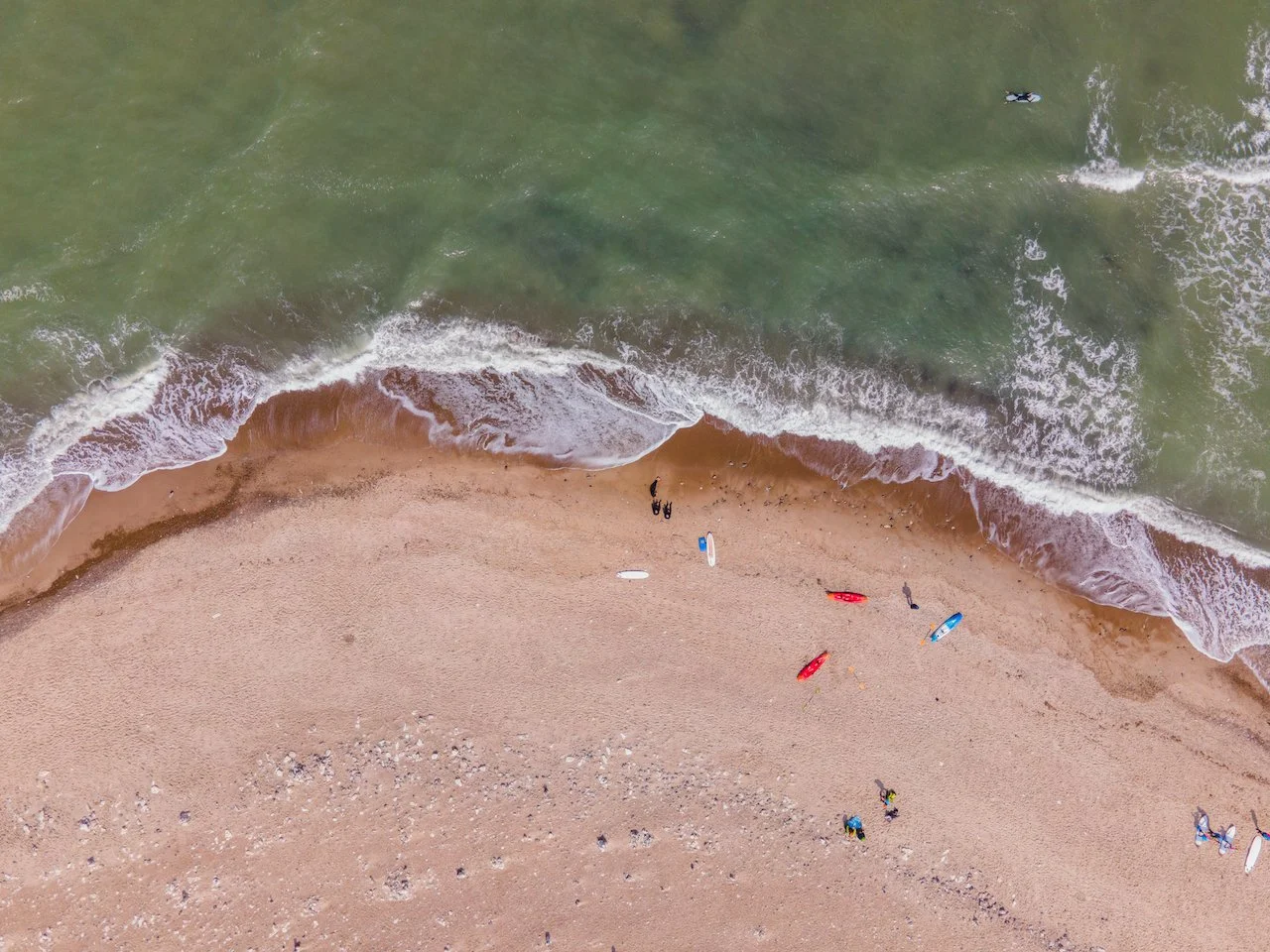
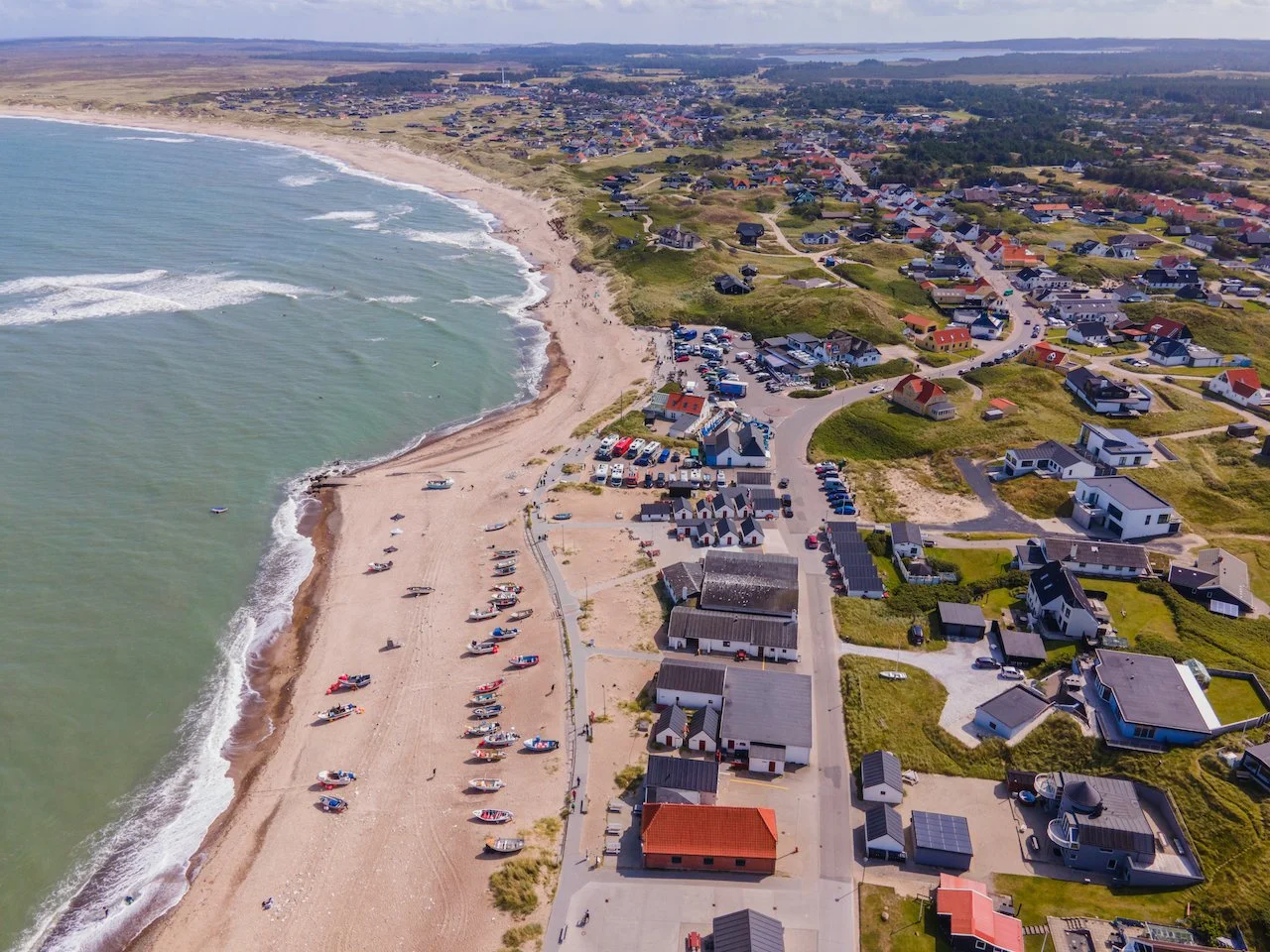
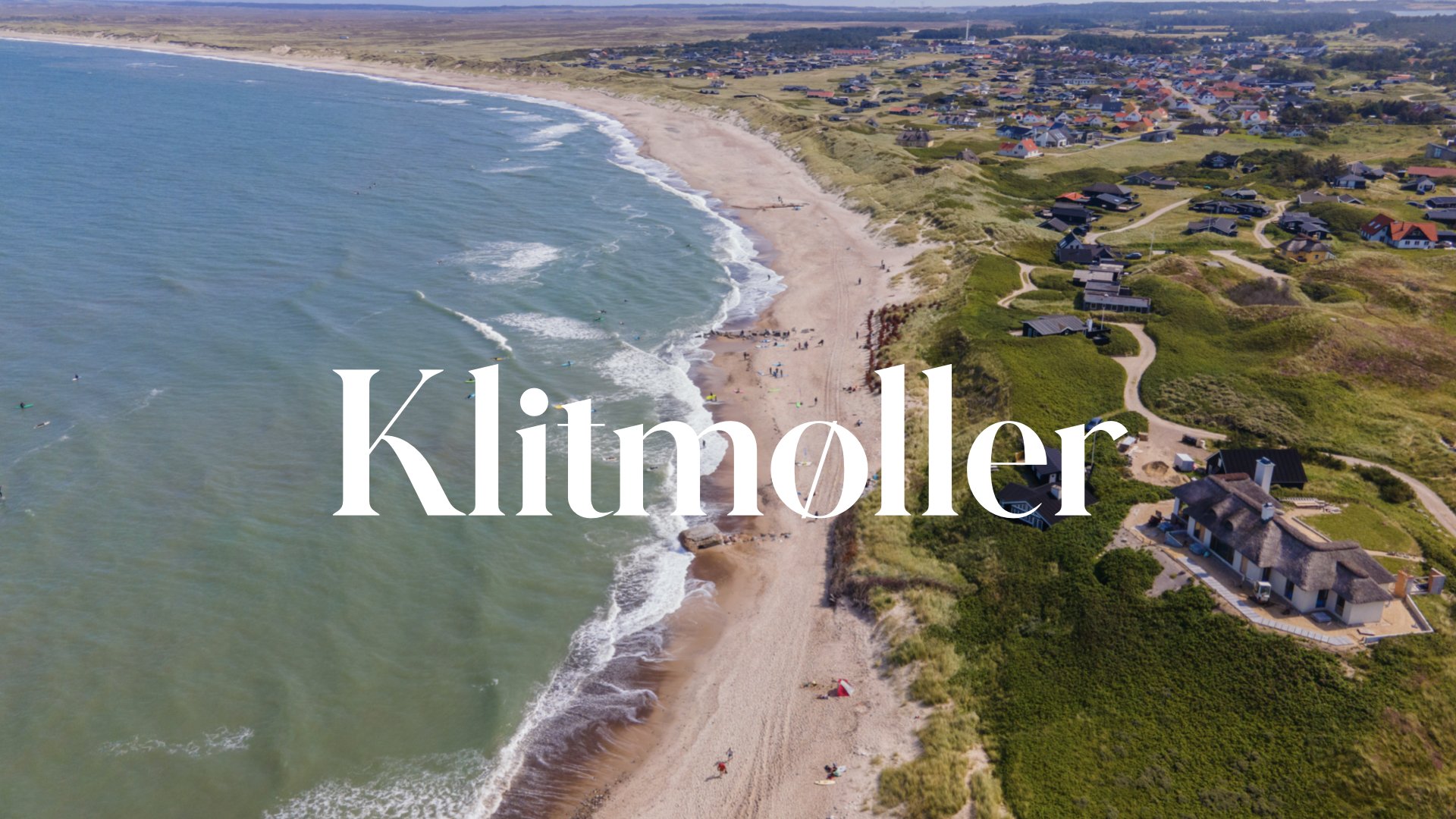
Klitmøller, nicknamed “Cold Hawaii,” is the surfing capital of Denmark. This small fishing village has become an international hotspot for surfers, thanks to its world-class waves. Beyond surfing, Klitmøller offers a laid-back coastal vibe and stunning natural scenery.
Surfing at Cold Hawaii – Known for some of the best waves in Northern Europe, Klitmøller attracts surfers from across the globe. Beginners can also join surf schools for lessons, making it accessible to all levels.
Thy Coastline Walks – Scenic walking trails line the rugged coastline, offering dramatic views of dunes and crashing waves. It’s a peaceful way to experience the area’s wild beauty when you’re not in the water.
Thy National Park
Thy National Park is Denmark’s first national park, covering vast dunes, forests, and lakes. It’s a haven for outdoor lovers and one of the most biodiverse regions in the country. Visitors can explore the park by hiking, cycling, or simply soaking in the untouched landscapes.
Hanstholm Wildlife Reserve – One of the park’s highlights, this reserve is home to large red deer herds and countless bird species. Wildlife enthusiasts will love the chance to see animals in their natural environment.
Hiking Trails – Well-marked paths guide visitors through dunes, heathland, and forests. Trails vary in length, making them accessible for both casual walkers and serious hikers.
There you have it. This road trip can be accomplished in just a few days time, though I recommend a week at least to really experience it at a slow and calming pace. We did this with an infant and the driving times between each place was very short, which perfectly coincided with her nap times. Nonetheless, you will be hard pressed to find an area of such raw beauty in all of Scandinavia.

What a majestic and amazing building. During our Summer 2023 trip to Italy, Rome was obviously a city we planned to see and explore. We got advance entry tickets to the Colosseum and marveled at the scale of the structure. Despite some parts of it falling into disrepair, it was still impressive how the entire arena is still standing. I had to take out my wide angle lens to capture as much of the building as I could.