
A Guide to Denmark: Aarhus, Copenhagen, Odense, Skagen, Løkken, Klitmøller, Horsens, Ebeltoft, and the Faroe Islands
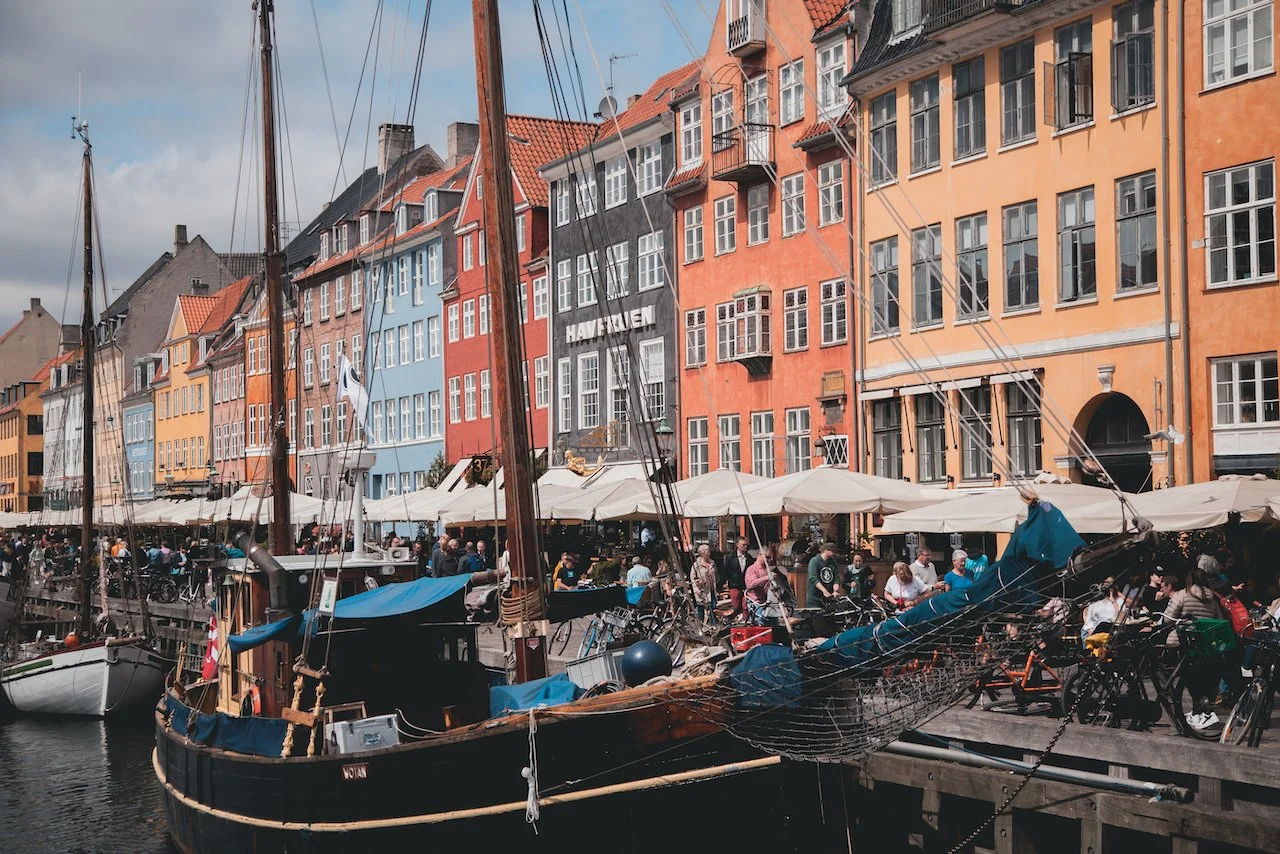
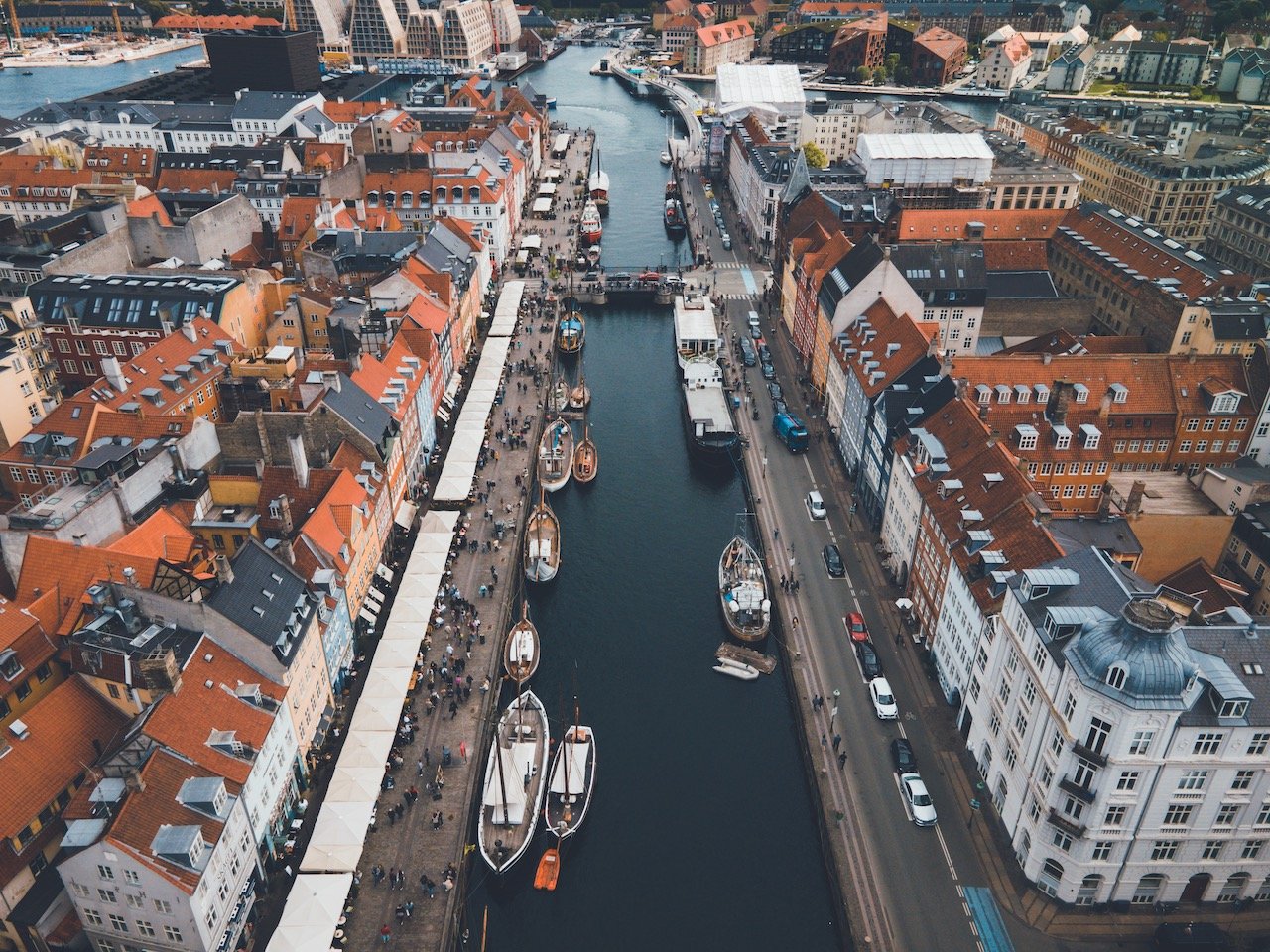
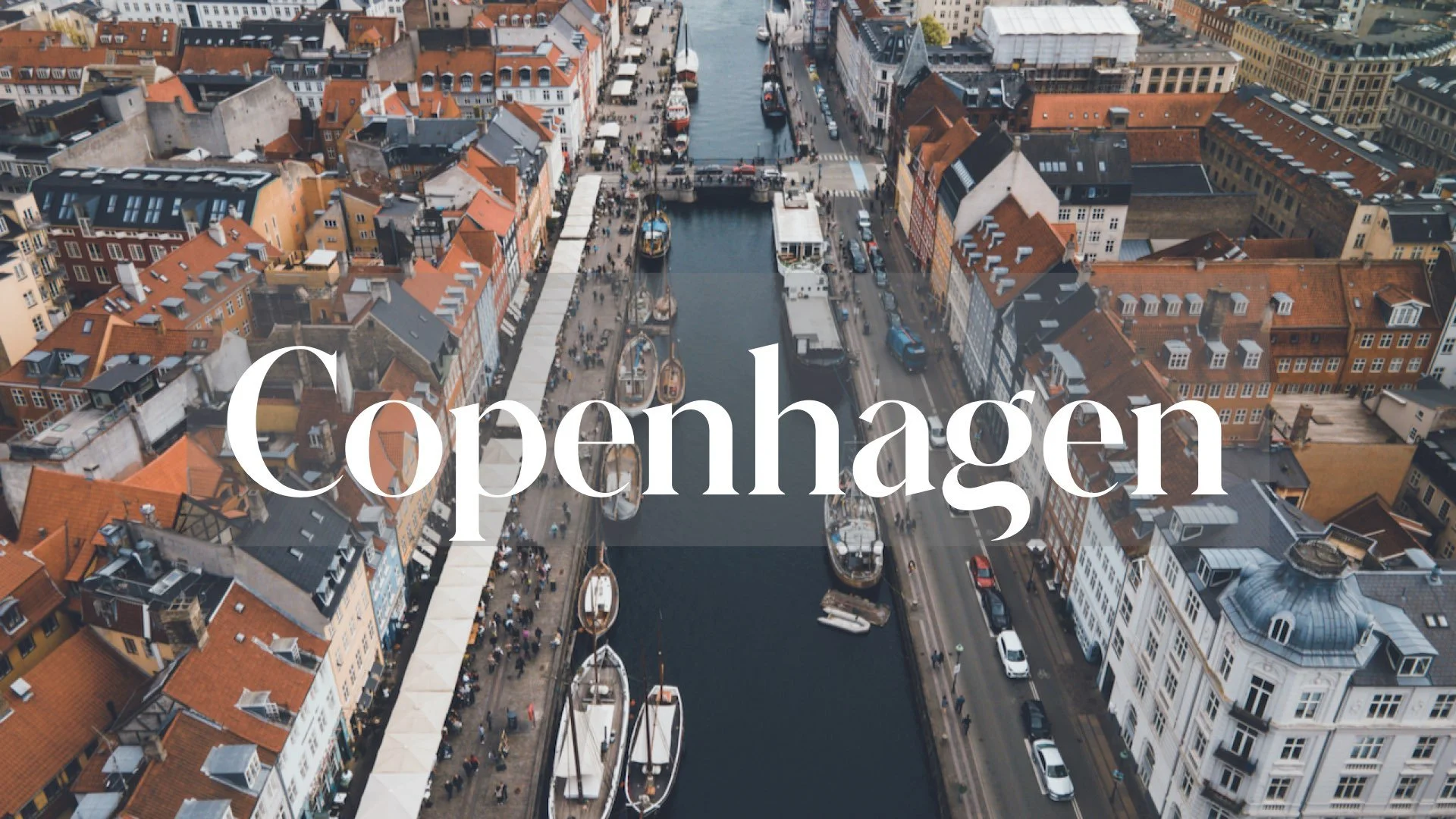
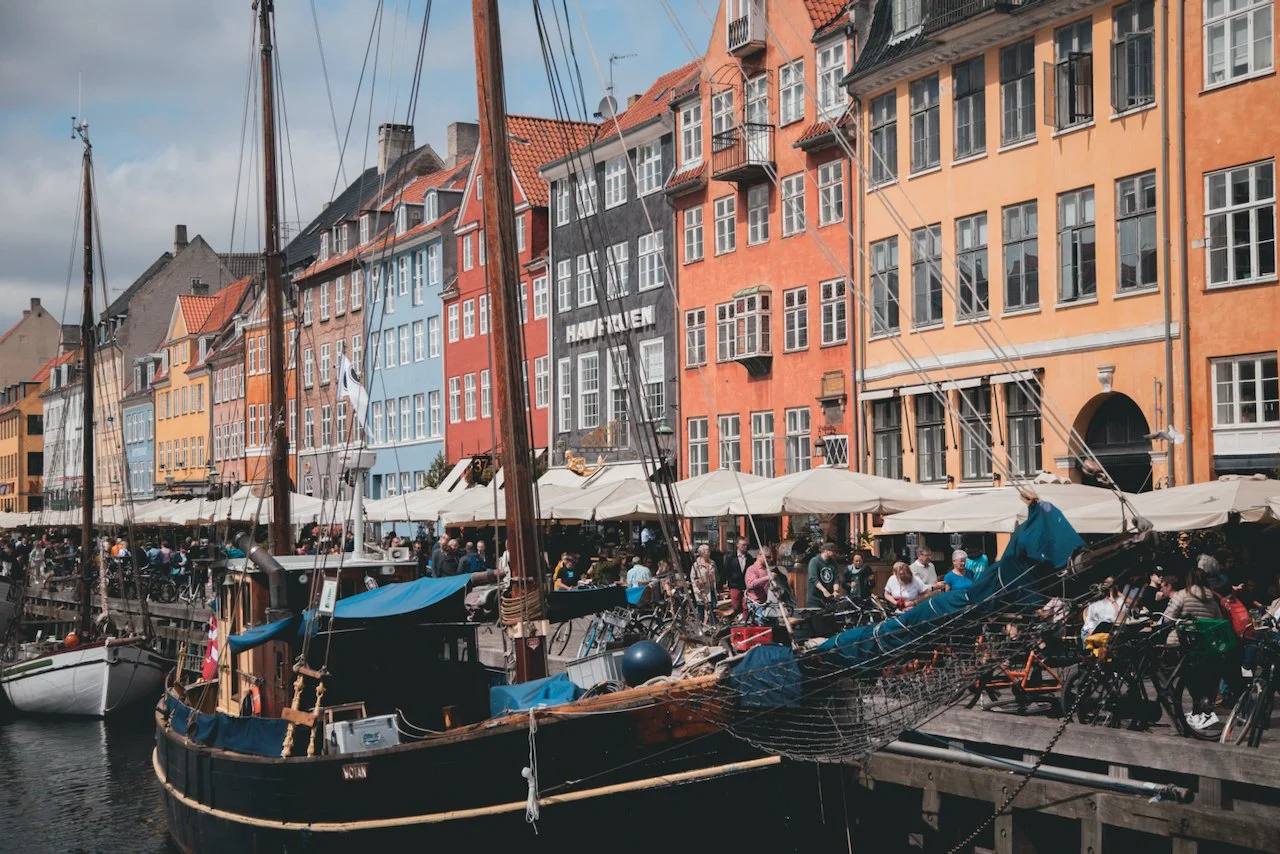
Nyhavn Harbor, Copenhagen, Denmark (ISO 100, 24 mm, f/4, 1/1600 s)
(Some links in this post are affiliate links. If you click through and take action, I'll be compensated.) If you are also interested in any PRINTS from any of my posts, be sure to check out my store where you can buy prints as posters, in metal/wooden frames or on canvas.
From historic cities and fairytale castles to rugged coastlines and remote islands, Denmark and the Faroe Islands are packed with unforgettable experiences for every traveler. In Denmark, vibrant cities like Copenhagen, Aarhus, and Odense showcase culture, design, and history, while smaller towns such as Skagen, Løkken, and Ebeltoft offer charming streets, sandy beaches, and maritime heritage. Adventure seekers can ride the waves in Klitmøller, Denmark’s famous “Cold Hawaii,” or explore centuries-old castles that bring royal history to life.
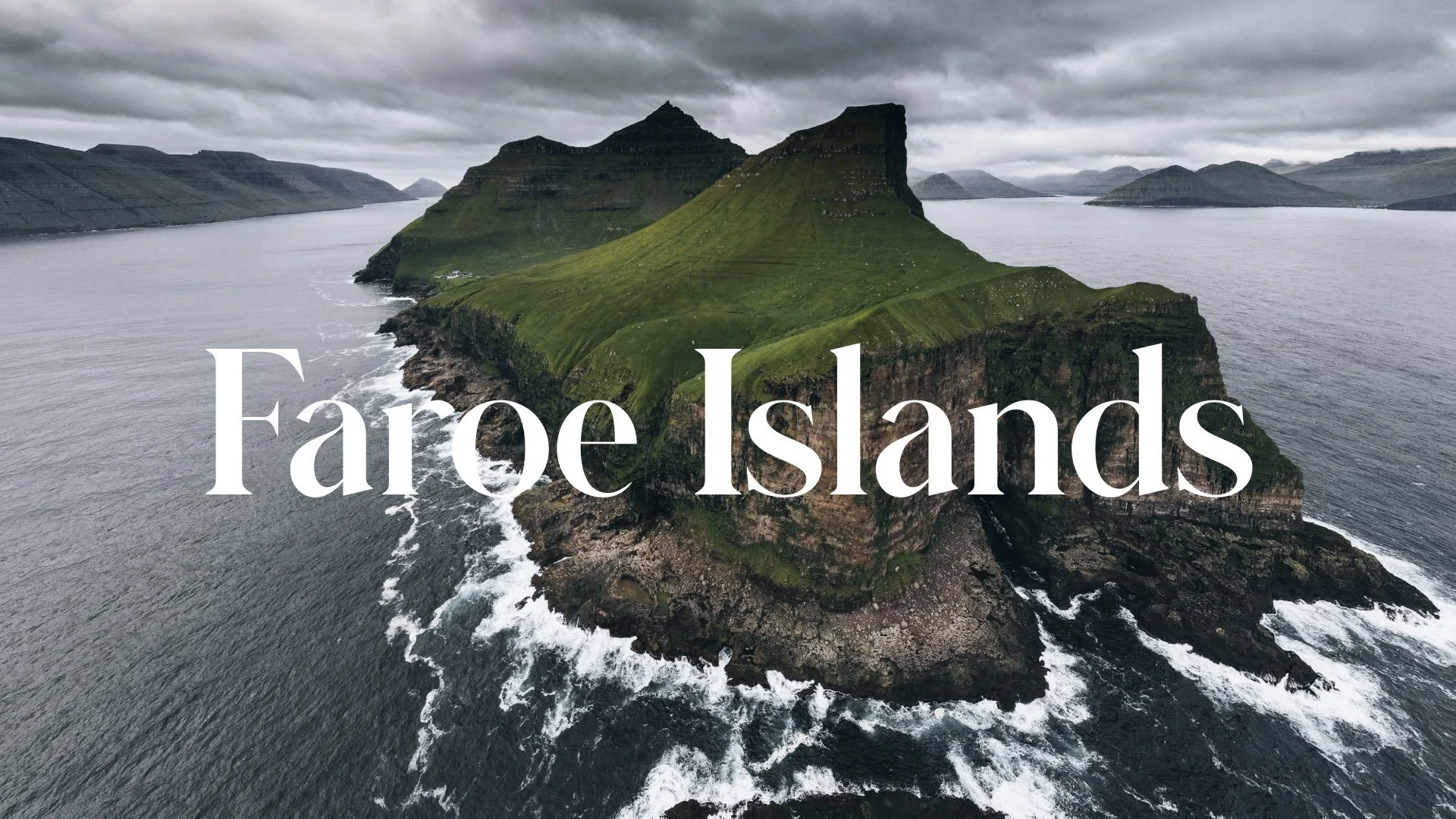
The Faroe Islands, an autonomous territory within the Kingdom of Denmark, beckon with dramatic landscapes, towering cliffs, and pristine nature. Tórshavn, the islands’ colorful capital, is the perfect base for exploring neighboring islands like Vágar, Streymoy, Eysturoy, and Bordoy. Kalsoy and Vidoy boast iconic peaks and stunning hiking trails, while remote gems such as Mykines, Sandoy, and Kunoy reward visitors with puffins, waterfalls, and untouched scenery.
This guide will help you plan your perfect itinerary through Denmark and the Faroe Islands, whether you’re chasing culture, coastal adventures, or breathtaking natural beauty. From city streets and historic landmarks to wild islands and hidden waterfalls, these destinations offer something extraordinary for every traveler.
I have been lucky enough to live in Sweden for a few years now, so I already have the advantage of living in the Nordics, allowing me to explore more of it. Denmark is a country just next door to Sweden and extremely easy to get to. The Faroe Islands were a little further to reach but I managed to see it a few years ago. With that said, I have developed this guide on all the places I have explored and documented in the hopes of helping you figure out what you would like to see on your trip to these places.
A breakdown of each city/natural attraction I will discuss are below:
Denmark (Jump to section): Aarhus, Odense, Copenhagen, Skagen, Grenen, Klitmøller, Løkken, Horsens, Ebeltoft, Danish Castles
Faroe Islands (Jump to section): Tórshavn, Vágar, Streymoy, Eysturoy, Bordoy, Kalsoy, Vidoy, Mykines, Sandoy, Kunoy, Faroe Waterfalls
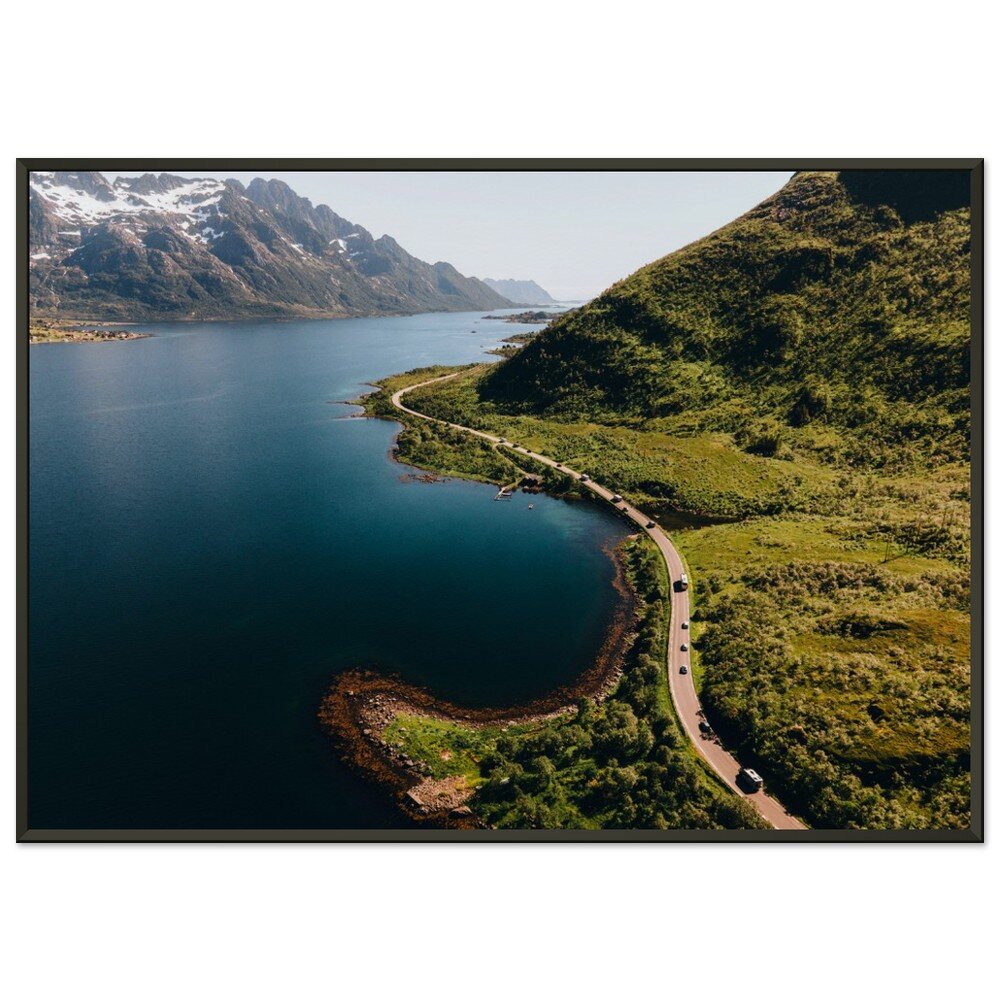
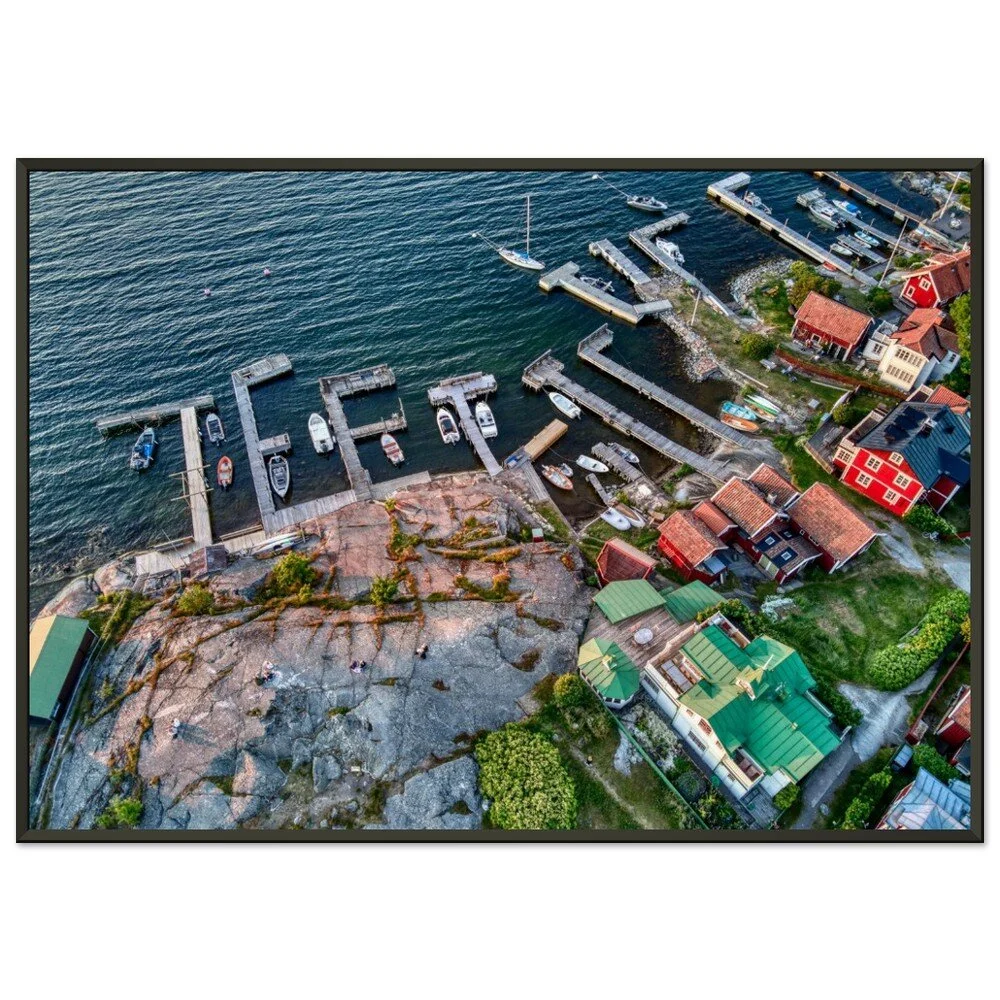
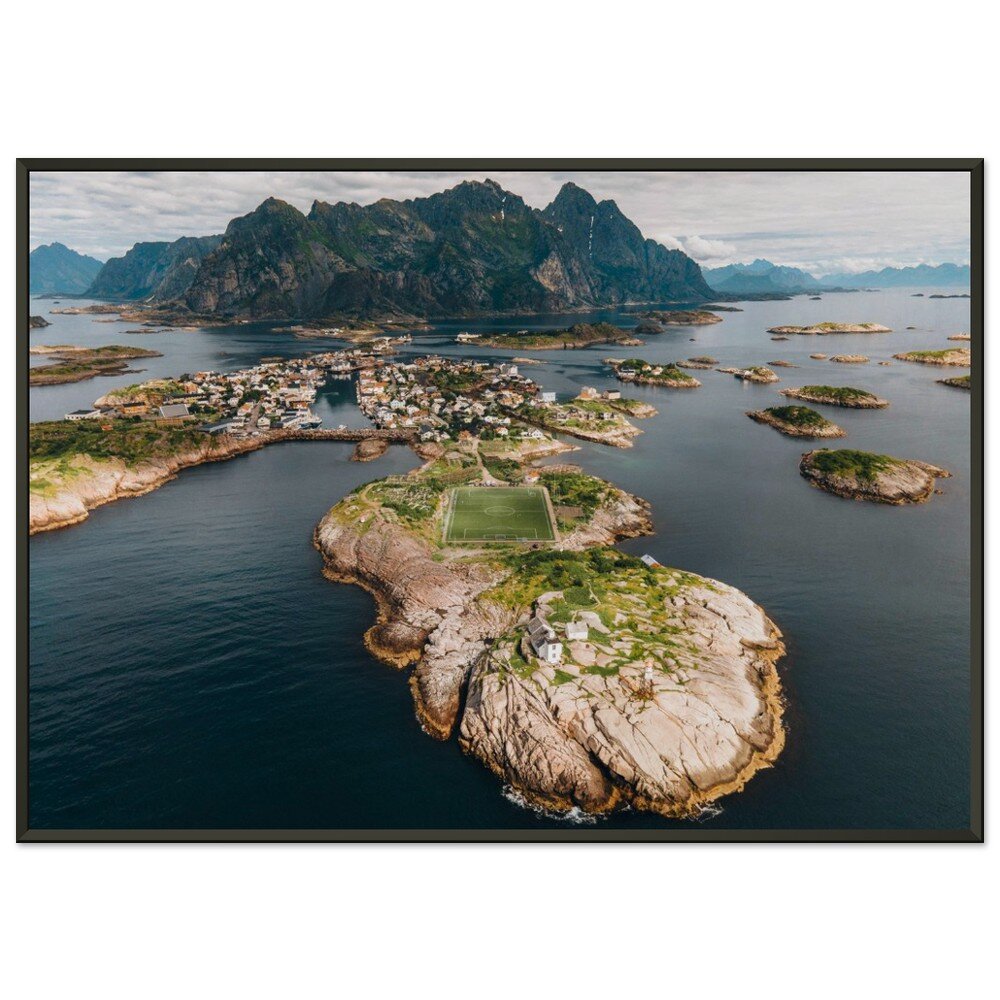
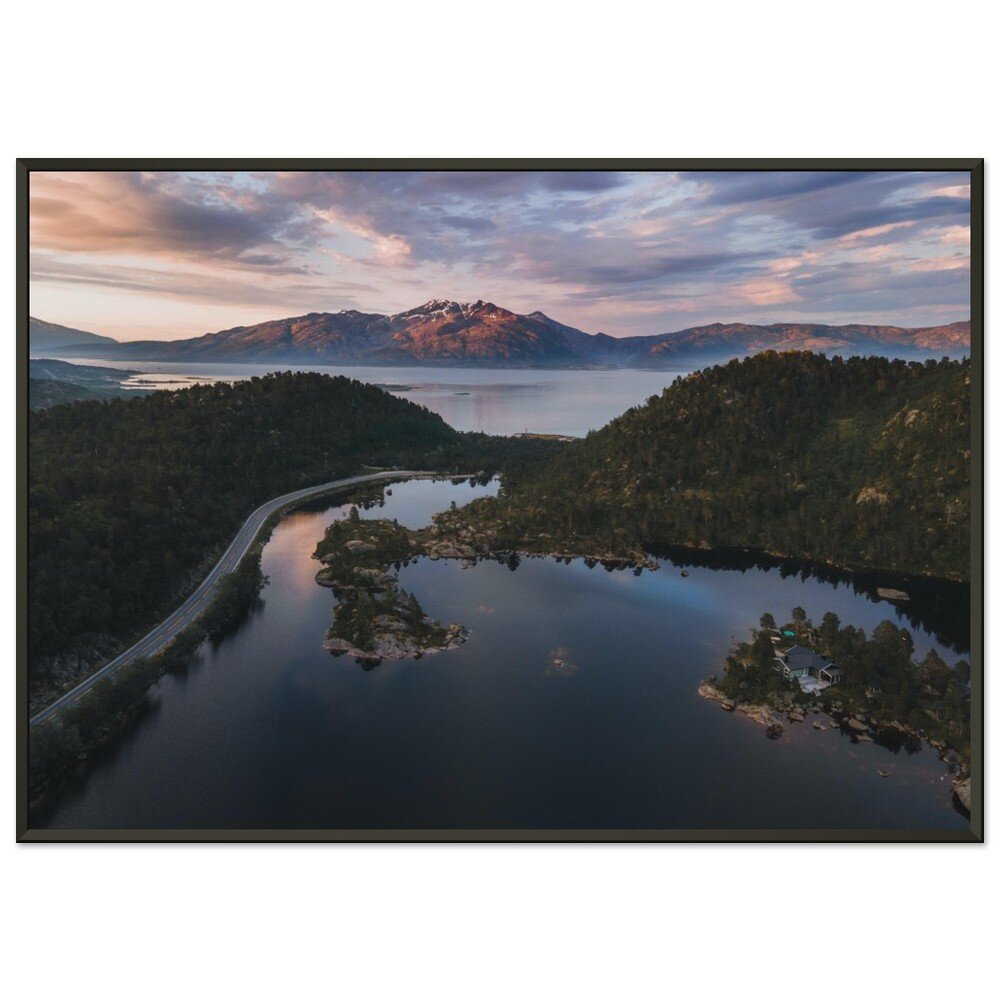
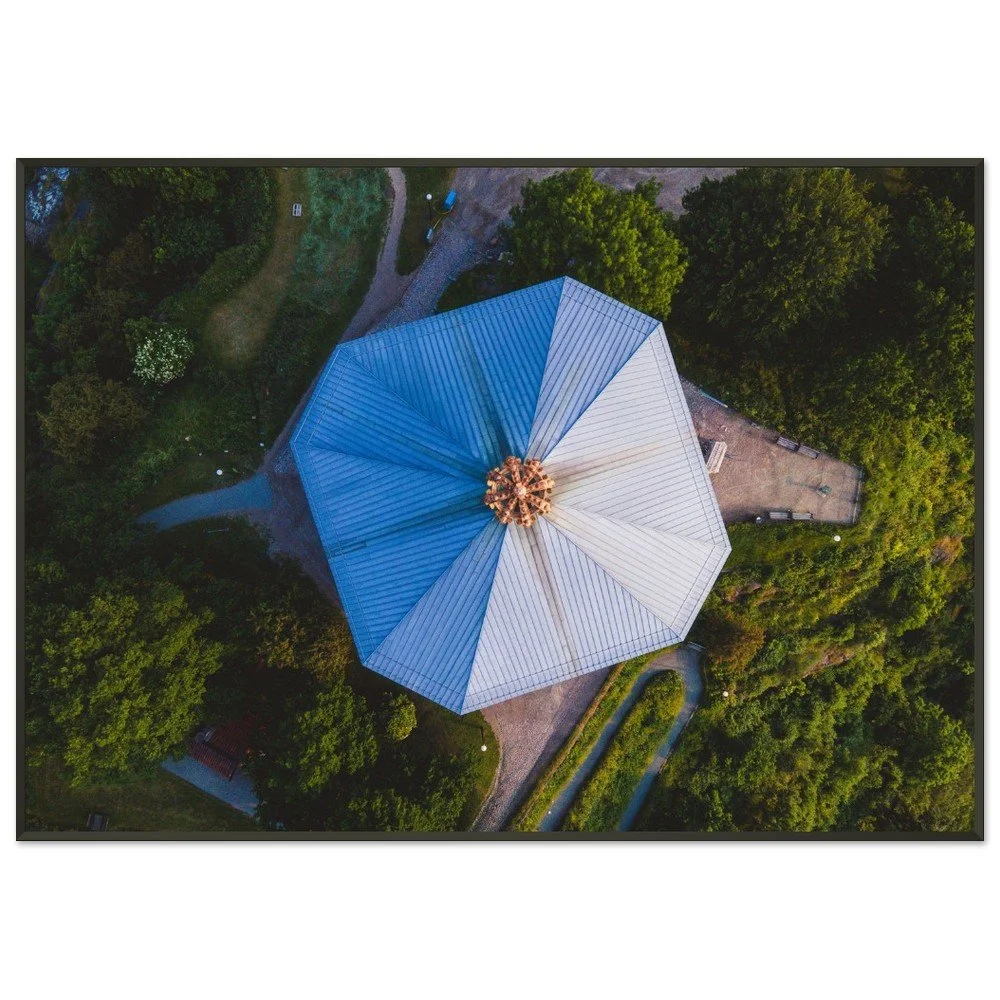
If you like some of my photos that you have come across, just know that I have many prints showcasing a variety of landscapes, including the Nordics, available for purchase below! (Sold as Posters, Canvas, or in Metal-Frames and Wooden-Frames).









Denmark
Just a few things to note about Denmark before your visit:
Denmark’s currency is the Danish Krone (DKK).
When you first land in Denmark, you can already understand why the people here, and the country as a whole, are consistently considered the happiest in the world. From my experience, the Danish are very friendly and open minded. This probably stems from their access to health care and quality education, excellent social services, and trust in their government.
The Danes are fluent in ‘hygge’, which stands for ‘intentional intimacy’. These are described as interactions with friends and family that breed camaraderie and valuable shared experiences and are integral to the happiness they are known for having. The term is also used to describe a general cozy atmosphere, such as wearing comfortable clothes inside on a cold winter day in front of a lit fireplace (count me in).

Aarhus
(Blog Post: A Weekend Trip to the Danish town of Aarhus)
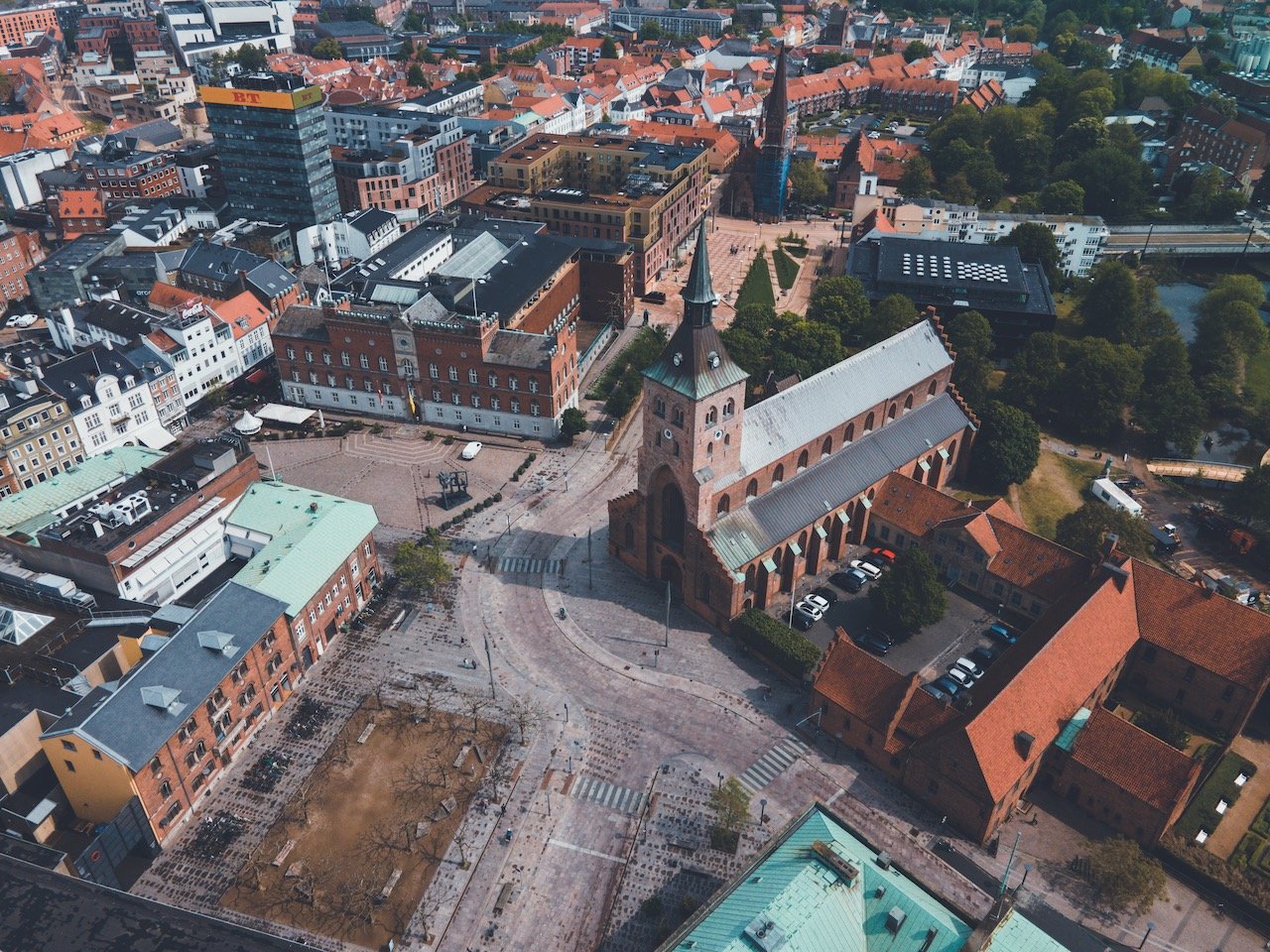
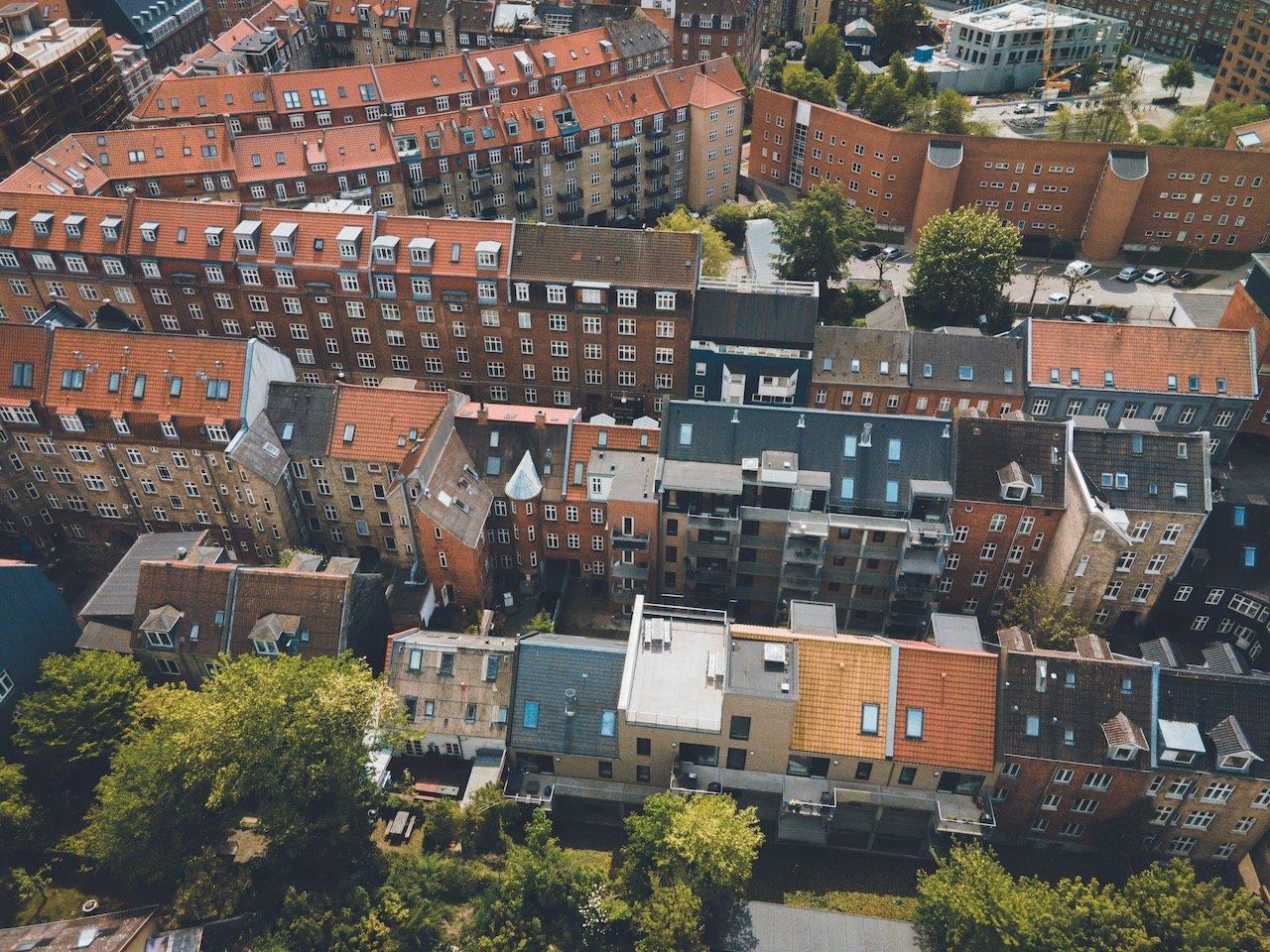
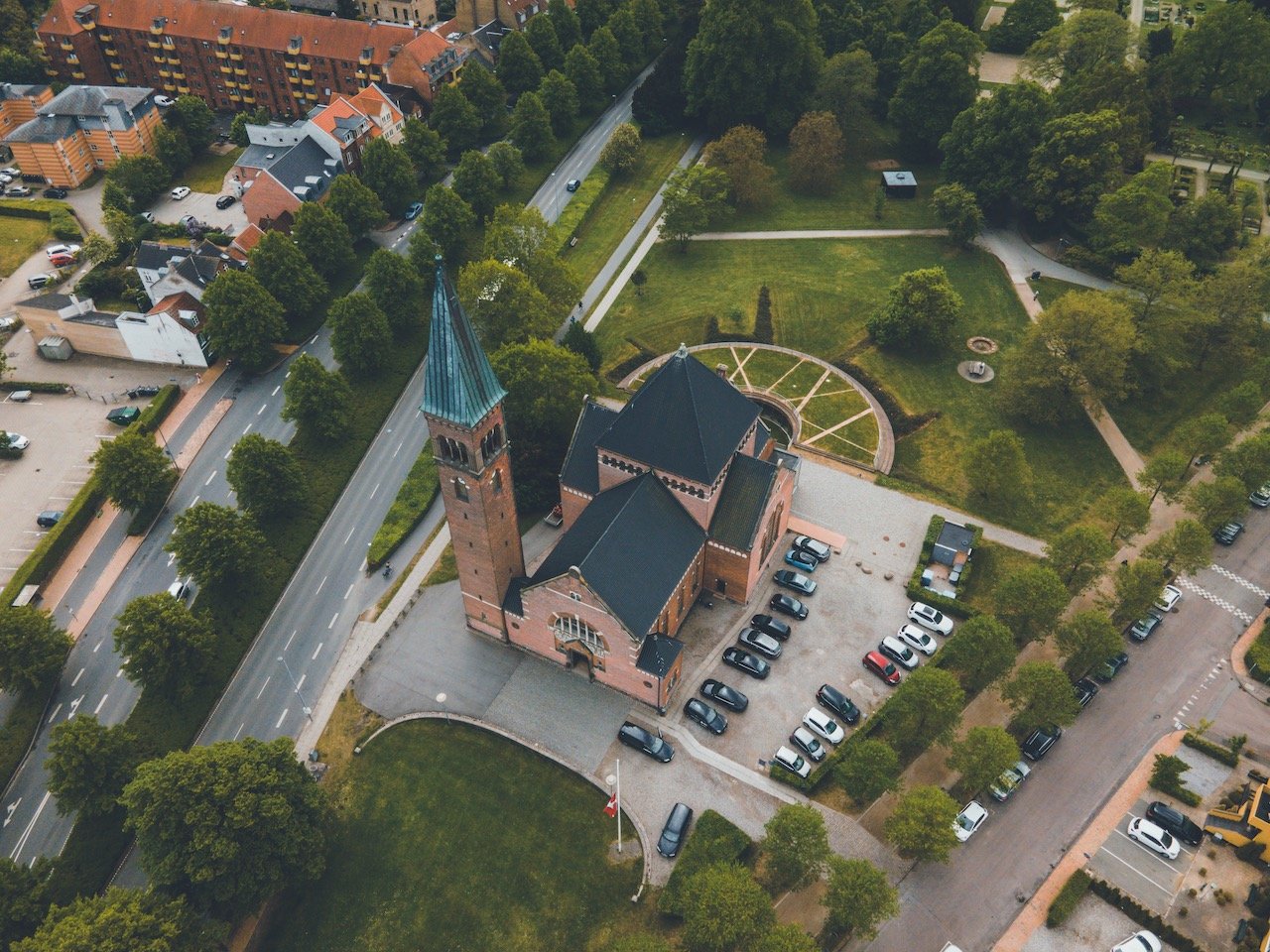
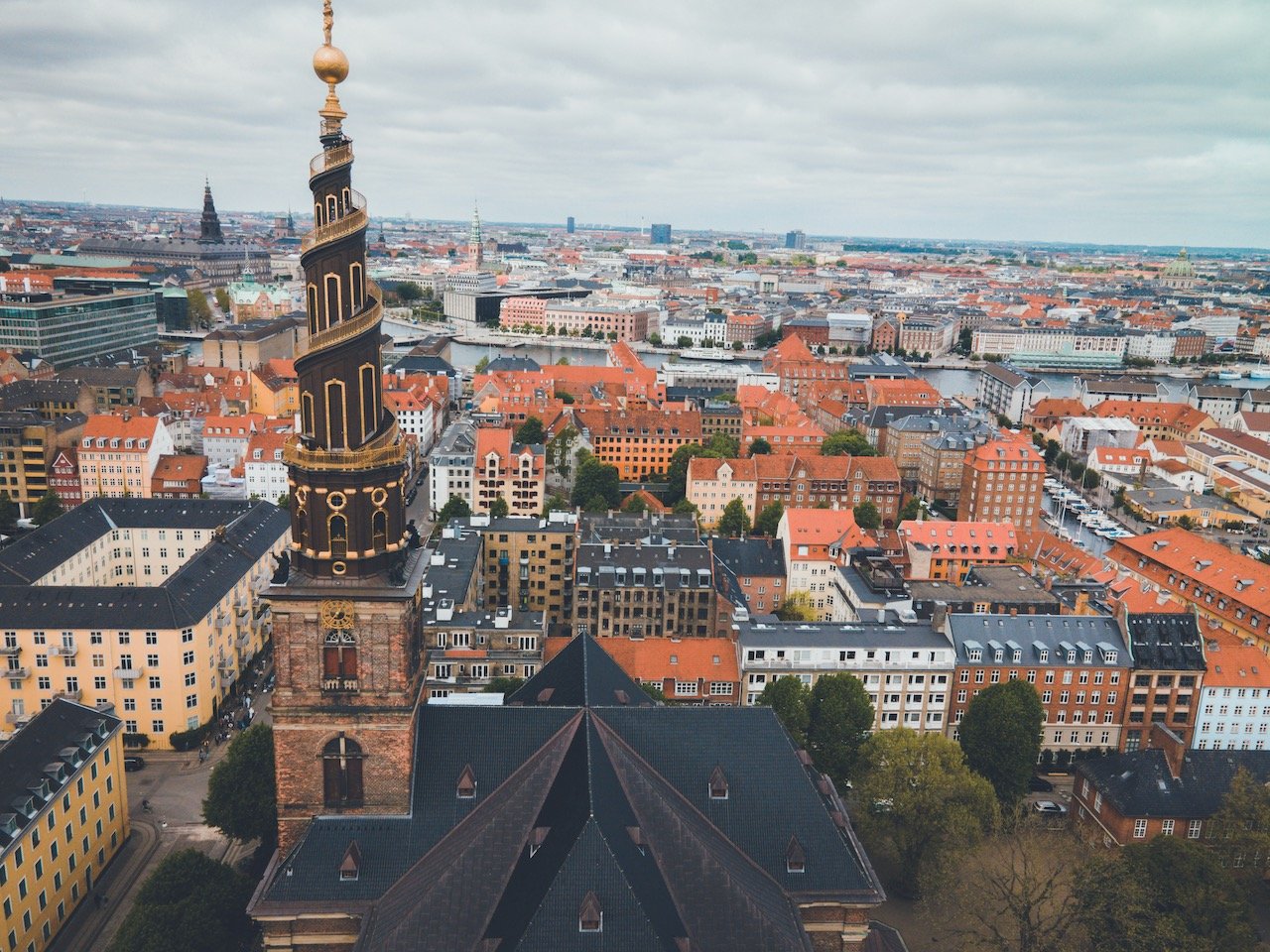
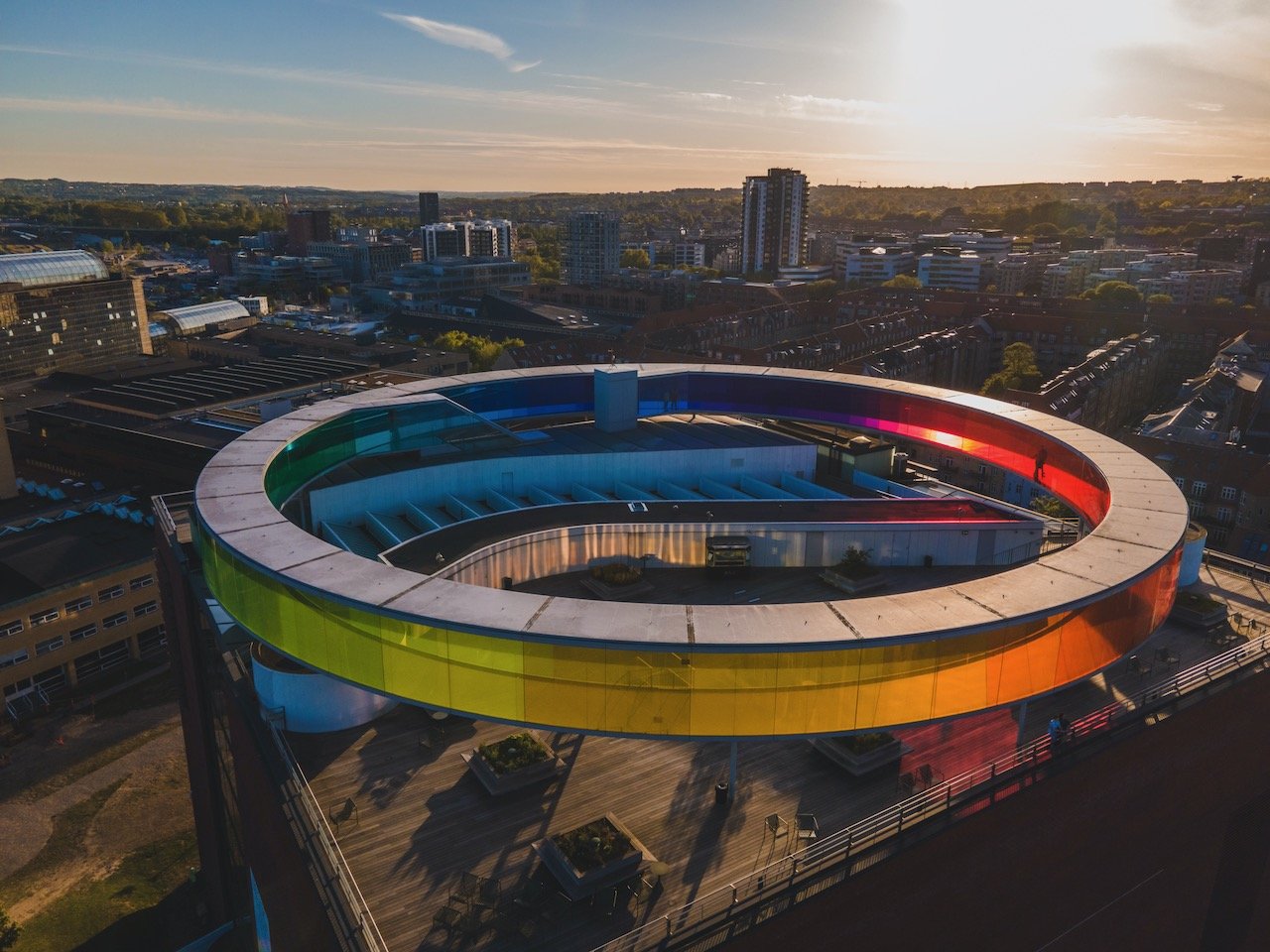
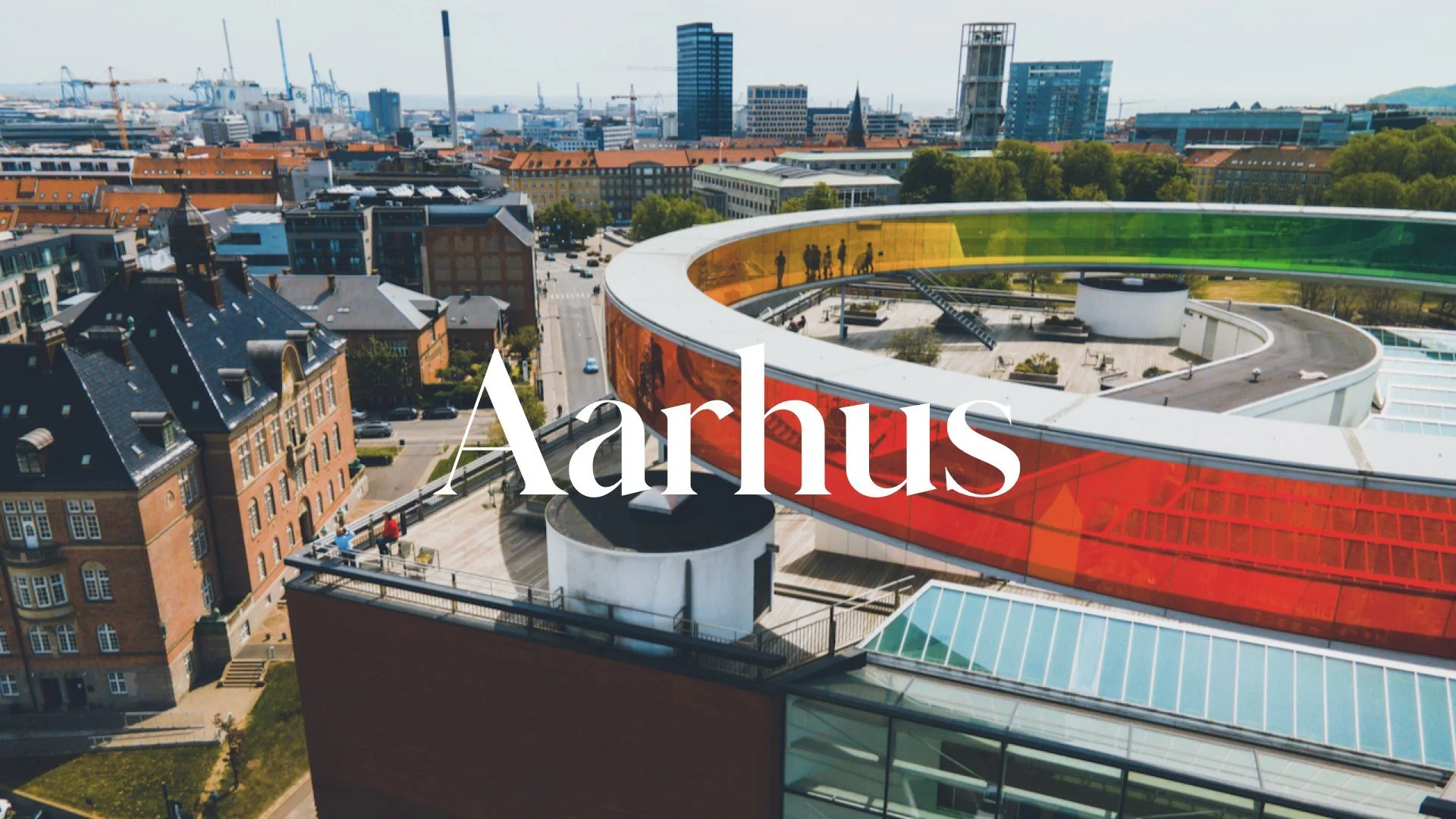
Aarhus is the largest city situated in Jutland county in Denmark, home to about 336,000 inhabitants (at the time of writing this article). It is a city ripe with student life, as can be seen by the plethora of cafes and bicycles ever present on these city streets. After all it is home to the largest university in Scandinavia (Aarhus University). Furthermore, it is one of the oldest cities in Denmark, dating back to the 8th century.
Aarhus Museum of Art (ARos) and Marselisborg Slott are places to check out.
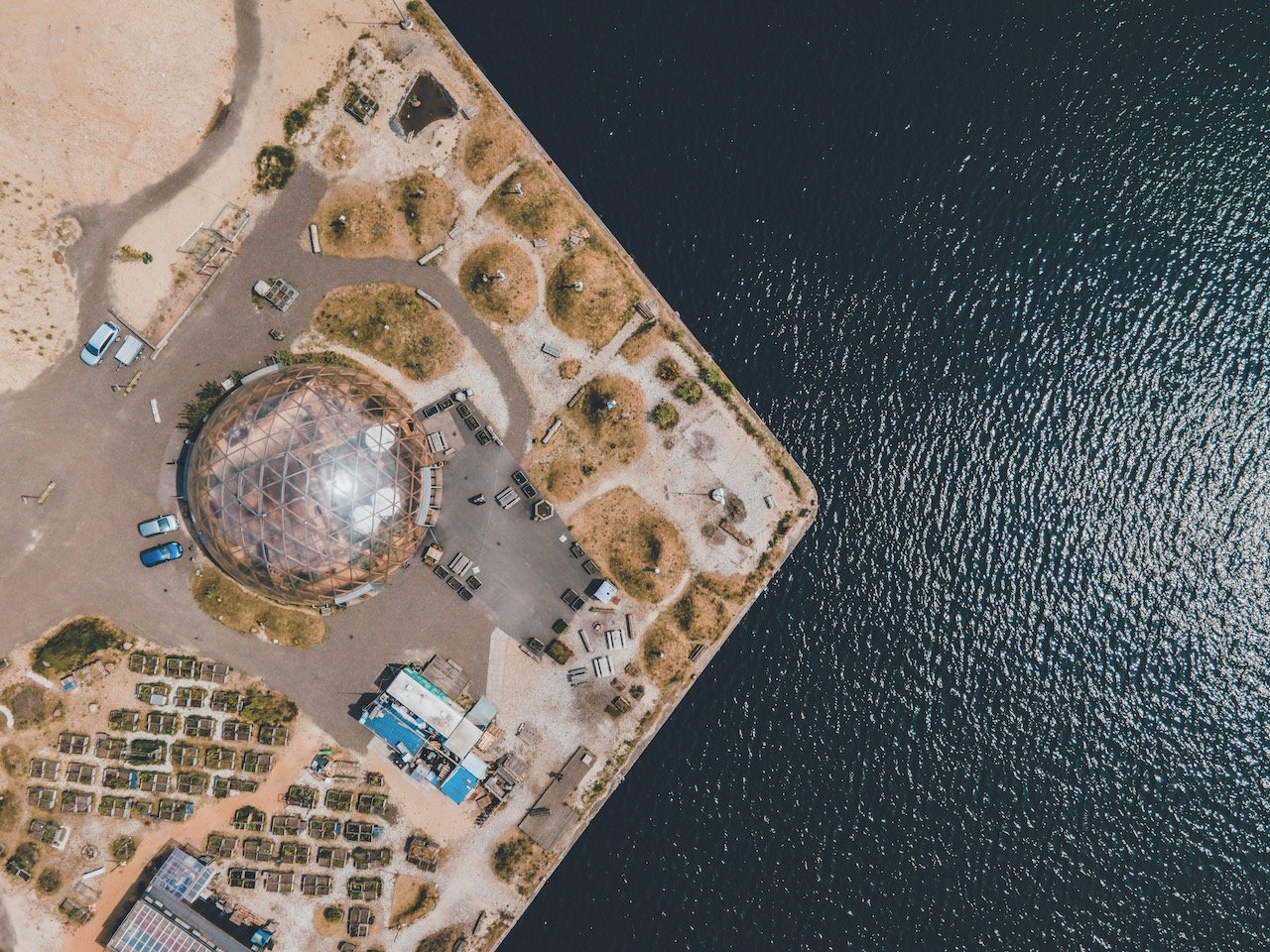
Mølleparken and The Dome are cool spots for chill.
The Infinite Bridge is not to be missed!
Odense
(Blog Post: Exploring Odense, Denmark: The Birthplace of Hans Christian Andersen)
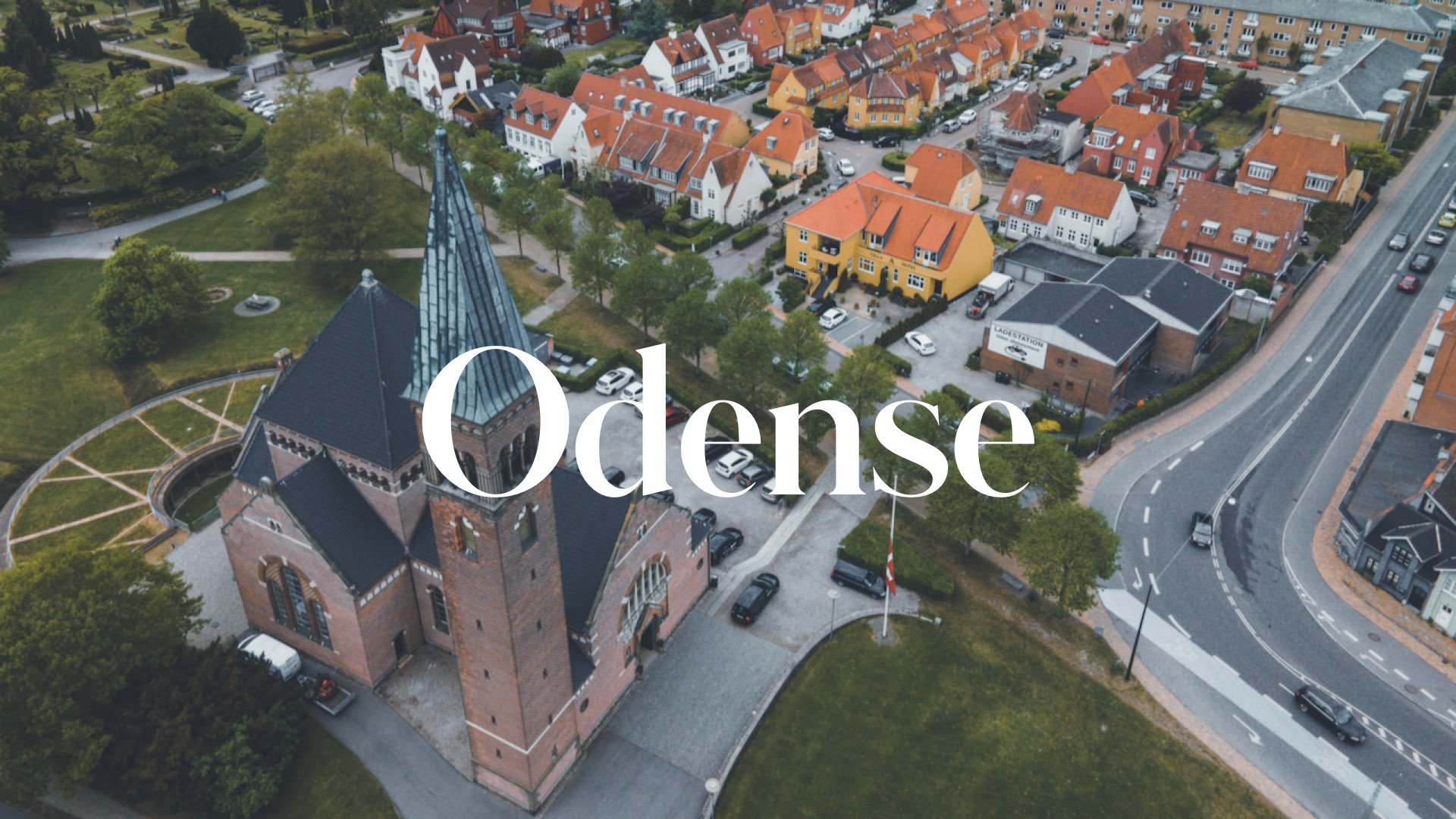
Odense is the third largest city in Denmark and the birthplace of famous Danish author Hans Christian Andersen, who is highly esteemed in literature and perhaps most famous for writing The Little Mermaid. The city name itself comes from the phrase ‘Odins Vé' which means ‘Odin's sanctuary’ (Odin being a God in Norse Mythology).
Odense Cathedral and Odense Slott are worth seeing.
Eventyrhaven is an amazing park that is quiet and secluded.
Copenhagen
(Blog Post: The Perfect Guide to Exploring Copenhagen)
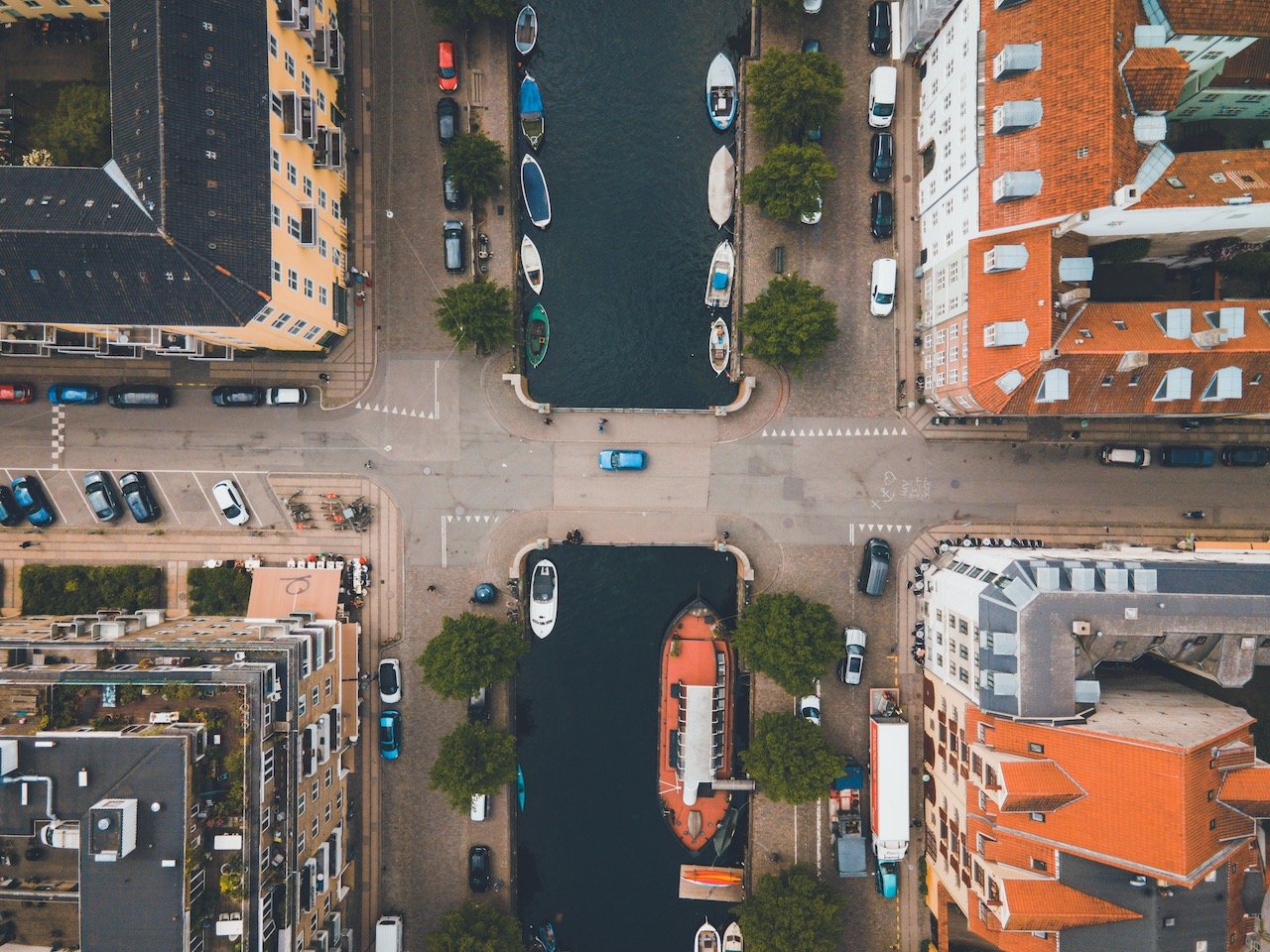
The Danish capital of Copenhagen has plenty to offer at all times of the year. My journey there was around Easter, so the colder winter weather had subsided enough to make my stay more than tolerable there. Aside from doing a walking tour, I decided to walk aimlessly in the hope of stumbling upon interesting sights. The city is mostly flat, thus very walkable.
Kastellet - An amazing star fort that is popular for runners and walkers.
Nyhavn Harbor and the Danish Royal Library Gardens are must see places.
Skagen
(Blog Post: How to Spend a Perfect Weekend in Skagen, Denmark)
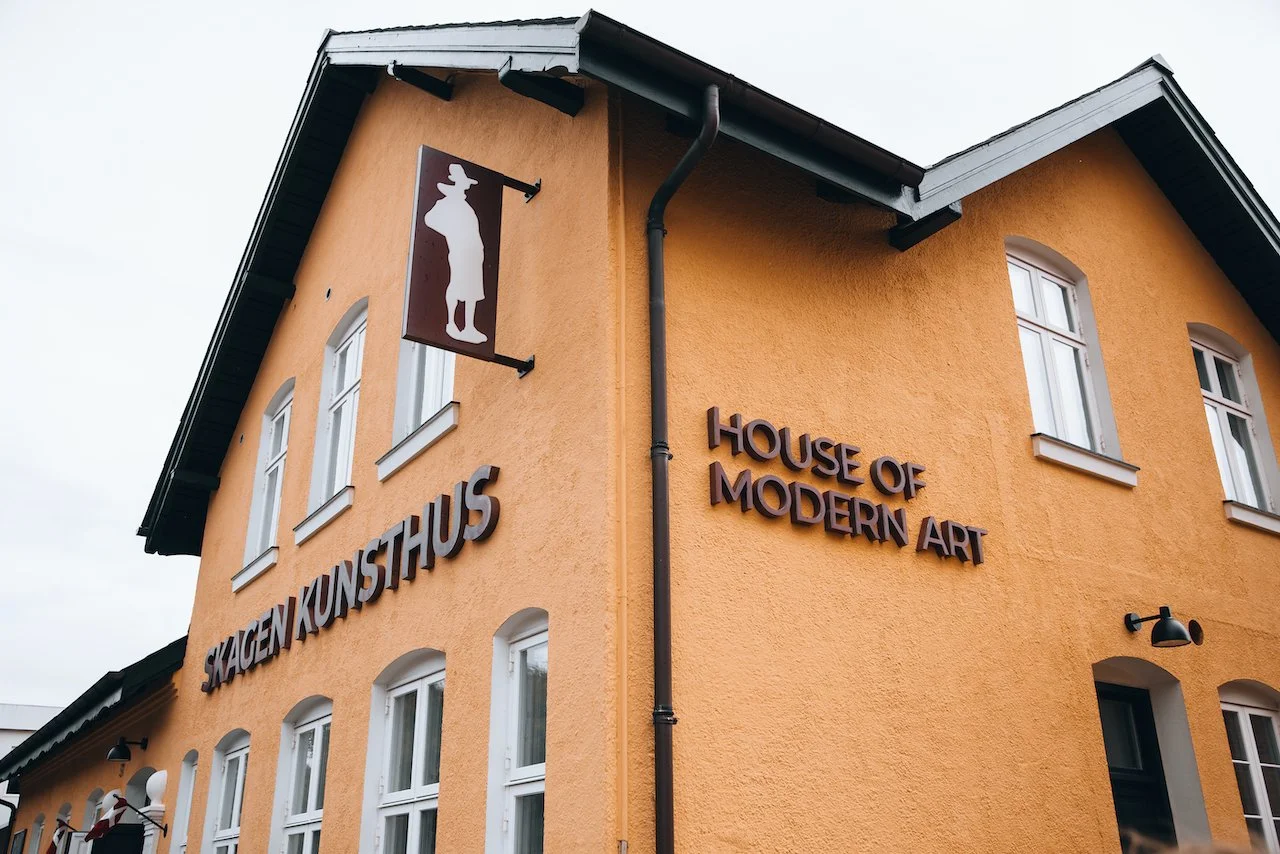
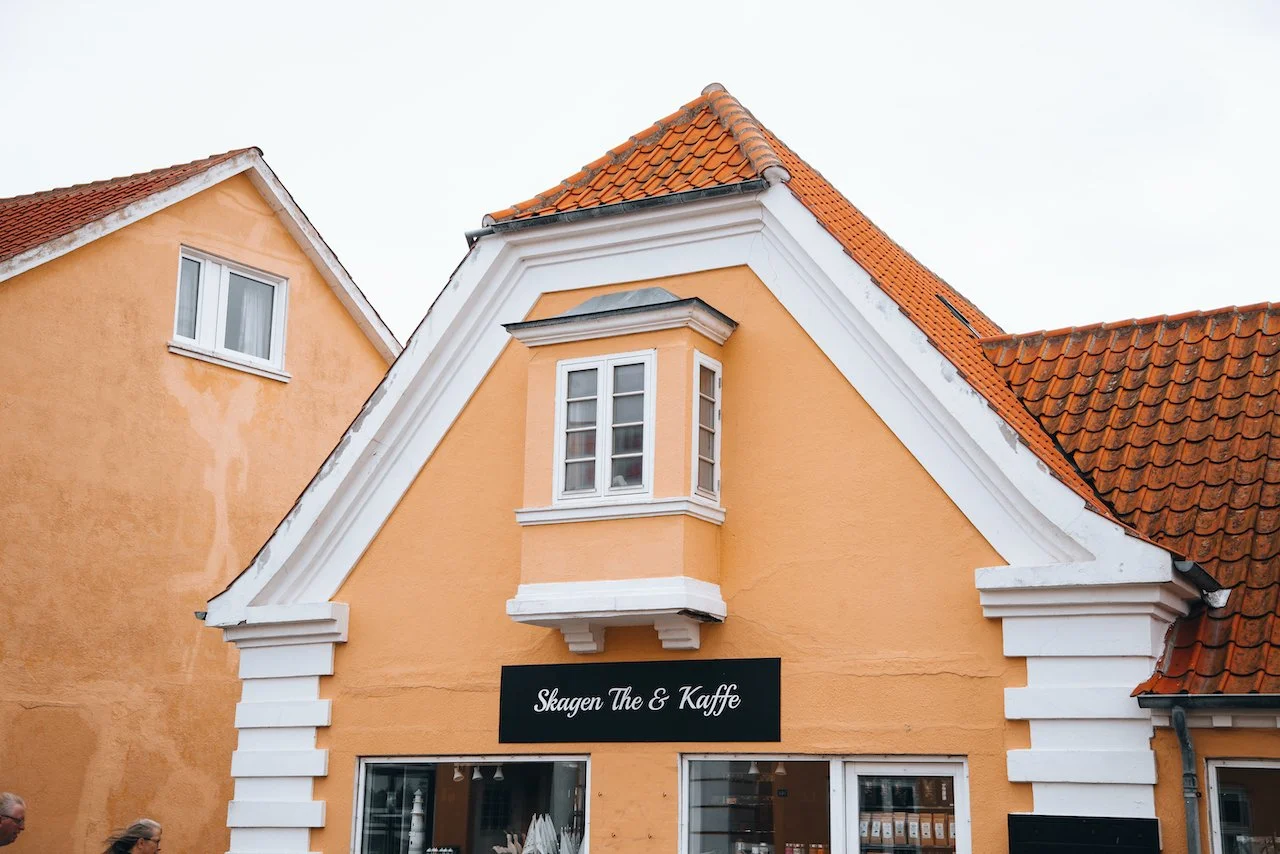
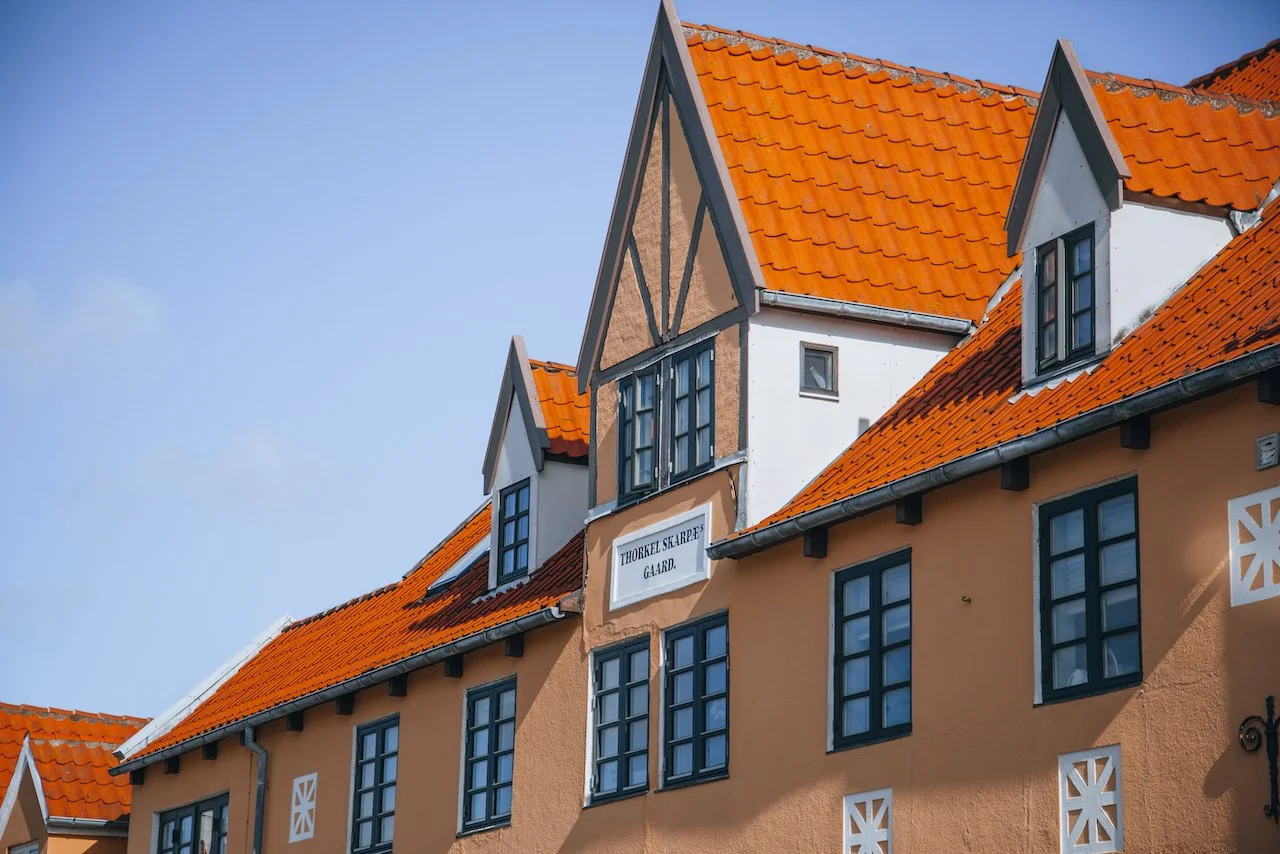
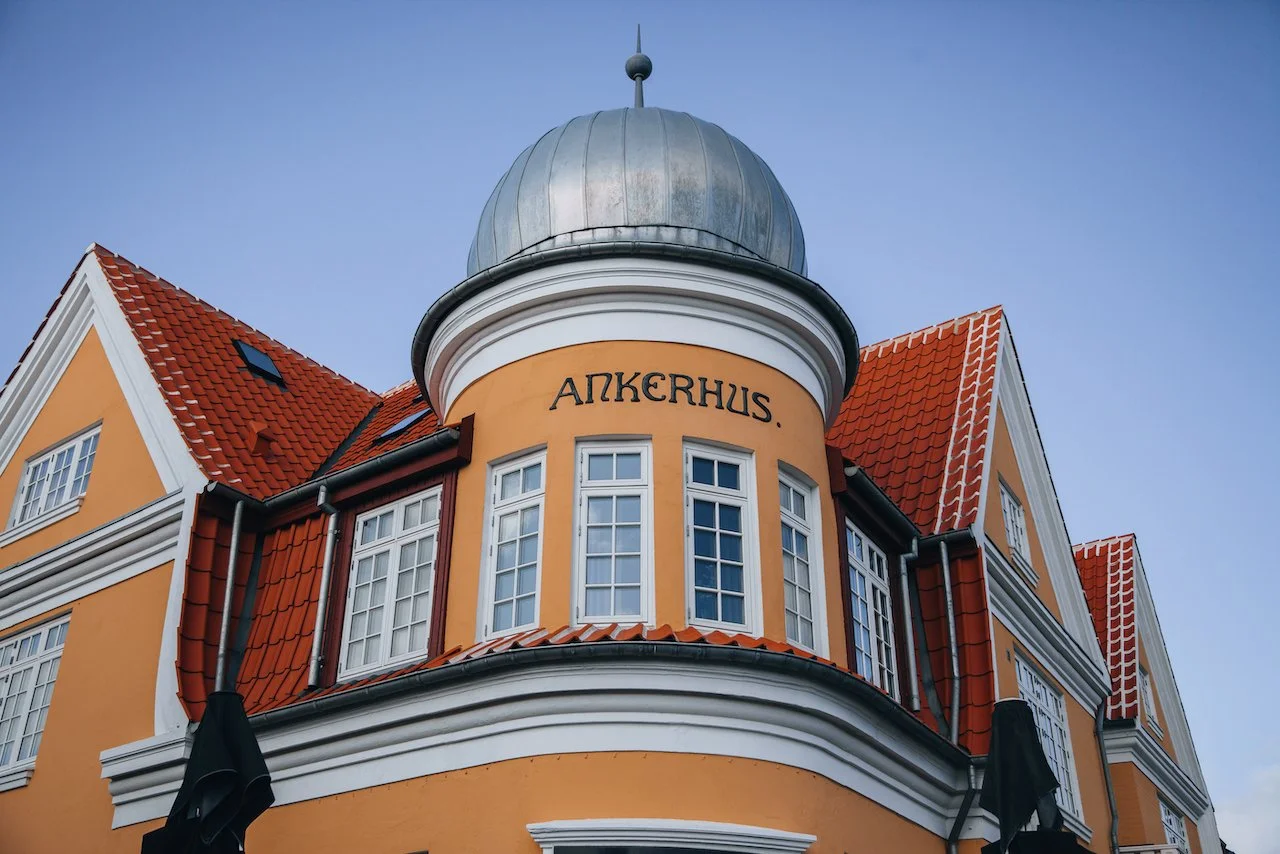
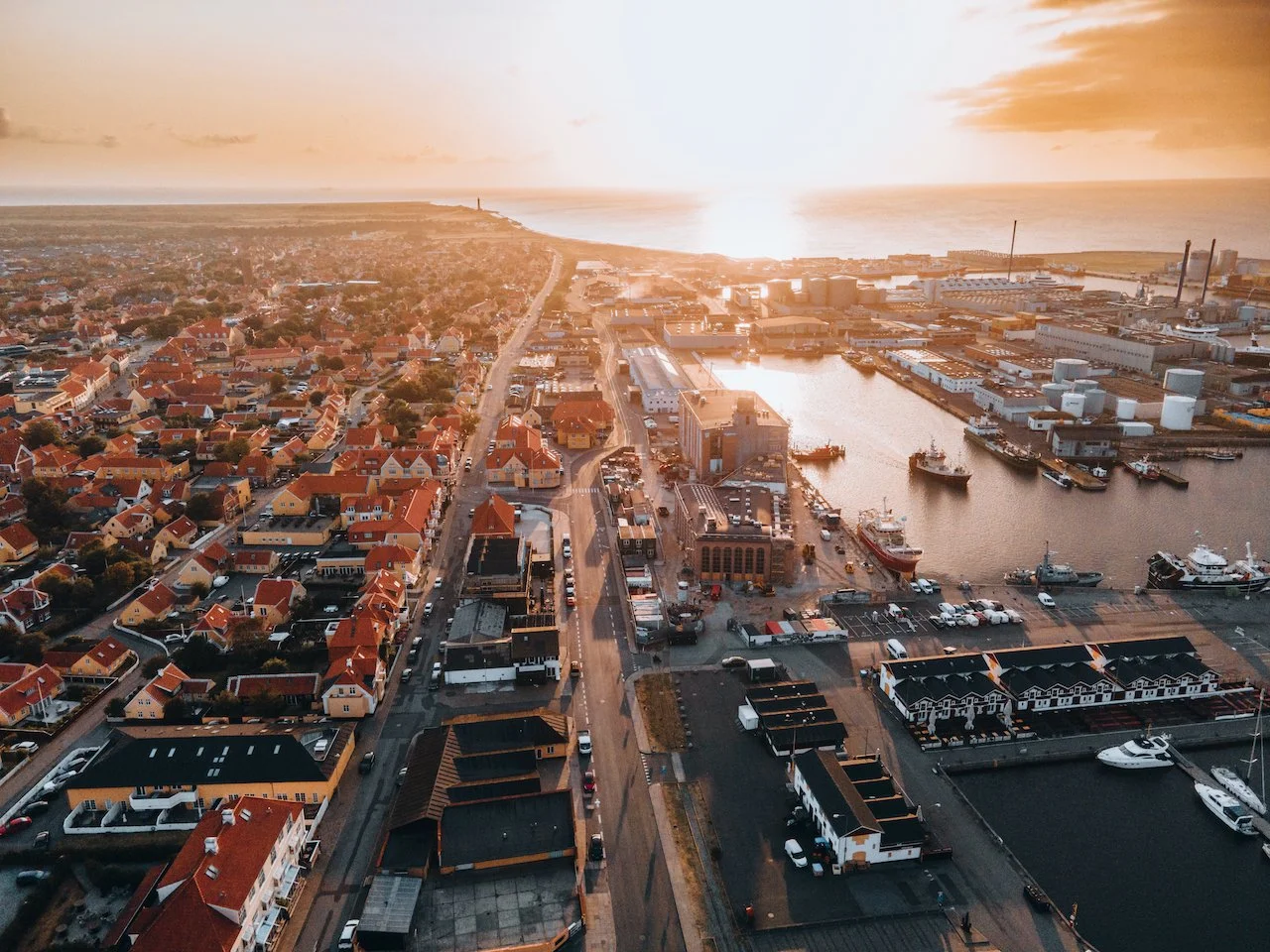
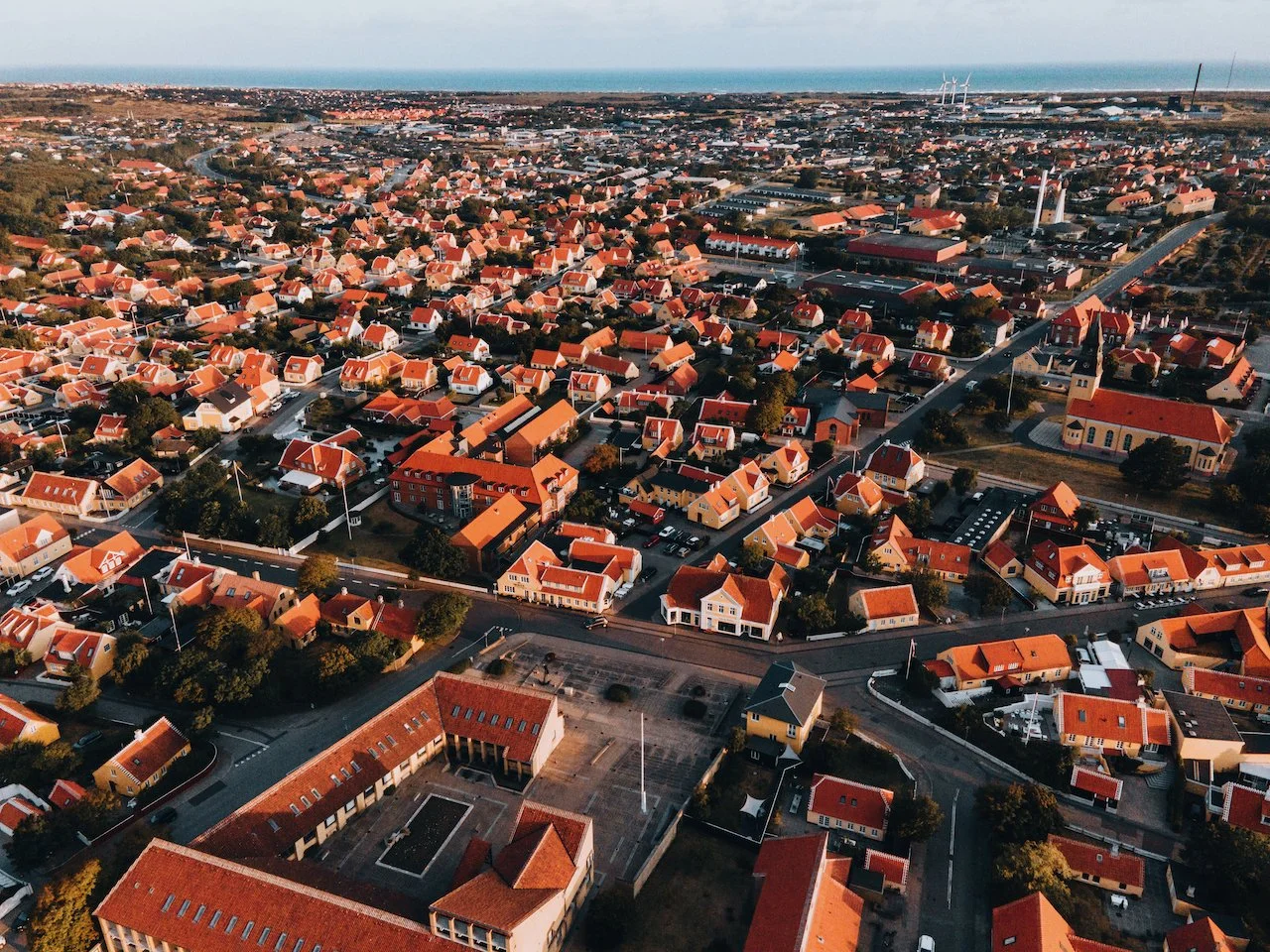
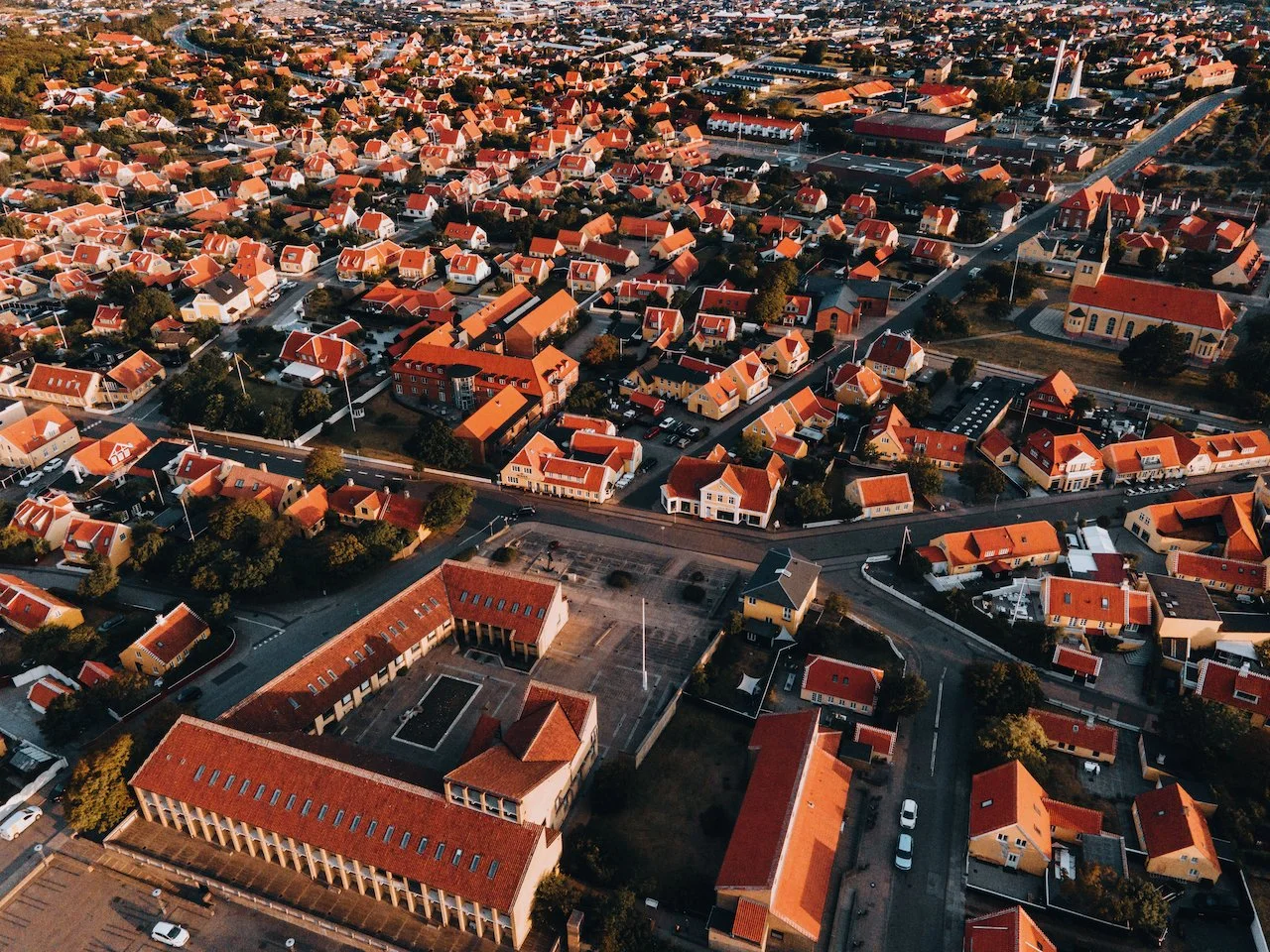
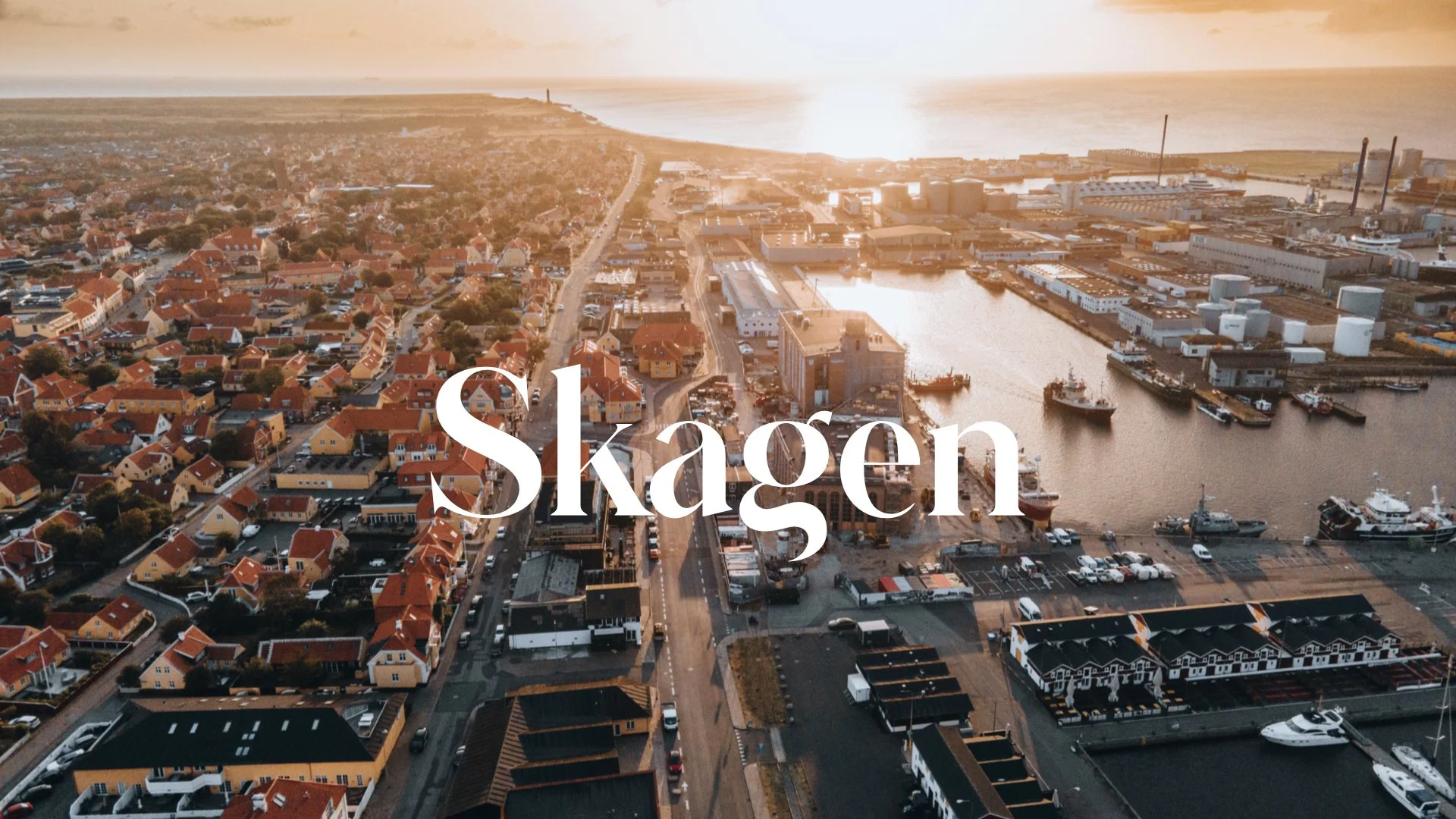
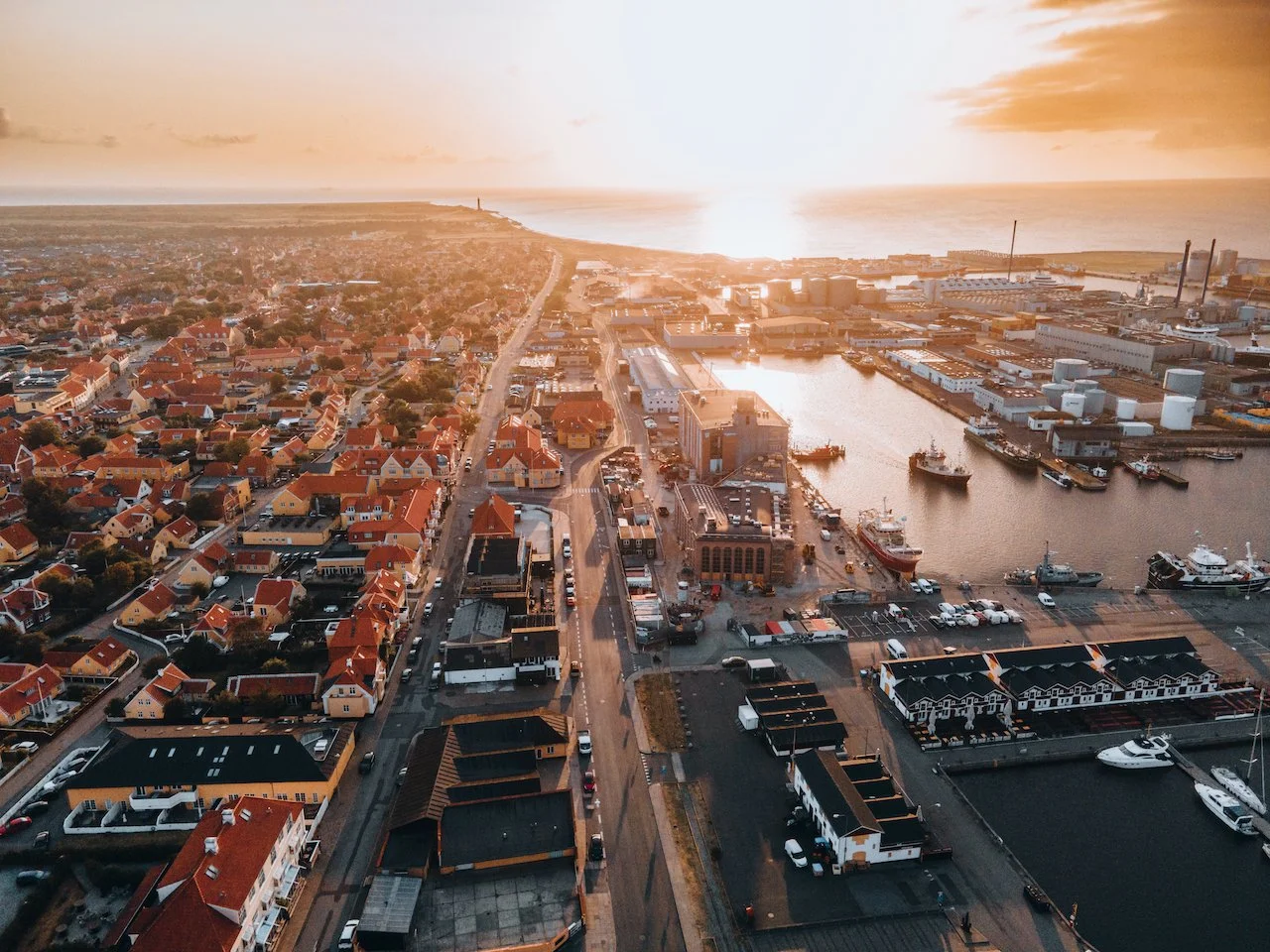
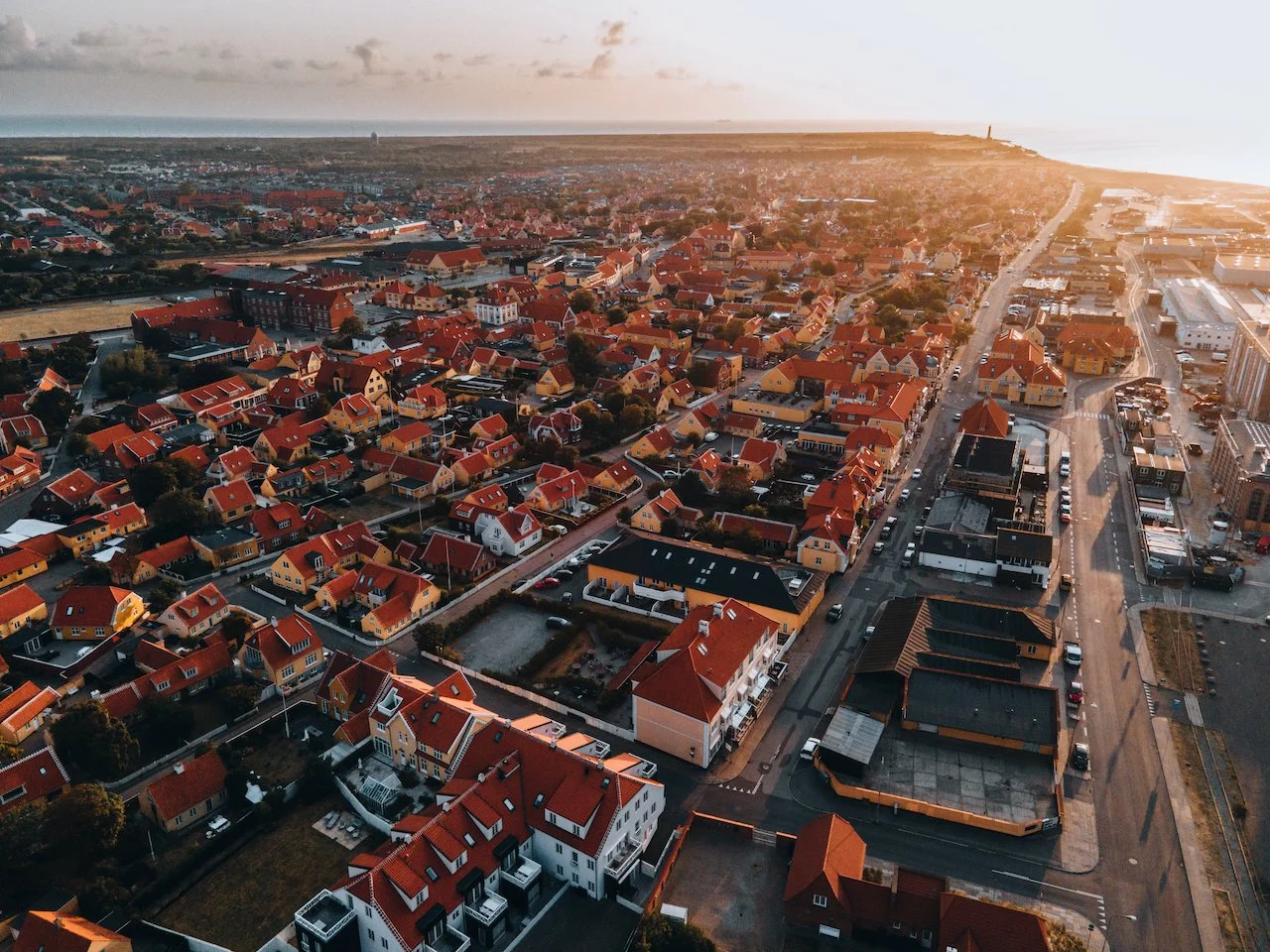
Plan the perfect trip to Skagen, Denmark’s northernmost town. Learn how to get there, the best beaches to visit, where to stay and what to see – including Grenen, the Sand-Covered Church and the town’s colourful yellow houses. Ideal for summer holidays and coastal photography.
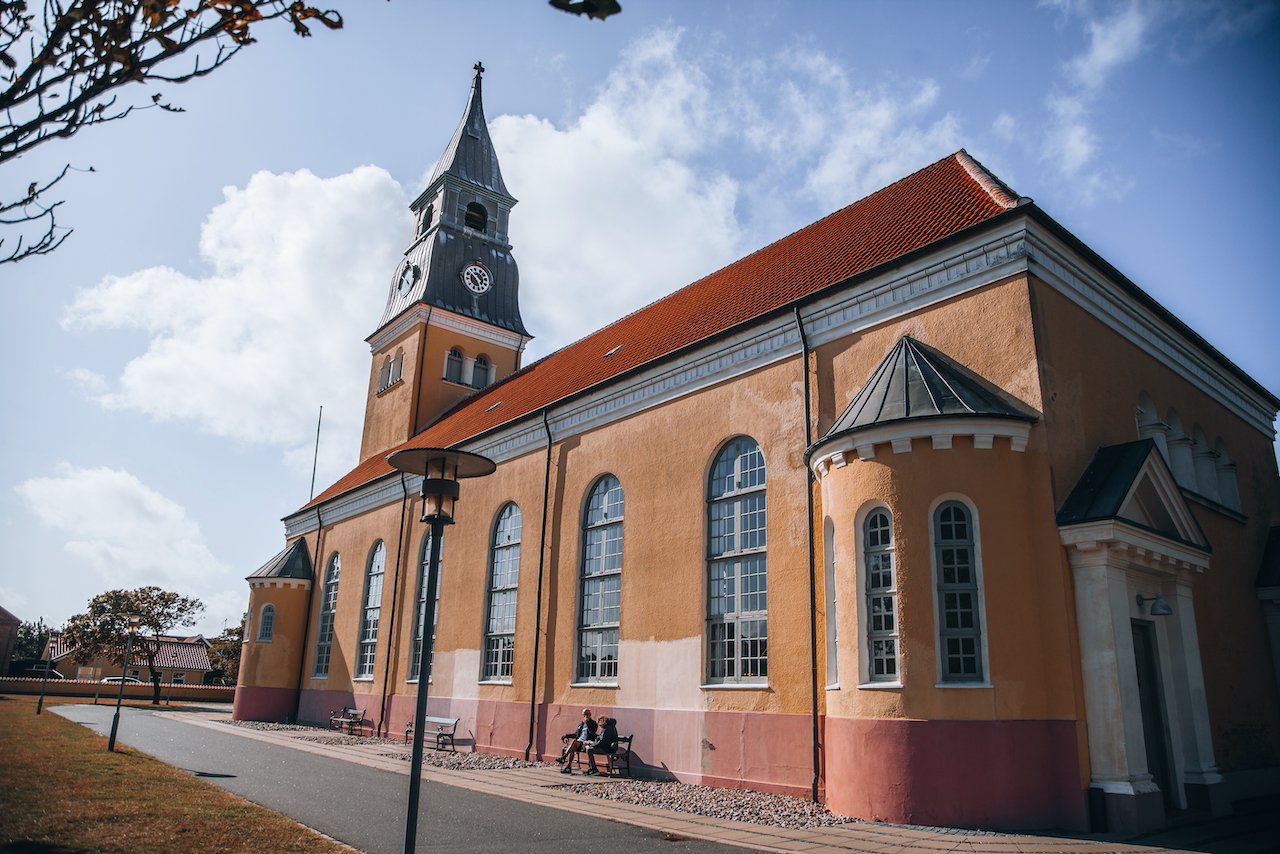
Skagen Church — Visit Skagen Church, a historic landmark with beautiful architecture and a serene interior, reflecting the town’s maritime and cultural roots.
The Buried Church — Explore the Buried Church near Skagen, a centuries-old landmark where shifting sands swallowed much of the medieval building over time.
Drachmanns Hus — Step inside Drachmanns Hus in Skagen, the former home of poet Holger Drachmann, filled with art, history, and cultural inspiration.
Grenen
(Blog Post: How to Visit Grenen – Where Two Seas Meet in Skagen, Denmark)
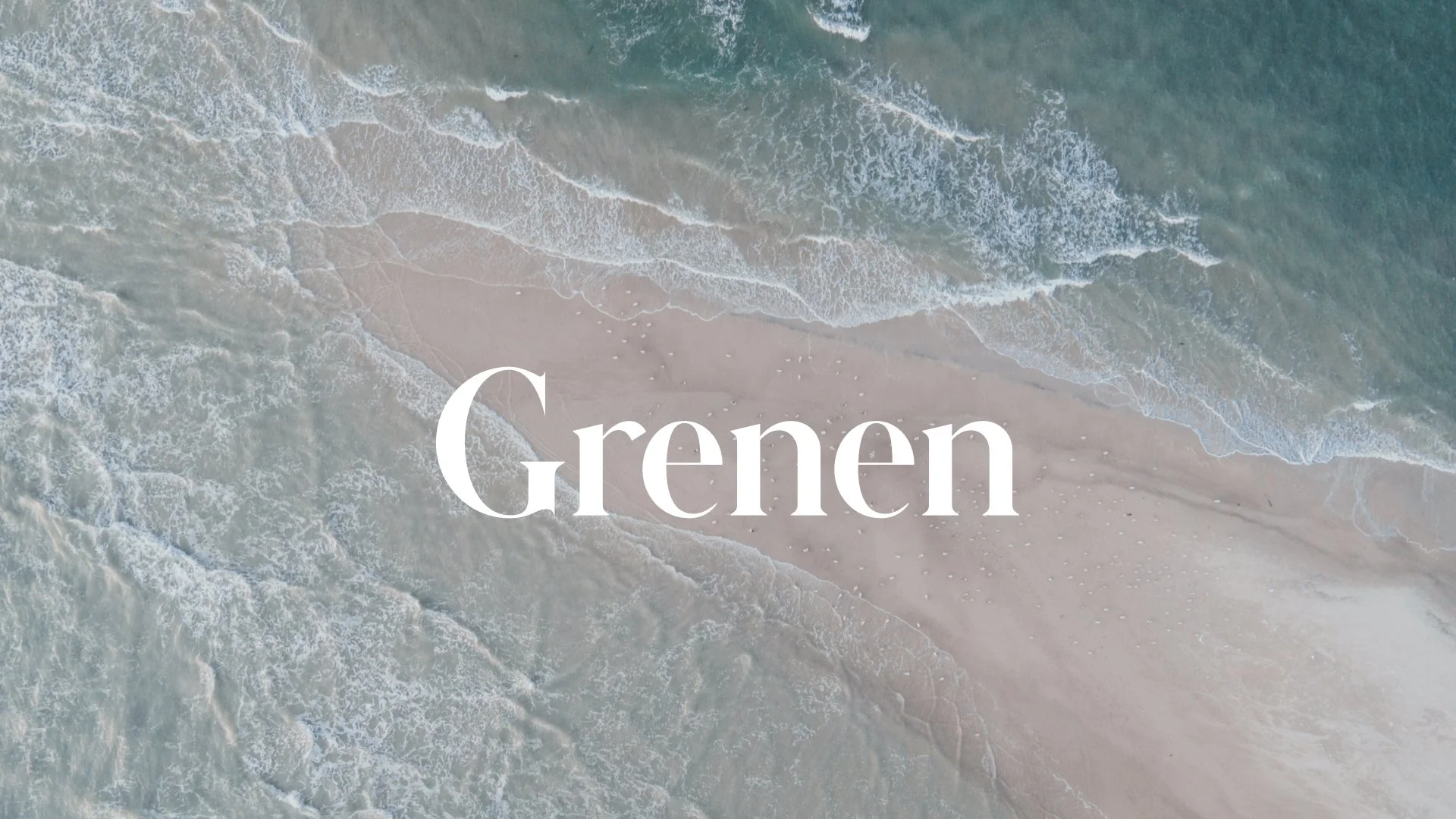
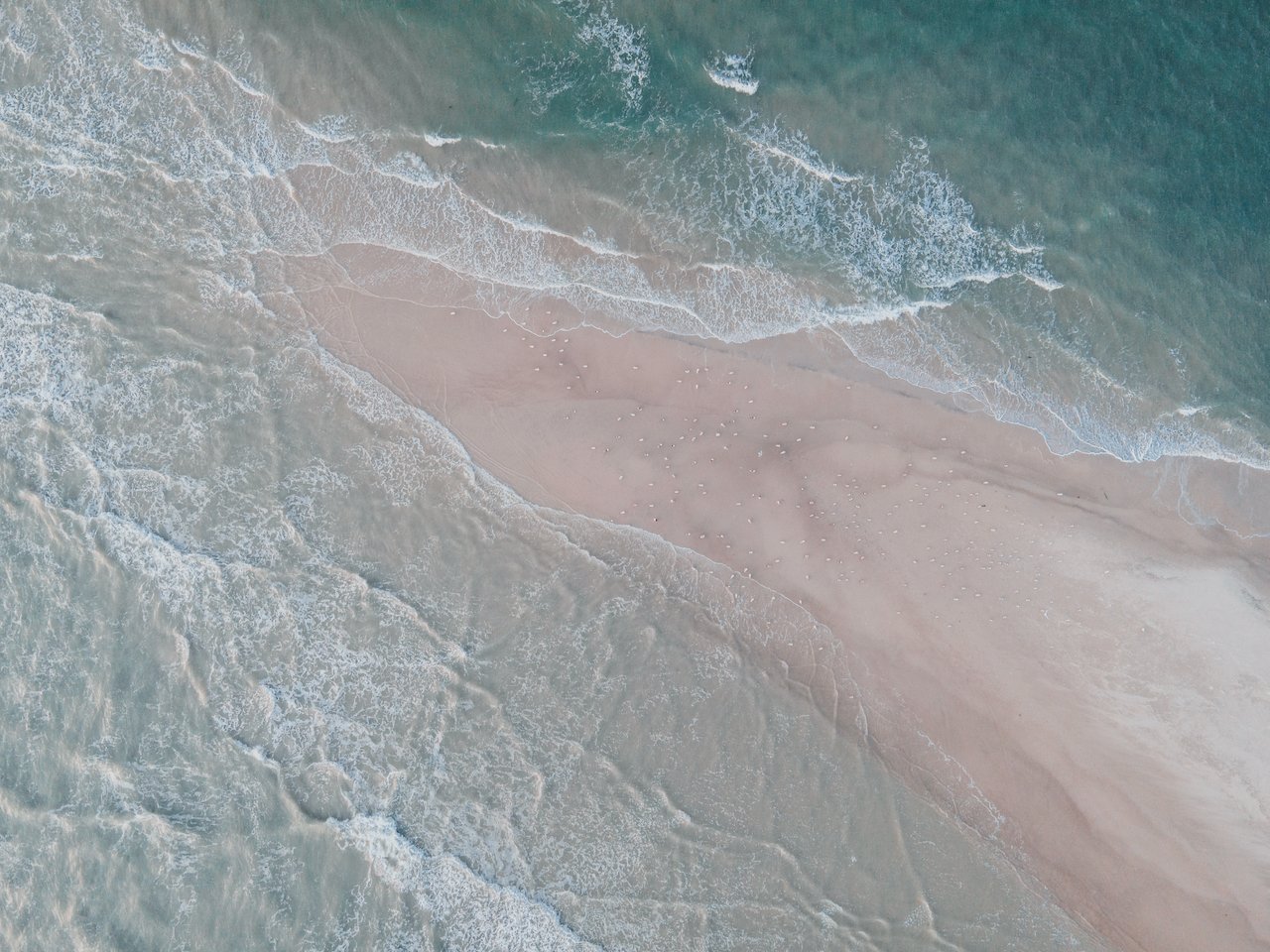
Visit Grenen, Denmark’s northernmost point near Skagen, where the Skagerrak and Kattegat seas meet. This natural wonder is famous for its shifting sandbar, seabirds, and scenic coastal walks. Learn how to get there, the best time to visit, and what makes Grenen one of Denmark’s most unique and unforgettable destinations.
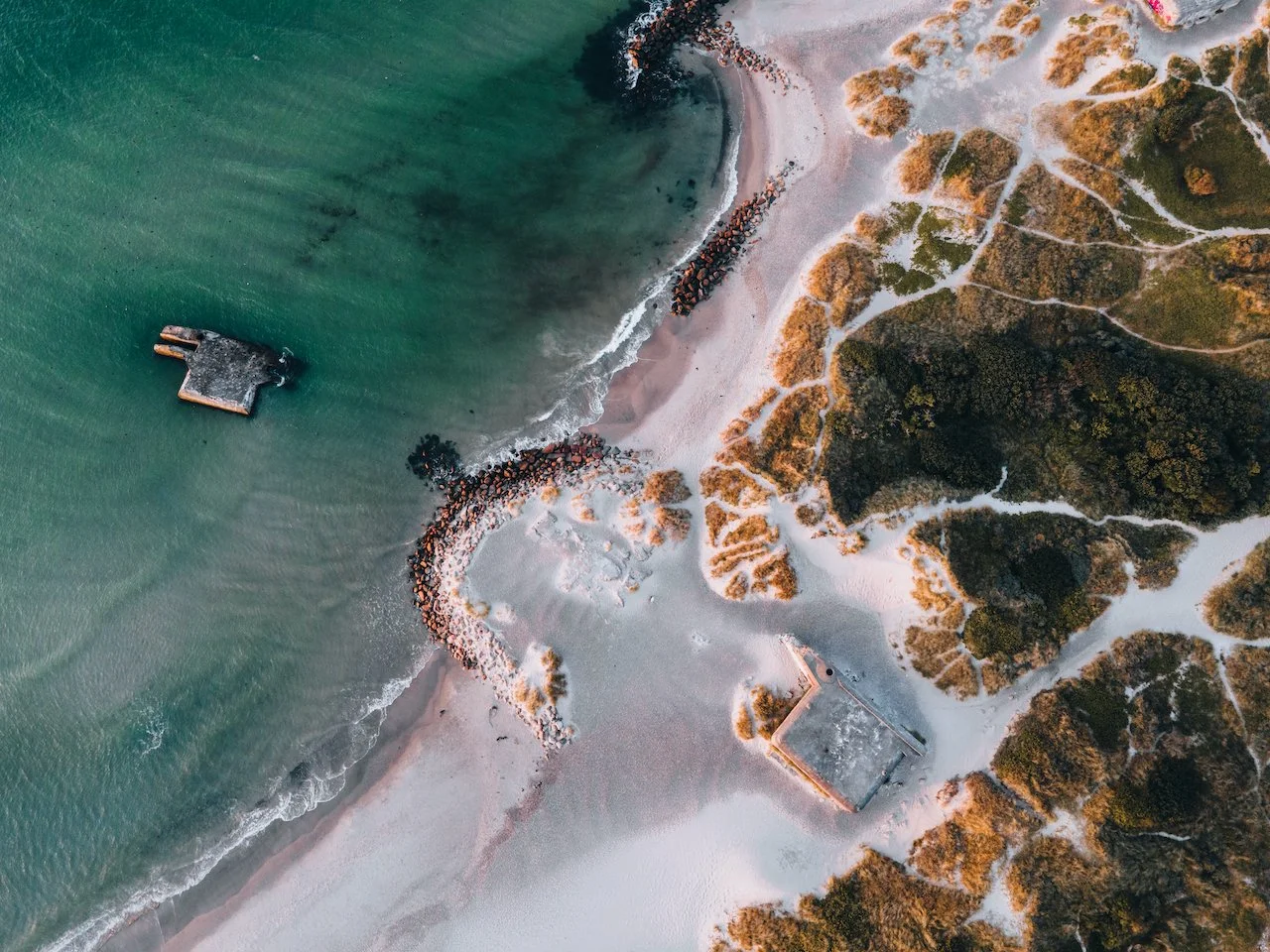
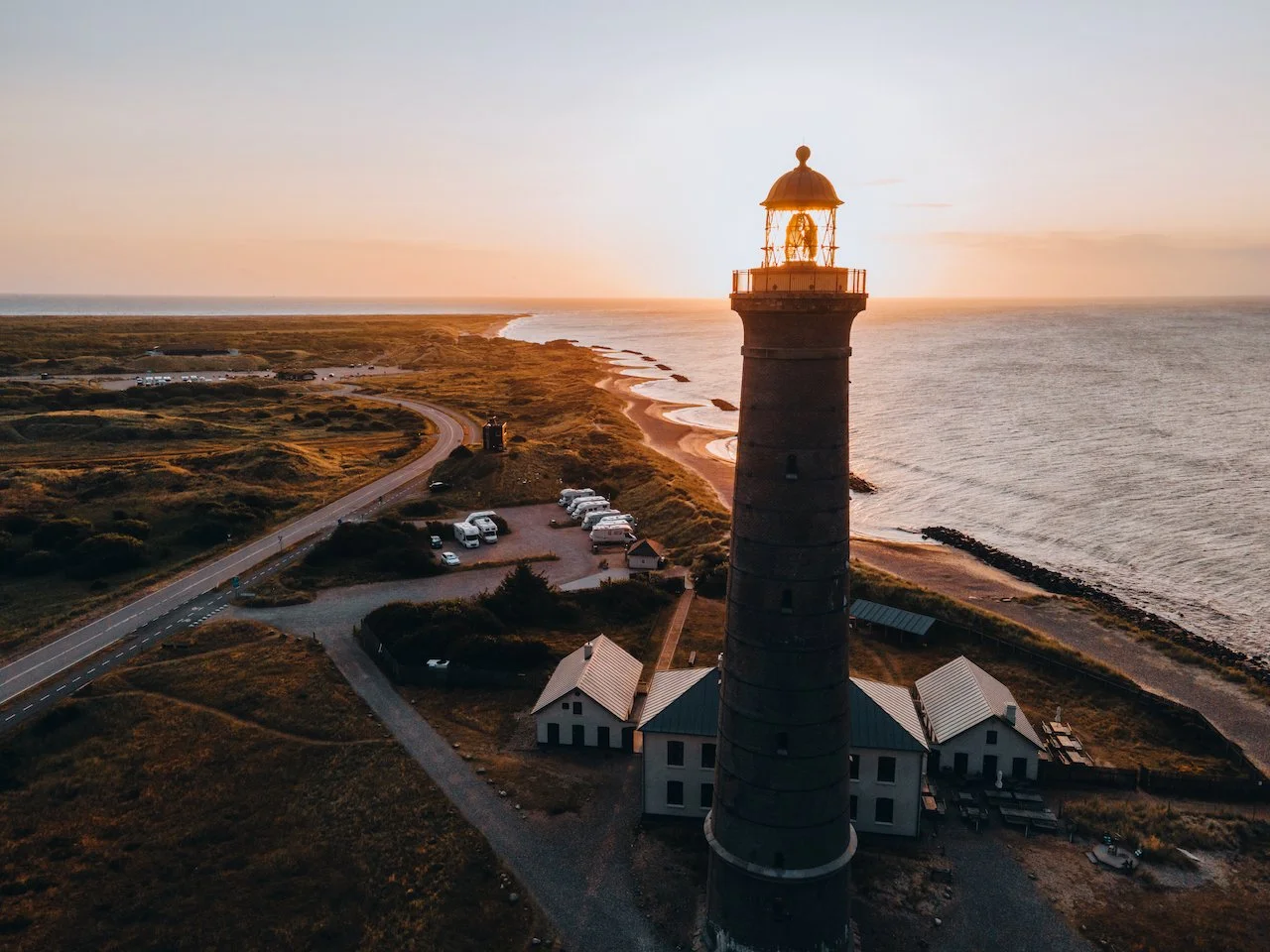
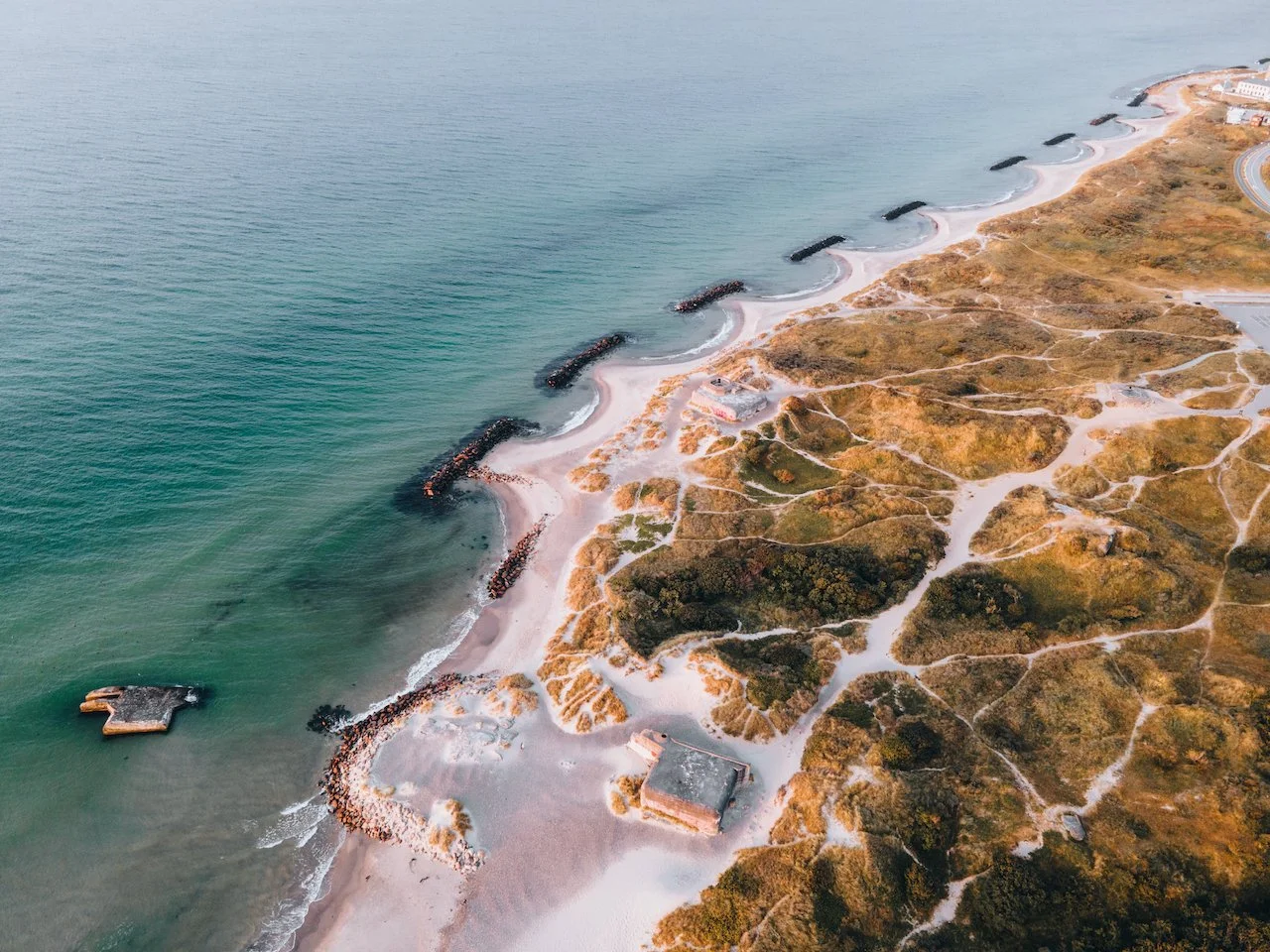
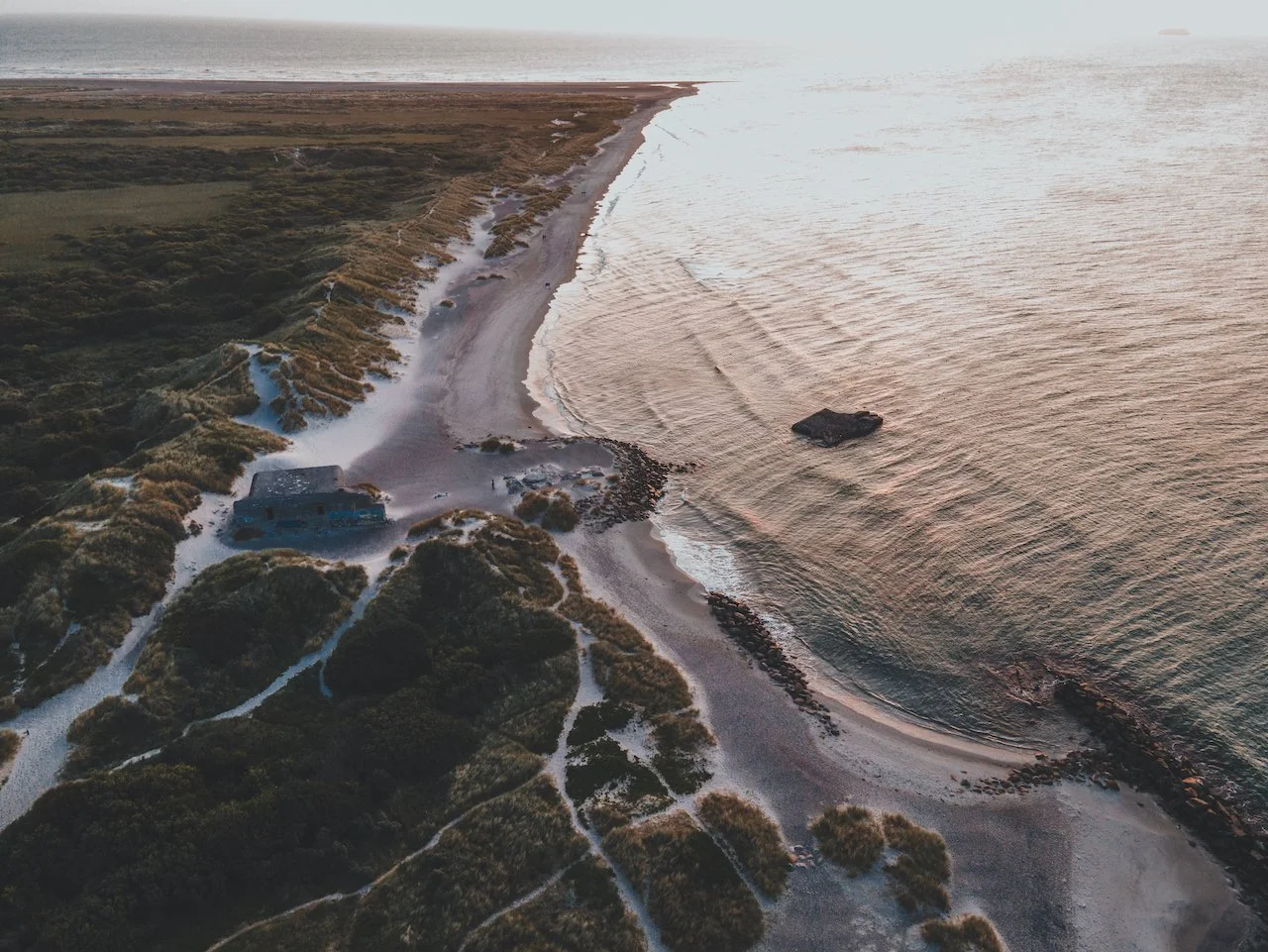
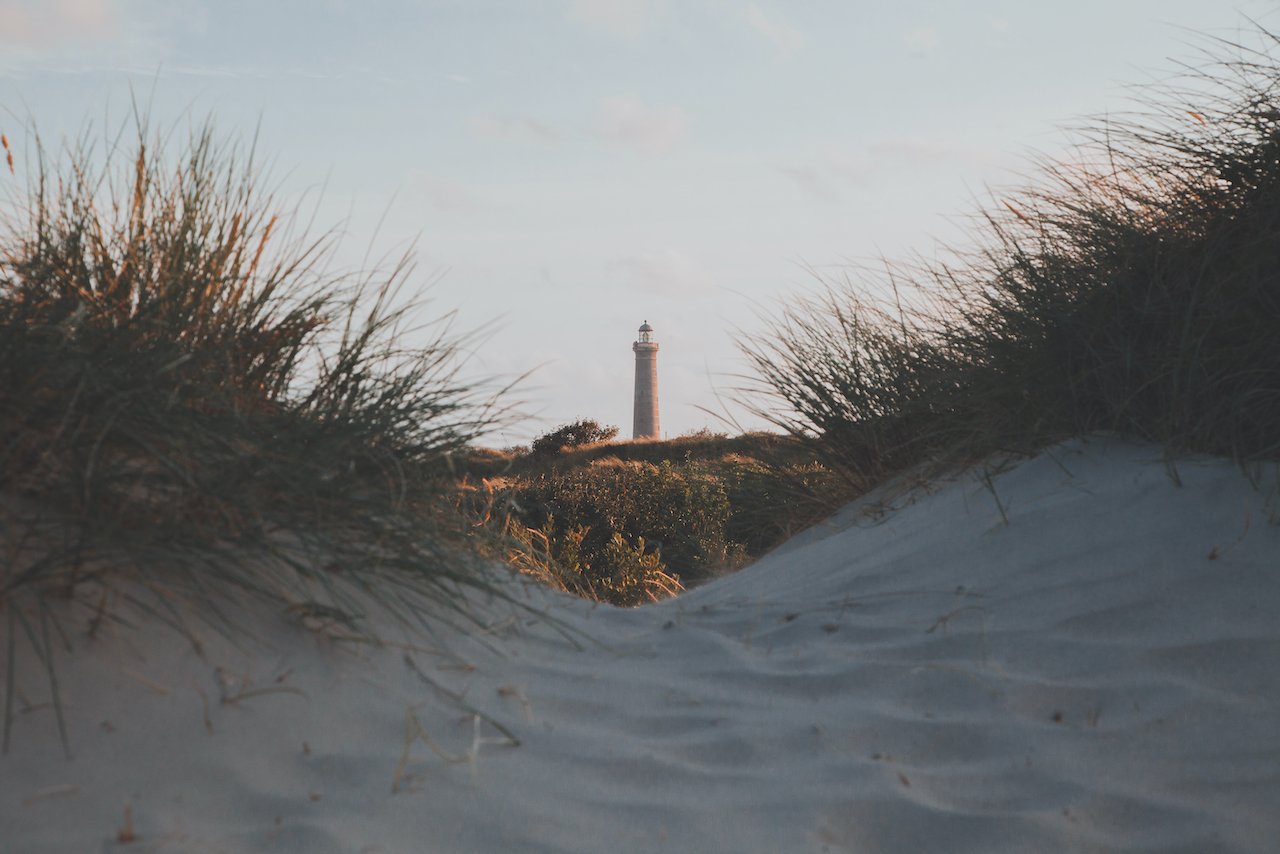
Lighthouse (Det Grå Fyr) — Skagen’s Grey Lighthouse (Det Grå Fyr) offers panoramic views, exhibitions, and prime birdwatching at Denmark’s northernmost tip.
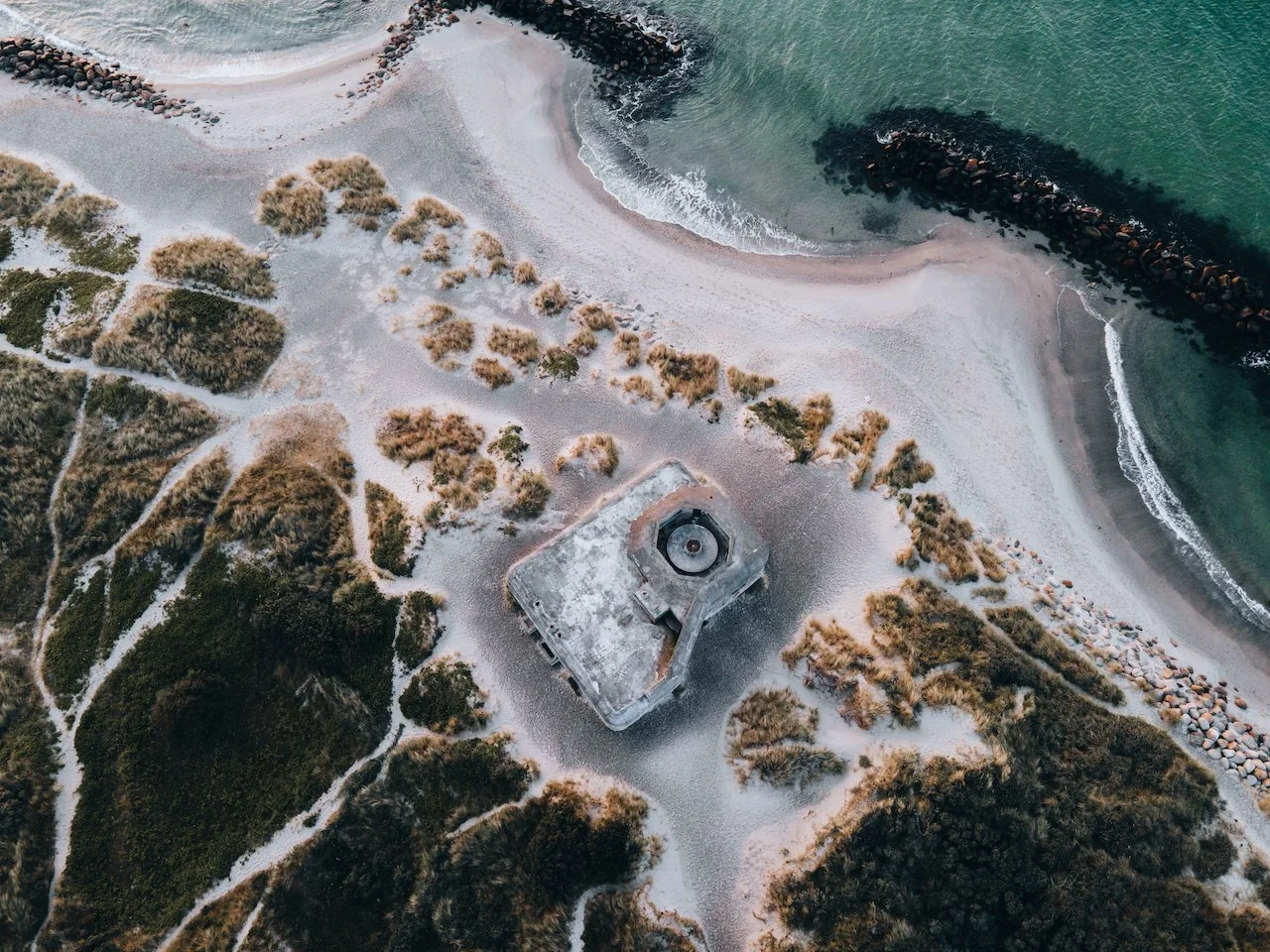
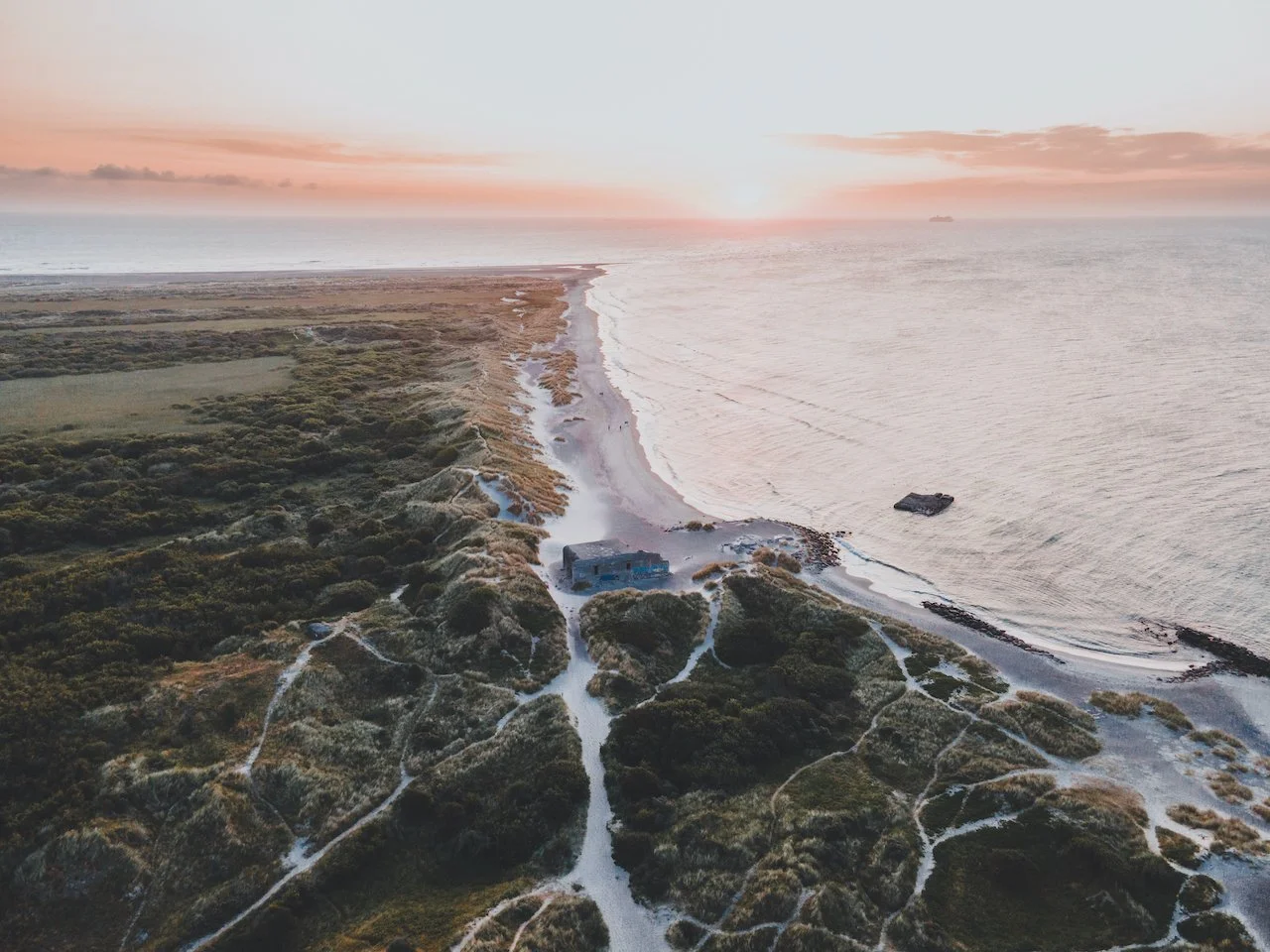
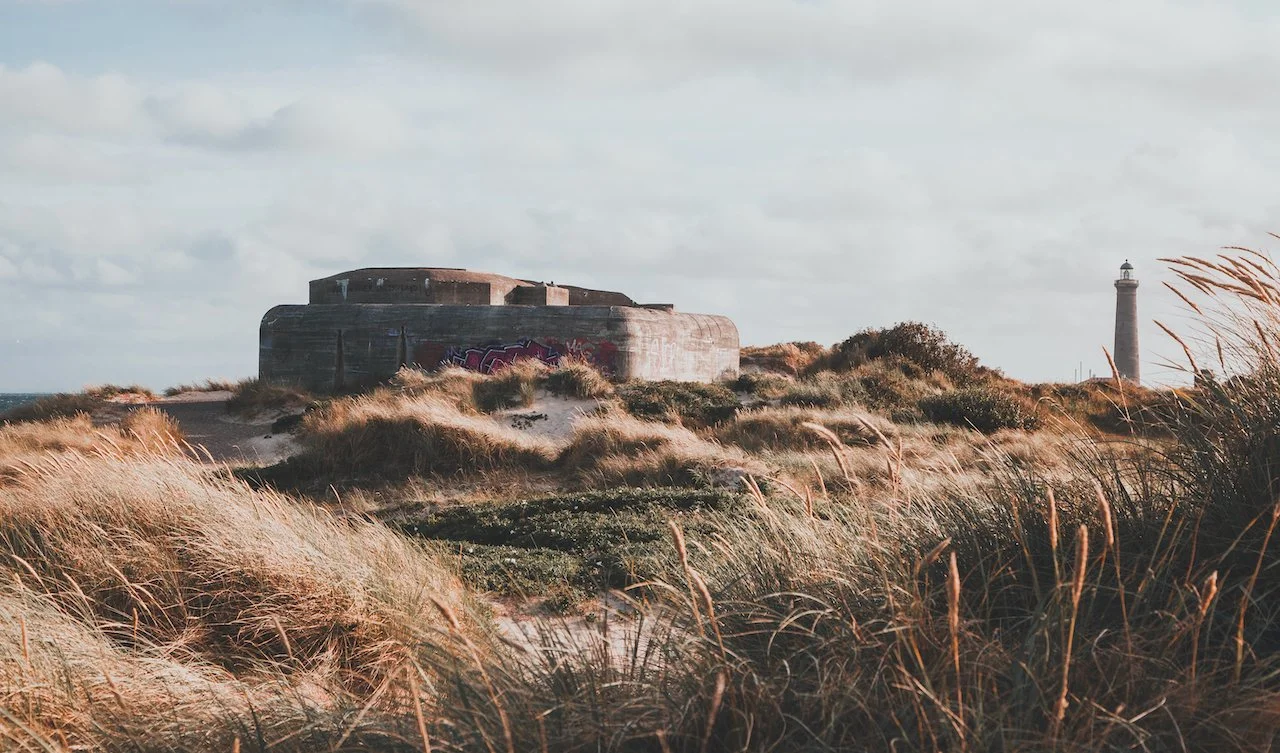
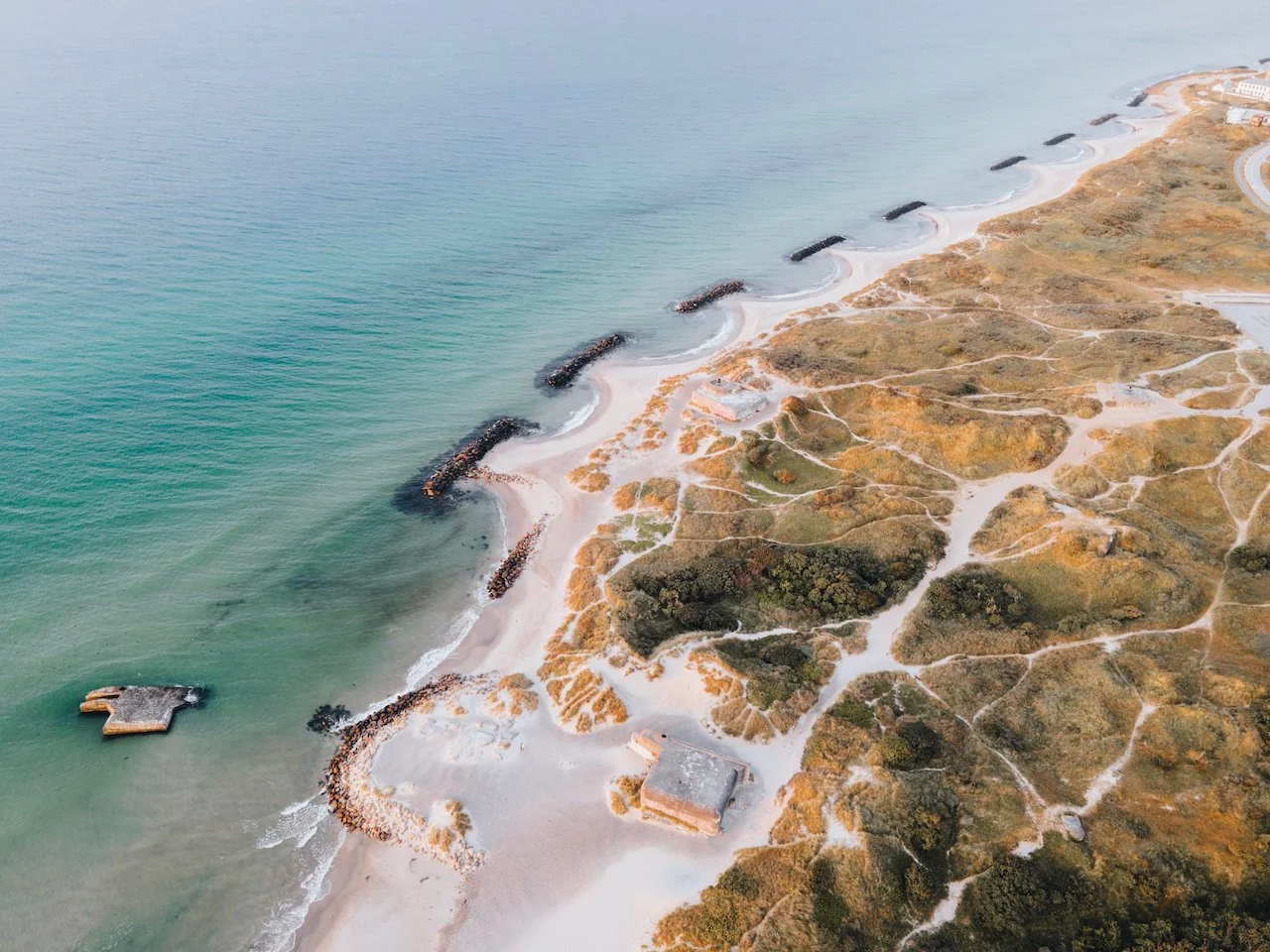
World War II Bunkers — Grenen’s WWII bunkers stand as powerful reminders of history, with scattered fortifications along the dunes and dramatic coastline.
Løkken
(Blog Post: Why Løkken Is One of the Most Beautiful Beach Towns in Denmark)
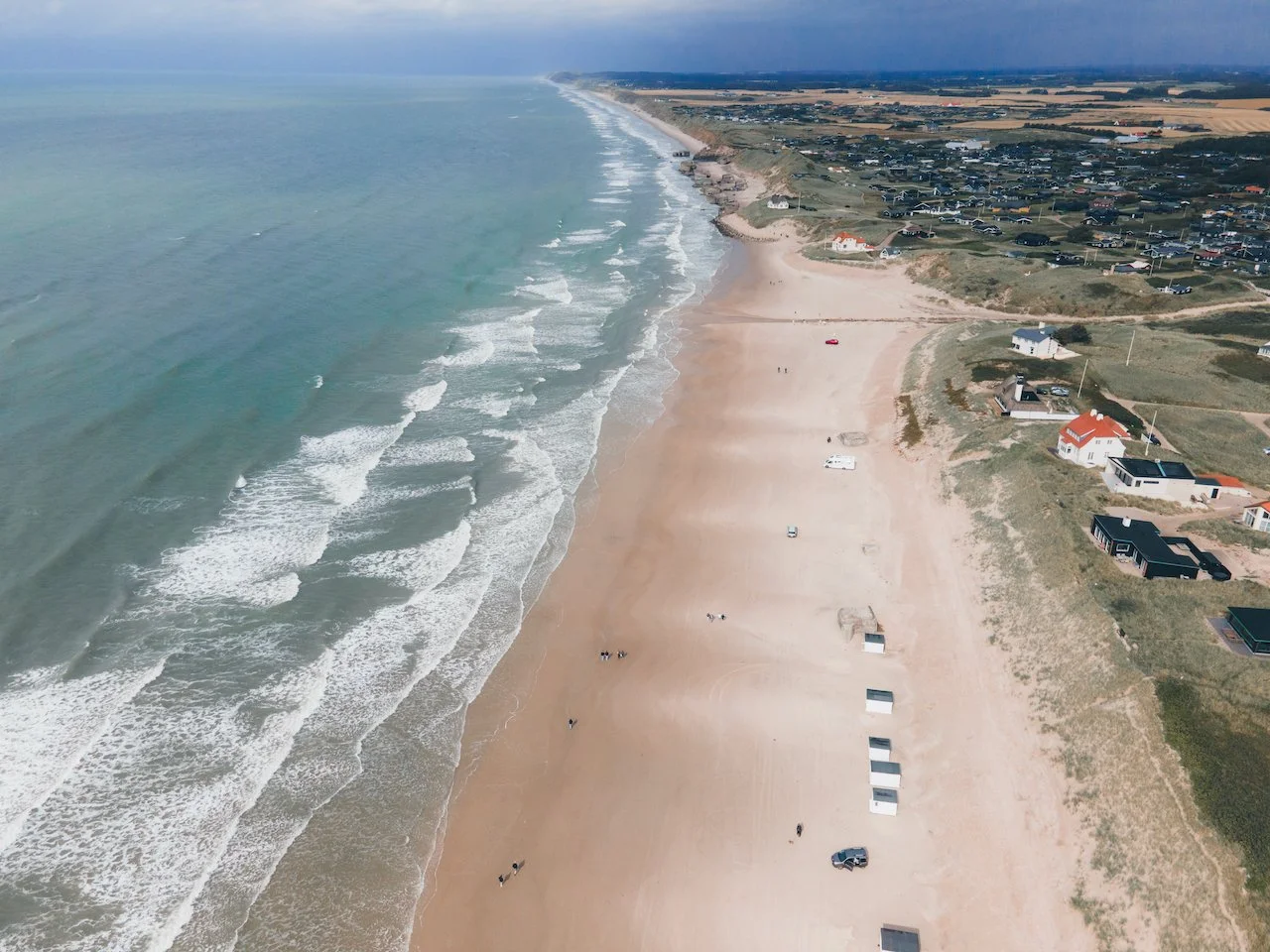
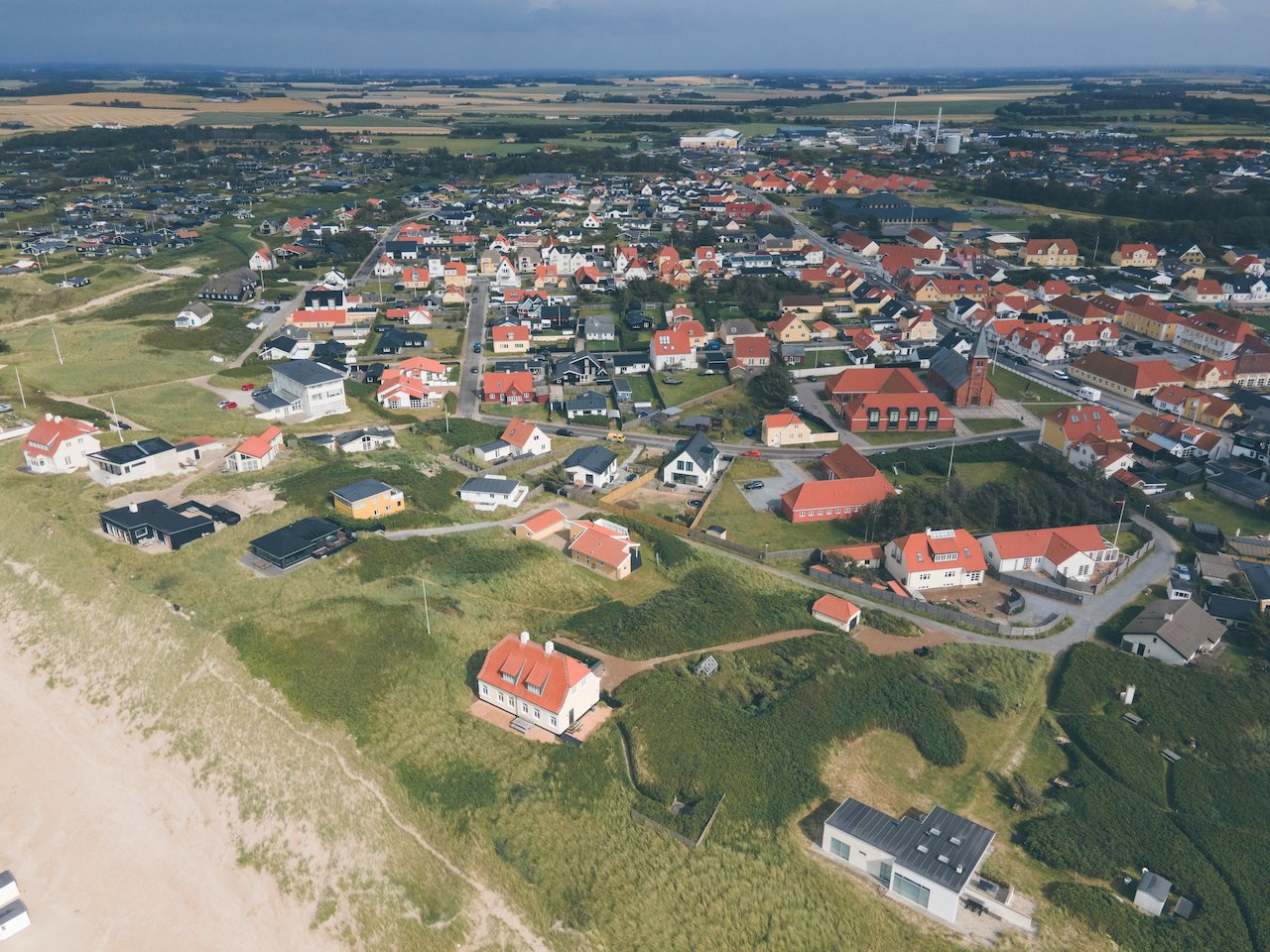
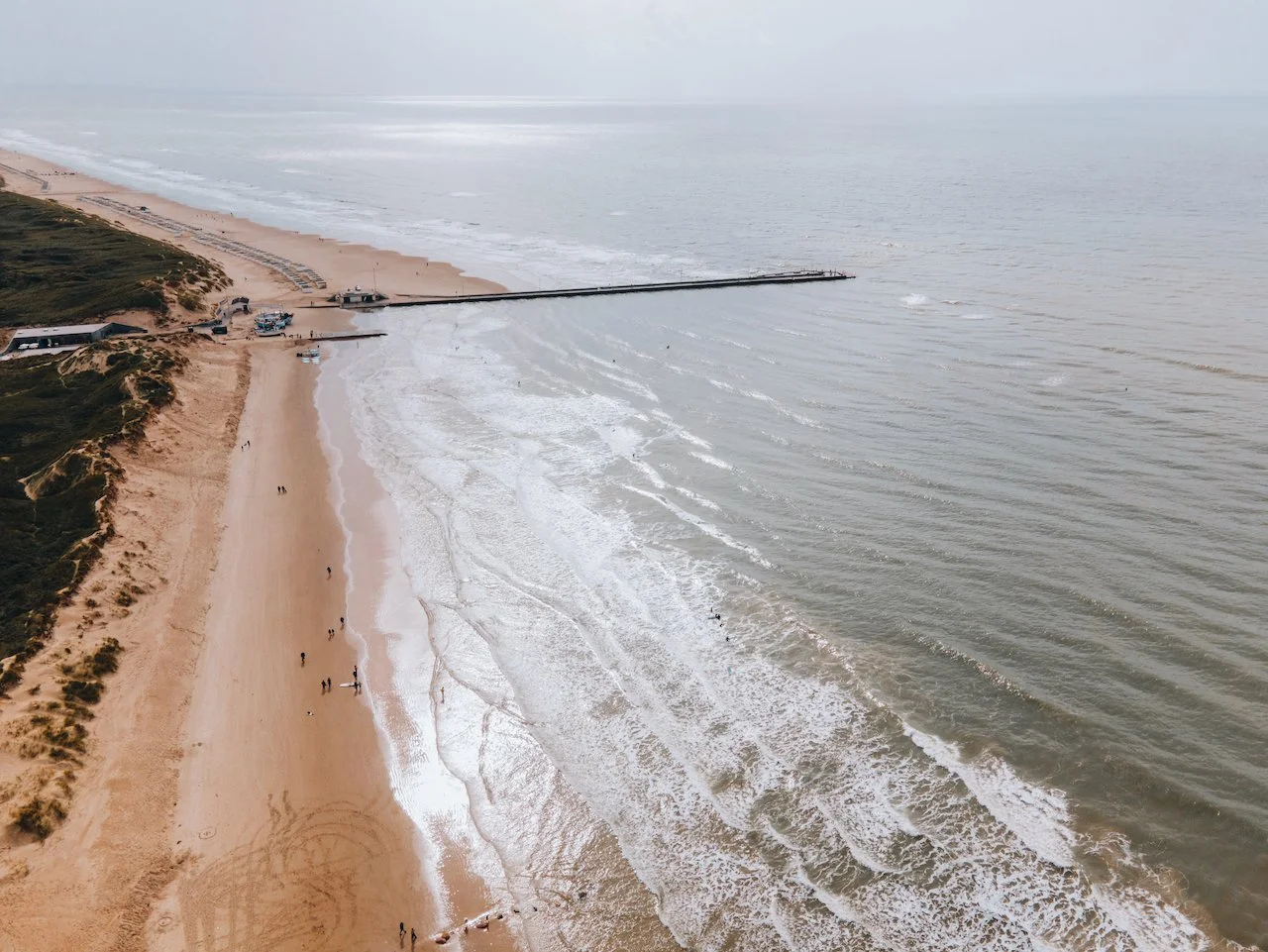
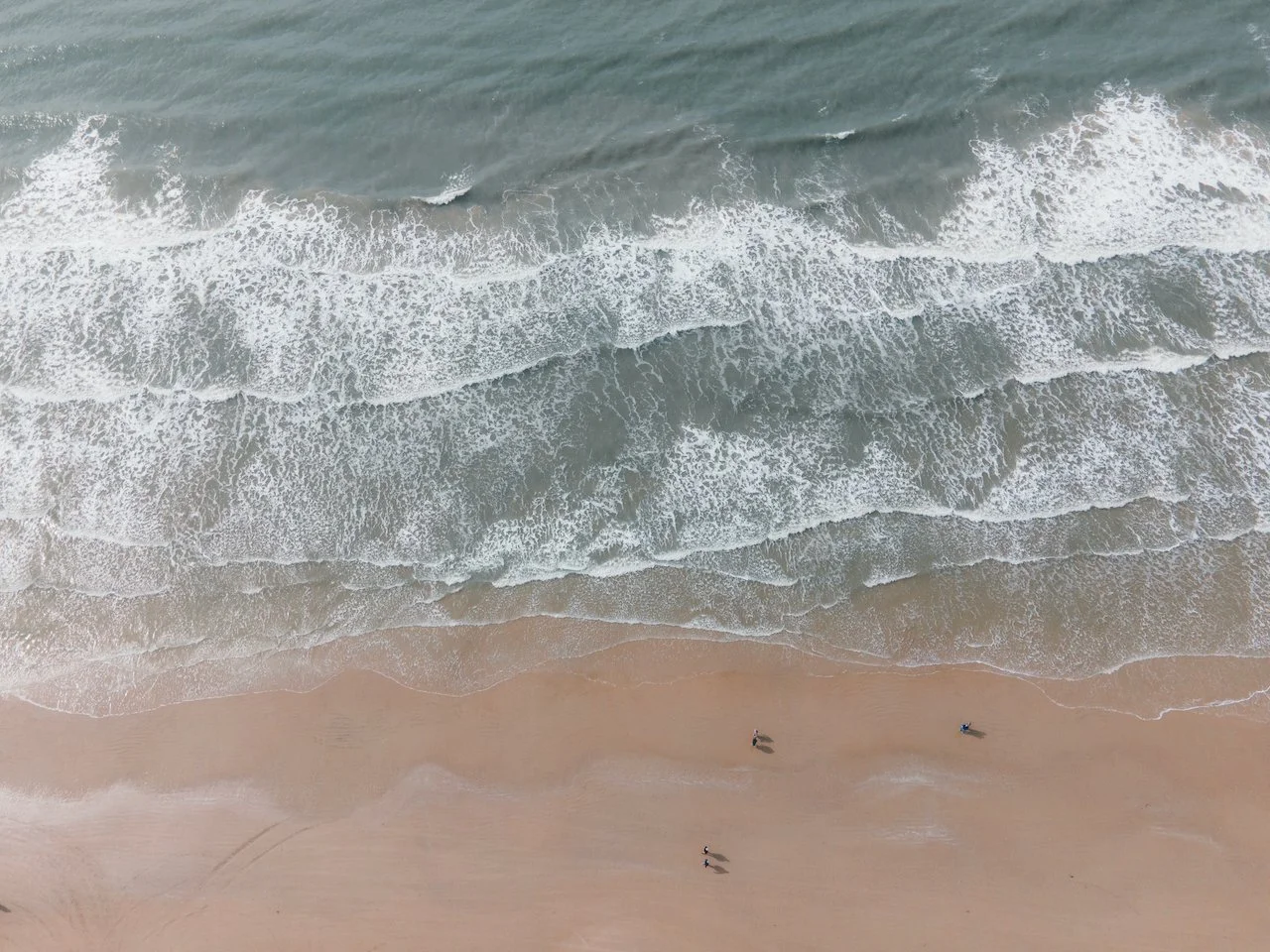
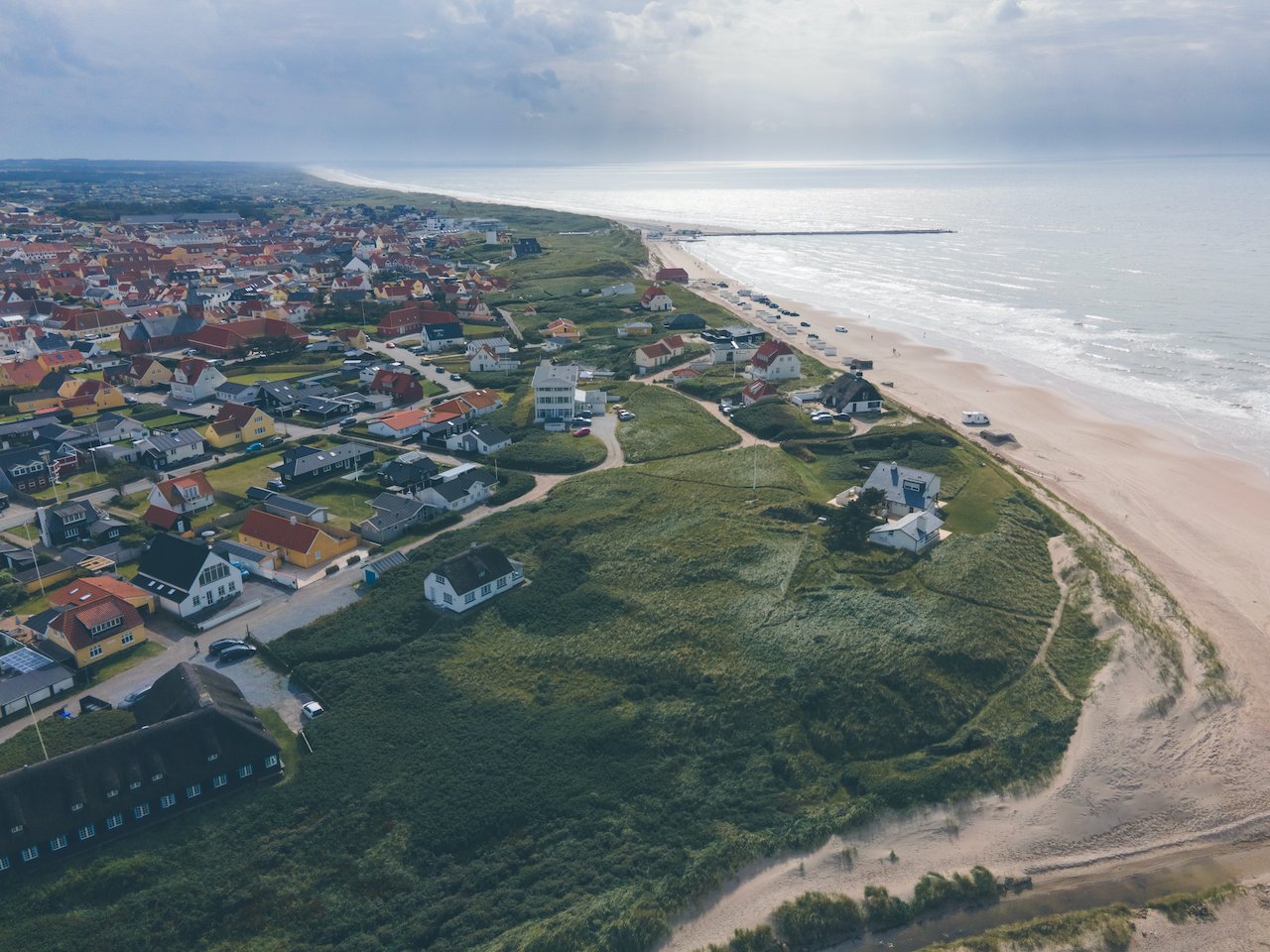
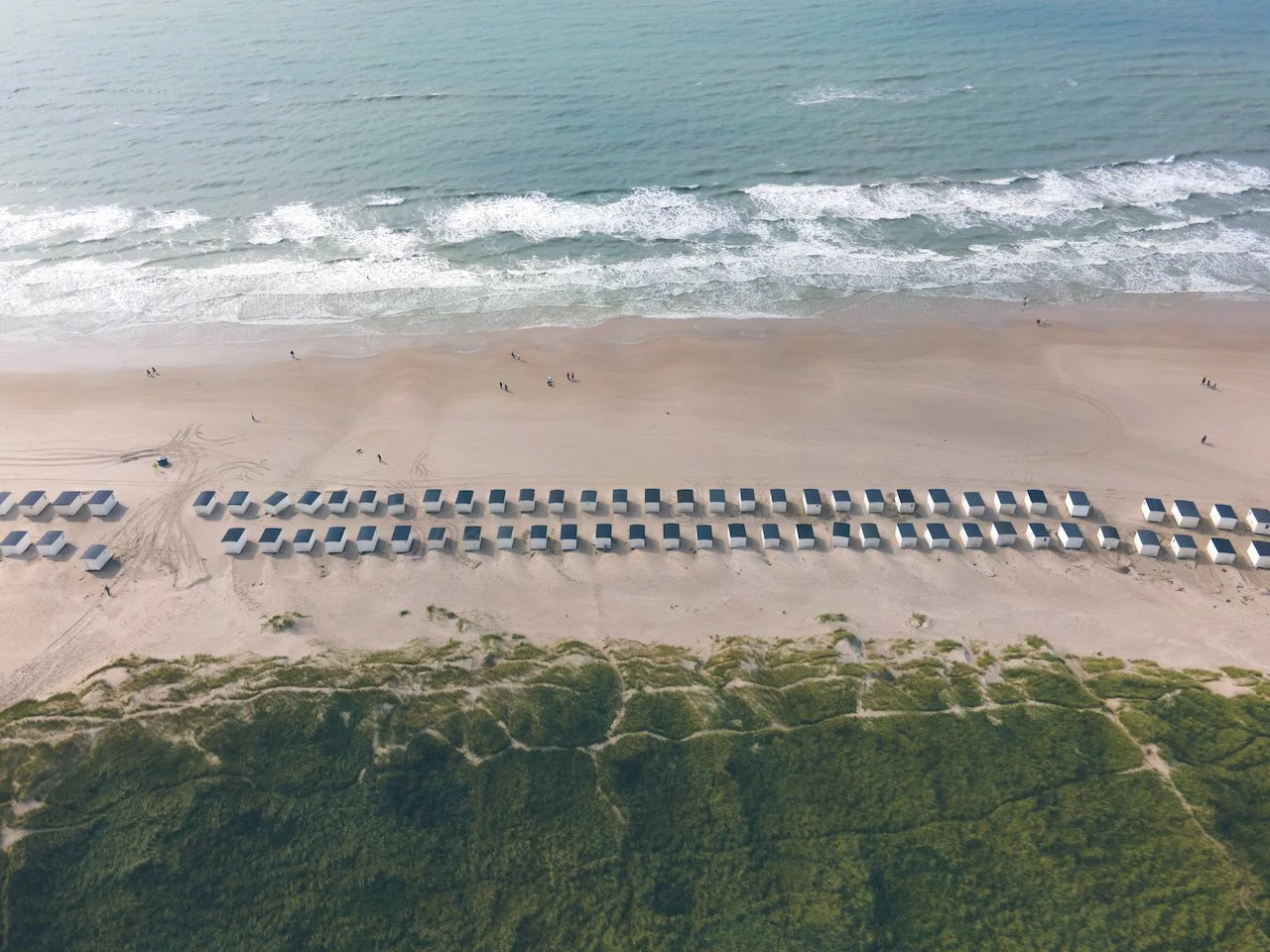
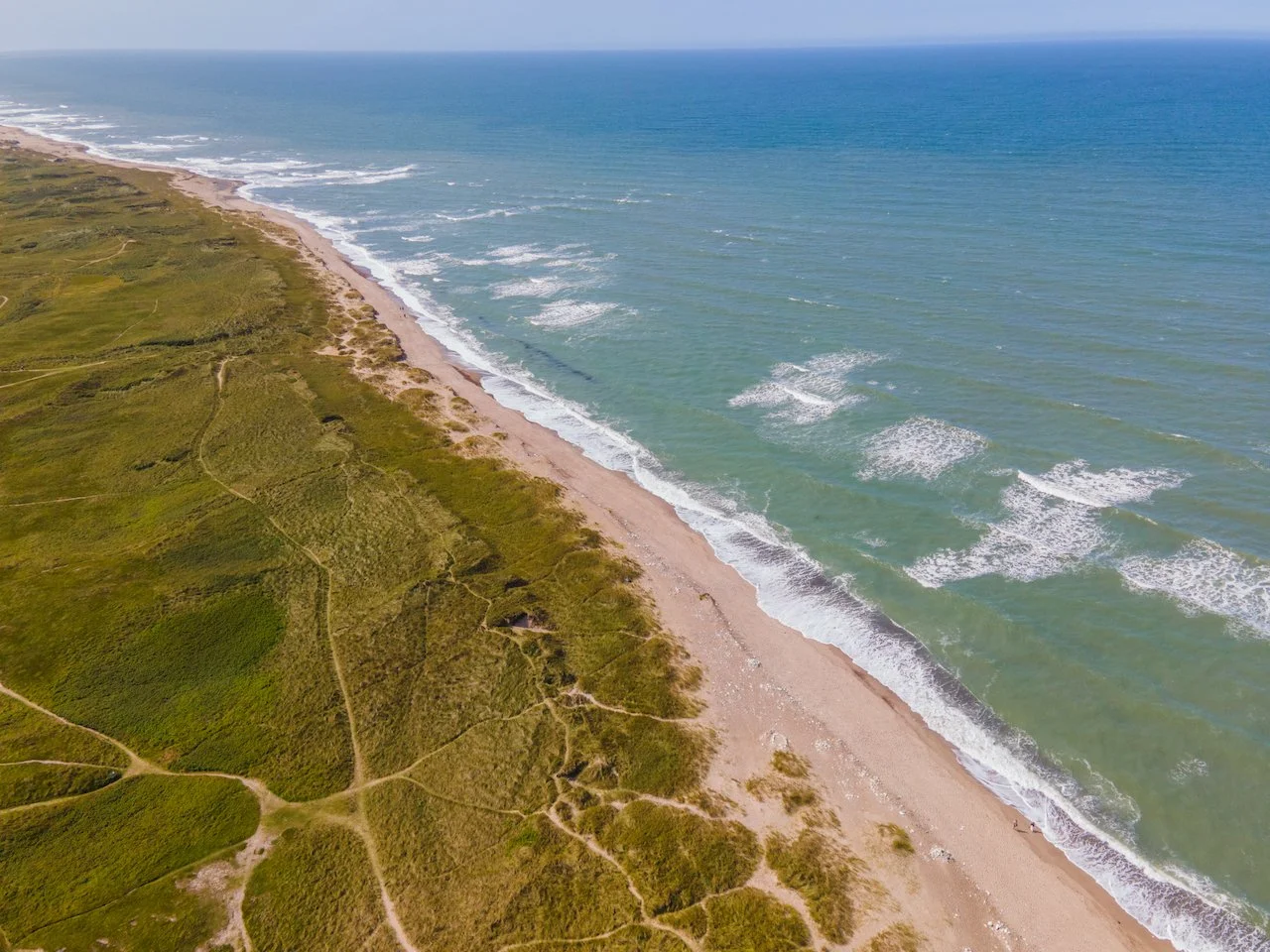
Discover why Løkken is one of Denmark’s most underrated beach destinations. Find out how to get there, where to stay and the top things to do – including endless white-sand beaches, bathing houses, WWII bunkers and nearby coastal hikes. Perfect for a laid-back North Jutland getaway.
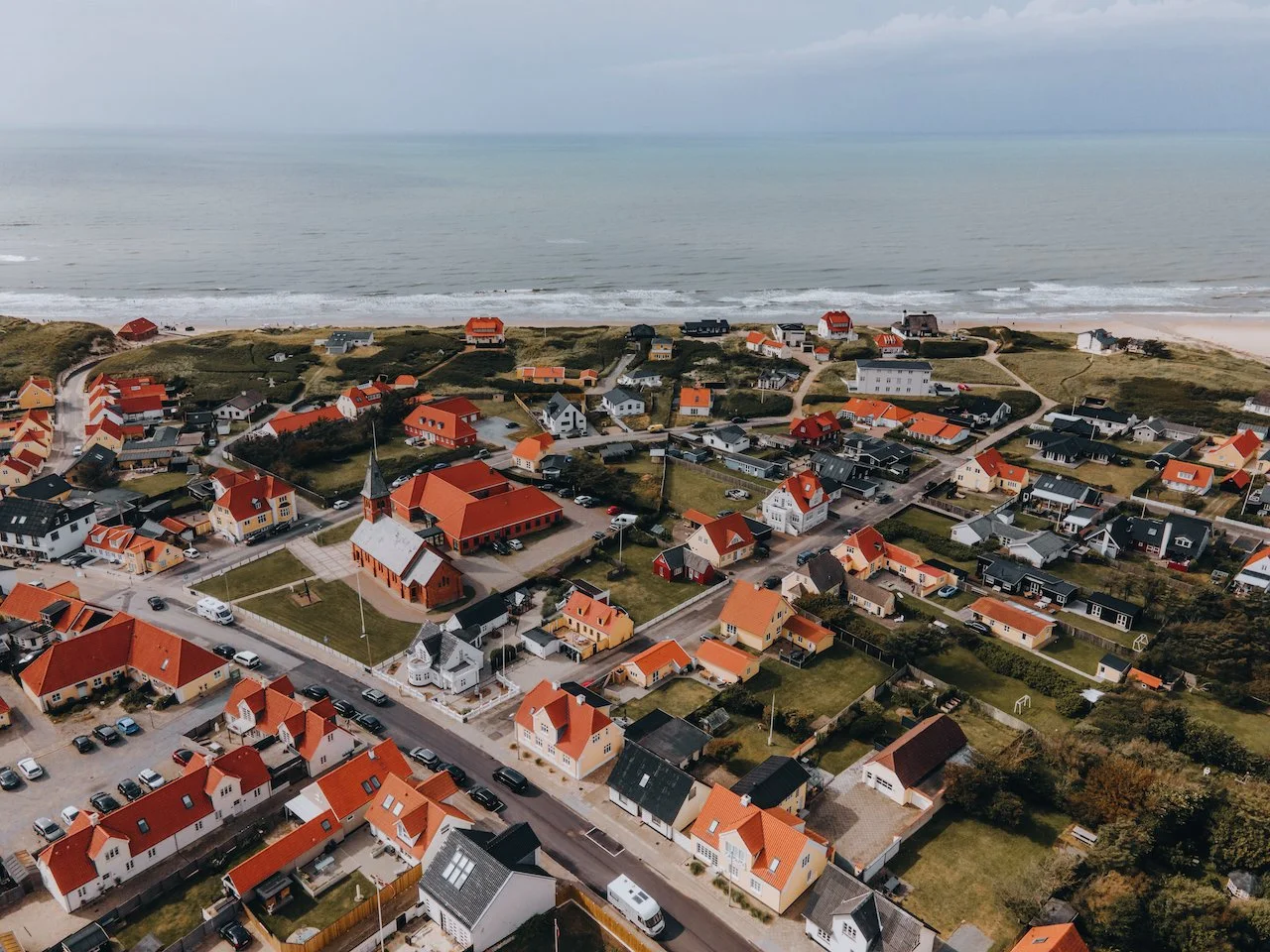
Løkken Church — Discover Løkken Church, a whitewashed landmark at the heart of town, offering history, simple Danish architecture, and a welcoming atmosphere.
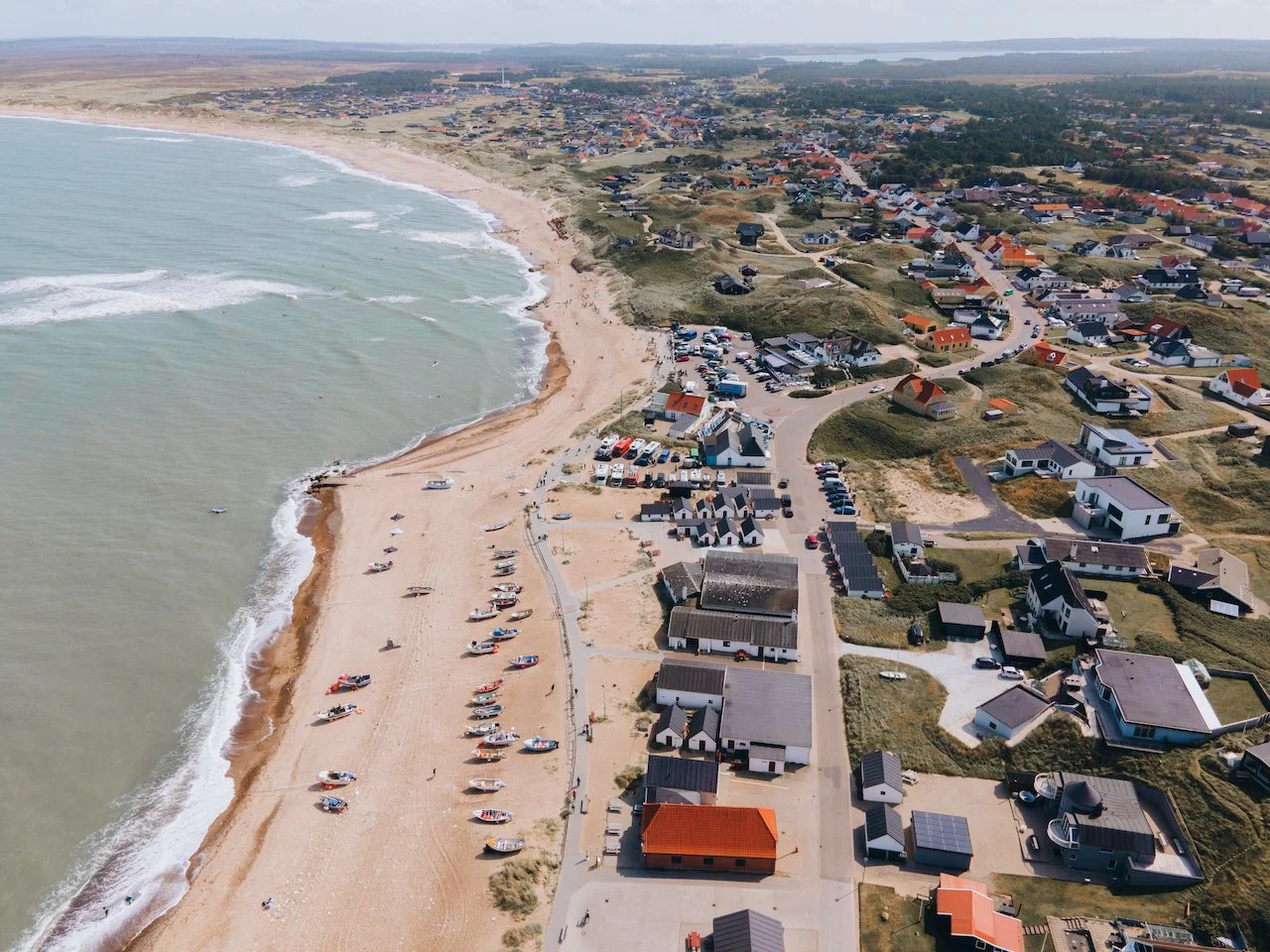
Løkken Beach — Løkken Beach is one of Denmark’s most famous stretches of sand, with seaside huts, wide shores, and stunning sunsets along the North Sea.
Klitmøller
(Blog Post: What to Do in Denmark’s Surf Capital of Klitmøller)
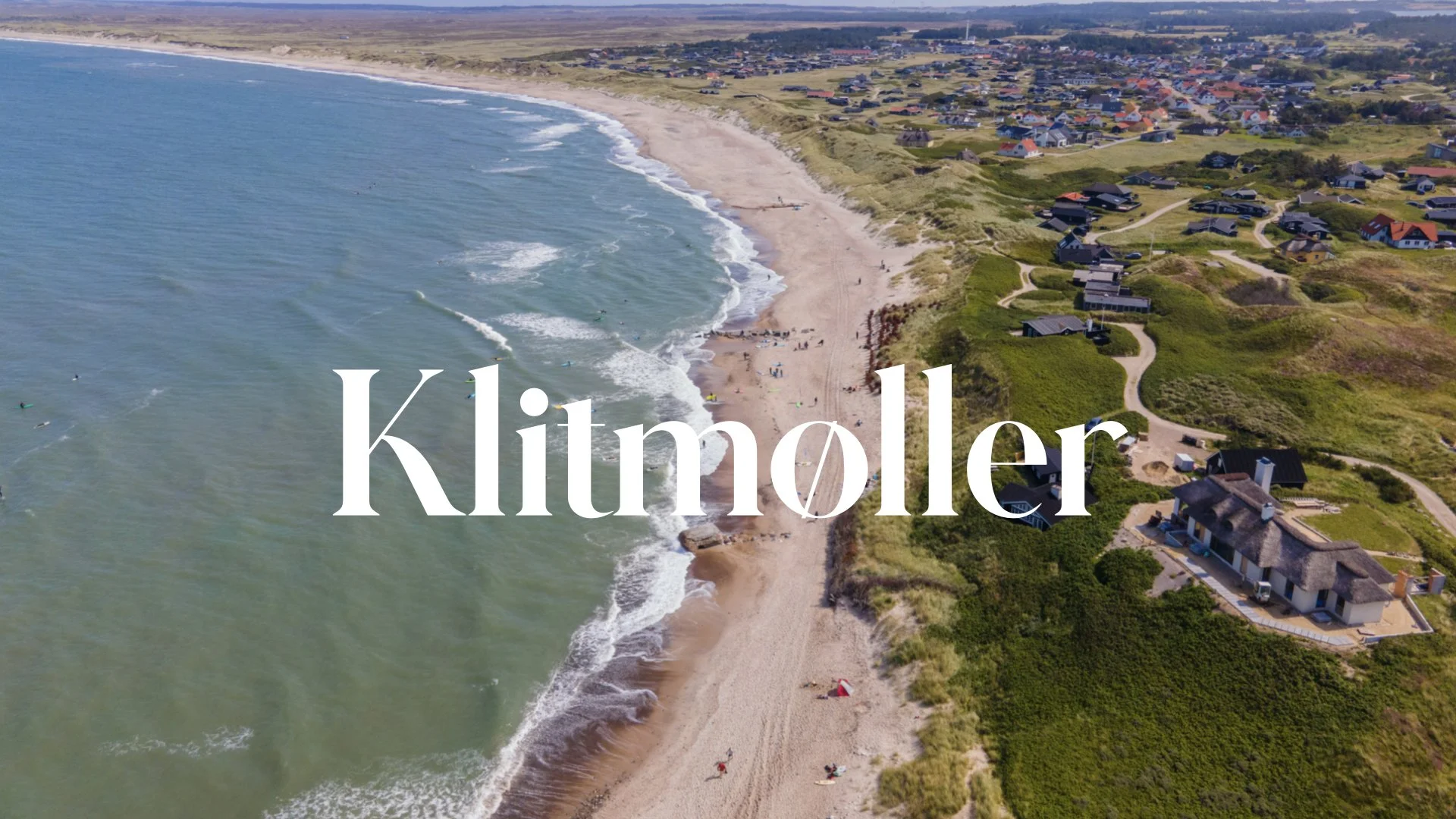
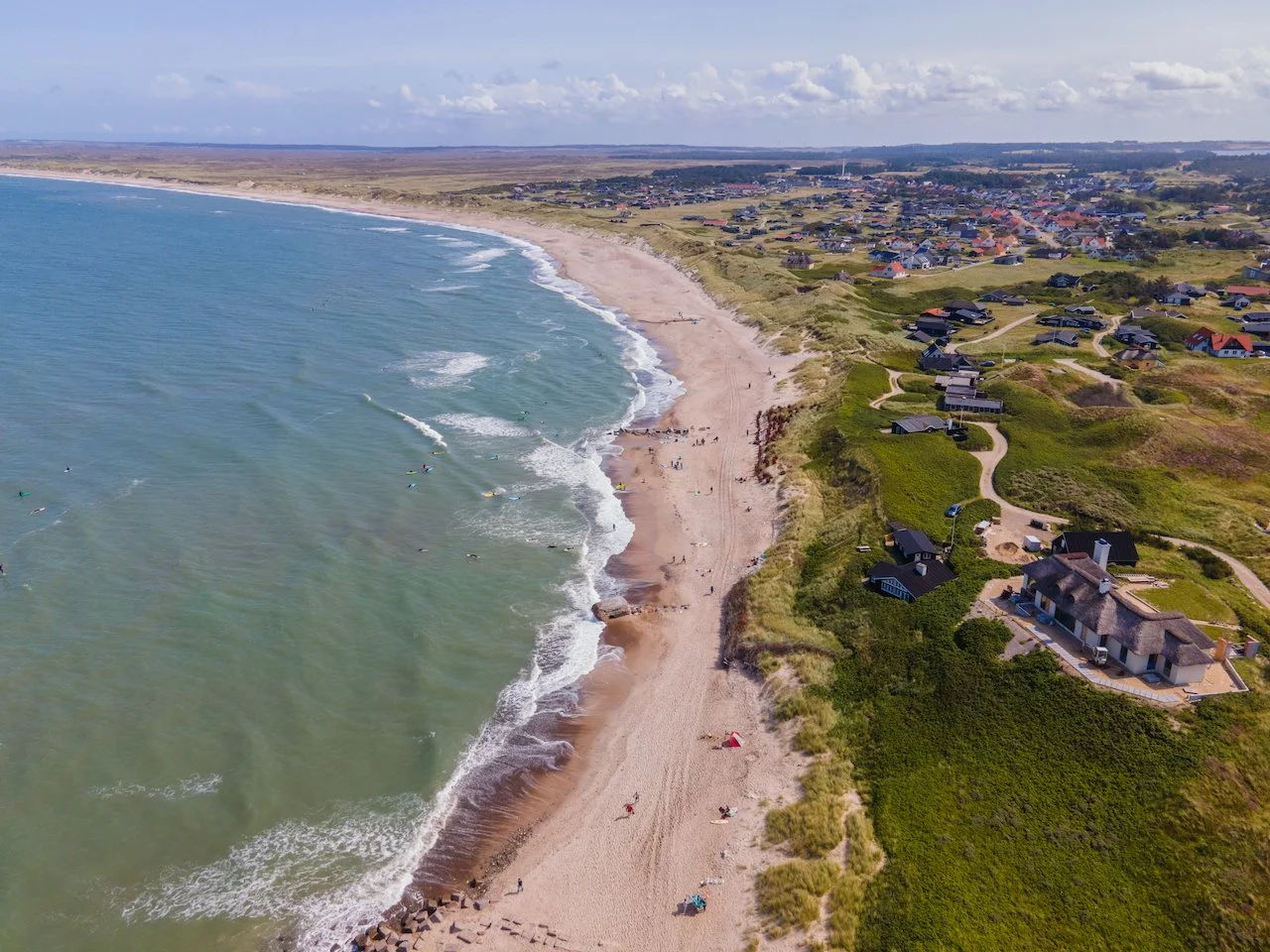
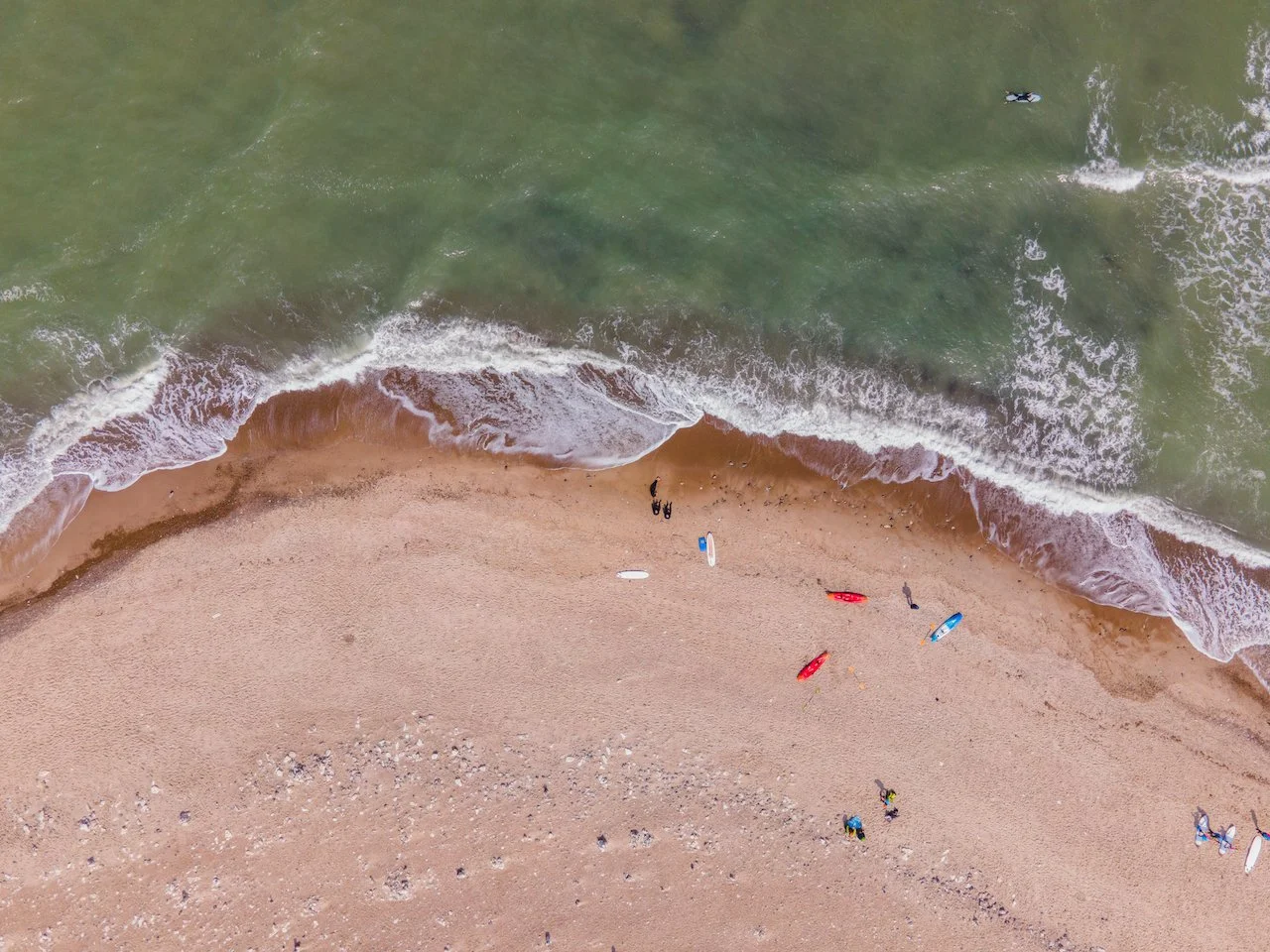
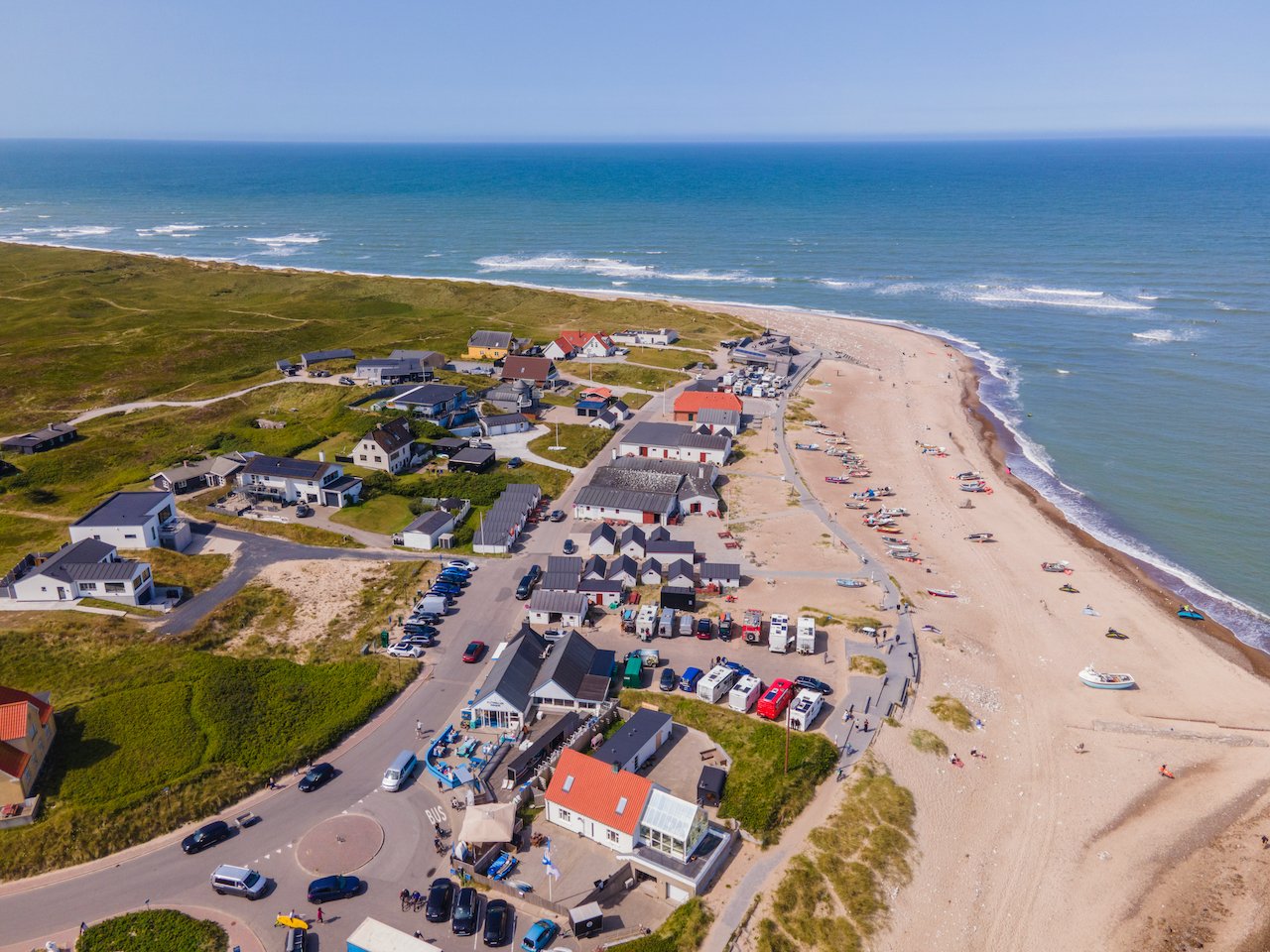
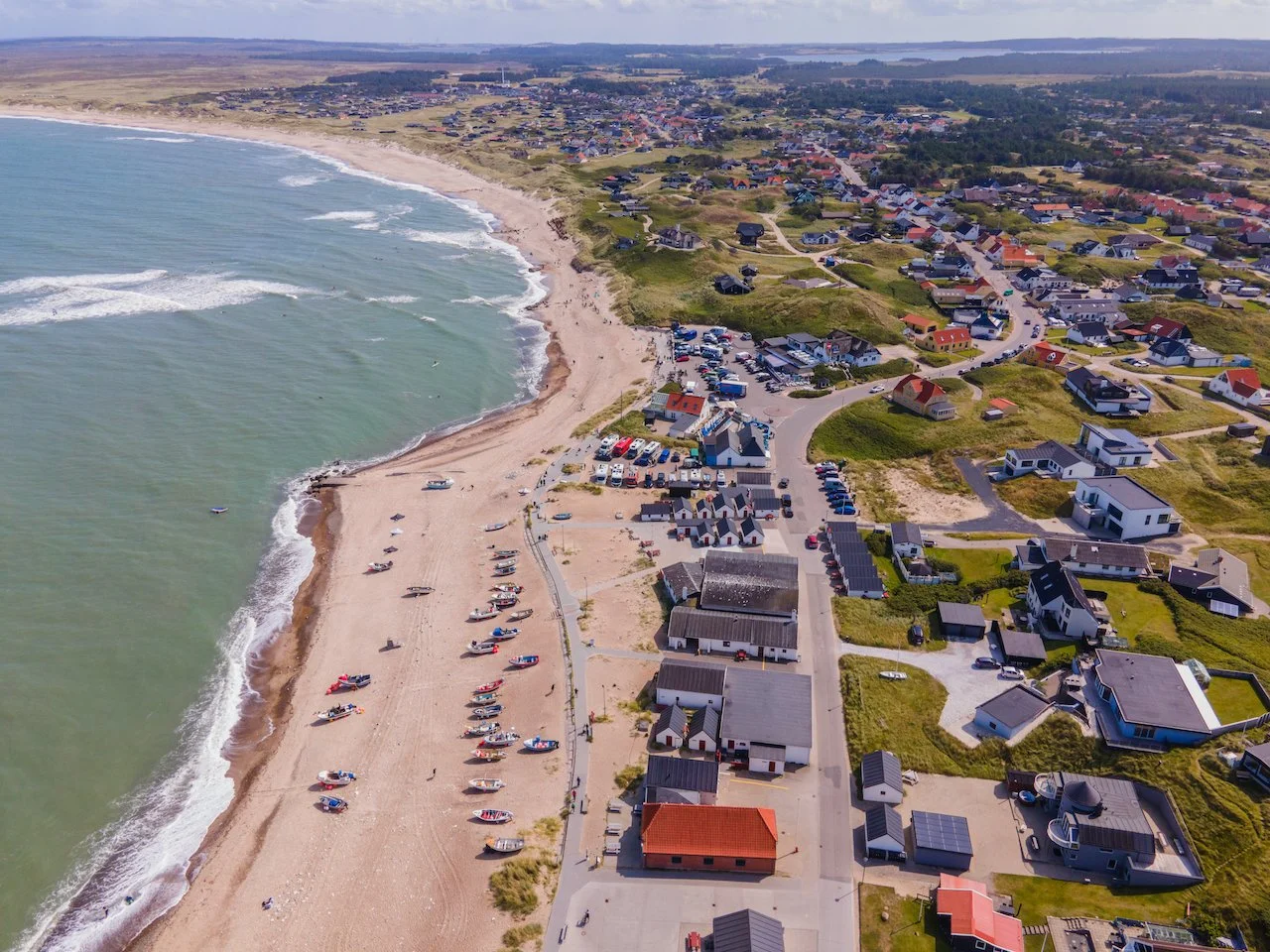
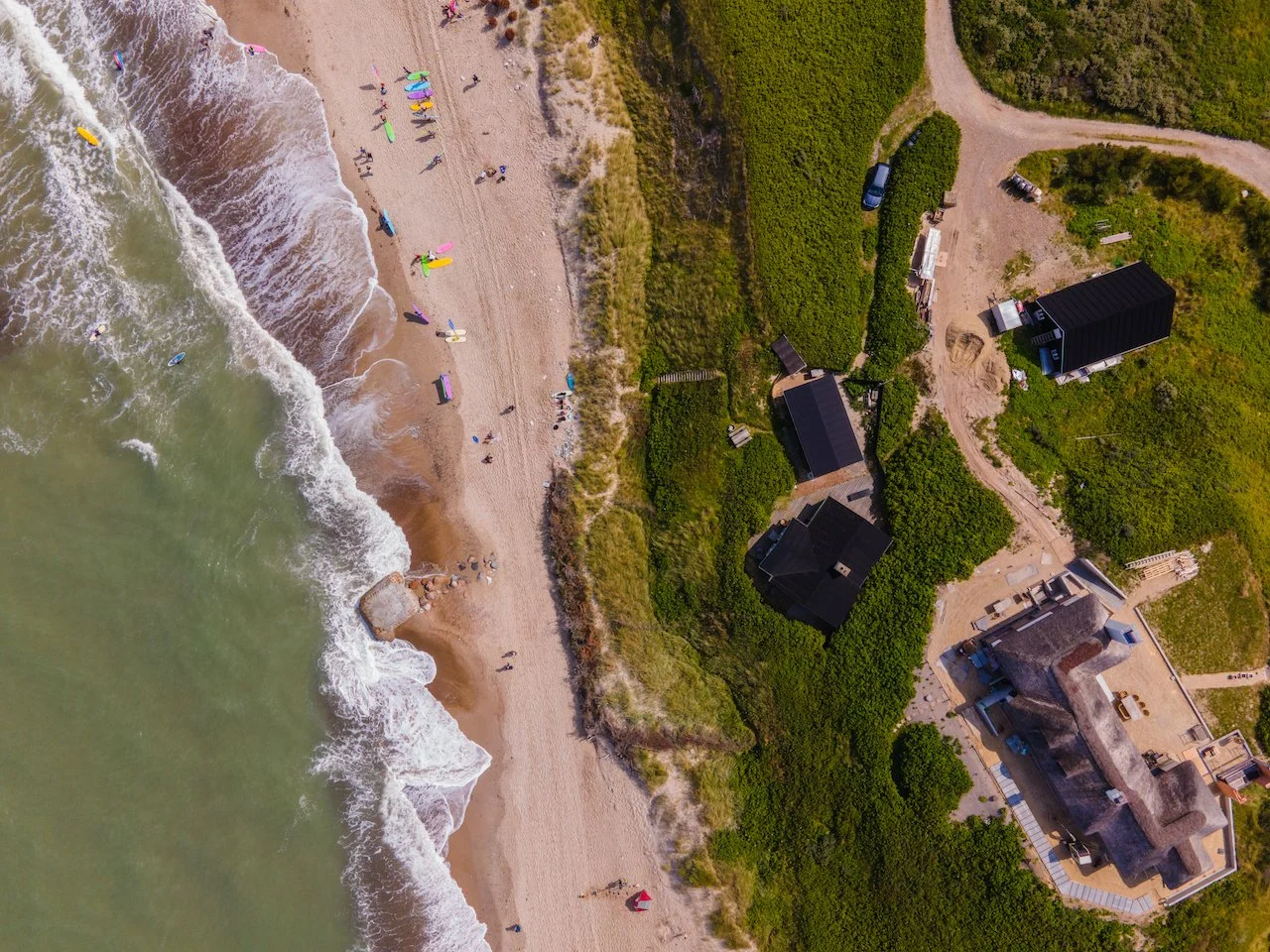
Heading to “Cold Hawaii”? This guide to Klitmøller covers everything you need – how to get there, the best surf spots and what to do in and around Denmark’s surf capital. Includes seasonal tips, accommodation recommendations and ideas for exploring the North Jutland coast.
Thy National Park — Thy National Park is Denmark’s first national park, known for vast dunes, wild heathlands, rich wildlife, and endless outdoor adventures.
Hanstholm Lighthouse — Hanstholm Lighthouse offers sweeping coastal views and insight into maritime history, standing as a beacon above the rugged North Sea.
Horsens
(Blog Post: Top Things to Do in Horsens, Denmark: Complete City Guide)
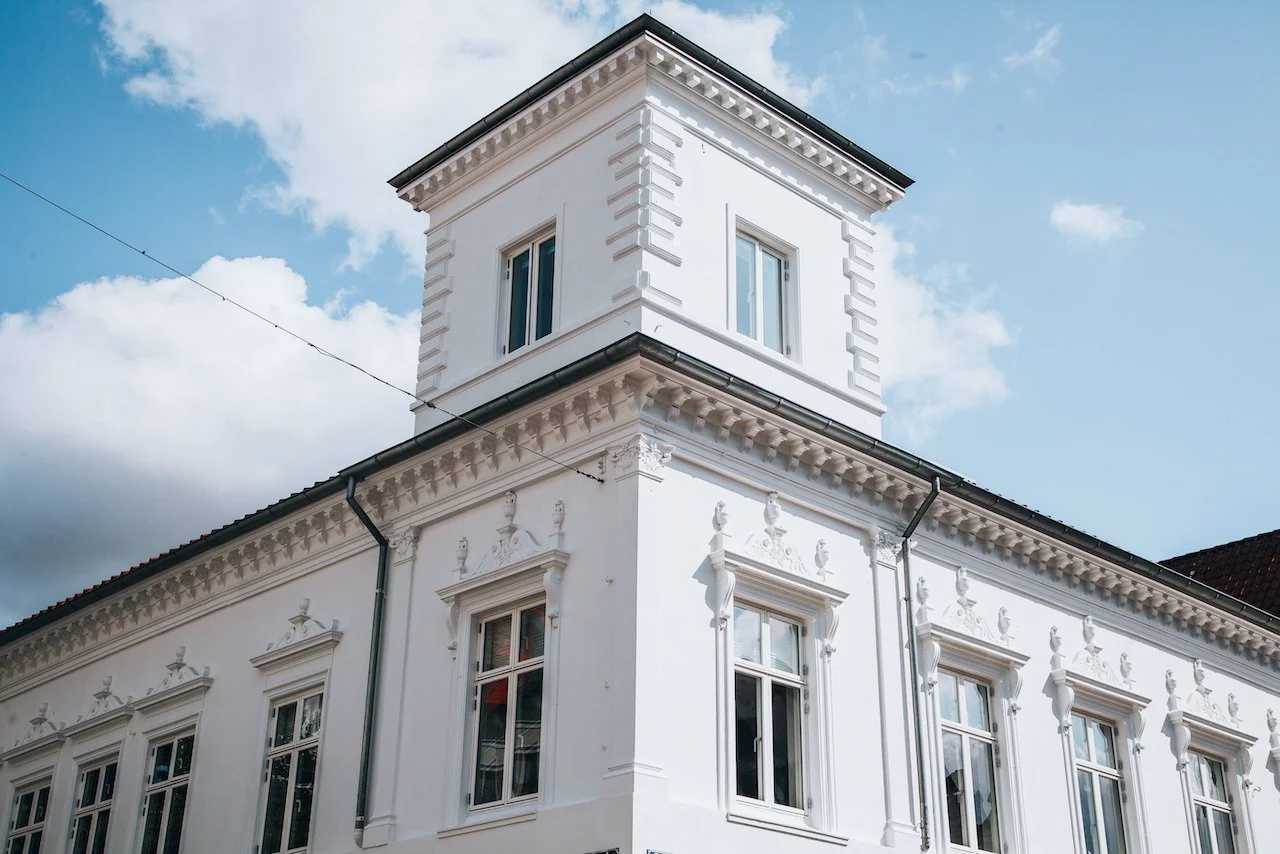
Visit one of Denmark’s most historic and cultural cities. This Horsens travel guide explains how to get there, what to see, where to eat and which attractions are worth visiting – from the former state prison and fjord area to museums, parks and day trips in East Jutland.
The Prison Museum — Explore FÆNGSLET, Horsens’ old state prison turned museum, where historic cells and exhibitions reveal gripping stories of prison life.
Horsens Art Museum — Horsens Art Museum highlights contemporary Danish art with bold exhibitions, featuring works from renowned modern and local artists.
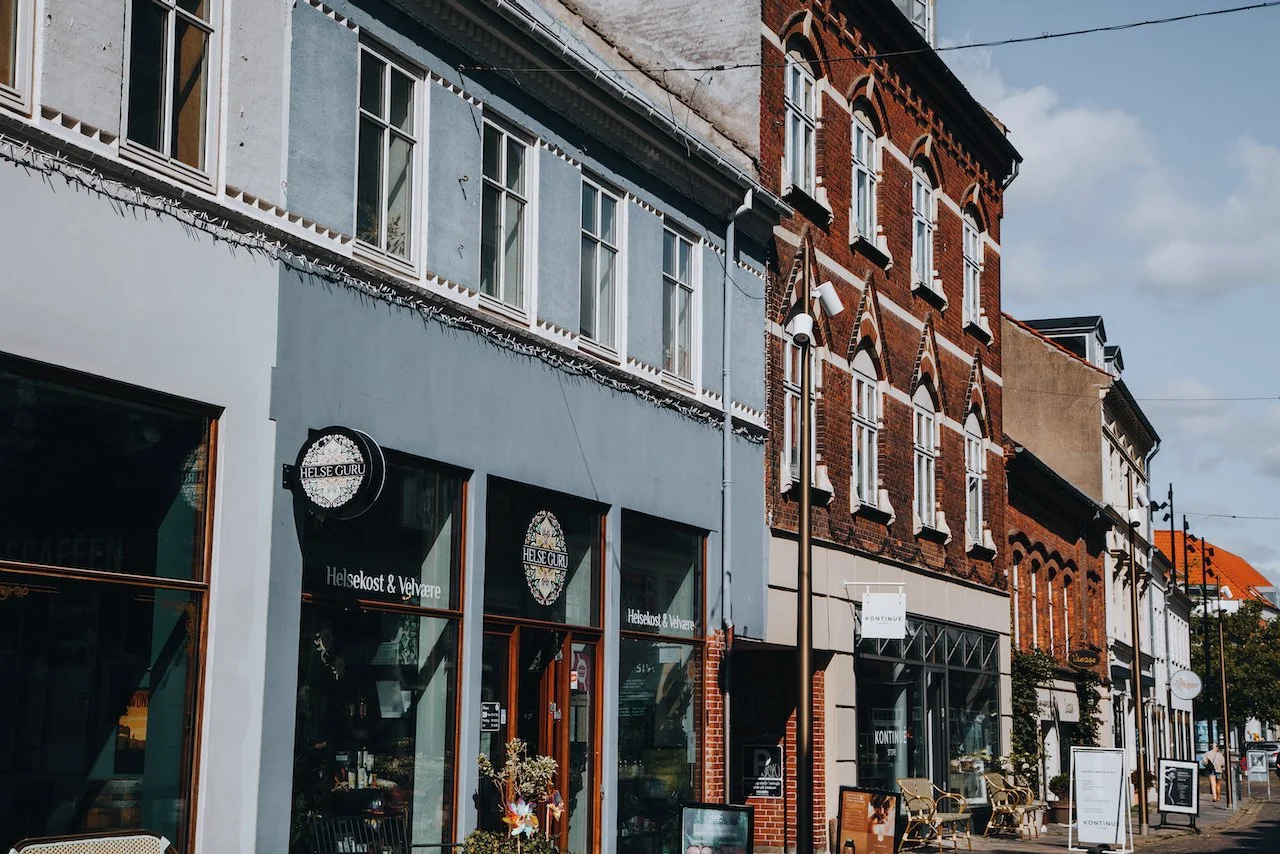
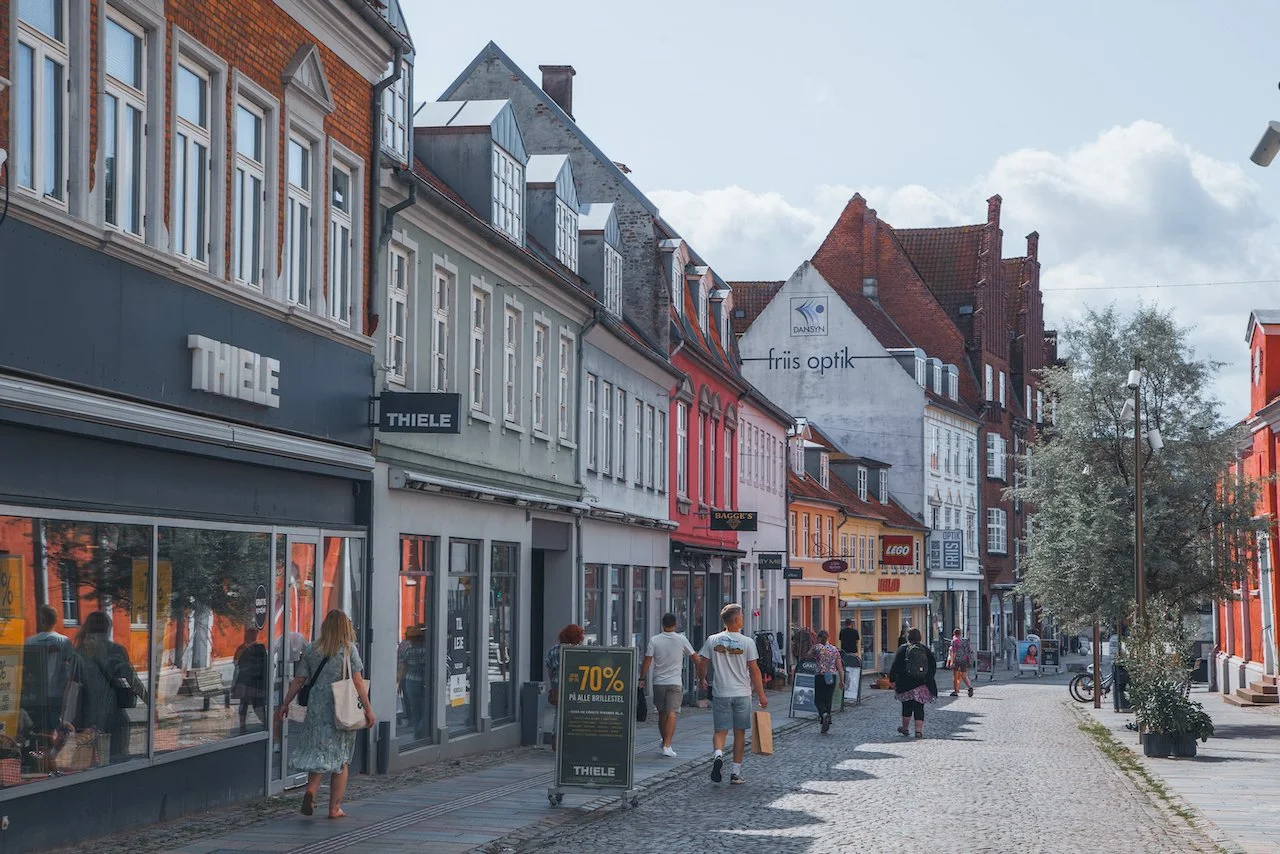
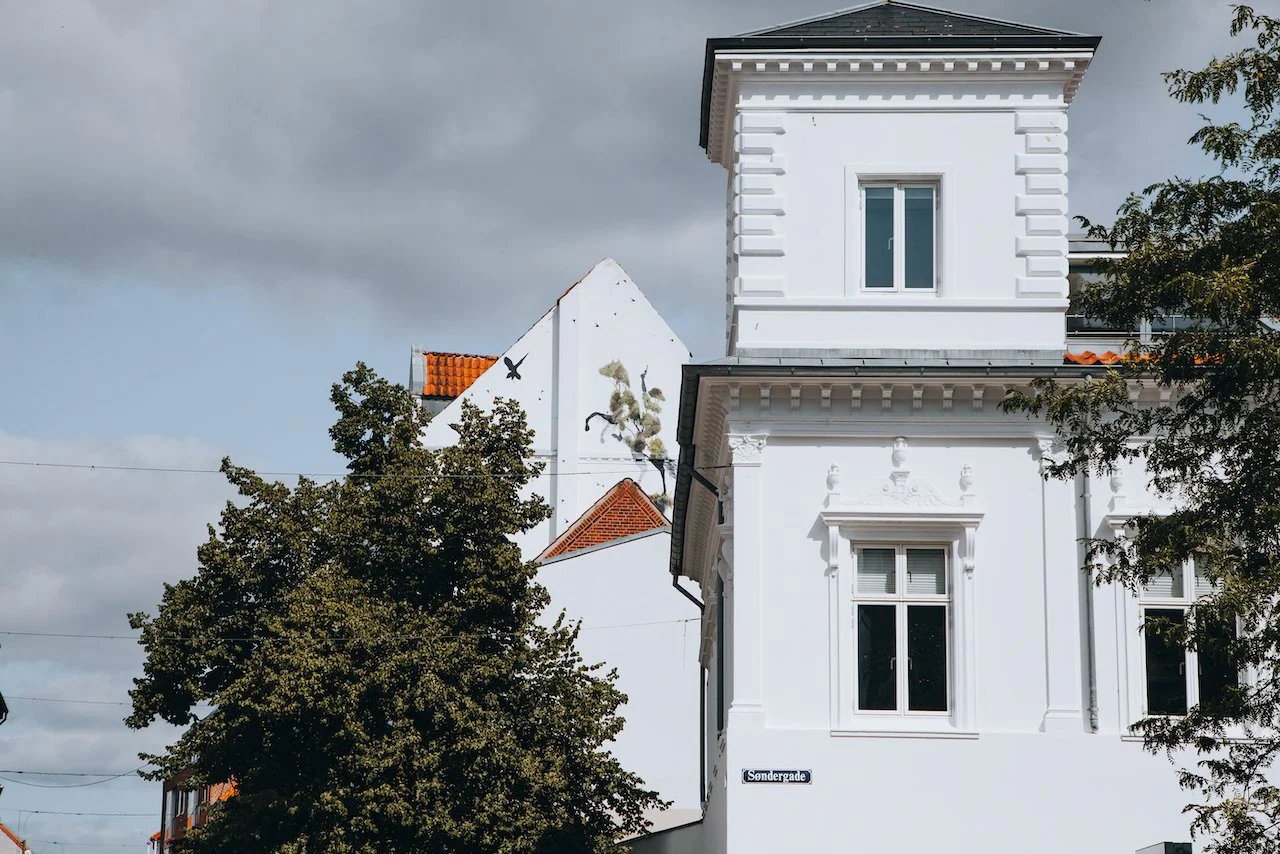
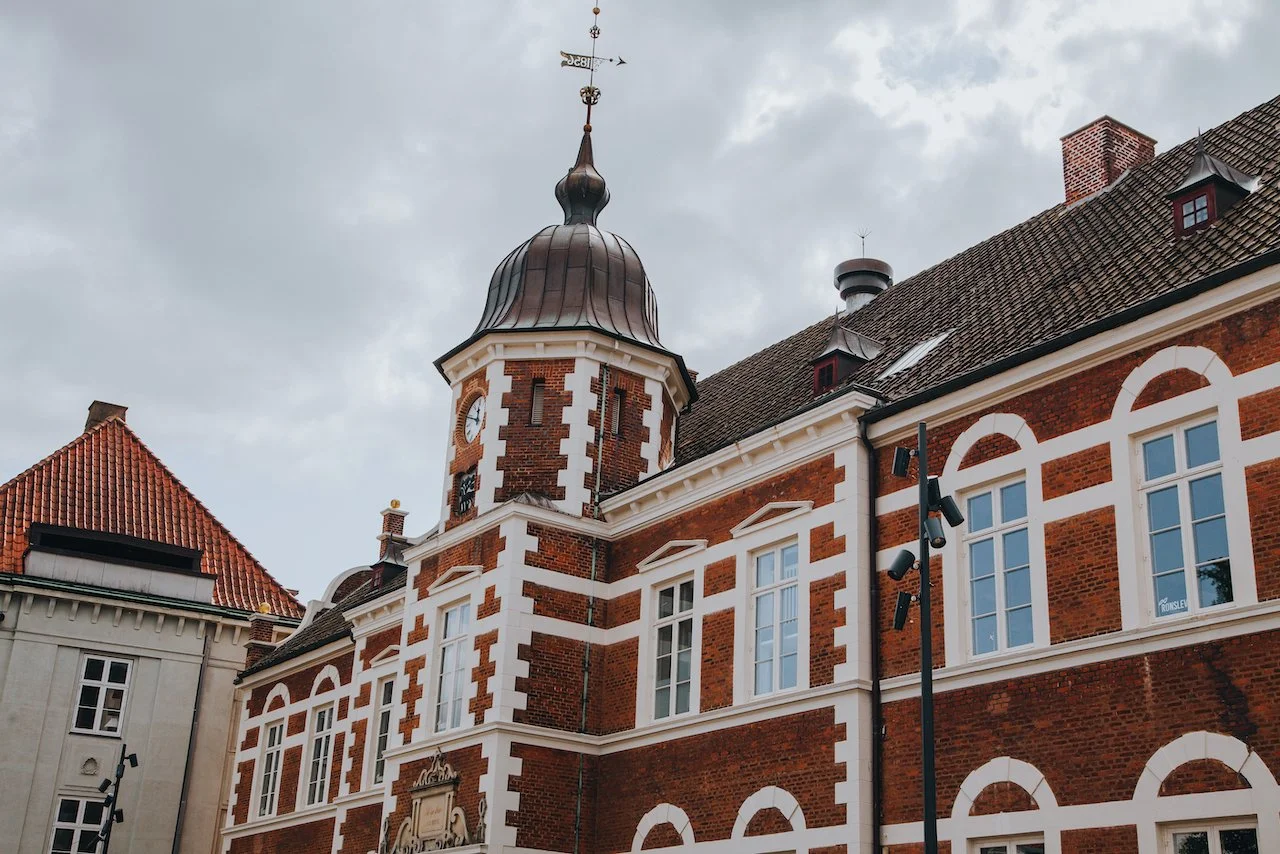
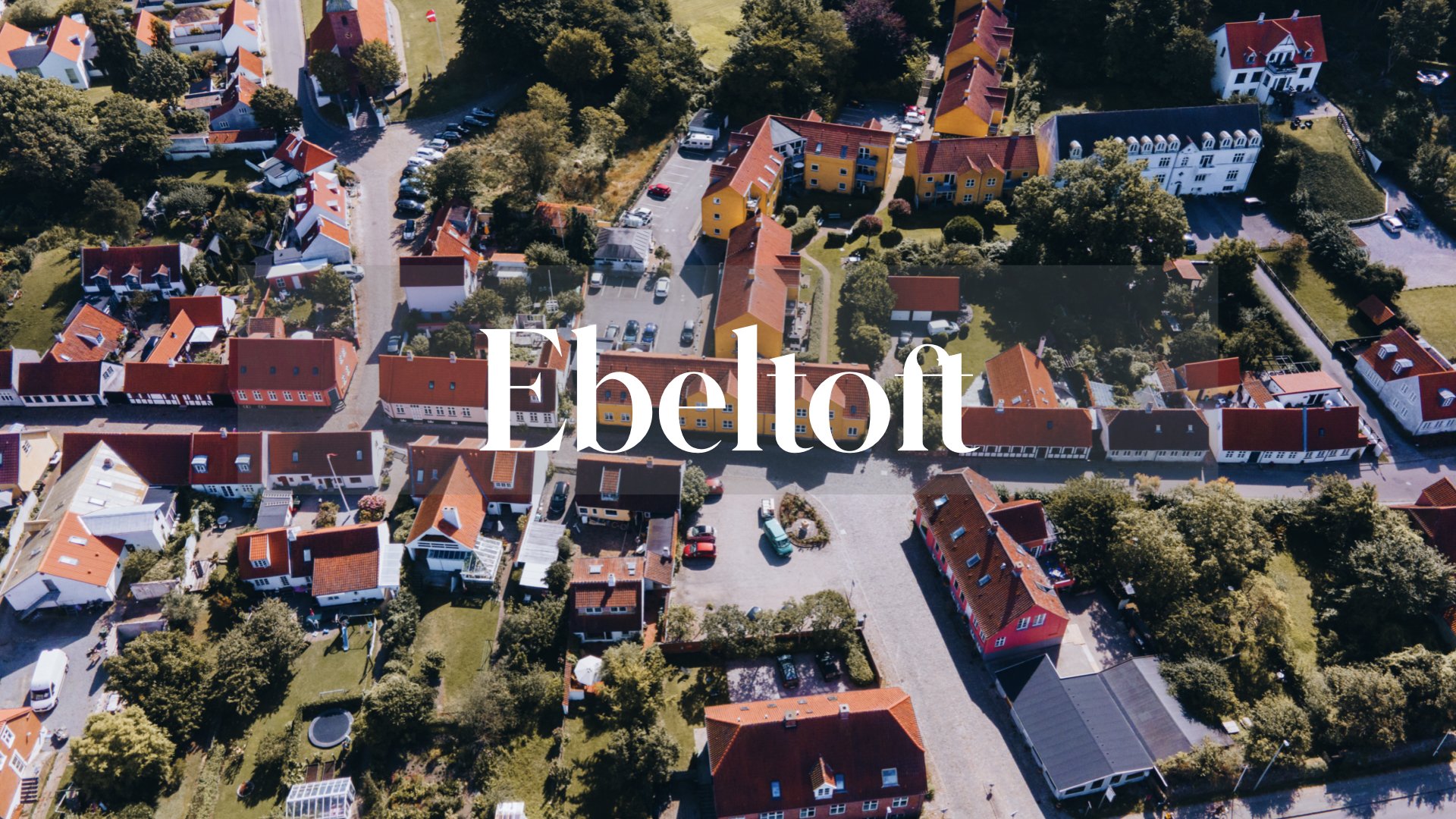
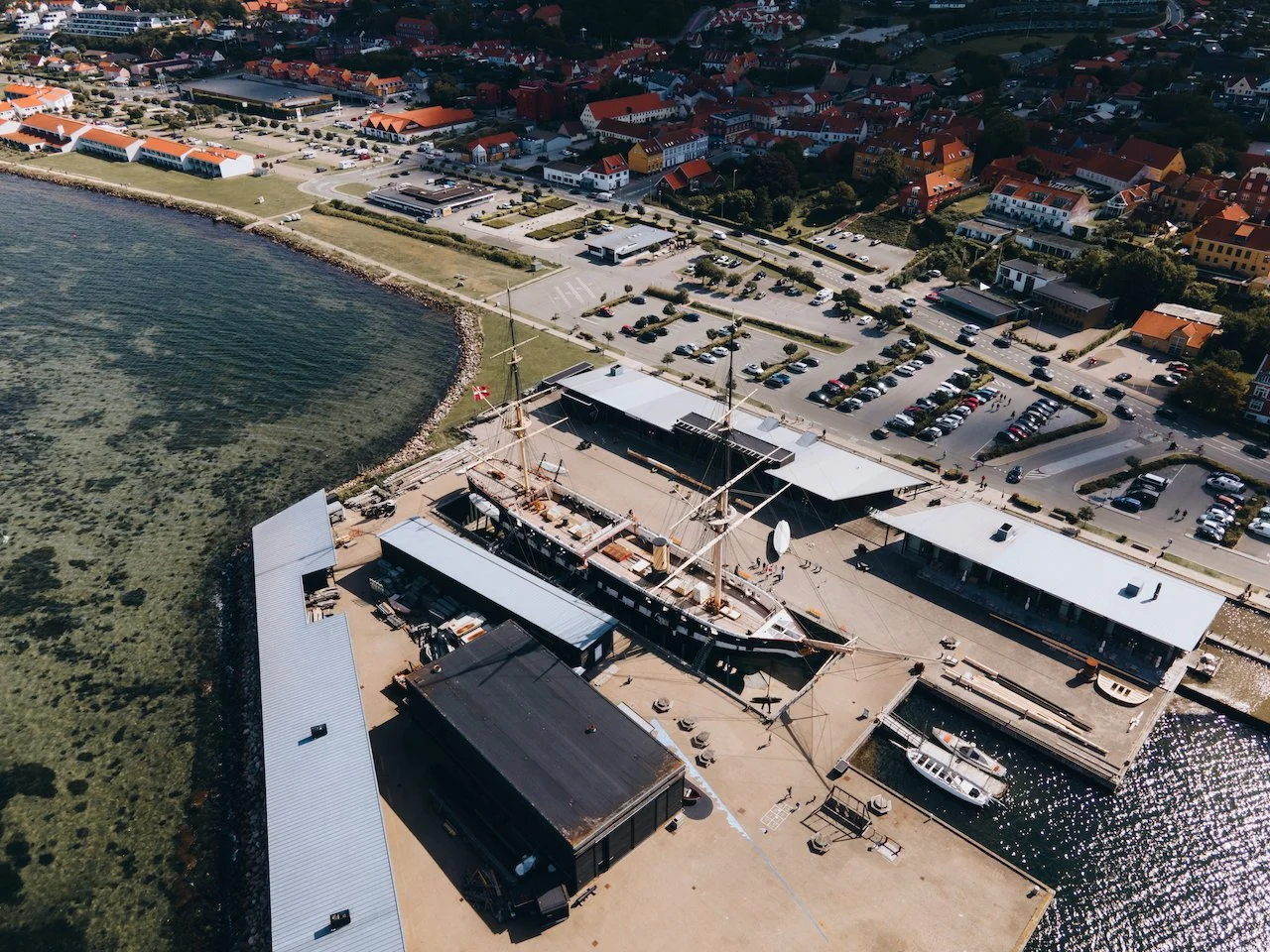
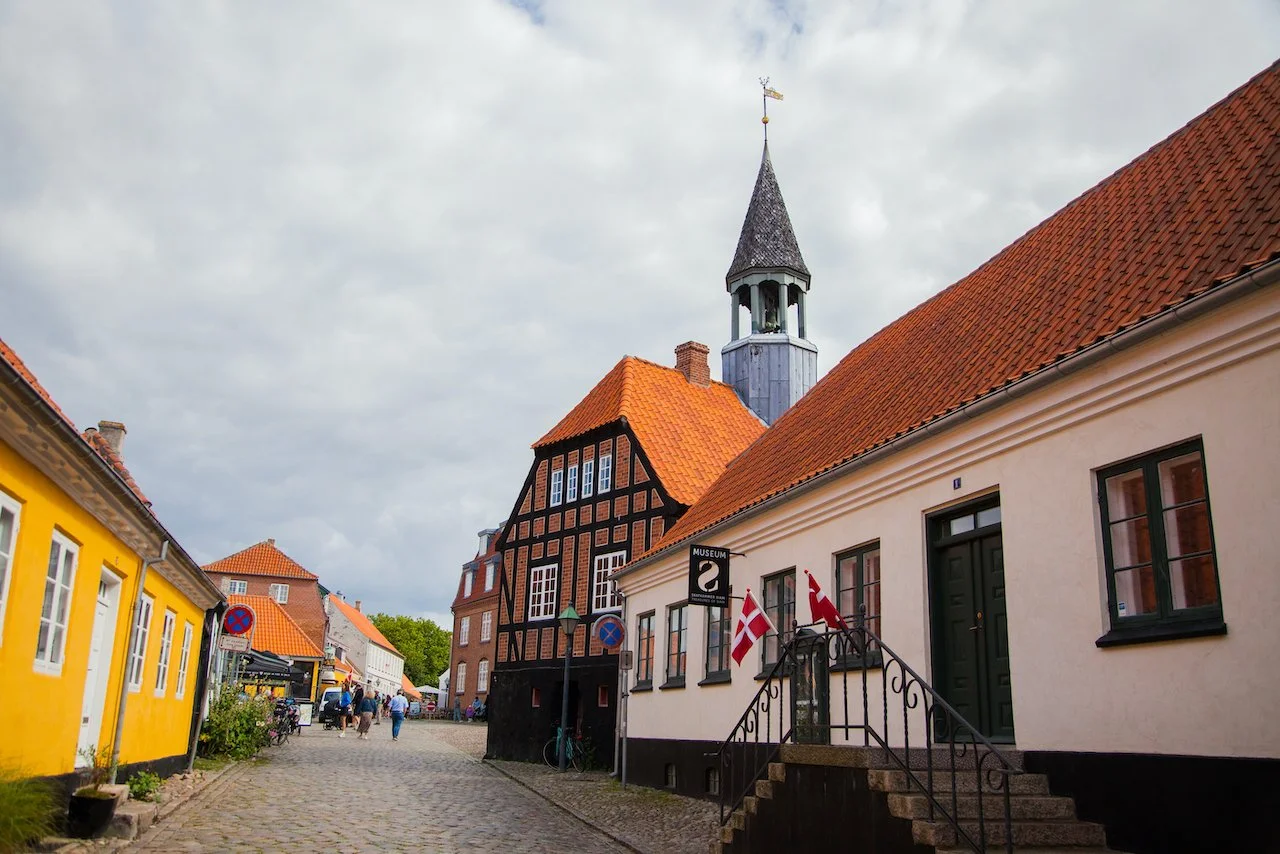
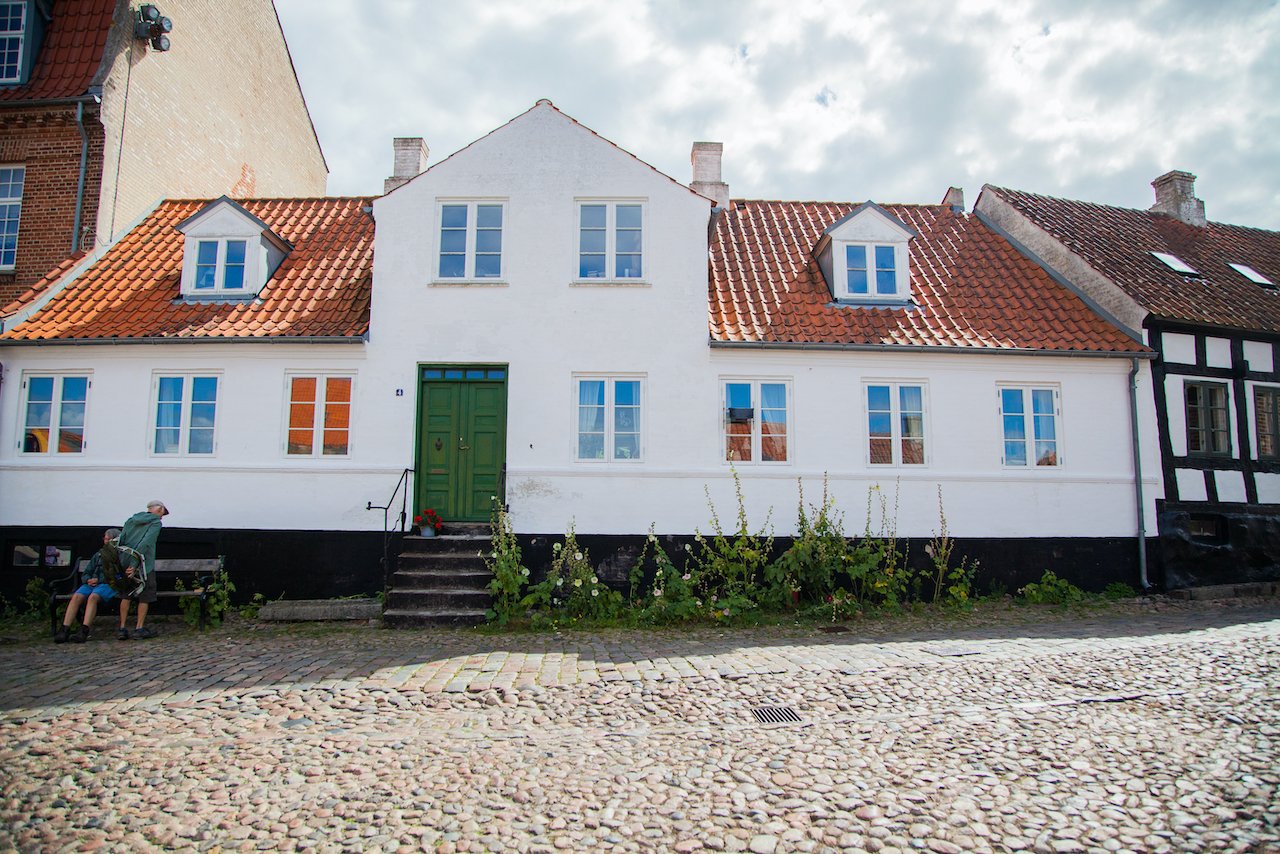
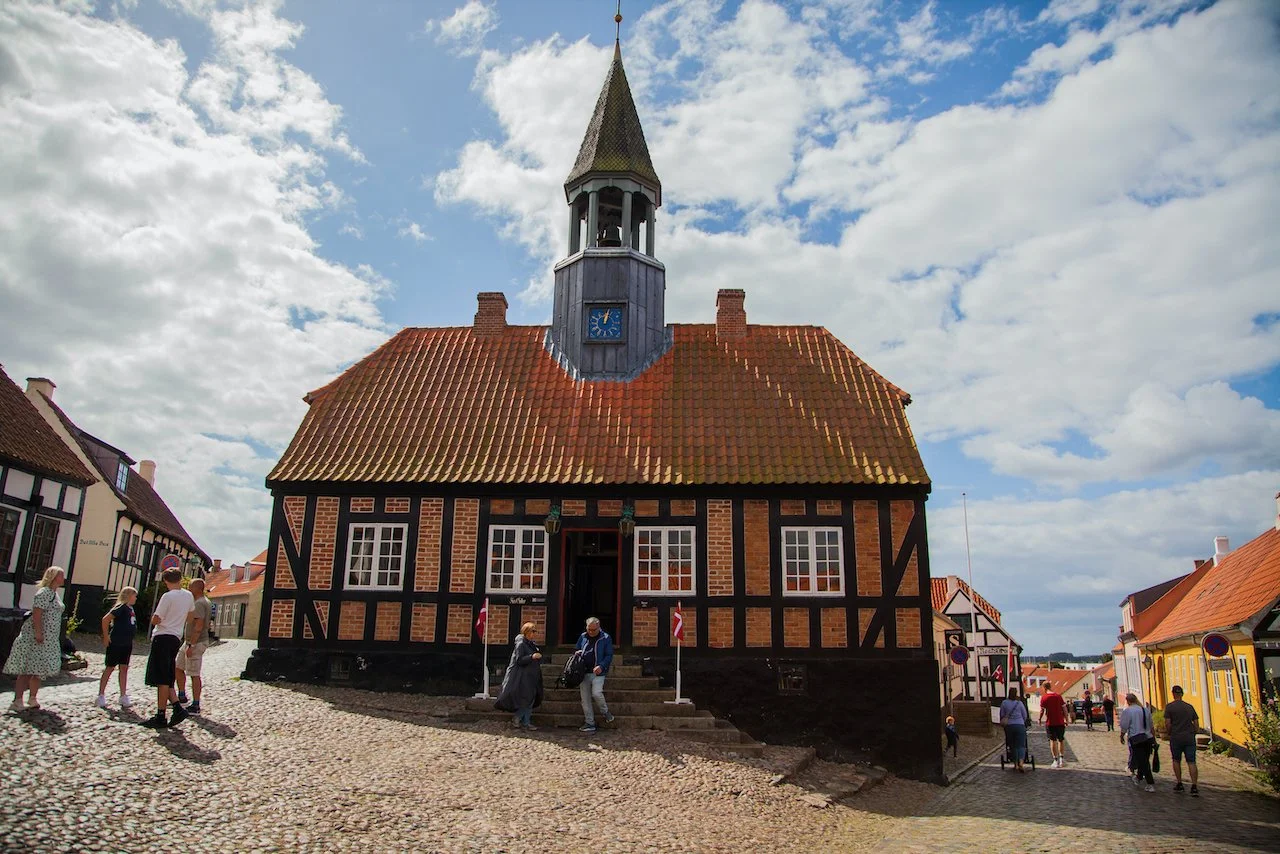
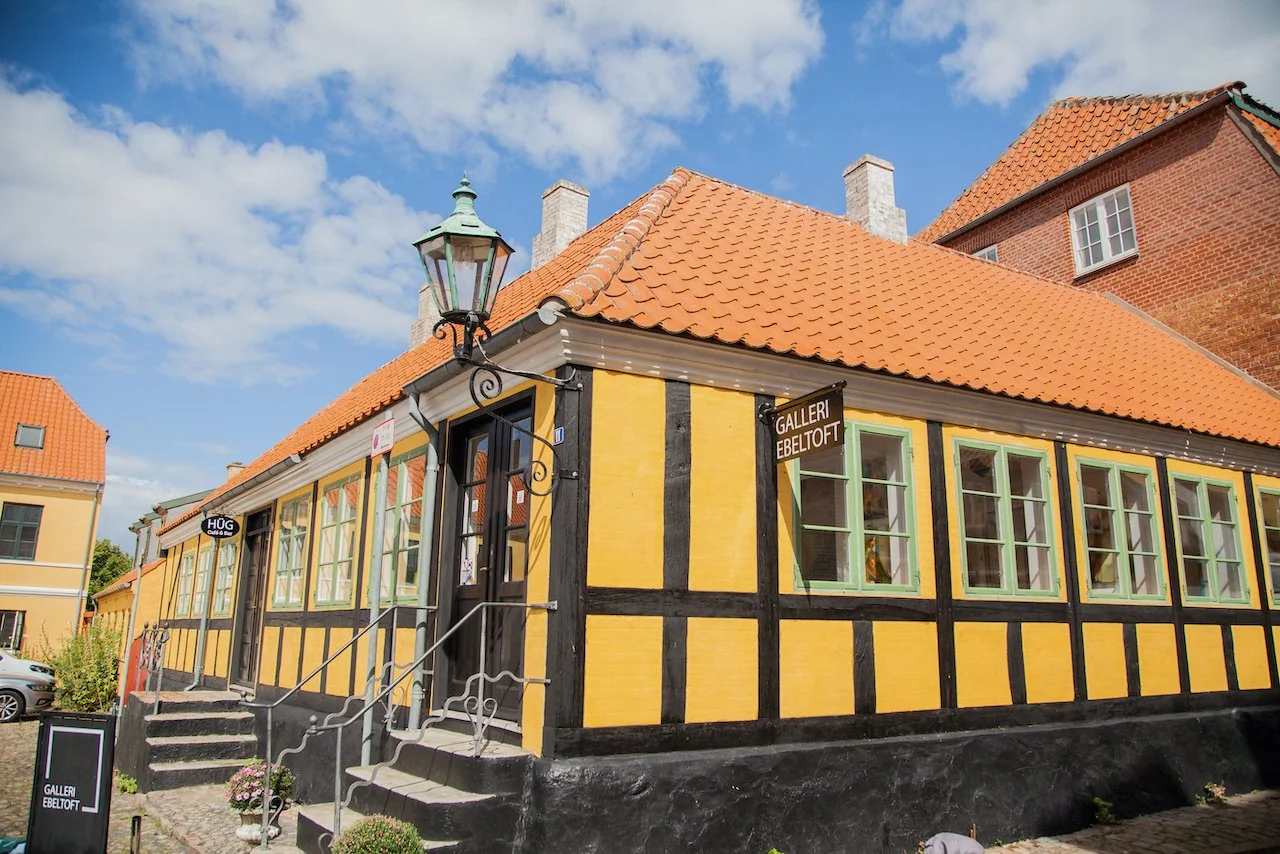
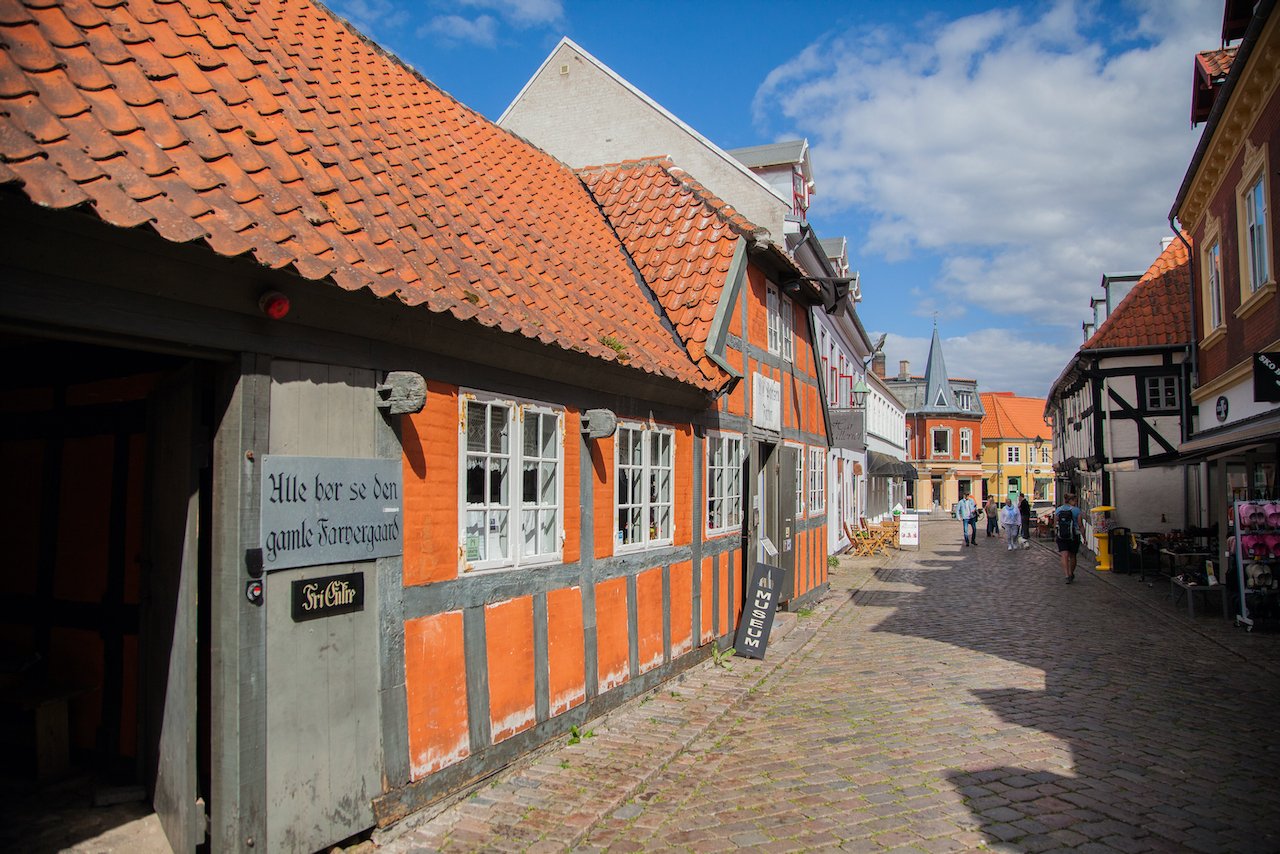
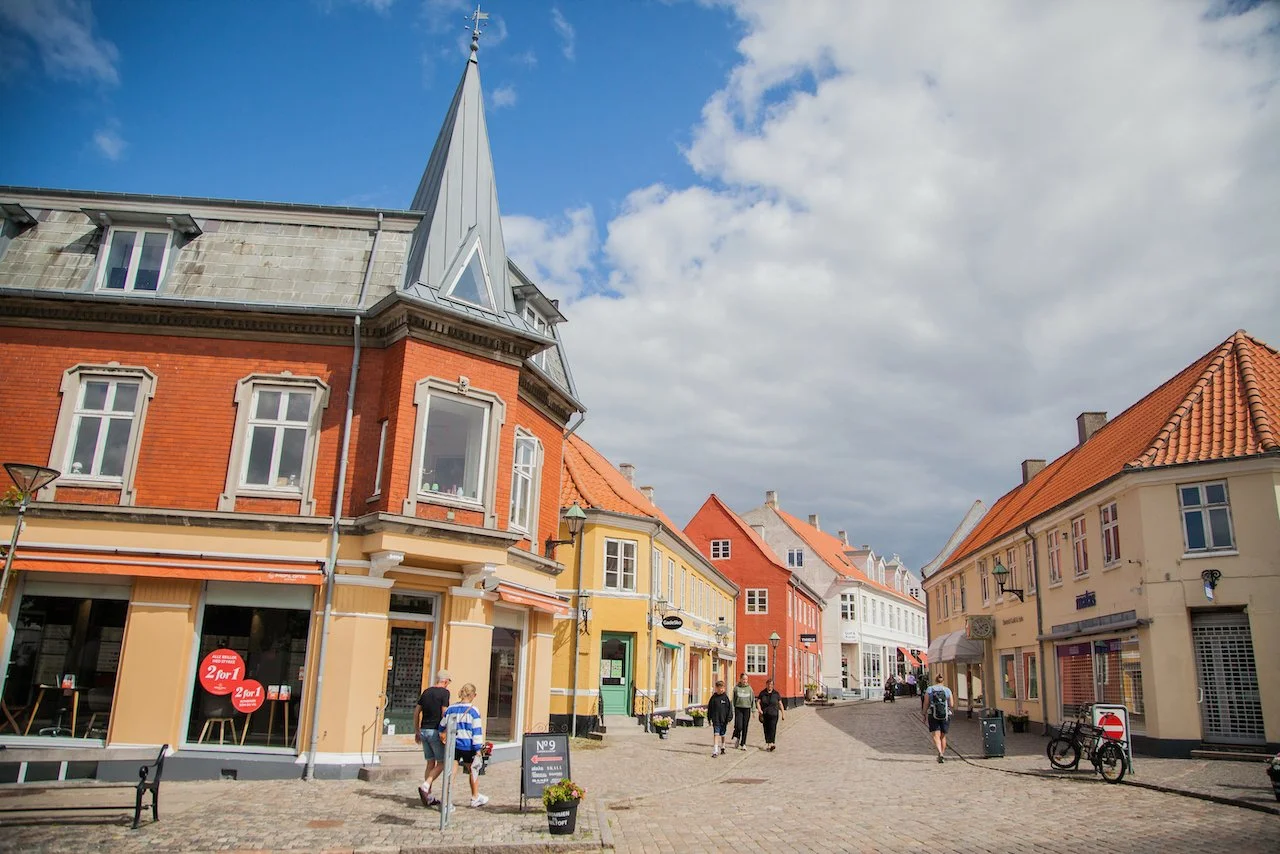
Ebeltoft
(Blog Post: Ebeltoft, Denmark: A Charming Seaside Town You Need to Visit)
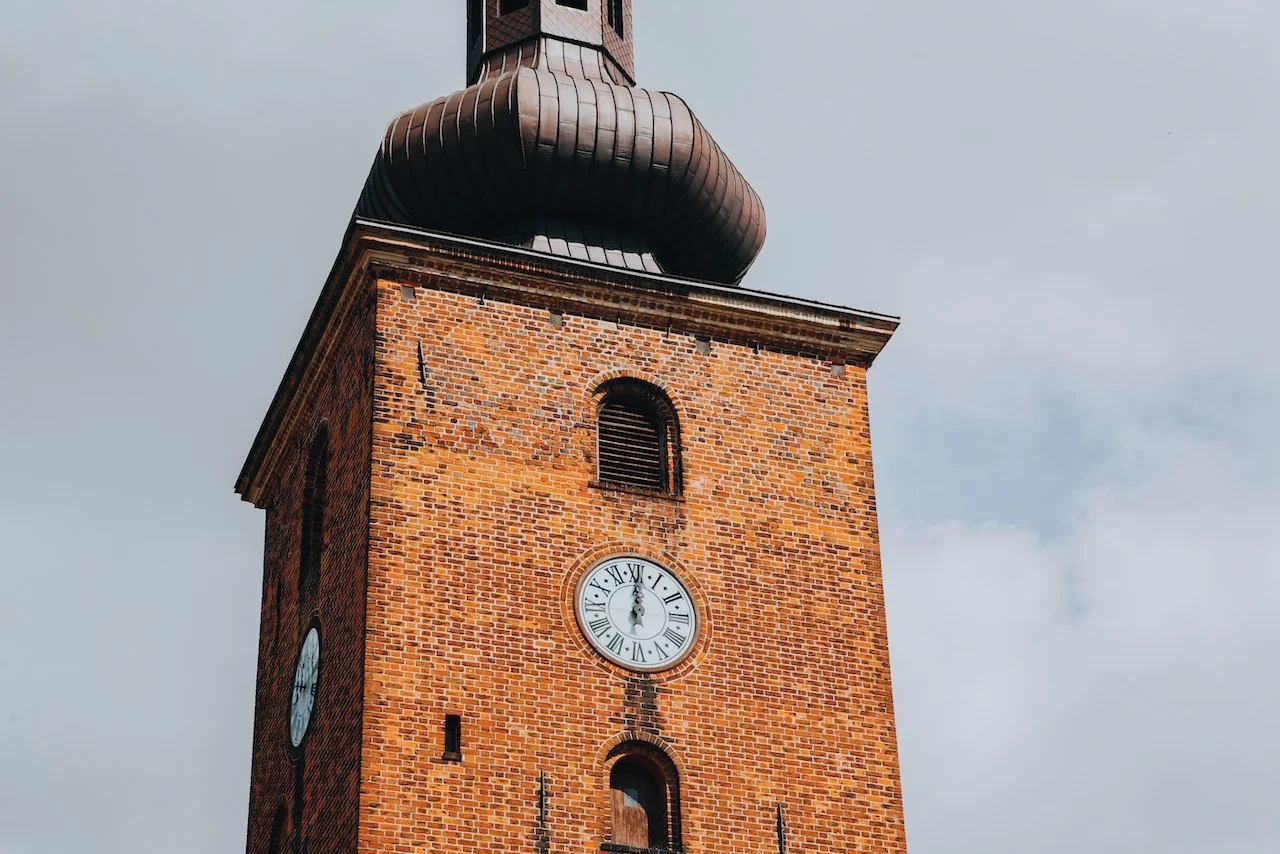
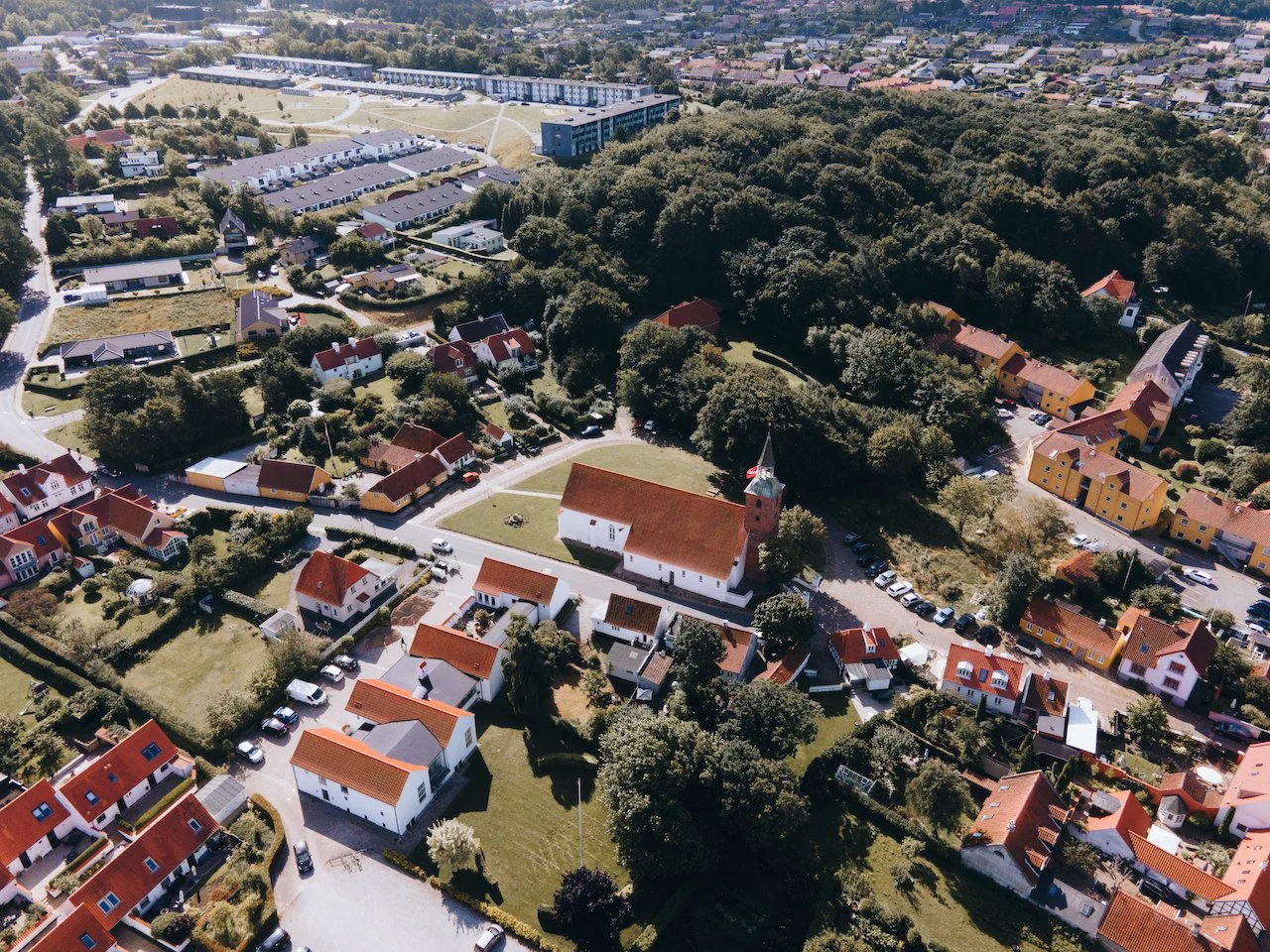
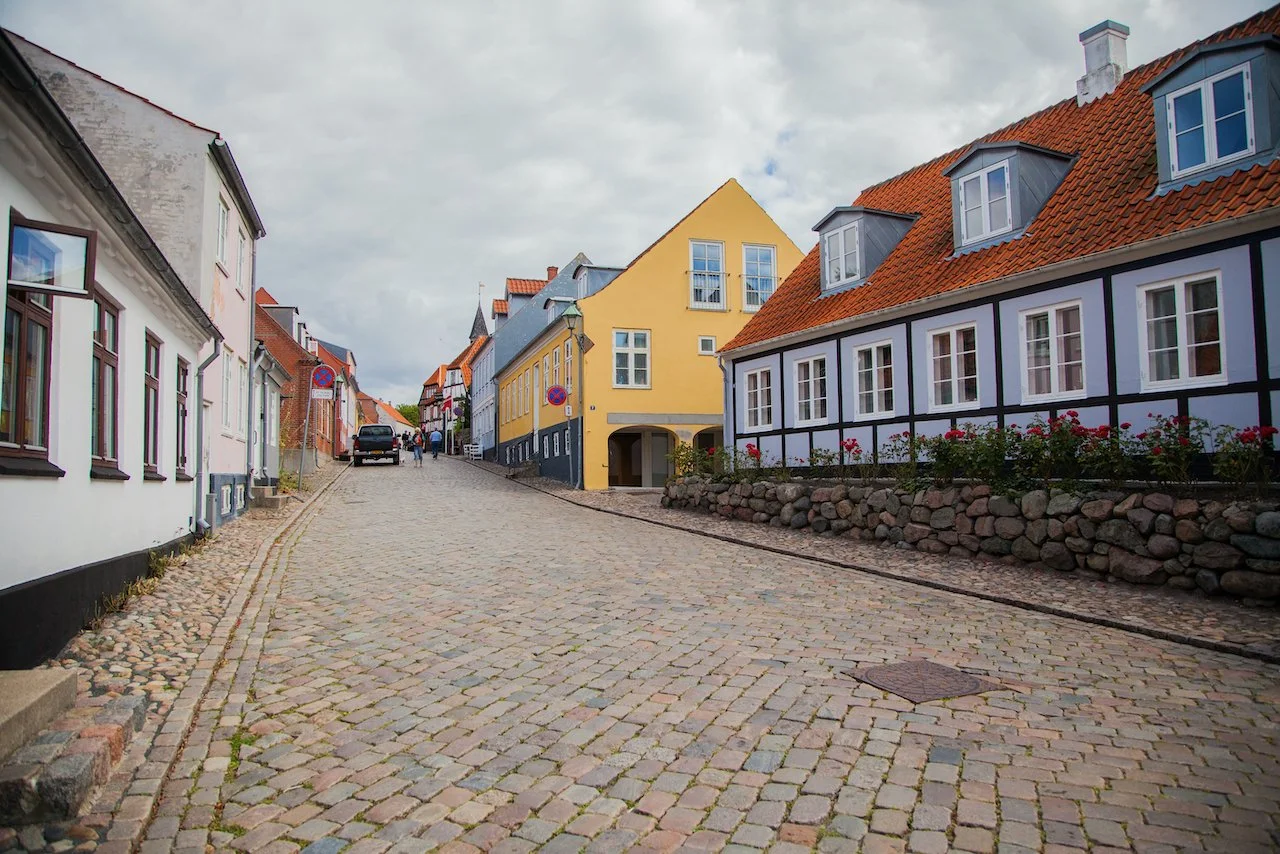
Planning a trip to Ebeltoft? This guide shows you how to get to Djursland’s most charming town, plus the best things to do once you’re there – stroll the cobbled streets, visit the Glass Museum and explore nearby Mols Bjerge National Park and its beautiful coastal trails.
Glass Museum (Glasmuseet Ebeltoft) — Visit Glasmuseet Ebeltoft, a world-class glass museum showcasing innovative artworks, live demos, and international exhibitions.
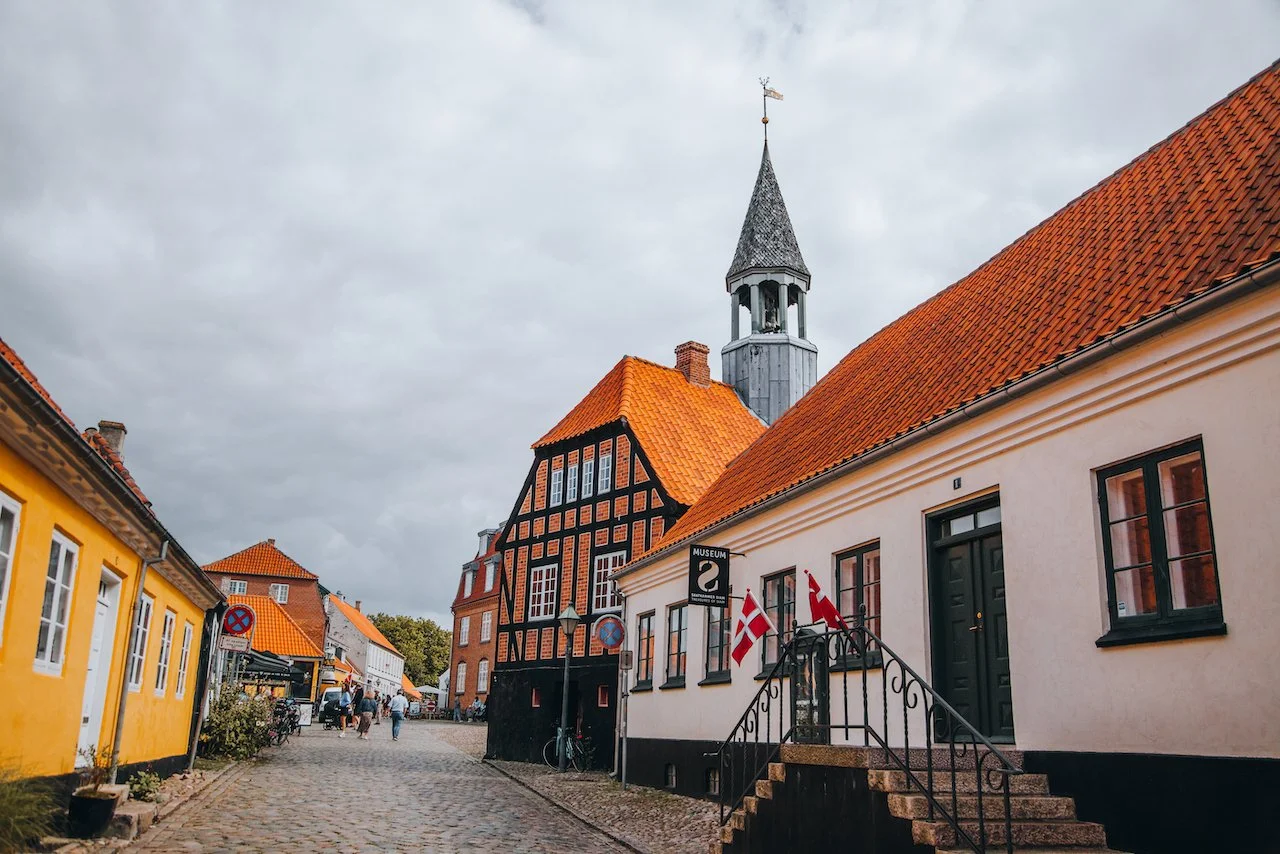
Old Town Hall — Ebeltoft’s Old Town Hall, built in 1789, is a charming half-timbered landmark now housing a museum on local history and governance.
Draaby Church — Draaby Church near Ebeltoft is a medieval treasure with frescoes, carvings, and serene countryside views, reflecting centuries of faith.
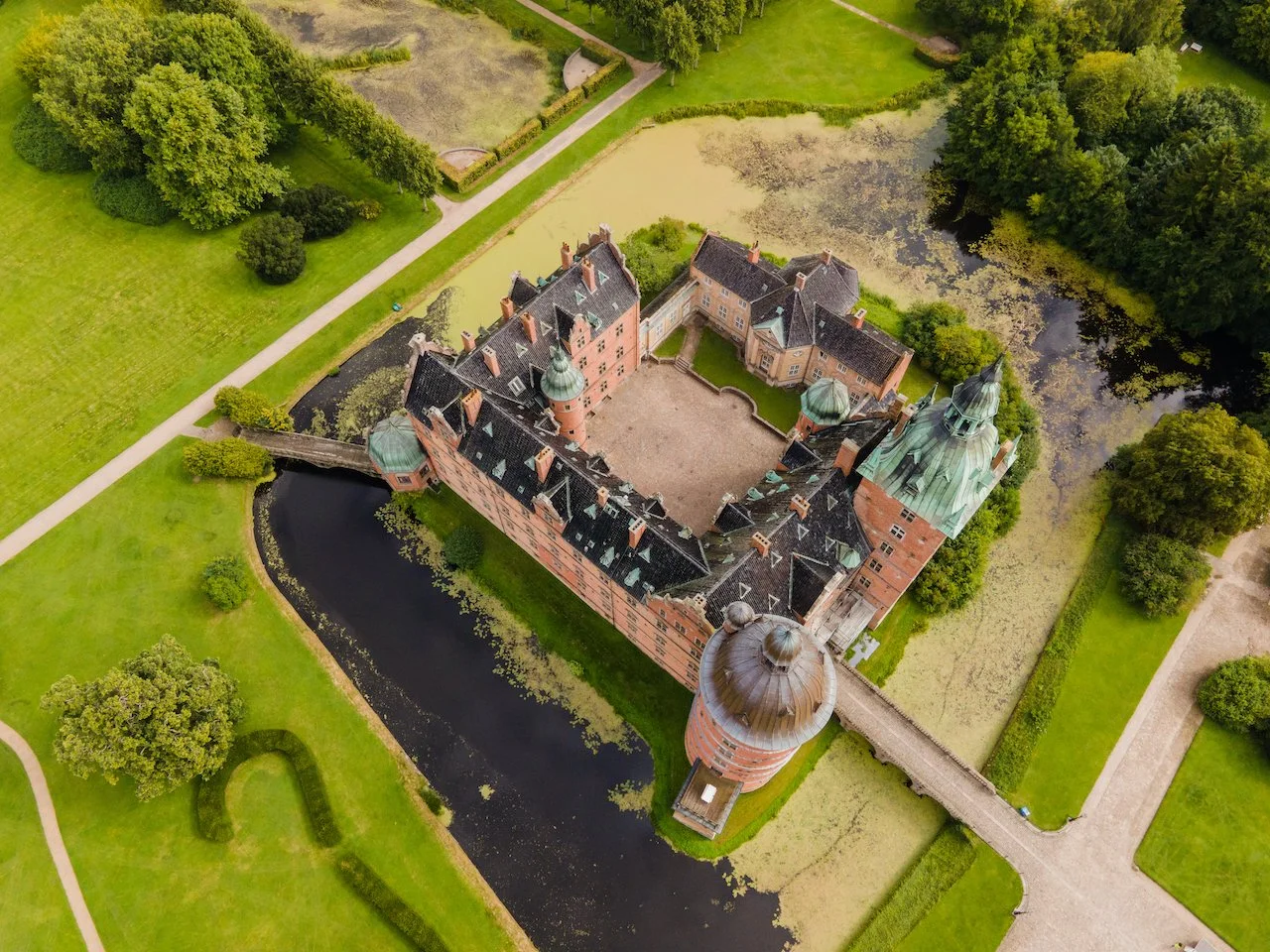
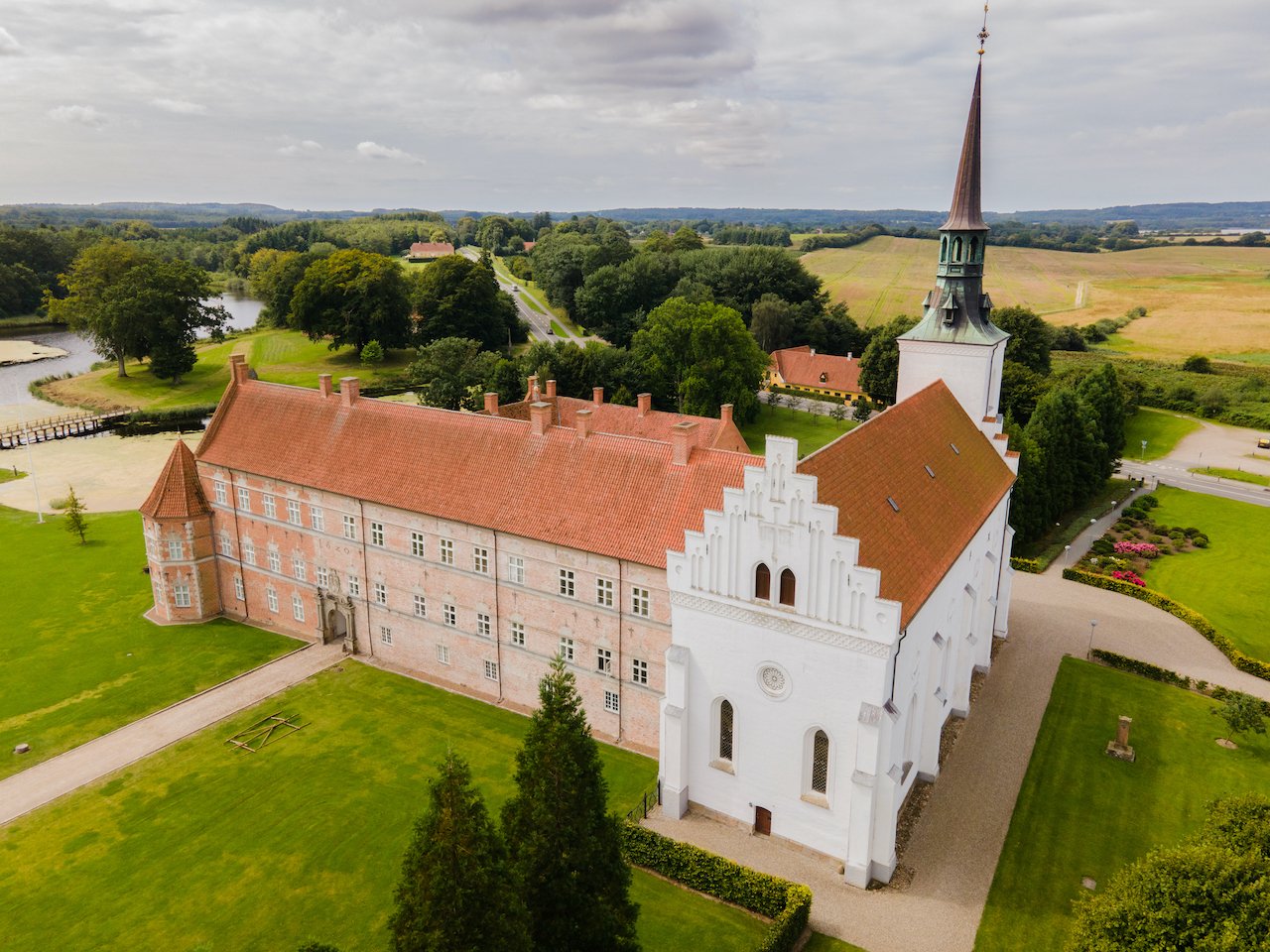
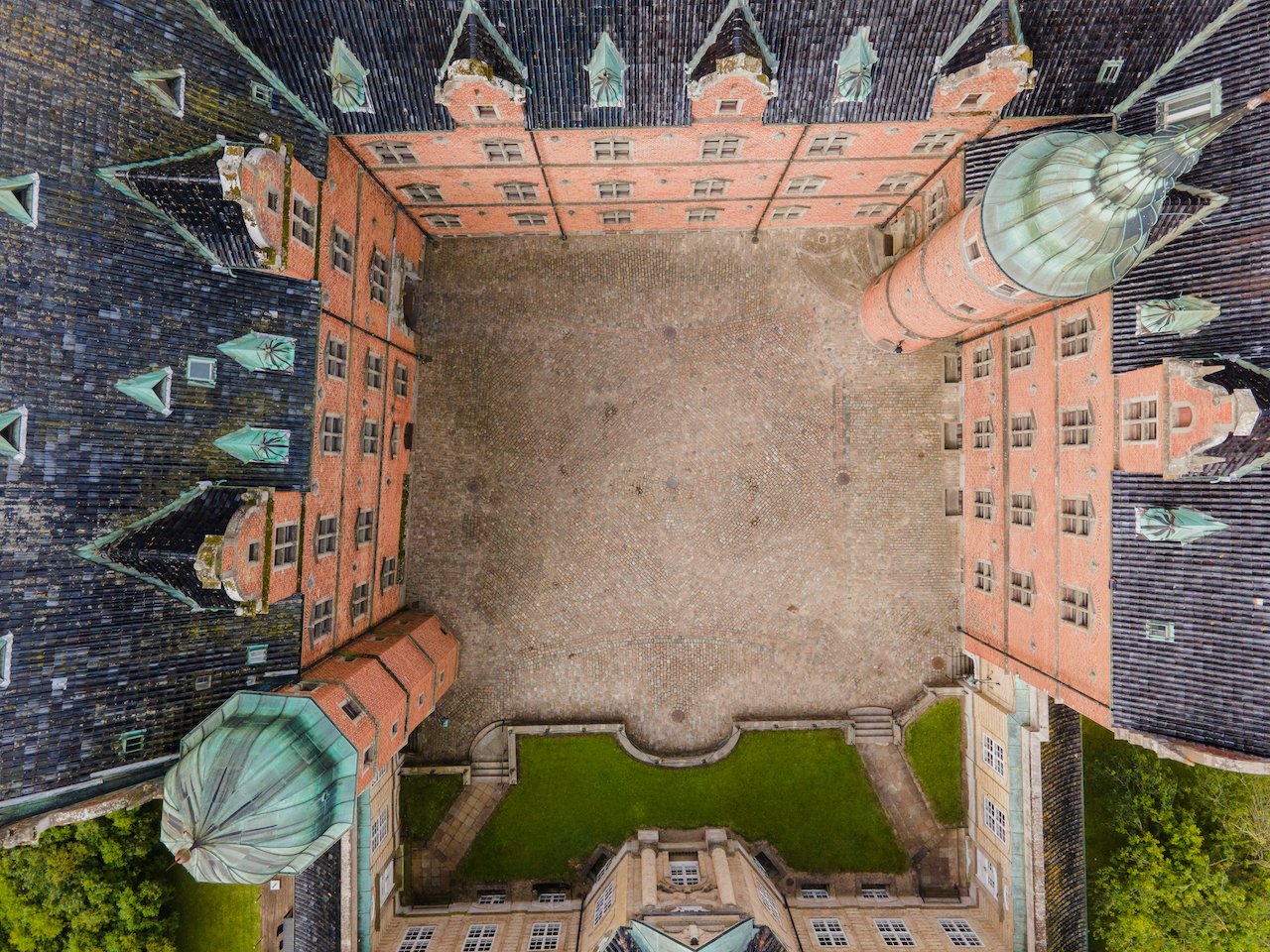
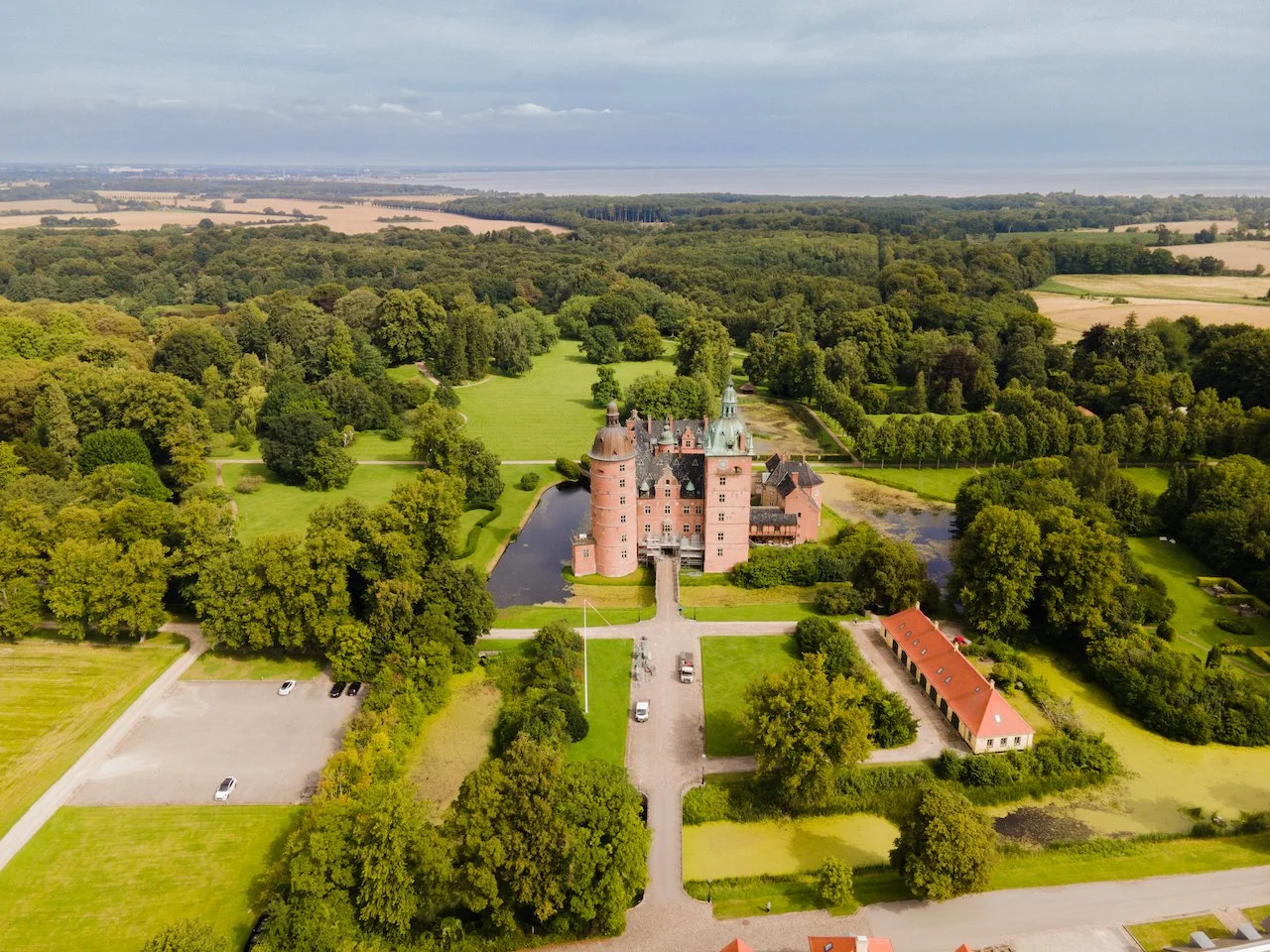
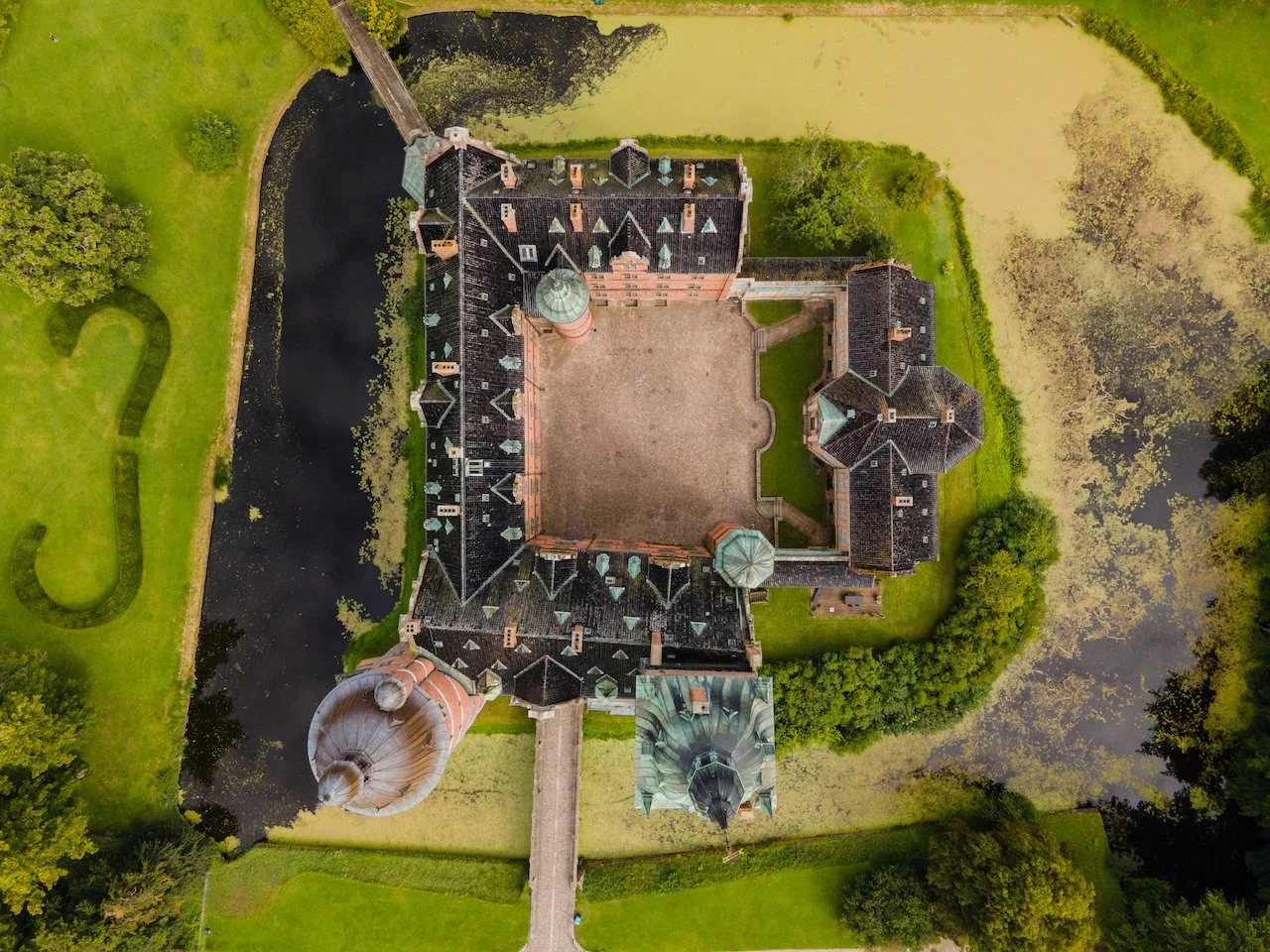
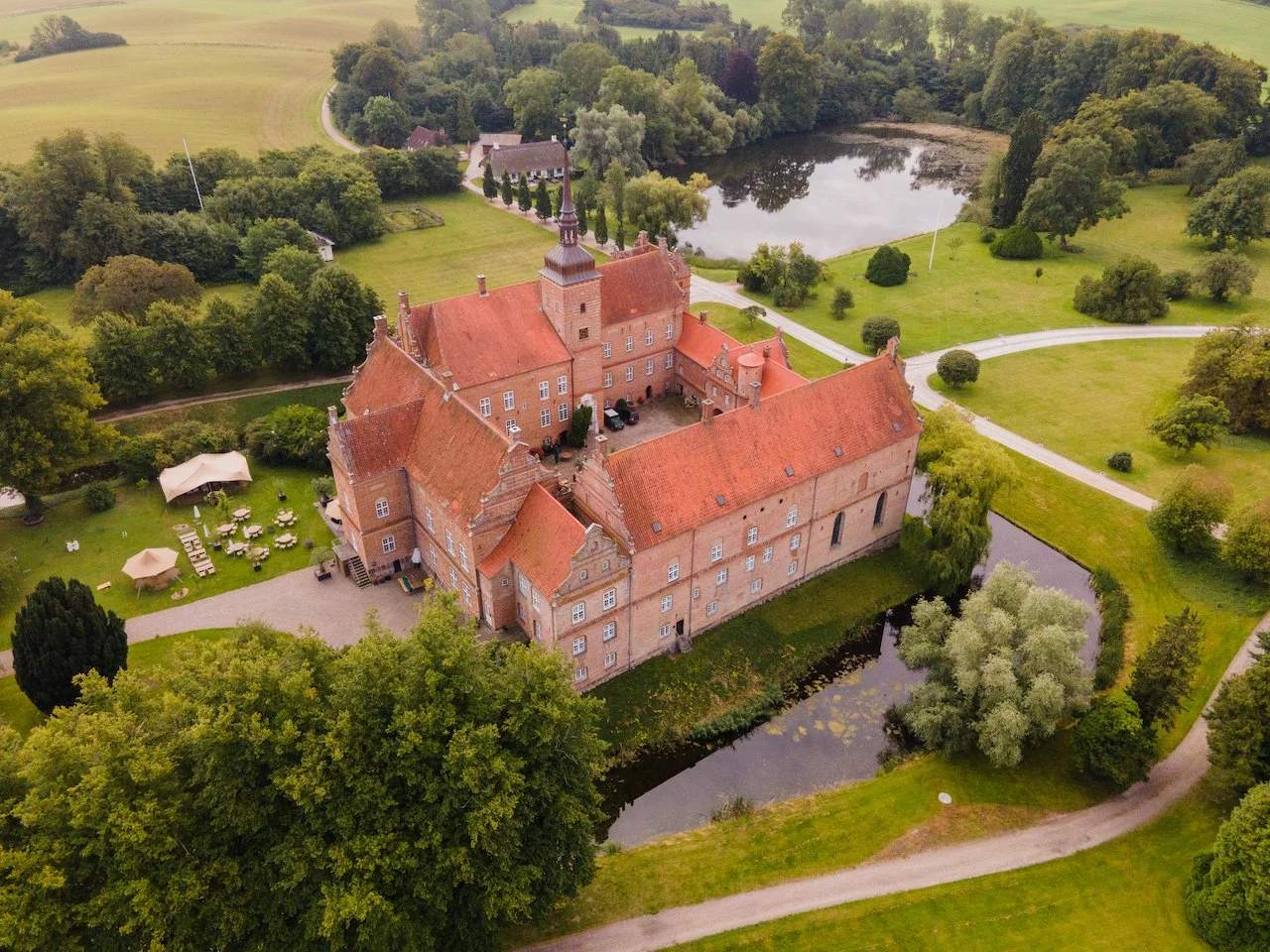
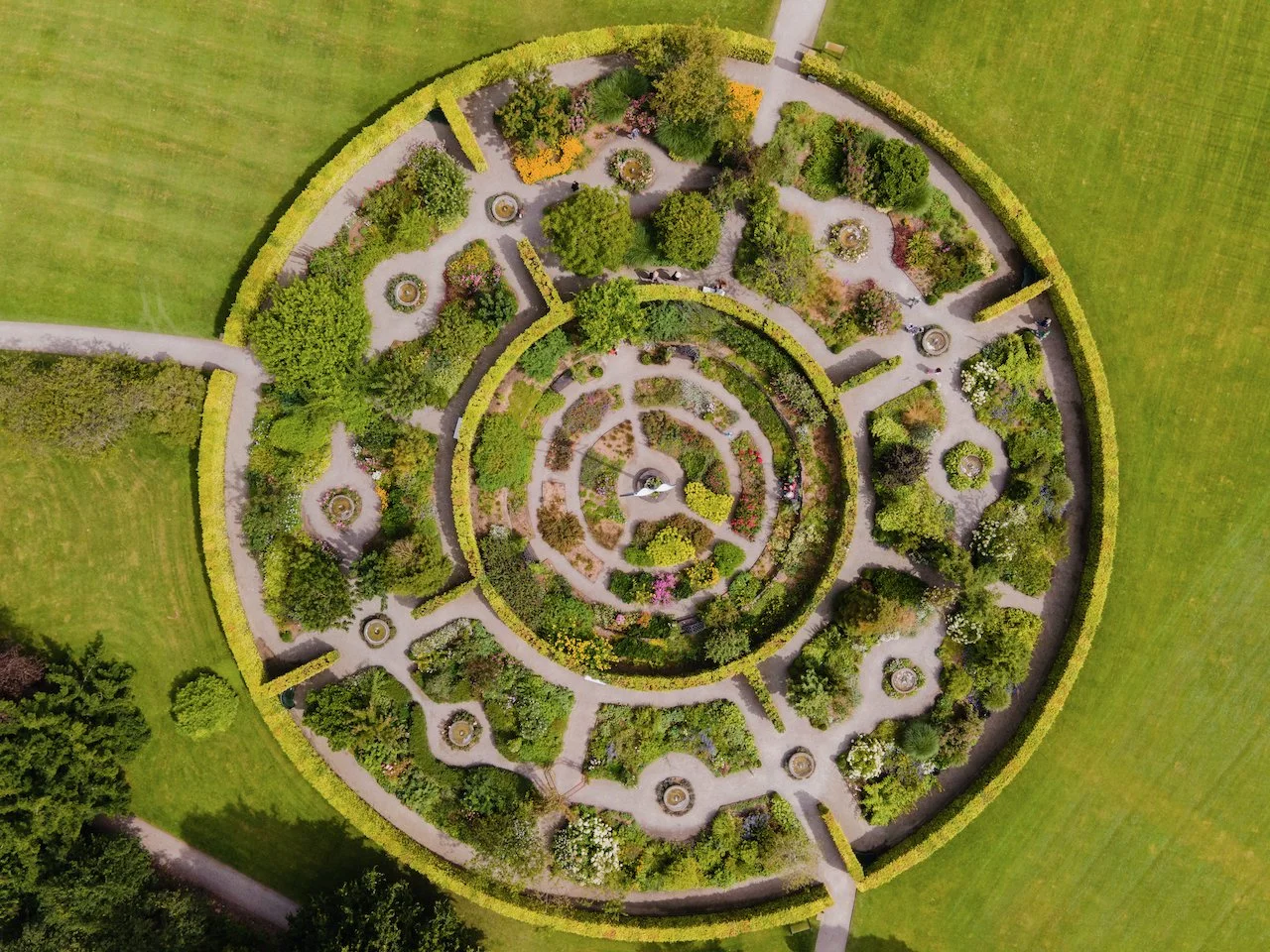
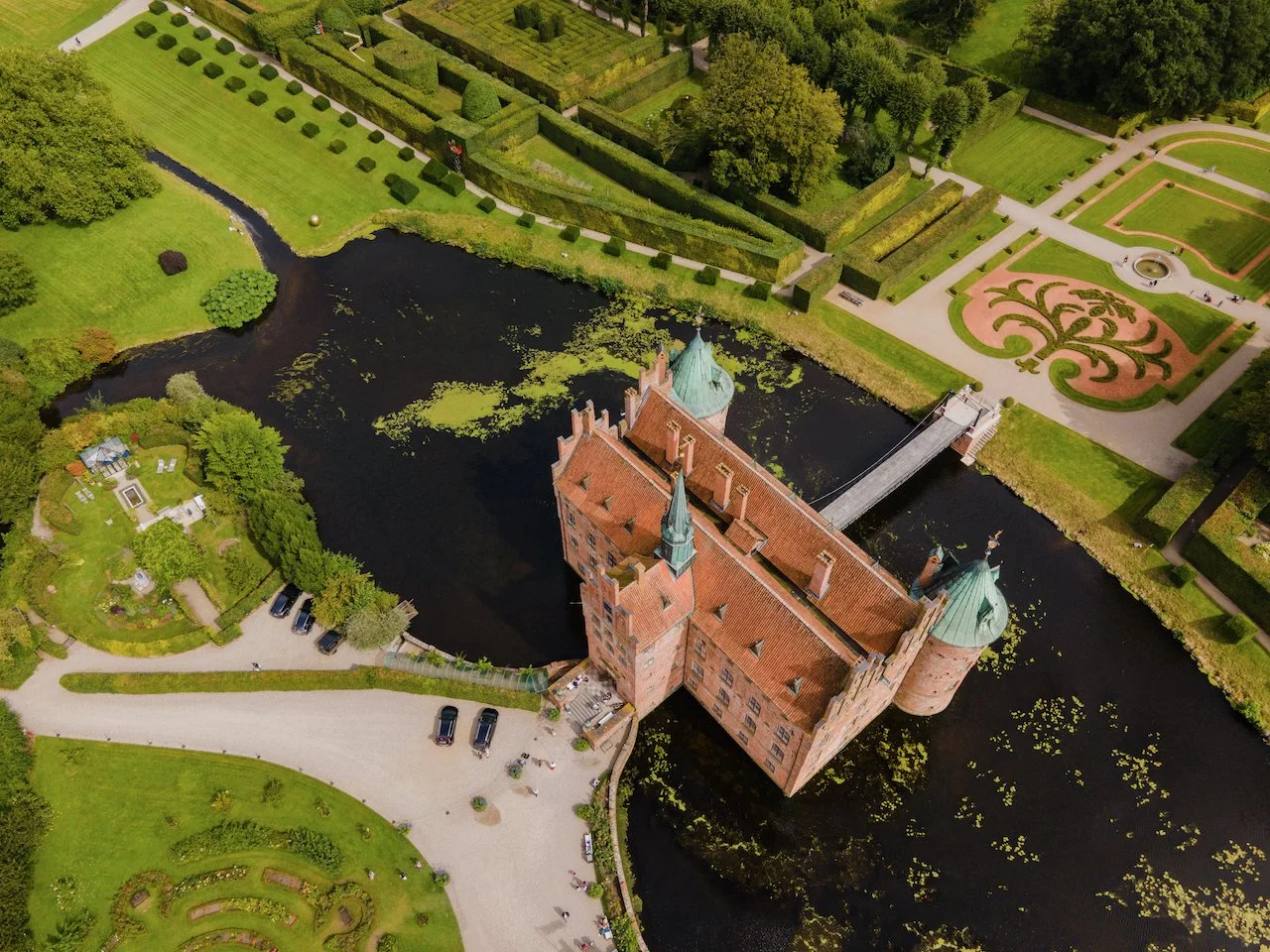
Castles of Denmark
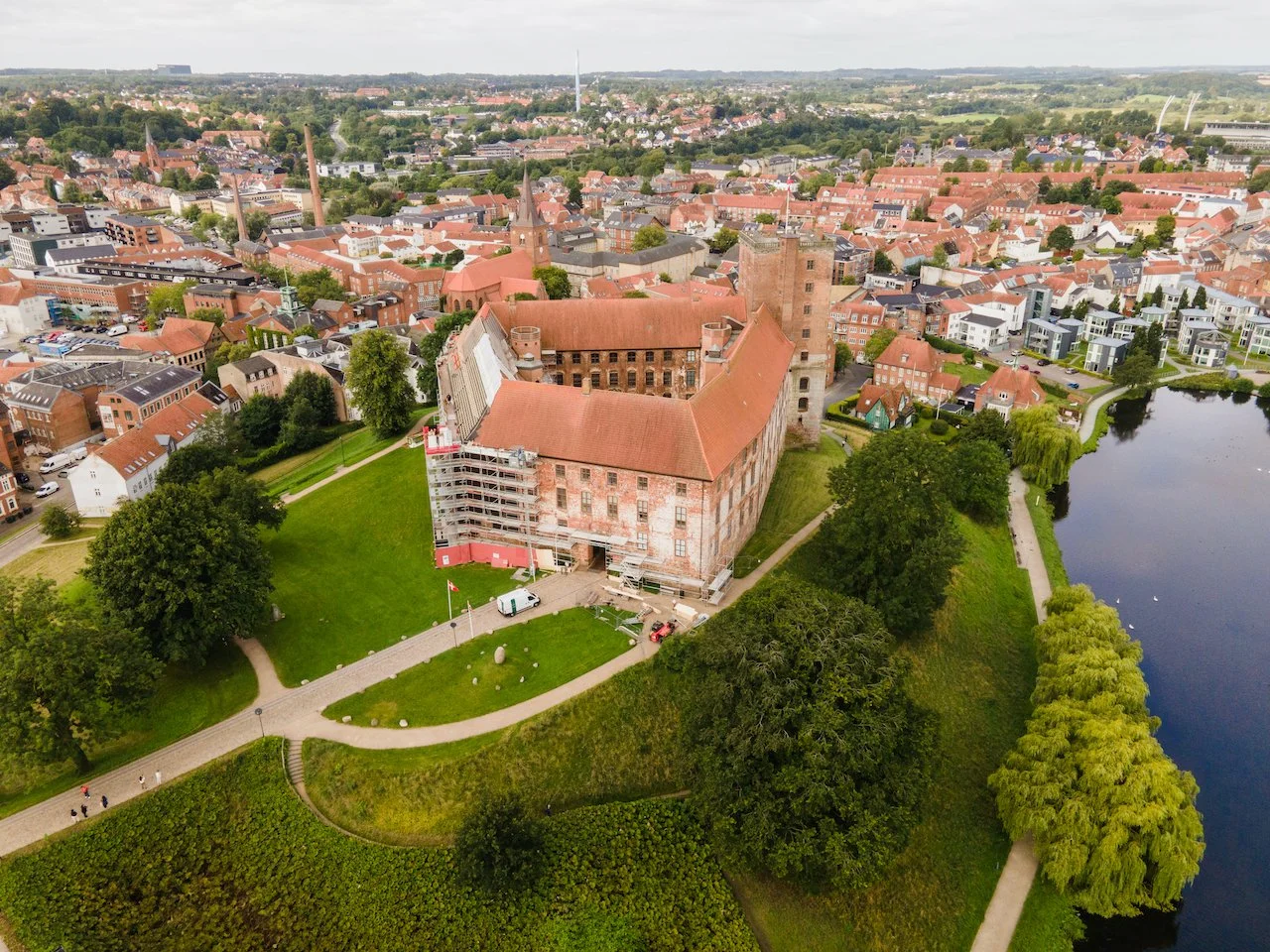
(Blog Post: The Castles of Denmark)
Discover the most beautiful castles in Denmark with this guide to the country’s historic and royal sites. Includes practical info on how to visit Kronborg Castle, Frederiksborg Castle, Rosenborg Palace and Egeskov, plus driving routes, entry details and nearby towns to explore. Ideal for history lovers and cultural travellers.
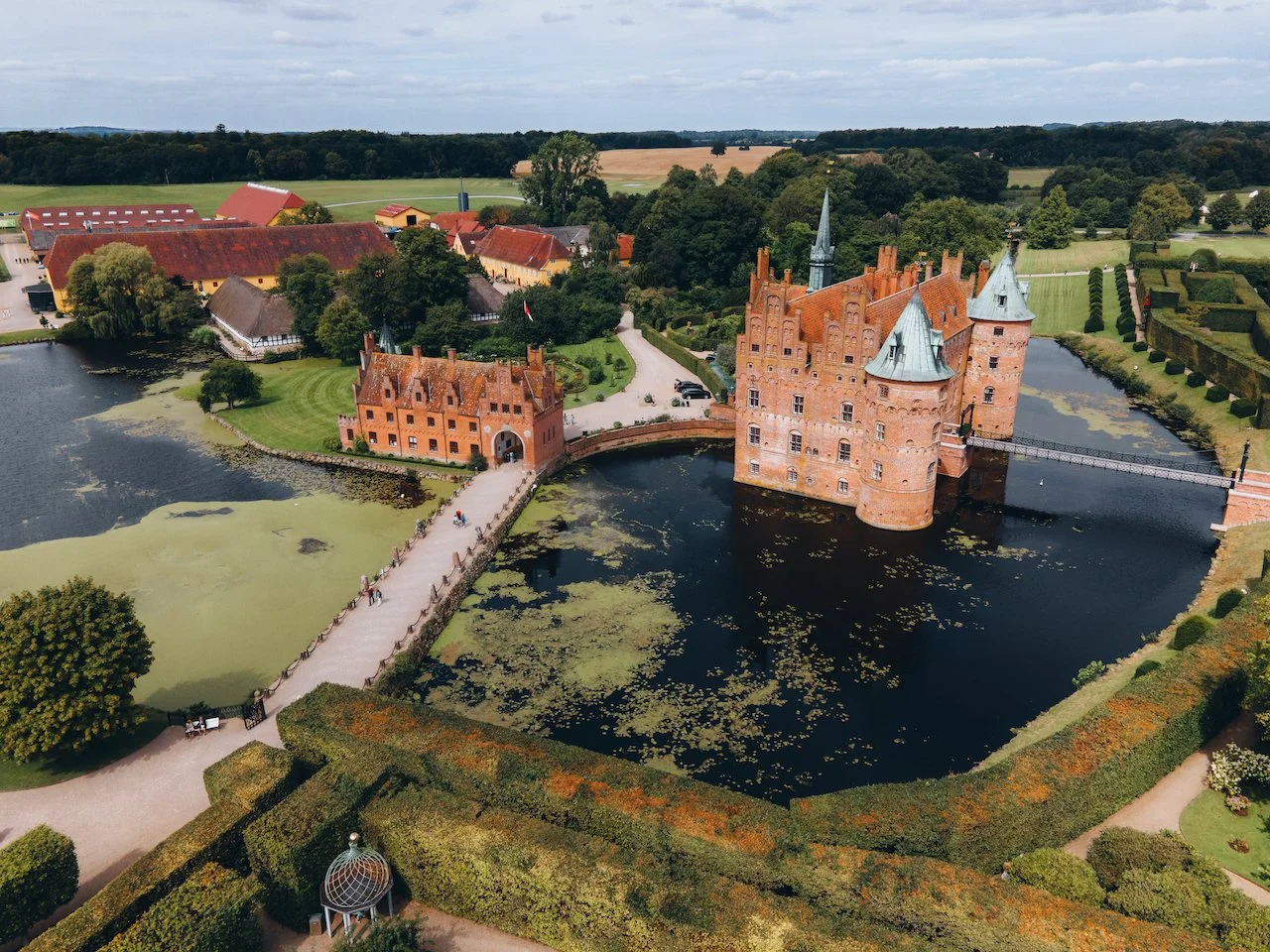
Egeskov Castle - Explore Egeskov Castle on Funen, Denmark. This Renaissance castle features stunning gardens, museums, and family-friendly attractions year-round.
Rosenborg Castle - Visit Rosenborg Castle in Copenhagen, home to the Danish crown jewels and royal treasures, surrounded by the beautiful King’s Garden.
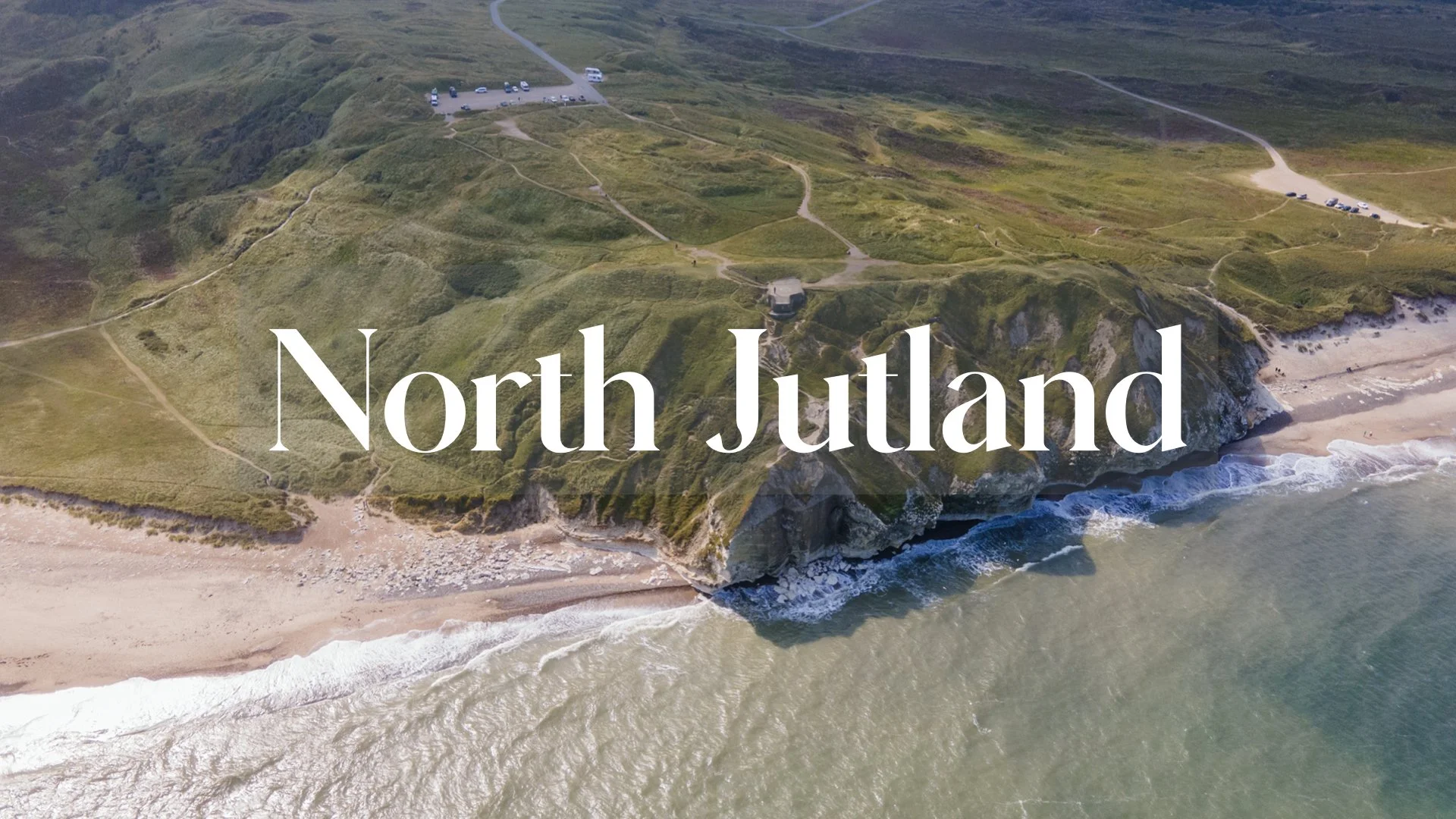
North Jutland Road Trip
(Blog Post: North Jutland Road Trip – Complete Itinerary, Map & Top Places to Visit)
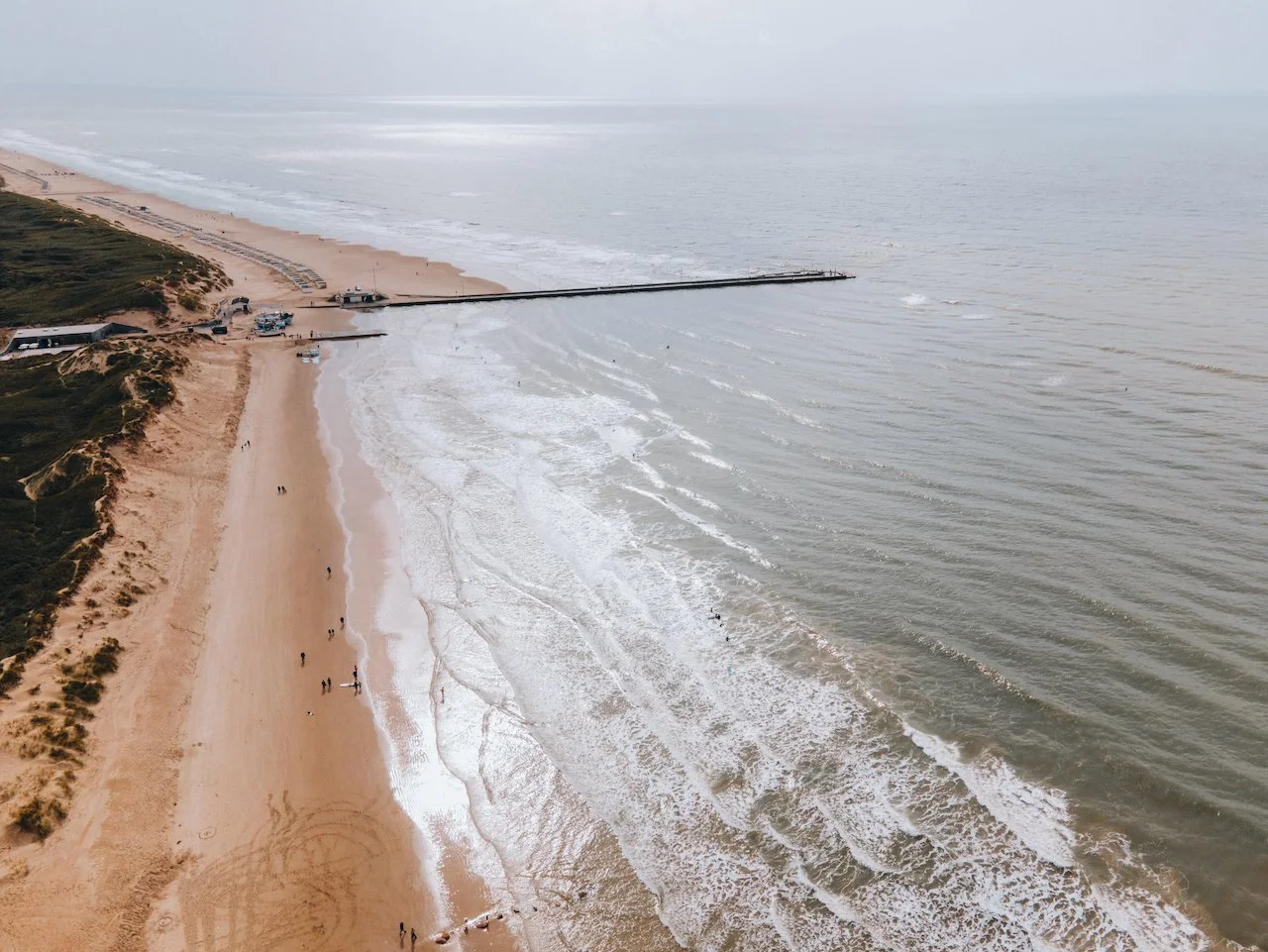
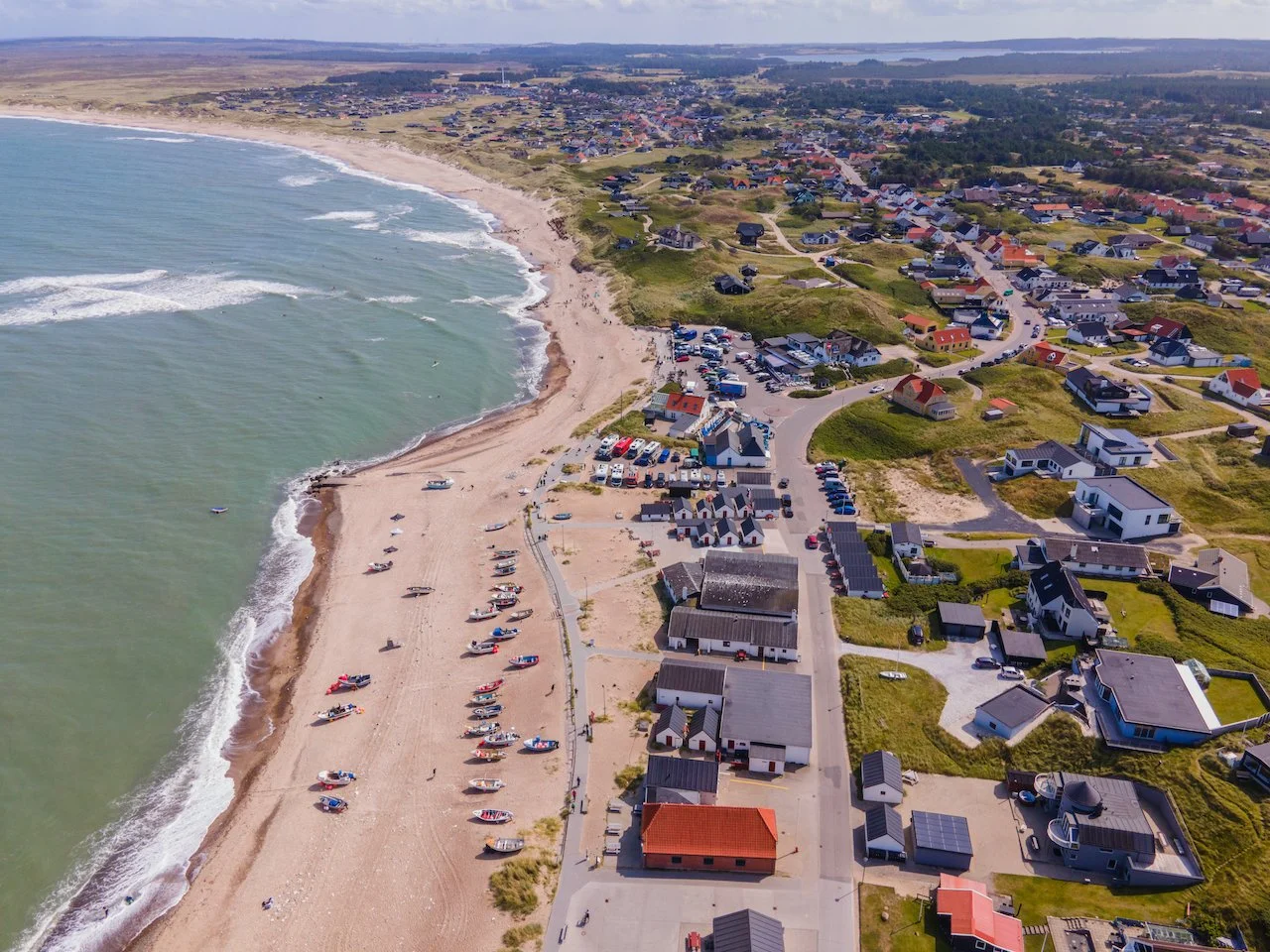
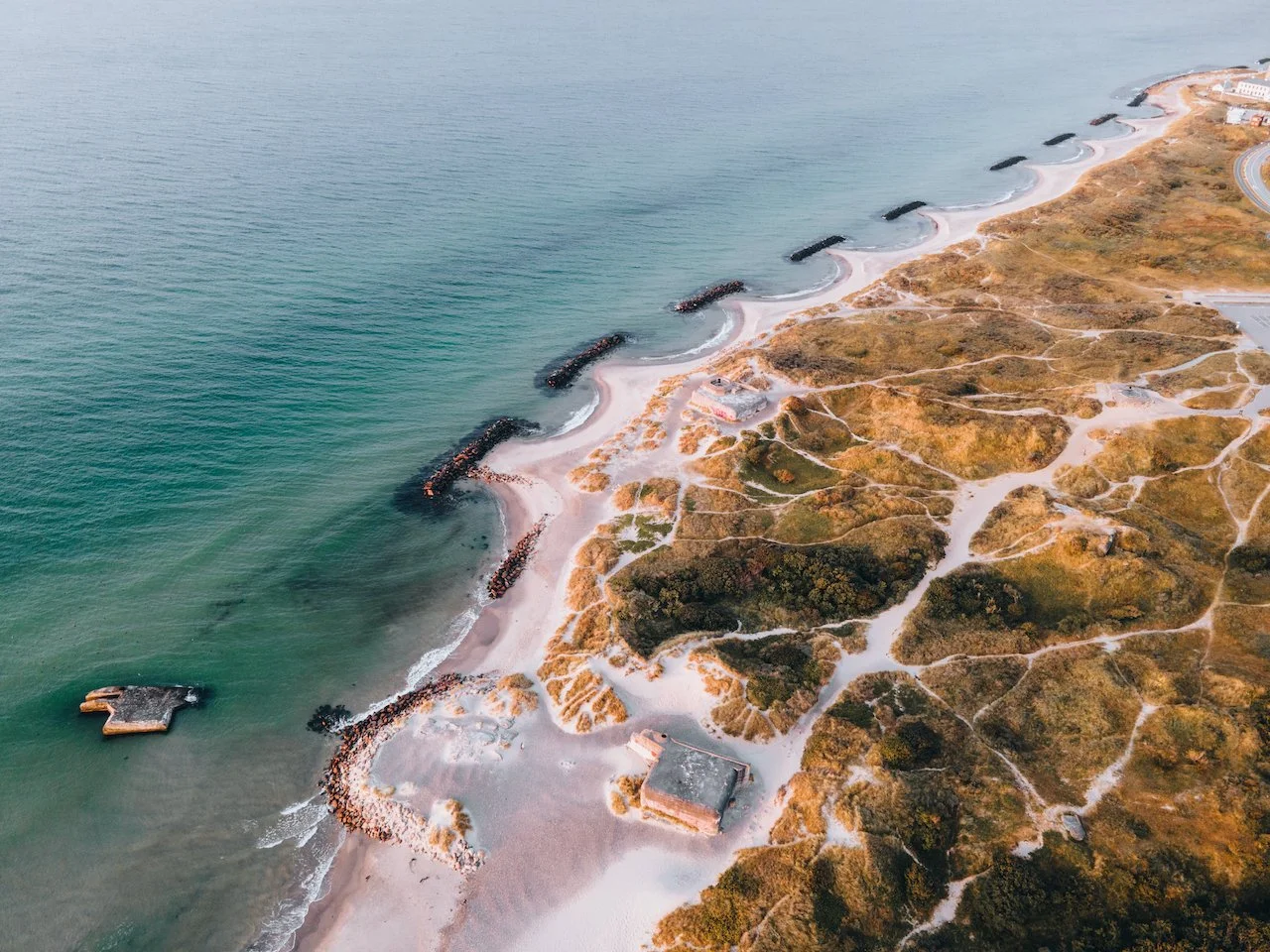
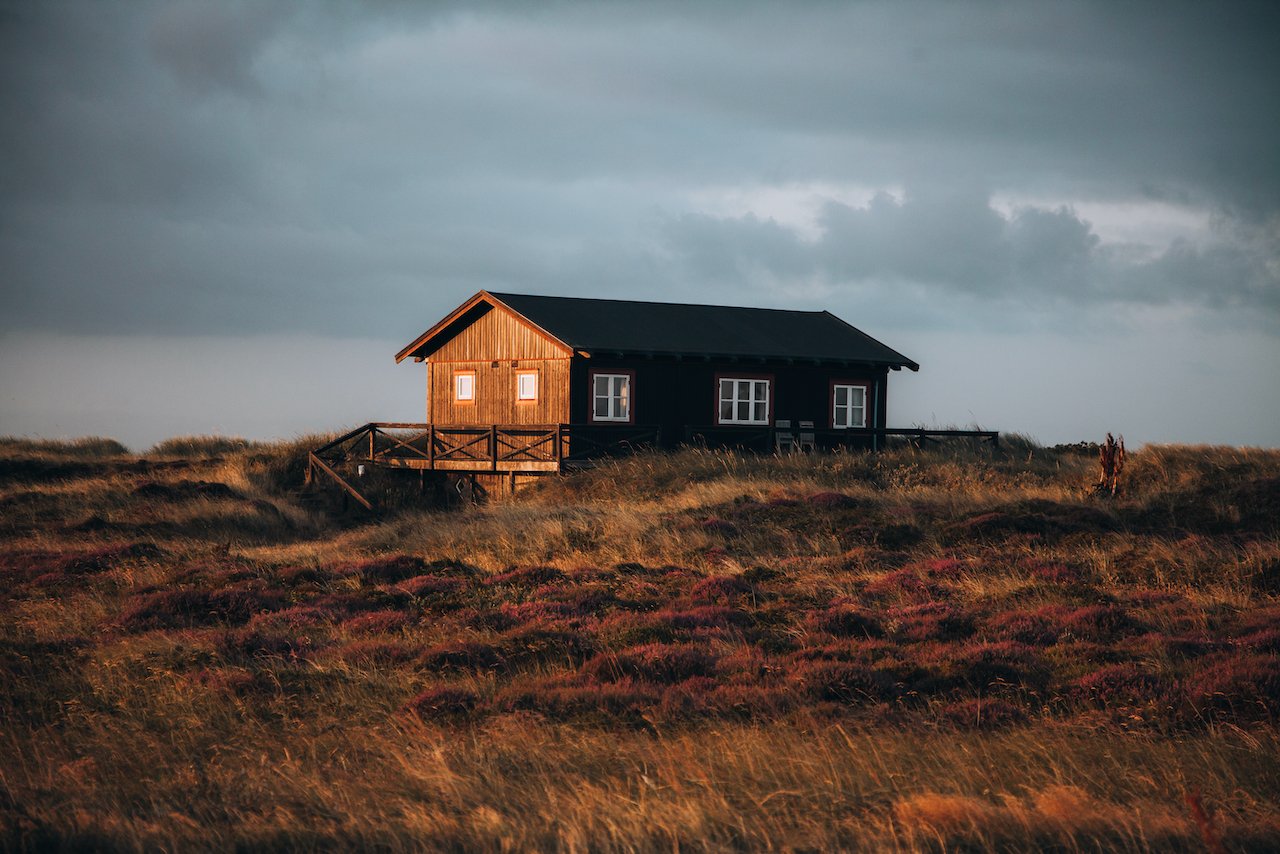
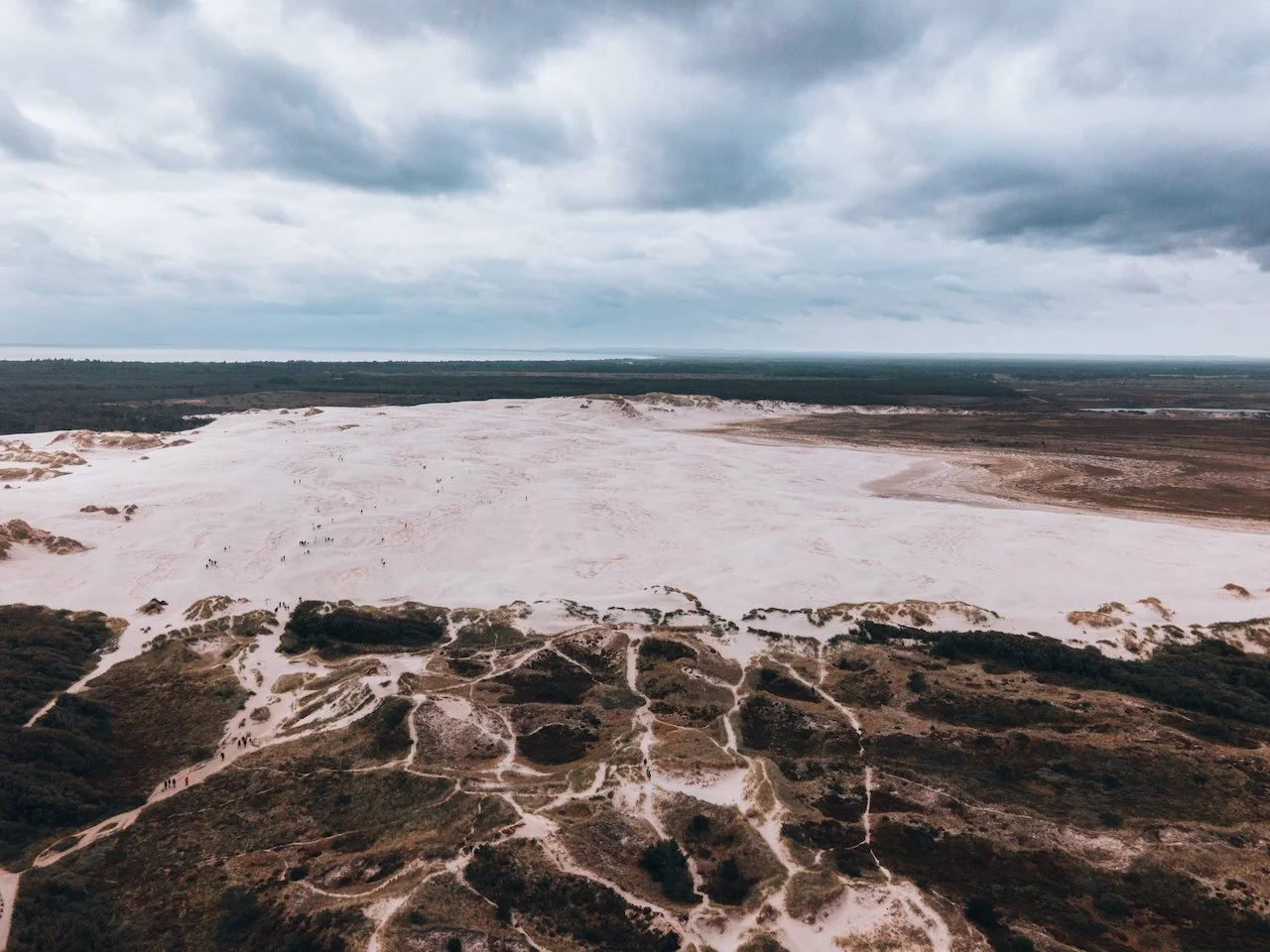
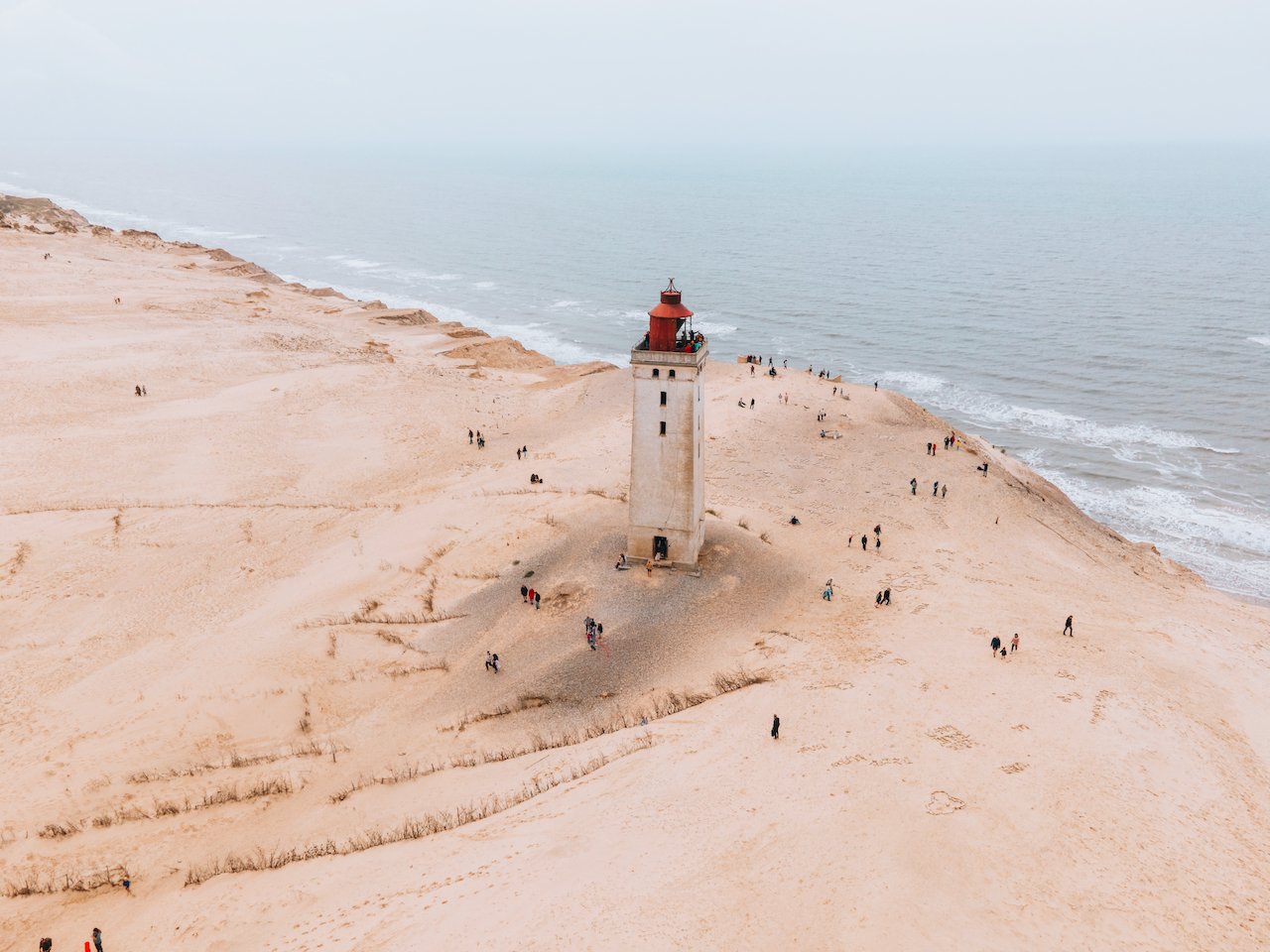
Explore the rugged coastline and charming towns of Western Denmark with this full road trip guide. Includes route options, driving distances and highlights such as Skagen, Løkken, Klitmøller (Cold Hawaii), Thy National Park and the North Sea beaches. Perfect for those planning a scenic Denmark road trip from spring to autumn.
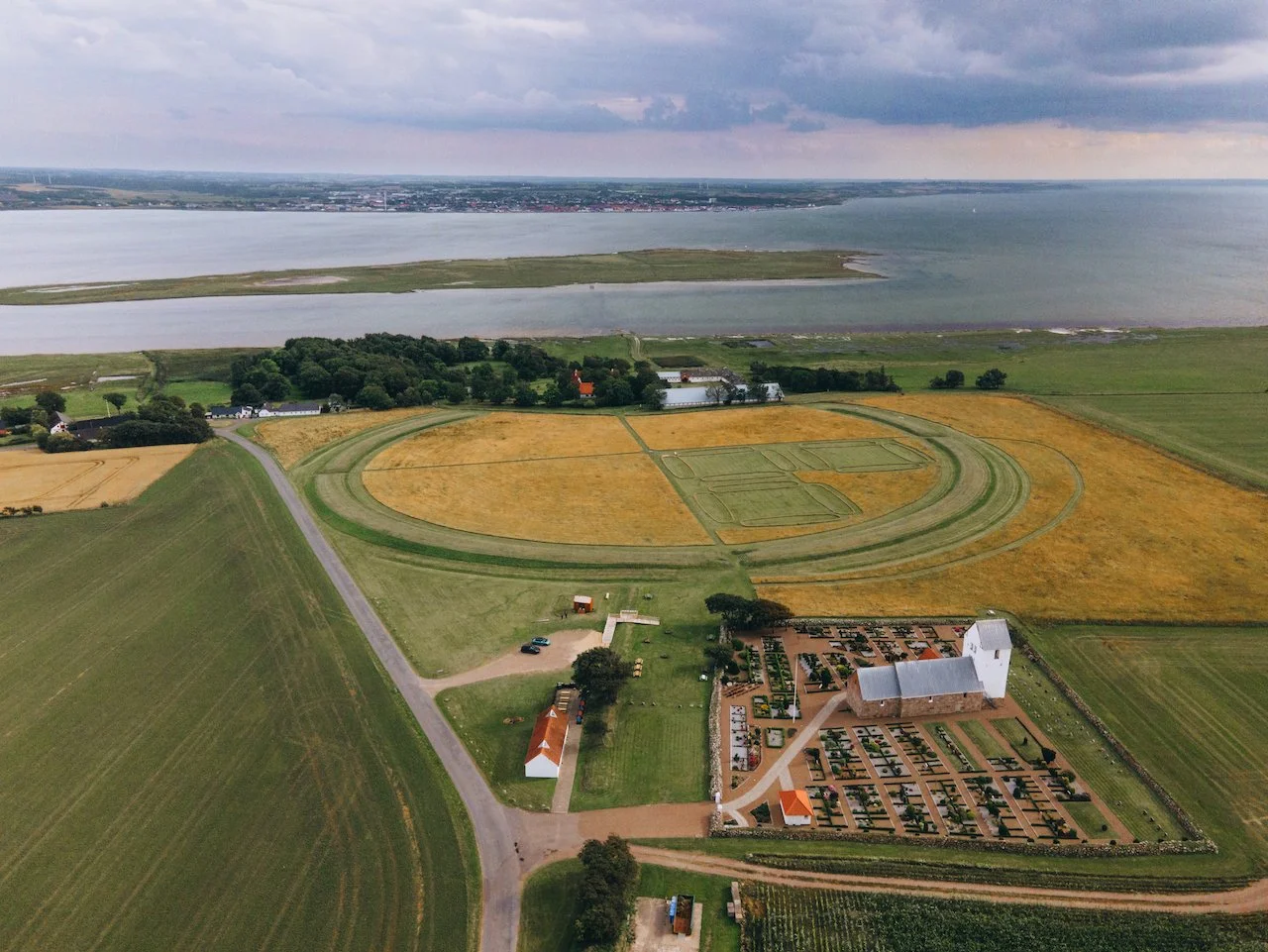
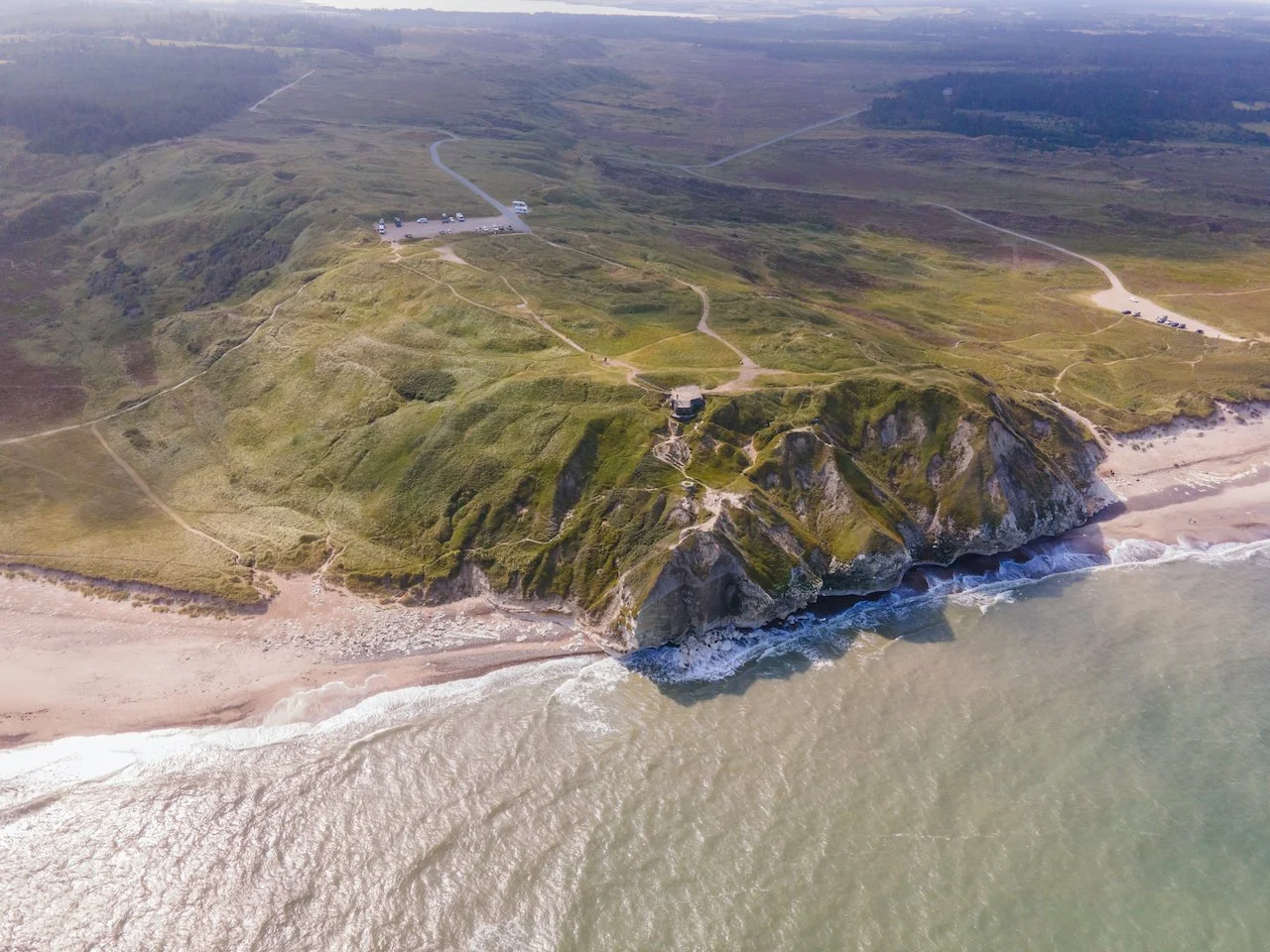
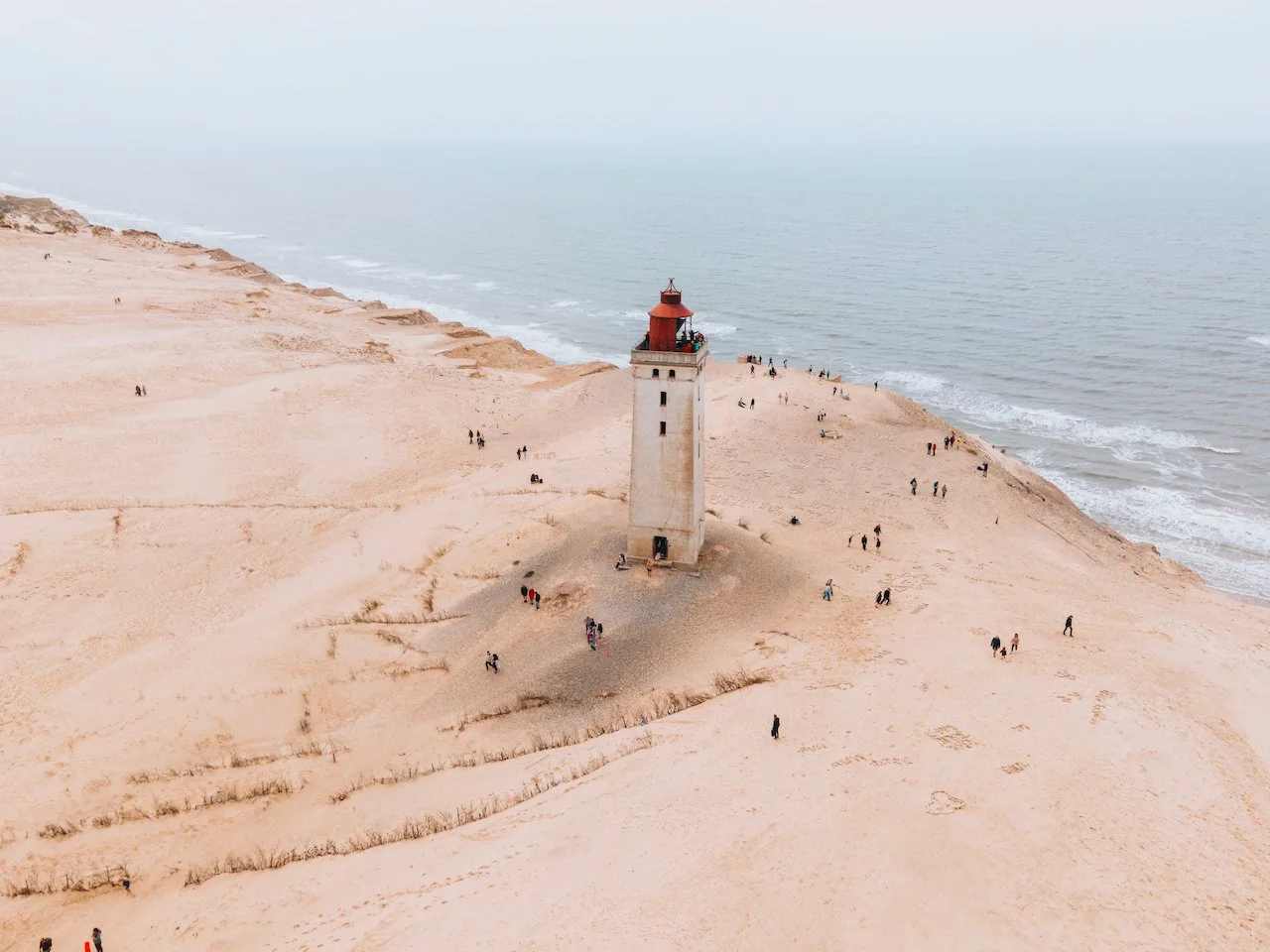
Skagen → Grenen → Råbjerg Mile → Rubjerg Knude → Bulbjerg → Løkken → Klitmøller → Thy National Park
Faroe Islands
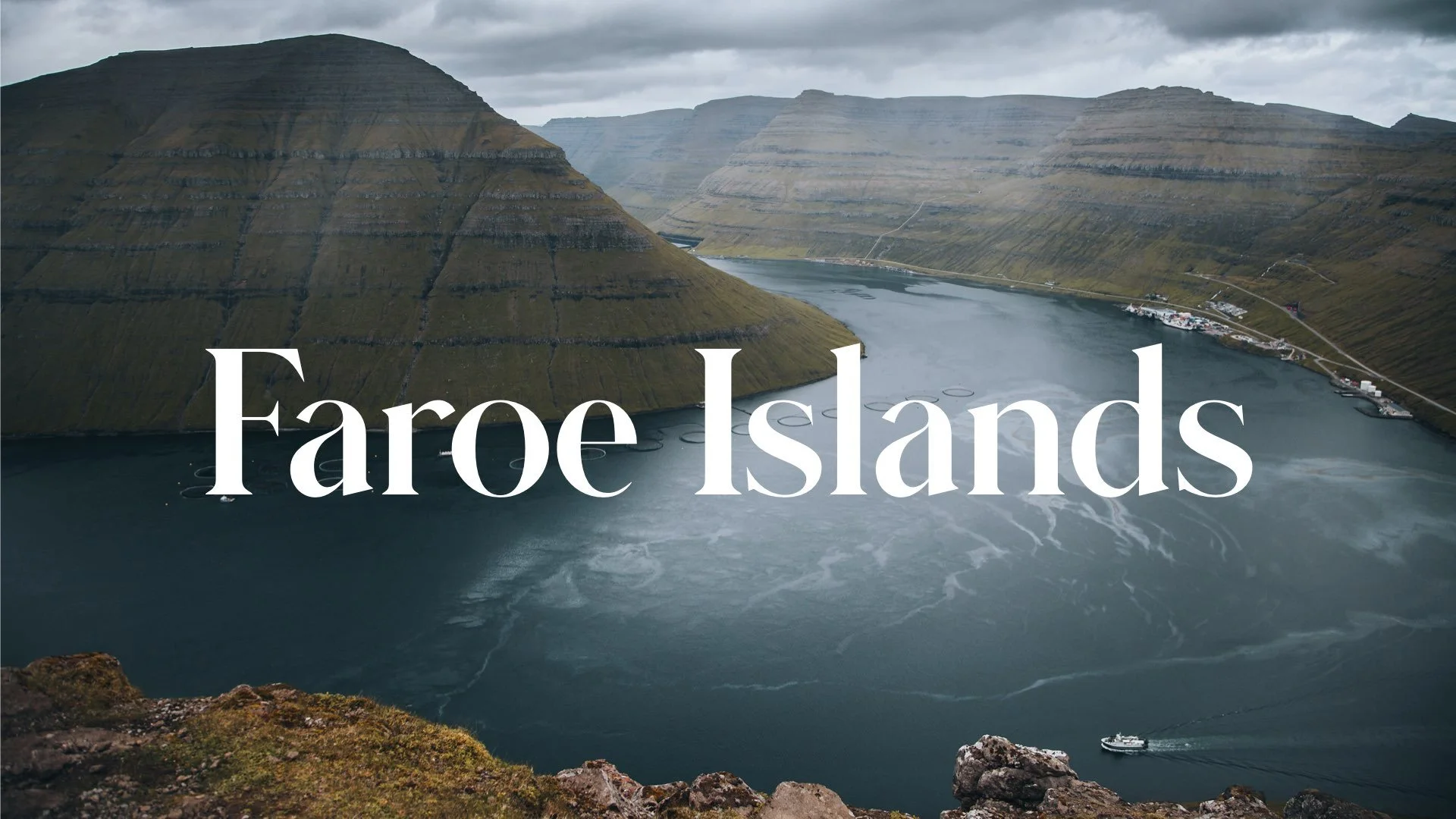
Tórshavn, Vágar, Streymoy, Eysturoy, Bordoy, Kalsoy, Vidoy, Mykines, Sandoy, Kunoy, Faroe Waterfalls
Just a few things to note about Faroe Islands before your visit:
The official currency of the Faroe Islands is the Faroese króna. This along with the Danish krone are accepted forms of currency. However, nearly all places in the Faroe Islands take card. Because of this, I didn’t get out ANY cash and it worked out just fine for me.
You can get around using the public transport buses in the Faroe Islands. Upon arriving in the airport, you can pick up an unlimited travel card on these buses for 4 or 7 days (more info here).
If you decide to rent a car (like myself), I HIGHLY recommend booking with Justdrive.fo. The owner’s name is Mike, a fellow Faroese citizen, who helped me every step of the way, especially after all my questions after renting his all electric Fiat 500.
Some of the places that you may be interested in are on private lands. Therefore, a fee is usually required to access these lands which can be done on site or online. For places like Drangarnir and Tindholmur, or the ferry to Mykines, use the website hiking.fo, to book in advance.
They say the Faroe Islands is the ‘land of maybe’, meaning it is heavily weather dependent on if things are happening or not. I learned this first hand with the cancelled ferries to Mykines the day of departure. Also, if it is raining, they say just wait 5 minutes, and the weather could change.
The Faroese people in my experience were incredibly kind people. From just exchanging smiles to whole conversations, I felt extremely welcomed by them and their hospitality.
There is no freedom camping in the Faroe Islands. You must be at a proper campsite, of which there are plenty scattered across the country.
I decided to stay in Vagar, just a few miles away from the airport and use that as my ‘home base’. It is not centrally located but I liked the convenience of getting back to the airport on my last day there in a timely fashion. You can also choose to stay in the capital of Torshavn or the second largest city of Klaskvik, but I imagine that accommodation there will be more expensive.
Tórshavn
(Blog Post: A Journey to the Faroese Capital of Tórshavn)
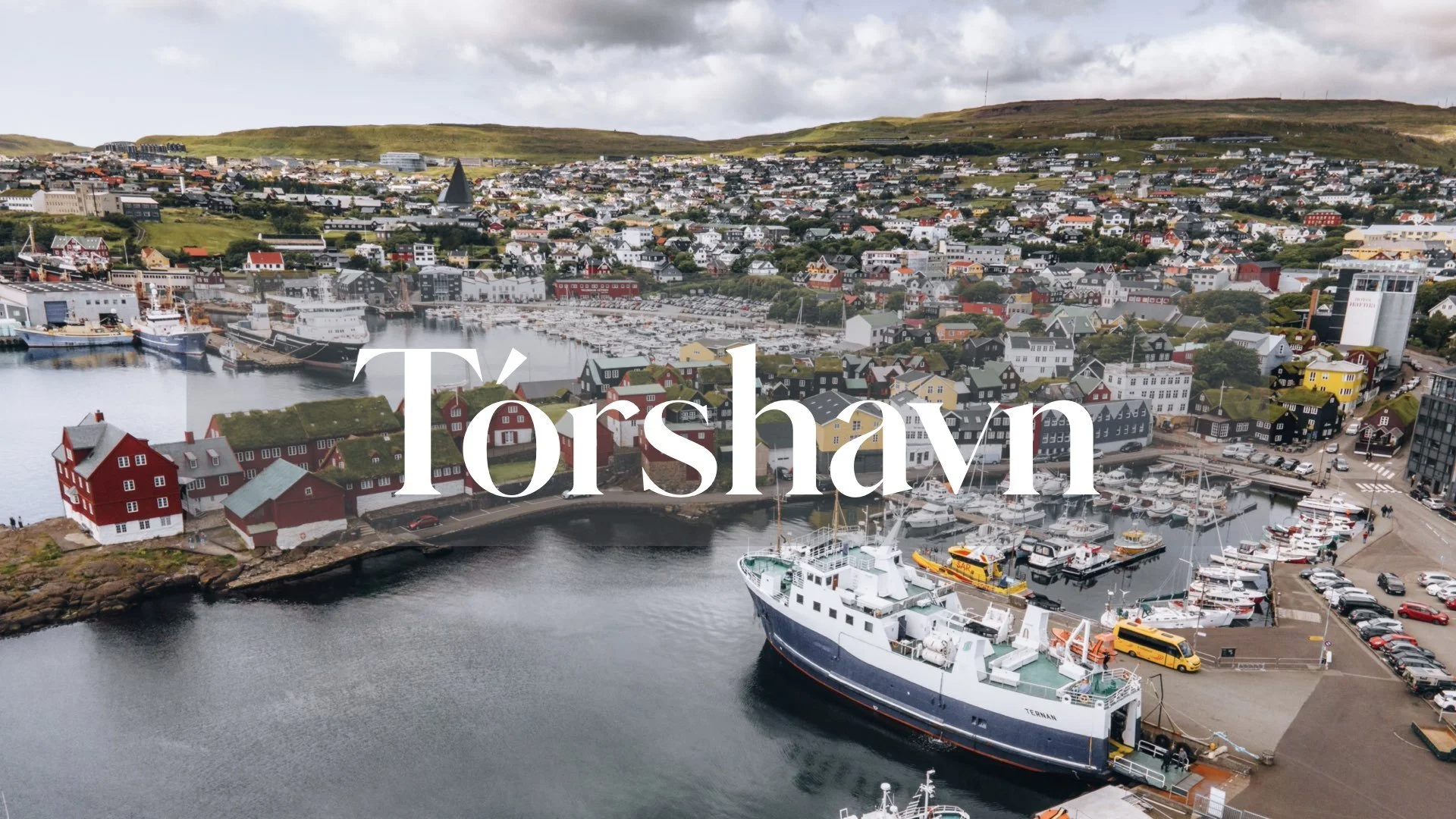
Tórshavn is the capital of the Faroe Islands and obviously, the country’s most populous city at 21,000. This is roughly 40% of the total Faroese population and is located on the island of Streymoy. Tórshavn is easily reached from all parts of Faroe using Bus 300 or 350 (depending on which direction you are heading/coming from). Furthermore, once you arrive in Tórshavn, you can rely on the very convenient bus network to get through the town (though the town is easily walkable). This was done to encourage the population and tourists to use public transport instead of driving and adding congestion to the Faroese capital (Bus Schedule and Map here). Places of interest include:
Vesturkirkjan and Tórshavn Cathedral
Svartafoss Waterfall
Skansin Fort and Lighthouse
Tórshavn Old Town and Tinganes Peninsula
Vágar
(Blog Post: A Journey to the Faroe Islands: The Island of Vágar)
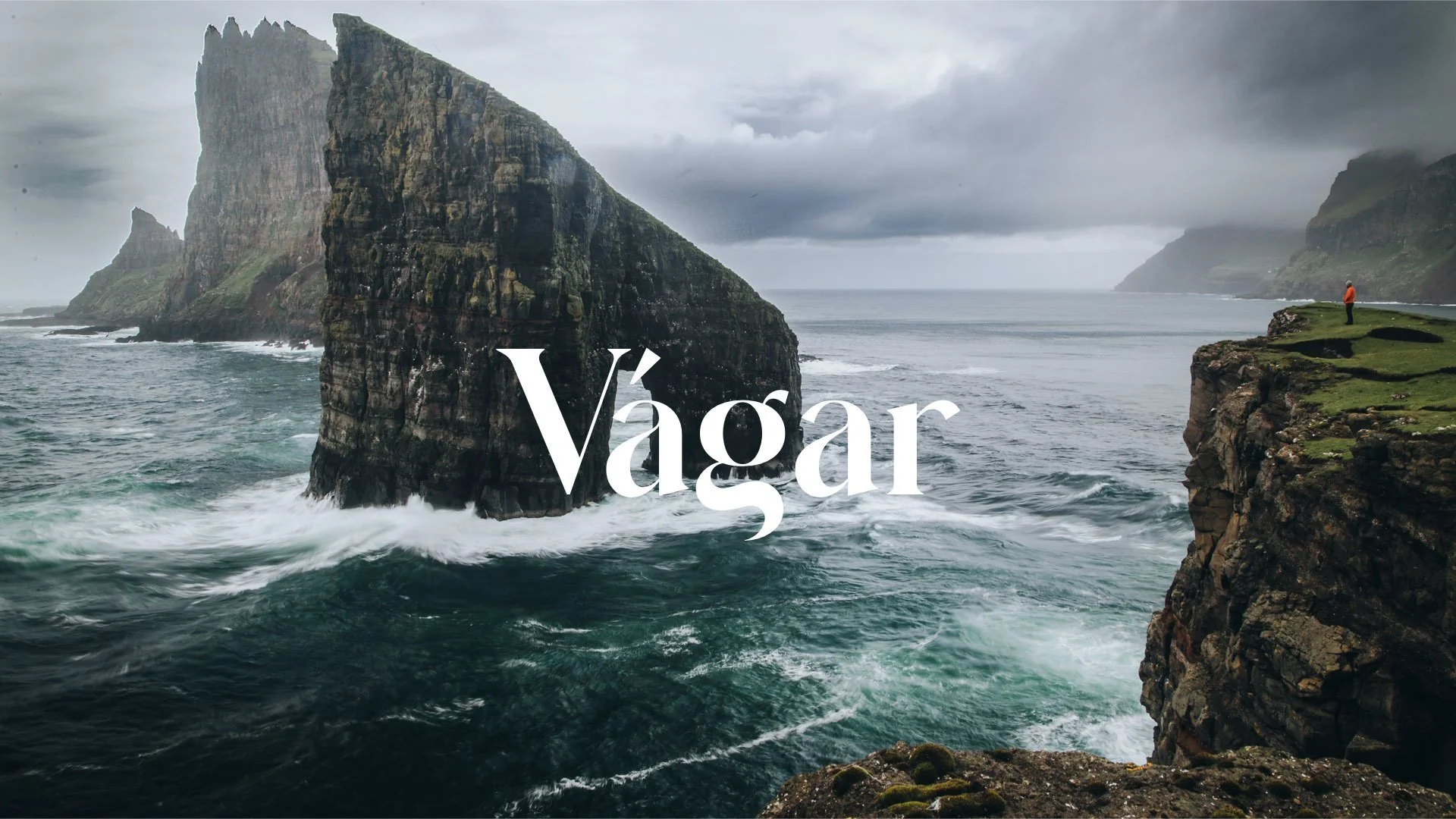
Vágar island of the Faroese archipelago is one of the ‘large islands’ and its general shape resembles a dog’s head (so they say). Since the airport is located on this island, it is the first taste of the Faroe Islands that tourists get. This airport served as an airfield during World War II and was used by the British, with the consent of the islanders. The airport was then modernized and commercialized for use in later years. It’s also a great island to start your Faroe Islands road trip adventure. Places of interest include:
Gasadalur, Bøur, and Sandavágur villages
Bøsdalafossur, Múlafossur, and Skarðsáfossur Waterfalls
Dunnesdranger and Witches Finger Trail (Trøllkonufingur) sea stacks
Trælanípa (Slave Cliff) and Drangarnir/Tindhólmur Hikes
Streymoy
(Blog Post: A Journey to the Faroe Islands: The Island of Streymoy)
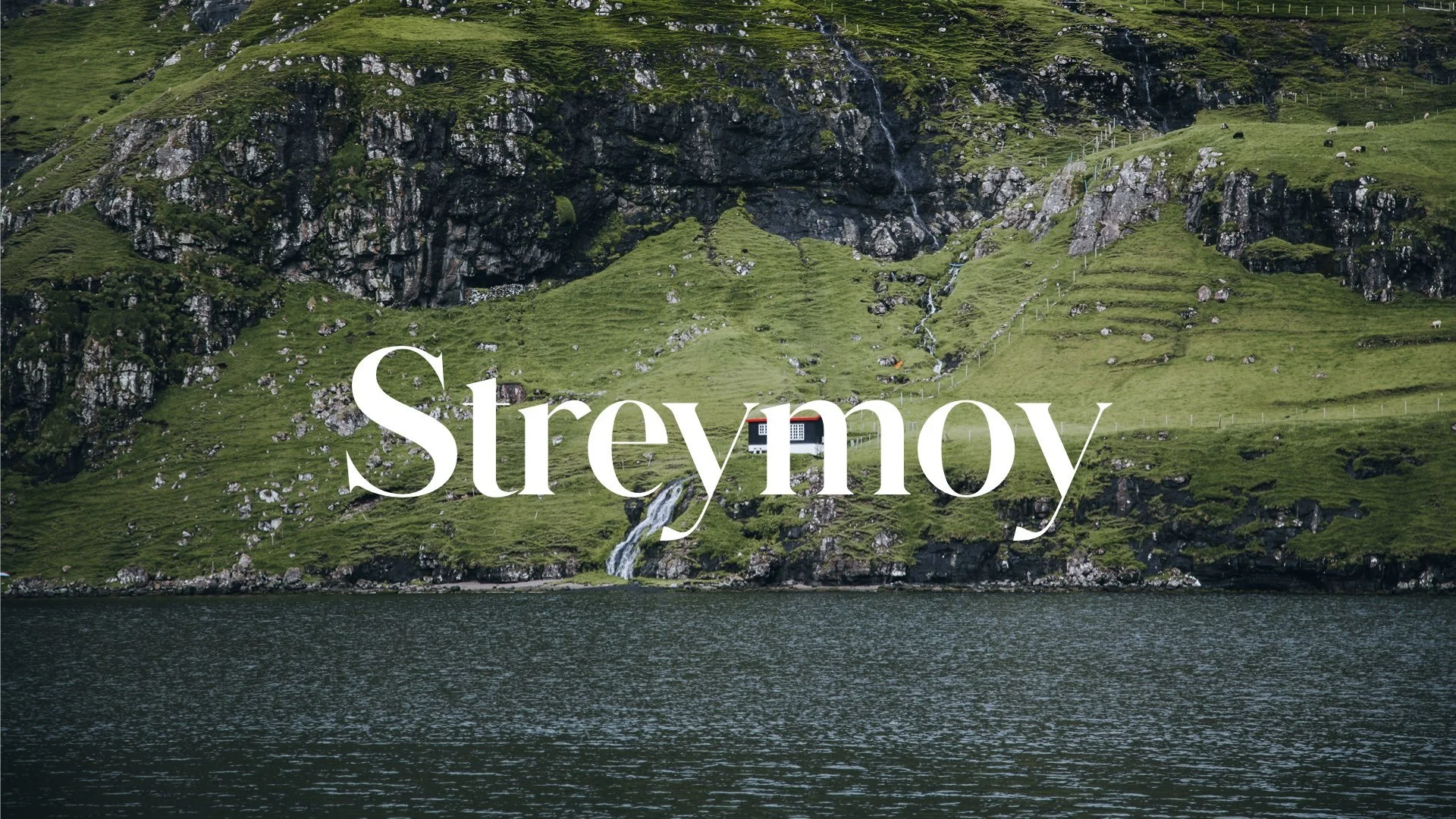
The island of Streymoy bears most of the Faroese population, most of them centered around the capital city of Tórshavn on the southeast coast. Streymoy translates to ‘island of currents', presumably because this area also includes the islands of Hestur, Nólsoy, and Koltur (all a part of the Tórshavn Municipality).
The north of Streymoy is known for its mountains, in an area called Vestmannabjørgini (‘Cliffs of Vestmanna’). There are also a number of beaches spread out along the coastline of this island. What you won’t find much of on Streymoy though is trees, which is a common sight (or lack thereof) in all of Faroe. Places of interest include:
Saksun, Tjørnuvik, and Kvivik villages
Fossá, Kluftáfossur, and Svartafoss Waterfalls
The Capital City of Tórshavn
Saksun Church, Tórshavn Cathedral, and Magnus Cathedral (Kirkjubømúrurin)
Eysturoy
(Blog Post: A Journey to the Faroe Islands: The Island of Eysturoy)
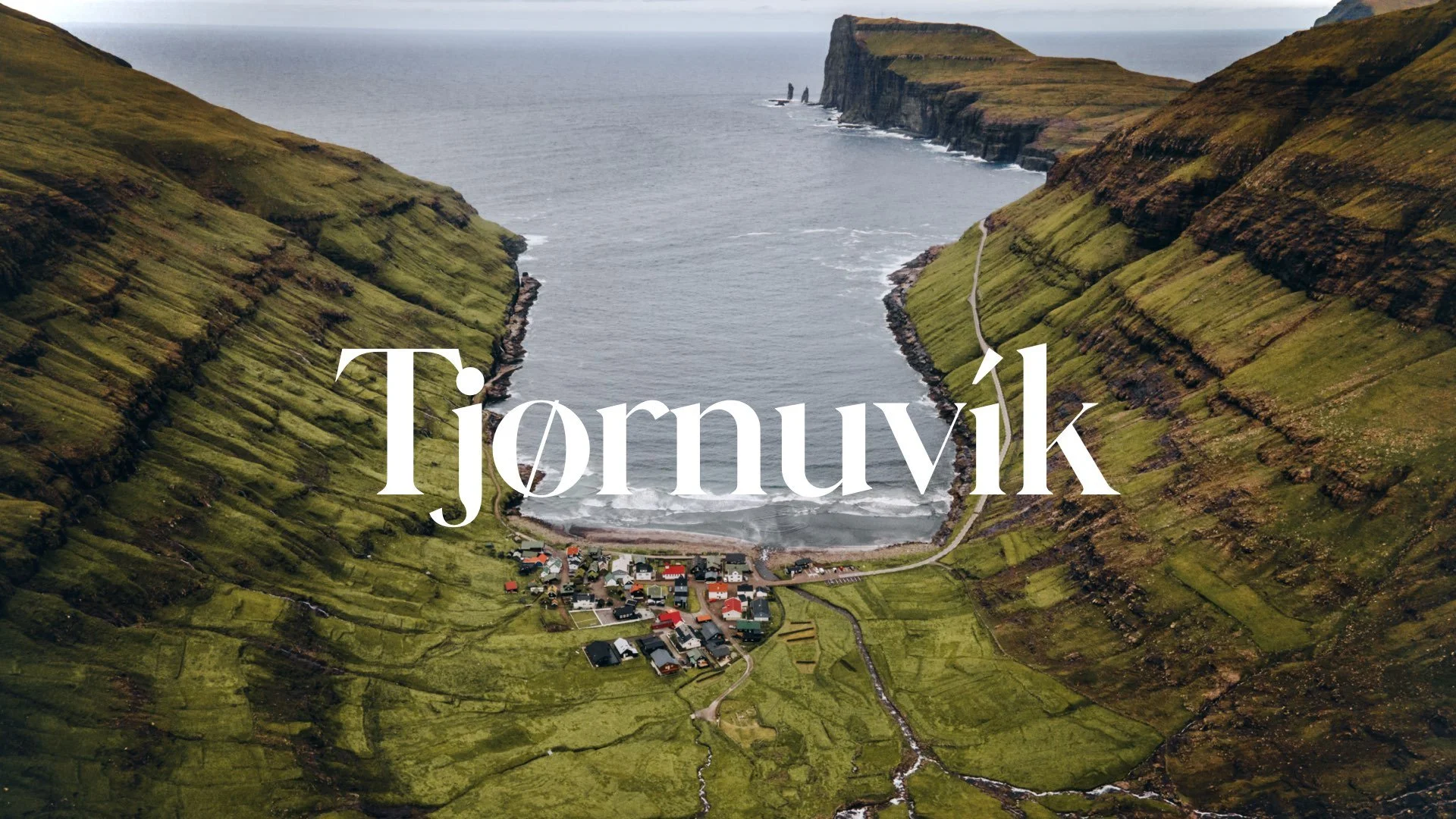
Eysturoy is one of the more mountainous islands in Faroe, with 66 separate peaks, the tallest being Slættaratindur. The fjords of Skálafjørður and Funningsfjørður nearly split the island into two. You can access this island by the Streymin Bridge from Eysturoy. It is also accessible via the Eysturoyartunnilin (the Eysturoy Tunnel) with direct access to the capital Tórshavn. You can explore this island in a day, checking out some of the towns, mountains, and natural formations most easily with a car. Places of interest include:
Gjógv, Eidi, and Funningur villages
Funnings and Eidi Churches
Slættaratindur - the tallest mountain in the Faroe Islands
Risin og Kellingin sea stacks
Kalsoy
(Blog Post: A Journey to the Faroe Islands: The Island of Kalsoy)
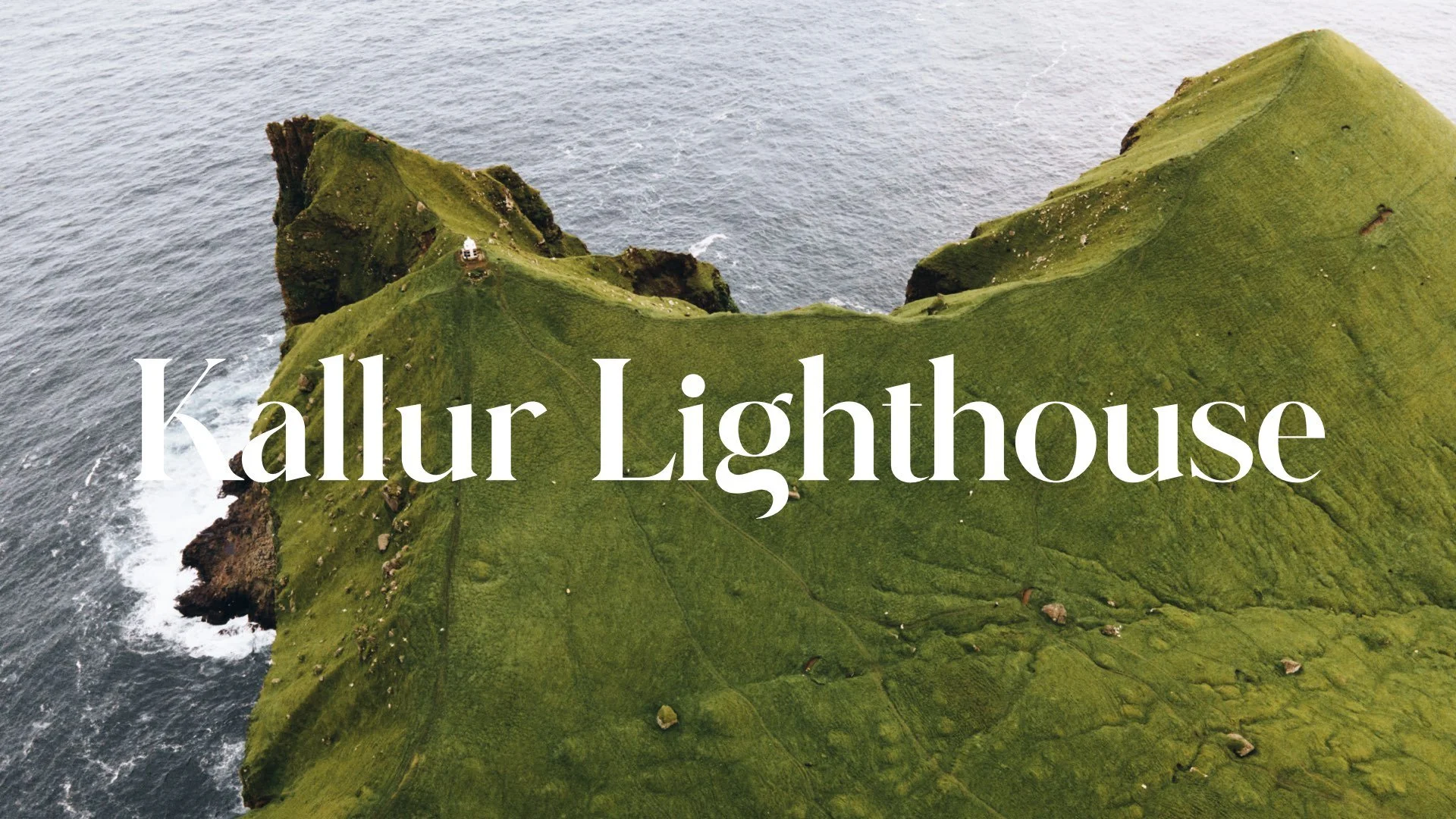
Kalsoy is located in Northeast Faroe Islands and only accessible by boat. Its name translated to ‘man island’ (neighboring Kunoy island translates to ‘woman island’). The island is long and narrow and the population is spread out over a small number of villages. There is a ferry service from Klaksvik to Sydradalur (a village on Kalsoy) multiple times a day (ferry schedule here). Places of interest include:
Húsar, Sydradalur, and Trøllanes villages
Kallur Lighthouse
Bordoy
(Blog Post: A Journey to the Faroe Islands: The Island of Bordoy)
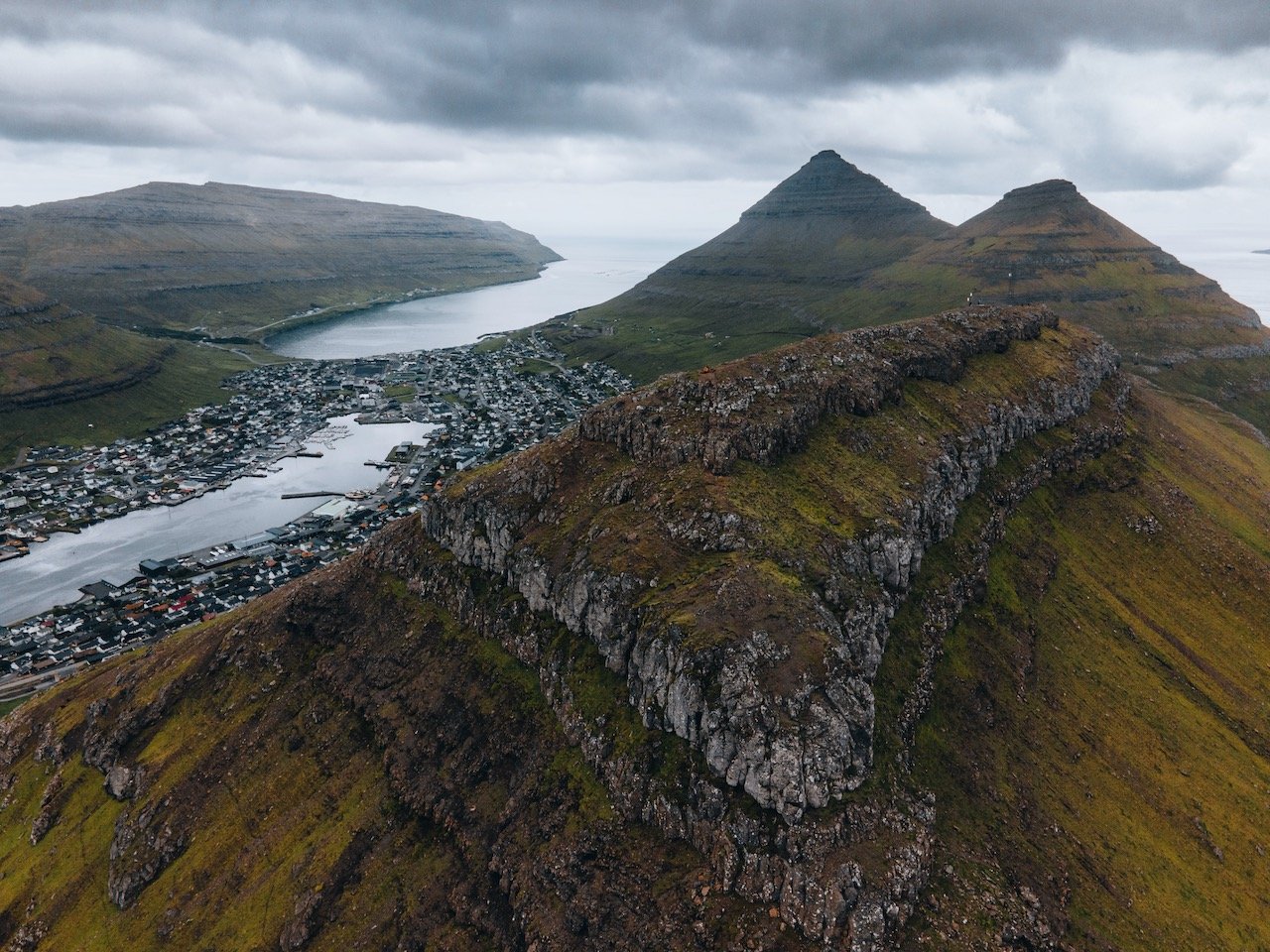
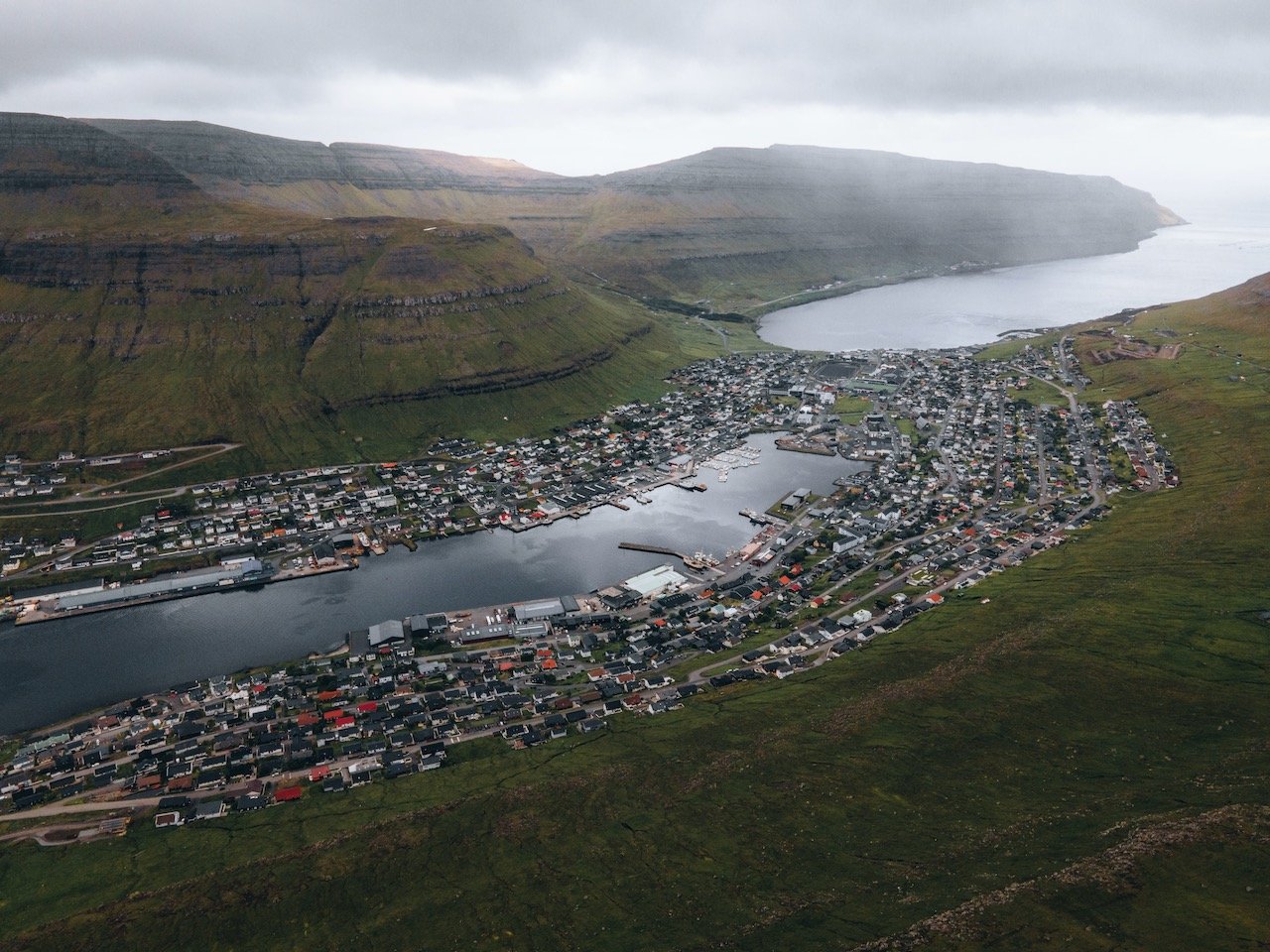
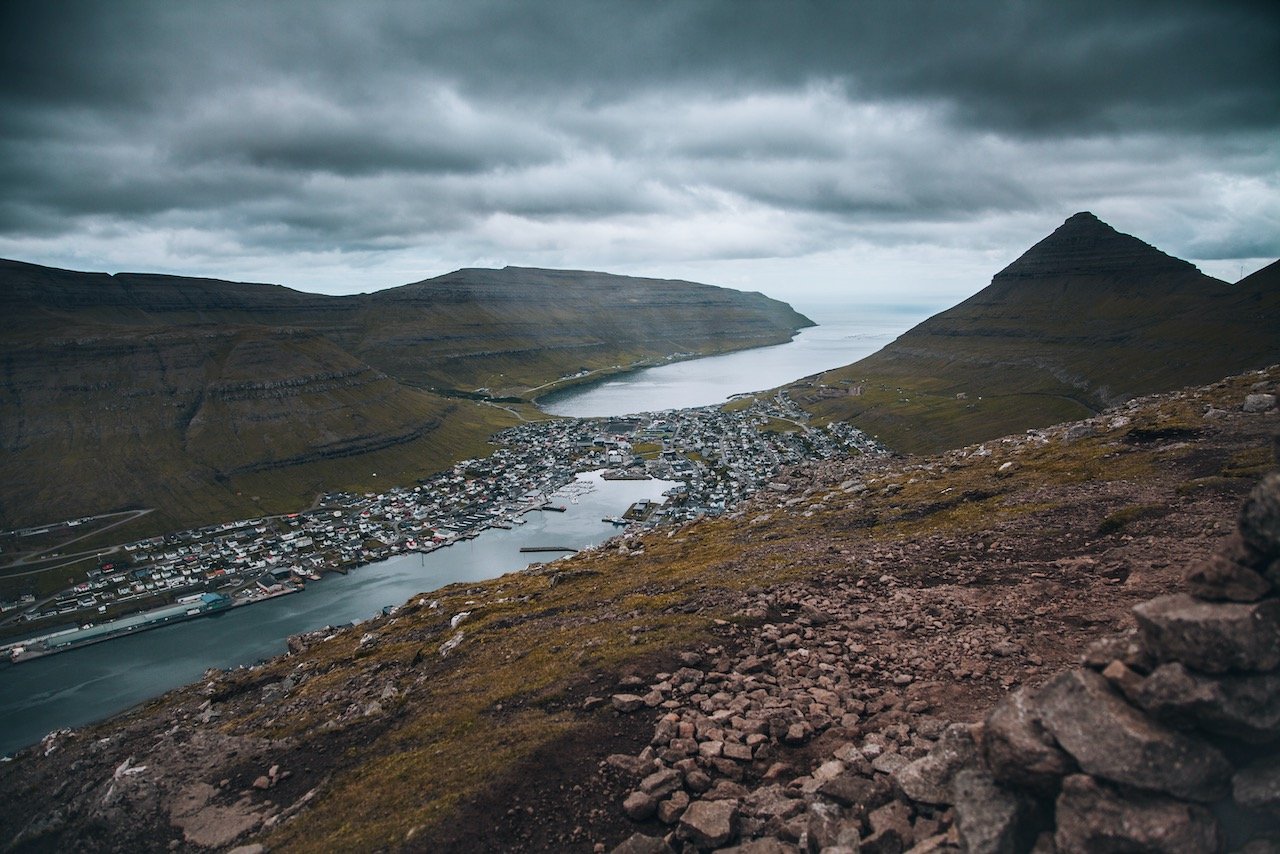
Bordoy island is located in the Northeast of the country, and translates to ‘Headland Island’. It contains 8 total settlements and the 2nd largest city in the Faroe Islands in Klaksvík. This portion of the Faroe Islands is often referred to as the Northern Islands. Places of interest include:
the city of Klaksvik
Klakkur Hike
Føroya Bjór, a Faroese brewing company
Christian’s Church (Christianskirkjan) and Árnafjardar Church
Vidoy
(Blog Post: A Journey to the Faroe Islands: The Island of Vidoy)
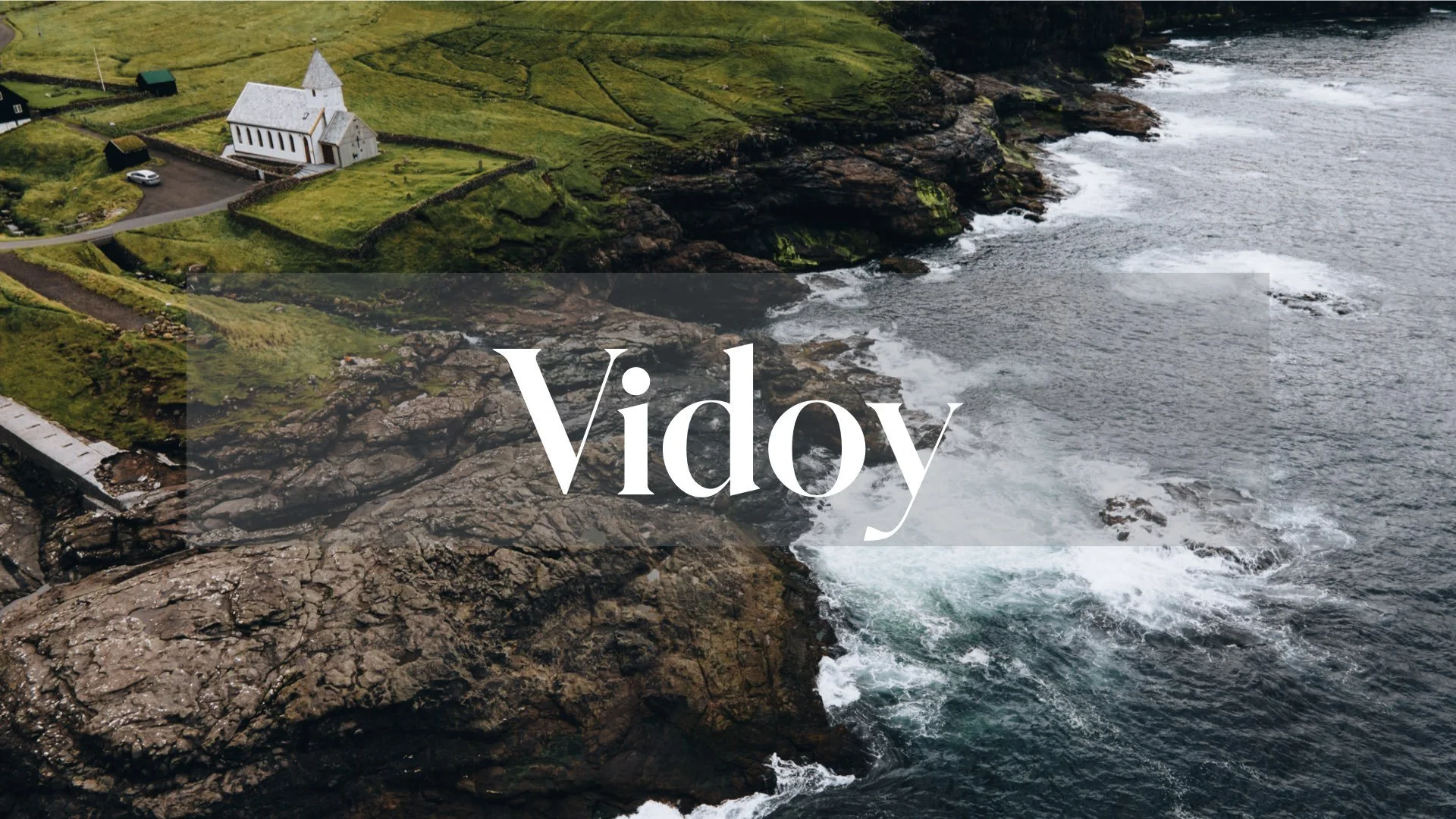
Vidoy is located to the east of Bordoy island and is the northernmost island in the Faroe Islands. It translates to ‘wood island’ even though there are not trees on it. It’s the furthest island away from Vágar that can be reached by car, a bit over 100 km away. Places of interest include:
Hvannasund and Vidareidi villages
Villingardalsfjall and Malinsfjall Mountain Hikes
Hvannasund and Vidareidi Churches
Mykines
(Blog Post: A Journey to the Faroe Islands: The Island of Mykines)
Mykines is the westernmost island of the Faroe Islands. It sits in the UTC-1 time zone officially but uses Greenwich Mean Time like the rest of the 17 islands that make up this nation. It is determined that the island was formed 60 million years ago from a series of volcanic eruptions. It is now home to plentiful bird life including puffins. Points of interest include:
Mykines Lighthouse
Mykineshólmur
Ramsar
Sandoy
(Blog Post: A Journey to the Faroe Islands: The Island of Sandoy)
Sandoy, translating to ‘Sand Island’, is considered one of the five southern islands in the Faroe islands. The village of Sandur is the largest population center on the island, standing at 532 inhabitants. It is the only island with sand dunes, a product of its sandy soil, of which Sandoy gets its name from. Places of interest include:
Husavik, Dalur, and Sandur villages
Sandskirkja
Sandur Beach
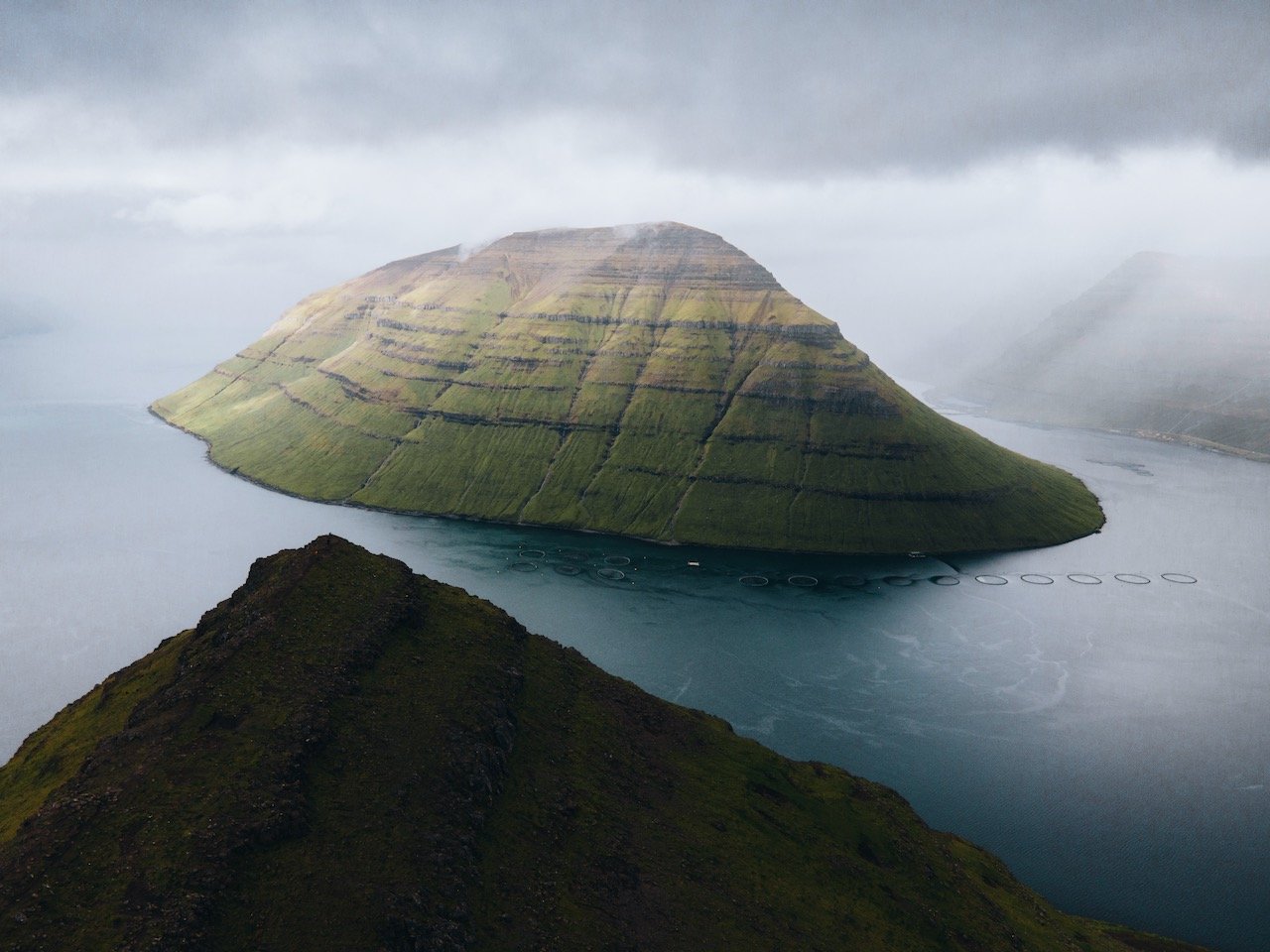
Kunoy
(Blog Post: A Journey to the Faroe Islands: The Island of Kunoy)
Kunoy is a long and narrow island, accessible by an embankment from Bordoy to Haraldssund. The mountain tunnel once you get only Kunoy is one lane and is also narrow so use caution! Kunoy directly translates to ‘woman island’ and therefore is the colloquial opposite to Kalsoy, meaning ‘man island’. Points of interest include:
Kunoy village
The Forest of Kunoy (Viðarlundin í Kunoy)
The gorge of Skarðsgjógv
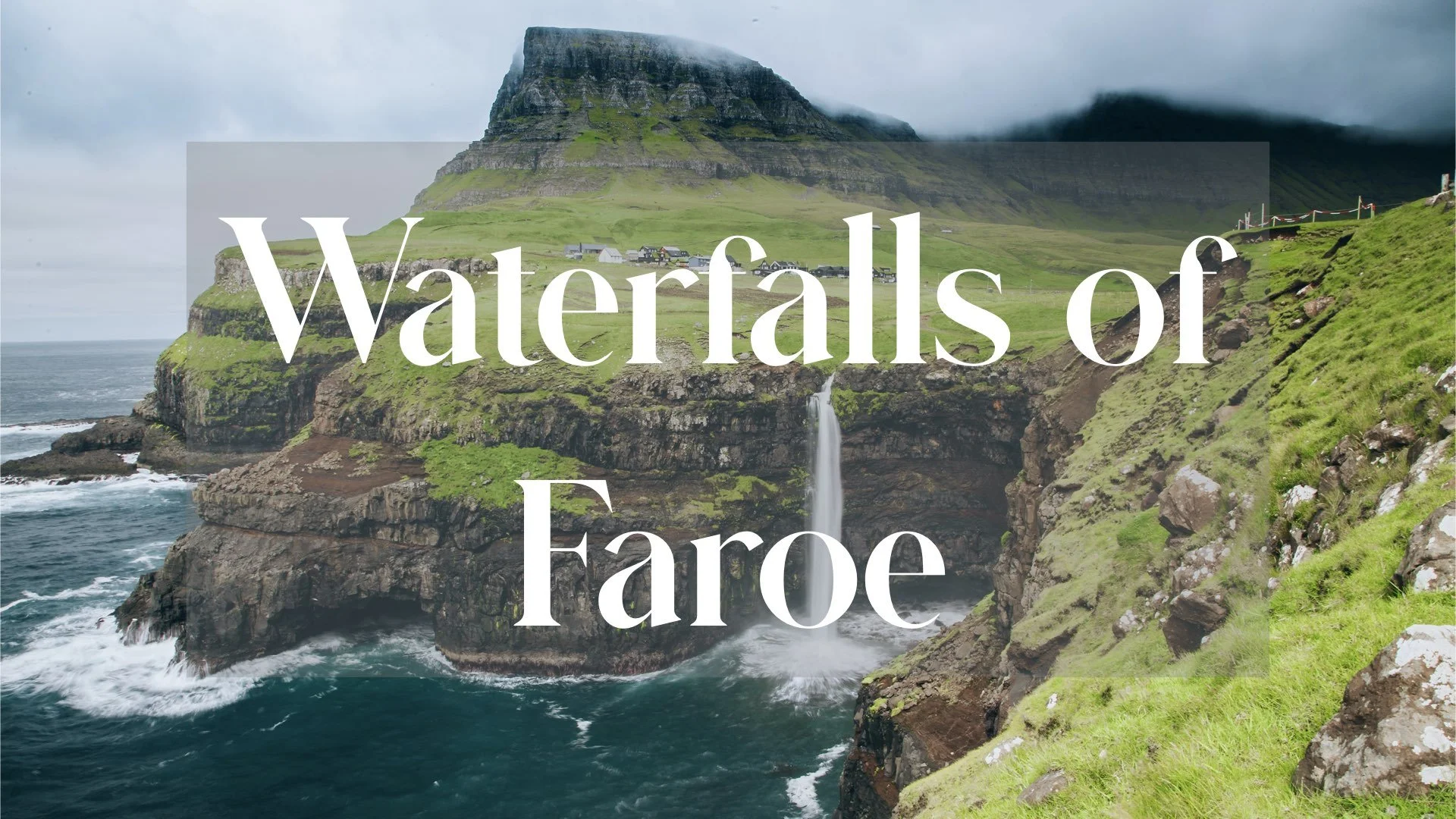
The Waterfalls of the Faroe Islands
(Blog Post: The Waterfalls of the Faroe Islands)
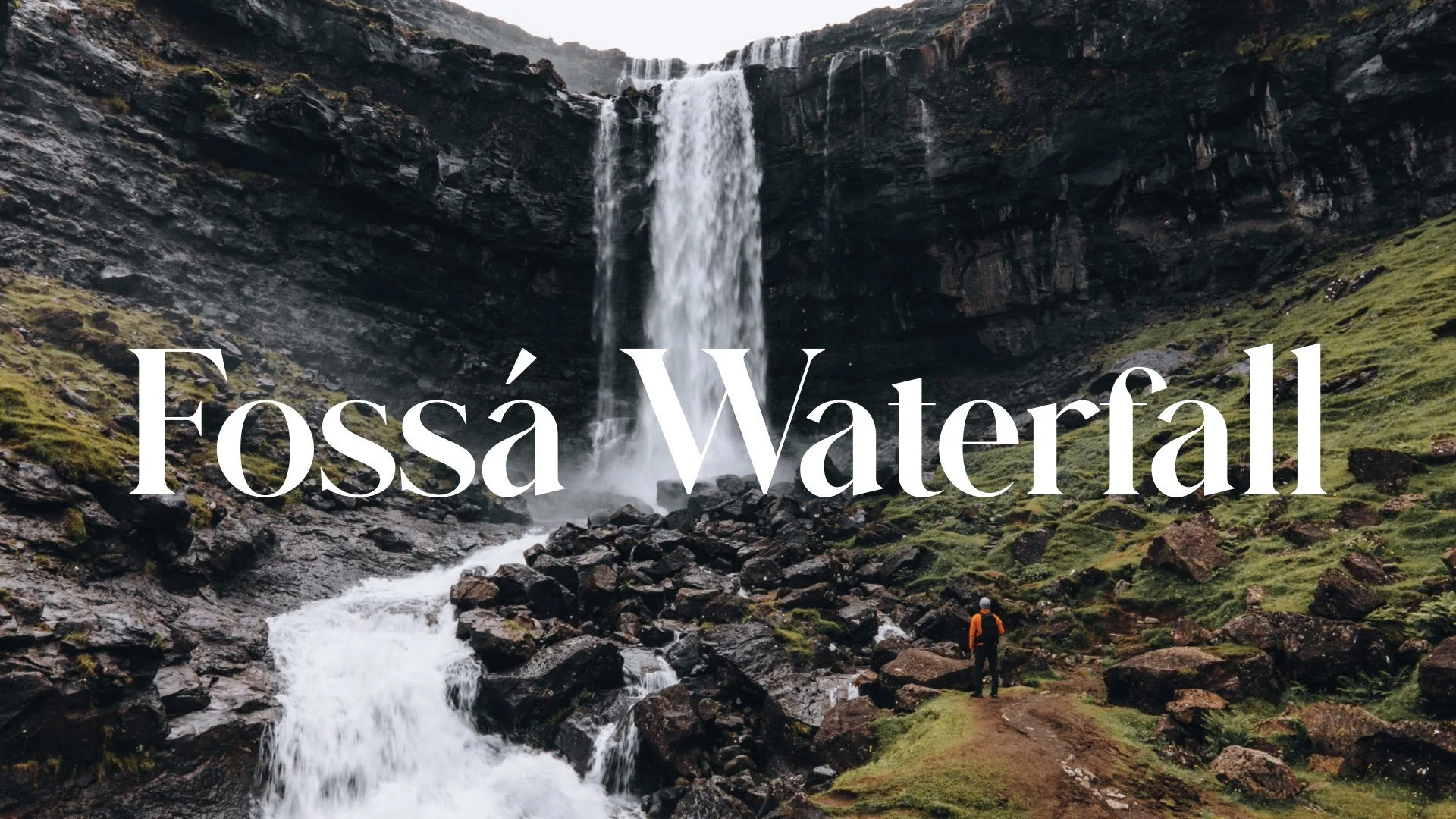
There are a plethora of waterfalls on the Faroe Islands. They are everywhere you look and drive. Some are more spectacular and accessible than others. This is a small guide on which ones are the coolest to see and why they are significant. These waterfalls include Múlafossur, Bøsdalafossur, Fossá, Svartifossur, Skarðsáfossur, Týggjará, Kluftáfossur, and Svartidalurfoss.

While driving through the Snaefellsnes Peninsula in Iceland, which is just north of the capital city of Reykjavik, I knew that a must see stop had to be here in front of Kirkjufell mountain and Kirkjufellsfoss waterfall. When I arrived, there must've been five other photographers here, each with their equipment out, ready to capture the scene. I found a spot for myself and waited about two hours for the golden hour and sunset colors to appear. It was freezing, but well worth the wait to get a shot like this.