
The Castles of Denmark
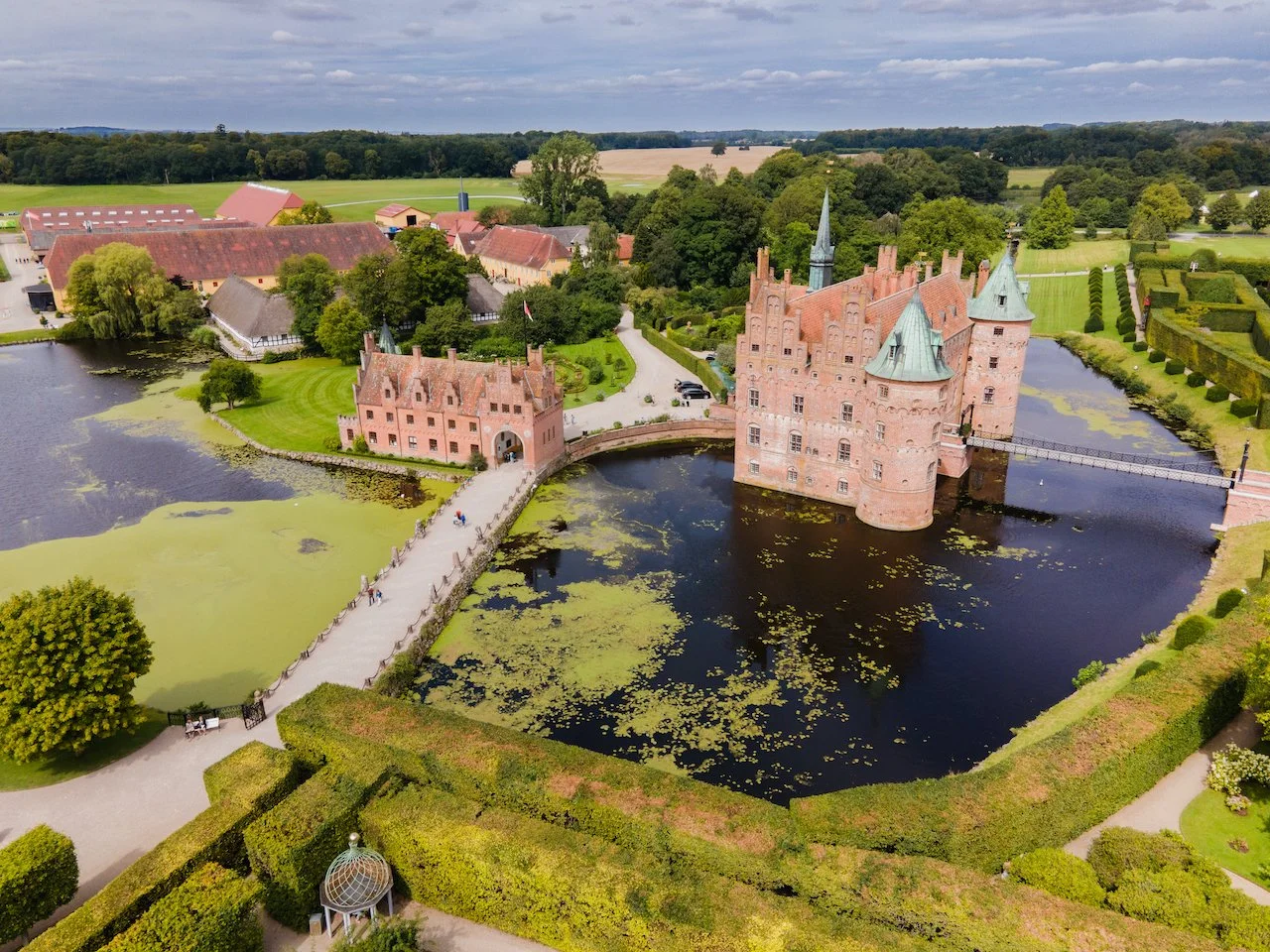
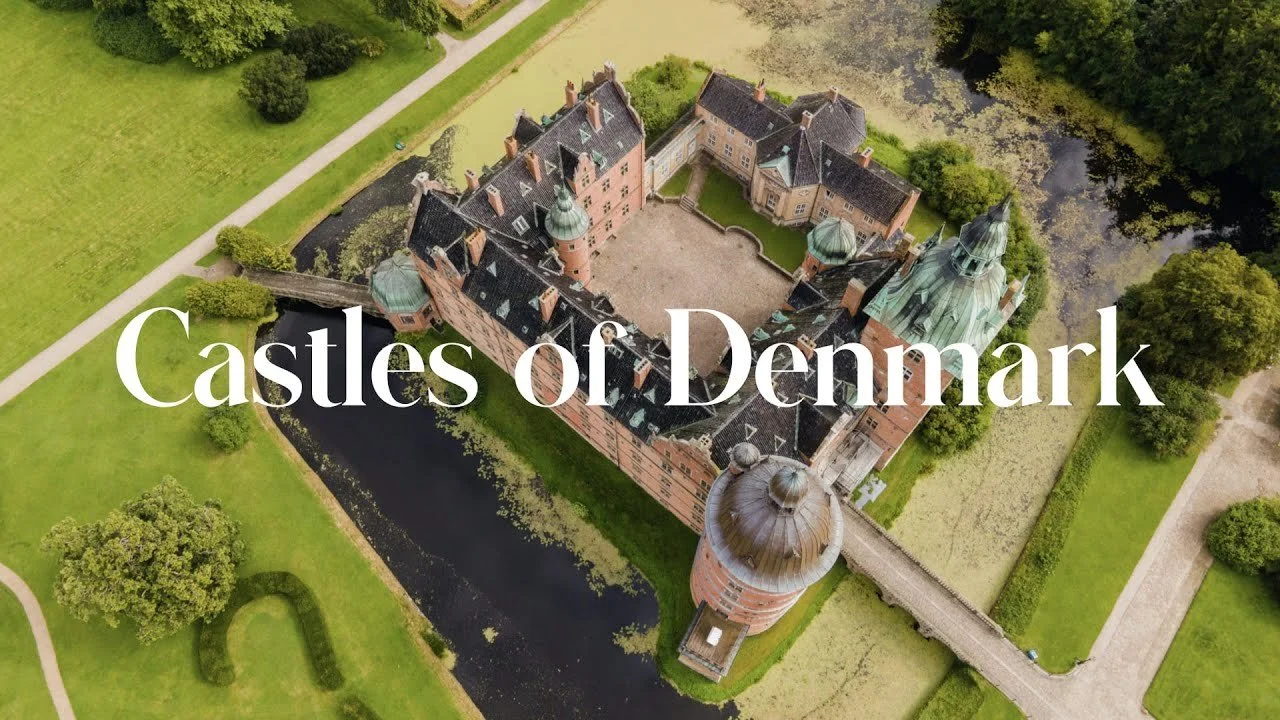
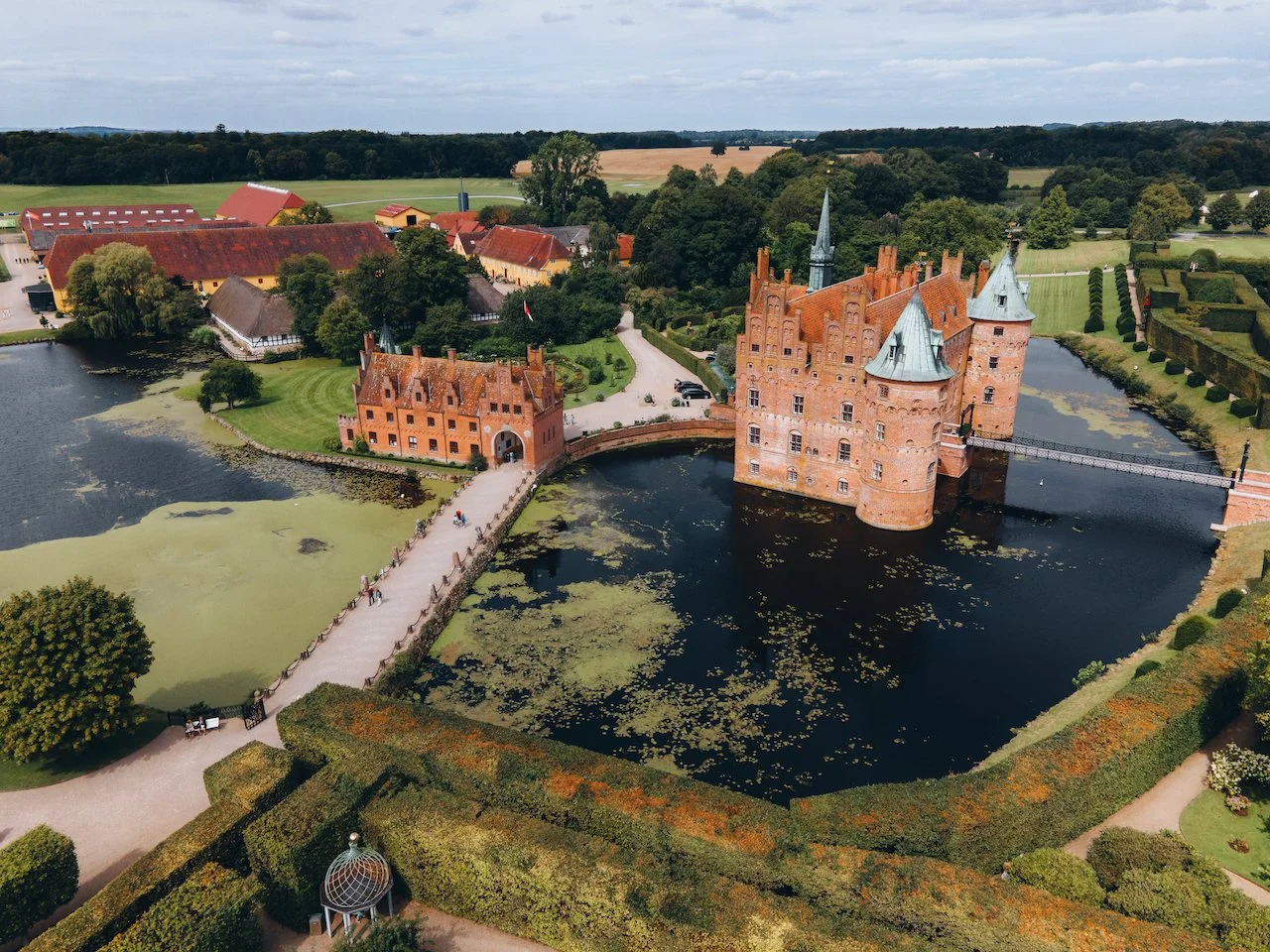
Egeskov Castle, Denmark (ISO 100, 4.5 mm, f/2.8, 1/40 s)
(Some links in this post are affiliate links. If you click through and take action, I'll be compensated.) If you are also interested in any PRINTS from any of my posts, be sure to check out my store where you can buy prints as posters, in metal/wooden frames or on canvas.
Denmark’s landscape is dotted with castles that bring history and legends to life. In South Jutland, Koldinghus stands as a symbol of resilience, once a royal residence and later rebuilt after a great fire. On Funen, Egeskov Castle enchants visitors with its Renaissance architecture and sprawling gardens, while Voergaard Castle in North Jutland showcases grand halls filled with art and antiques. In Copenhagen, Rosenborg Castle offers a glimpse into Denmark’s royal past, housing the Crown Jewels and royal regalia in an elegant Renaissance setting. Exploring Denmark’s castles means stepping into centuries of royal stories, architectural wonders, and fairytale charm.
These are just a few examples of the castles you can expect to see while you’re in Denmark. Since I live in Sweden now, I am no stranger to the castles all over Scandinavia and the novelty of seeing a new one never wears off on me. The ways between Sweden and Denmark go back centuries with the two sides engaging 11 times. Now there is a very healthy and competitive peace and camaraderie between the two nations.
This blog post highlights the Danish castles I have seen and documented during my trips to Denmark over the years. It is not a comprehensive list but I plan on updating the post with new castles I see over the coming years. I hope it gives you a sense of how grand these structures are and a desire to see more of them in your years.
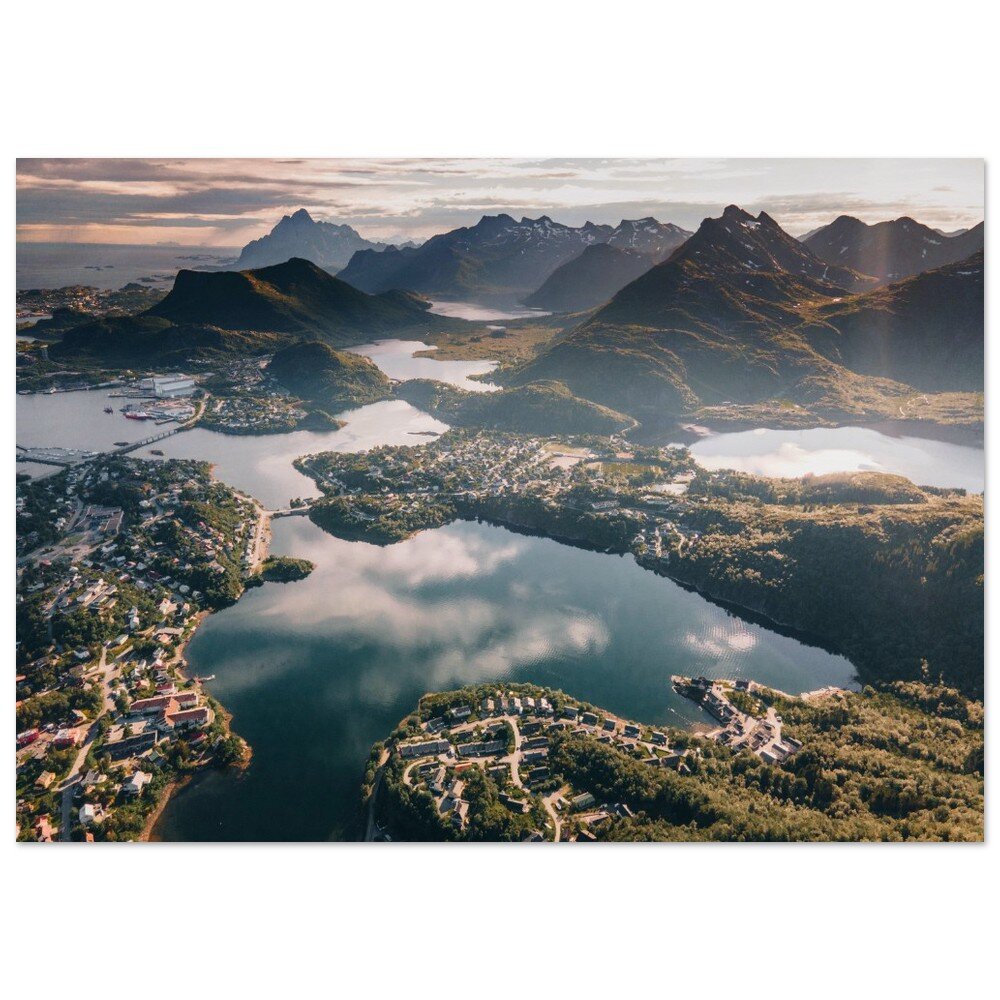
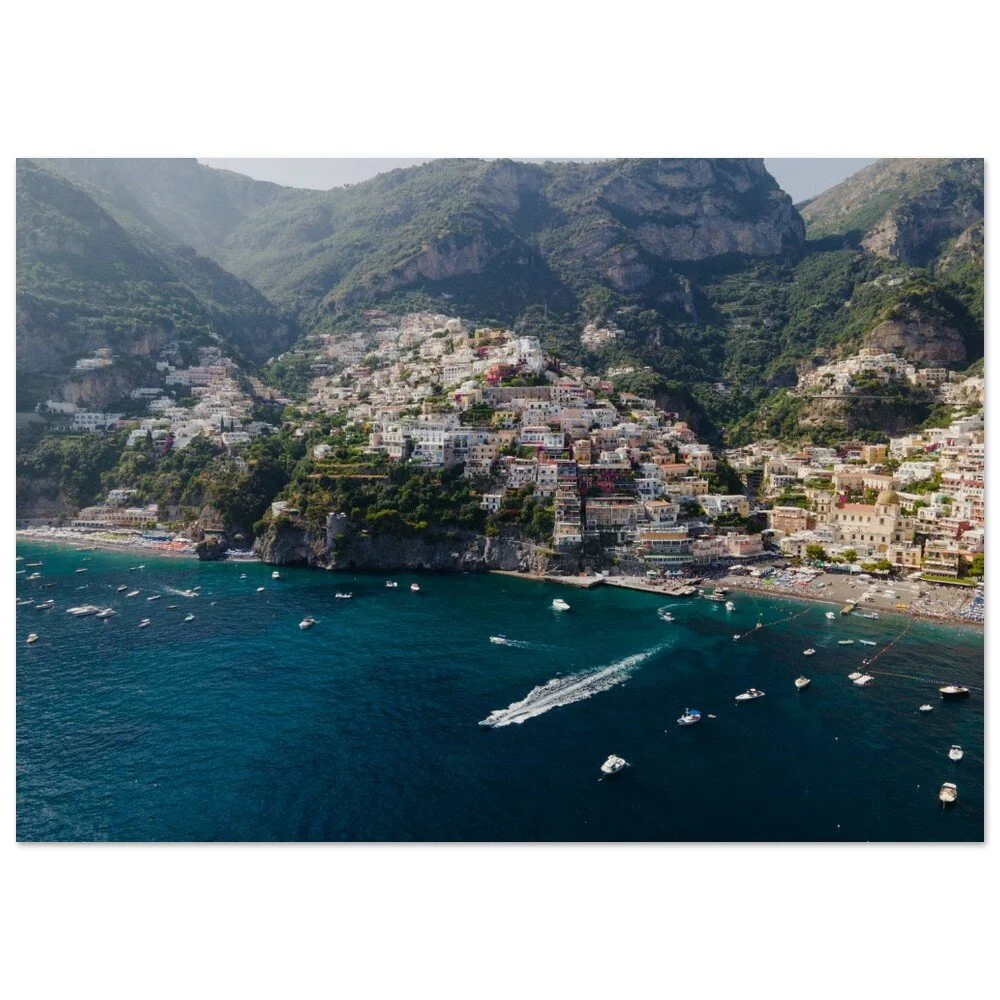
If you like some of my photos that you have come across, just know that I have many prints showcasing a variety of landscapes available for purchase below! (Sold as Posters, Canvas, or in Metal-Frames and Wooden-Frames).





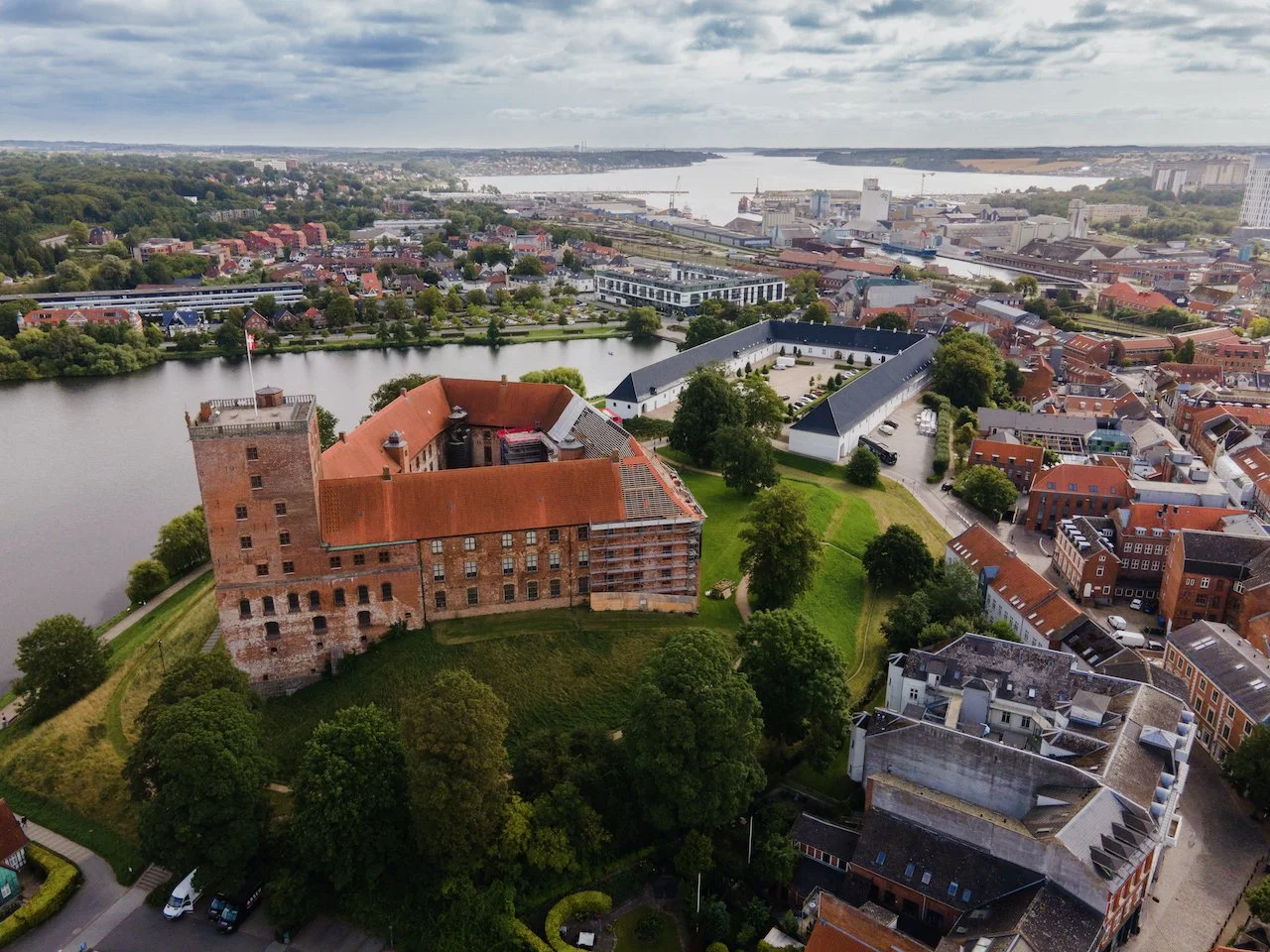
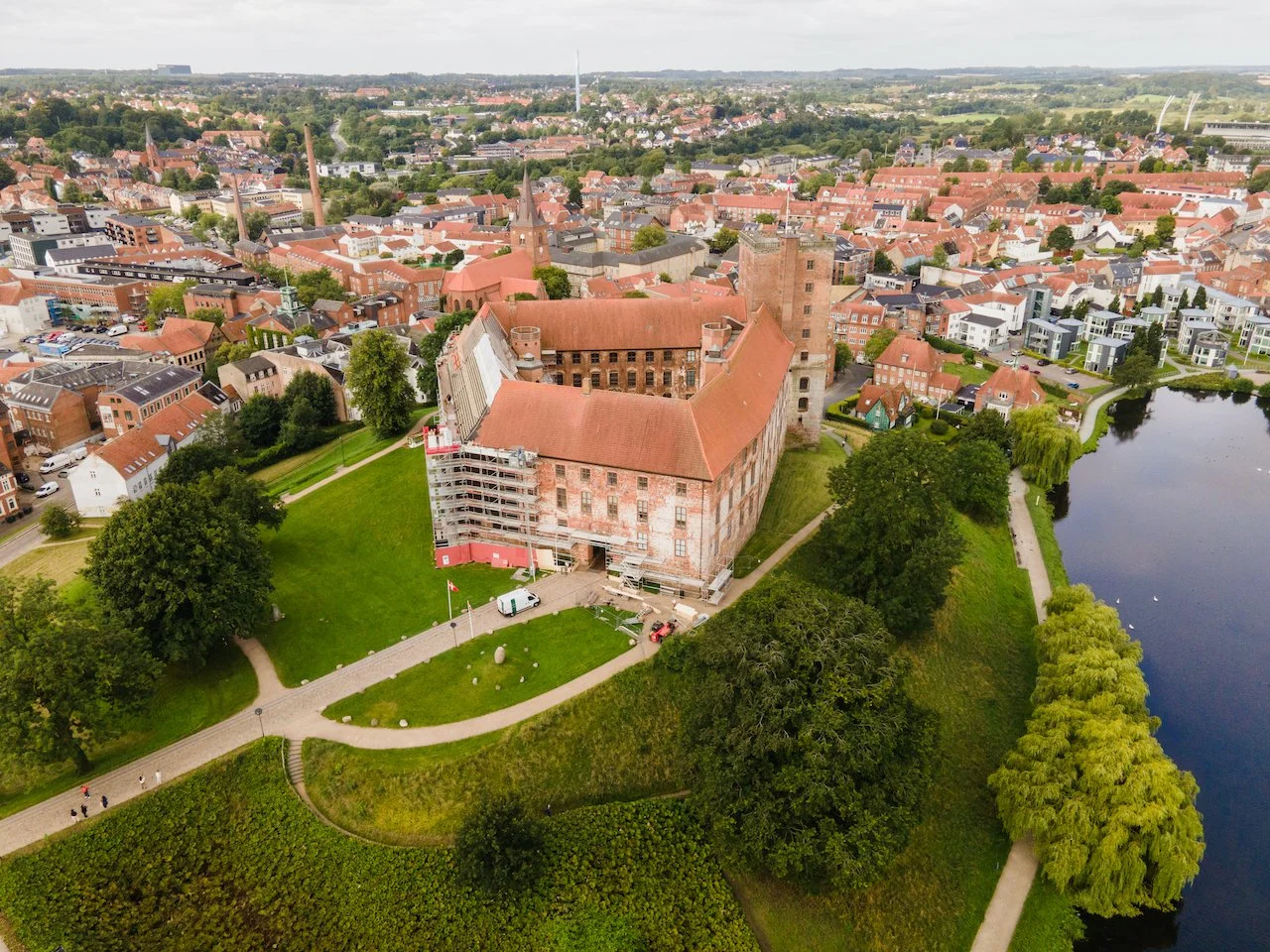
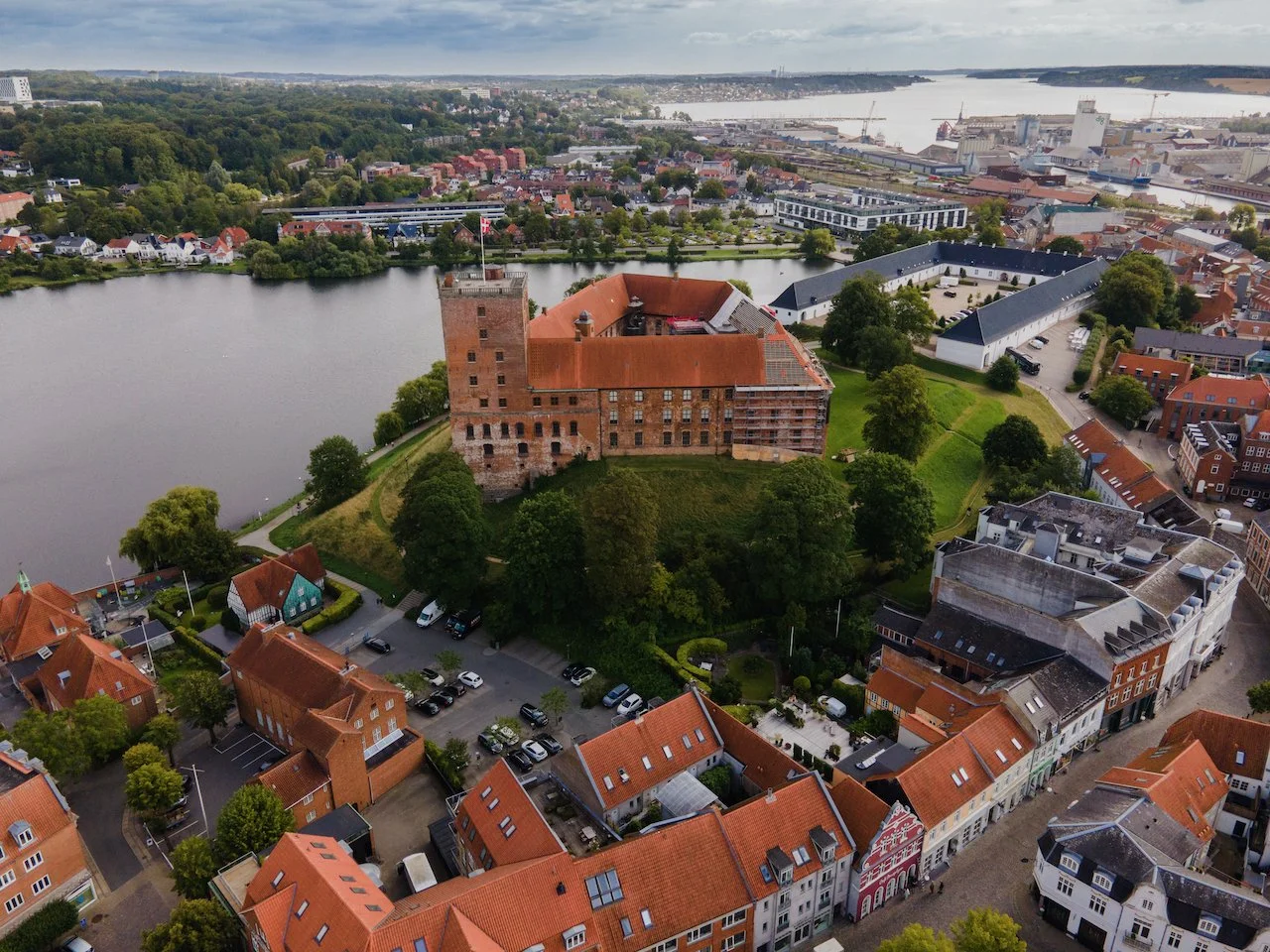
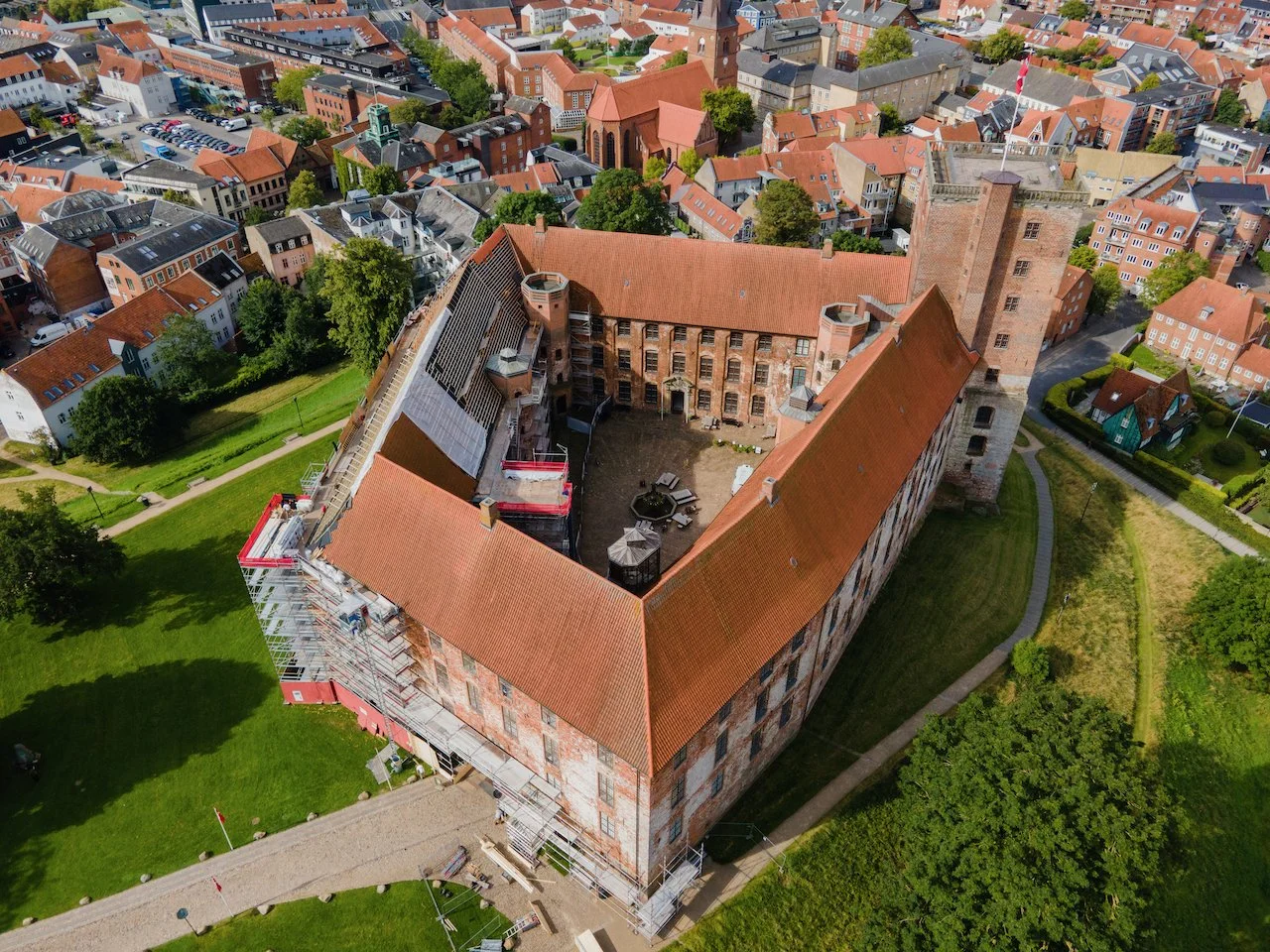
Koldinghus Castle
Koldinghus, located in South Jutland, was originally built in the 13th century as a royal fortress and later expanded into a grand residence. Over the centuries, it witnessed battles, royal ceremonies, and even a devastating fire in 1808 that left it in ruins. The castle was carefully restored in the 20th century and now showcases Denmark’s royal and military history through exhibitions and art installations.
Today, Koldinghus functions as a museum and cultural center, hosting temporary exhibitions, concerts, and special events such as medieval reenactments. Visitors can explore the restored halls, towers, and courtyards while enjoying panoramic views of the city of Kolding. The castle is open daily from 10:00 AM to 5:00 PM; tickets cost approximately 80 DKK for adults, with reduced prices for students and children. Guided tours are also available for those seeking a deeper dive into its rich history. For more information, visit the official website.
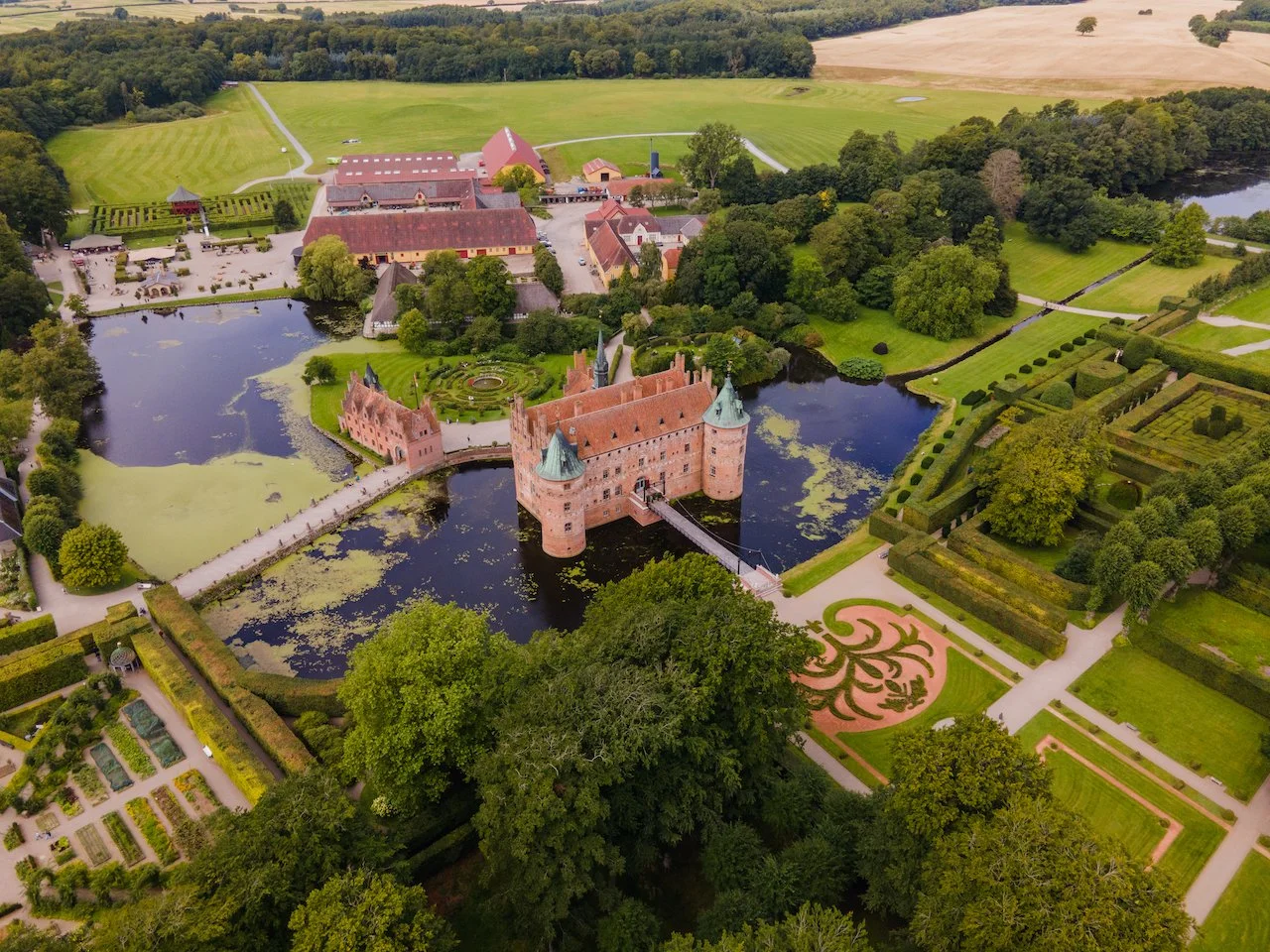
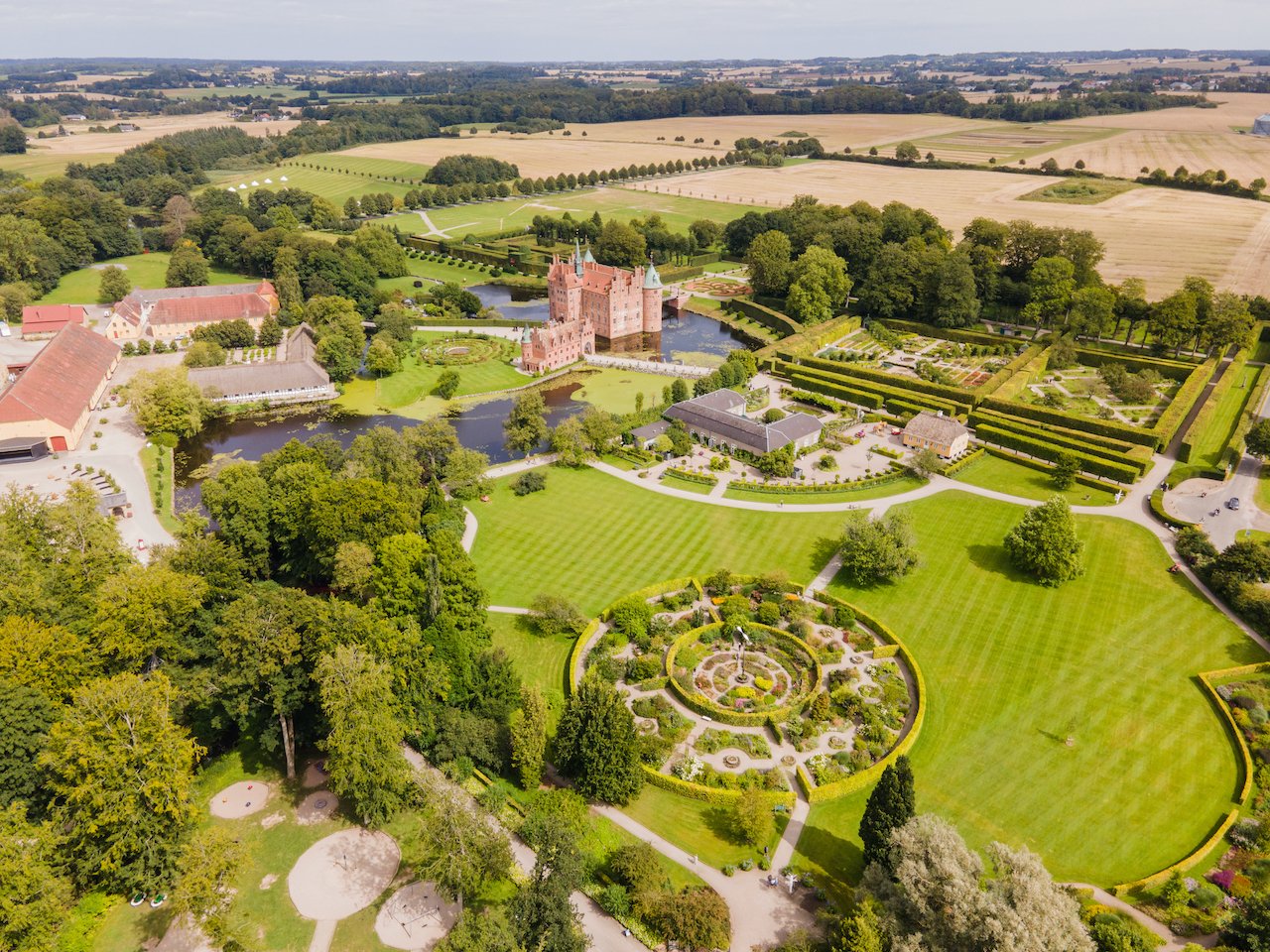
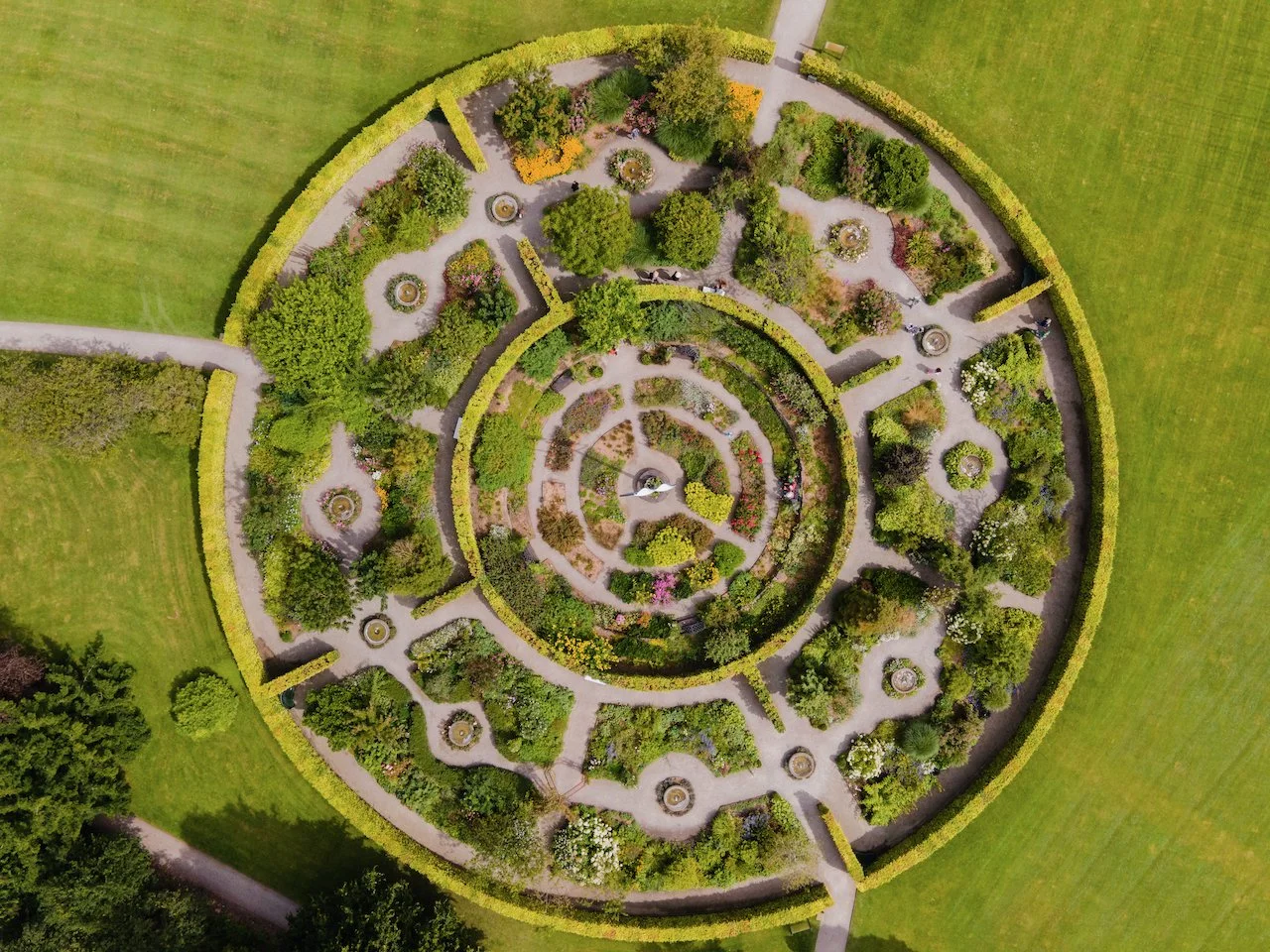
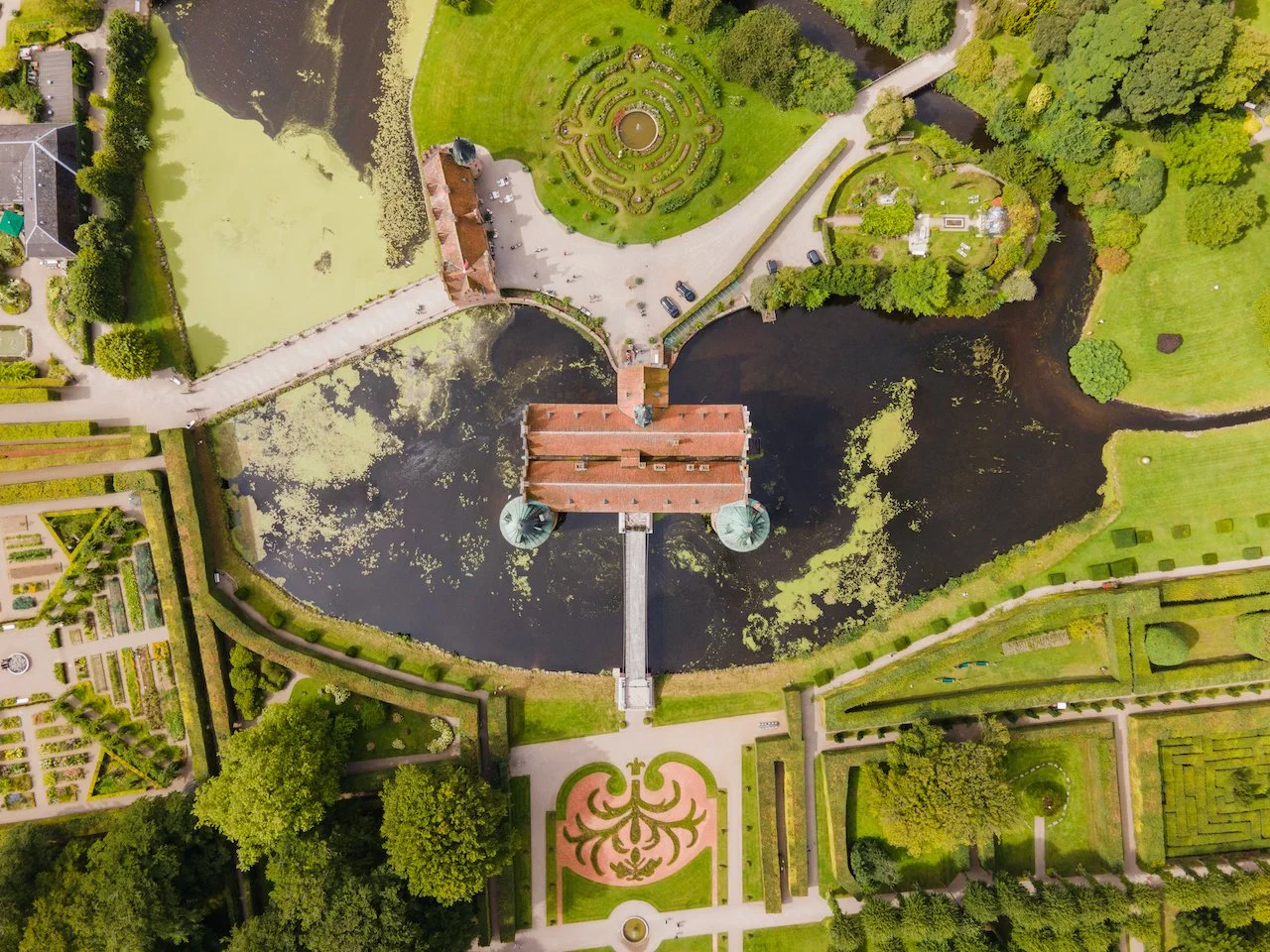
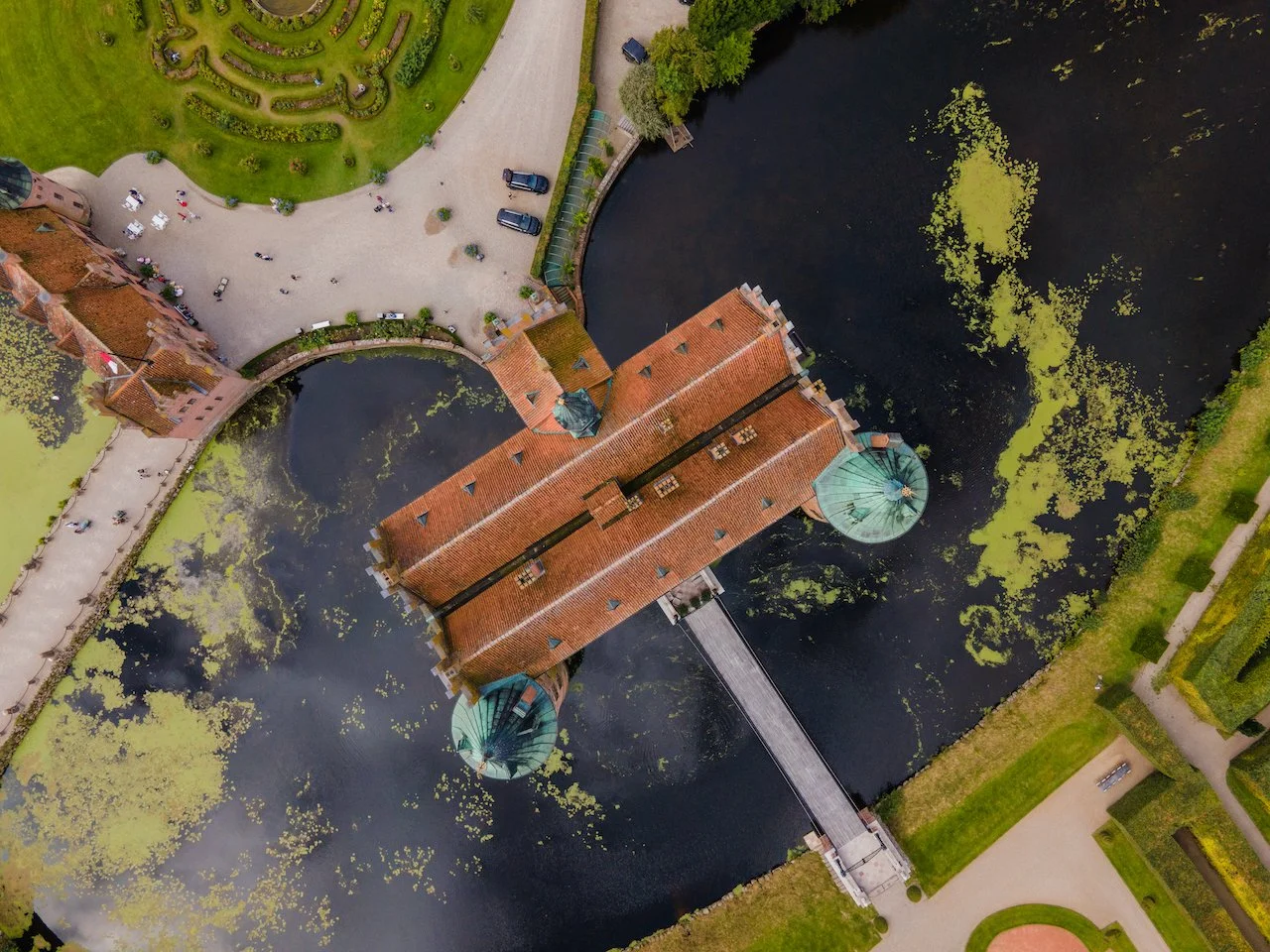
Egeskov Castle
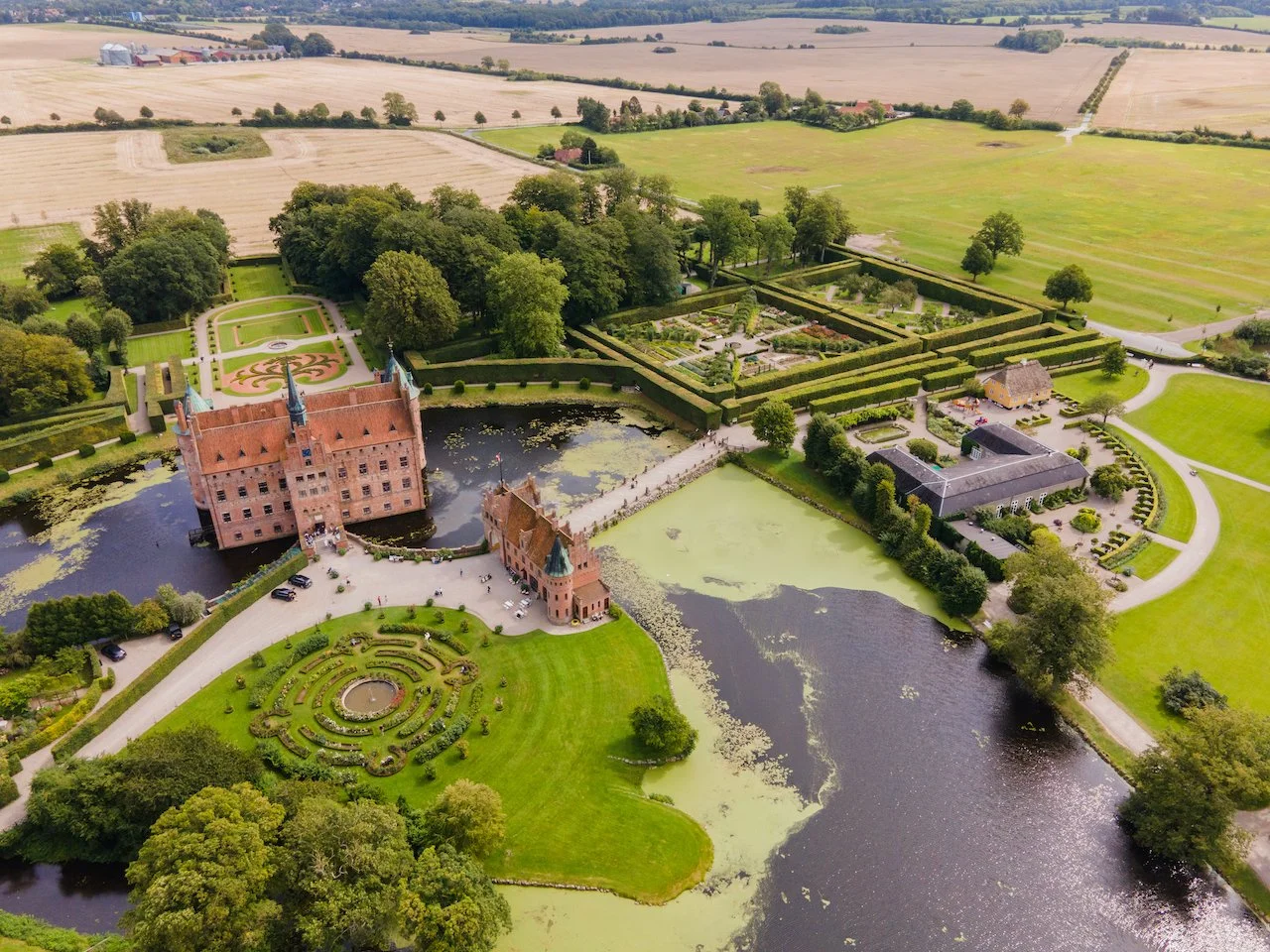
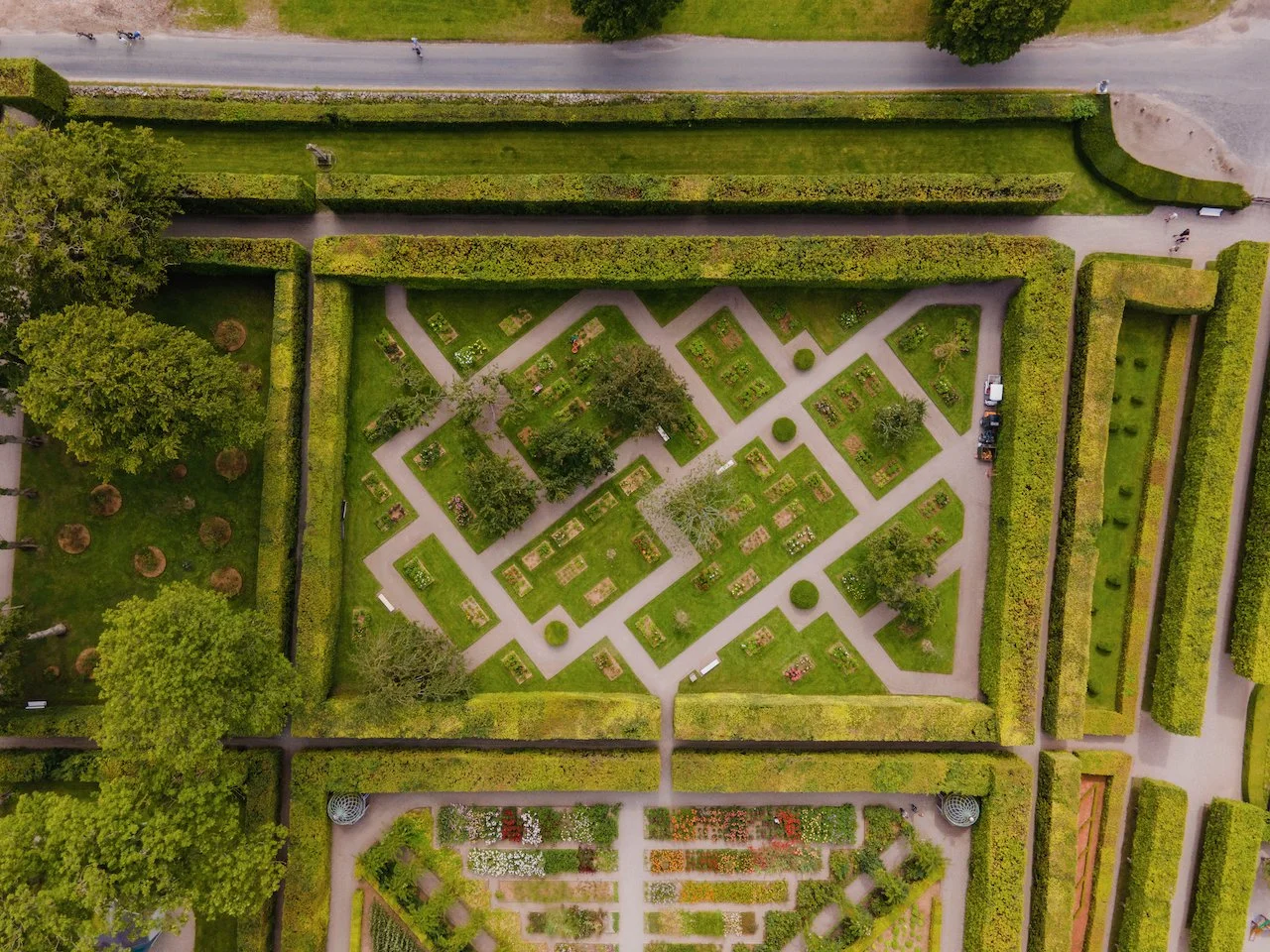
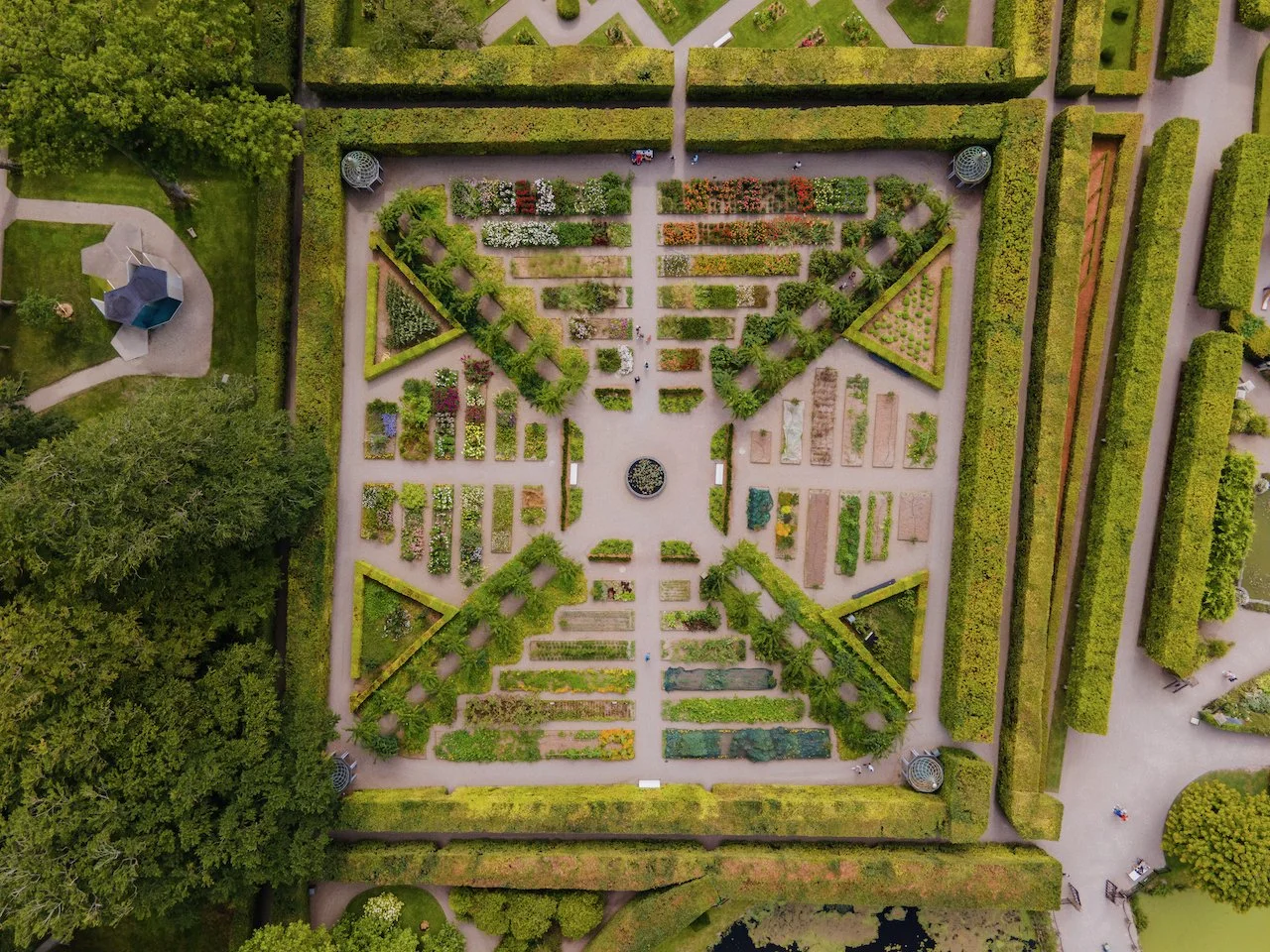
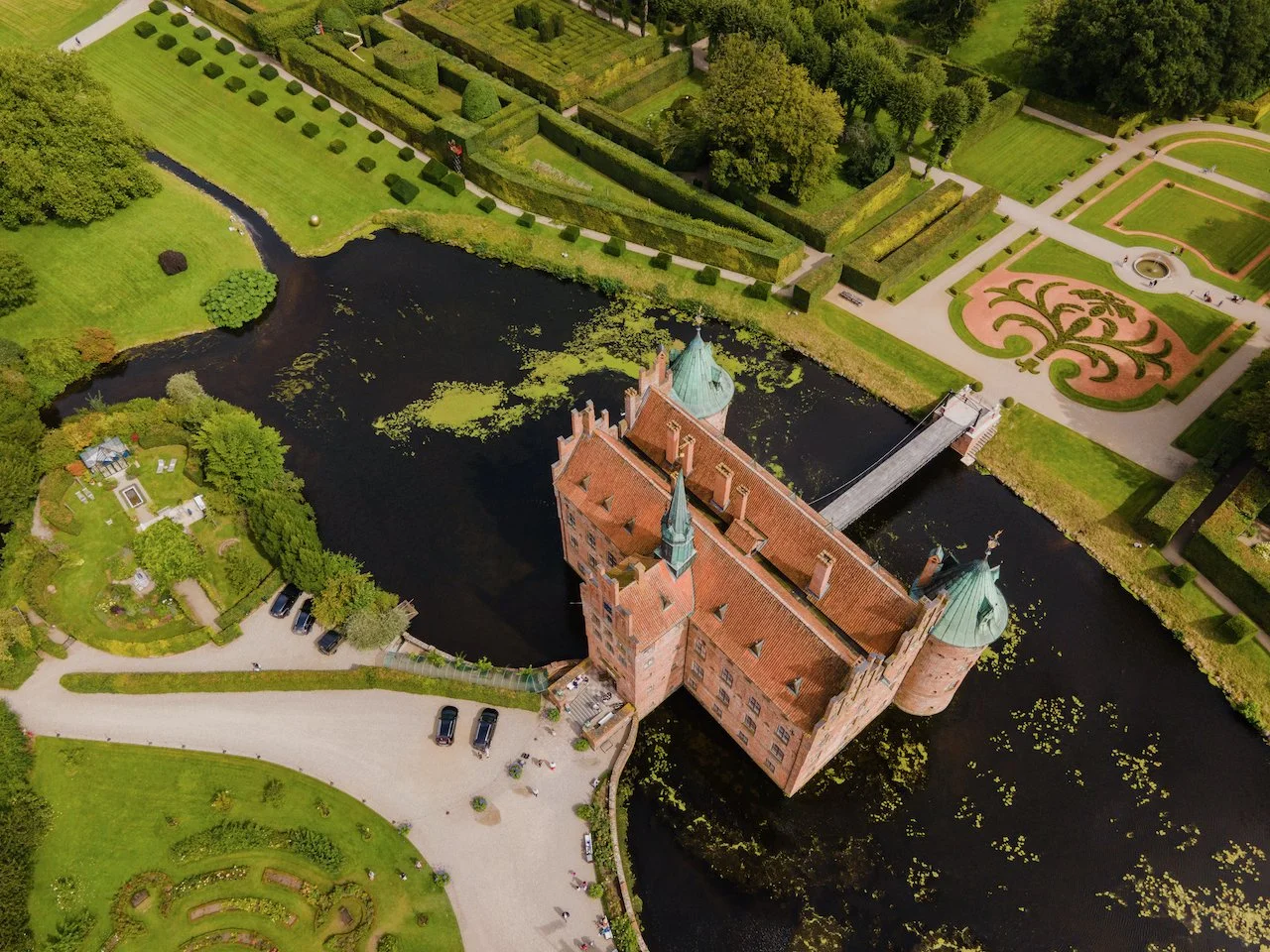
Egeskov Castle, situated on the island of Funen, dates back to 1554 and is considered one of Europe’s best-preserved Renaissance water castles. Built on oak pilings surrounded by a moat, it has served as a royal residence and noble estate throughout the centuries. Its beautifully maintained gardens and classic architecture make it a landmark of Danish heritage.
Today, Egeskov Castle is a popular museum and event venue, hosting everything from classic car shows to medieval festivals and seasonal exhibitions. Visitors can explore the castle’s historic interiors, the moat, the Renaissance gardens, and interactive children’s areas. The castle is open year-round, with summer hours from 10:00 AM to 5:00 PM; tickets are around 180 DKK for adults, with family packages available. Guided tours and garden walks provide extra insight into the castle’s history and architecture. For more details, visit the official website.
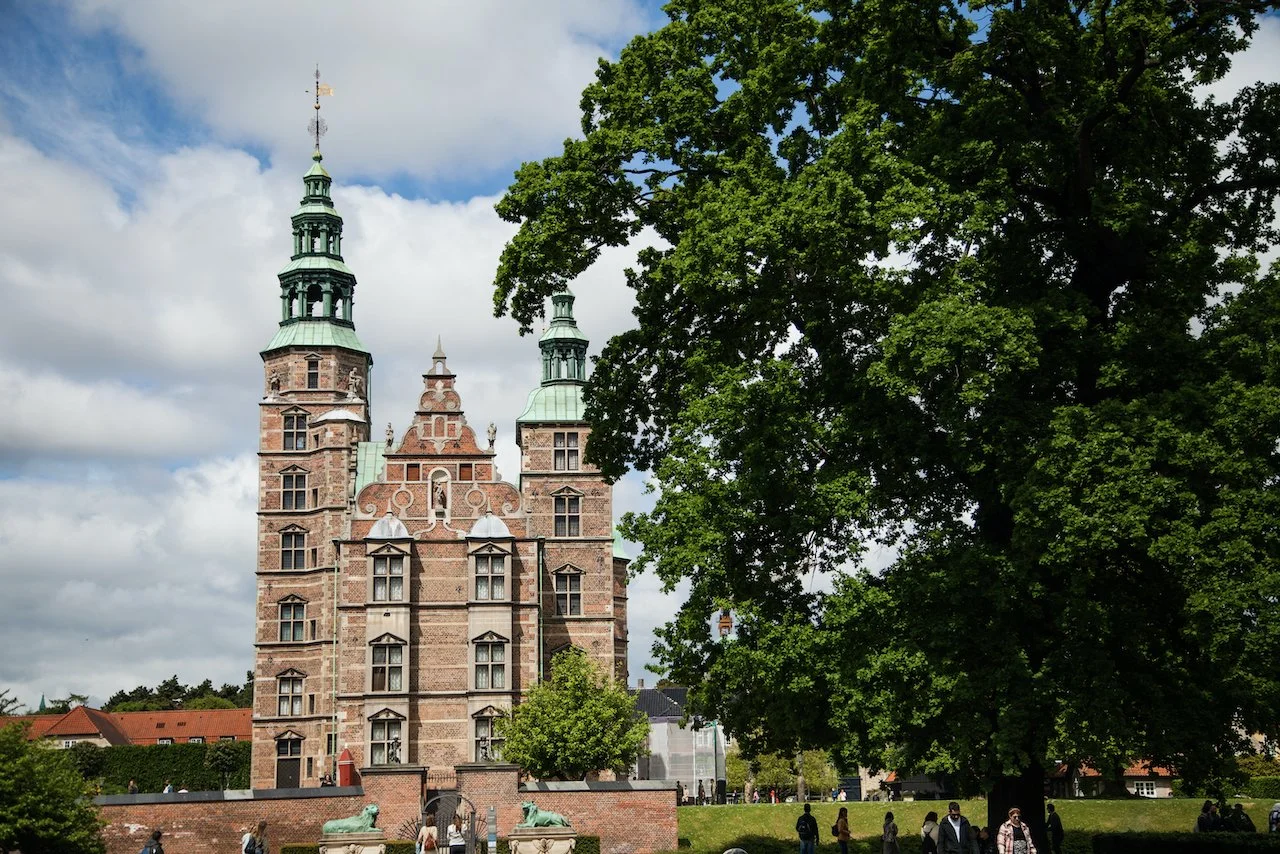
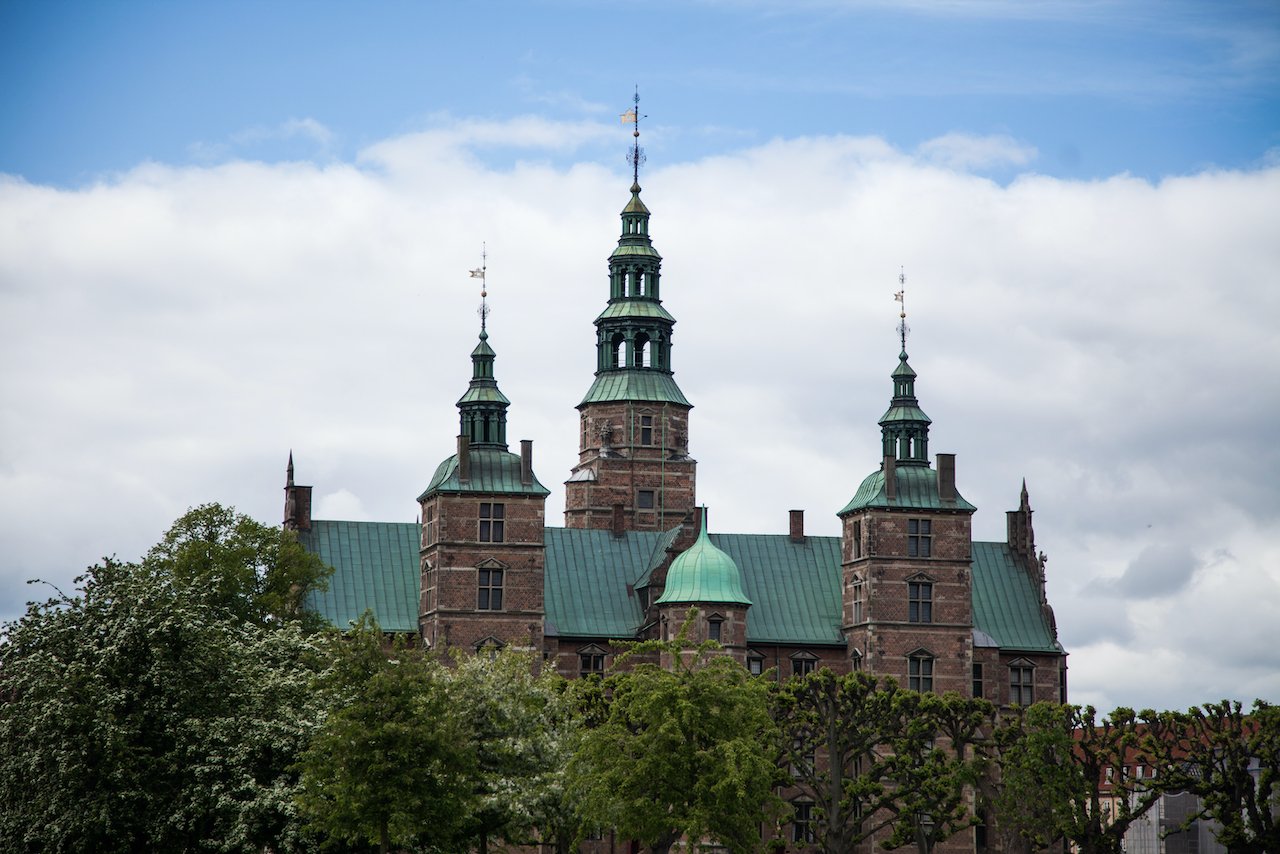
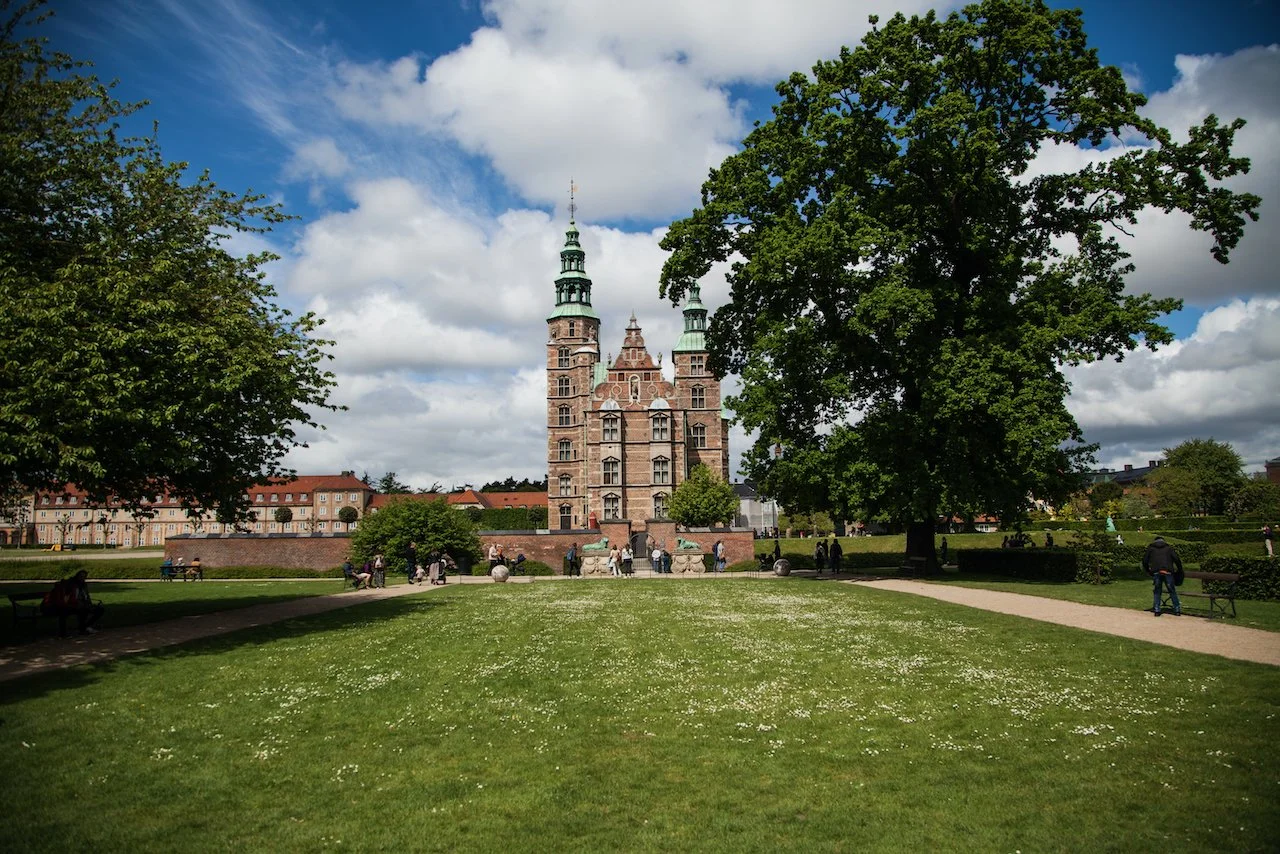
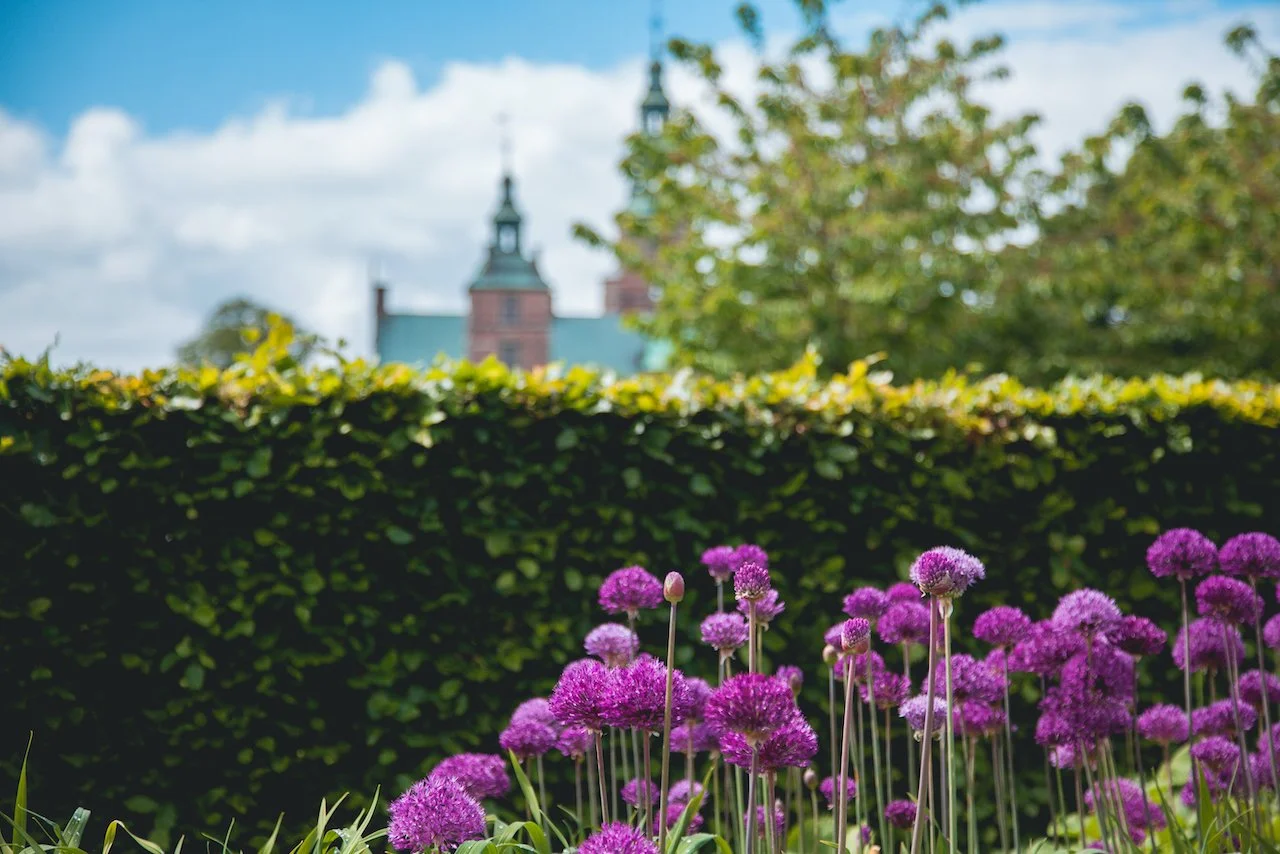
Rosenborg Castle
Rosenborg Castle, located in the heart of Copenhagen, was built in the early 17th century by King Christian IV as a royal residence. Famous for its Dutch Renaissance style, it houses the Danish Crown Jewels, royal artifacts, and beautifully decorated rooms that reflect the opulence of Denmark’s monarchy.
Today, Rosenborg Castle operates as a museum, open to the public for exploring royal chambers, treasures, and historic exhibits. The castle hosts seasonal events and special exhibitions, especially during holidays like Christmas. Visitors can enter daily from 10:00 AM to 3:00 PM (summer hours until 5:00 PM); adult tickets are approximately 120 DKK, with reduced rates for children, students, and families. Guided tours are available for deeper historical context. For more information, visit the official website.
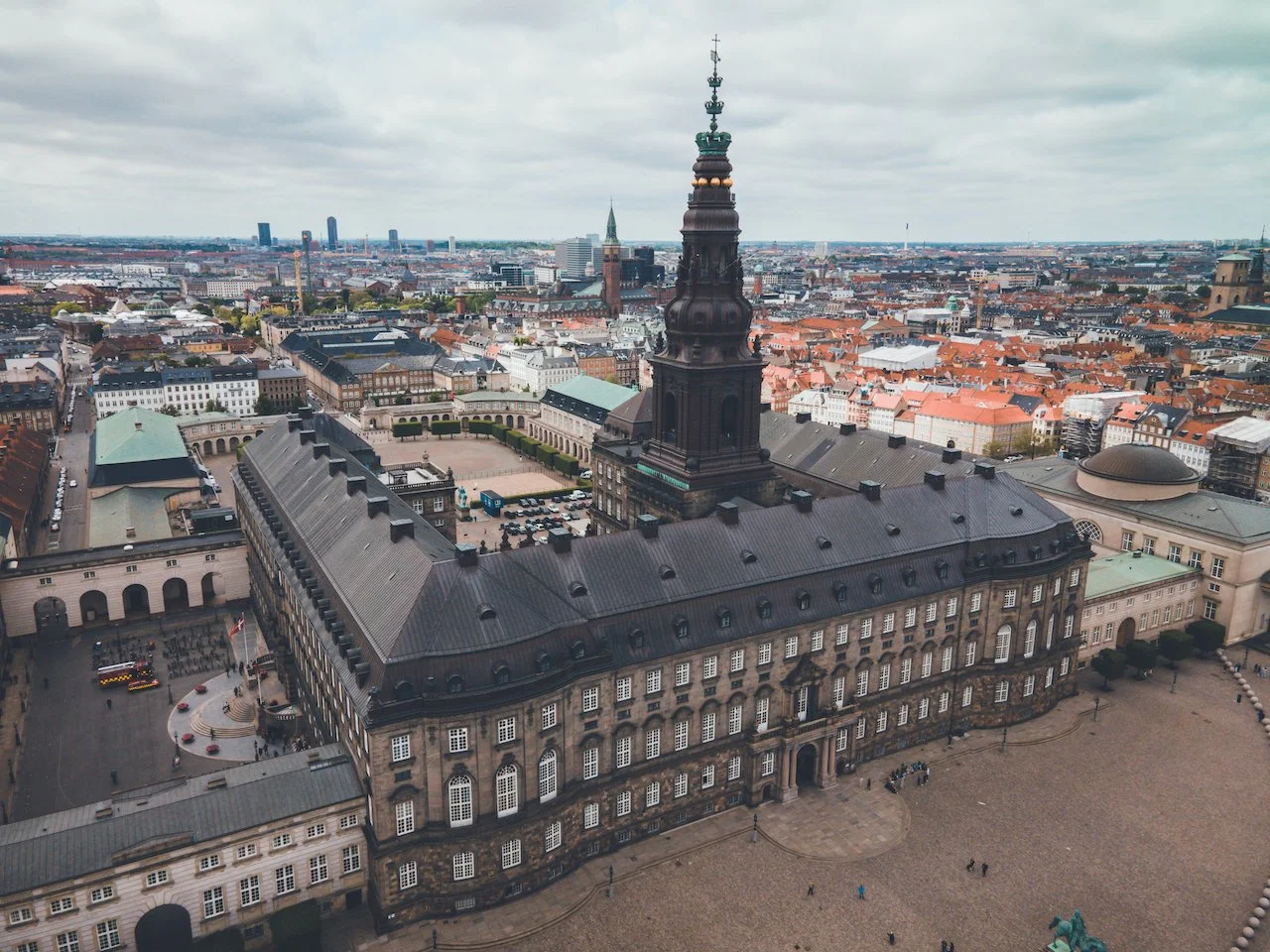
Christiansborg Palace, Copenhagen, Denmark (ISO 100, 4.5 mm, f/2.8, 1/60 s)
Christiansborg Palace
Christiansborg Palace, located on Slotsholmen in Copenhagen, has served as the seat of the Danish Parliament, the Supreme Court, and the Prime Minister's Office. The current building, completed in 1928, replaced earlier structures dating back to the 12th century. It houses the Royal Reception Rooms, the Supreme Court, and the Parliament.
Today, Christiansborg Palace is open to the public, offering guided tours of the Royal Reception Rooms, the ruins beneath the palace, and the Royal Stables. The palace hosts various events and exhibitions throughout the year. Visitors can explore the palace daily from 10:00 AM to 5:00 PM; ticket prices vary depending on the areas accessed, with discounts for children and students. For more details, visit the official website.
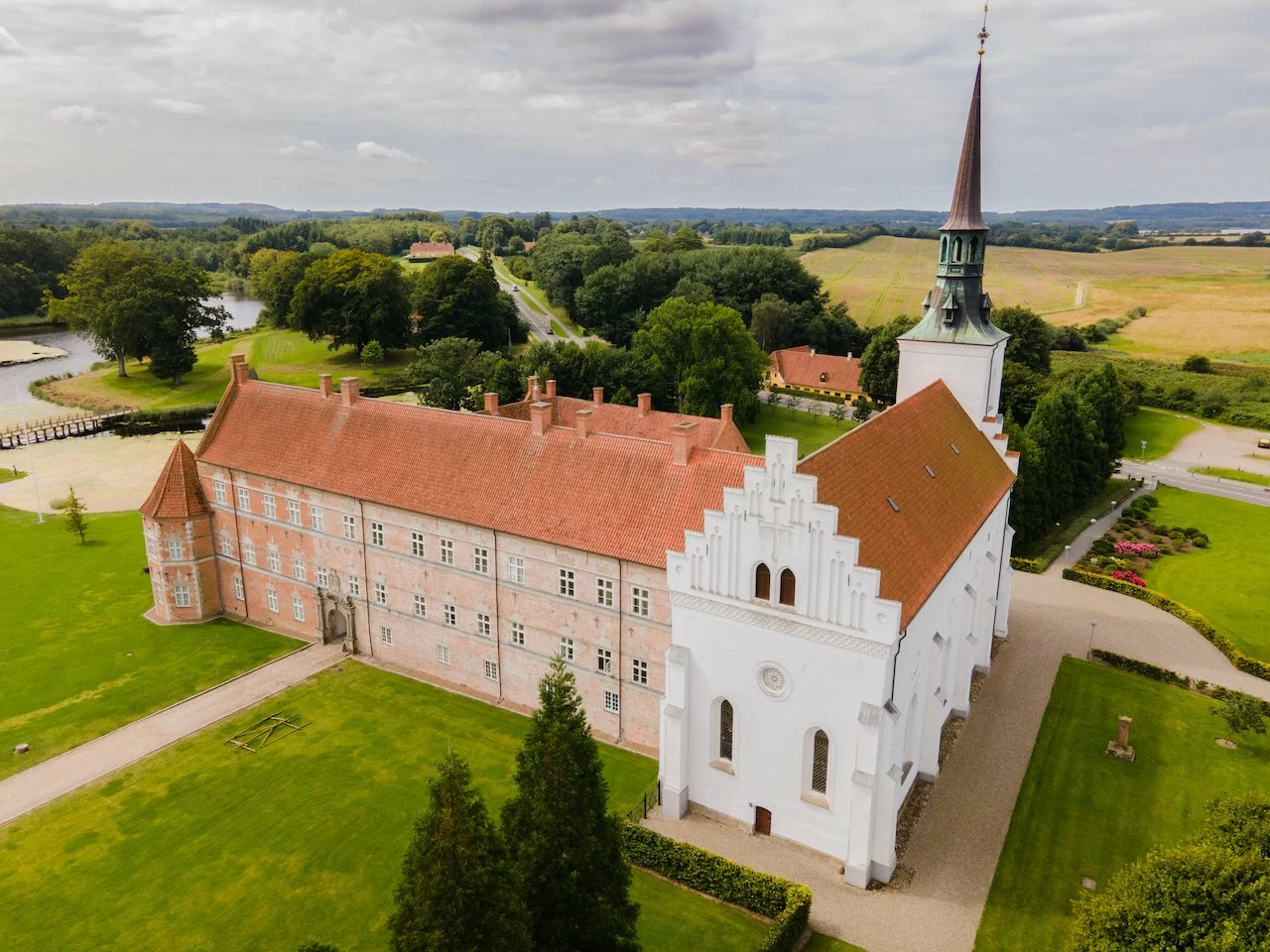
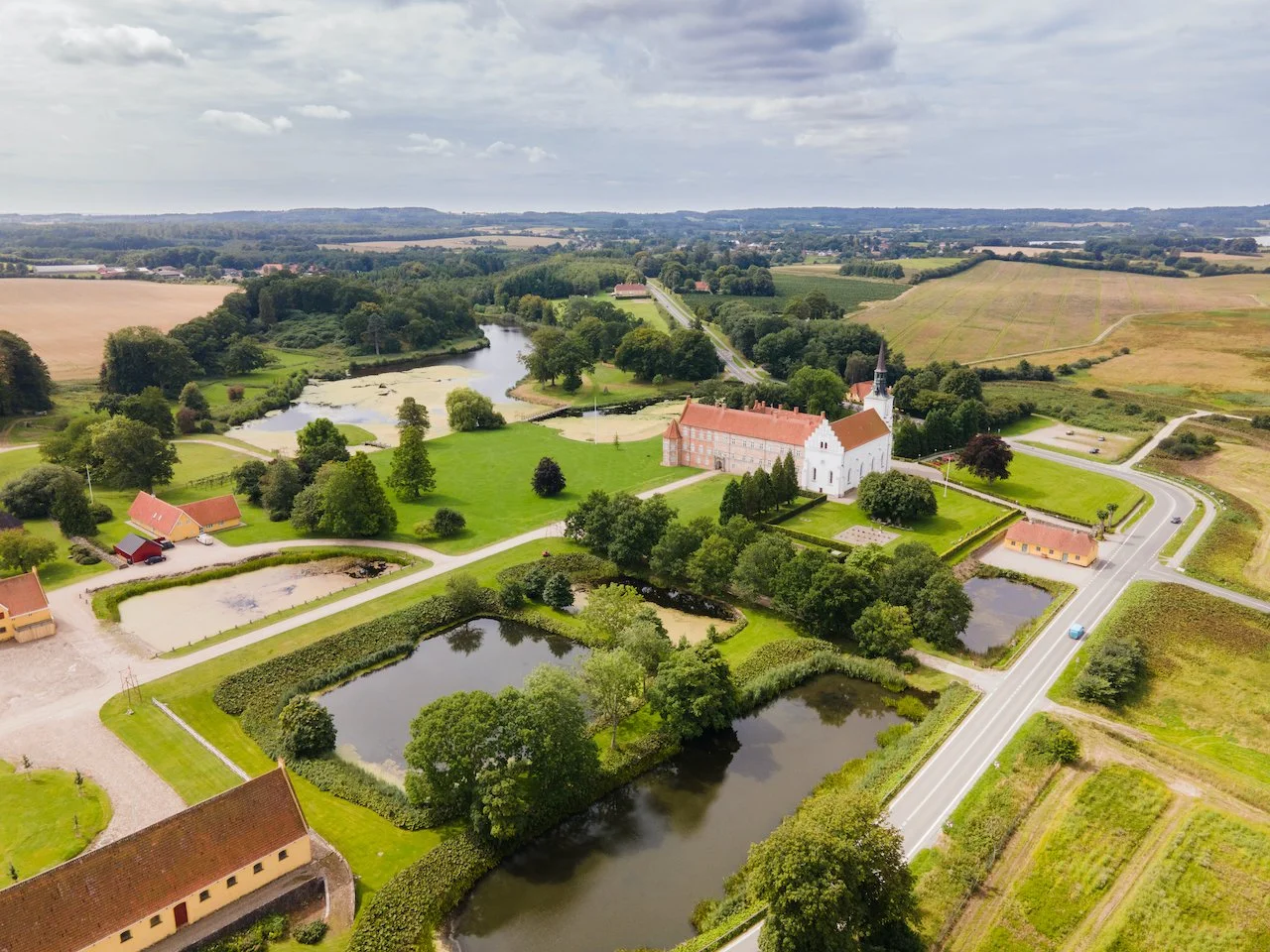
Brahetrolleborg Castle
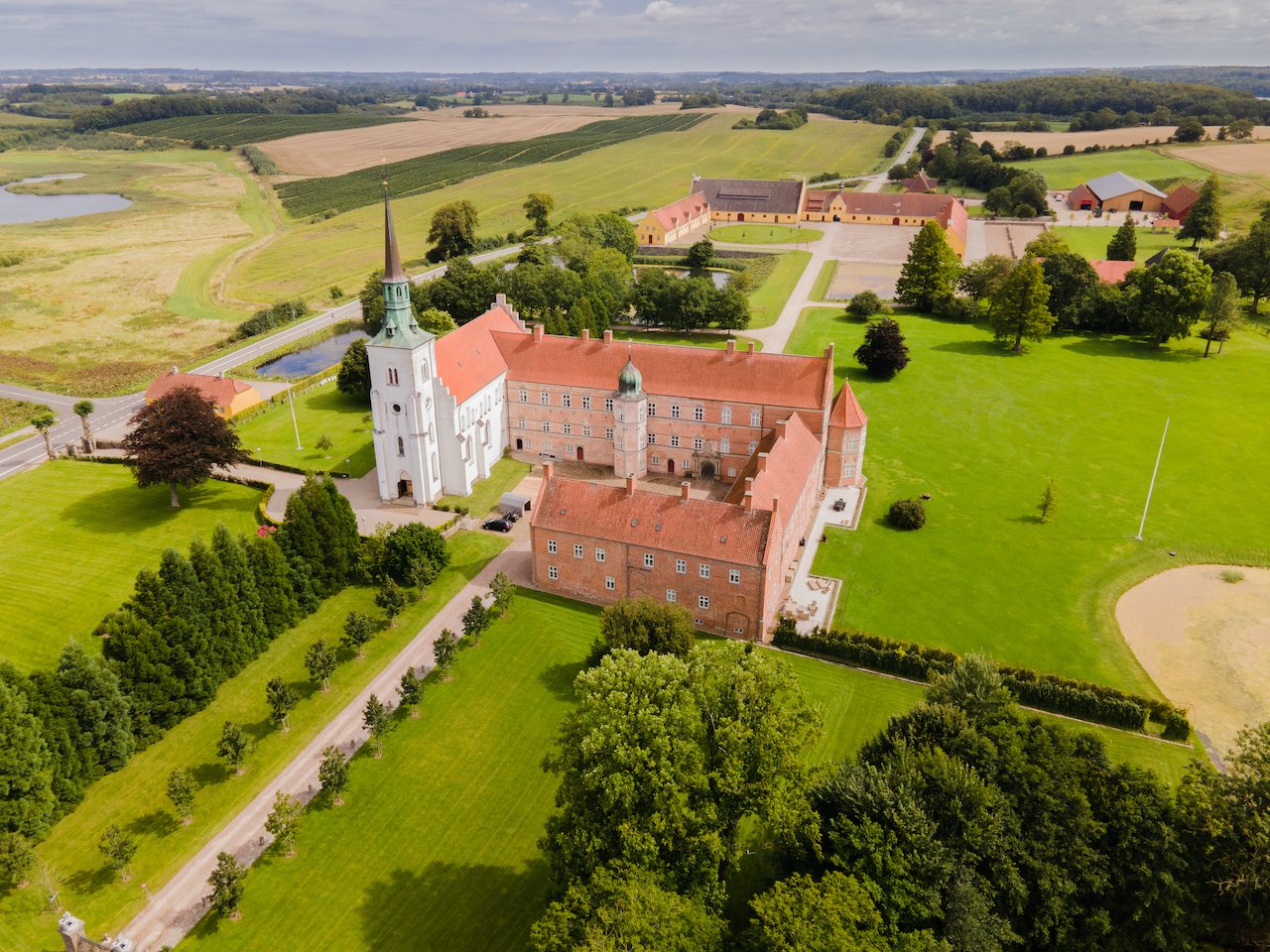
Brahetrolleborg Castle, located near Faaborg on the island of Funen, was originally established as a Cistercian monastery in 1172. After the Reformation, it became a noble estate and has been owned by the Reventlow family since 1722. The castle's architecture reflects its monastic origins and subsequent noble additions.Wikipedia
Today, Brahetrolleborg Castle is a private residence and is not open to the public. However, visitors can explore the adjacent Rhododendron Park, which is accessible from the street Spanget in Korinth. The park is open to visitors during the blooming season, typically from late spring to early summer. For more information, visit the official website.
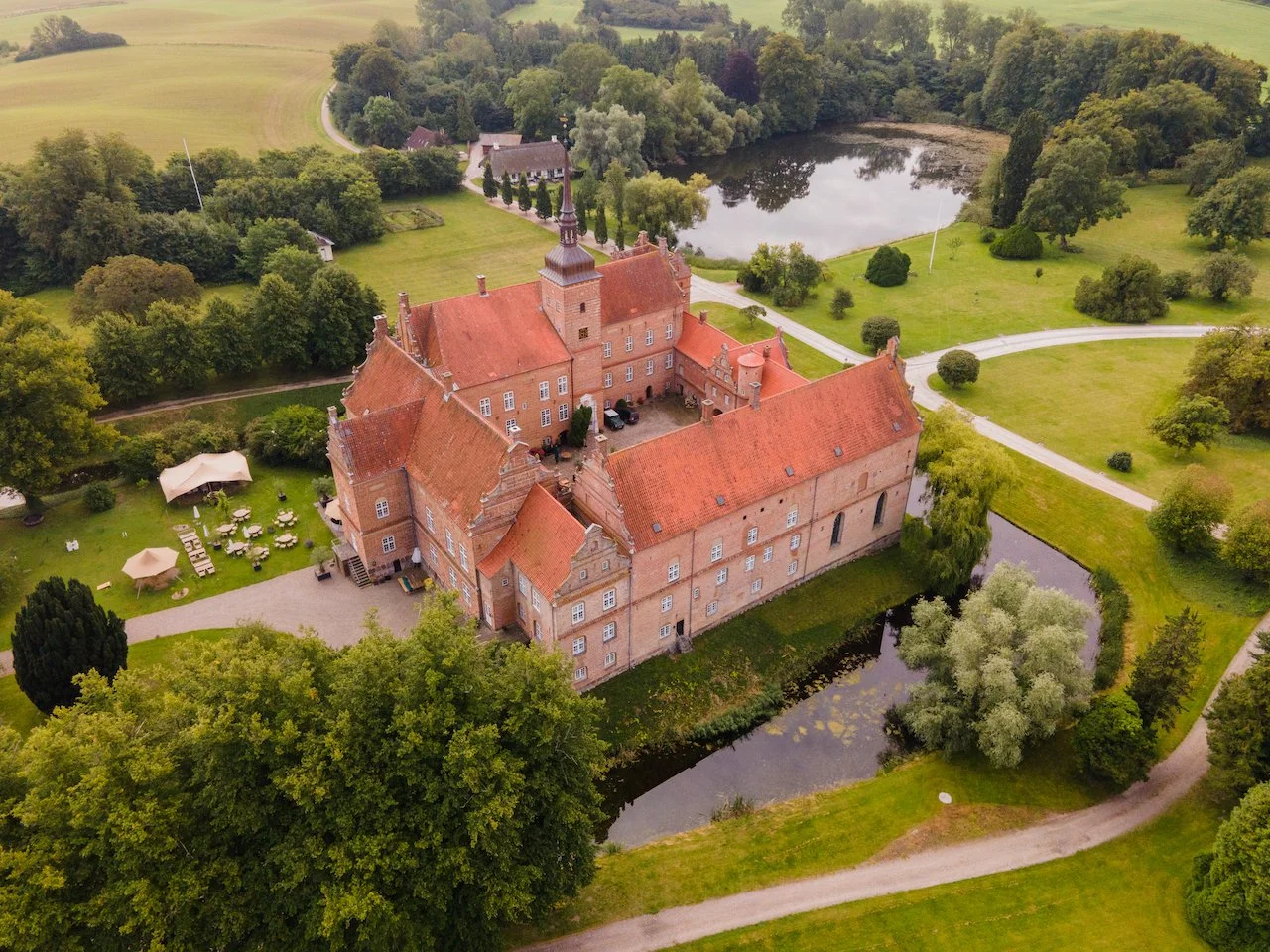
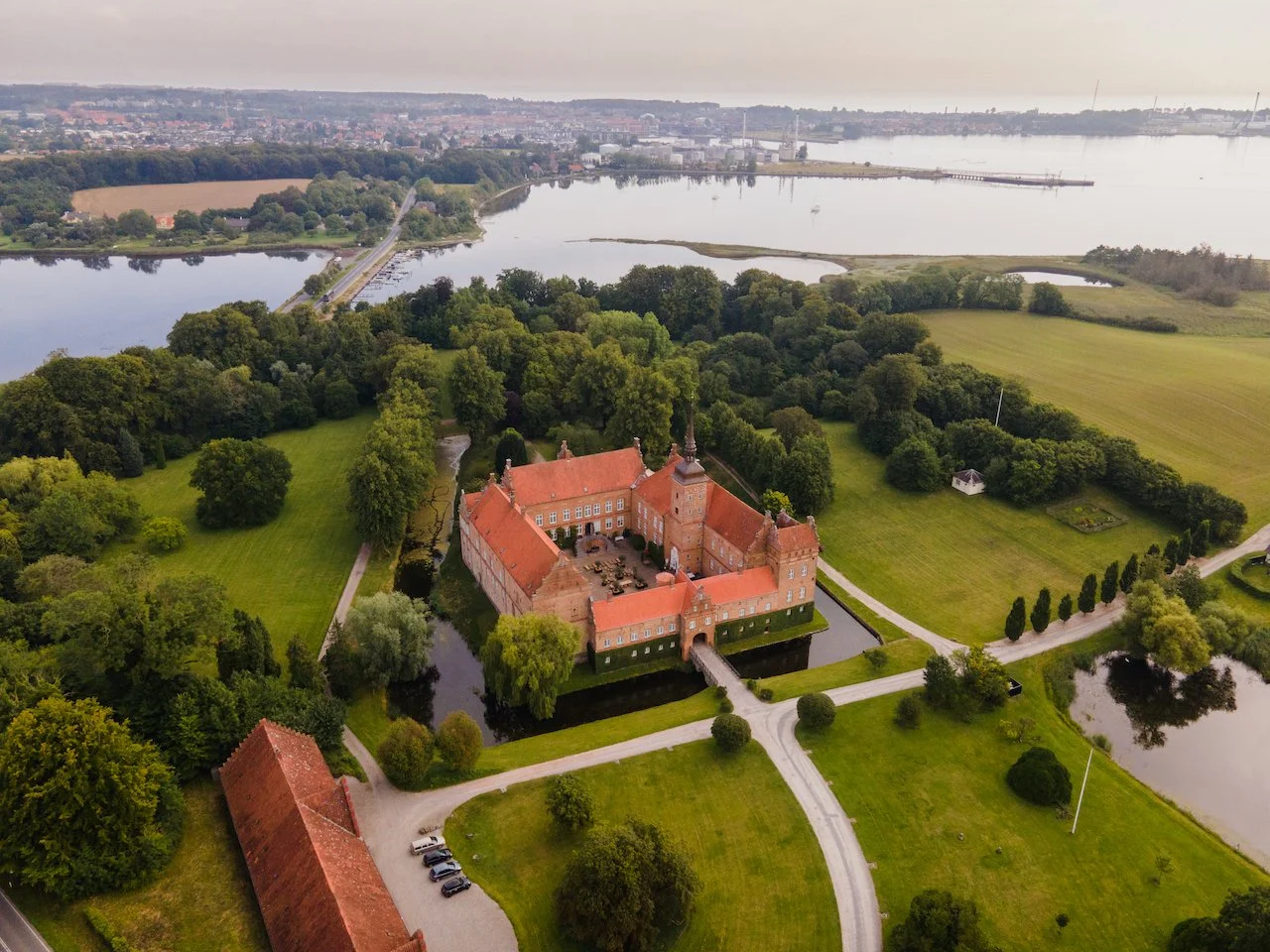
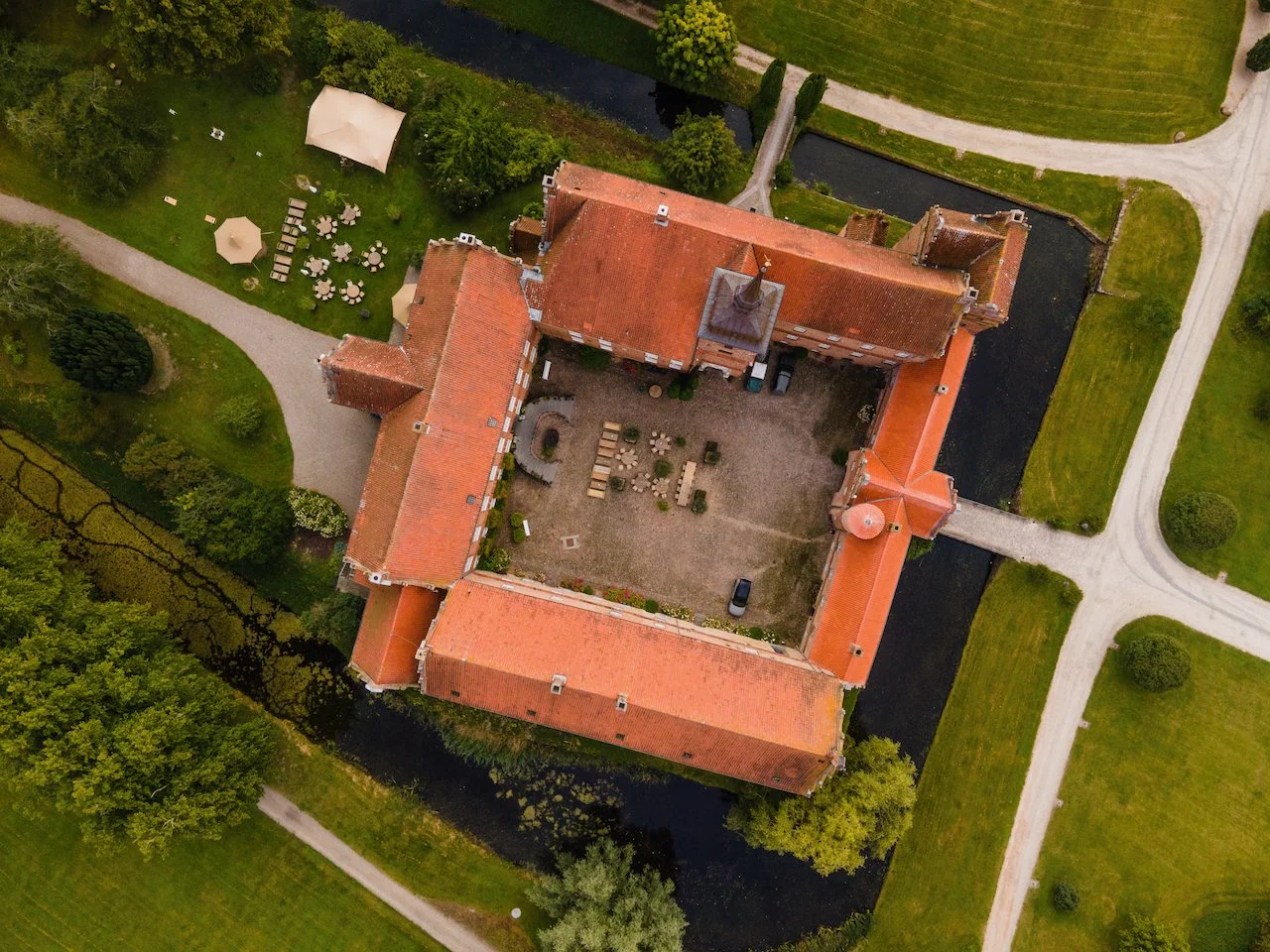
Holckenhavn Castle
Holckenhavn Castle, situated near Nyborg on the island of Funen, was constructed between 1580 and 1634 in the Renaissance style. Originally known as Ulfeldtsholm, it was renamed Holckenhavn in 1672 when acquired by Eiler Holck. The estate has remained in the Holck family since then.
Today, Holckenhavn Castle serves as a venue for conferences, private celebrations, and other events. The 12-hectare park surrounding the castle is open to the public. The estate covers approximately 900 hectares, including forest and agricultural land, and offers a glimpse into Denmark's noble heritage. For more details, visit the official website.
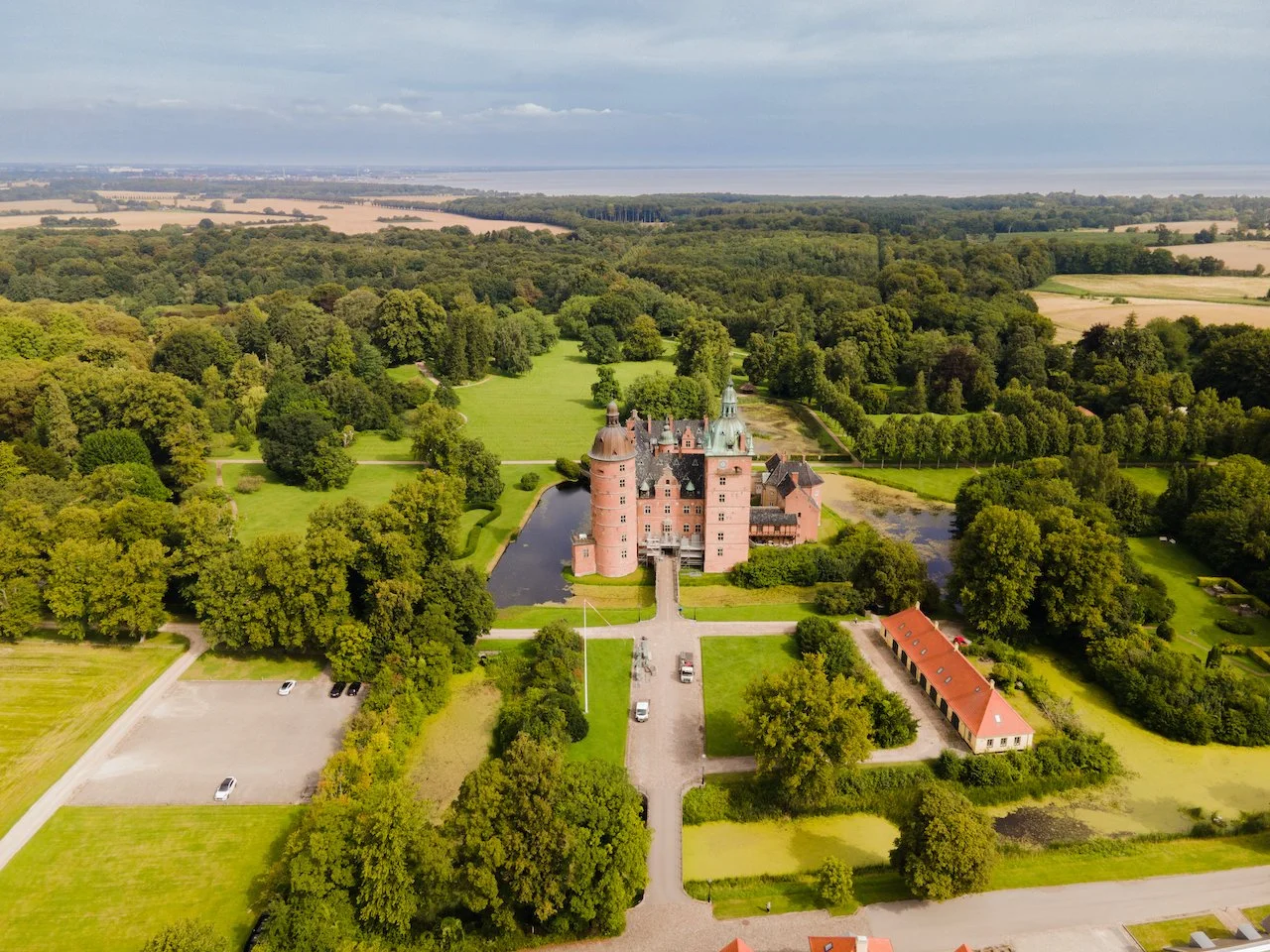
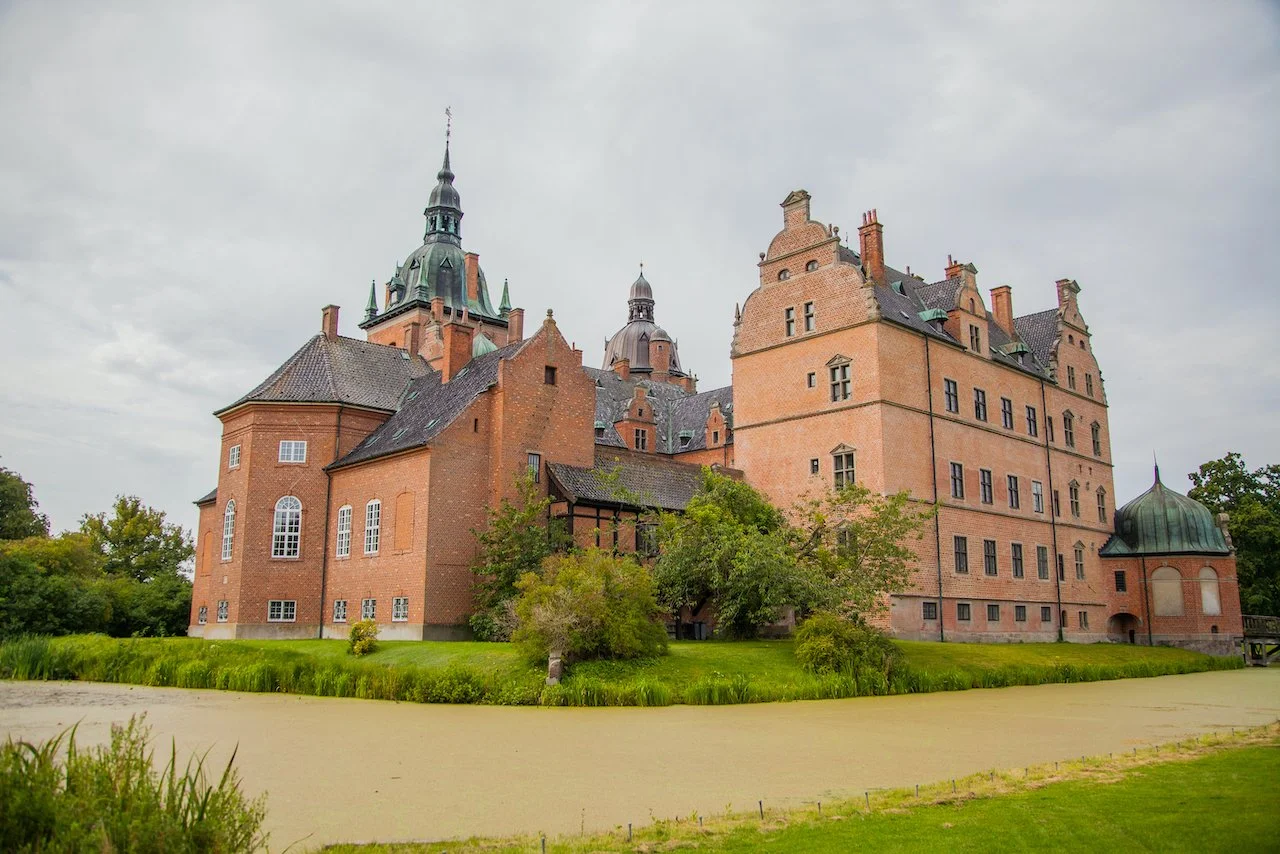
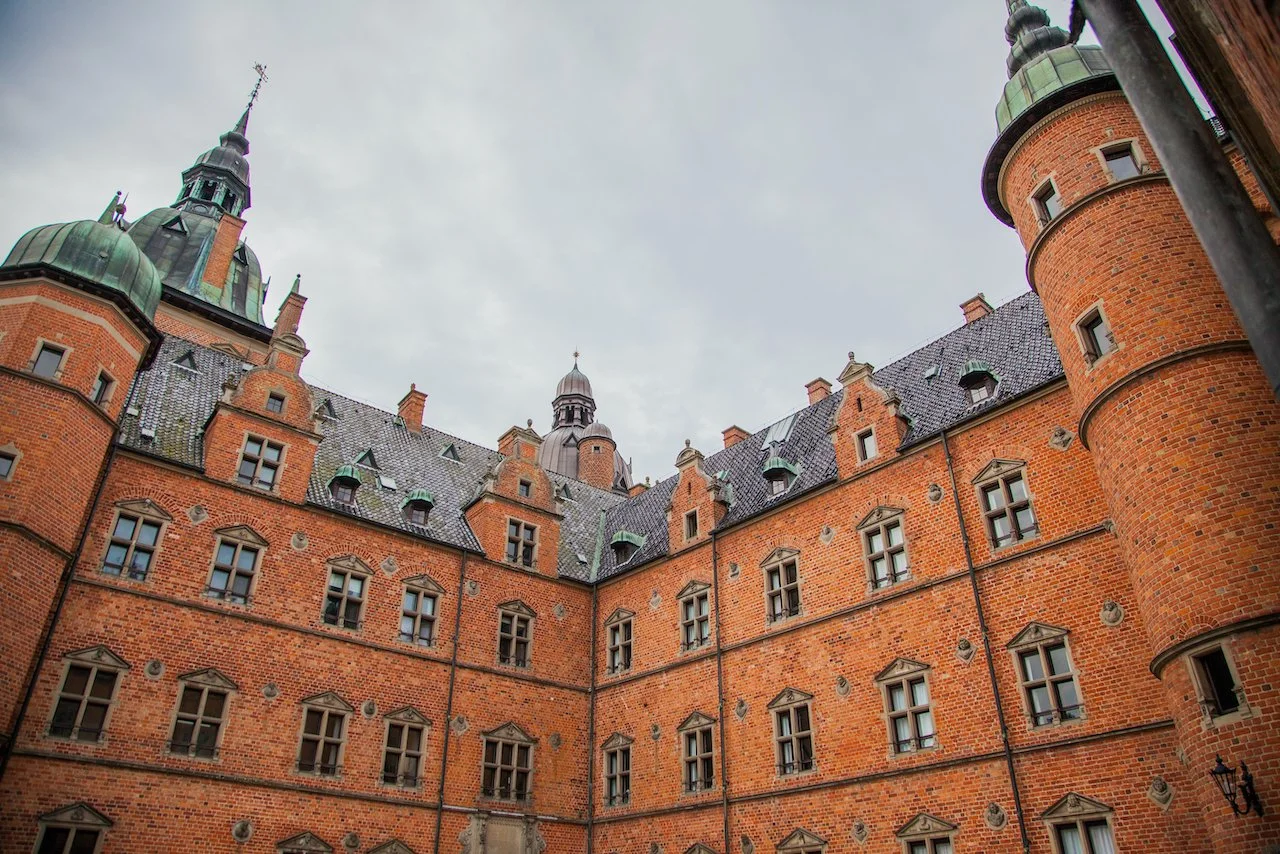
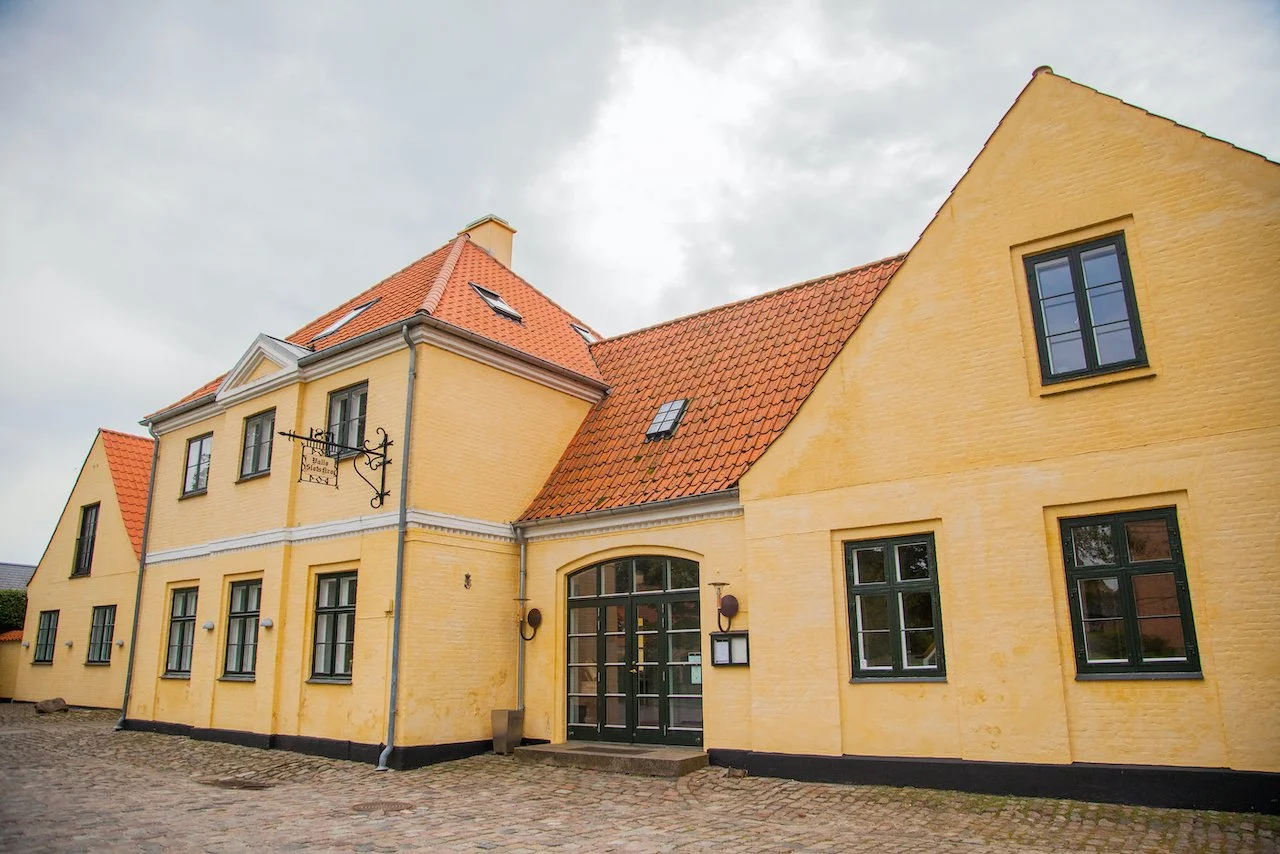
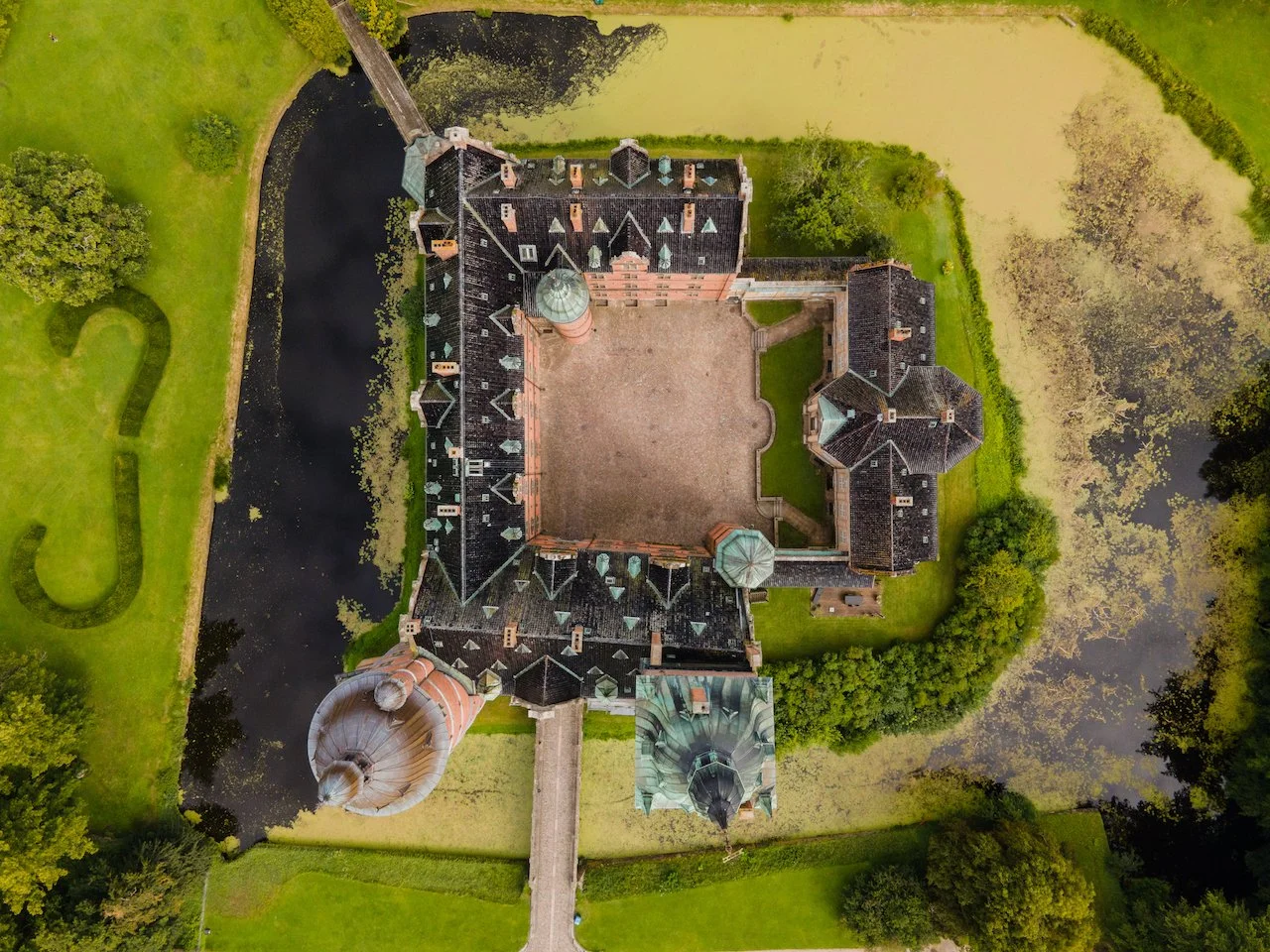
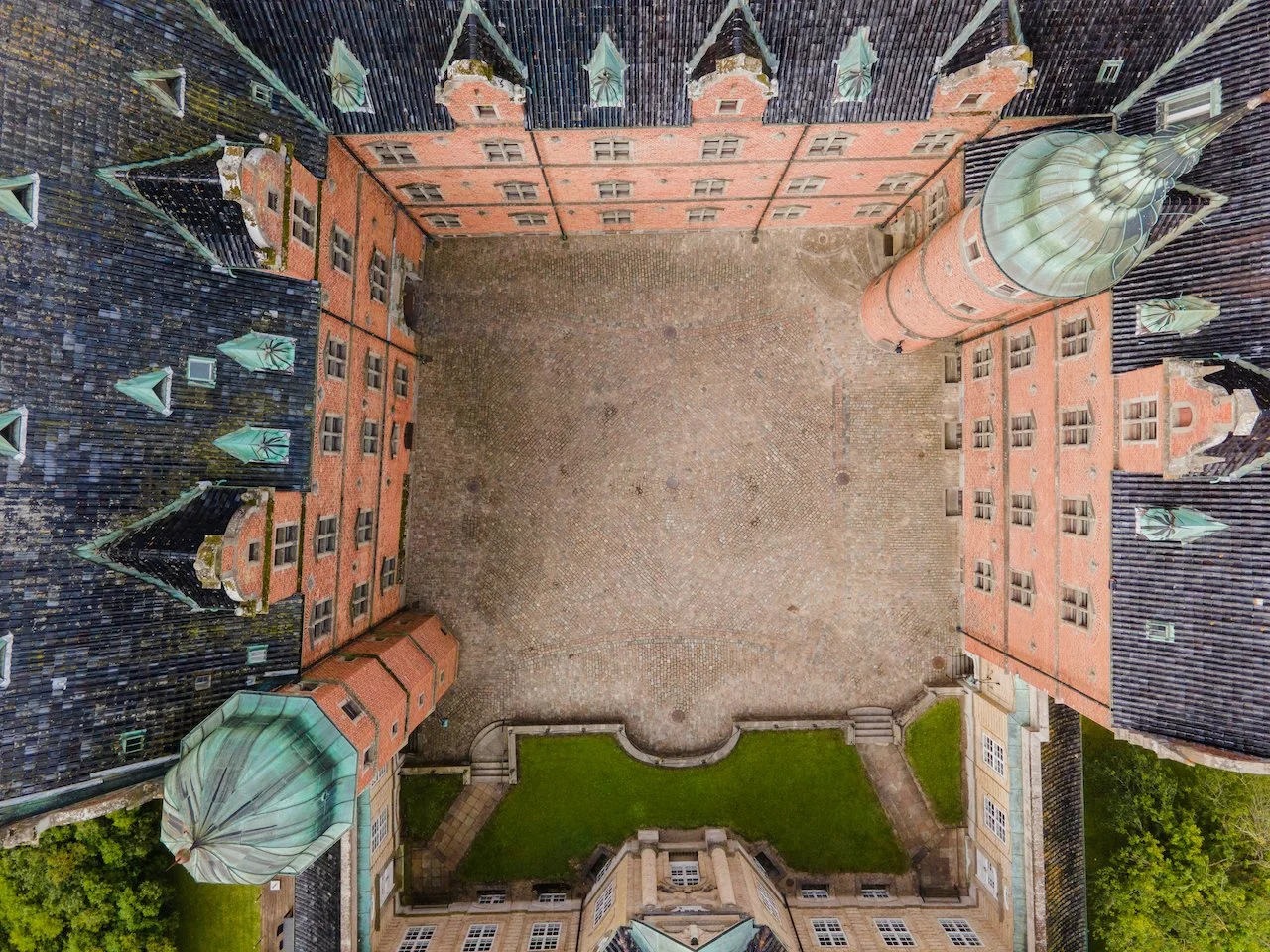
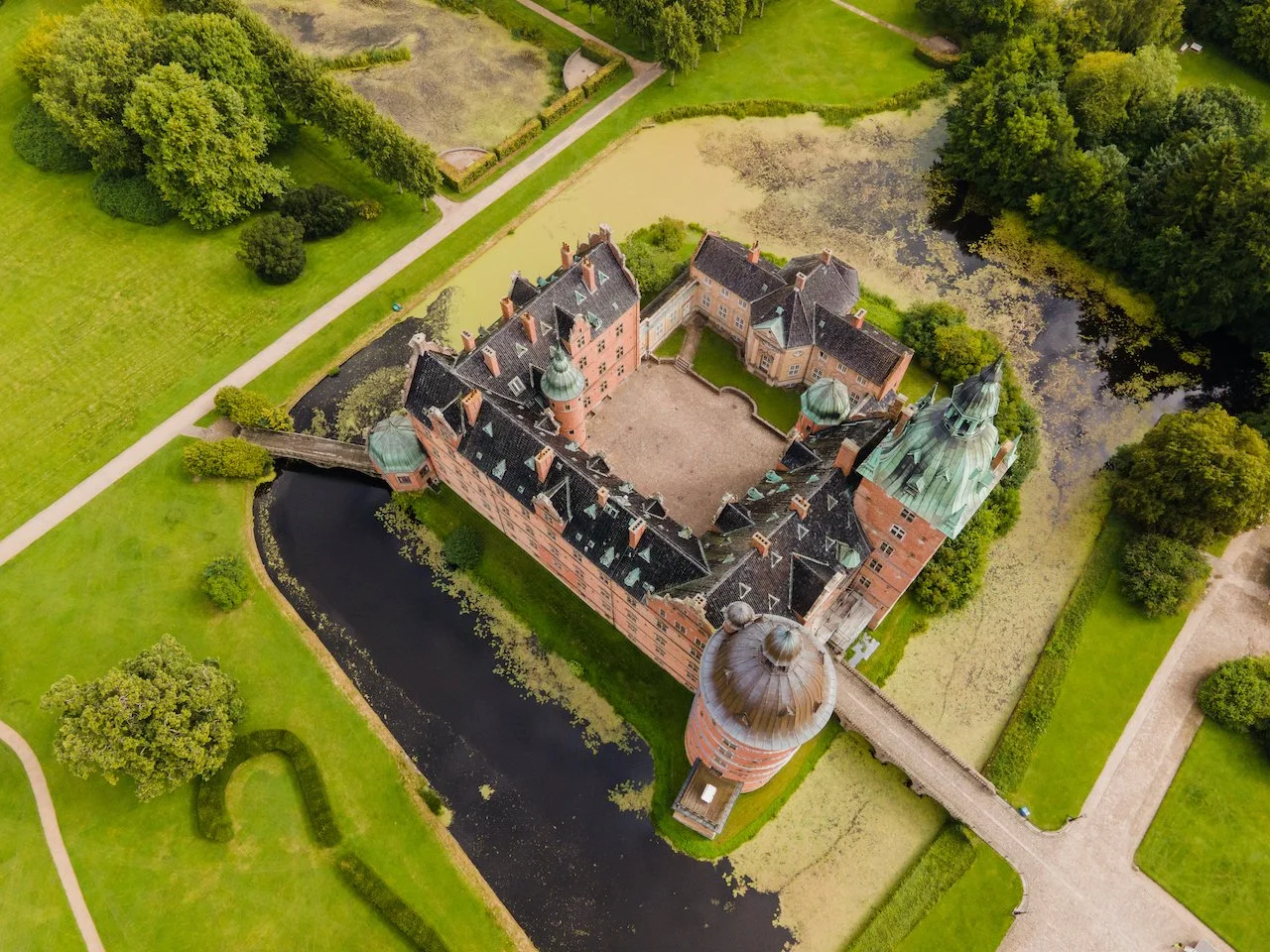
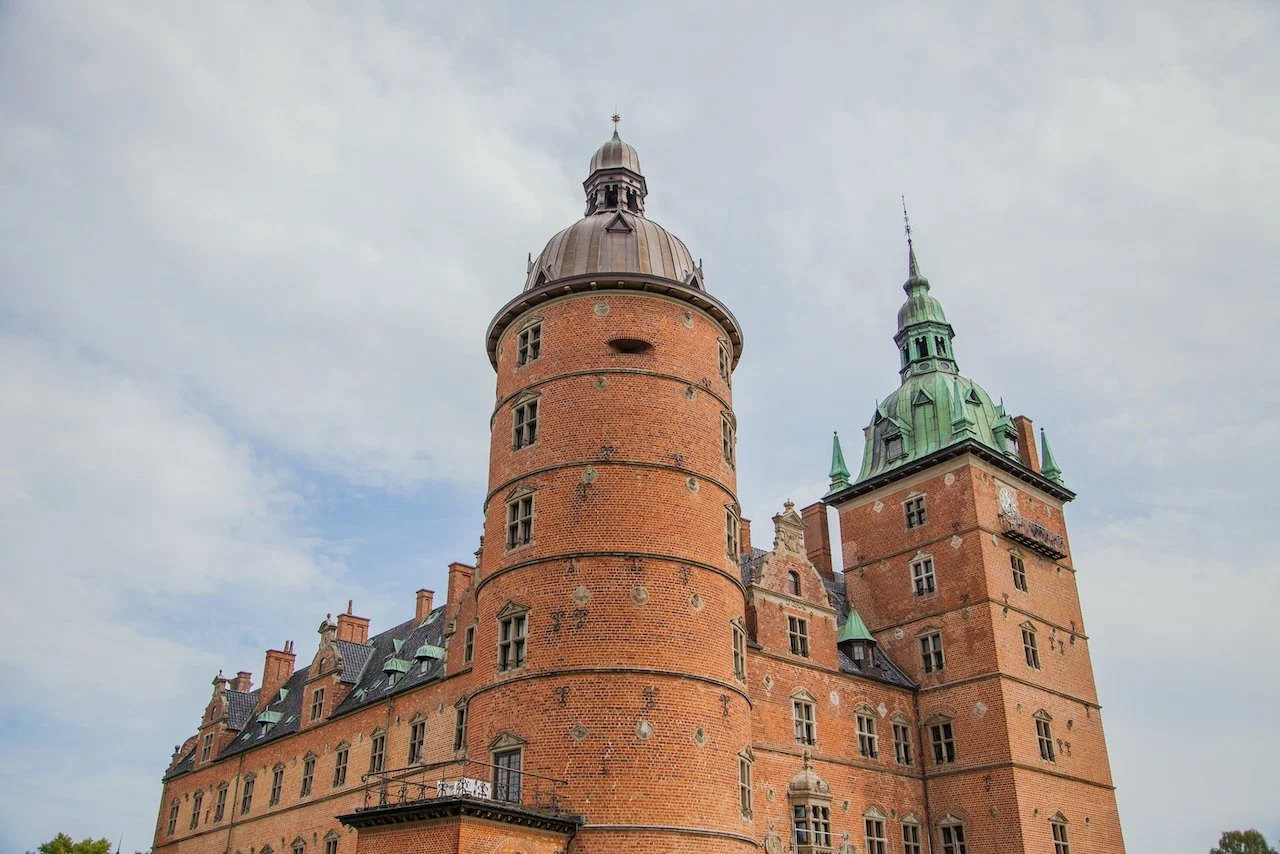
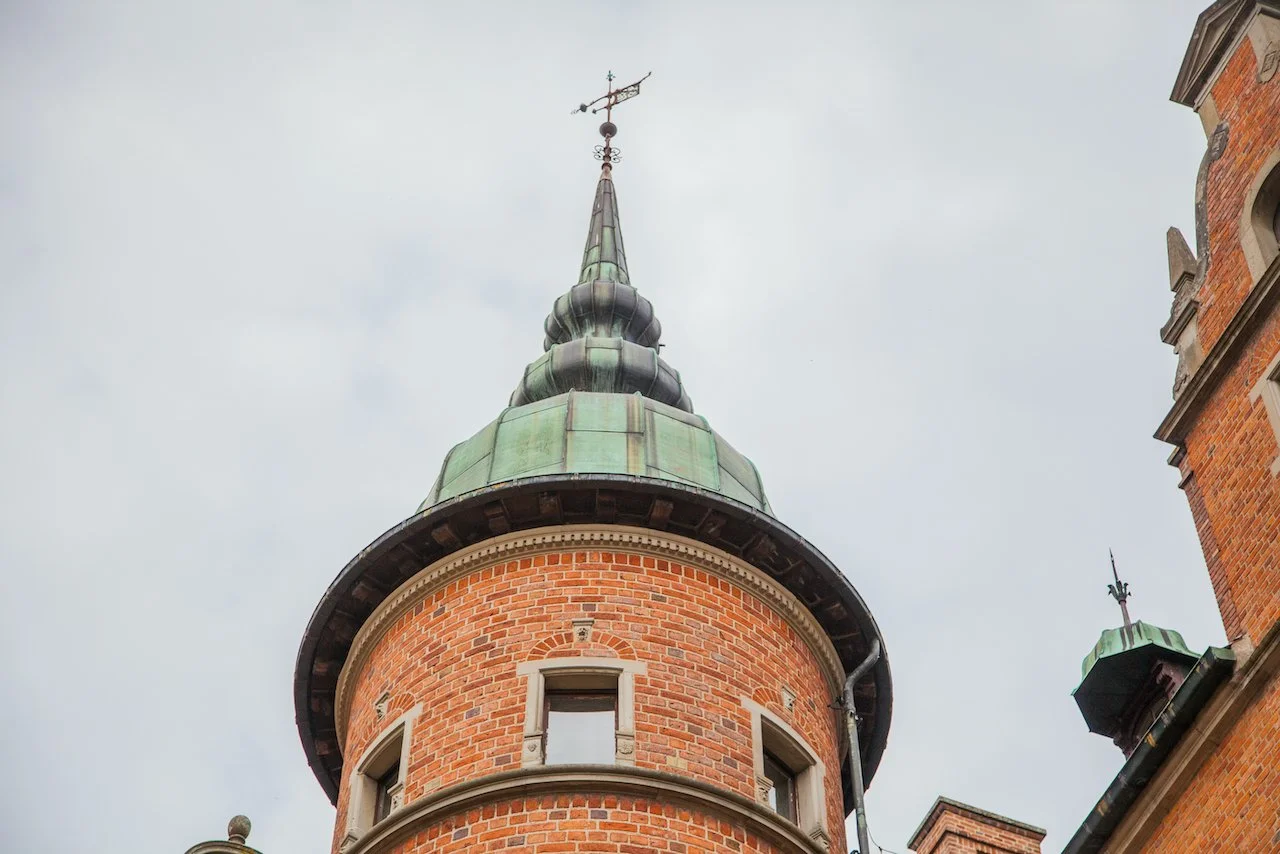
Vallø Castle
Vallø Castle, located in South Zealand, was completed in 1586 by Mette Rosenkrantz. The castle's architecture features two characteristic towers and is surrounded by a large forested estate. The history of the castle dates back to the 13th century, with significant additions in the 16th and 17th centuries.
Today, Vallø Castle remains a private residence and is not open to the public. However, the surrounding forest and parkland are accessible to visitors, offering scenic walks and a glimpse into the estate's history. The area is open year-round, with no admission fee. For more information, visit the official website.

What a majestic and amazing building. During our Summer 2023 trip to Italy, Rome was obviously a city we planned to see and explore. We got advance entry tickets to the Colosseum and marveled at the scale of the structure. Despite some parts of it falling into disrepair, it was still impressive how the entire arena is still standing. I had to take out my wide angle lens to capture as much of the building as I could.