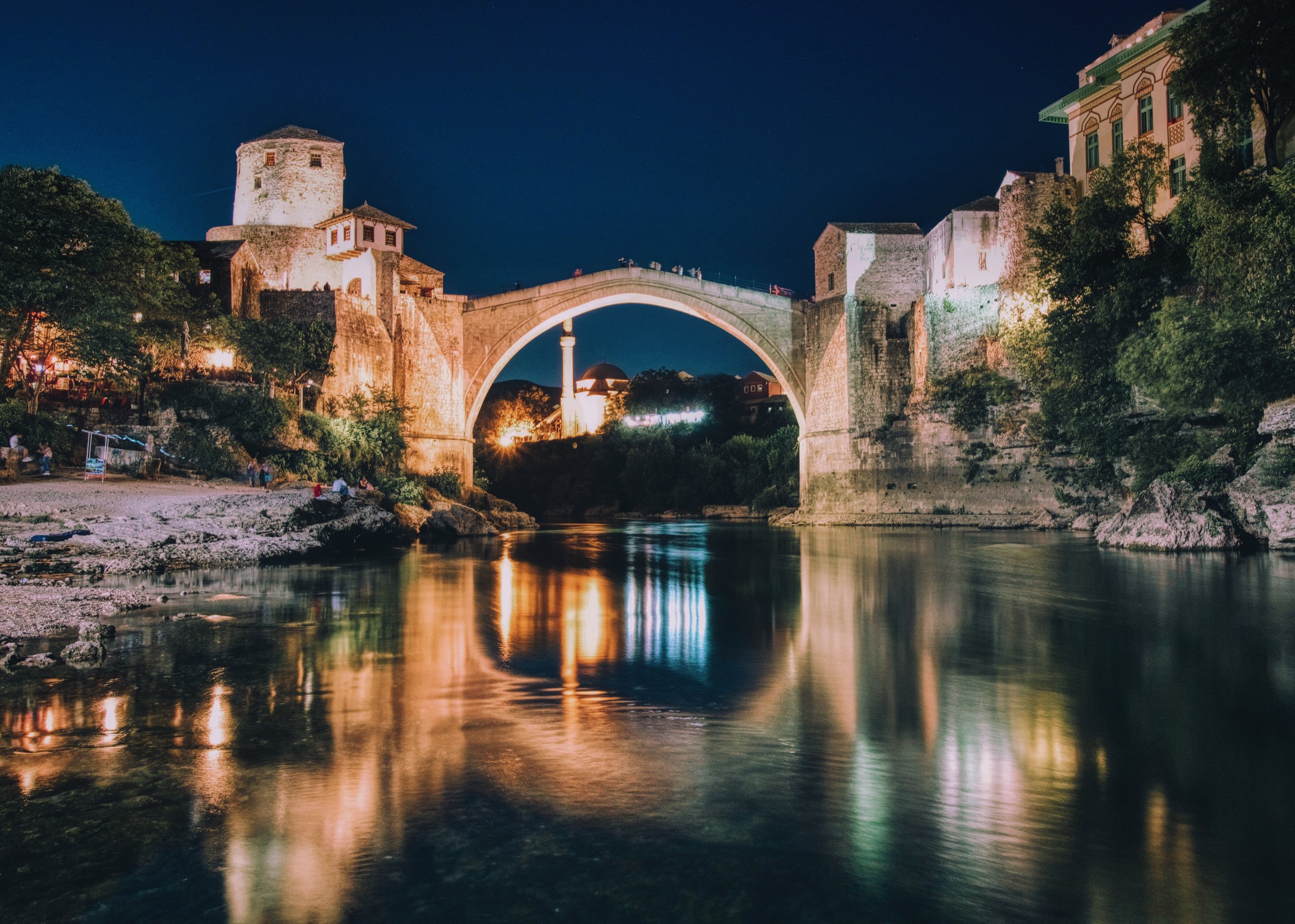
Stari Most Bridge, Mostar, Bosnia (ISO 400, 18 mm, f/10, 15 s)
(Some links in this post are affiliate links. If you click through and take action, I'll be compensated.) If you are also interested in any PRINTS from any of my posts, be sure to check out my store where you can buy prints as posters, in metal/wooden frames or on canvas.
If you find yourself in the Balkan peninsula and would like to see the lesser known sights, look no further than Mostar in Bosnia and Herzegovina. It’s close location to Croatia makes it easily reachable by bus from Split and the remnants of its very recent war are very much present within the city itself. Indeed it is considered the most heavily damaged city during the Bosnian War (1992-1995), which was catalysted by the breakup of the Yugoslavia republic. Arriving here by bus, and walking through the town, you can see windowless buildings riddled with bullet holes and ready to crumble, ruins from the siege of mostar itself and graffiti supporting the local football clubs.
What is perhaps most interesting about the football clubs here is that the sport transcends national politics and wartime history. The Mostar derby takes place between HSK Zrinjski (supported by the Croats on the west side of the Neretva river) and FK Velez (supported by the Bosniaks on the east). Religion splits the city across the river line. Schools have different curriculum and language of instruction, just across the river.
Mostar, Bosnia (ISO 100, 18 mm, f/10, 1/80 s)
The remnants of the most recent war are very much alive in this city. Make no mistake, Mostar is not to be missed or dismissed because of the most recent conflict, but should be understood and respected as a symbol for the resilience of the city to exist. You can find a Googlemap of the places I will discuss at the end of this post. Also, if you have more time in this part of the world, check out nearby Dubrovnik, Croatia (blog post here).
Mostar, Bosnia (ISO 100, 10 mm, f/10, 1/80 s)
Walking through the city center, you will most likely gravitate towards the Stari Most bridge. Although destroyed during the war in 1993, it was rebuilt as it previously was in its 16th century Ottoman style architecture. At the end of July every year, the bridge is the centerpiece of a diving competition and is now a perennial stop of the Red Bull Cliff Diving World Series.
Stari Most Bridge, Mostar, Bosnia (ISO 400, 10 mm, f/10, 5 s)
Diving from this 24 meter tall bridge into the cold waters of the river is usually reserved for professionals, however tourists have been konwn to jump as well (hard pass for me). There restaurants, cafes, and shops on both sides of the bridge, but I recommend grabbing a drink and heading down to the bank by the river to admire the bridge down by the water. Great photo spots to capture the bridge is well summarized here.
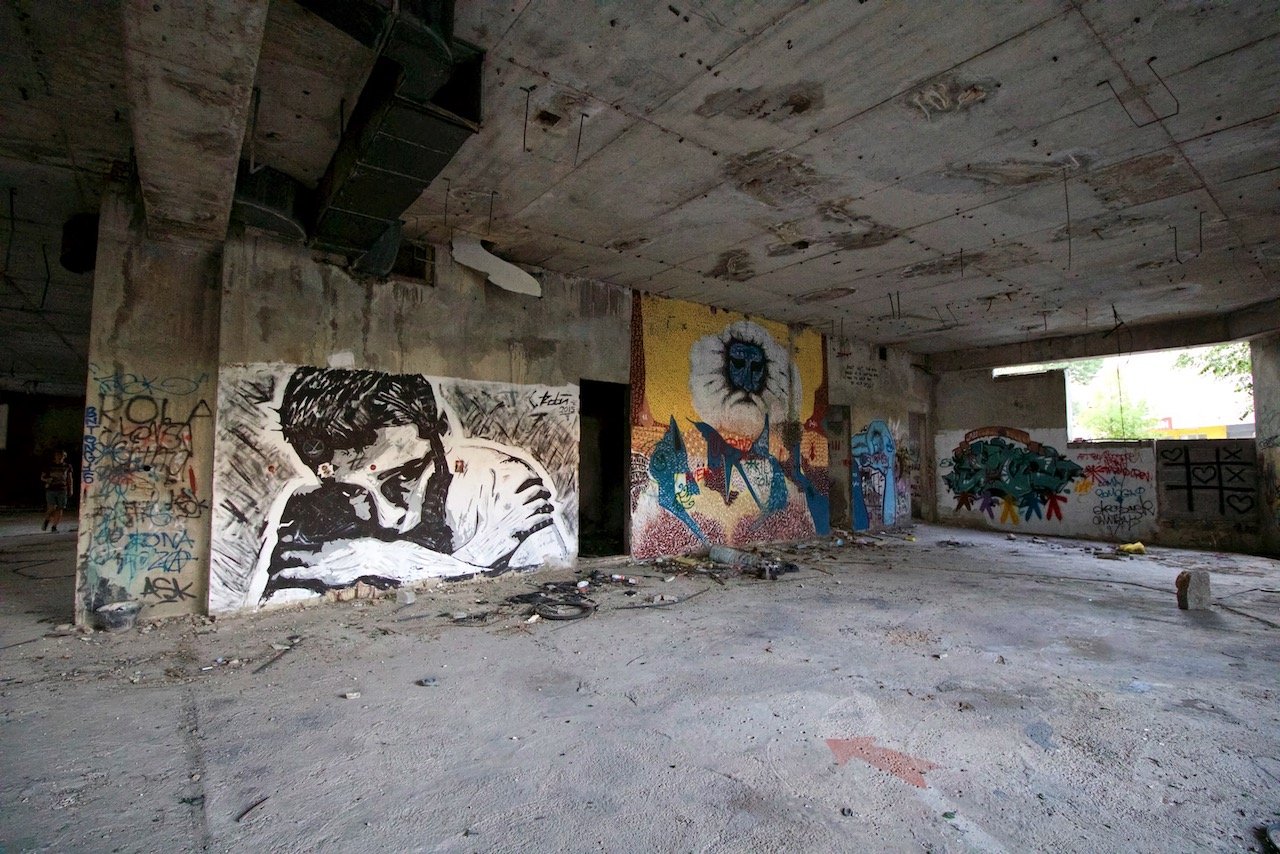
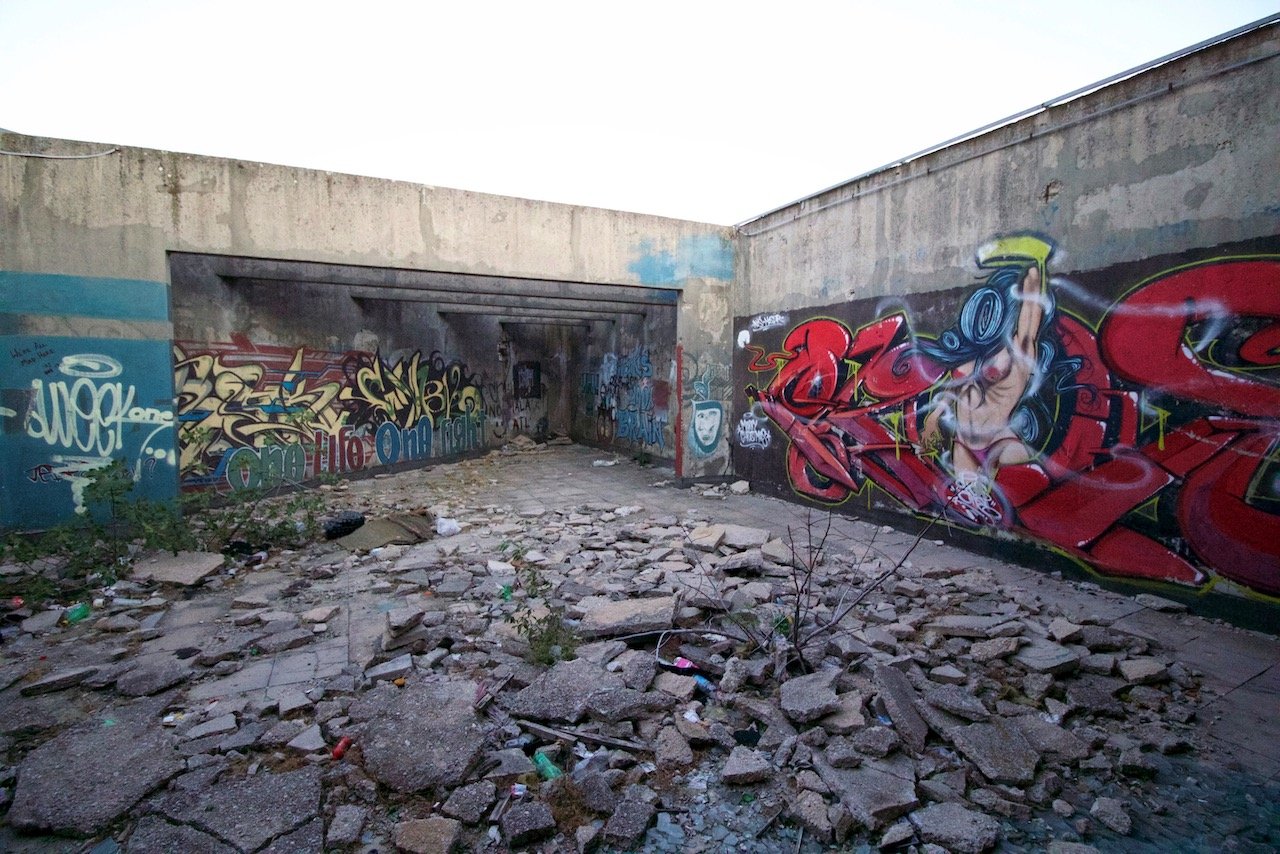
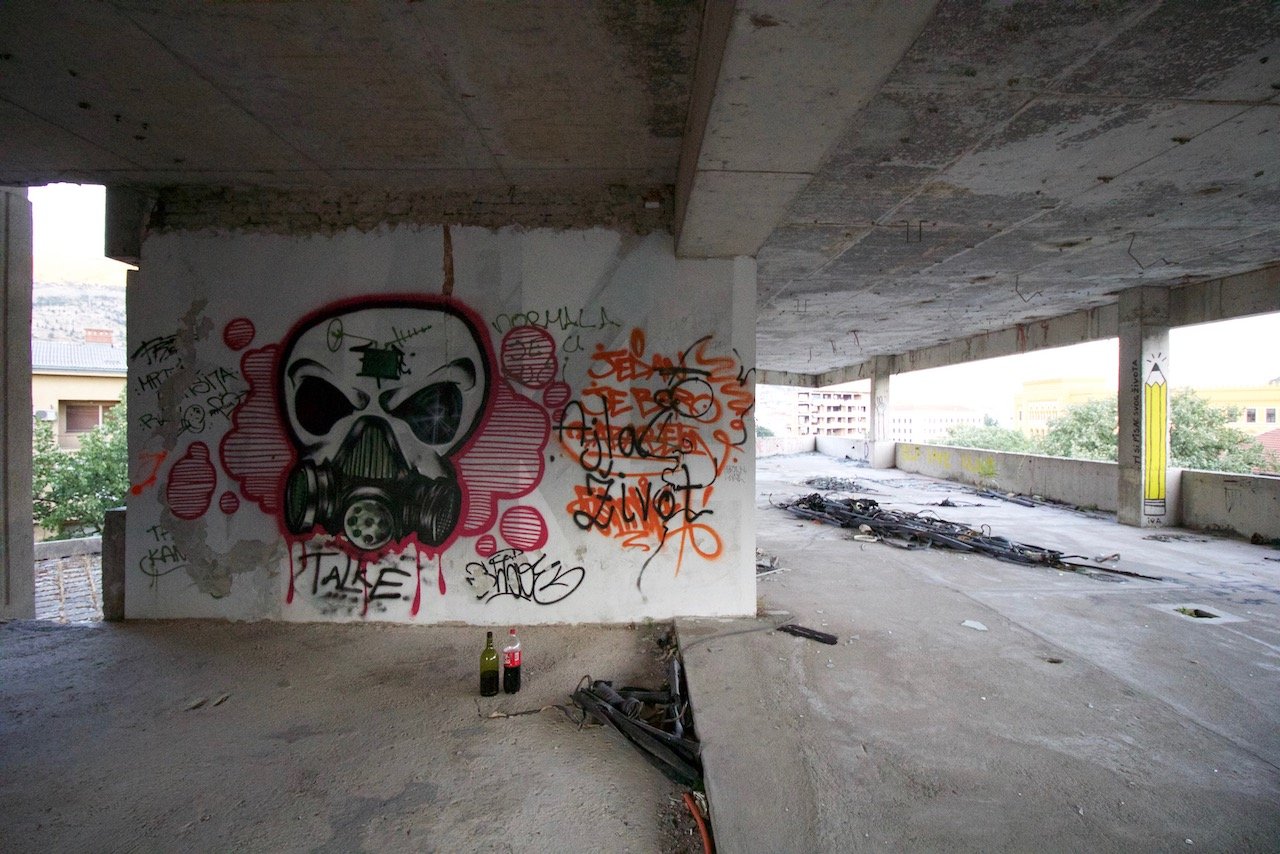
Mostar Sniper Tower, Mostar, Bosnia (ISO 6400, 10 mm, f/4.5, 1/80 s)
Mostar Sniper Tower, Mostar, Bosnia (ISO 6400, 10 mm, f/4.5, 1/1600 s)
Mostar Sniper Tower, Mostar, Bosnia (ISO 6400, 10 mm, f/4.5, 1/400 s)
The sniper tower of Mostar is an old run down derelict building on the west side of the river. Now it is blanketed in graffiti, broken glass, and exposed building materials. Finding it is rather easy, but you will have to circle the building once to find the best way inside (usually involves climbing over a wall). Once inside, make your way to the top for sunrise to get a great birds eye view of Mostar. It’s the perfect setting and view for a nice summer night and a great way to reflect on the city history.
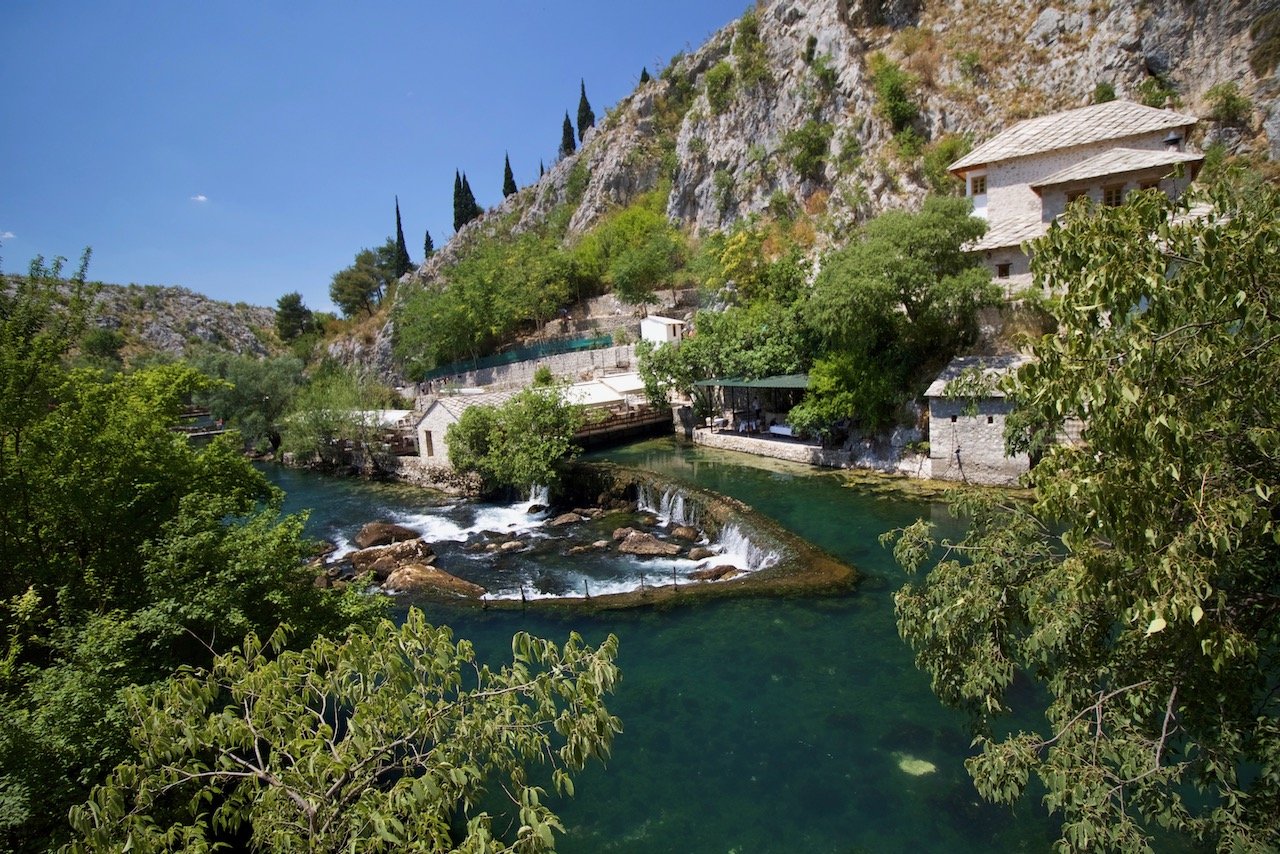
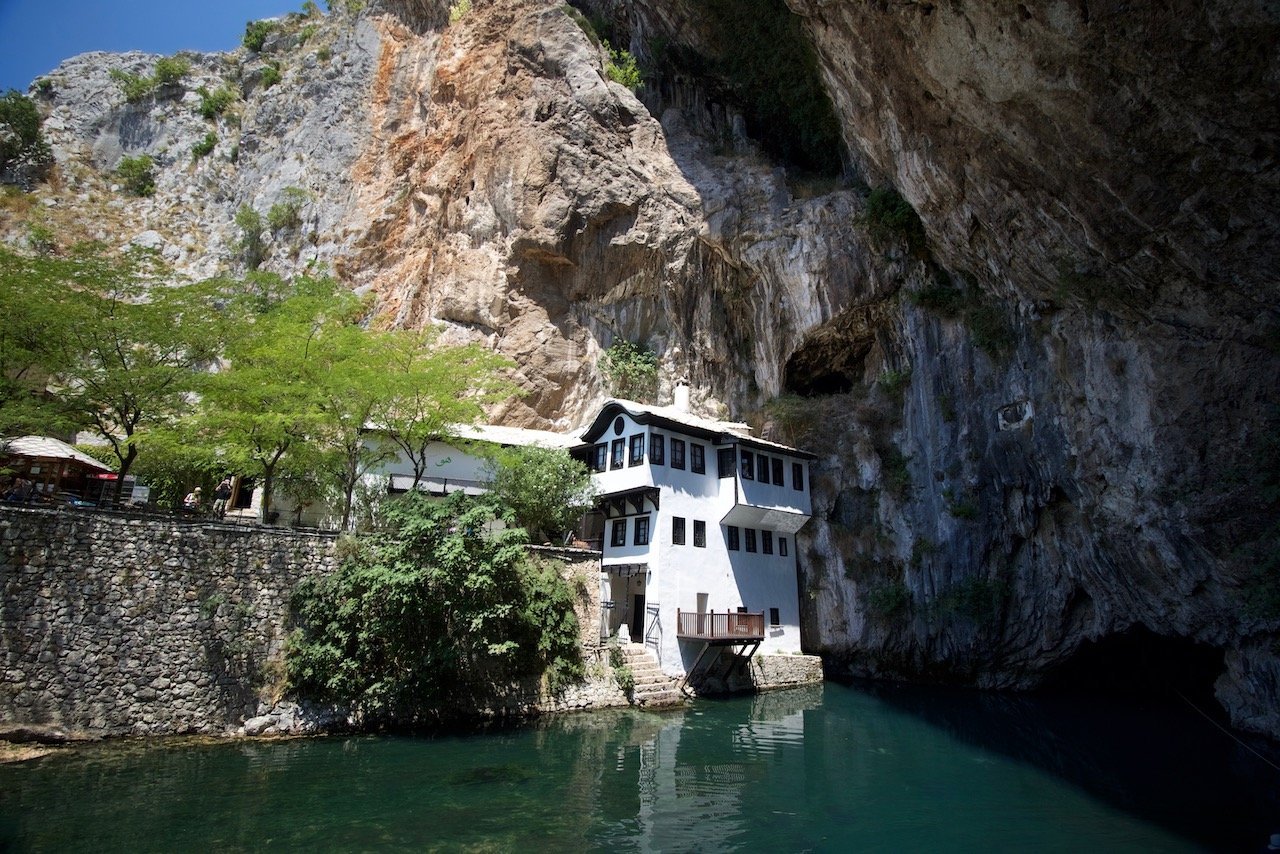
Blagaj Tekke Monastery , Mostar, Bosnia (ISO 200, 10 mm, f/5, 1/320 s)
Blagaj Tekke Monastery, Mostar, Bosnia (ISO 200, 10 mm, f/5, 1/250 s)
For an even higher view, hike towards the Millenium Cross on Hum Hill, which is viewable from any part of the city. A taxi here costs just a few euros but you can walk up to it as well. Bring lots of water, wear sunscreen, and stick to the main paths and roads as there is no shelter from the sun in the summer and there is still a risk of active mines in the area.
From here, you can hire a car or take a day tour to visit some of the nice areas around Mostar. Your first stop should most obviously be the abandoned airplane hangers just a few miles away. Used during the war conflict, they unfortunately no longer house any airplanes, but are chilling and fascinating to explore.
Down the highway is the village of Blagaj on the Buna river. The Blagaj Tekke is a Dervish monastery dating back to 1520. It is a perfect example of how buildings can be perfectly incorported into the natural landscape so seemlessly with some of the site embedded within nearby cliffs. For a small fee, you can enter into the monastery and read more about its rich history.
A bit further down the way, you will pass by the small but hard to miss village of Pocitelj. The hillside village is enchanting, and boasts its own citadel and mosque (Hajji Alija), with cobblestoned roads and footpaths with fantastic views along the Neretva river.
Mostar, Bosnia (ISO 800, 24 mm, f/5.6, 1/125 s)
The hike up to the Kula, or bell tower, takes some energy but the view is worth it.
The last stop to make is to see the Kravica waterfalls, popular for swimming and picnics. For photos, it’s best to go early in the morning before many people have arrived.
It’s most noted for its bright green hue in early spring time and is a great place to unwind after a long road trip or if you need a rest from the hustle of backpacking.
As far as food goes, with no dietary restrictions, grab some Cevapi, a type of kebab made of mincemeat, usually served in a bun. It’s simple but very delicious.
All in all, you will be glad you’ve seen this city and the surrounding area and will leave with a greater understanding of a tragic conflict that occurred during our lifetimes and understand the resilient spirits of the people here.
The Balkan Peninsula, or the Balkans, are a geographic area in Southern Europe, composed of countries with geographical and historical ties. The countries that make up the Balkans are generally noted to be Albania, Bosnia and Herzegovina, Bulgaria, Greece, Kosovo, Montenegro, North Macedonia, Turkey, Croatia, Serbia, Romania, and Slovenia.
Albania is located in Southeastern Europe, next to the Adriatic and Ionian seas, and share borders with Greece, North Macedonia, and Montenegro. Initially settled by Greek colonies, Albania became independent in 1912. As a developing country, it is an official candidate for European Union membership. My time here took me through Tirana, Shkodër, Theth, Berat, Vlorë, Borsh, and Gjirokaster.
Borsh is a small seaside village on the West coast of Southern Albania. Known for its olive oil production, it has become more prominent for tourism due to its pristine beach, the largest in the Ionian sea. The town will only become more prominent as tourist-related businesses start to invest in local infrastructure. The Lab dialect of Albanian is typically spoken by locals in the area.
Gjirokaster is a UNESCO World Heritage site, located in the South of Albania. It's name in Medieval Greek translates to 'Silver Castle'. The city's record dates it back to 1336, when it was part of the Byzantine Empire. It is the birthplace of Enver Hoxha, the former communist leader. Above the city sits Gjirokaster Fortress and its old town has been recognized for its intact Ottoman influences.
Berat is a UNESCO World Heritage site, located in the South of Albania. Due to its existence across many times and civilizations, the city comprises many unique styles of architecture and influences. Its origins date back to the 7th century BC. it is often called the 'Town of a Thousand Windows' with notable landmarks such as Berat Castle, Gorica Bridge, and St. Michael's Church.
Theth is a small village in Northern Albania, located two hours from the large city of Shkodër. Home to the Theth National Park, Theth itself is classified as a protected historical center. A few of the main attractions of Theth that can't be missed include the Blue Eye of Theth, the Grunas Waterfall, and the Catholic Church of Theth.
Shkodër, regarded as the traditional capital of Northern Albania, is the 5th largest city of the country. It was created as the Capital of the Illyrian kingdom under the name Skodra. The history of Shkodër is storied, with origins in the Bronze Age coupled with Roman, Serbian, and Ottoman influences. Notable sights to see include Rozafa/Shkodër Castle and the Ebu Bekër Mosque.
Athens is one of the world's oldest cities and is the capital city of Greece. As a historical center for the arts, learning, and philosophy and current economic center in the Aegean, it is considered a Beta-status Global city. It is also known for its natural treasures and artefacts from the Classical Era. These includes the Acropolis, the Parthenon, Erechtheion, and the Temple of Hephaistos.
Tirana is the capital city of Albania, founded in 1614, and has been inhabited since the Iron Age. It was part of the Roman Empire, and subsequent Byzantine Empire, and is today considered a Gamma World city. The city is fast growing and displays both traditional and modern influences. Notable landmarks include the Pyramid of Tirana, Archaea Tower, Bunk'Art Museum, and the Namazgah Mosque.
Kotor is known for its fortified city walls, nestled in a river canyon below limestone cliffs. This city in Montenegro has become a popular destination in recent years and is worth the trip! Be sure to head on over this way to check out Kotor sights like Forts Škaljari, Trojica, Gorazda, and Šanik, San Giovanni Castle, and Church of Our Lady of Remedy and St. Nicholas Church, just to name a few.
Chernobyl is an infamous area, known for the nuclear meltdown it experienced in 1986. The town of Pripyat, just 3 miles away, experienced the devastation of this accident, and to this day is a ghost town. Book a tour of this city and see the abandoned buildings of Hotel Polissya, Prometheus Cinema, and Avangard Stadium. The Duga Radar and Containment Zone are also popular stops.
The picturesque town of Budva in Montenegro sits on the Adriatic Sea and is around 2,500 years old. Its high city walls and orange rooftops make it a welcome sight for travelers looking for an old town feel. Make your way to Budva and check out places like the Citadela Fortress, Sveti Nikola Island, Jaz Battery, Fort Mogren and Pizana and Mogren Beaches!
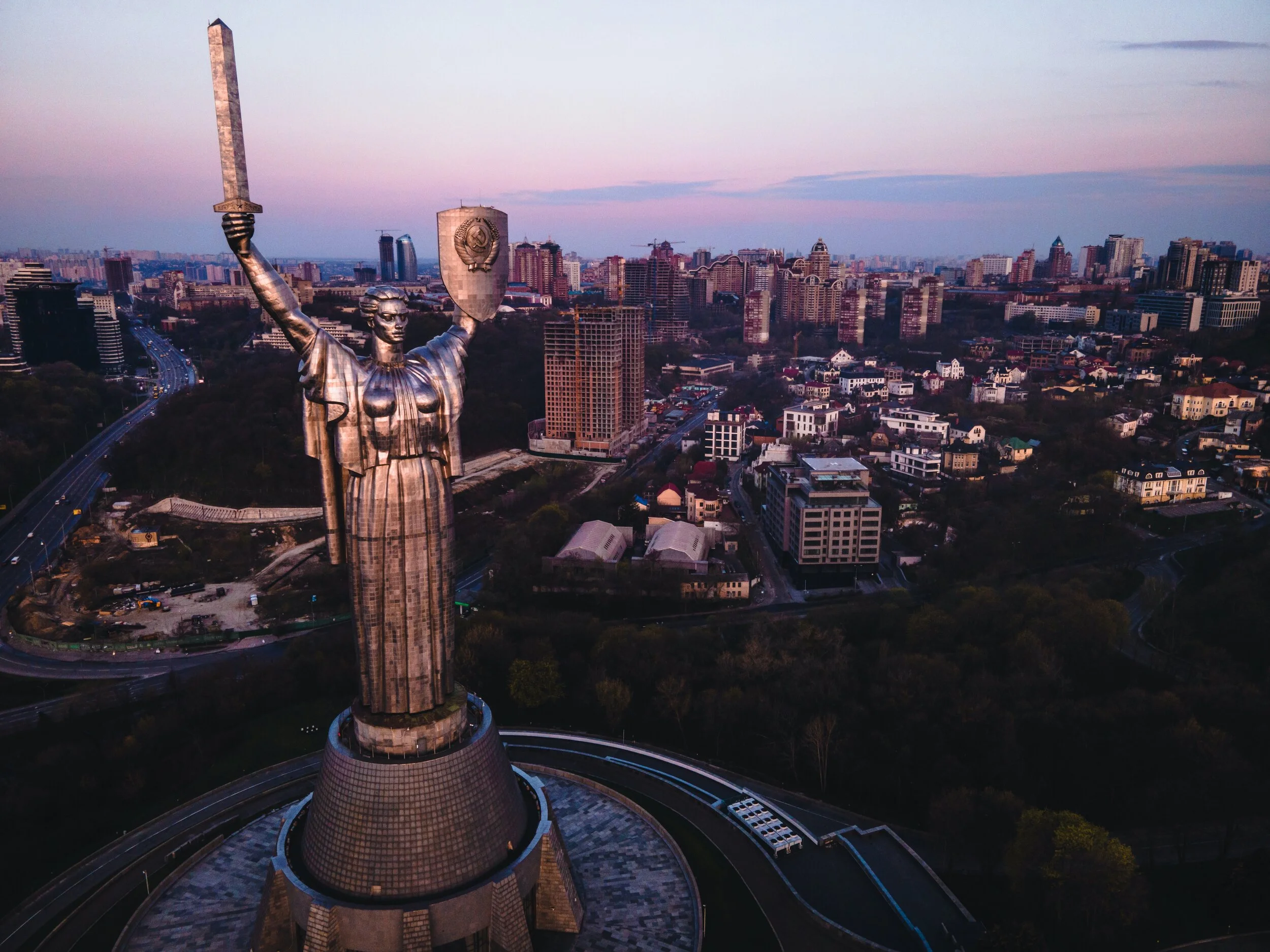
Kiev (or Kyiv), Ukraine surprised me in many ways. So many churches to see: St. Andrew's Church, St. Michael's Gold-domed Monastery, St. Sophia's Cathedral, and Kiev Pechersk Lavra. Great historical monuments like the Motherland Monument. And awesome neighborhoods like Vozdvyzhenka Barrio, Andriivs'kyi descent, and Park Landscape Alley. If you have the time, a day trip to Chernobyl is a must!
Sofia in Bulgaria possesses a treasure trove of churches, cultural monuments, and even ruins of the ancient Roman city of Serdica. Take a weekend break to check out places like Vitosha Blvd, Alexander Nevsky Cathedral, St. Sofia Church, Church of Sveti Sedmochislenitsi, The Largo, Sofia History Museum, and St. Kyriaki Cathedral Church (among other places).
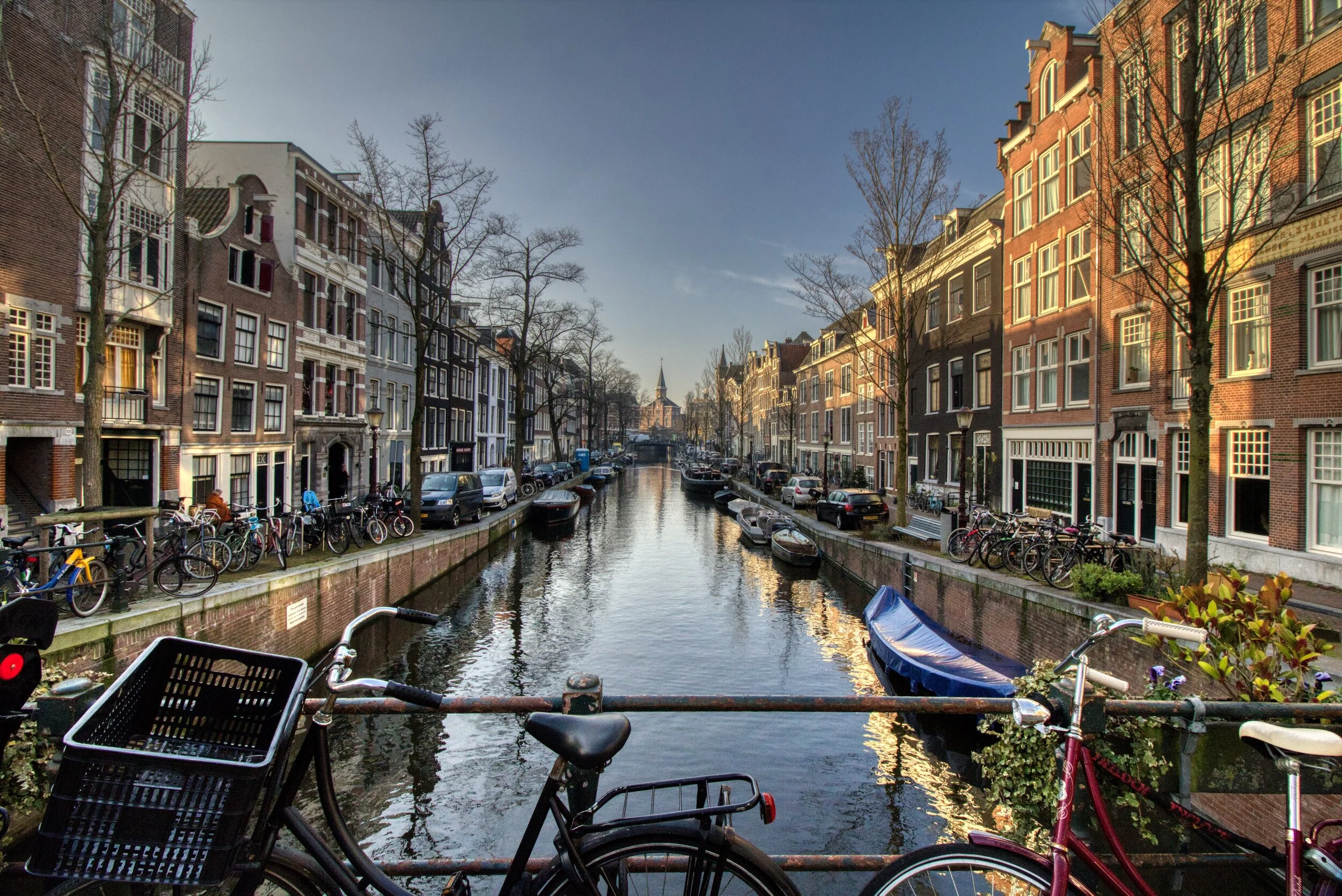
Sometimes when you plan a trip, you have to deal with a longer than normal layover in a different city. This can be a blessing! I have highlighted five such layovers you can build into your trip itinerary to get the most from your trip (KLM - Amsterdam, Emirates - Dubai, British Airways - London, Turkish Airlines - Istanbul, IcelandAir - Reykjavik).
As the only city located on two continents (Europe and Asia), you could say Istanbul is double the fun. The attractions of this city are endless: Topkapi Palace, Blue Mosque, Hagia Sophia, Galata bridge and tower, Taksim Square, Grand Bazaar, Basilica Cistern, and the Maiden's Tower are a great way to get started to discovering the identity of this amazing city.
Mostar is quietly becoming a more popular destination in the Balkan Peninsula. Perhaps what is most striking is the iconic Stari Most bridge. Book a day tour and you can also see other landmarks like the Millennium Cross on Hum Hill, the Dervish Monastery at Blagaj Tekke, the village of Pocitelj, and the Kravica waterfalls.
Dubrovnik is quickly becoming one of the best summer destinations in all of Europe. This walled city with orange-shingled rooftops may be recognizable from TV shows but here you can also go kayaking around the walls at Kolorina, go hiking on Srd Hill, swim at Poporela, go shopping on Stradun St., and hang out with new friends on the Jesuit Staircase.
The Balkan Peninsula, or the Balkans, are a geographic area in Southern Europe, composed of countries with geographical and historical ties. The countries that make up the Balkans are generally noted to be Albania, Bosnia and Herzegovina, Bulgaria, Greece, Kosovo, Montenegro, North Macedonia, Turkey, Croatia, Serbia, Romania, and Slovenia.