
Why Tallinn, Estonia is a hidden gem in the Baltics
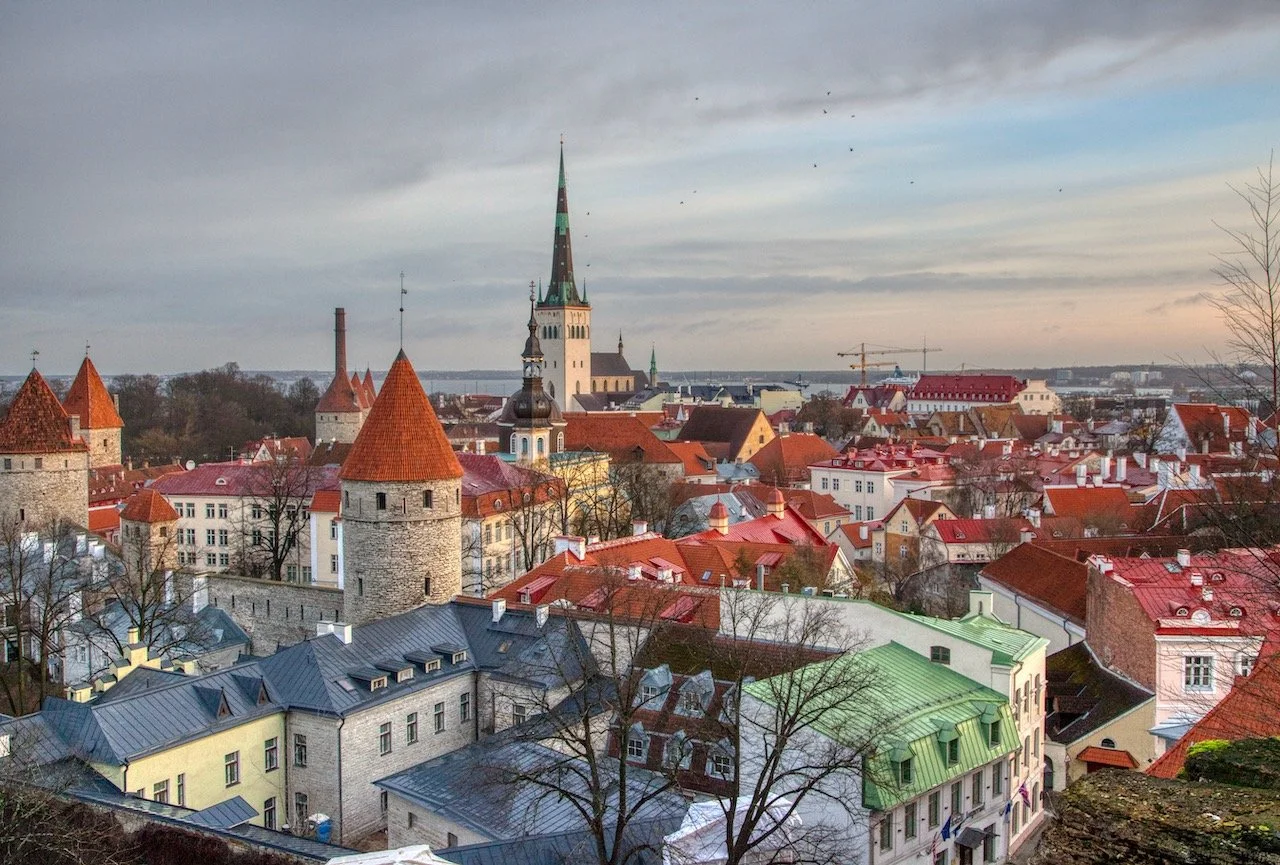
Old Town, Tallinn, Estonia (from Patkuli viewing platform) (ISO 2000, 32 mm, f/8, 1/320 s)
(Some links in this post are affiliate links. If you click through and take action, I'll be compensated.) If you are also interested in any PRINTS from any of my posts, be sure to check out my store where you can buy prints as posters, in metal/wooden frames or on canvas.
I find the history of Estonia to be quite fascinating. A relatively young country which fought for its independence from Soviet Russia, and were successful in 1920, was then subjected to occupation by the Soviets during the second World War. Furthermore, when the Germans turned against the Soviets during that time, the country was ground zero for fights between both sides with Estonians caught in the middle, being forcibly drafted into both armies at different points in the war. Finally, the Singing Revolution was initiated with the introduction of Perestroika, that restored the independence of the nation of just over 1 million people.
Today, Estonia is among the fastest growing countries in the EU, with it’s highly-developed advanced economy, high position on the Human Development Index, and one of the most digitally advanced societies. The capital of Tallinn is located on the northern coast of the country along the Gulf of Finland.

Tallinn, Estonia (from Kohtuotsa viewing platform) (ISO 2000, 22 mm, f/2.8, 1/3200 s)
To get here, you can take a flight directly into the capital (Airport code: TLL), take a bus from southern neighbor Latvia, or a ferry across the Gulf of Finland from Helsinki. Some people do day trips to Tallinn from Helsinki, but a couple of days are recommended in the Estonian capital to get the most of out of your visit.
You can find a Google map of the places I will discuss at the end of this post. If you do decide to explore Helsinki for a day by ferry, check out my blog post here on what to see in the Finnish capital.
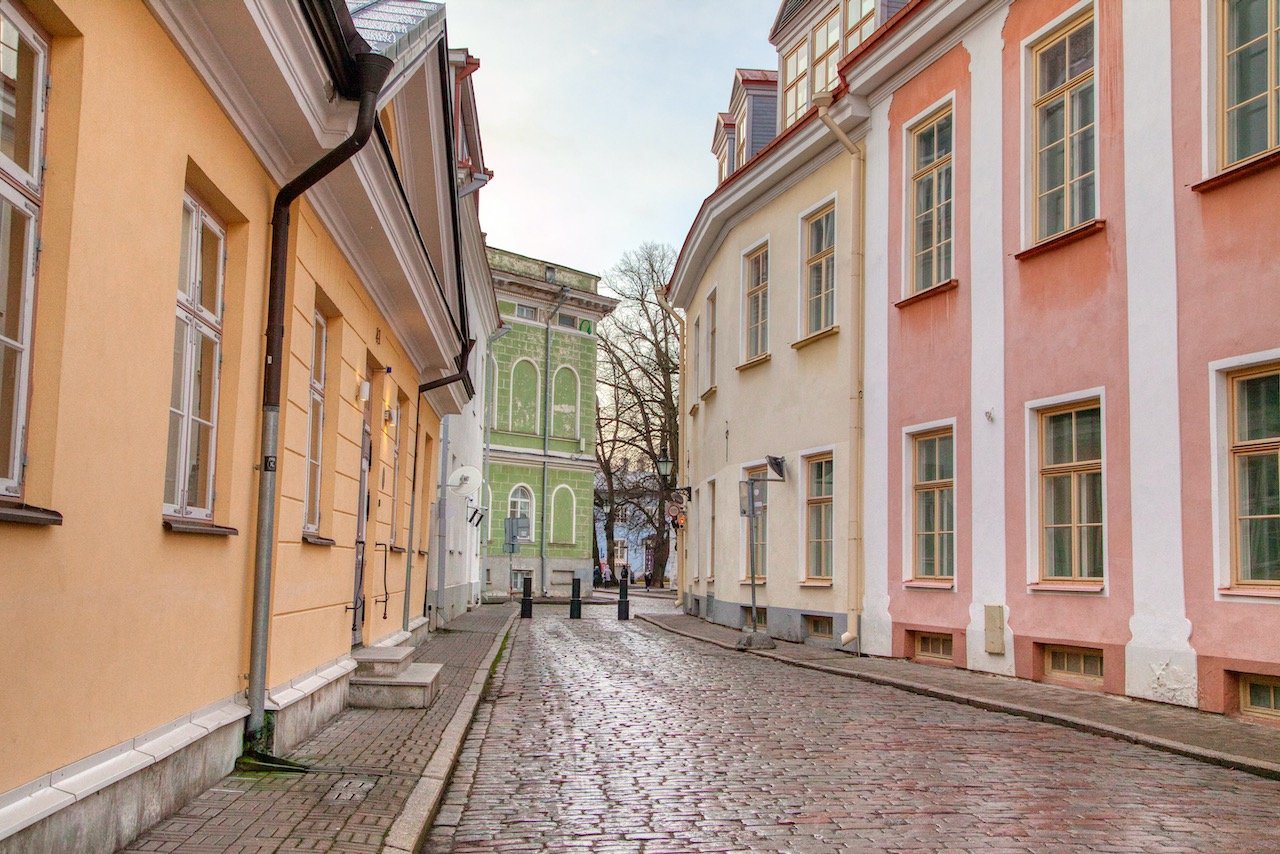
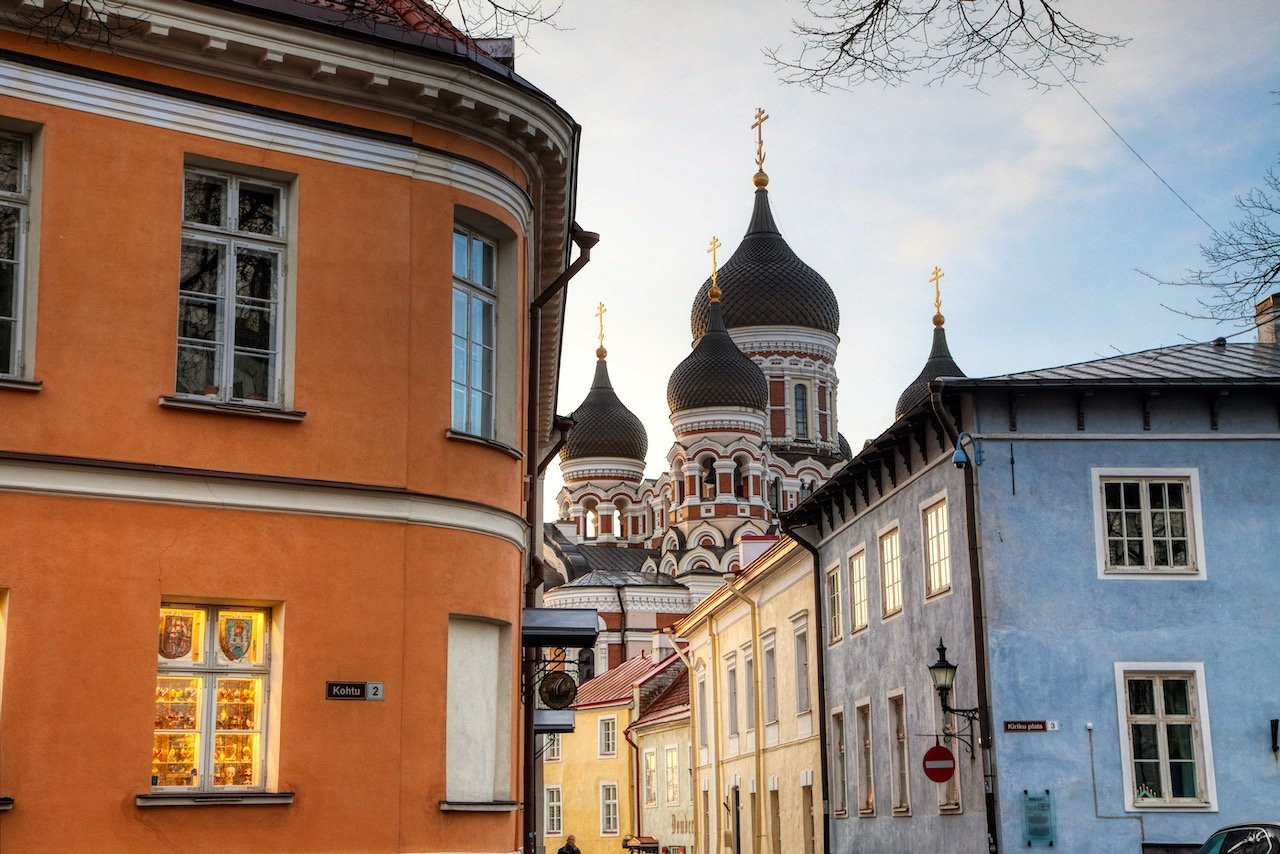
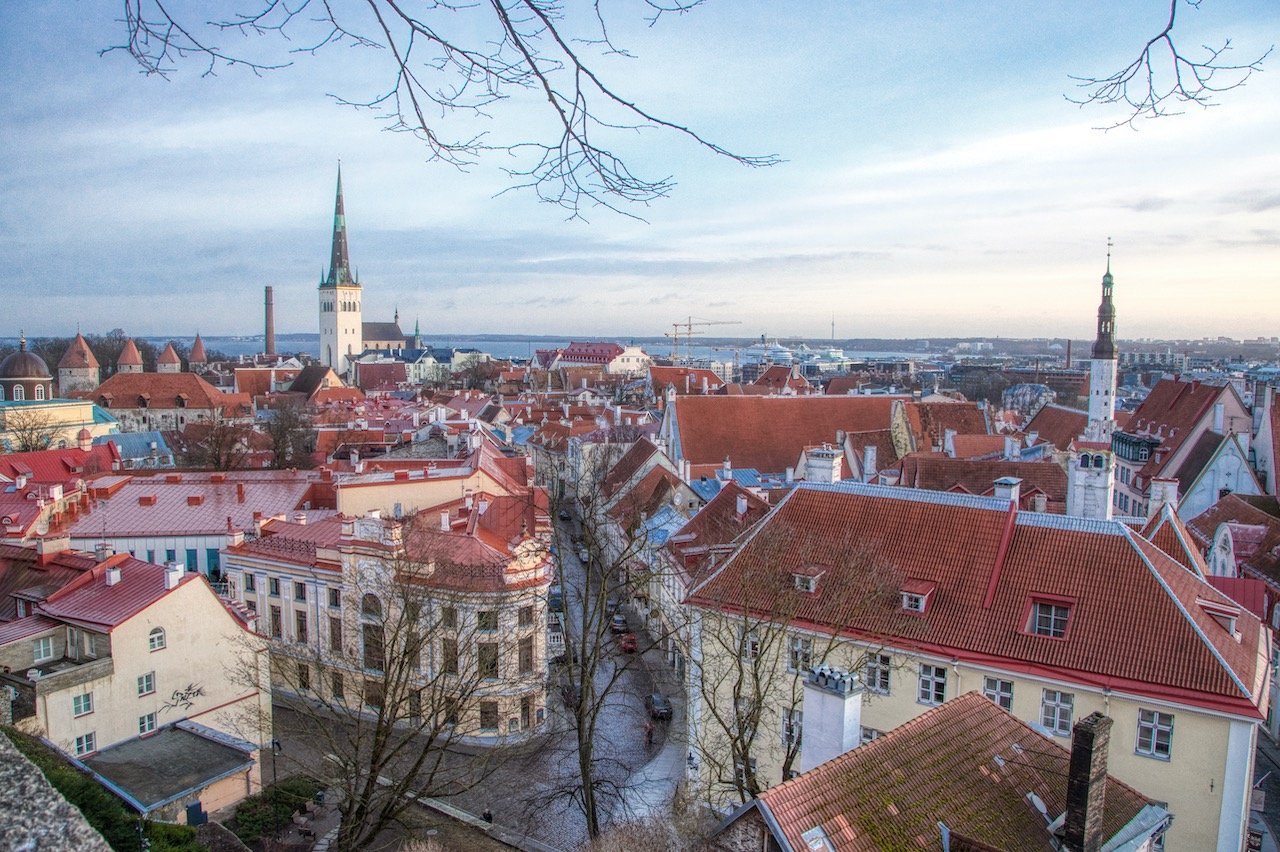
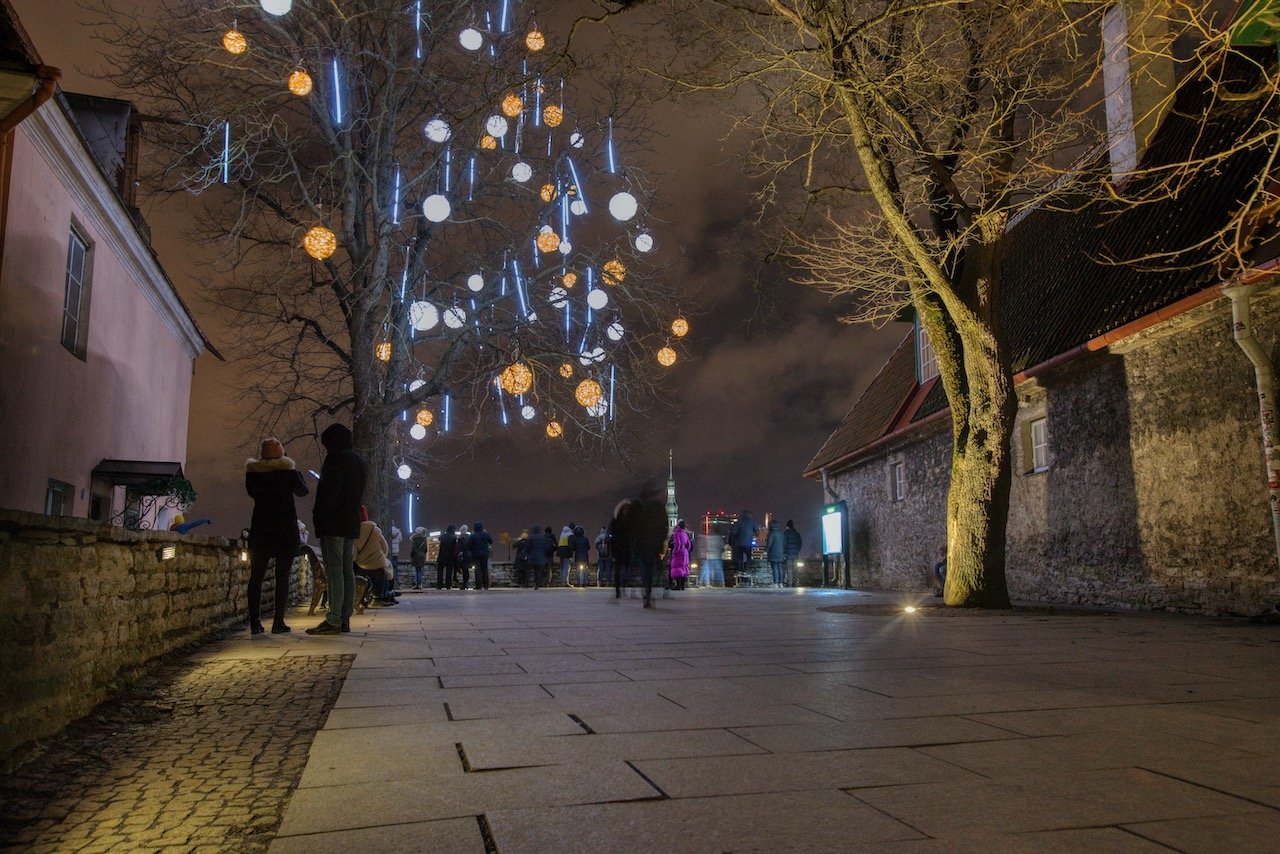
The main draw of Tallinn has to be the old town. Here you’ll find alleyways flanked by pastel colored buildings, eventually leading you to a variety of viewing platforms with different perspectives of the city below. There are two platforms in particular:
Kohtuotsa viewing platform - the most popular spot, containing viewing binoculars and often decorated during the cold winter months.
Patkuli viewing platform - just around the corner and between the two is an excellent bar called Fersen, serving beer and mulled wine, perfect when it’s below zero outside.

Kiek in de Kök Museum, Tallinn, Estonia (ISO 2000, 32 mm, f/8, 1/1250 s)
Also in the old town is the Alexander Nevsky Cathedral, named after the saint of the Russian Orthodox church. There are actually several Alexander Nevsky cathedrals in the world, one here in Tallinn, as well as Sofia, Moscow, Belgrade, Warsaw, Baku, and Paris. The architecture of the building is stunning and as such is located within old town Tallinn as well.
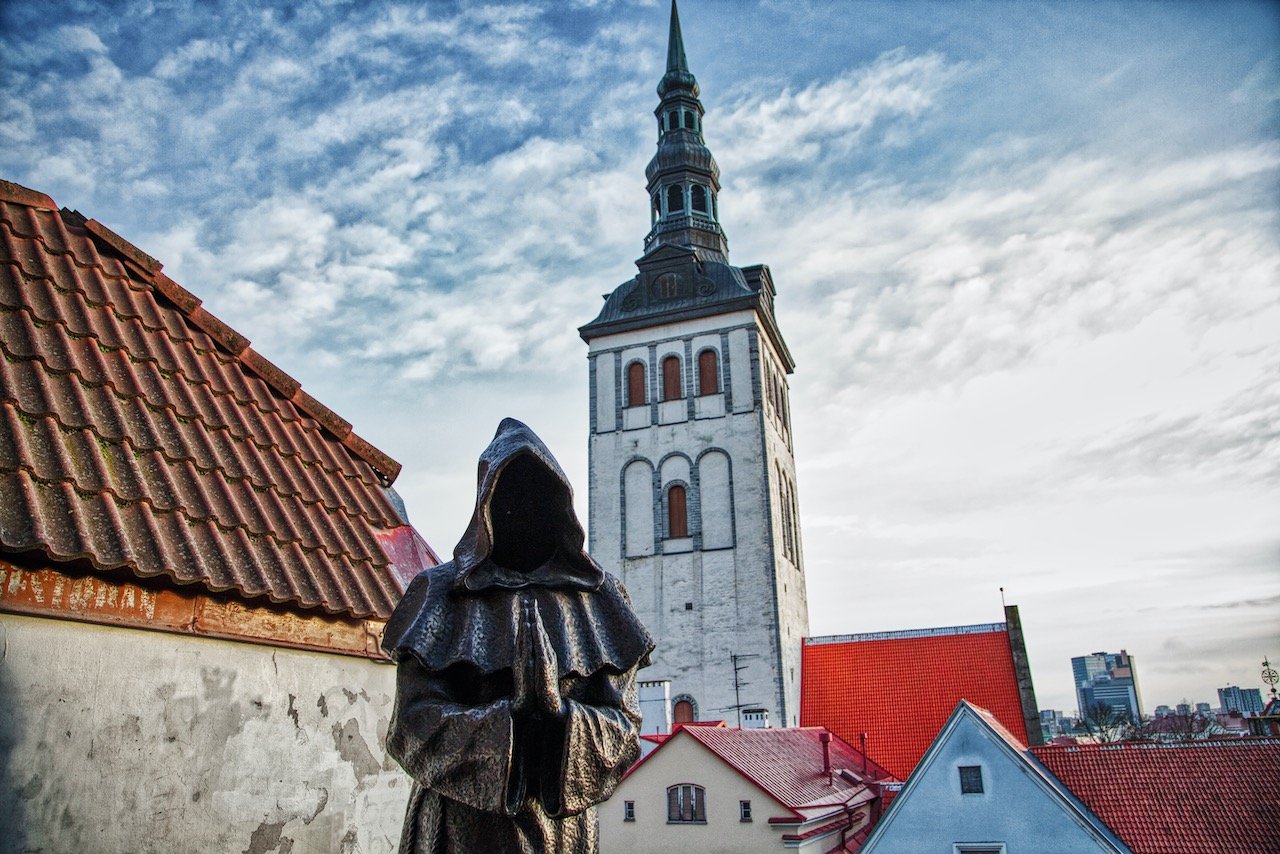
Monk Statue, Tallinn, Estonia (ISO 2000, 24 mm, f/4, 1/800 s)
Just nearby is the Kiek in de Kök artillery tower, though no longer used for warring purposes, it is now a museum and photographic gallery. The name itself translates to ‘Peep in the Kitchen’, since it’s higher elevation allowed occupants to see into the kitchens of nearby residents. Also around here is the Danish King's Garden. This area is home to three statues of cloaked individuals, or monks as they are referred to. Aside from being a little creepy, they add to the allure of the setting and are great for photographs.
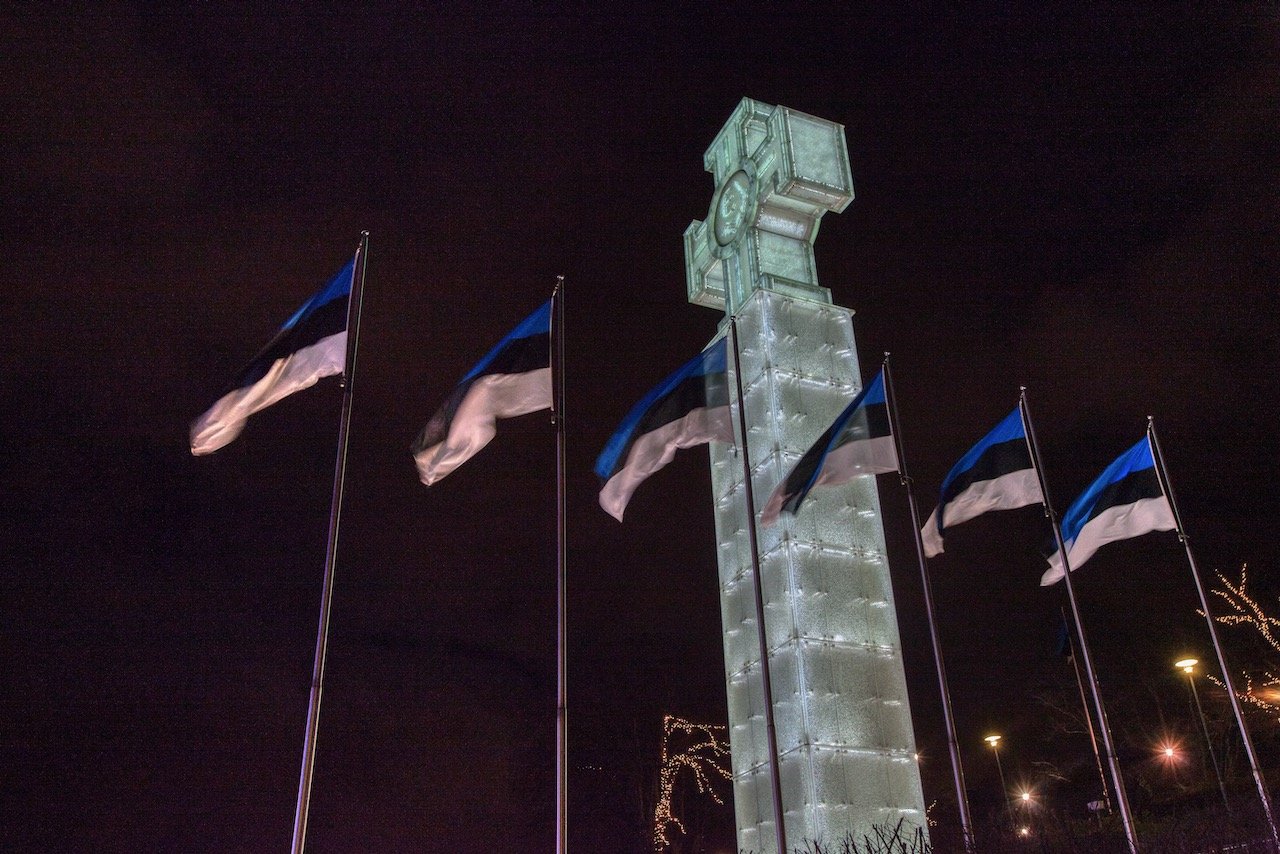
Victory Column, Tallinn, Estonia (ISO 3200, 32 mm, f/8, 1/13 s)
At the southern end of the Tallinn old town is Freedom Square, home to the Victory Column which commemorates the Estonian War of Independence from 1918-1920. Interestingly, the column is modeled after the Cross of Liberty, the nation’s most distinguished decoration that can be bestowed upon a citizen. Now, it is the site of military parades and concerts in the Estonian capital.
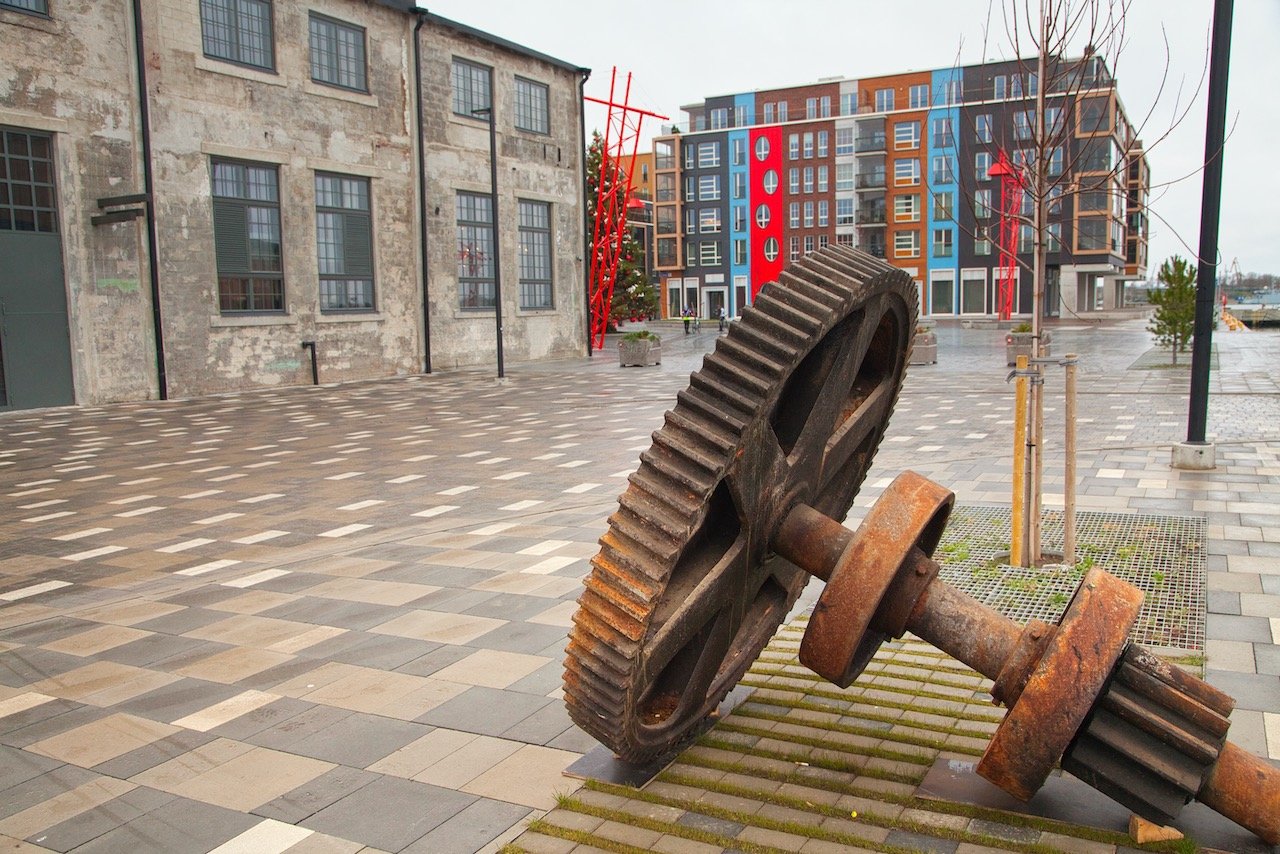
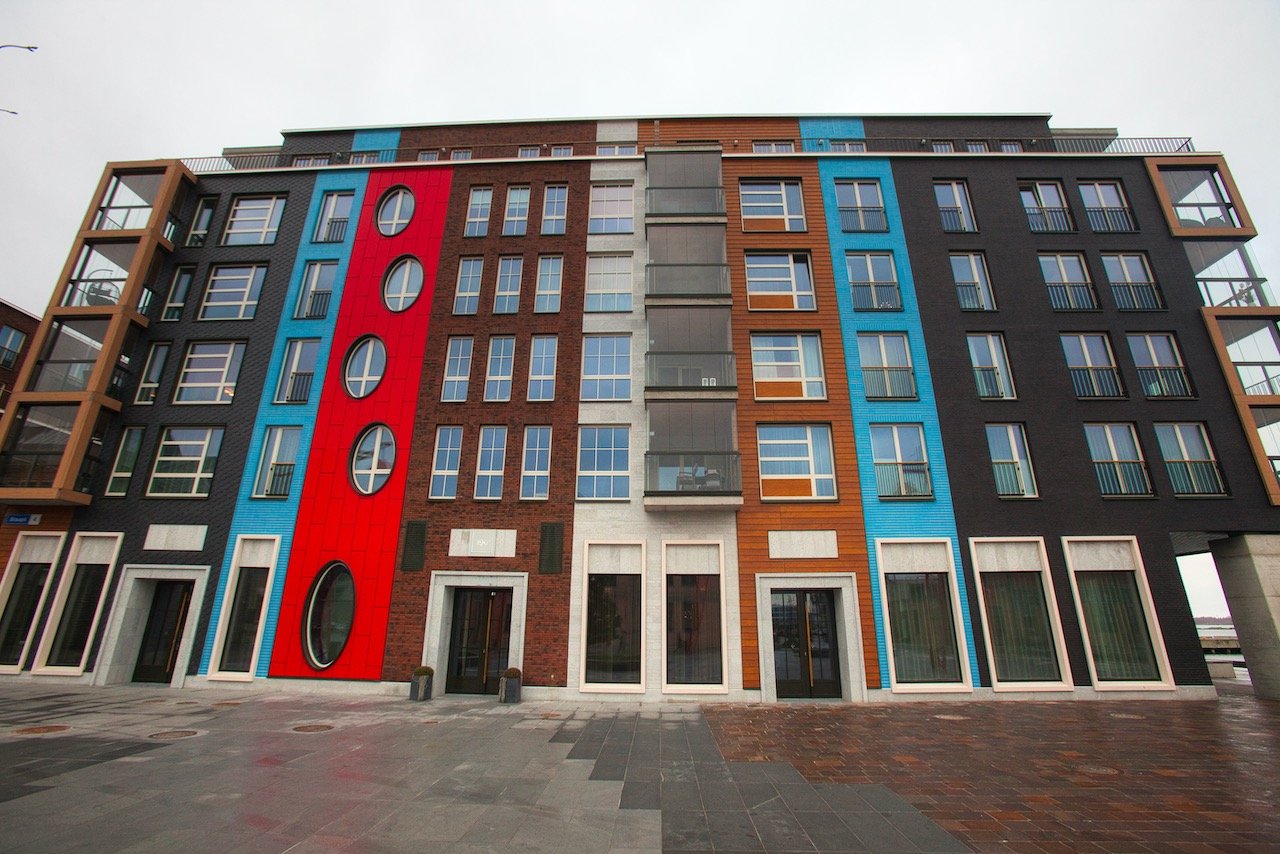
Getting away from the Old Town, Tallinn has a few other great attractions to take in. If you make your way Northwest from here towards the coastline, you will find an area that has been revitalized in recent years called Kalamaja (walkable or accessible by tram), known for its colorful wooden houses.
Specifically, Noblessner, an artsy district with:
Art galleries (Staapli 3 Art Gallery, Kai Art Center)
A brewery (Põhjala Brewery)
A technology factory/museum (PROTO)
A Seaplane Harbor Maritime Museum and a Technoclub HALL.
Nearby here is a nice coffee shop about a 10 minute walk away called Oivaline Tervislik Tort. Recharge your batteries here over food and coffee before heading back to the Old Town.
If you enjoy pastries, look no further than RØST in the city center. It’s a small bakery with limited seats so try to avoid going during peak times. Once you arrive, the smells will welcome you as the kitchen is fully exposed to all of the guests. I’m always partial to kardamom rolls myself but they have a variety of rolls for your enjoyment.

Kadriorg Palace, Tallinn, Estonia (ISO 1600, 45 mm, f/8, 1/500 s)
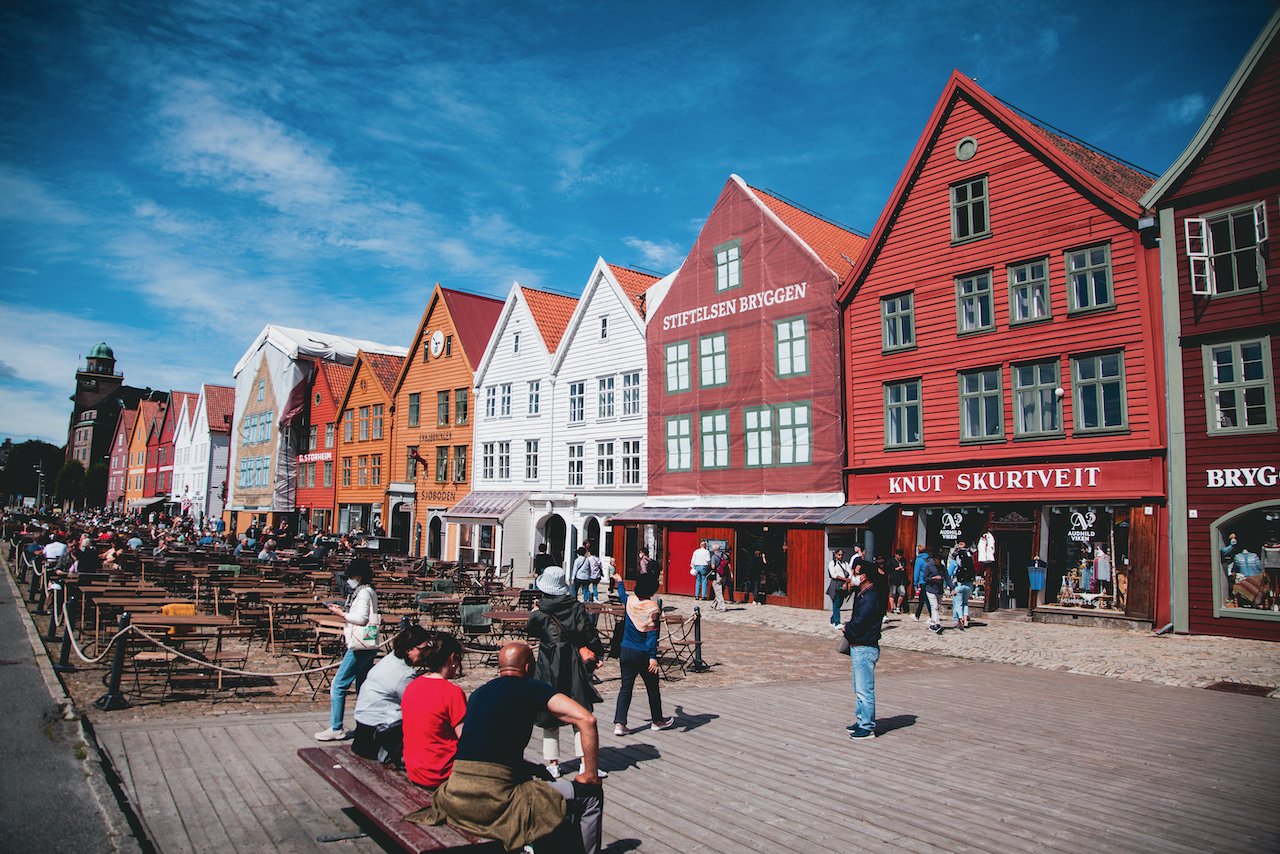

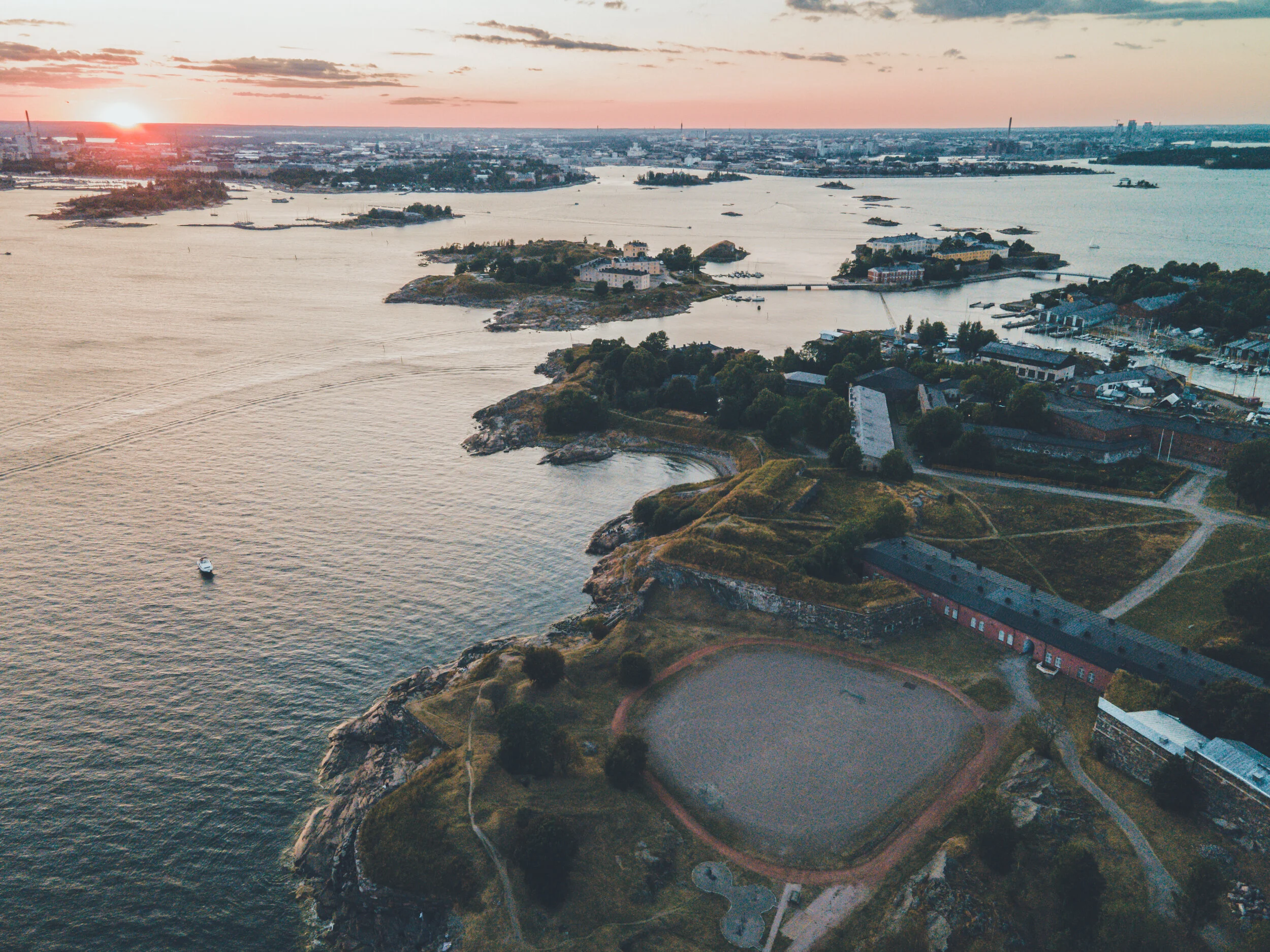

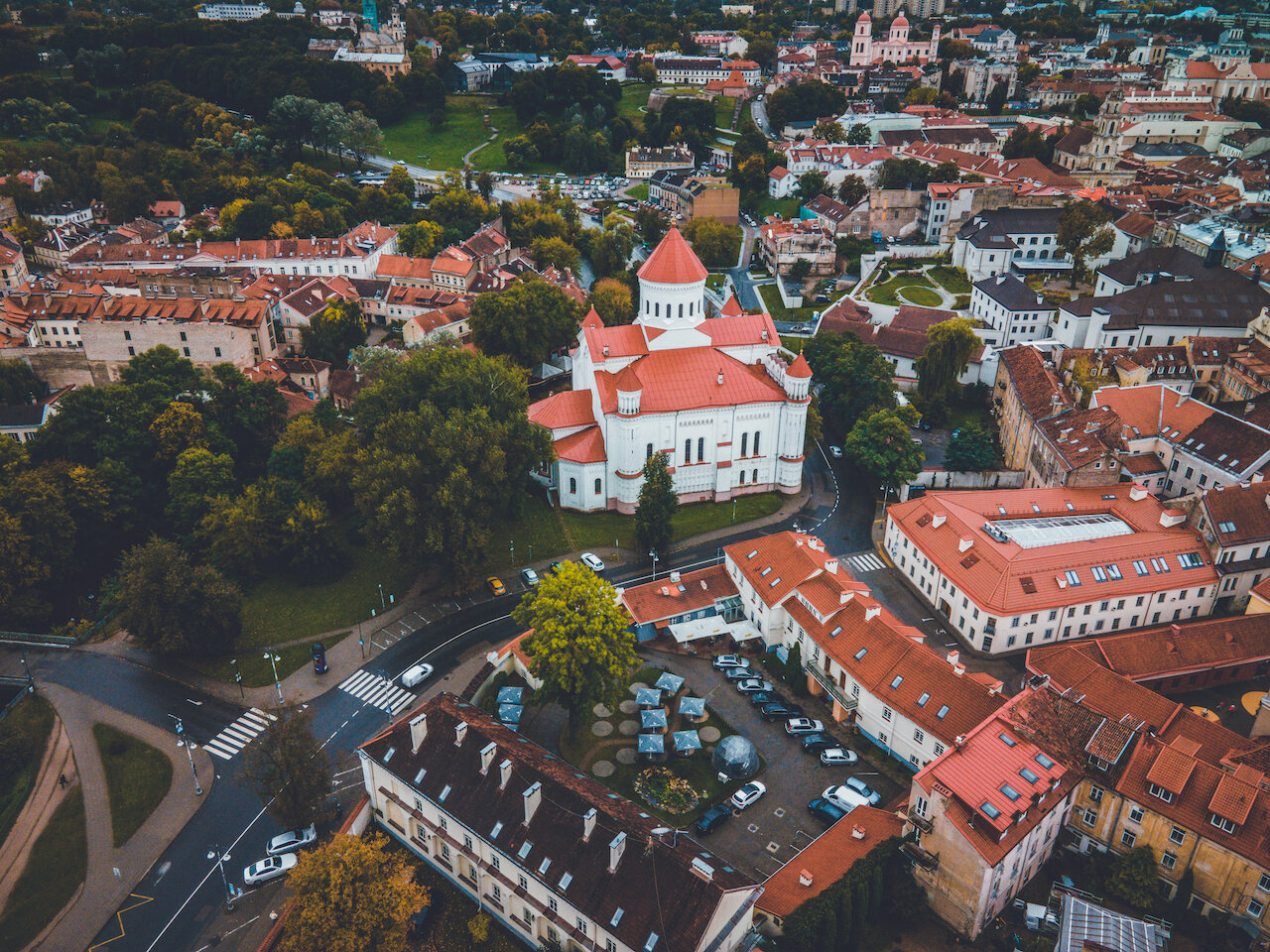


The Åland Islands are an autonomous region of Finland, located in the Baltic Sea. The capital city is Mariehamn and the official language is Swedish. The islands are perfect for hiking, sailing, and other outdoor activities and are easily reachable by ferry from Sweden. Notable places to visit include Kastelhomn Castle, Nåtö and Espholm Nature Reserves, and the city of Mariehamn.