
Oslo: A Guide to the Norwegian Capital

Oslo Opera House, Oslo, Norway (ISO 100, 10 mm, f/9, 1/200 s)
(Some links in this post are affiliate links. If you click through and take action, I'll be compensated.) If you are also interested in any PRINTS from any of my posts, be sure to check out my store where you can buy prints as posters, in metal/wooden frames or on canvas.
Oslo (and Norway in general) is absolutely ripe with excellent things to do and see. It is a very modern city that is architecturally diverse, with a great transportation system, a plethora of green spaces, all which place Norway very high in the Human Development Index. The country operates the Government Pension Fund of Norway, otherwise known as the Oil Fund, whereby the government invests extra revenue from norway’s petroleum division into a diversified portfolio of assets worth over 1 trillion USD.
Part of this fund is given back to Norwegian citizens through various subsidies and social services, health care, etc. Perhaps this is why Norwegians are also on a yearly basis, considered to be the happiest in the world. My experiences here in interacting with the locals have always been cordial and polite. You can find a map of the places I will discuss at the end of this post.
Also, if you’re in this part of the world, I highly suggest seeing other Nordic Capitals like:
Stockholm, Sweden (link to blog post)
Copenhagen, Denmark (link to blog post)
Reykjavik, Iceland (link to blog post).
Torshavn, Faroe Islands (link to blog post)
Mariehamn, Åland Islands (link to Blog Post)
Helsinki, Finland (Link to Blog Post)
If you want accommodation in the city that isn’t too expensive, but of decent quality, be sure to check out Saga Hotel Oslo Central. It was about 40 euros a night (which isn’t bad at all for Oslo) and located close to everything. This was back in 2016 so I’m no so sure the prices are still 40 euros a night, let alone them being a hostel anymore. However, I do remember the location of it being very convenient and central.
Check out my drone video below of the Lofoten Islands in Norway!
If you like some of my photos that you have come across, just know that I have many prints showcasing a variety of landscapes available for purchase below! (Sold as Posters, Canvas, or in Metal-Frames and Wooden-Frames).

Taken in Nordland County, Norway, this shot was taken during Golden Hour with my drone while on a road trip to the Lofoten Islands. During this multi hour drive from Tromsø, Norway, we stopped a few times to take in the beautiful golden light and wonderful Norwegian nature. This is perhaps one of my most favorite photos from that trip!

I took this photo with my drone while visiting Skokloster Castle in Sweden. The castle itself was stunning and extremely well preserved. I also we very lucky with the timing as Golden Hour was just starting. While flying over a nearby forest, I came upon this area, where the sunlight painted the tops of these trees gold. What I love about this photo is the range of lights and darks.

It is quite fortunate that I live just a short distance away from this exact spot in Uppsala, Sweden. This is Uppsala Castle last winter after a heavy snowfall. The next day was particularly sunny which leaves a gorgeous landscape in its wake as the sun lights up the snow and brightens the day. I took my drone over the castle to get this unique view where you can see the sun rays warm up the photo ever so slightly.

Sandhamn is definitely a special place in the summer. Taking a ferry from Stockholm itself, you can reach this island in just a few hours. Nearly all of the coastal homes have their own small docks. In this particular spot, there is a massive rocky outcrop that gives the best views of the midnight sun. I put the drone in the sky to get the view below and absolutely loved what I saw.

We knew that our road trip to the Lofoten Islands in Norway would be filled with gorgeous vistas but we weren't prepared for just how picturesque it would be. This is the view over the small town of Svolvaer in the Lofoten Islands on the Northwestern coast of Norway. Although this photo was taken with a drone, similar photos can be taken just by hiking up Djavelporten outside of the city.
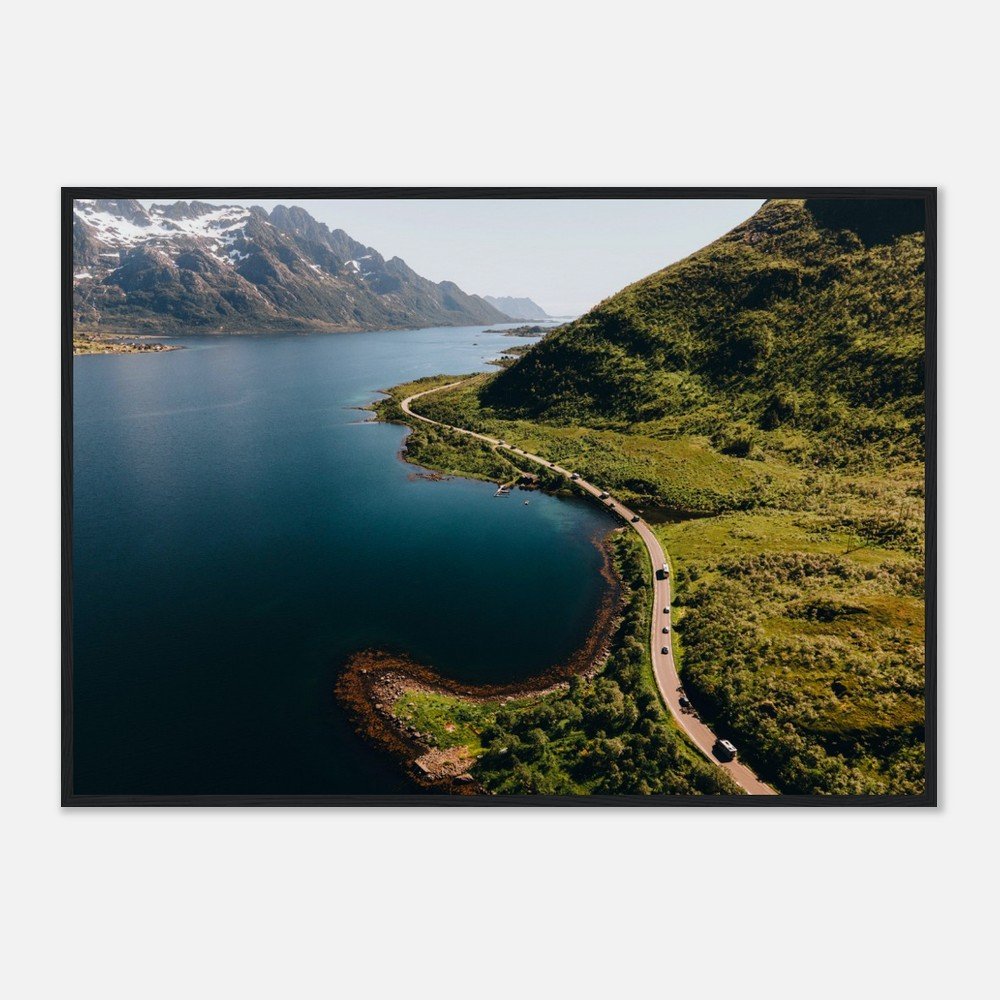
The Lofoten Islands in Norway has always been on our list of places to visit. We took a week long road trip here and loved it immediately. It is paradise for nature lovers. There are many beaches, bays, mountains, and hiking trails to enjoy while in this part of the world. This gave me such a good opportunity to get some quality shots with my drone.

You can find this botanical garden in Uppsala, Sweden. The building in the background is called Linneanum which contains a greenhouse as well as an orangery. This was taken in the middle of the summer during golden hour with my drone. In my opinion, the garden has never looked so lush before. Fast forward to present day, the pyramidal shaped bushes are gone, much to my disappointment. Nonetheless, the Linneanum botanical garden in Uppsala is one of my favorites to this day.

It took quite a few hours in the cold and the rain and the wind to reach this point in Lofoten, Norway. This is what it took to climb at Ryten, which gives such an incredible view of Kvalvika Beach below. It is quite the popular hike as well, we were one of perhaps 500 people on the trail at some point. Despite all the hardships, this view was more than worth it.
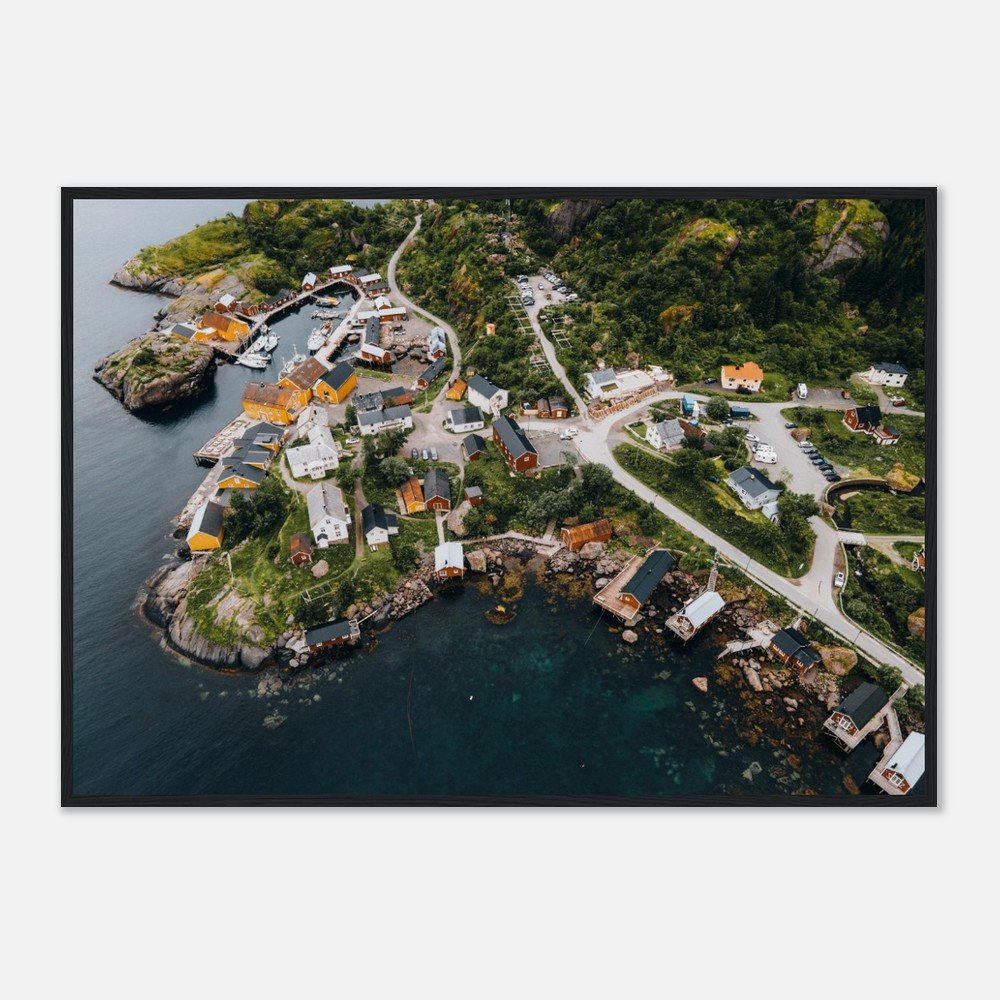
The village of Nusfjord is one of the most quaint in the Lofoten Islands, in Norway. We stopped here for half a day during our Norwegian road trip and it was worth the time. There are some small trails you can take through the town to get better vantage point for photo opportunities. Thankfully, I just put my drone in the air to do the work for me.

The Lofoten islands is one of the most beautiful areas in Norway. It is full of gorgeous natural features and is a haven for outdoors lovers. One such outdoor activity here, despite the proximity to the Arctic Circle, is surfing. You can oftentimes see surfers like this at places like Unstad Beach, waiting to catch the next wave. I thought these two guys hanging out in the middle of the gorgeous blue water was photoworthy with the drone.

This is the small village of Henningsvaer in the Lofoten Islands in Norway. What is so quaint about this place is its centerpiece, a football field in the middle of one of the islands. I wish we got to spend more time in this place as it was a perfect summer day and the landscape was gorgeous. I put my drone up in the air to capture this gem and hope to come back and get more someday.

Viking Ship Museum, Oslo, Norway (ISO 3200, 14 mm, f/8, 1/10 s)
The Brydøy peninsula boasts some of the cities’ best museums and is easily reachable by the Bygdøyfergene, from City Hall Pier 3 every 20/30 minutes between March and October. Alternatively, Bus #30 takes you to the Brydøy Peninsula as well.
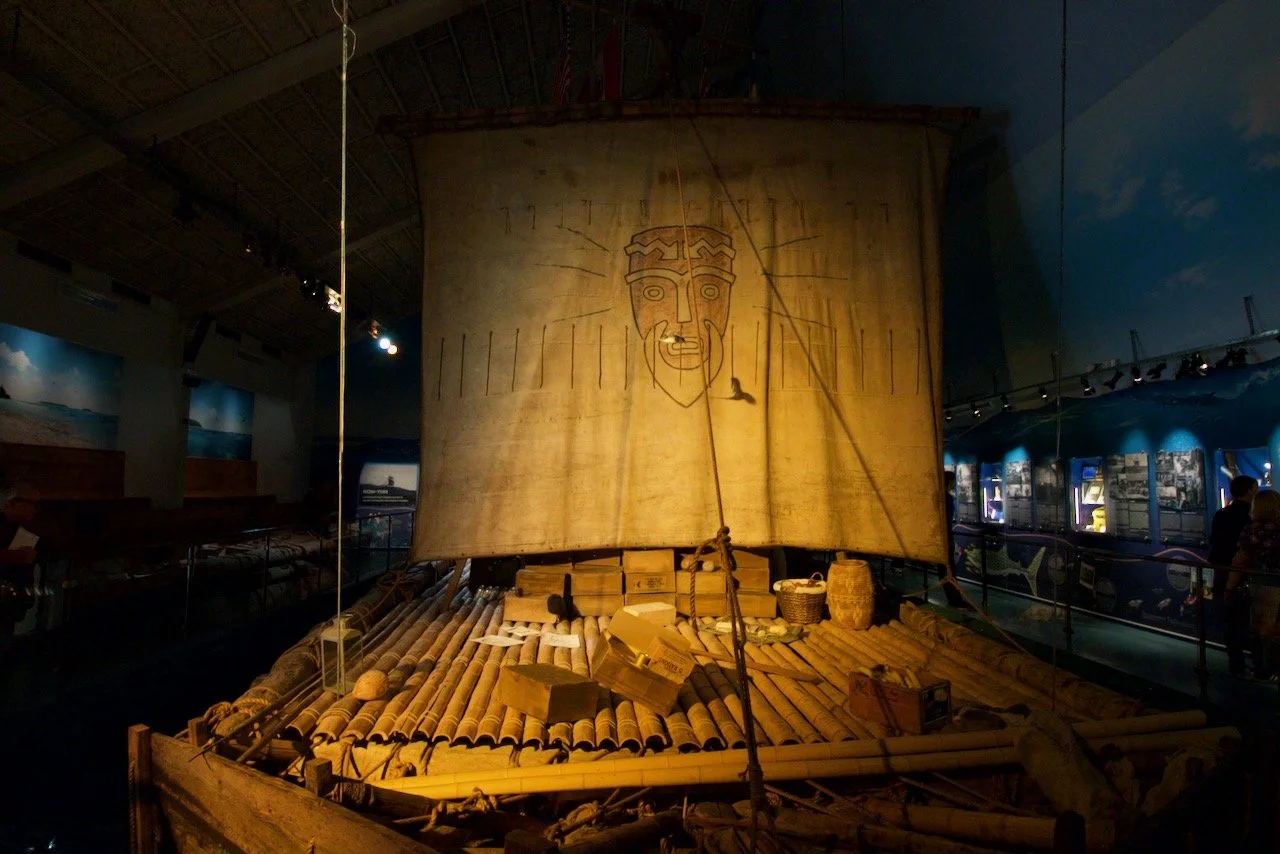
Kon-Tiki Museum, Oslo, Norway (ISO 3200, 13 mm, f/8, 1/30 s)
Once on board, you can get off at one of two stops on the peninsula. At the first stop (called Dronningen), you are dropped off near the Viking Ship Museum, which contains actual unearthed Viking ships in excellent condition.

Oslo, Norway (ISO 800, 12 mm, f/8.0, 1/8 s)
The Bygdøynes stop (2nd stop) will drop you off near the Kon-Tiki Museum, which commemorates the expedition of Norwegian explorer Thor Heyerdahl. This Norwegian explorer had a theory on the migration of populations from South America, settling in French Polynesia. To prove this, he constructed a boat made from balsa wood (which was what was available at the time), and sailed from Peru to Polynesia. Be sure to watch the movie on it (also named “Kon-Tiki”) or watch the actual Academy-award winning documentary about the expedition in the museum itself. Located nearby is the Fram Museum which celebrates the history of Norweigan polar expeditions.

Fram Museum, Oslo, Norway (ISO 100, 10 mm, f/8, 1/50 s)
If the weather is great, head to Frogner Park in the Northwest of the city. This is the largest park in Oslo, which boasts sculptures throughout the site, and is the perfect place for a summer picnic. The Palace park in Oslo is more centrally located and is where you can find the Royal Palace and Oscarshall (on the Bygdøy Peninsula/Take the ferry). Tours to the general public are offered during the summer and it is strongly recommended to buy tickets in advance. Nearby is the National Theater and the Storting Building, the home of the Norweigan Parliament building at Stortorvet.

Norweigan Parliament Building, Oslo, Norway (ISO 100, 10 mm, f/9, 1/100 s)
The Akershus Fortress is a castle and modern-day museum that was first constructed a defense for the city against mostly Swedish forces centuries ago. Near the same area is the neighborhood of Aker brygge, which is teeming with cafes and restaurants and plenty of shopping if you want a different feel of the city than museums and palaces.

The Royal Palace, Oslo, Norway (ISO 100, 13 mm, f/9, 1/25 s)
A visit to Oslo is not complete without seeing the home of the Norweigan Opera and ballet, housed in the Oslo Opera house. What is so spectacular about this building is that its exterior serves as a plaza for patrons to walk on to enjoy panoramic views of Oslo. This means you can go from ground level and go up the angled walkway of the façade, all the way to the roof. The exterior and interior of the building also houses many commissioned art installations from notable artists.
As you can see, Oslo provides an excellent mix of historical museums, parks and sculpture gardens, medieval and modern architecture, and cosmopolitan neighborhoods which is sure to suit everyone’s needs. If you have some more time in Norway, I recommend taking the train across the country to see Bergen, or renting a car and hiking well known fjords towards Preikestolen and Trolltunga (Check out my post on road tripping/hiking in Norway).
PROTIP: Get yourself an Oslo pass if you intend on staying for a few days, which will grab you discounts on many attractions and museums in the city.
Related Posts
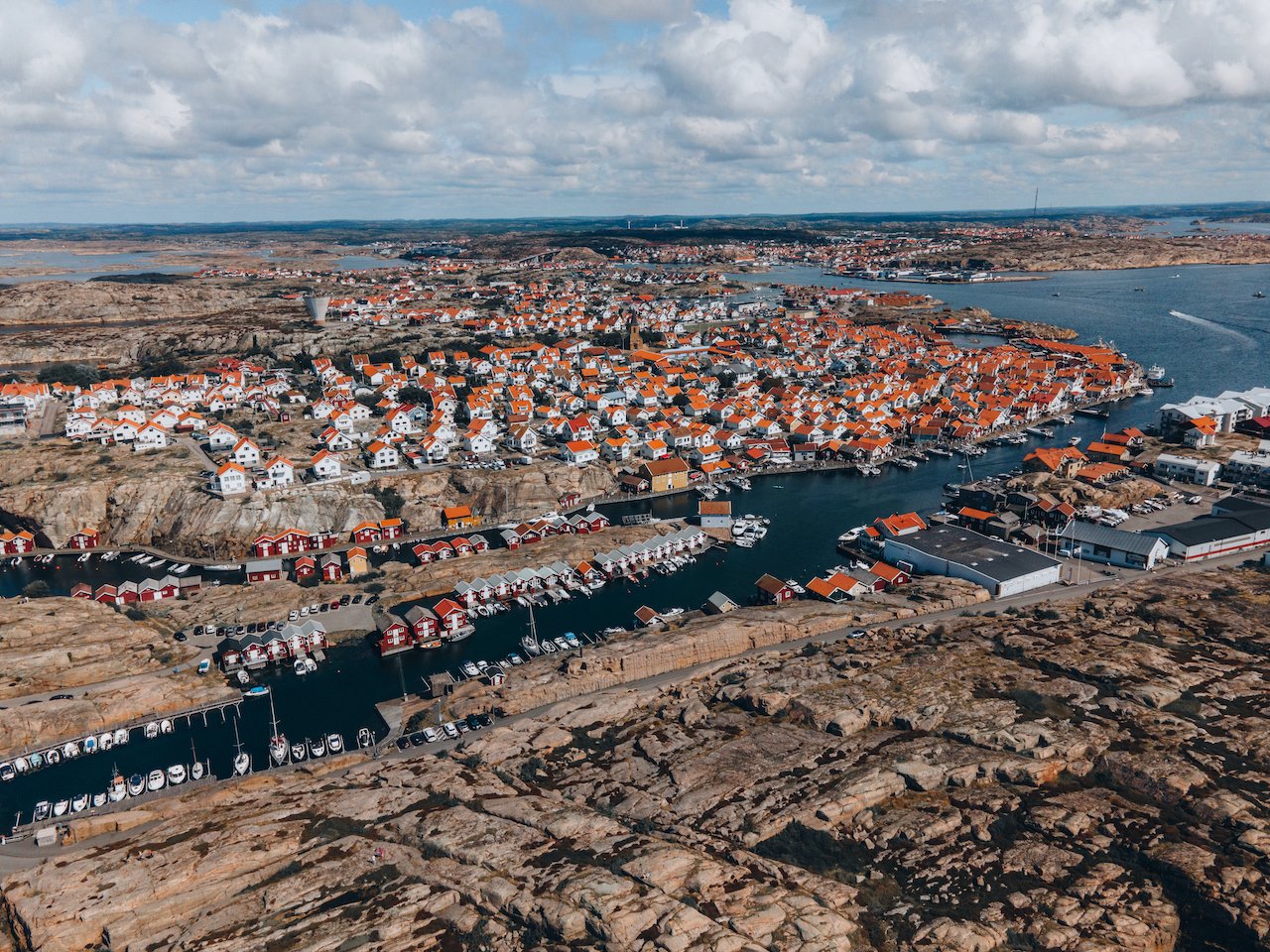
Plan the ultimate Western Sweden road trip with this detailed itinerary covering the best coastal towns, scenic driving routes and hidden gems. Discover places like Smögen, Fjällbacka, Marstrand and the Bohuslän archipelago. Includes practical tips on where to stop, distances, photo spots and the best time of year to visit.
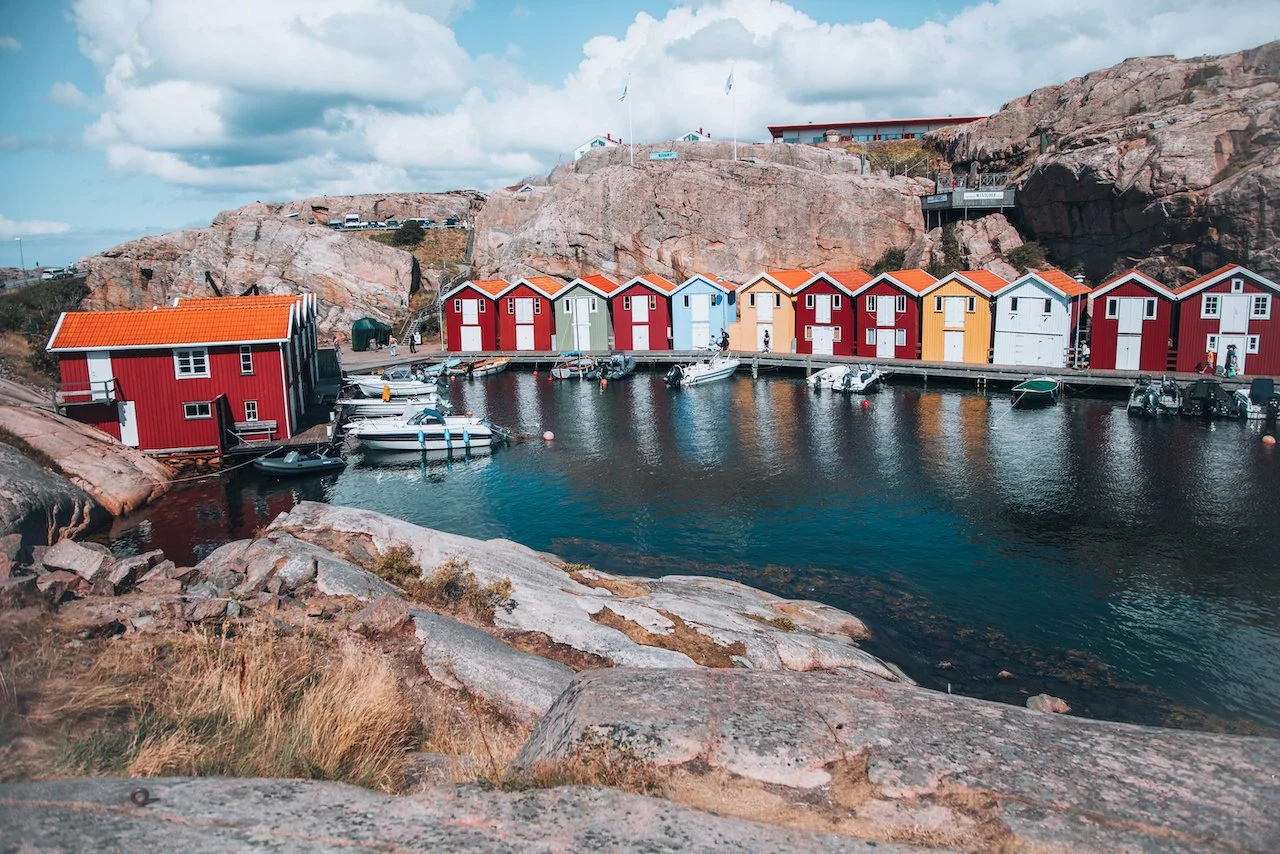
Discover one of Sweden’s most beautiful west-coast villages. This complete guide to Smögen covers how to get there, what to see, where to eat and the best things to do – from walking the iconic wooden boardwalk to fresh seafood, island hopping and sunset photo spots.
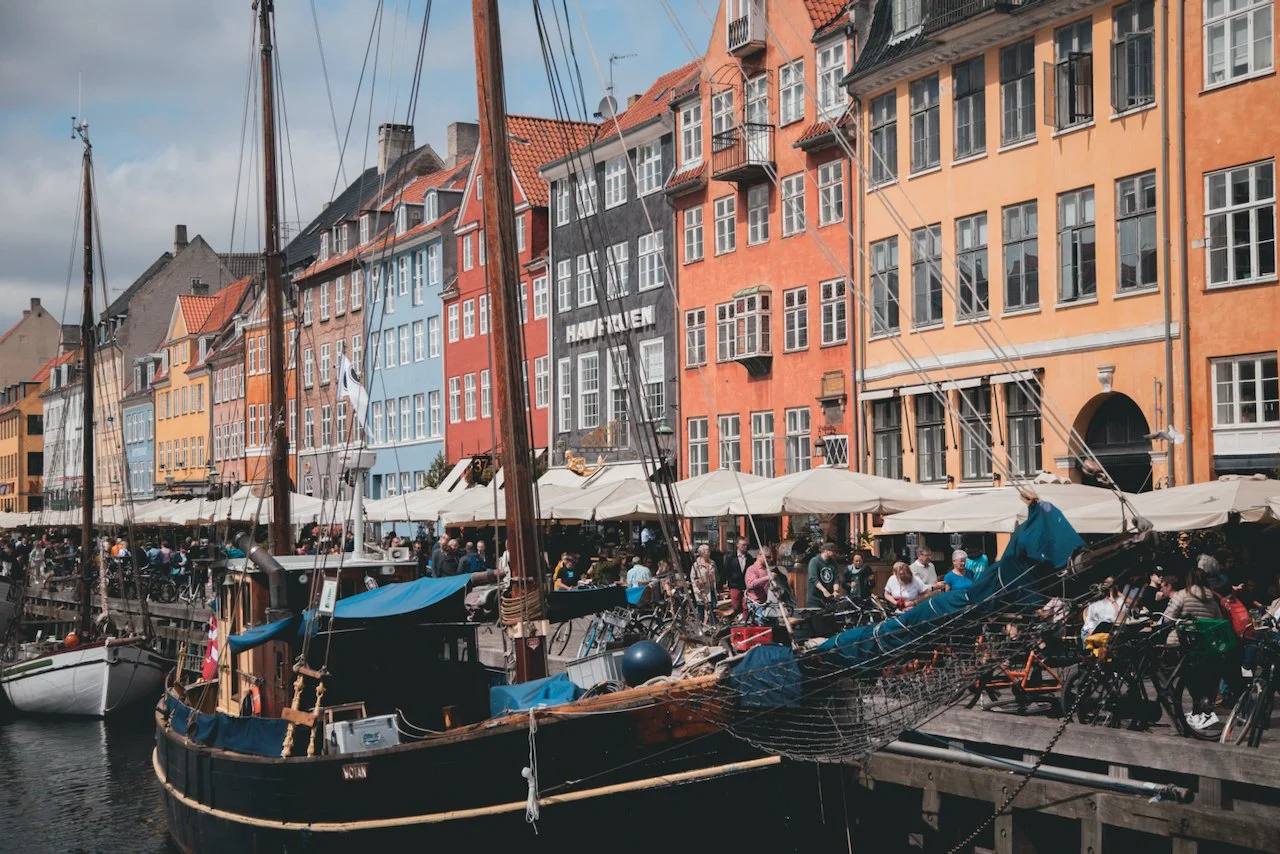
Discover the most beautiful destinations in Denmark with this complete travel guide covering historic cities and stunning coastal towns. Explore cultural hubs like Copenhagen, Aarhus and Odense, then head north to the beaches and fishing villages of Skagen, Løkken and Klitmøller. Includes practical tips for visiting Horsens and Ebeltoft.
Visit Grenen, Denmark’s northernmost point near Skagen, where the Skagerrak and Kattegat seas meet. This natural wonder is famous for its shifting sandbar, seabirds, and scenic coastal walks. Learn how to get there, the best time to visit, and what makes Grenen one of Denmark’s most unique and unforgettable destinations.
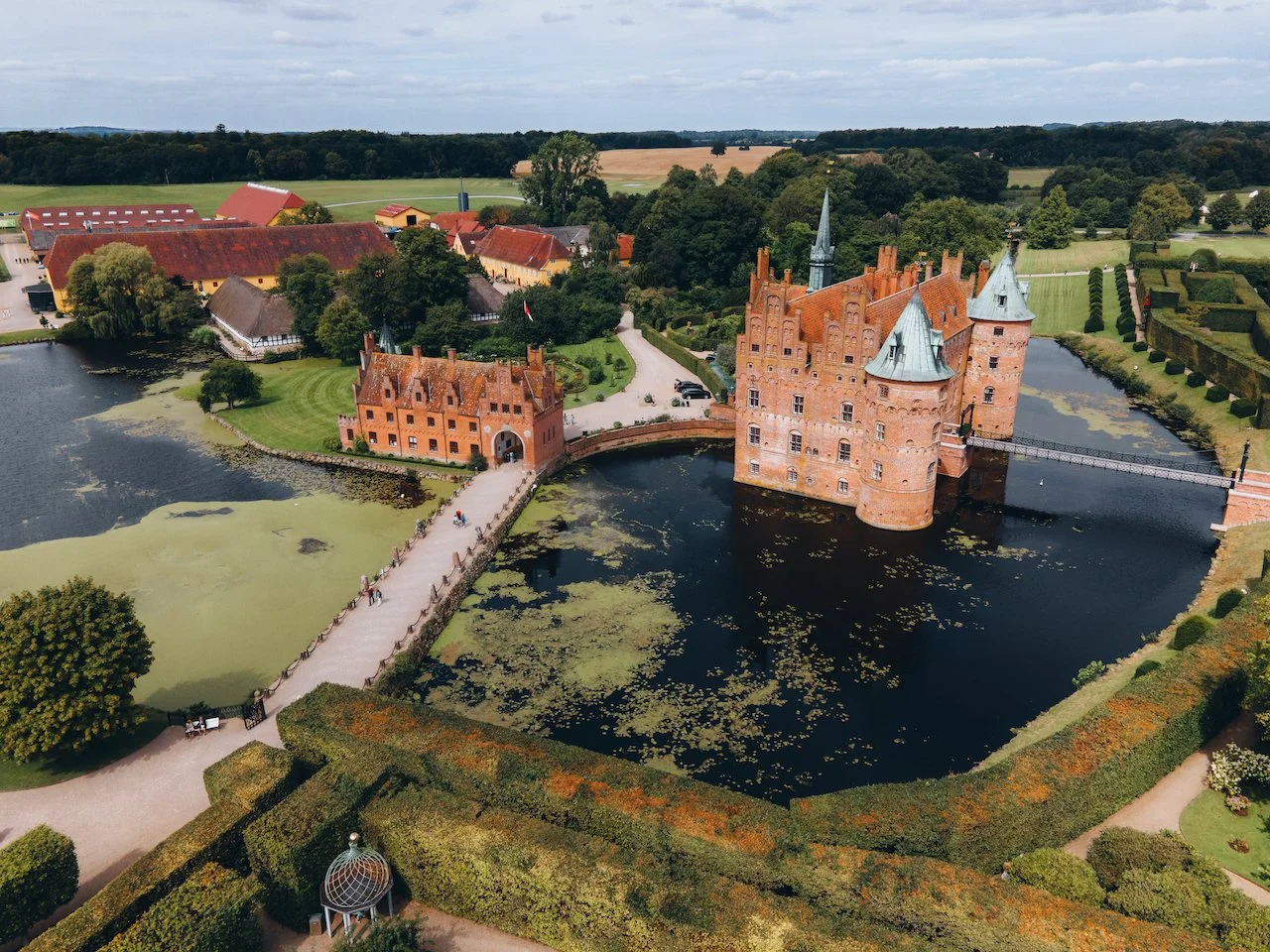
Discover the most beautiful castles in Denmark with this guide to the country’s historic and royal sites. Includes practical info on how to visit Kronborg Castle, Frederiksborg Castle, Rosenborg Palace and Egeskov, plus driving routes, entry details and nearby towns to explore. Ideal for history lovers and cultural travellers.
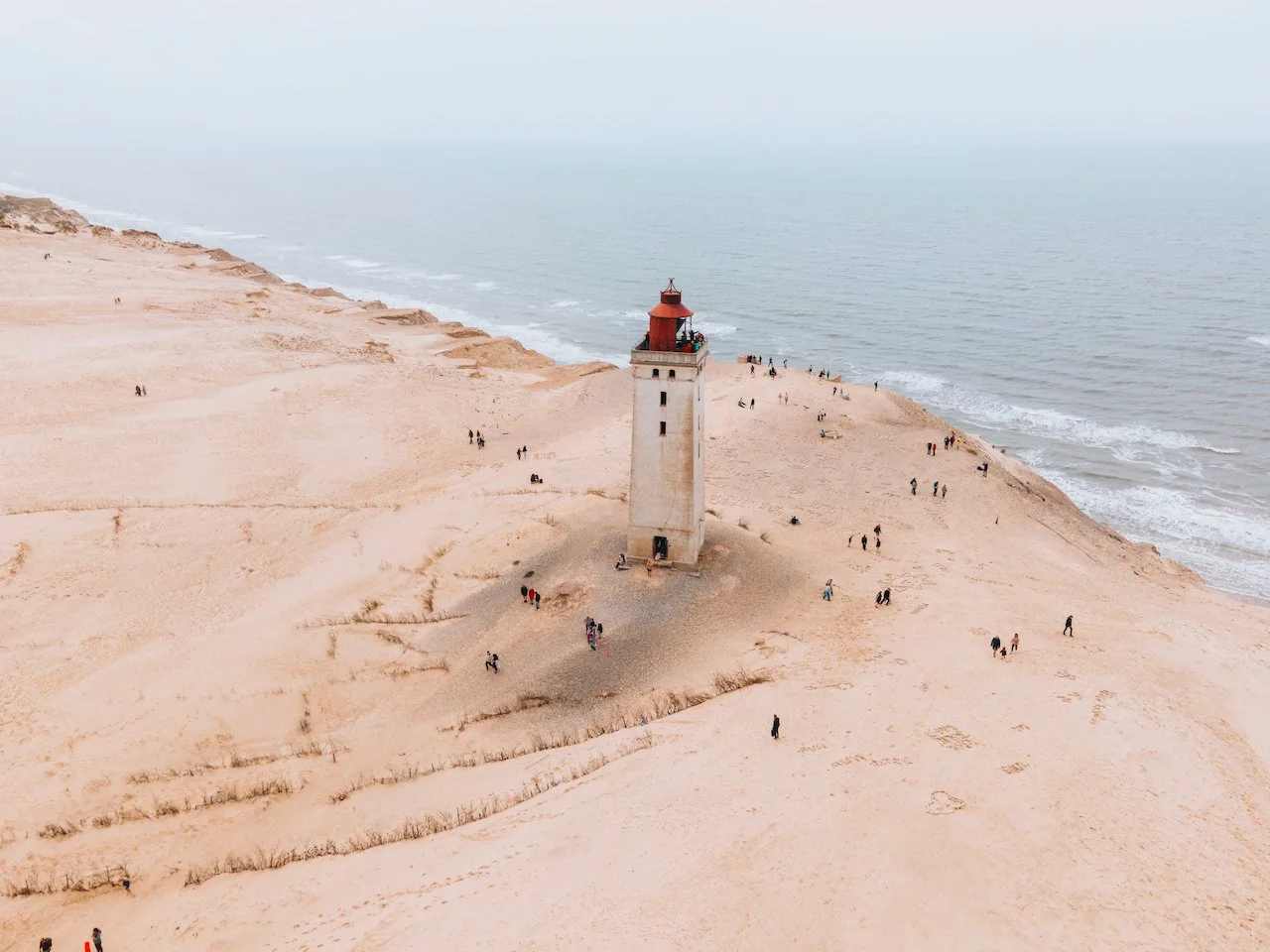
Explore the rugged coastline and charming towns of North Jutland in Northern/Western Denmark with this full road trip guide. Includes route options, driving distances and highlights such as Skagen, Løkken, Klitmøller (Cold Hawaii), Thy National Park and the North Sea beaches. Perfect for those planning a scenic Denmark road trip from spring to autumn.
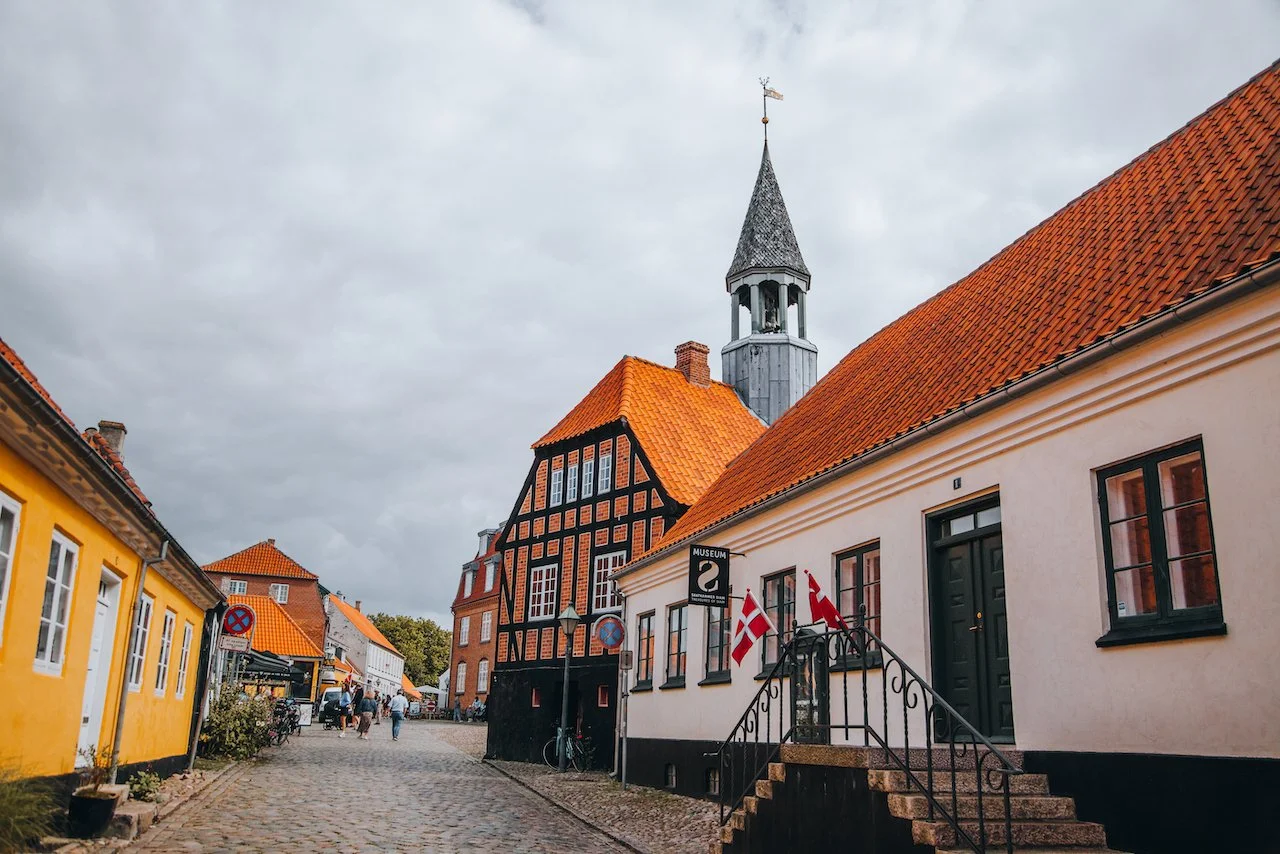
Planning a trip to Ebeltoft? This guide shows you how to get to Djursland’s most charming town, plus the best things to do once you’re there – stroll the cobbled streets, visit the Glass Museum and explore nearby Mols Bjerge National Park and its beautiful coastal trails.
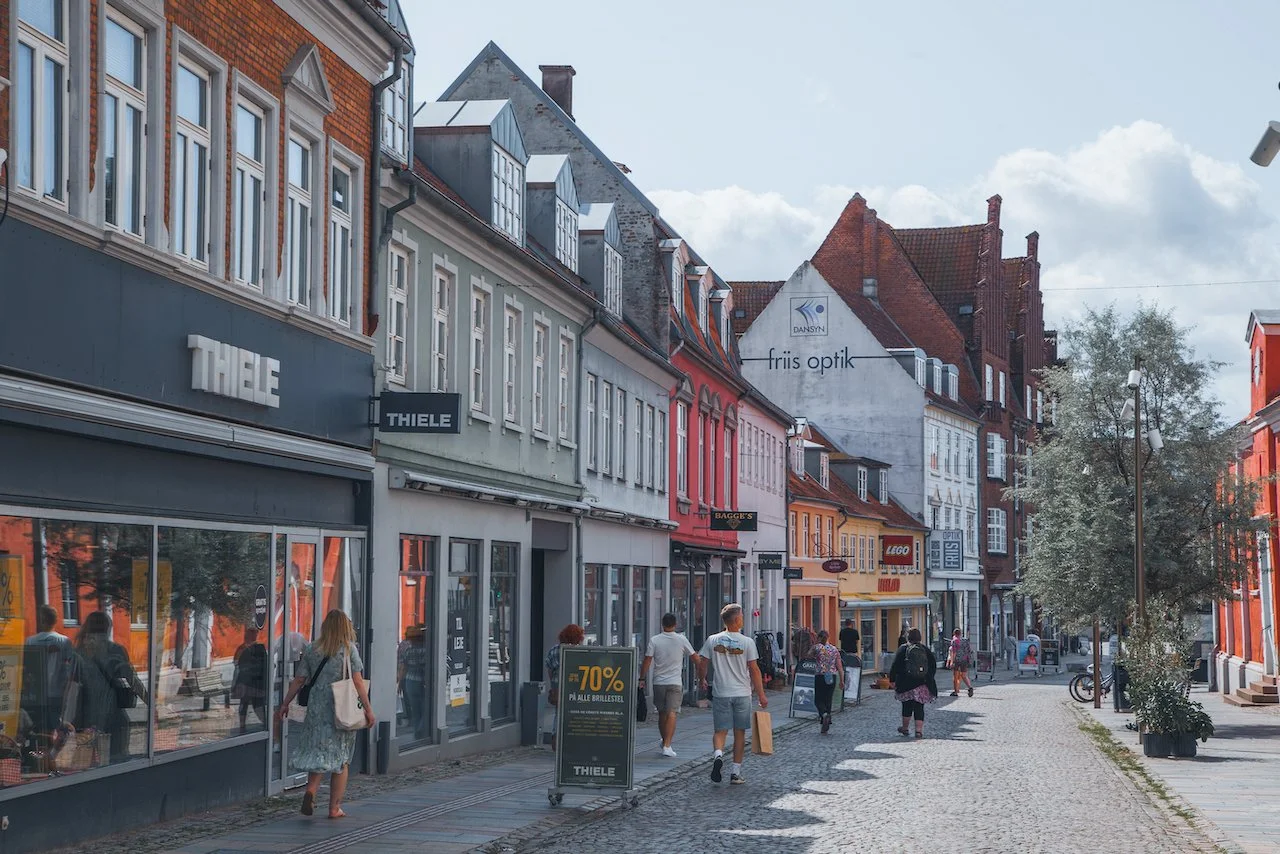
Visit one of Denmark’s most historic and cultural cities. This Horsens travel guide explains how to get there, what to see, where to eat and which attractions are worth visiting – from the former state prison and fjord area to museums, parks and day trips in East Jutland.
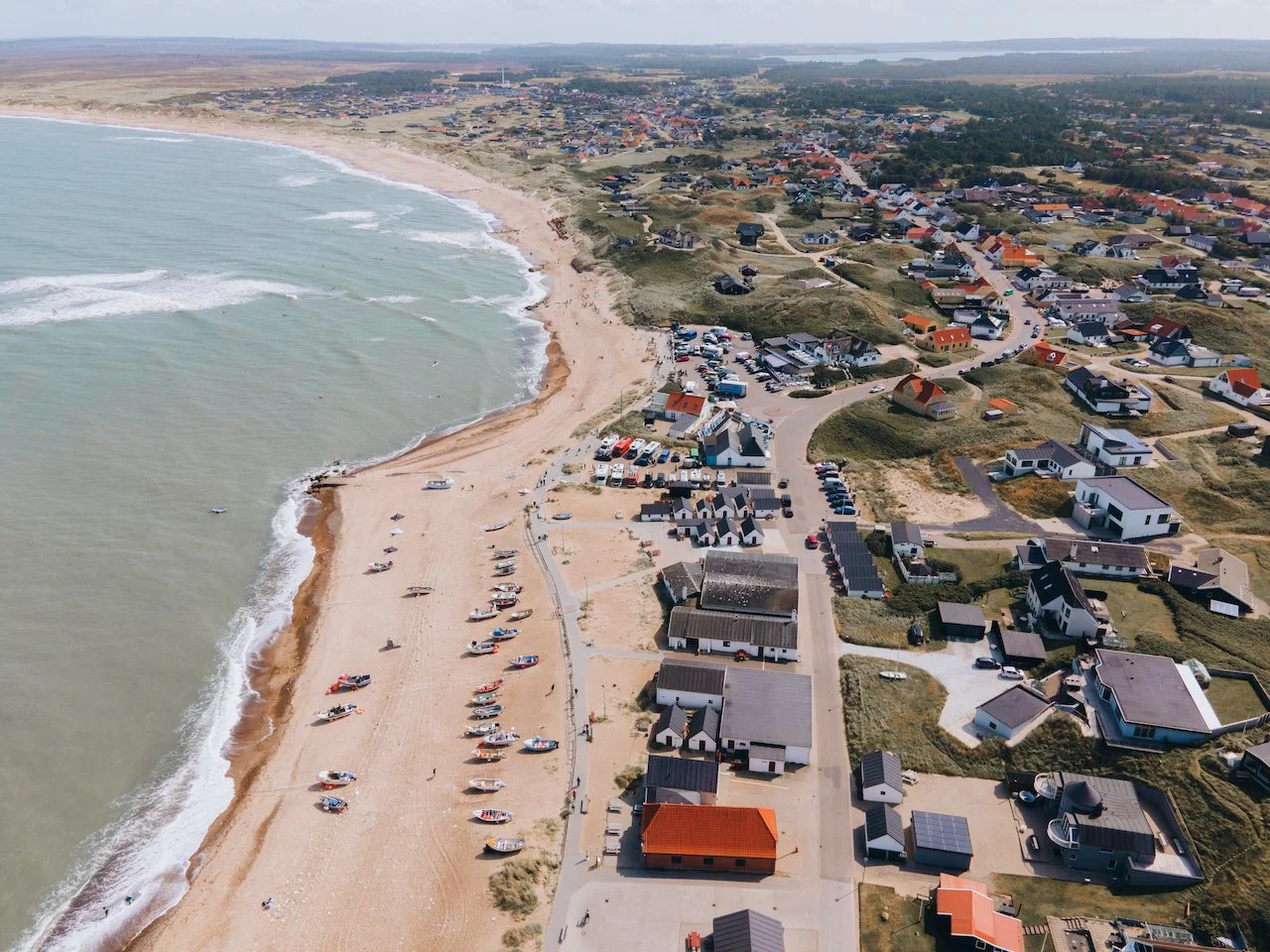
Heading to “Cold Hawaii”? This guide to Klitmøller covers everything you need – how to get there, the best surf spots and what to do in and around Denmark’s surf capital. Includes seasonal tips, accommodation recommendations and ideas for exploring the North Jutland coast.
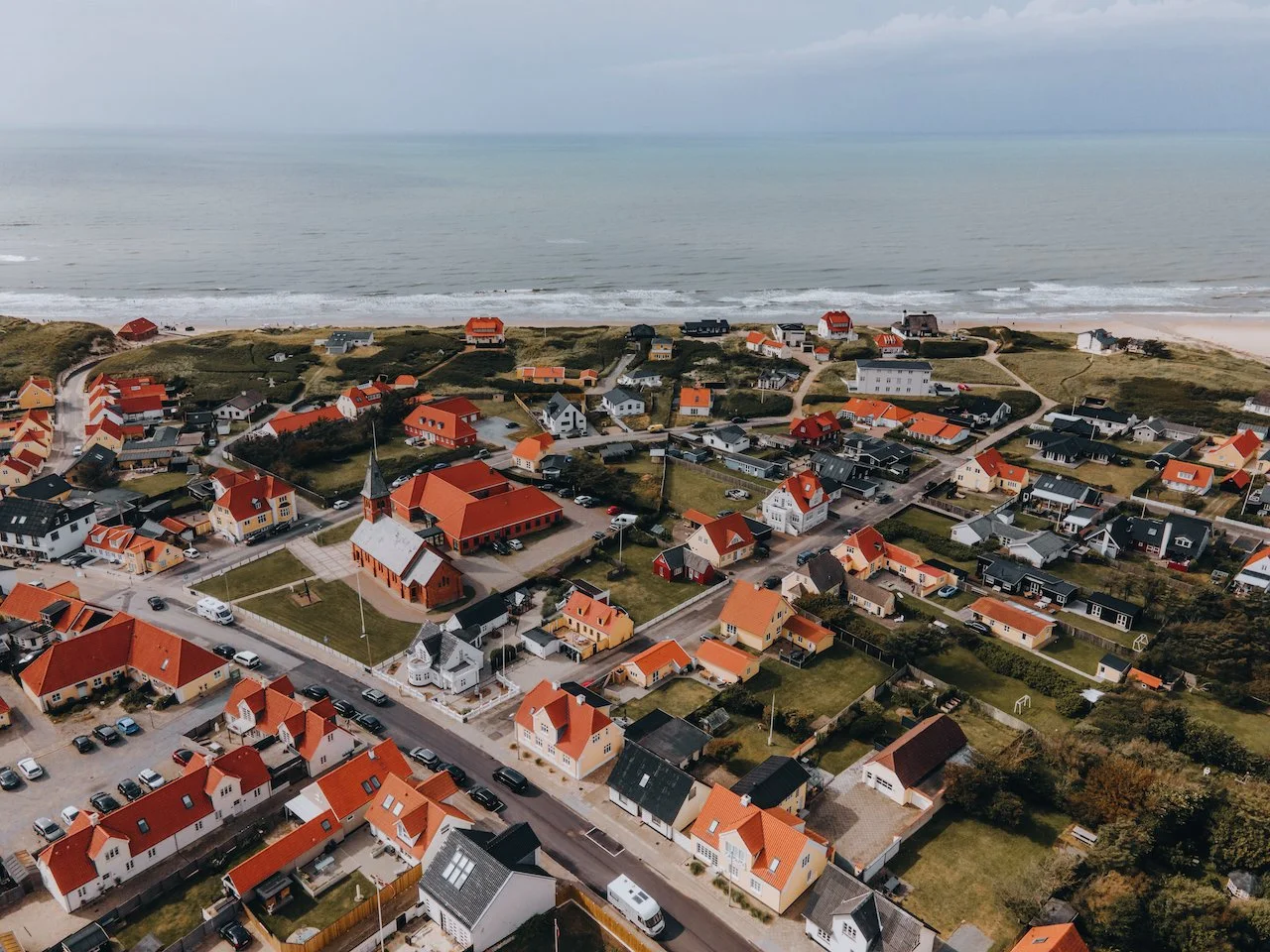
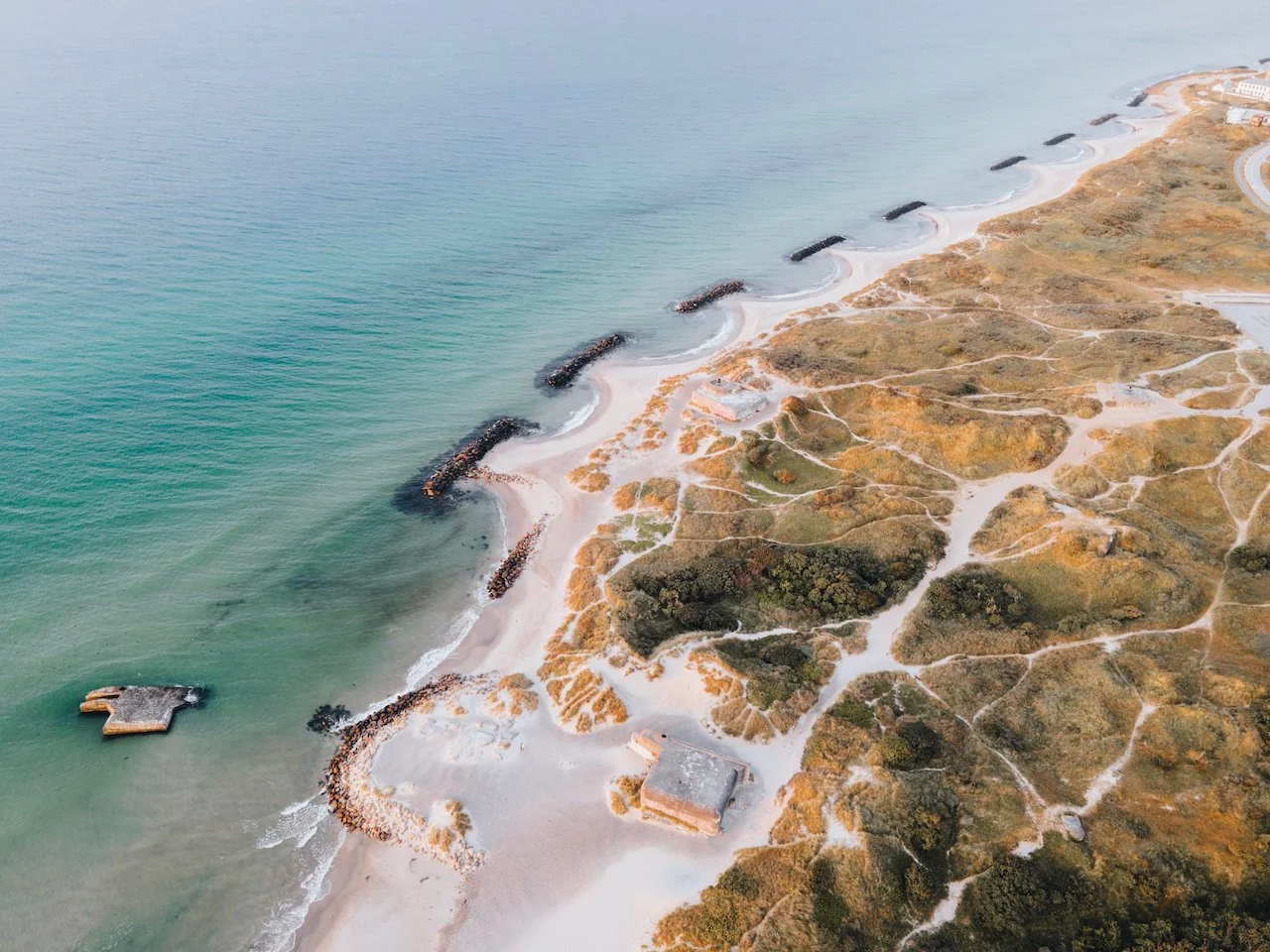
Discover why Løkken is one of Denmark’s most underrated beach destinations. Find out how to get there, where to stay and the top things to do – including endless white-sand beaches, bathing houses, WWII bunkers and nearby coastal hikes. Perfect for a laid-back North Jutland getaway.
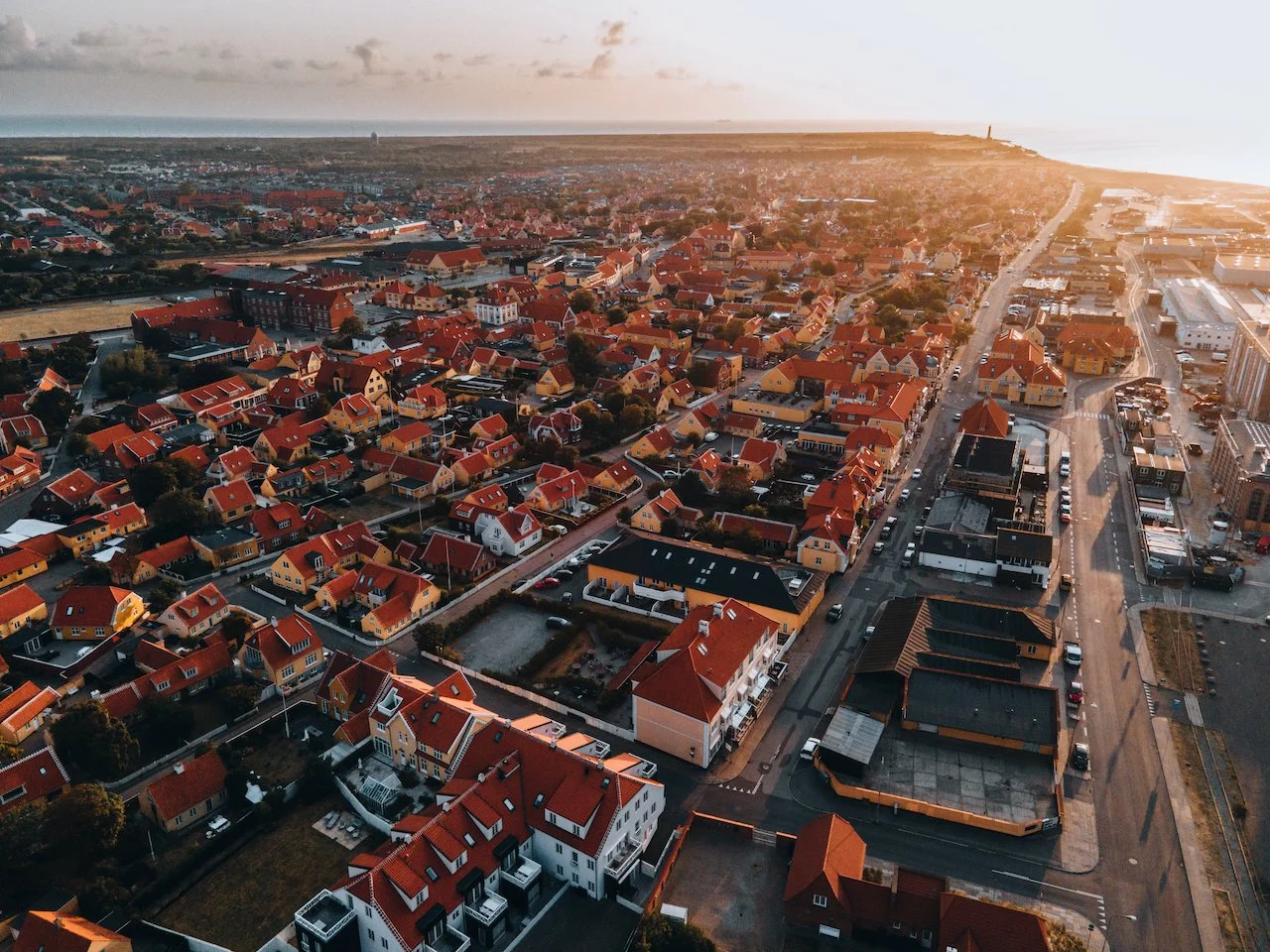
Plan the perfect trip to Skagen, Denmark’s northernmost town. Learn how to get there, the best beaches to visit, where to stay and what to see – including Grenen, the Sand-Covered Church and the town’s colourful yellow houses. Ideal for summer holidays and coastal photography.
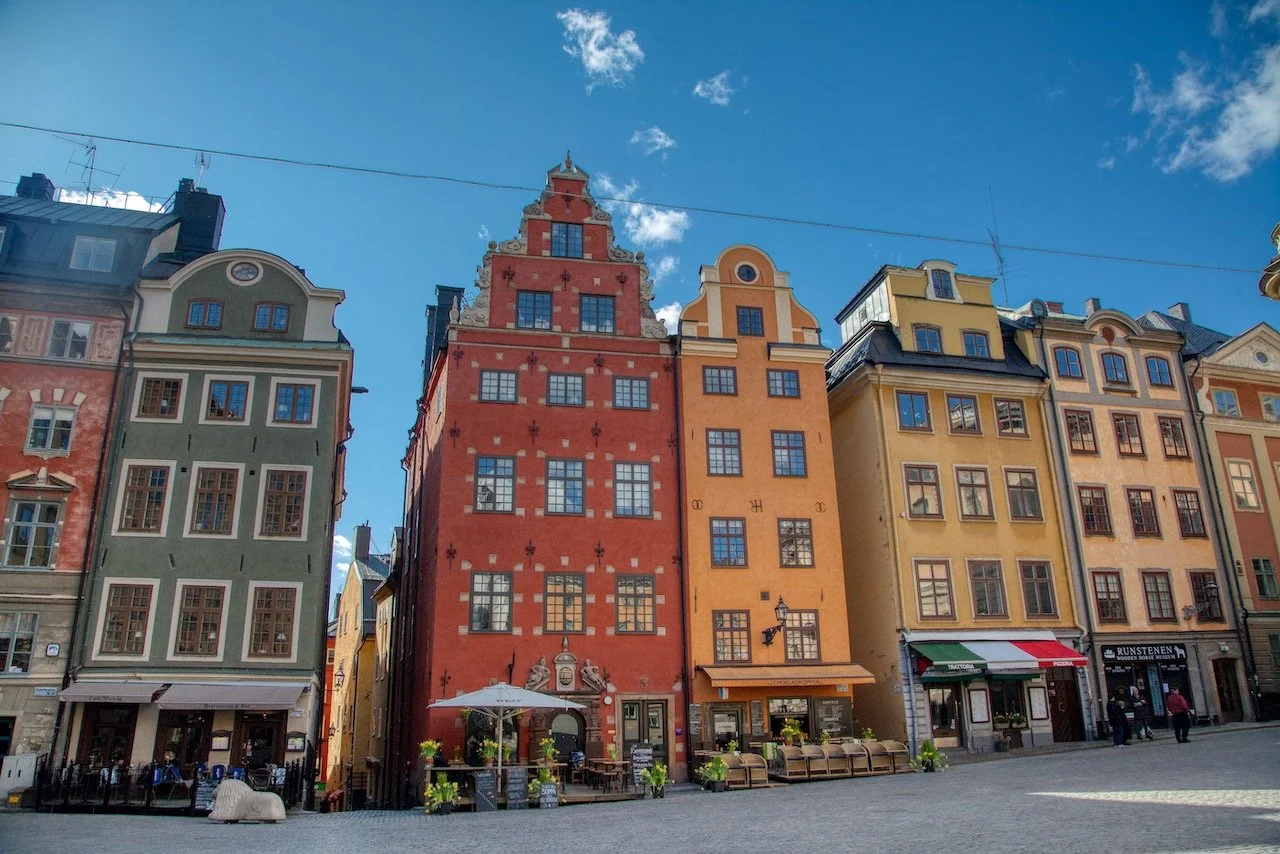
Gamla Stan, which translates to 'The Old Town', sits in the center of Stockholm, the capital of Sweden. It is a quintessential example of old Swedish architecture, especially in the main square of Stortorget. The island itself is home to landmarks such the Stockholm Cathedral, the Nobel Museum, and the Riddarholm church, as well as the Royal Palace. Gamla Stan is an absolute must see while you are visiting Stockholm

Vík í Mýrdal, also known as Vik, is the Southernmost village in Iceland. It is a common stop on a road trip through the Southern coast of Iceland. It is known for its black sand beach and rock formation off its coastline called Reynisdrangar. Around these sea stacks also sits Reynisfjara beach, a popular tourist site. It faces a constant threat of volcanic eruption from the nearby volcano called Katla. Vik is a must see village while on your trip to Iceland.

Jökulsárlón Glacier Lagoon is one of the most popular spots in Iceland. It sits near the Vatnajökull National Park in southeastern Iceland. It is known for having icebergs of various sizes from the Breiðamerkurjökull Glacier flowing in and out of the Atlantic Ocean. Fellsfjara is the nearby black sand beach where you will find many of these icebergs beached. This is a must see in Iceland!

The Swedish capital of Stockholm is situated accross a 14-island archipelago. The island of Djurgården, translated to 'Animal Garden', was once where the Royal Family kept their animals. In fact, King John III in the 16th century kept deer, elk and reindeer there. The island is also home to the Gröna Lund amusement park, as well as the ABBA and Vasa Museums that are worth seeing.

Odense, Denmark is the birthplace of Danish author Hans Christian Andersen, who wrote the Little Mermaid (among other tales). Odense is the 3rd largest city in Denmark and started off as a settlement 4,000 years ago. The city is small and cozy with plenty of landmarks like Odense Castle, H.C. Andersen House, Munke Mose, Ansgar Kirke, St. Canute's Cathedral, Eventyrhaven, and Møntergården.

Aarhus is the 2nd largest city in Denmark whose origins date back to the 8th century. This city is full of history, green spaces, cafes, museums, and all around good vibes. I visited here in May and saw such cool places like the Aarhus Art Museum (ARos), Aarhus Cathedral, Our Lady Church, Aarhus Customs House, Marselisborg Beach and Castle, The Infinite Bridge, Mejlborg, and Mølleparken.
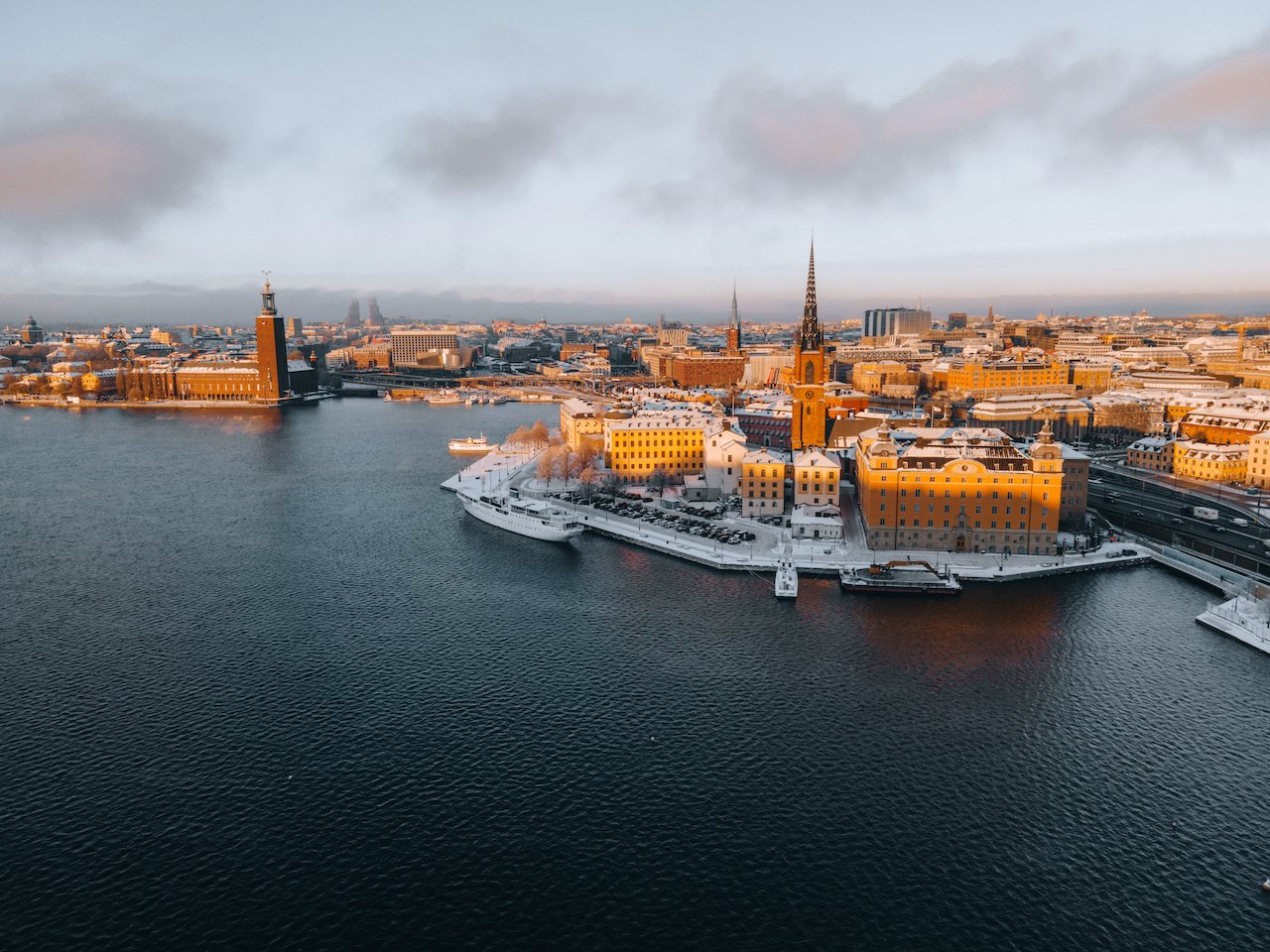
The countries of Scandinavia include Sweden, Norway, and Denmark. Despite being geographical neighbors, there is a long history among these countries. They are truly unique places in comparison to other countries of the world and are very much worth seeing. Use this guide for not just seeing their capitals (Stockholm, Oslo, Copenhagen), but also their cities as well.
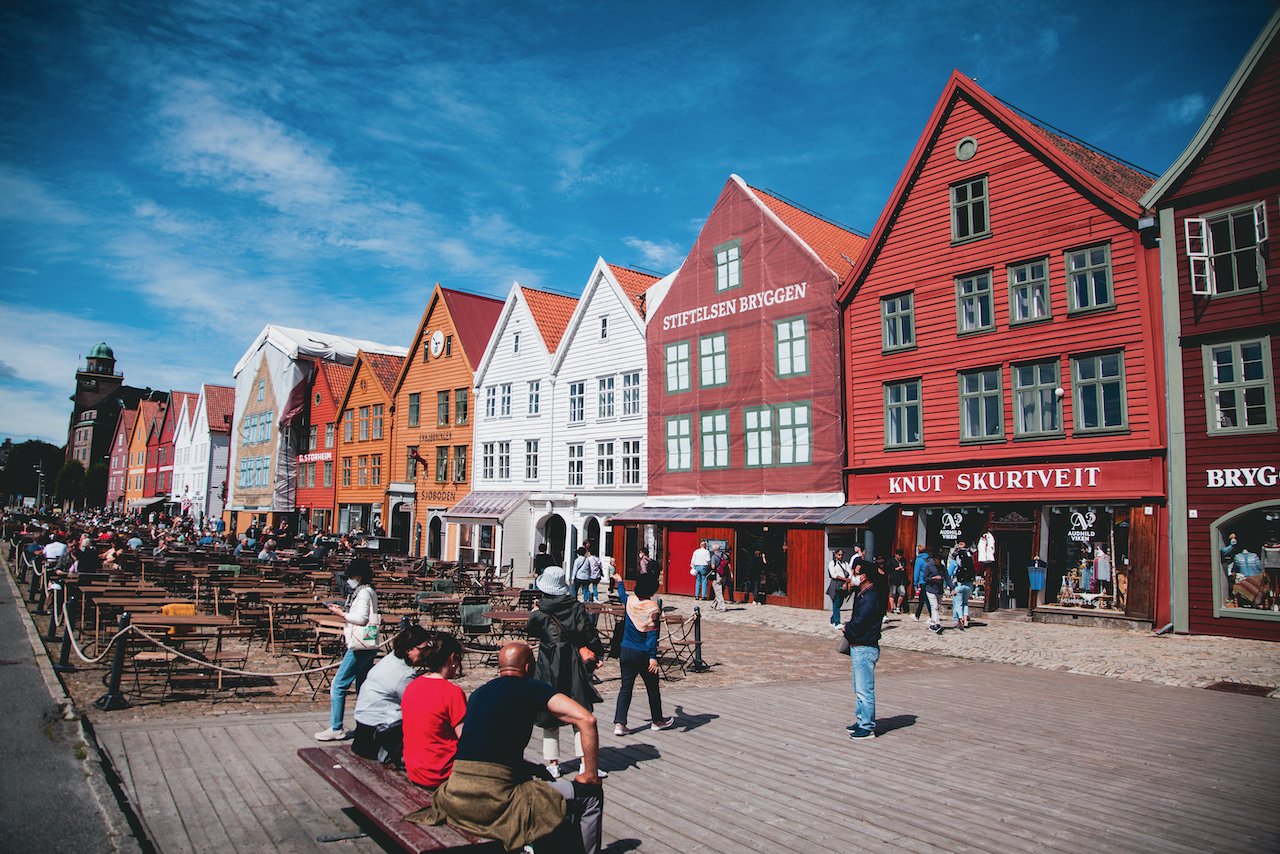
The Nordics include Sweden, Finland, Denmark, Norway, Iceland, and the Faroe Islands. This part of Europe contains such awesome metropolitan capitals like Stockholm, Reykjavik, and Tórshavn (among others). Along with such iconic cities in these Northern European countries, you will also find gorgeous fjords, waterfalls, snow topped mountains, massive castle, and cool cathedrals. I have outlined all Nordic cities (including capitals), as well as the natural attractions in this part of the world and consolidated them into this ultimate guide!

This guide to Norway breaks down several cities and natural areas within the country that are worth visiting. This includes the capital city of Oslo and the 2nd most populous city of Bergen, the most populated Norwegian city in the Arctic Circle at Tromsø, and the smaller city to Stavanger. If it is nature you seek, I also talk about places like Trolltunga, Preikestolen, and the Lofoten Islands.

The Island of Gotland is owned by Sweden and is situated in the Baltic Sea. It is a popular destination for Swedes, especially in the summer. Such popular spots like Fårö, Visby, and Hemse are not to be missed. You can easily fly into Visby or take a ferry from the Swedish mainland at Nynäshamn. Seeing the island by bike or by car is highly recommended to explore its wonderful beaches and cliffs.

The town of Visby is the best preserved medieval city in all of Scandinavia, most exemplified by its still-standing city walls and defensive towers. The town is a UNESCO World Heritage Site and features many churches (Visby Cathedral, St. Mary's Cathedral, St. Nicolai Ruin). Also, Stora Torget features many nice shops and restaurants. No visit to Gotland is complete without seeing Visby!

You can easily reach the island of Fårö by taking a ferry from Nynäshamn to Gotland, then taking a Fårö via the northeast of Gotland. This island, along with Visby, is a popular place to explore in the summertime for Swedes and tourists alike. The island features numerous beaches and lighthouses, along with its famous natural limestone rock formations, or rauks, at Langhammar.

The Faroe Islands is a North Atlantic archipelago owned by Denmark. This small country with its 50,000 inhabitants has some of the best nature you can imagine. Islands like Vágar, Mykines, Streymoy, Eysturoy, Kalsoy, Bordoy, Vidoy, and Sandoy all have amazing nature to see and appreciate. Renting a car to travel through Faroe in the summertime is the way to go so use this guide as a resource!

The Faroe Islands are in no shortage of waterfalls, but some are more gorgeous than others. This is a guide on some of the most notable ones spread across the islands of Streymoy, Vágar, and Bordoy. Notably, the Fossá, Múlafossur, Skarðsáfossur, Bøsdalafossur, Svartafoss, Týggjará, and Svartidalurfoss Waterfalls are the most worth seeing.
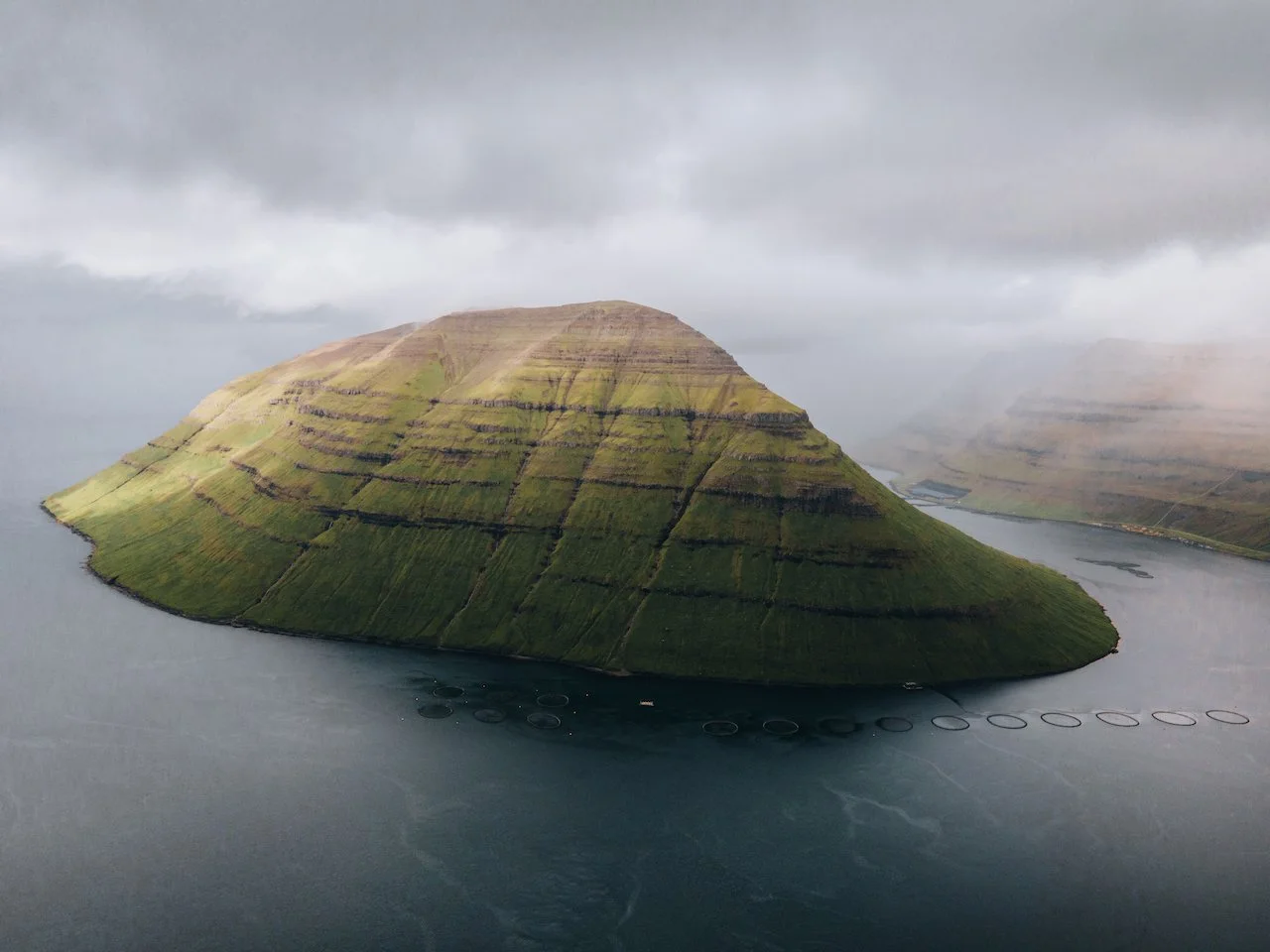
The long and narrow island of Kunoy is located in the Northeast of the Faroe Islands. It translates to 'Woman Island' and has a great view of the Kalsoyarfjørður fjord. The villages of Kunoy and Haraldssund occupy the island and has populations of 77 and 69, respectively. The Kunoy forest can also be found here, possessing the largest concentration of trees found in the Faroe Islands.

The island of Sandoy is located within the Faroe Islands archipelago, which is owned by Denmark. The village of Sandur boasts the largest population on the island with 532 inhabitants. The villages of Skarvanes, Skopun, Skálavík, Húsavík and Dalur can also be found on the island of Sandur. The name comes from the relatively sandy soil that makes up the island.

The island of Mykines is located within the Faroe Islands archipelago, which is owned by Denmark. It is the westernmost island in the entire nation and was formed 60 million years ago. Large stacks of basalt can be seen along the coastline, specifically near the 1 km long islet Mykineshólmur. The population on the island has declined significantly with only 11 permanent inhabitants in 2014.

The island of Viðoy (meaning 'Wood Island') is located within the Faroe Islands archipelago, which is owned by Denmark, and has a population of 605. The settlements of Viðareiði and Hvannasund occupy the Northwest and Southwest coasts of the island, respectively. There are 11 mountains alone on this island with Villingadalsfjall being the northernmost among the Faroe Islands.
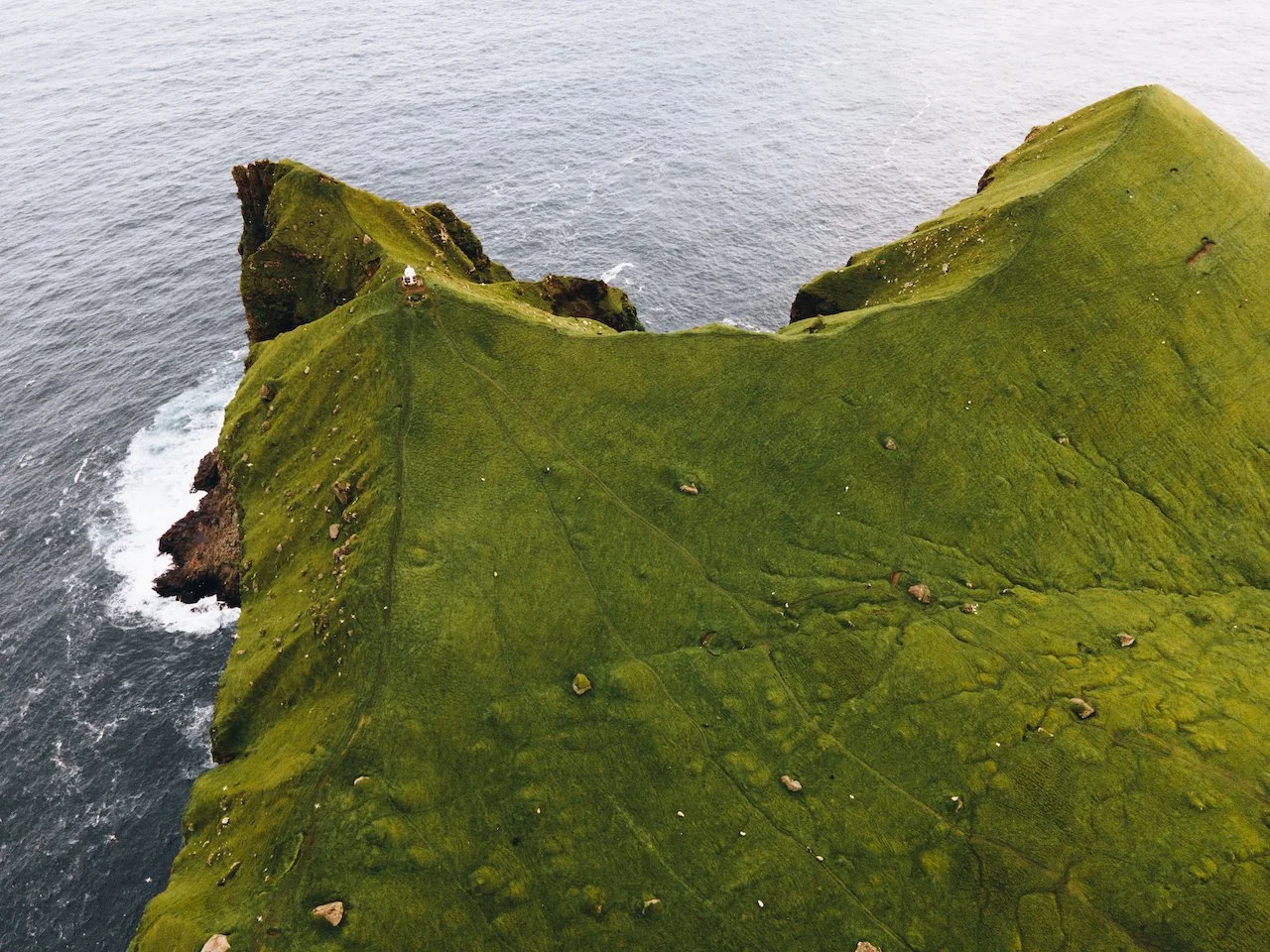
The island of Kalsoy (meaning 'Mans Island') is located within the Faroe Islands archipelago, which is owned by Denmark. The island is isolated and can be reached by a ferry from Klaksvík to Syðradalur. A hike to the Kallur Lighthouse in Trøllanes is a must with stops at the settlements of Mikladalur and Húsar. Kalsoy was also a filming location for the 25th James Bond Film, 'No Time to Die'.
Copenhagen is the capital city of Denmark. It is perhaps one of my favorite cities in the world and 2nd most favorite in all of the Nordics (the first being Stockholm). I have been fortunate enough to be here a few times but the last time was the first time with my drone. This is a drone shot over Nyhavn Harbor, perhaps the most popular area in the city. It was so cool to be able to experience a unique view of this iconic landmark.