Travel Lighter, Explore Further: Why Weight Changes the Way an E-Bike Feels on a Weekend Away

A weekend away is often meant to feel like a break from routine, yet travel can easily become an exercise in carrying things. A bag from the station to the hotel. A coat that is too warm by midday. Shopping picked up at a market. A route that looked walkable online but proves to be farther than expected once the day begins.

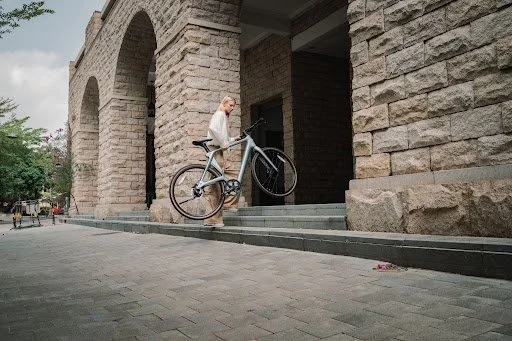
That is why the appeal of a lighter e-bike goes beyond its number on a specification sheet. Weight affects the moments that do not usually appear in glossy cycling photographs: wheeling a bike through a gate, turning it around outside a café, lifting it over a low step, parking it neatly at a hotel or continuing to ride when the battery support is reduced.

For travellers and urban explorers, the most useful bike is not always the one with the largest motor or the biggest battery. Often, it is the one that feels natural enough to use repeatedly throughout the day. A lighter design can make cycling feel less like managing a machine and more like an effortless extension of the journey.

The weight you notice is not always the weight you expect

Most people think about e-bike weight in terms of carrying. That is understandable. Lifting a bike into a storage area or up a few steps is the most obvious moment when every kilogram matters. But weight shapes the riding experience long before a bike leaves the ground.

It affects how easily the bike can be pushed through a busy street, how confidently it can be turned at low speed and how manageable it feels when stopping on a slight slope. It also changes the experience of riding without much assistance. A lighter bike generally requires less effort to keep moving when the rider chooses a lower power mode or wants to preserve battery for later in the day.

For a city traveller, these details can matter more than headline performance. A weekend itinerary is full of short, imperfect journeys: hotel to breakfast, breakfast to a gallery, gallery to a park, park to dinner. The bike has to be moved, parked, restarted and steered repeatedly. If it feels cumbersome during those small moments, it is less likely to be used spontaneously.

A lightweight electric bike is therefore not simply a choice for people who live upstairs or have limited storage. It can be a choice for anyone who values a more intuitive riding experience, particularly when travel involves frequent stops and unfamiliar surroundings.

The bike should not become the hardest part of the day

There is a common temptation to judge an e-bike by the longest list of features. More battery capacity, more suspension, wider tyres and a larger motor can all be useful in the right context. But each addition can bring more weight, more bulk or a riding feel that is less suited to gentle, stop-start urban exploration.

This does not mean lighter is always better. A rider planning rough trails, large loads or very long distances may reasonably prefer a sturdier and heavier design. The problem comes when people choose for an imagined adventure rather than the type of riding they will do most often.

For someone travelling to a city for a long weekend, the most common reality may be paved roads, cycle lanes, park paths and short detours between food, culture and accommodation. In that setting, agility can be more valuable than off-road capability. A bike that feels easy to handle can encourage the rider to take a longer route home, stop for a late coffee or cycle to a restaurant instead of calling a taxi.

That is the hidden benefit of lower weight: it reduces the mental barrier to using the bike. The rider does not have to wonder whether a short trip is worth the hassle. They simply go.

A natural ride matters as much as a light frame

Weight is only one part of the equation. The way an e-bike delivers power has a major effect on whether it feels graceful or mechanical.

Torque sensors are especially relevant here because they respond to how hard the rider is pedalling. Rather than delivering the same push every time the pedals move, they can make assistance feel more proportional to the rider’s effort. This is useful in a city, where a journey may involve gently rolling through quieter streets, accelerating away from traffic lights and managing small hills.

A low-resistance motor can also make a difference when assistance is reduced or switched off. Travellers do not always need maximum support, particularly on flat routes or when they simply want a slower, more active ride. A bike that still rolls naturally gives them more control over how the day feels.

Comfort remains essential. A very light bike with an unsuitable riding position, narrow tyres or weak brakes may not be enjoyable after an hour of exploring. The aim is not to pursue weight at any cost. It is to find a balance between a manageable frame, a comfortable posture and the components needed for the routes ahead.

Lightness changes the rhythm of slow travel

There is a difference between seeing a city and moving through it. Walking provides detail but limits distance. Driving covers distance but can separate travellers from the atmosphere of the place. Cycling sits somewhere in the middle.

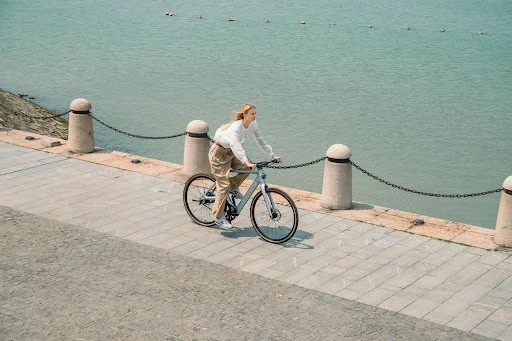
A lighter e-bike makes this middle ground more appealing. It lets travellers cover more ground than they would on foot while still being able to stop easily when something catches their attention. A canal-side bookshop, a neighbourhood bakery, a hidden garden or a small gallery can become part of the route rather than an inconvenient detour.

This way of travelling is especially rewarding in places where the journey itself is part of the pleasure. London, Edinburgh, Bristol, York and many smaller towns all offer areas where cycling can reveal a different rhythm from the main visitor routes. The rider has enough assistance for hills and longer distances, but still feels connected to the sounds, streets and changing character of each neighbourhood.

A lighter bike also helps at the edges of the journey. It is easier to push through a courtyard, manoeuvre into a secure storage space or reposition outside a café without blocking the pavement. These may seem like minor points, but they influence whether cycling remains relaxed or starts to feel like a logistical task.

The lightest bike is not automatically the best travel bike

Searching for the lightest electric bike is a sensible starting point, particularly for riders who expect to lift, push or manoeuvre their bike several times in a day. But the lowest figure on a specification sheet is only useful if the bike still feels stable, comfortable and capable on the routes it will actually cover.

A very light frame may be easier to handle around a hotel courtyard or outside a café, yet it can involve compromises in battery capacity, tyre comfort or carrying options. For most weekend travellers, the better question is not “What is the lightest bike available?” but “What is the lightest bike that still suits my route, my riding position and everything I need to bring?”

Different kinds of lightweight riding

Fiido’s lighter models illustrate that “lightweight” can mean different things depending on the traveller’s priorities.

The Fiido Air is built around minimum weight and a conventional bicycle-like feel. Its carbon-fibre frame weighs 13.5 kg, while its Mivice torque sensor, belt drive and low-resistance motor support a quieter, more natural style of riding. It makes sense for riders who value agility above all else and want an e-bike that can feel at home on a city break as well as in everyday life. The belt drive is also a practical detail for travel because it avoids the oil and routine maintenance associated with a traditional chain.

The Fiido C21 takes a broader approach. At 17.5 kg, it remains relatively light while adding hydraulic braking, a torque sensor and geometry intended for city riding as well as smoother paths beyond the centre. This may suit a traveller whose ideal weekend includes urban streets in the morning and a longer ride along a canal towpath, coastal route or well-maintained country lane later in the day.

The Fiido C11 Pro is less about pursuing the lowest possible weight and more about balancing an all-round city format with practical range. Its 499.2 Wh removable battery, claimed range of up to 104 km, hydraulic disc brakes and Mivice S200 torque sensor may appeal to riders who want a more relaxed, utility-minded e-bike for longer days without moving into the heavier touring category.

These are not interchangeable choices. The Air is best understood as a bike for riders who want the greatest sense of lightness. The C21 is for those who want a more active, versatile ride. The C11 Pro makes sense when daily practicality and a more generous battery reserve matter alongside manageable handling.

Choosing for fit, not for a label

Searches for the best lightweight ladies electric bike uk often reflect a practical need rather than a demand for a gender-specific product. Many riders are looking for a bike that is easier to control at low speed, straightforward to mount, appropriately sized and manageable when it needs to be pushed or parked.

Those needs vary far more by height, reach, confidence and riding routine than by gender. A well-chosen frame size, a comfortable saddle position, responsive brakes and a manageable overall weight will matter more than a label aimed at “ladies”. The best option is the one that allows the rider to stop confidently, reach the controls naturally and enjoy a full day in the saddle without feeling that the bike is working against them.

What to check before choosing a light e-bike for travel

The first step is to be honest about the journey. If the bike will only be wheeled through a hotel lobby and ridden on paved streets, a light carbon or aluminium model may be ideal. If it will be used on rough surfaces, carrying significant luggage or travelling far beyond the city, a slightly heavier setup may offer more comfort and confidence.

Riders should also check the battery arrangement. A removable battery can make overnight charging easier, but it is worth confirming the accommodation’s policy and keeping charging away from exits or unsuitable spaces. The bike should have secure lighting, dependable brakes and a lock that matches the places where it will be left.

Frame size is equally important. A lightweight bike that does not fit properly will never feel effortless. The rider should be able to stop confidently, reach the controls comfortably and maintain a position that does not create strain over a longer ride.

Finally, it is useful to test the bike at low speed. Ride it through a tight turn, stop on a slight incline and push it for a short distance. These are the moments that reveal whether the promised lightness translates into genuine ease of use.

The right electric bike should make travel feel less encumbered, not add another thing to manage. When the bike is light enough to feel inviting, comfortable enough to ride for hours and practical enough for the real stops along the way, it can turn a weekend itinerary into something much more open-ended.