
Road Trip Ready: Trailer Tire Tips for Exploring National Parks
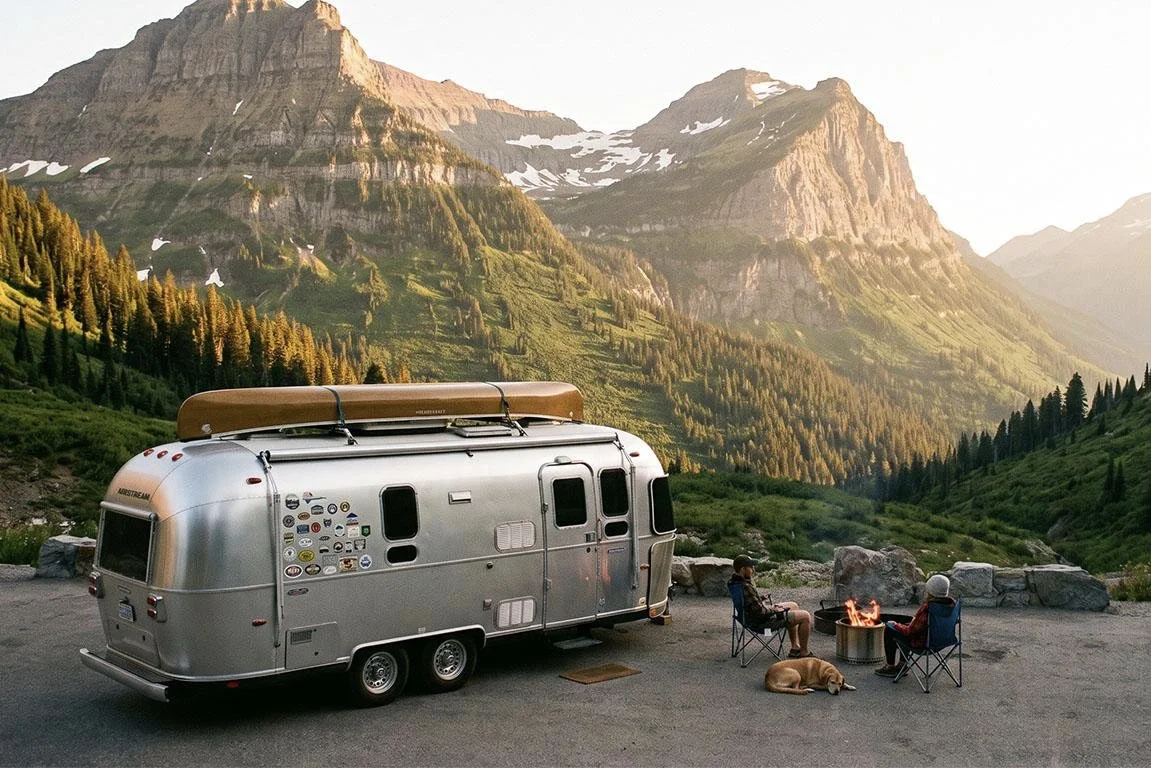
There’s something special about trips to national parks that excites any traveler. From visiting scenic landscapes to observing unique wildlife, everyone can find something to look forward to. That excitement can make it easy to overlook the practical side of preparation, but what you do before leaving matters just as much as the destination itself.
But once you hit the road, that excitement can unravel fast. Mechanical failures, flat tires, and unstable handling have a way of turning a great trip into a stressful one. A prior vehicle and tire check is what separates a risky endeavor from a successful adventure.
Why Trailer Preparation Matters Before a National Park Adventure
The journey to the iconic landscapes of national parks begins with long highway drives. Miles of asphalt and different road conditions put your setup to the test long before you reach the park gates. That's why choosing a trailer suited to your towing needs is just as important as preparing it for the trip—find your match at Brechbill Trailers before you hit the road.
Once at your destination, twisting mountain roads and elevation changes demand absolute confidence in your rig. Not addressing a minor issue ahead of the journey can quickly become a major hazard on a narrow cliffside pass.
Though beautiful, national parks are also quite remote locations, some more than others. Phone signal fades, and the further you venture, the more isolated you become. This is a perfect recipe to leave you stranded for hours if something goes wrong, especially since there are limited repair services within parks.
Staying ahead of these problems comes down to preparation. A comprehensive checklist keeps the foreseeable issues at bay, and your trailer tires deserve a spot on that list. Their condition has a far greater impact on the journey than most people expect.
Simple Trailer Tire Checks Before You Hit the Road
When you embark on your adventure, tires are your only contact with the road. If they are not at their best, you risk a hazardous journey.
Keeping your tires at the proper inflation pressure is important as it directly affects your driving experience. Check the recommended pressure value in the owner’s manual.
What people usually forget about tire damage is that it can come from within the tire. Seeing bulges or numerous cracks across the rubber is a sign to replace those tires immediately.
Keep an eye out for bald spots on your tires. Bald spots, regardless of size, mean the tire has lost the tread it needs to perform reliably on dry and wet roads. At that point, replacement is a must.
While inspecting the mounted tires, always check the spare one as well. In case of a sudden tire failure, the spare can save the day and let you move on without wasting time.
Though multi-mile journeys require extensive packing, you don’t need to pack everything. Avoid overloading the trailer to prevent sudden mechanical and tire failures.
National Park Roads Can Be Tough on Any Vehicle
As mentioned before, national parks provide a unique experience with their flora, fauna, and natural beauty. Mountainscape can be particularly challenging to navigate. Your setup has to work hard on steep climbs to viewpoints and maintain control on long descents.
Winding roads with sharp turns put additional strain on the hitch and tires, which work together to keep the trailer stable and in line with the towing vehicle. Frequent braking in crowded areas and at designated wildlife stops adds to that demand.
Road conditions and weather can also take their toll. Gravel campground roads pose a particular issue since gravel can puncture a tire with its sharp edges. Summer heat adds another layer, stressing the vehicle’s cooling system and making tires prone to blowouts.
Despite these difficulties, there’s an efficient way to ensure your vacation to national parks remains a success. A previously inspected vehicle and well-maintained trailer tires keep your trailer easy to control, allowing you to handle these conditions with confidence.
Build a Road Trip Routine That Keeps You Moving
Ensuring a successful adventure lies in establishing good habits throughout the journey. It’s often in these moments that you can prevent a frustrating experience.
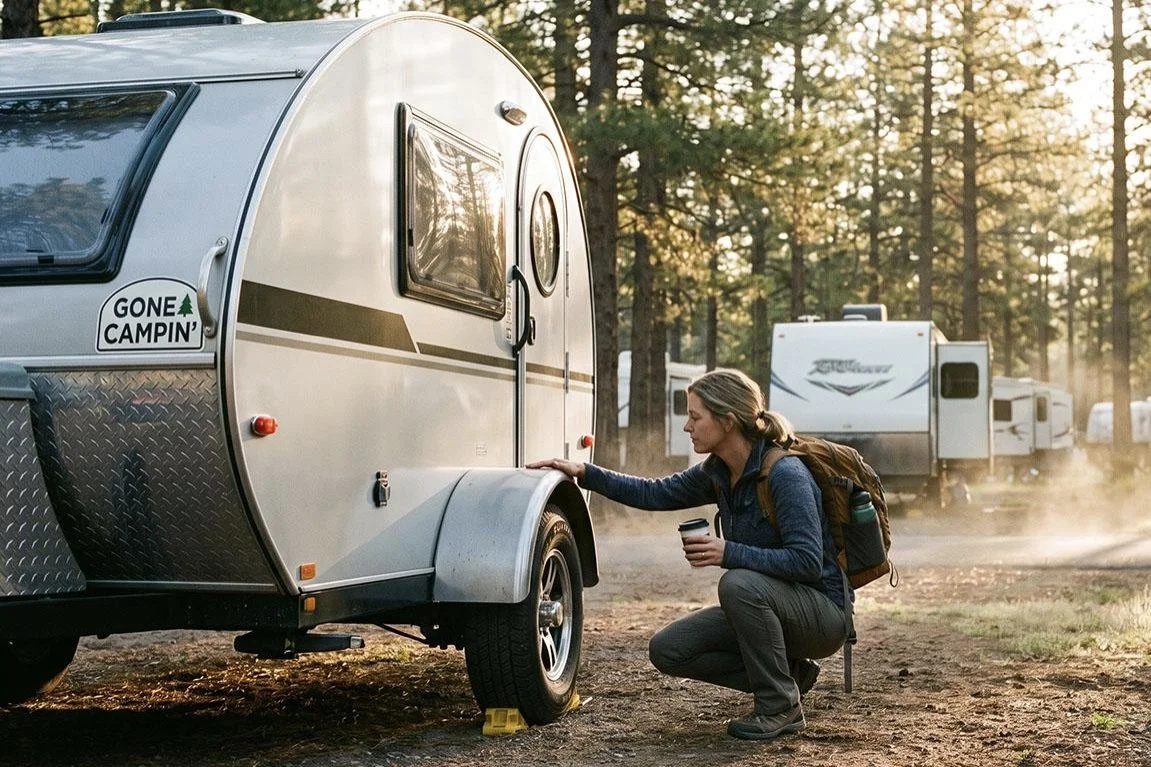
A quick walk around the trailer each morning is all it takes to catch a slow leak, a damaged sidewall, or anything else that could turn into a bigger problem down the road.
Staying visible on the road, particularly at night, is crucial for everyone’s safety. A simple trailer lights inspection is enough to determine whether you should continue the trip or visit a mechanic.
The trailer hitch connection is one of the places that endures a lot of stress throughout the drive. Check whether it’s structurally sound so the trailer stays securely connected and stable.
In case you’ve brought extra cargo, make sure it's tightly secured. Preventing the weight from shifting while driving helps maintain a secure towing experience throughout the trip.
Budget your adventure without diminishing the experience. Plan your trip and fuel stops accordingly. A quarter-filled tank lets you navigate an emergency better than an empty one.
Pack emergency rations and supplies. Road trips can take unexpected turns, and having the basics on hand makes a bad situation a lot more manageable.