Must-Have Travel Apps in 2026 for Easier Trip Planning and Navigation
Travel in 2026 depends heavily on mobile apps. Most people now use their phones to book flights, find places to stay, move around new cities, and handle payments while abroad. Instead of juggling multiple websites or paper plans, everything is managed in one place. Apps also provide real-time updates for delays, directions, and bookings, which makes trips easier to organize and follow from start to finish.
Why Travel Apps Have Become Essential for Modern Travelers
Technology has changed how people plan and manage trips. Most parts of travel can now be handled from a smartphone, including booking transport, checking accommodation, storing tickets, and finding routes in unfamiliar places. Common ways travel apps are used:
Booking flights and accommodation
Checking maps and navigation routes
Storing tickets and reservations
Tracking flight or transport updates
Translating text or speech
Managing travel spending and payments
Apps also help keep all trip details in one place, so users don’t need to search through emails or multiple websites. Communication tools like translation features make it easier to interact in different countries, while organization apps help keep schedules clear and accessible throughout the trip.
The Essential Travel Apps of 2026
Modern travel relies on a mix of apps that each handle a specific task, from planning and booking to moving around and staying connected. Below is a set of commonly used apps grouped by function, showing how each one supports different parts of travel.
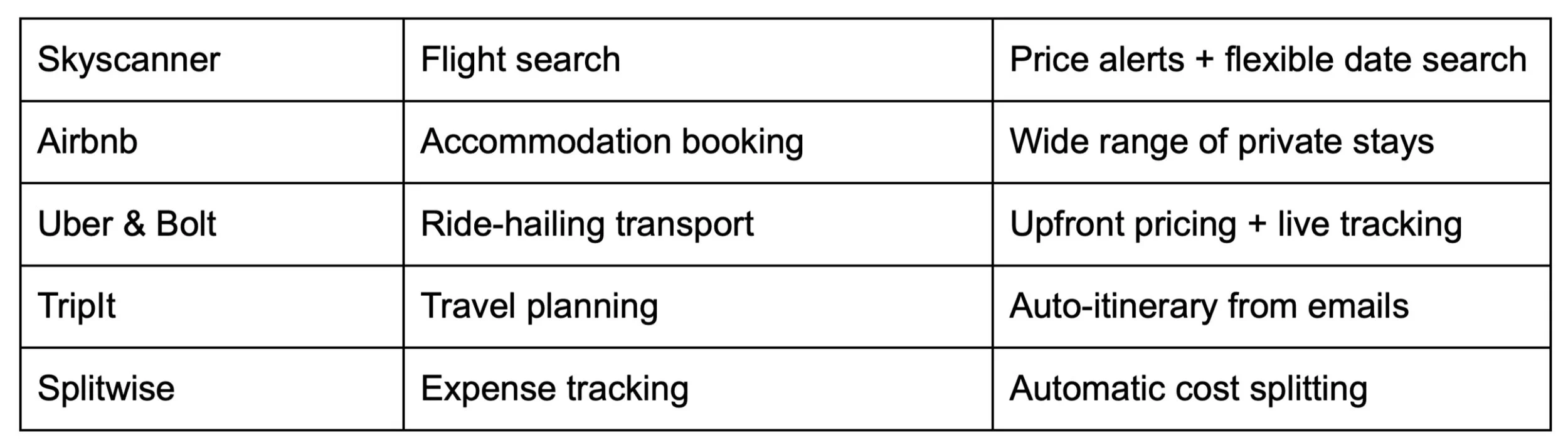
Apart from navigation and budgeting, it is also smart to think about entertainment for long flights or airport delays. Many people download casual games to pass the time. For example, Slotozilla explains how to play roulette, offering clear guides on rules, basic strategies, and game mechanics. Checking these tips in advance helps you understand the process better and gives you a simple way to stay entertained during your trip.
Google Maps
Google Maps is a free navigation tool available on the App Store, Google Play, and web browsers. It helps travelers move around unfamiliar places with clear driving, walking, cycling, and public transport directions. The app also provides useful local details on restaurants, shops, ATMs, and attractions. Key features include real-time traffic updates, lane guidance, and offline map downloads, which are helpful in new areas when mobile data is limited or unavailable.
Skyscanner

As for planning trips, you can use Skyscanner to search and compare flight prices across different airlines and booking sites in one place. It allows travelers to quickly scan different routes, check alternative dates, and adjust filters based on budget or travel time. It is available on the App Store, Google Play, and the official Skyscanner website. Key benefits:
Flexible date and price comparison
Fare alerts and price tracking
Filters for travel time, stops, and airlines
Helps identify lower-cost flight options