
How to Build a Weather-Proof Photo Itinerary in Canada
A good photo plan in Canada needs more than pins on a map. Fog can cover a coast by 8 a.m. Prairie wind can turn a tripod into dead weight. A clear morning in Toronto can become heavy rain before dinner. The fix is not a longer schedule. It is a route with weather rules, backup places, and clear spending limits.
For photo travellers, the goal is simple. Keep the best light, protect the gear, and avoid wasted kilometres. That means planning each day with Plan A, Plan B, and Plan C before you leave.
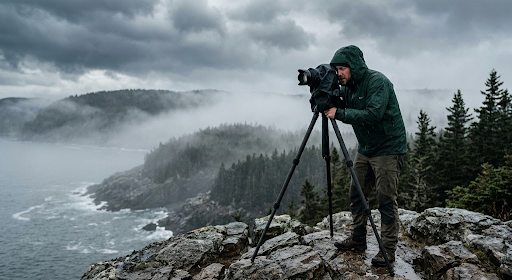
Check Weather Before You Lock the Route
Start 72 hours before departure. At that point, your route should still be movable. Use the forecast to choose the region, not only the clothing. For example, a Montreal to Quebec City plan needs different timing in freezing rain than in light snow.
Check the forecast again 24 hours before leaving. Then check the radar 90 minutes before each outdoor stop. This helps you decide if a lookout, beach, bridge, or street walk still makes sense.
Use three numbers before you book any paid stop. First, note the chance of precipitation. Second, check wind speed. Third, check the hourly temperature change. Wind above 35 km/h can make long-lens work hard. A 7°C drop can also cut a sunset session short.
Add daylight to the weather check. In late fall, useful light can end before dinner. Put the farthest outdoor stop before lunch. Leave the nearest indoor stop for late afternoon.
Also, save one offline map. Rural data can fail in parts of Cape Breton, Gaspésie, or northern Ontario. A paper note with two addresses can save 15 minutes.
What Online Casino Bonus Rules Can Teach About Rainy-Day Budgets
Bad weather often pushes travellers toward paid indoor plans. That can mean galleries, tastings, escape rooms, malls, cinemas, or online casinos at the hotel. The useful lesson is not about the activity. It is about reading terms before spending.
Casino bonuses make this point clear. A traveller comparing a SlapKong Casino no deposit bonus should check eligibility, expiry dates, wagering rules, and cashout limits. The same habit works for travel spending. Before paying C$28 for a museum, C$18 for parking, or C$45 for a last-minute tour, ask what you actually get.
Set a rain-day cap before the trip. For a weekend, C$40 to C$75 is enough for one indoor backup in many Canadian cities. Casinosanalyzer can help readers compare casino terms, yet the wider habit is simple. Do not treat bad weather as permission to buy every backup plan.
A good rule is to pick one paid backup per day. Then leave the rest for free or low-cost options. Libraries, public markets, transit hubs, and covered streets can still give strong photo material.
Build Plan A, Plan B, and Plan C Before You Leave
A weather-proof itinerary is not full. It has space to switch plans. Keep each backup within 20 to 30 minutes of the main stop. That prevents a rain delay from becoming a lost afternoon.
For a Halifax day, Plan A might be sunrise at Point Pleasant Park. Plan B might be the Seaport Farmers’ Market. Plan C might be a café edit session near the waterfront. Each plan still serves the same goal: good photos, low stress, and controlled costs.
Use this simple planning order before you add bookings or paid indoor stops:
Plan A. Outdoor light, views, streets, trails, or waterfront shots.
Plan B. Covered markets, museums, libraries, stations, or indoor public spaces.
Plan C. Photo editing, battery charging, notes, cafés, or one short paid activity.
This three-part method keeps the day useful when the forecast changes. It also stops the route from growing too large. If each backup is nearby, you spend less time driving and more time shooting.
Example: A Three-Stop Rain Plan in Vancouver
Start with a dry-hour walk near False Creek. Keep Granville Island as the covered backup. If the rain gets heavier, move to a café near Mount Pleasant and edit 20 keeper shots. This plan uses one transit zone and avoids extra parking.
The same logic works in other Canadian cities. In Ottawa, pair Parliament Hill with the ByWard Market. In Calgary, pair the Peace Bridge with a nearby indoor food hall. In St. John’s, pair Signal Hill with a sheltered downtown café.
Pack for Wind, Rain, and Sudden Temperature Drops
Weather-proof planning also depends on what sits in your bag. A dry bag costs less than replacing a damaged lens. Two spare batteries can save a winter morning near Banff or Lake Louise.
Before you leave, check Environment Canada weather alerts for warnings, radar, conditions, UV, and air quality. This matters during wildfire smoke in British Columbia and summer storms in Ontario. It can also tell you when to cancel a hike before reaching the trailhead.
Pack light, but cover the weak points:
Microfibre cloth for lens glass and wet hands.
Rain cover or dry bag for camera gear.
Thin gloves for cold metal tripods.
Power bank rated for a full phone charge.
Small towel for café tables and rental cars.