From Scenic Roads to Local Favorites: Exploring Branson Beyond the Usual Stops
Many travelers arrive in Branson with a short list of famous attractions and leave without seeing much else. The bright stages and busy main strips deserve their reputation, but they tell only part of the story. Beyond them lie winding hill roads, quiet lakeside corners, family-run diners, craft shops, and small trails that locals have enjoyed for years.
A visitor who slows down and wanders a little further tends to come home with richer memories and a clearer sense of what makes this part of the country special. This guide covers how to plan a trip that reaches past the obvious and into the places people return for.
Choosing a Calm Base for Your Trip
A trip that stretches beyond the well-known spots usually involves longer days, early drives, and plenty of time outdoors. Where you sleep shapes how much energy you bring to each morning, and a resort that sits right beside the loudest part of town can leave a family tired before the day begins.
A resort set among the trees, a short drive from the main attractions, gives travelers rest at night and easy access by day. Families who want that balance can book a stay atWestgate Branson Woods Resort, which offers private balconies overlooking a wooded property, an indoor heated pool, a lighted playground, and courts for tennis, basketball, and volleyball. With comfortable rooms waiting at the end of each outing, it becomes far easier to say yes to one more detour.
Taking the Long Way on Hill Country Drives
Some of the best memories in this area come from the road itself. The highways that link the main attractions are practical, but the smaller routes that curl through the hills reveal a quieter landscape of forested ridges, open valleys and sudden views over shining water. Driving them without a strict schedule lets you pull over whenever something catches your eye.
Autumn is a favorite season for these drives because the leaves turn deep shades of red, orange and gold. Spring brings its own rewards, with blooming dogwood trees and fresh green slopes. Early mornings bring soft light and quiet roads.
Pack water, snacks, and a printed map, since phone signals can fade in the more remote stretches. Fill the tank before heading out, as gas stations become fewer once you leave the busier roads. The point of a scenic drive is not the destination but the small surprises along the way.
Finding the Restaurants Locals Actually Love
The busiest dining spots near the main attractions are easy to find, but the meals that people remember often come from smaller places a few streets away. Home-style cafes serve biscuits and gravy, fried catfish, hearty barbecue, and fruit cobblers made the same way for generations. Many of these spots are open early and close in the afternoon, so breakfast and lunch are the best times to visit.
A simple way to find them is to ask the people you meet. Shop owners, park staff, and gas station clerks usually have a favorite place and are happy to share it. Look for diners with full parking lots on weekday mornings, as that is a reliable sign of a local following.
Spending Quiet Hours on the Lakes
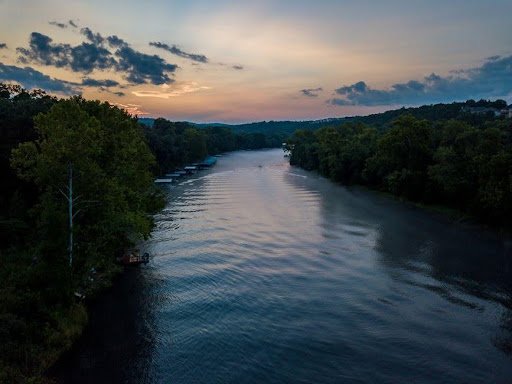
Water is central to life in this region, and the lakes offer far more than the busy marinas suggest. Quiet coves, public beaches, and shaded picnic areas give families room to relax away from the crowds. Renting a kayak or paddleboard is an easy way to explore calm shorelines at your own pace.
Fishing is a beloved local pastime, and many anglers head out at dawn when the water is still and the air is cool. For those who prefer to stay on land, a lakeside bench at sunset offers one of the most peaceful views in the area.
Walking the Trails and Hidden Overlooks
The hills hold a network of trails that range from gentle nature walks to steeper climbs. Short loops through the forest suit young children and older relatives, while longer routes reward experienced hikers with waterfalls, rocky bluffs and sweeping overlooks.
Visiting nature centers and conservation areas is a good way to learn about local wildlife, plants, and history before setting out. Spring and fall bring the most comfortable hiking weather, while summer walks are best kept to the early morning hours.
Wear sturdy shoes, as paths can be rocky and slippery after rain. Stay on marked routes, carry out everything you bring in, and leave plants and stones where you find them so the next visitor can enjoy them too.
Discovering Craft Shops and Local Traditions
Mountain crafts have deep roots in this region, and small workshops still keep those traditions alive. Visitors can watch artisans shape pottery, weave baskets, carve wood, and forge metal by hand. Some shops even offer short classes for curious guests.
Live music also runs through local culture beyond the big theater stages. Small venues, church halls, and weekend gatherings often feature bluegrass and gospel performers playing for the love of it. These events tend to feel warm and personal, and they give travelers a genuine sense of community.
Building an Unhurried Itinerary
The easiest way to see more is to plan less. Pick one or two main activities each day and leave open time for whatever you discover along the way. A relaxed pace helps everyone in the group stay rested, cheerful, and curious.
Mixing busy days with quieter ones works especially well for families. A morning of famous attractions can be followed by an afternoon on the water or a slow drive through the hills. Booking popular shows ahead of time frees your mind to enjoy the rest of the day without worrying about tickets.
Finally, keep a small notebook or a phone list of places locals recommend. Even if you cannot visit them all on this trip, those notes become the start of your next adventure.