Capelinhos on Faial Island, the Azores

Seeing the Azores is not one of those trips where you can just book a flight and arrive; the Azores requires a bit more planning since it involves island hopping and understanding the logistics of inter and intra-island travel. The 9 islands of the Azores are split into three regions with the central islands including Graciosa, Terceira, São Jorge, Pico, and Faial. Faial island is home to Capelinhos, an unreal landscape carved into the earth by volcanic activity from tectonic movement over the years.

In this post, you’ll see my latest video from this spot, my best photos of the Capelinhos peninsular complex, and tips on how to get there.

Capelinhos, A Brief History

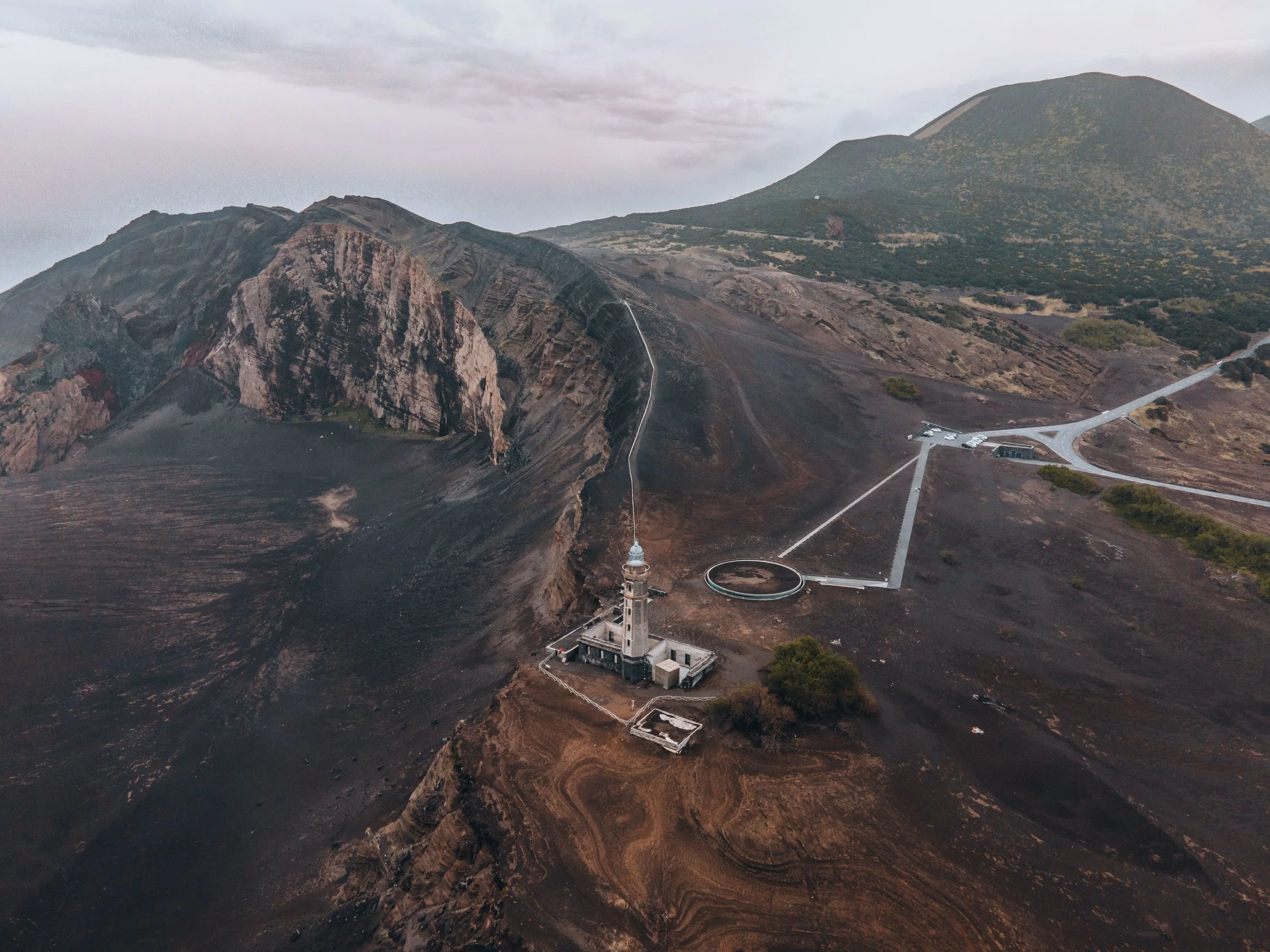
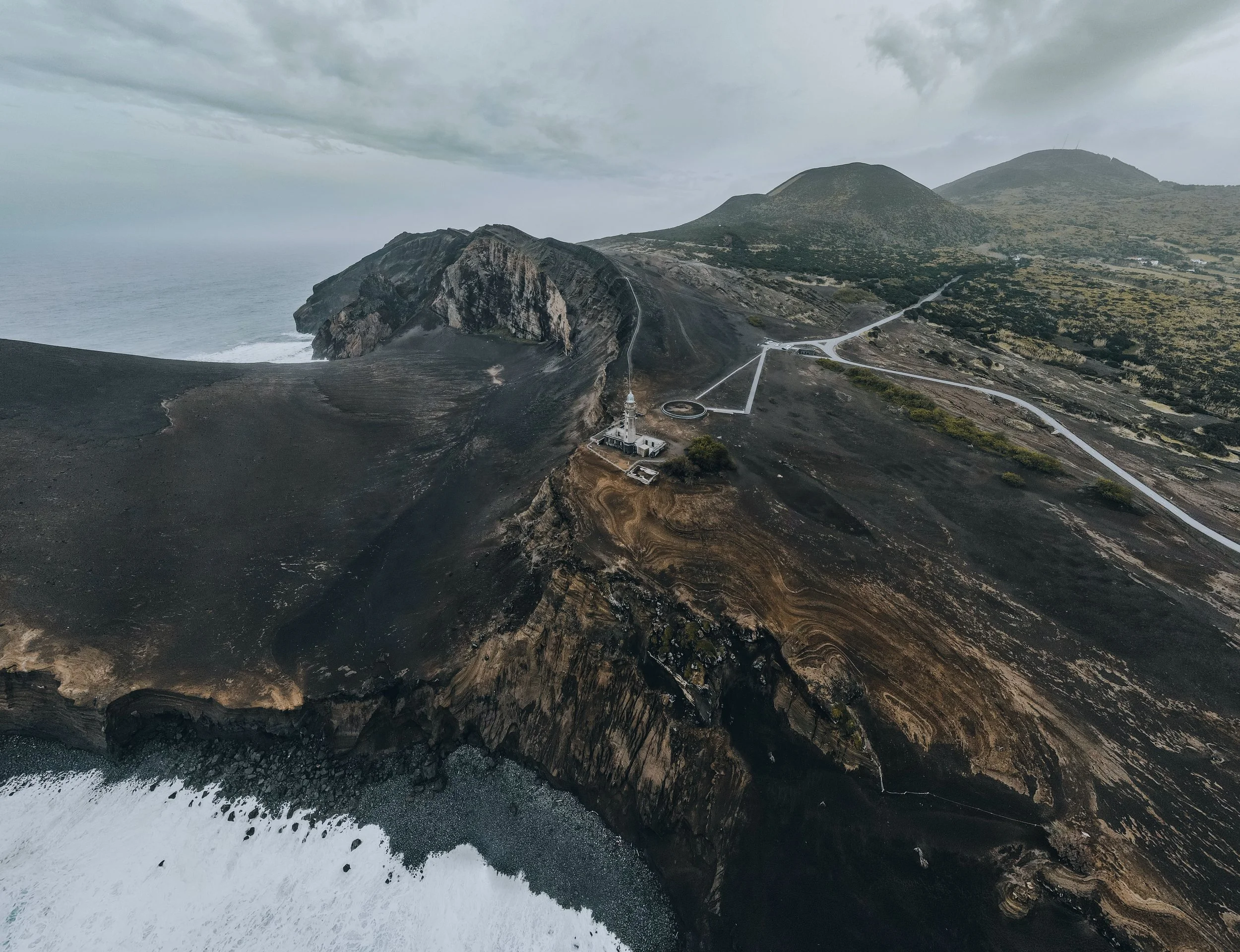
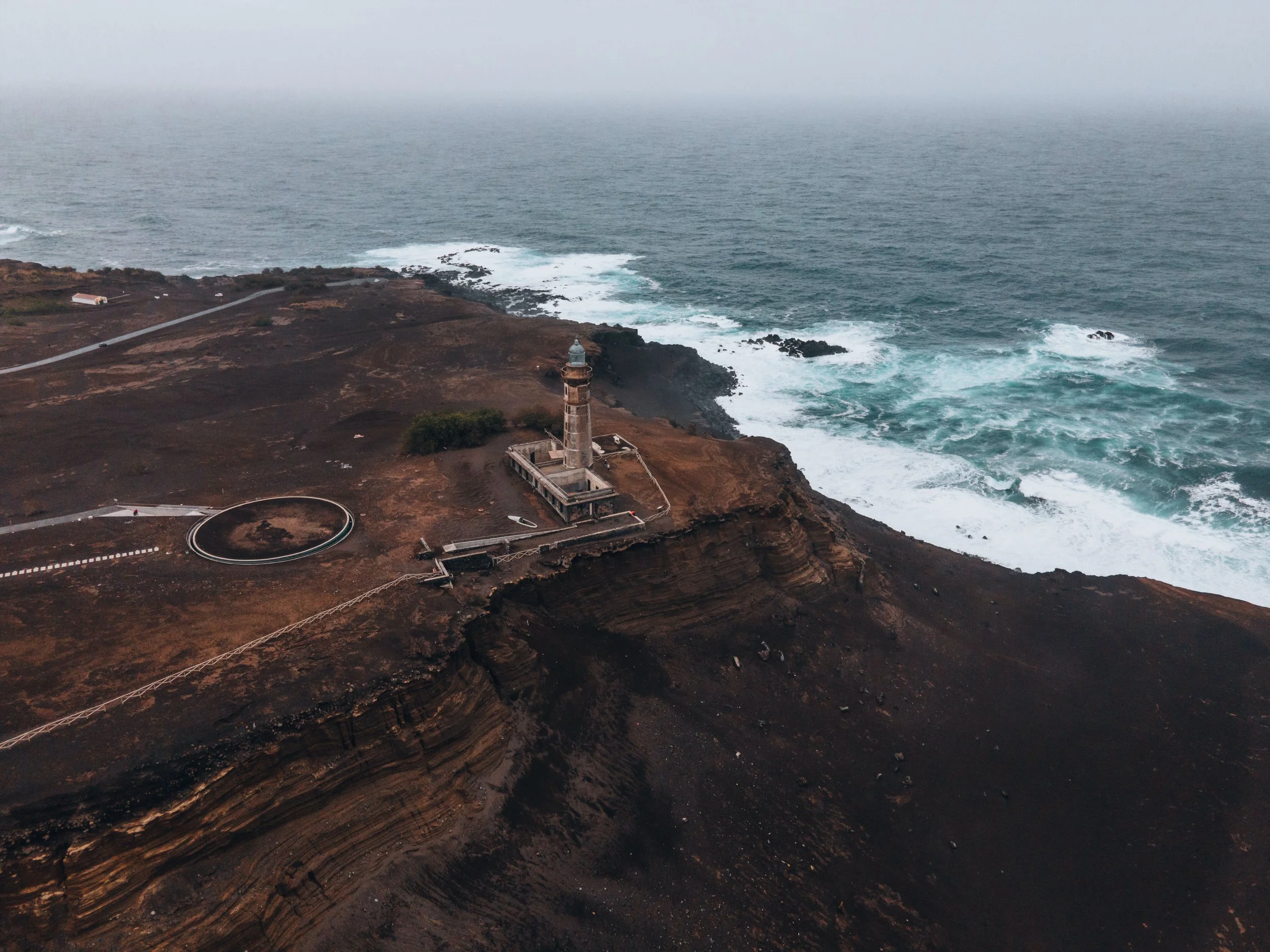
The Capelinhos (meaning ‘Little Cape’) peninsula was formed by lava flows from a series of volcanos along a fault line where the last volcano, dubbed the Capelinhos volcano (Vulcao dos Capelinhos), erupted in 1957. The expelled materials from that volcano created what is known as the Capelinhos peninsula today. The eruption also destroyed 300 homes, enlarged the area by 2.4 km², and went on for 13 months.

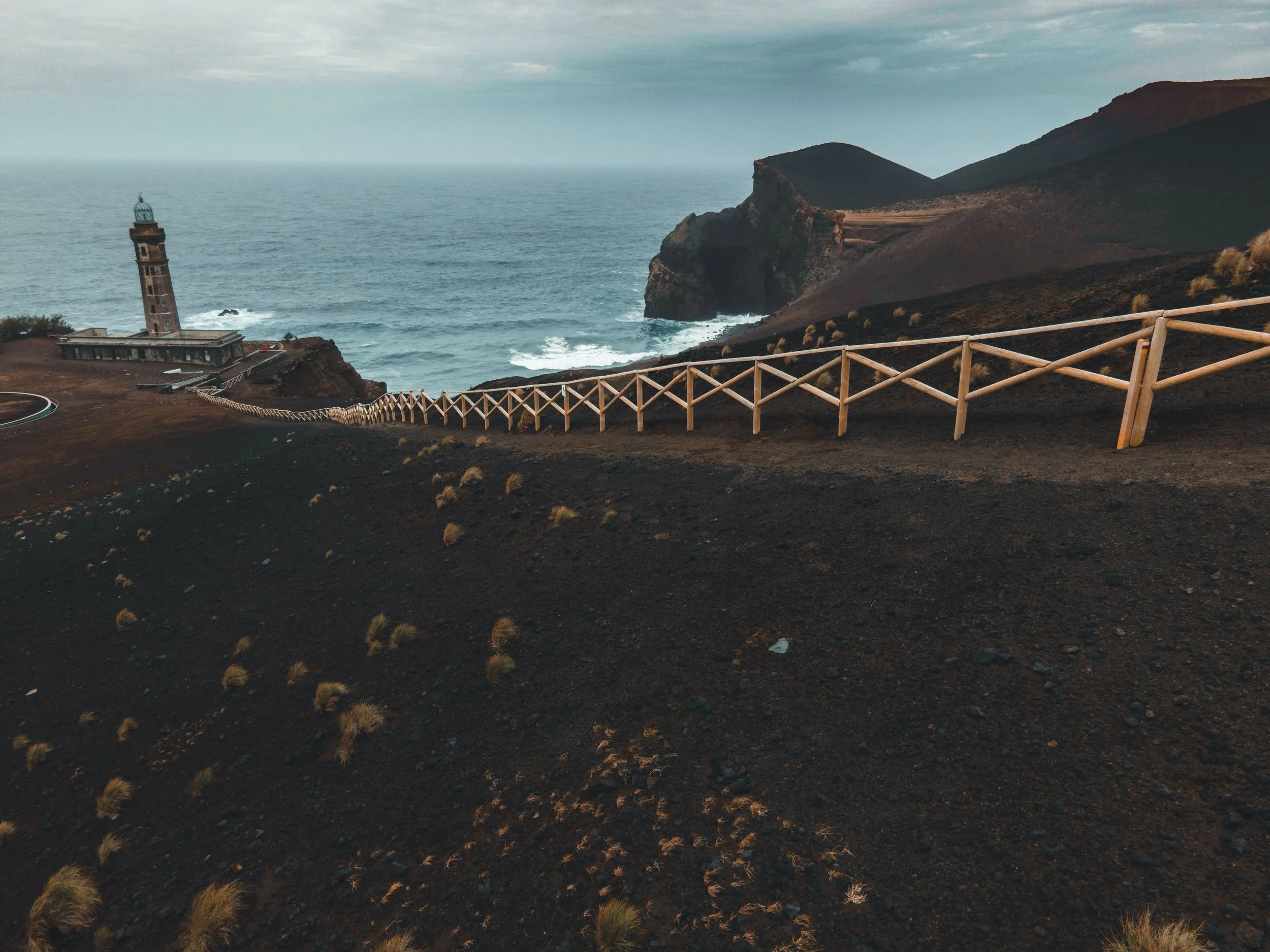
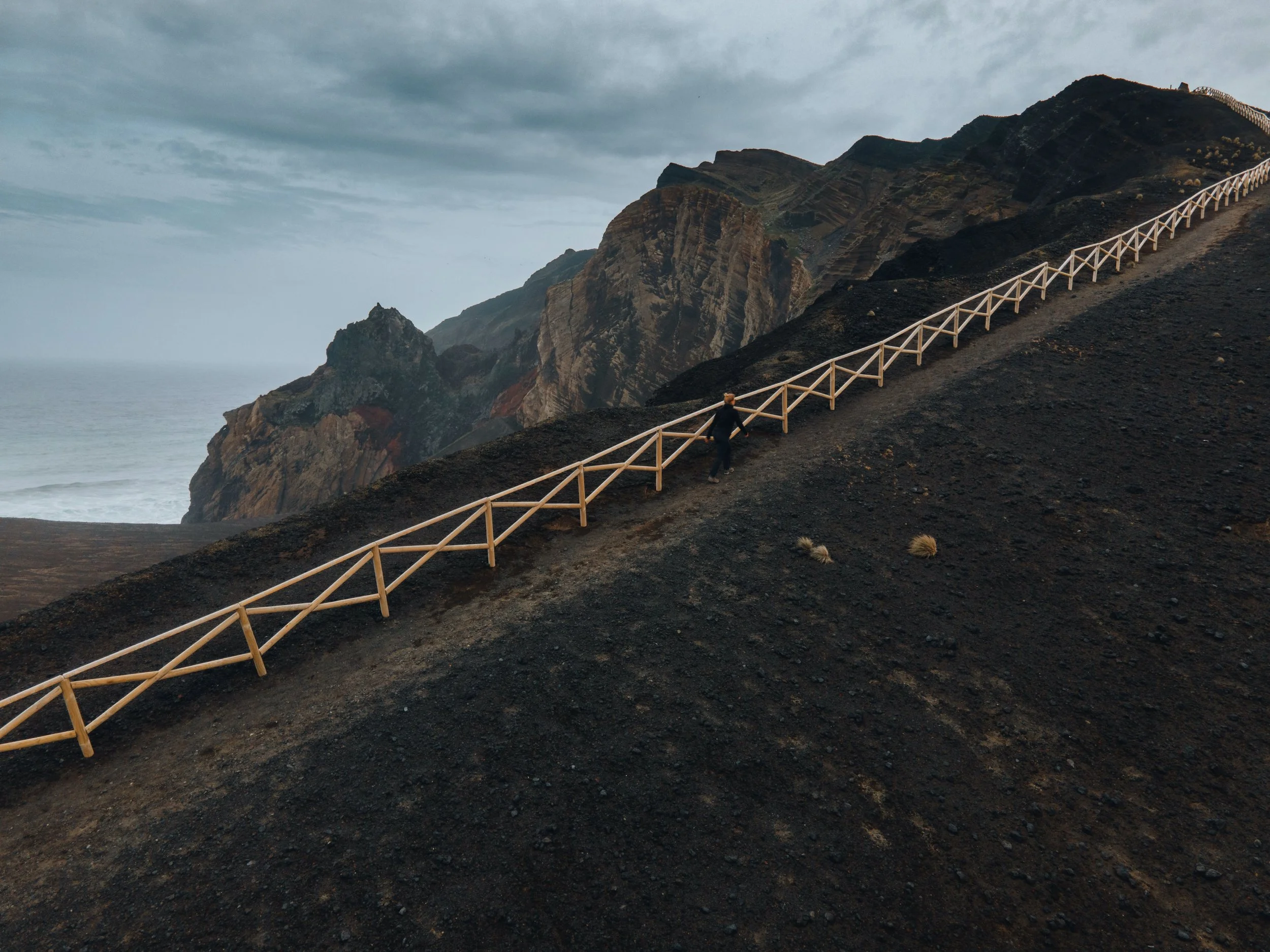
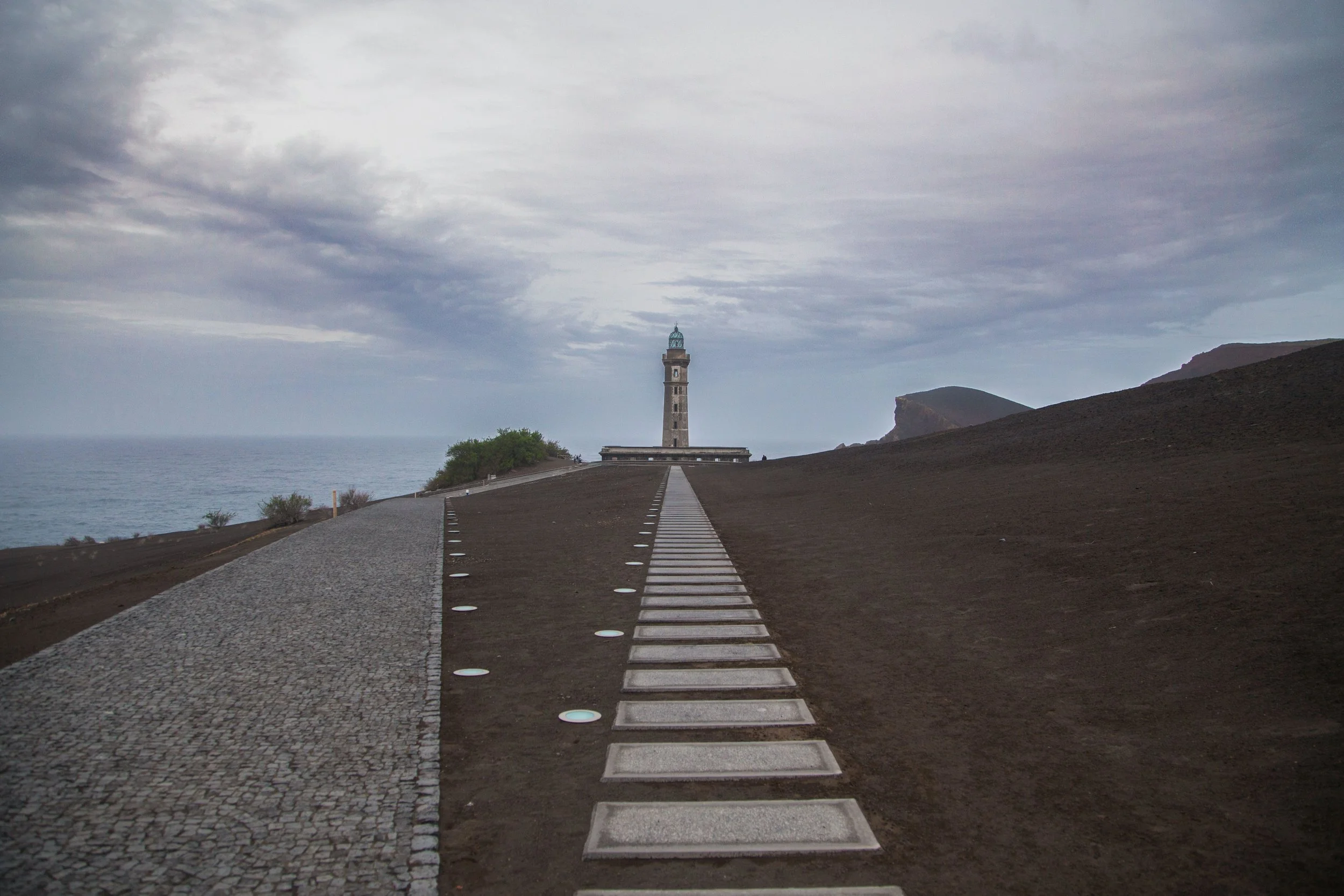
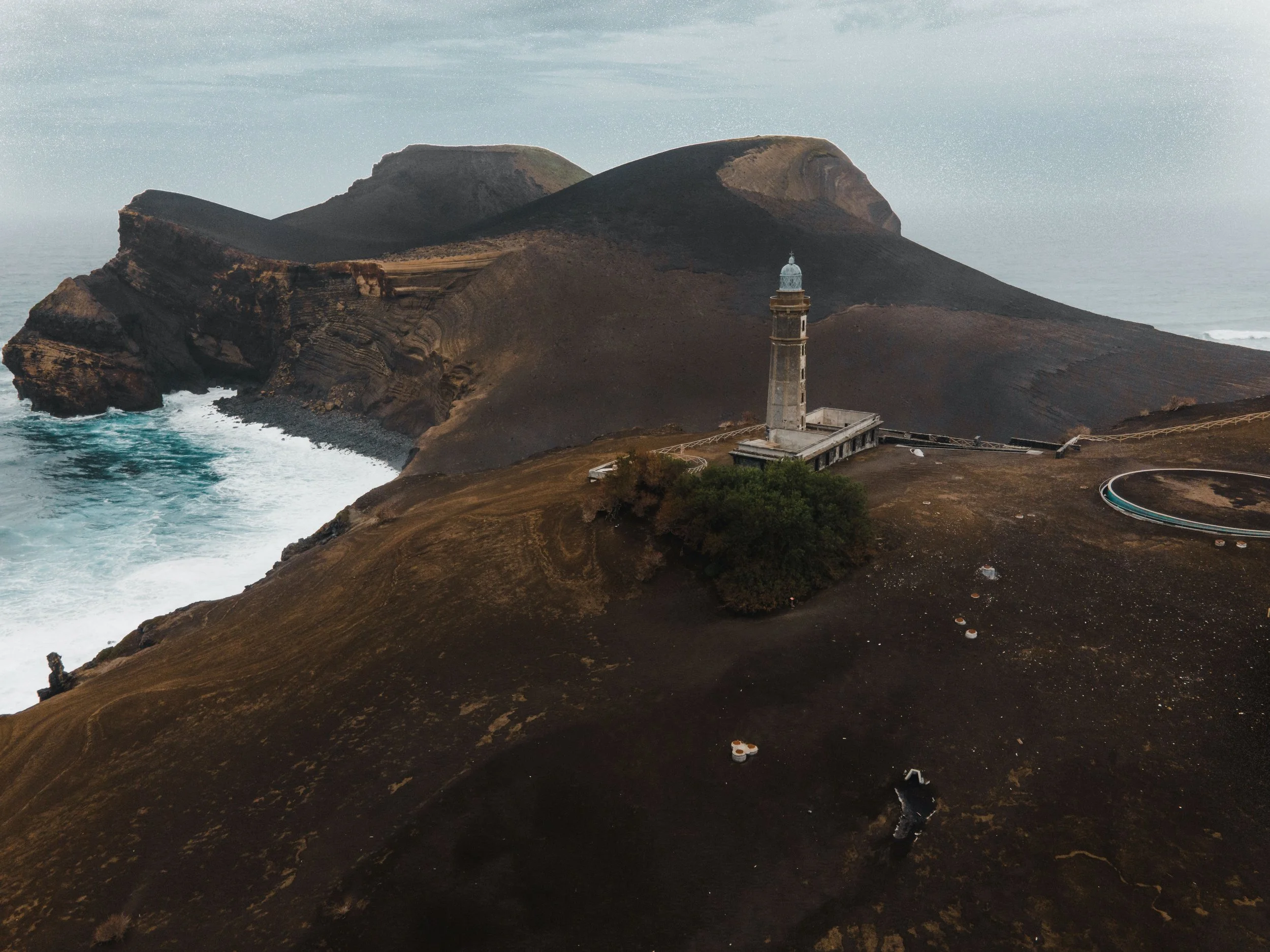
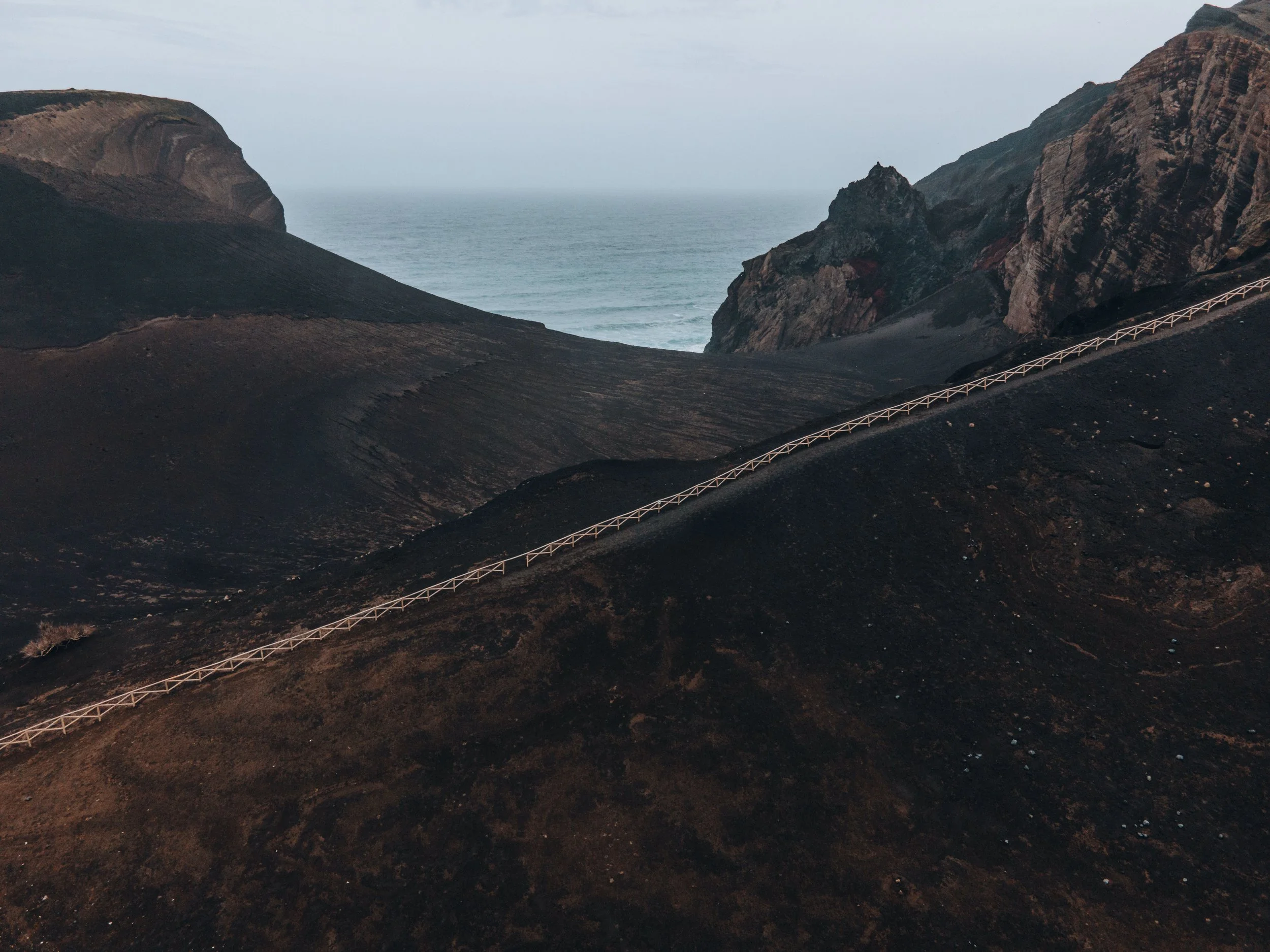
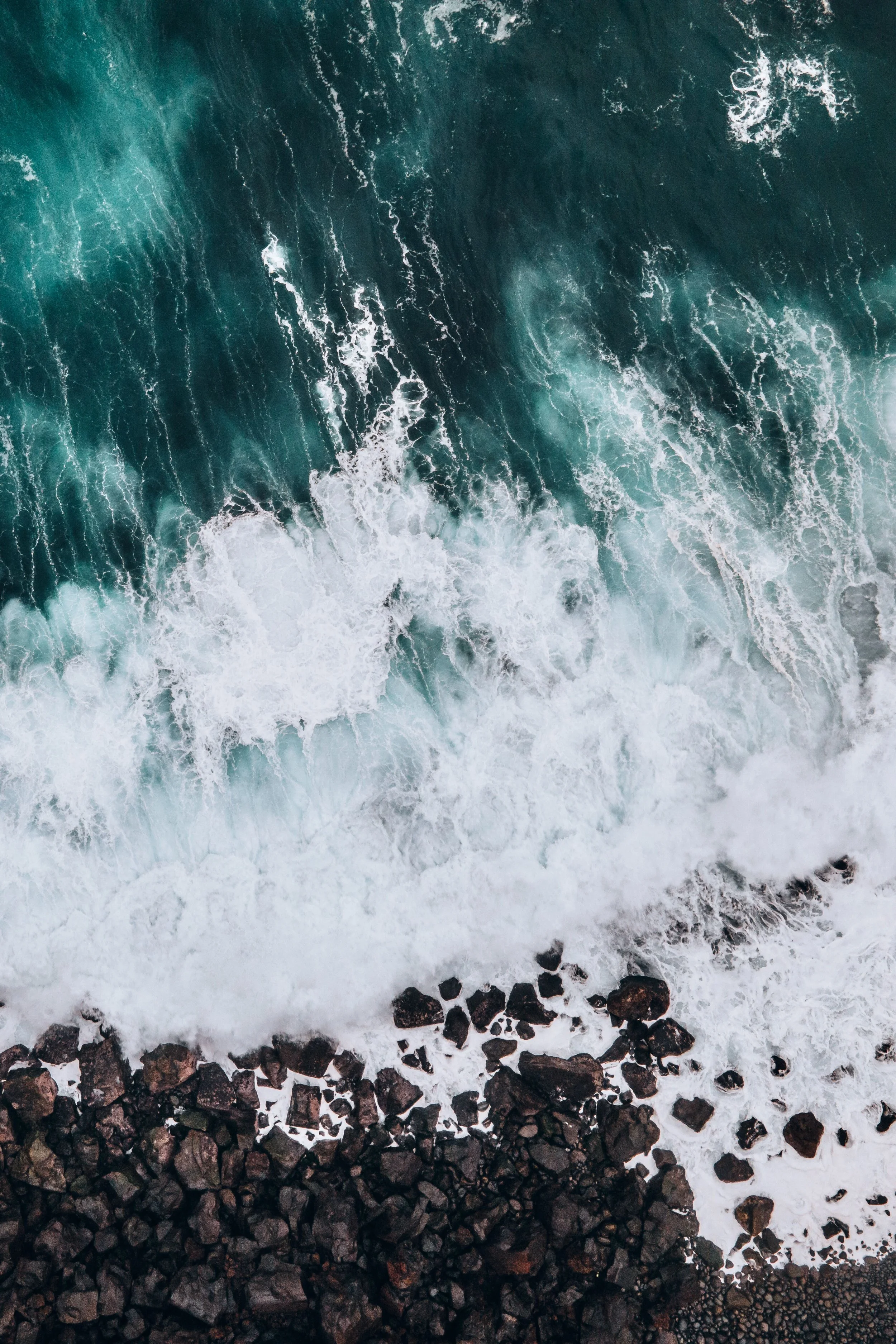
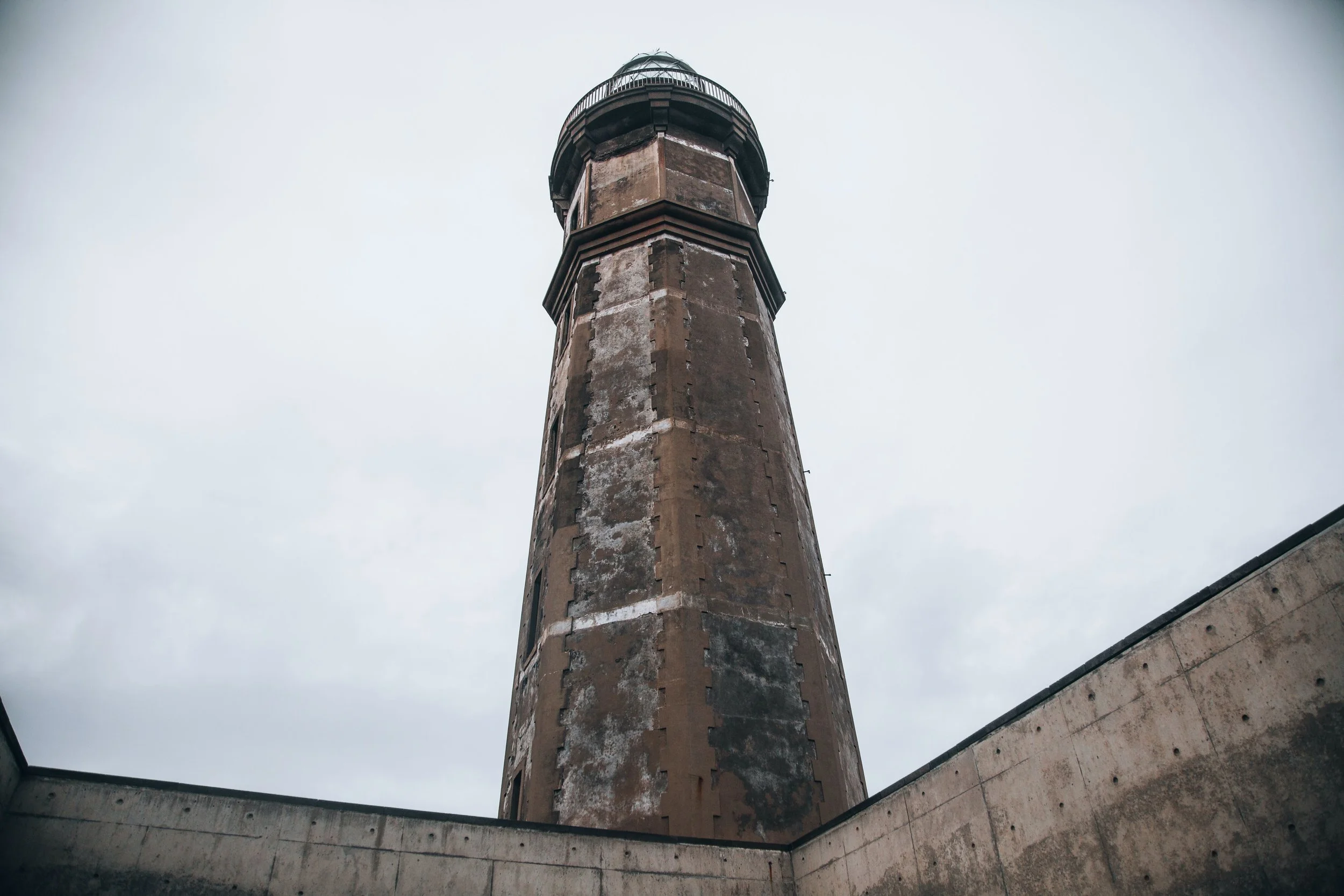
Also, Capelinhos is part of a large volcano complex called Capelo and is considered the westernmost point of Europe as the western islands of the Azores are part of the North American Plate. On a personal note, the black sand landscape, with the old feel of the lighthouse, and crashing blue waves and white wash make this place so unique, so if you manage to see one place in Faial, this is it!

Capelinhos Photos

Getting To Capelinhos

In order to get to Capelinhos, you first have to get to Faial island, which will require getting the main island of the Azores, São Miguel. You can book your flight from anywhere in the world to arrive in Ponta Delgada on São Miguel island. From Ponta Delgada, you can take a flight with Sata Air Azores to the island of Faial. This may or may not require a layover in the island of Terceira.

You can also take a flight to any other Central Azorean island (Pico, São Jorge, Terceira, Graciosa) from Ponta Delgada, and then take a ferry to Faial from those islands using Atlantico-Line. Depending on the time of year, certain ferry lines are more active than others.

We ended up renting a car from Faial airport to access Capelinhos but I’m sure there are local tour operators as well as taxis that can take you to this area. The island of Faial is small and the economy of the Azores and overall prices are pretty light on the wallet.

When to visit Capelinhos

With where the Azores sits in the Atlantic Ocean as well as its overall Latitude, the islands don’t really experience a large variation in temperature. There may be seasons that are wetter and colder than others, but if you stick with anytime in the spring, summer, and early autumn, those are all good times.

As far as which time of day, you can’t really go wrong with any time of day, provided that the sun is out. Unfortunately for us, it was pretty overcast on the day we went so we never got to experience Capelinhos bathed in the light. Nonetheless, we made the most of it. Seeing as how Capelinhos sits on the West side of Faial island, then it is best to see the area in the evening for the sunset.

Photographing Capelinhos

There is a designated parking area in Capelinhos where you can park your car and explore the area around. The complex is quite vast and therefore it can be difficult to really capture the true scale of your surroundings with any DSLR.

I think a lens of standard focal length, 24-70 mm, would be great when photographing the area near the Farol da Ponta dos Capelinhos, or the Capelinhos lighthouse. Getting close up to the lighthouse, while also capturing the vast area around it can easily be done with a wide angle lens of 10 mm focal length. To capture the beach areas below the cliffs might require the use of a telephoto lens, something over 70 mm.

Although we didn’t stay here until nighttime, you can only imagine how bright the stars would be in this part of the world, with no light pollution to prevent you from seeing the Milky Way. So if you have the time and the means, I would suggest bringing your tripod and a camera lens with a wide open aperture, f/2 or less. Getting the galaxy with the lighthouse in the foreground would be so epic.

If you have a drone then you’re in luck; I feel that having a drone is the best way to really photographing the whole area. Just be careful with regards to potential flights coming in and out of Faial island. I don’t believe that Capelinhos lies in any flight paths but its always good to be sure.

Purchasing Photos

Conclusion and Further Resources

We coupled our week long Azores trip with a week long trip to Madeira. It was an incredible two weeks of traveling and seeing this part of the world. I would highly recommend coming to the Azores in late Spring or summer for two weeks to get a chance to see almost all the islands (we were only able to see 3 during our visit).

Nonetheless, if you want to learn more about our travels through this part of the world, check out my blog posts below.

Related

You May Also Like…

Previous
Previous

Villa Cimbrone Gardens in Ravello, Italy