
Why is Xinjiang the Ultimate Destination for China Tours?
Have you ever been looking for such a place? It is so vast that you can enjoy majestic snow-capped mountains, extensive grassland, and unique Yardang landform. It is so ancient that it can tell the two-thousand-year-old story of the Silk Road. It is so colorful that you can experience the changes of the four seasons and the customs of various ethnic groups in just one day.
If you search for answers on a map of China, there is only one place, Xinjiang, which is not the frontier of China, but the center of the Eurasian continent. It is the largest provincial administrative region in China and has the longest border in China. This article reveals to you the top four irresistible reasons why Xinjiang is the ultimate destination for China tours.
Diversity of Natural Landscapes
Snow-capped Mountains and Glaciers
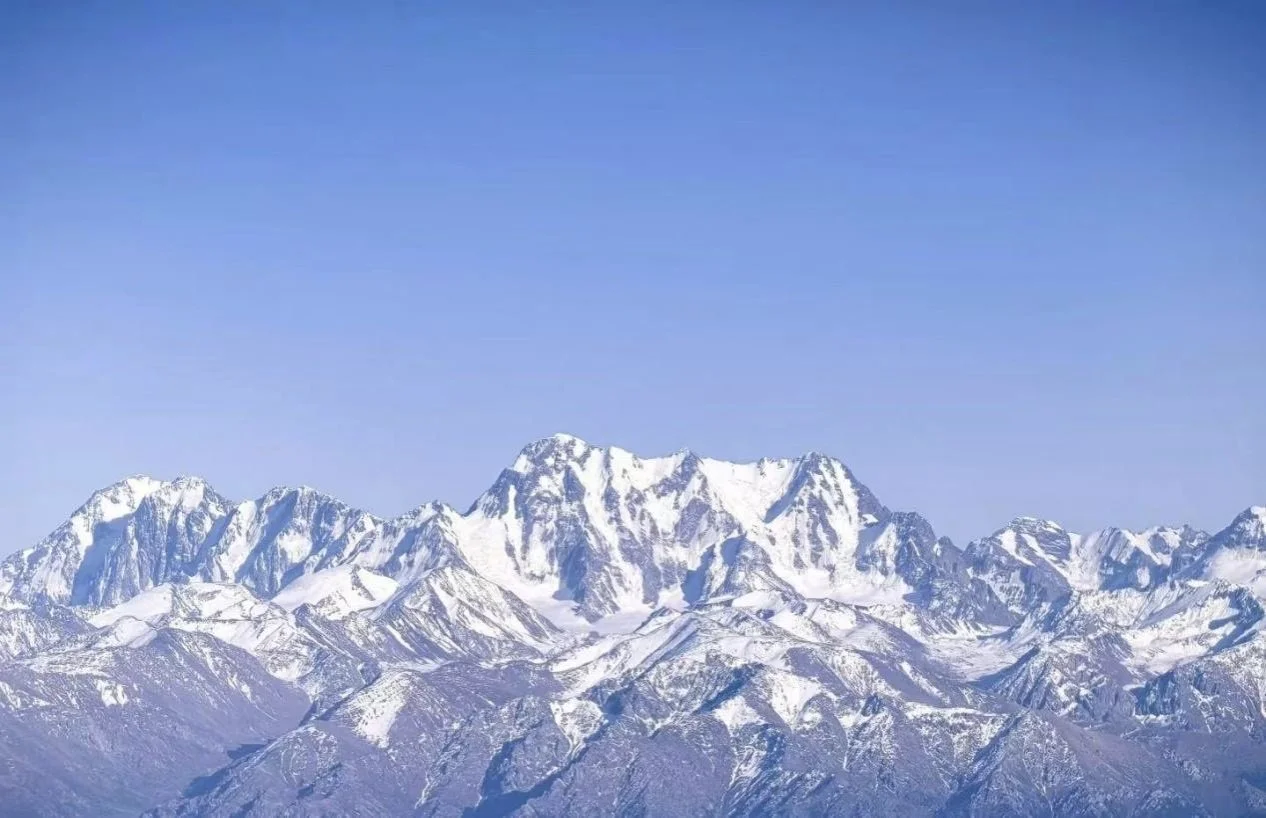
Tianshan Mountains divide Xinjiang into the north and the south. Its main peak, Jengish Chokusu, is 7443 meters high and forms a solid reservoir along with hundreds of glaciers. When you visit the Tianshan Mountains in person and gaze at the snow-capped Bogeda Peak, you will feel the sacred atmosphere.
Kunlun Mountains and Pamir Plateau are hailed as the ancestors of all mountains. The Muztagh Ata is reflected in Lake Karakul with the perfect pyramid-like shape. It is a paradise for mountaineers and photographers.
Lakes and Rivers
The water color of Kanas Lake changes with seasons and lights, from milky white, emerald green to deep blue and dark black. The Taiga Forest by the lake in autumn has the reputation of the back garden of the gods.
Sayram Lake is praised as the last tear of the Atlantic Ocean. The lake water is highly transparent and deep blue. Standing by the lake, you will enjoy the pure snow-capped mountains, beautiful wildflowers, and the tranquil mundane world.
Bosten Lake is the largest inland freshwater inflow and outflow lake in China. It is the pearl of the desert. Reeds and waterfowl are growing here, forming a sense of a water town in the south of the Yangtze River.
Gobi Deserts
The glamour of Taklimakan Desert lies in the rhythm of life within the ultimate desolation. You can drive through the world’s largest desert highway and experience the continuous sand dunes.
Gurbantunggut Desert is the largest fixed, semi-fixed desert in China. In spring, short-lived plants bloom rapidly and turn the desert into a sea of flowers.
Grassland and Wetlands
Nalati Grassland is one of the world’s four major river valley grasslands. It is hailed as the grassland in the sky, with numerous mountain springs, streams, and lush forests. The Kazakh lives and grazes their cattle and sheep here.
Bayanbulak Grassland is China’s second largest grassland with snow-capped mountains on all sides. The meandering Kaidu River here can reflect 9 suns under the sunset.
Adventure of Self-driving and Hiking
Duku Highway
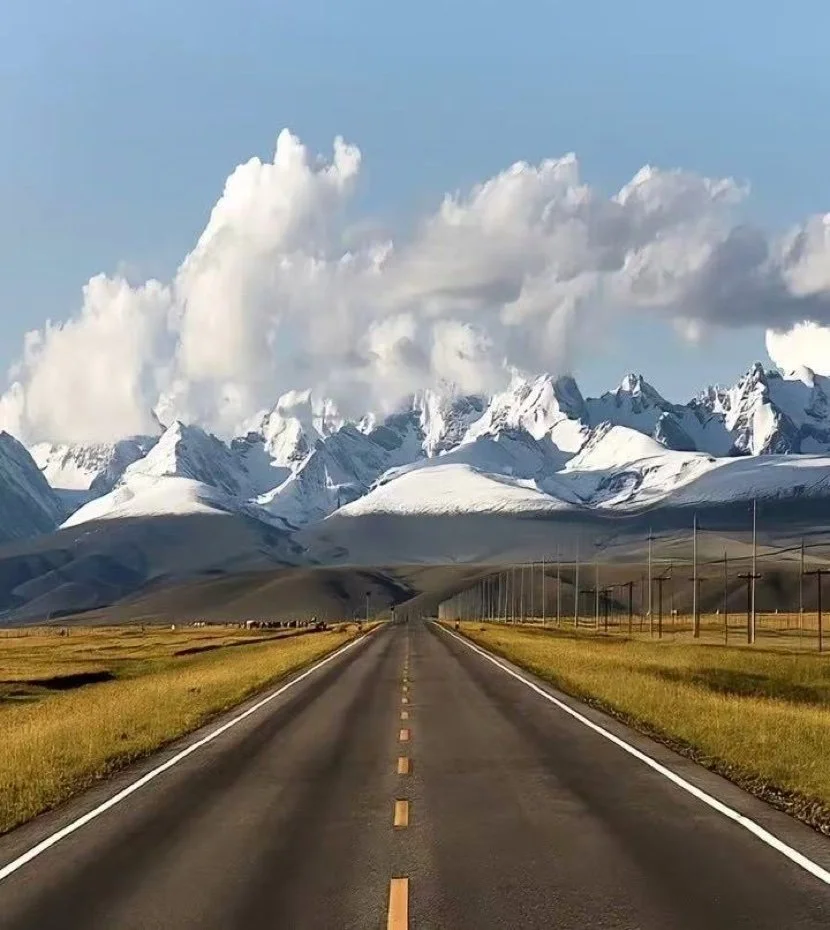
It has a total length of 561 kilometers and connects Dushanzi in northern Xinjiang and Kuqa in southern Xinjiang. Driving along this highway, you will see Yardang landform, spruce forest, and alpine meadow。
Taklimakan Desert Highway
This asphalt road stretches straight into the sky with endless golden sand seas on both sides. At night, you will see the darkest night sky in China and the majestic Milky Way, stirring the soul.
Grand Loop Around the Entire Kanas Area
You can start from Jia Dengyu and then pass through Hemu, Kanas Lake,and Baihaba. It is the first of the top ten classic hiking routes in China.
Wusun Ancient Trail
It is a thousand-year-old ancient path that runs through the south and north of the Tianshan Mountains. Hiking along this path, you will experience the azure lake embraced by snow-capped mountains, breathtakingly beautiful.
Richness of Historical and Cultural Heritage
The Silk Road
When it comes to the reasons for Xinjiang tours, one must mention the rich historical and cultural heritage. Xinjiang is the core hub of the Silk Road. Three main routes run through it, the northern, southern, and middle routes.
Jiaohe Ruins are the largest, oldest, and best-preserved city of earthen architecture in the world. Standing in the city, you can hear the echoes of Cheshi Kingdom and the Tang Anxi Protectorate.
Gaochang Ancient City is the largest international metropolis in the Western Regions. Xuanzang once preached here for over one month. Here you can see the Khan's forts and the remains of grand Buddhist temples.
The Temple of Eastern Spread of Buddhism
The murals of Kizil Caves combine the Indian, Greek, Persian, and Central Plains styles. The unique Kucha style attracts thousands of visitors.
Bezeklik Caves are the royal temple of the Uighur Kingdom of Gaochang. You can see the images of Uighur princes and monks in the murals.
Paradise of Delicious Food
Nang
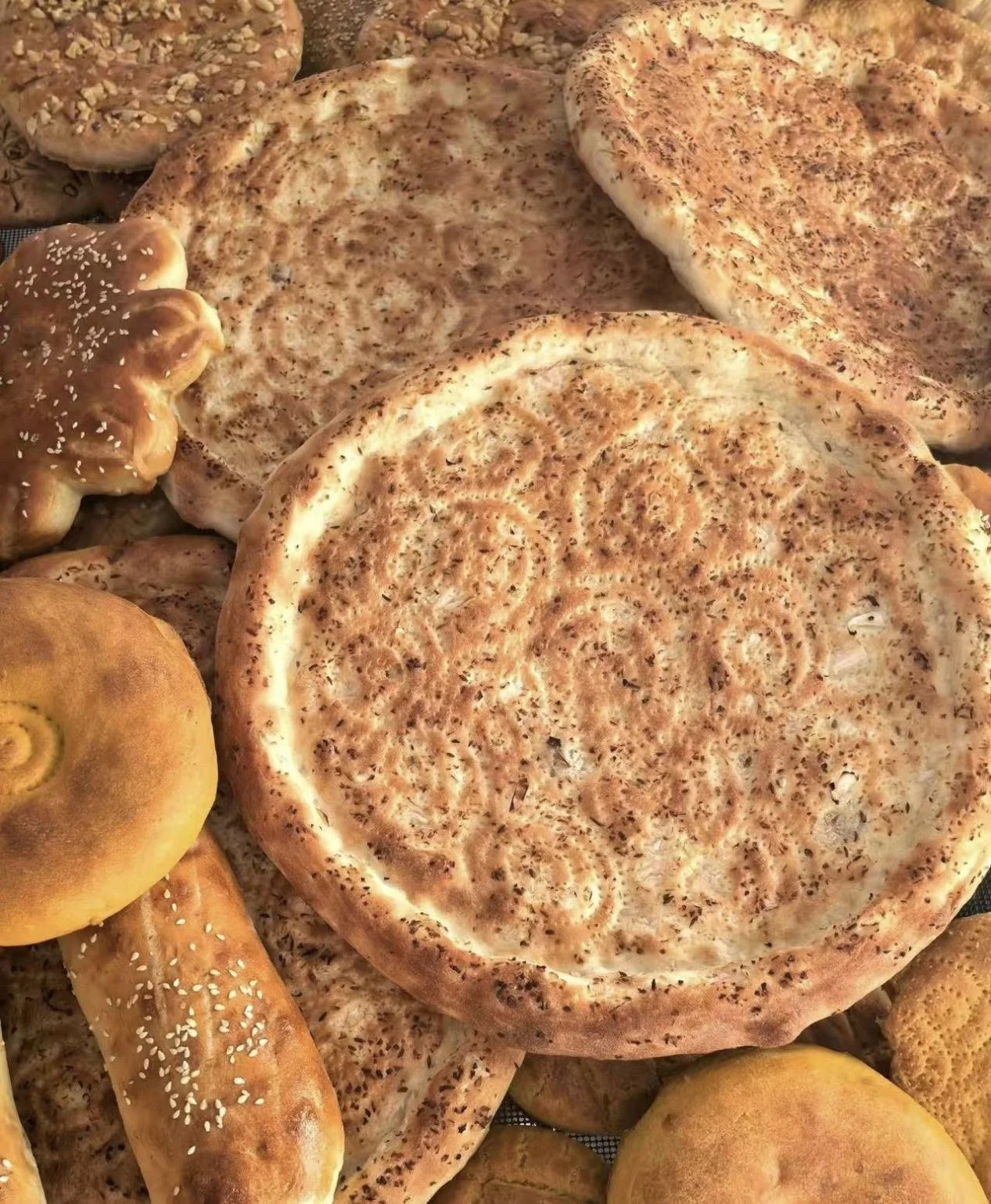
Nang, meaning bread, is thick and durable for storage. It is one of the staple foods in Xinjiang. There are various kinds of nang, oil, sesame, onion, and rose nang.
La Tiaozi
It is a kind of noodle added with fried meat, wild mushroom, and minced meat. The noodles are chewy and bouncy.
Stir-fried Noodles
The noodles are cut into sections and stir-fried with mutton and vegetables.
Lamb Skewer
It is one of the most famous Xinjiang food. Fresh lamb, red willow branches, cumin, and chili powder are used.
Hand-Grasped Mutton
The meat is boiled in clear water and only salt and onion are added. You can have it with salt, which is fresh, sweet, and without any muttony smell.
Fresh Fruit
Xinjiang is famous for its fruit. The large day and night temperature difference and the long duration of sunlight make the sugar accumulation of fruit reach its peak.
You can enjoy mulberries from May to June, Turpan grapes, Hami melons, and watermelons from July to September as well as Korla pears, Aksu apples, and Yecheng pomegranates from August to October.
Practical Guide for Your Xinjiang Tour
Best Travel Time and Season
You can visit the northern Xinjiang from June to August for the most beautiful grasslands, lakes, and flowers. It is also a perfect option for you to escape the hot summer. December to March is the best time for skiing in Altay Prefecture.
March to April is the ideal time to visit southern Xinjiang to see the apricot blossoms on the Pamir Plateau. The climate from October to November is the most pleasant and polar forest turns golden.
Tour Duration
The northern Xinjiang is recommended to travel for 7 to 10 days while the southern Xinjiang is recommended for 12 to 15 days.
Other Tips
You should dress appropriately when entering the mosque.
Please always ask for permission when taking pictures of local people.
The climate is dry in Xinjiang so you can carry lip balm and moisturizing cream and drink plenty of water.