What Cold-Weather Trekking Near Calgary Teaches You

Cold-weather trekking near Calgary is not about conquering peaks or collecting dramatic summit photos. It’s quieter than that, more personal. 
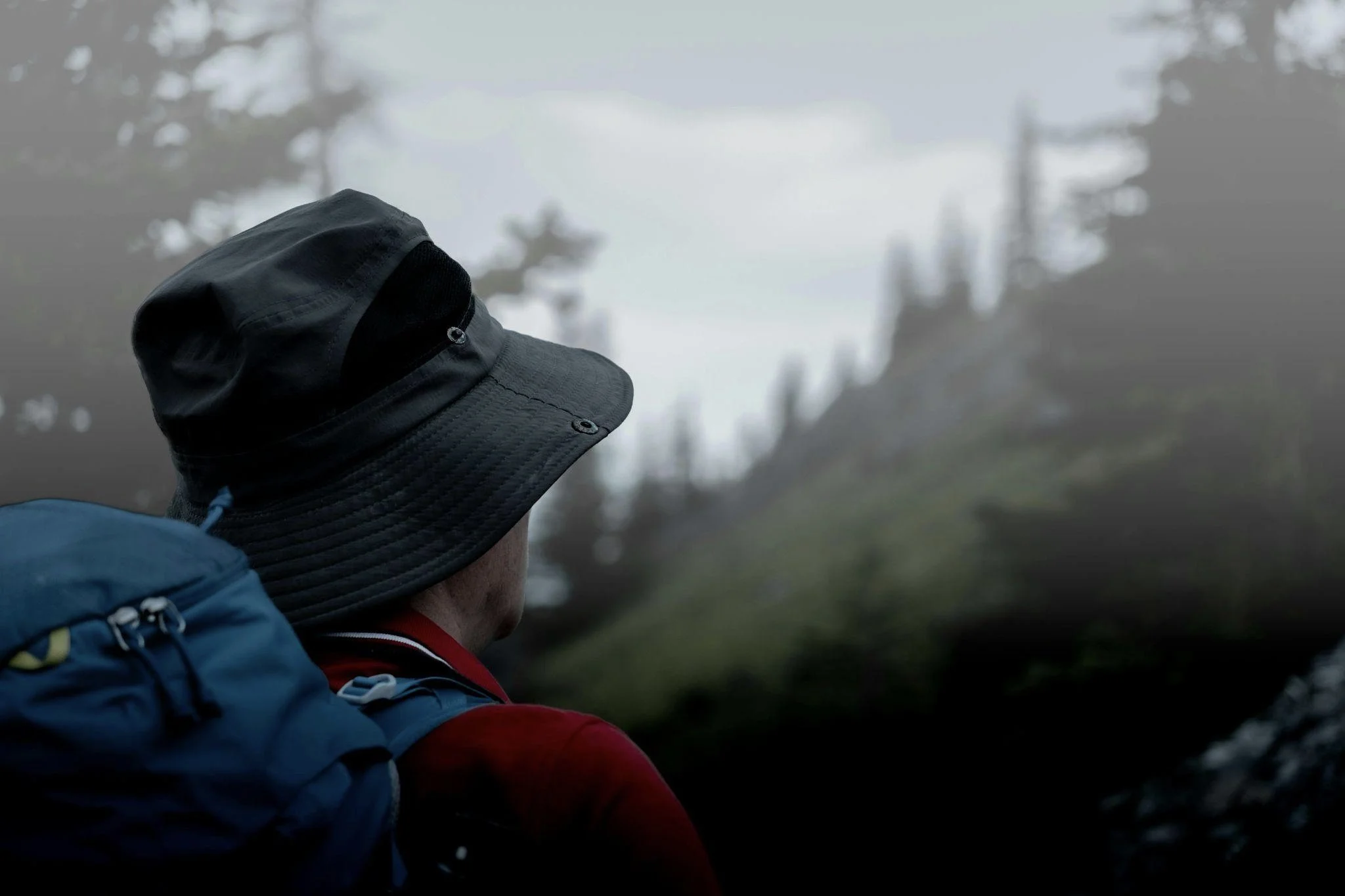
The lessons arrive slowly, carried by breath clouds, crunching snow, and the steady awareness that the worldwide landscapes are bigger than your plans. This is where the Rockies stop being a postcard and start becoming instructors.

Young travelers often come expecting a test of endurance. They leave with something else entirely: a recalibrated sense of pace, attention, and humility.

The First Lesson Comes Before the Trail

Before boots touch snow, Calgary already starts shaping the experience. The city sits right at the edge — modern, warm, caffeinated — with mountains visible like a promise that might also be a warning.

Cold-weather trekking here begins with preparation, not bravado.

You learn quickly that vibes alone don’t keep you warm.

Gear Is Not an Aesthetic Choice

In summer, mistakes feel forgivable. In winter, they feel educational. Calgary-area trails don’t reward fashion-forward packing. Cotton gets heavy. Sneakers get soaked. Gloves suddenly feel essential rather than optional.

Locals know this. MEC stores fill with people discussing layers, not looks. Merino wool, shell jackets, traction cleats — these aren’t accessories. They’re quiet agreements with the weather.

You start to understand that minimalism looks different in cold places. Carrying only what you need still means carrying enough.

The Drive West Is Part of the Journey

Leaving Calgary toward Canmore, Kananaskis, or Banff feels like crossing a threshold. The city fades quickly. Plains give way to foothills. Foothills rise into walls of rock and ice.

This drive teaches anticipation. You watch the weather shift minute by minute. Sun in the rearview mirror, snow clouds ahead. By the time you park at a trailhead, you’re already tuned in.

Cold Rewrites How You Move

Once on the trail, everything slows — and that’s the point. Cold weather trekking near Calgary doesn’t allow rushing. It demands attention to terrain, breath, and balance.

Movement becomes intentional rather than impulsive.

Footing Becomes a Conversation

Snow hides information. Ice lies politely. Every step asks a question. Is this packed? Is it hollow? Is it slick underneath?

Microspikes change the conversation, but they don’t end it. You learn to read texture with your feet, weight shifting constantly. This awareness follows you off the trail later, into cities and decisions.

You stop assuming the ground will hold you without negotiation.

Breaks Matter More Than Distance

In cold weather, stopping too long cools you fast. Stopping too little drains energy. Finding the rhythm between movement and rest becomes a skill.

Thermos breaks feel ceremonial. Steam rising from lids. Gloves tucked into jackets. Someone always jokes about how warm their hands used to be.

You learn that pacing isn’t about speed. It’s about sustainability.

Landscape Without Distraction

Winter strips the Rockies down to structure. No wildflowers. No lush greens. Just lines, contrast, shadow, and scale. This clarity changes how you see.

For young travelers used to constant stimulation, the quiet can feel startling.

Familiar Trails Feel New Again

Popular summer hikes like Grassi Lakes, Johnston Canyon, or Troll Falls become different places in winter. Fewer people. Muted sound. Frozen waterfalls that look sculpted rather than alive.

You notice things you missed before: the way wind shapes snowdrifts, the echo of boots in narrow canyons, the absence of birds.

Cold weather removes the crowd noise and hands the space back to you.

The Mountains Don’t Perform

There’s no dramatic reveal timed for photos. No guarantee of views. Sometimes clouds sit stubbornly low. Sometimes peaks disappear entirely.

This teaches acceptance. The landscape doesn’t owe you anything. You walk anyway.

And when the clouds lift — briefly, unexpectedly — it feels earned, not staged.

Weather Becomes a Teacher

Near Calgary, weather is rarely neutral. It’s an active participant. Wind funnels through valleys. Temperatures shift fast. Snow can start mid-hike without warning.

This unpredictability teaches respect more than fear.

Turning Back Is a Win

Cold-weather trekking rewires how success is defined. Summits matter less than judgment. Turning back because conditions change stops feeling like failure.

It feels like intelligence.

Young travelers learn quickly that listening — to forecasts, to gut feelings, to tired legs — keeps adventures sustainable. Ego has no insulation value.

Comfort Is Something You Build

Warmth doesn’t come from one magical item. It comes from layers working together, movement staying steady, food eaten before hunger hits.

You become aware of your body in a way daily life rarely requires. Fingers, toes, breath — all part of one system.

That awareness lingers long after the trek ends.

Shared Experience, Quiet Bonding

Cold-weather trekking near Calgary attracts a certain crowd: people curious enough to try, cautious enough to prepare, and open enough to adapt.

Conversations form easily on snowy trails.

Strangers Look Out for Each Other

Someone mentions icy sections ahead. Someone else shares a snack. Advice flows freely — not performative, just practical.

In winter, there’s less posturing. Everyone knows the conditions don’t care who you are.

This creates quick trust.

Silence Feels Social

Not every connection needs conversation. Walking together in cold weather creates a shared bubble of effort and presence.

You feel less pressure to fill space. Silence becomes mutual, not awkward.

For young travelers used to documenting everything, this is unexpectedly grounding.

The Return Teaches as Much as the Trek

Coming back to Calgary after a winter hike feels different than returning from summer adventures. The contrast is sharper. Warmth feels intentional. Comfort feels earned.

Hot food tastes better. Showers feel luxurious.

Urban Life Feels Softer

Cafés feel cozier. Transit feels easier. Even the cold city air feels manageable after time in the mountains.

You notice how cities are built to protect, while landscapes are built to endure.

That contrast sticks.

Confidence Without Noise

Cold-weather trekking doesn’t produce loud confidence. It produces quiet assurance. You know you handled discomfort, adapted to conditions, made good decisions.

That confidence shows up later — in travel, work, relationships — without needing to announce itself.

What You Carry Forward

Cold-weather trekking near Calgary teaches lessons that don’t stay on the trail. It changes how you approach uncertainty, effort, and expectations.

You learn to plan carefully but hold plans lightly. To move deliberately. To respect environments without romanticizing them.

For young travelers, this kind of trekking doesn’t just fill a gap between destinations. It becomes a reference point — a reminder that growth often happens when conditions are less than perfect.

The mountains west of Calgary don’t promise ease. They offer clarity instead. And once you’ve learned to walk through cold with attention and calm, the rest of the journey — wherever it leads — feels more manageable, one careful step at a time.