Tips for Building Confidence Before Your First International Trip

Packing a suitcase is easy. Packing your nerves away? That's the hard part.

If you've never left your home country before, the idea of international travel can feel huge. New currency, new language, new rules for basically everything. But here's the thing: millions of people do this every single year, and most of them figure it out just fine. According to the UN World Tourism Organization, international tourist arrivals topped 1.4 billion in recent pre-pandemic years, and that number keeps climbing back up. You're not doing anything unusual. You're just doing something new.

This guide breaks down practical, beginner-friendly ways to feel more prepared and less anxious before you travel abroad for the first time.

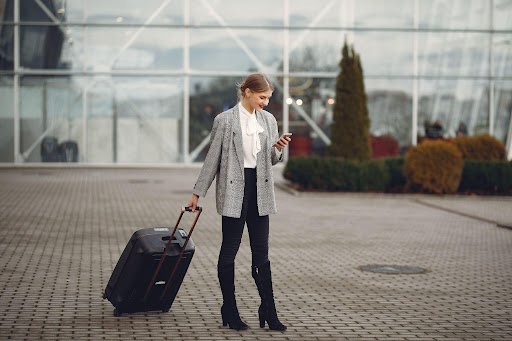
Why First-Time Travel Nerves Are Normal

Nervousness before a big trip isn't a character flaw. It's just your brain doing its job.

Psychologists call it anticipatory anxiety — that nagging "what if" feeling that shows up before any unfamiliar event. Add in language barriers, unfamiliar money, and the general chaos of airports, and it makes sense that first-time international travelers feel a knot in their stomach. The good news? Confidence isn't something you're born with. It's built, piece by piece, through preparation.

Research Your Destination Before You Go

Knowledge is the fastest cure for travel anxiety. The more you know about where you're headed, the less scary it feels.

Start with the basics: local customs, tipping norms, safety tips, and a few common phrases in the local language. Even knowing how to say "thank you" and "where is the bathroom" can make a huge difference.

One underrated trick? Talk to strangers who actually live there before you arrive. Random video chat platforms like OMG Fun let you connect with people from almost any country. Such video calls at OMGFun provide a unique opportunity to ask real questions and hear an honest answer. You can even get a feel for the culture in advance.

This kind of informal research often teaches you more than a guidebook. Locals know which neighborhoods are overhyped, which scams to avoid, and what the weather is really like in October - not just what the brochure says.

Learn a Few Key Phrases

You don't need to be fluent. You just need enough to get by.

Apps like Duolingo or Google Translate's offline mode can teach you survival phrases in under an hour: hello, please, thank you, how much, and help. A 2019 study from the British Council found that even minimal language effort significantly improves how locals perceive and treat travelers. People appreciate the attempt, even if your pronunciation is rough around the edges.

Write down five to ten phrases on your phone's notes app. Pull them up whenever you're stuck. It's a small habit that pays off constantly.

Sort Out Money and Documents Early

Nothing kills confidence faster than realizing your passport expires in three months or your card gets declined at a foreign ATM.

Check your passport's expiration date now — many countries require at least six months of validity beyond your travel dates. Notify your bank about international travel, and consider getting a no-foreign-transaction-fee card if you don't already have one. Keep digital and physical copies of your passport, ID, and travel insurance stored separately, just in case.

It also helps to carry a small amount of local currency before you land. Not a fortune, just enough for a taxi or a snack so you're not scrambling the moment you step off the plane.

Pack Smart, Not Heavy

Overpacking is a classic rookie move, and it usually backfires.

Lay out everything you think you need, then remove a third of it. Roll your clothes instead of folding them to save space, and choose versatile pieces that mix and match easily. A packing cube system keeps everything organized, which matters more than you'd think when you're tired and jet-lagged in an unfamiliar hotel room.

Also: always pack a basic first-aid kit and any prescription medications in their original containers. Customs officials can be picky about unlabeled pills.

Build a Loose Itinerary — But Stay Flexible

A plan gives you confidence. A rigid plan gives you stress.

Map out your first 24 to 48 hours in detail — where you're staying, how you'll get from the airport, what time zone adjustments to expect. After that, keep things loose. Some of the best travel experiences come from spontaneous detours, and overplanning can rob you of those moments.

Use offline maps (Google Maps lets you download regions in advance) so you're never fully lost, even without WiFi.

Practice Small Wins Before the Big Trip

Confidence builds gradually, like a muscle. So train it.

Try ordering food in a different language at home. Take a solo day trip to a nearby town you've never visited. Navigate public transit in an unfamiliar city, even your own. These small experiments simulate the discomfort of international travel without the stakes of being thousands of miles from home.

Each small success teaches your brain that uncertainty isn't dangerous — it's just unfamiliar. That distinction matters more than people realize.

Talk to Experienced Travelers

You don't have to figure this out alone.

Reddit communities like r/solotravel, Facebook travel groups, and even friends-of-friends who've been abroad can offer real, unfiltered advice. Ask specific questions: "What surprised you most?" or "What would you do differently?" Real answers from real trips tend to be more useful than polished blog posts.

"I wish someone had told me to always carry tissues and hand sanitizer — half the bathrooms abroad don't have either," says one frequent traveler in a popular Reddit thread on first-time travel mistakes.

Small, practical tips like that one rarely make it into official travel guides, but they make a real difference.

Accept That Mistakes Will Happen

Here's a confidence secret nobody tells beginners: you will mess something up, and it will be fine.

You might board the wrong train. You might mispronounce a word and get a confused stare. You might tip too much or too little. None of this ruins a trip. In fact, these moments often become the stories people remember most fondly years later.

Travel rewards flexibility more than perfection. The sooner you accept that, the calmer you'll feel.

Final Thoughts

Building confidence before your first international trip isn't about eliminating nerves completely — it's about feeling prepared enough that the nerves don't control you. Research your destination, learn a few phrases, organize your documents, and give yourself permission to make mistakes along the way.

Every experienced traveler was once a nervous beginner standing in an airport, double-checking their passport for the tenth time. You're joining a long, messy, wonderful tradition. Go enjoy it.