The Perfect Pit Stop on a West Coast Driving Adventure Featuring West Coast Corvette
https://www.pexels.com/photo/a-blue-chevrolet-corvette-on-the-road-11718011/

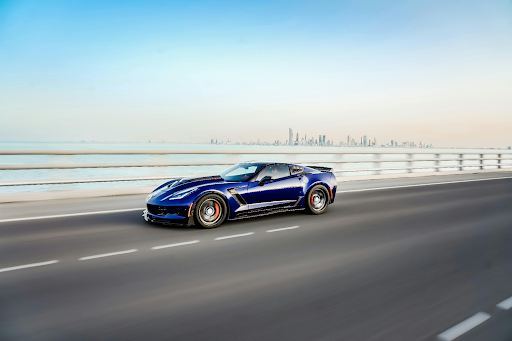
There are stretches of the West Coast where the road stops being a means to an end and becomes the whole point. A Corvette coastal drive turns that idea into something you feel through the seat, the steering wheel, and the scenery rolling past at exactly the right speed.

Planning the best pit stops for a Corvette road trip along the Pacific Coast Highway means thinking differently than a standard travel itinerary. It's not just about what's worth seeing; it's about what's worth pulling off for in a low-clearance, performance-focused car with limited trunk space and a driver who doesn't want to lose momentum unnecessarily.

The West Coast rewards that kind of selective approach. Between the winding roads of Big Sur and the dramatic cliffs further north, the best stops tend to fall into three loose categories: scenic pullouts that frame the coastline in a single view, small towns that justify a real detour, and practical reset points that keep the drive comfortable across longer stretches of coastal highway.

Best Pit Stops for a Corvette Coastal Drive

Not all pit stops are created equal, and that distinction matters more in a Corvette than in most other cars. A scenic overlook with a gravel approach, a town with a steep main street, and a fuel station with a tight lot all present different challenges depending on what you're driving. Understanding the difference between a scenic pause, a town detour, and a functional reset helps you build a stop list that actually works for the car rather than against it.

Experienced Corvette owners who take these trips seriously, including enthusiasts who upgrade with West Coast Corvette, tend to value stops that protect the flow of the drive as much as the scenery itself. The best stops offer fit-for-purpose parking, a quick walk-around break, and an easy return to the road without the car taking a beating on the way in or out.

Scenic Pullouts That Make the Drive Memorable

Scenic pullouts are the most immediate reward on a coastal highway run. They require almost no commitment, and the best ones deliver a full view of the coastline in under five minutes. Along Pacific Coast Highway, these tend to appear at natural cliff edges and elevated bends where the road briefly widens to accommodate a safe stop.

The key for a convertible driver is choosing pullouts with paved or compacted surfaces and a clean approach angle. Gravel lots and dipped entries are worth skipping when the alternative is simply continuing to the next overlook a mile ahead.

Towns Worth Leaving the Highway for

Town stops work best when the transition from coastal highway to main street is smooth and the town itself is dense enough to reward an hour on foot. Carmel-by-the-Sea and Cambria in California, along with Astoria in Oregon, are strong examples of places where pulling off feels like a natural pause rather than a logistical detour.

Flat or gently graded streets, accessible parking close to the action, and a walkable core are the traits that separate a town worth stopping in from one that looks appealing on a map but frustrates on arrival.

Smart Fuel and Reset Stops Between Highlights

Longer stretches of the West Coast, particularly through northern California and Oregon, can run thin on services. Planning fuel stops before the scenic segments rather than during them keeps the drive from turning reactive. A reset stop, meaning a proper break with food and a chance to stretch, also makes a real difference on days covering 200 miles or more of winding roads.

How to Link the Best West Coast Routes

The West Coast doesn't offer one great driving road; it offers several, and knowing how to connect them is what separates a memorable road trip from a series of disconnected drives. The key is building a northbound sequence where each leg feels like a natural continuation of the last, with pacing and scenery building rather than repeating.

Los Angeles to Big Sur on Highway 1

The journey typically begins in Los Angeles, where Pacific Coast Highway starts revealing its character through Malibu before widening into something far more dramatic further north. By the time the road climbs into Big Sur, the scenery has shifted entirely, with steep cliffs, redwood corridors, and ocean views that make every pullout feel earned.

This stretch of Pacific Coast Highway is designated an All-American Road, recognizing it as a destination in itself rather than simply a connector. That distinction matters on a road trip: this isn't a segment to rush through on the way to somewhere else.

Big Sur to San Francisco and Beyond

From Big Sur, the route continues north toward San Francisco, with the driving character shifting from rugged coastal drama to something more varied and layered. San Francisco works naturally as a mid-trip reset, offering a chance to refuel, recalibrate, and prepare for what comes next without the drive losing its rhythm.

Crossing the Golden Gate Bridge heading north marks a genuine transition point. The California coast gives way to a longer, quieter version of the same scenic byway spirit, where Highway 101 begins to carry more of the weight as Pacific Coast Highway hands off gradually through the redwood stretches of northern California.

Highway 101 to the Olympic Peninsula Loop

From the Oregon coast onward, Highway 101 traces a route through some of the Pacific Northwest's most underrated road trip terrain. Rather than treating the Olympic Peninsula Loop as a separate trip, drivers who continue north find it rewards them with a natural conclusion to the whole journey, offering dense rainforest, rugged coastline, and mountain backdrops that feel like a final chapter the road was always building toward.

What Changes When You Drive This Trip in a Corvette
https://unsplash.com/photos/black-porsche-911-on-gray-asphalt-road-during-daytime-KTGxYf0CCik

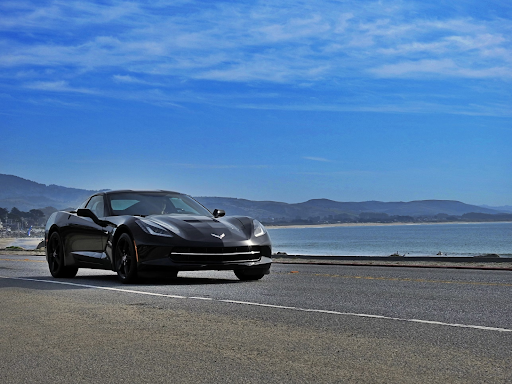
A Corvette doesn't just change how a road trip feels; it changes how you plan one. The decisions that barely register in a standard rental car become genuine considerations when the car sitting in the driveway has a low front splitter and a suspension tuned for track use.

Low Clearance, Curves, and Uneven Pull-Ins

The biggest practical shift is at the exits, not on the highway. Many of the most scenic turnouts along Pacific Coast Highway have uneven approaches, gravel surfaces, or steep entry angles that a sports car handles poorly if the driver isn't paying attention to approach speed and line.

Low clearance affects which parking lots are worth entering and which ones are better appreciated from the road. Unpaved viewpoints, dipped curb cuts, and angled drainage surfaces all factor into stop selection in a way they simply don't for higher-riding vehicles.

On the other hand, winding roads and elevation changes are where a Corvette genuinely earns its place on this route. The curves through Big Sur and the switchbacks climbing out of coastal valleys feel purposeful rather than incidental, making the driving itself the attraction.

Top-Down Timing on Coastal and Mountain Roads

Convertible driving on a scenic drive rewards patience more than impulse. The coast runs cold in the morning and warm by midday, with afternoon fog rolling back in along many stretches, so the window for ideal top-down conditions is narrower than most first-timers expect.

Wind management also matters on open highway segments, particularly above 60 mph where buffeting becomes tiring on longer runs. Timing the top-down hours around midday and sheltered inland stretches makes a full day of open-air driving sustainable rather than exhausting.

When to Go for the Best Driving Conditions

Timing shapes everything on a coastal highway road trip, and the West Coast is no exception. The difference between a spectacular drive and a frustrating one often comes down to the month on the calendar.

Late Spring Through Early Fall

Late spring through early fall represents the most reliable window for open-road driving along this route. Temperatures are manageable, road access to higher coastal sections is generally clear, and daylight hours extend long enough to make ambitious daily distances feel reasonable rather than rushed.

Summer brings a trade-off: weather conditions peak, but so does traffic. Famous segments of Pacific Coast Highway through Big Sur and around national park entry points can slow considerably on weekends, especially in July and August. Drivers who prefer moving over waiting tend to find late May, June, or September hit the right balance of good weather and thinner crowds.

Regional variation also matters. California, Oregon, and Washington run on different seasonal rhythms, and what changes when you drive across state lines goes beyond scenery; road conditions, traffic patterns, and weather windows all shift noticeably as the route moves north.

Fog, Traffic, and Wildfire Season to Watch

Morning fog is a genuine factor along Pacific Coast Highway, particularly in summer months when marine layers settle low and thick over coastal sections. Midday usually clears things up, but early starts on scenic drives can mean limited visibility during the best light.

Wildfire season, typically peaking from late summer through fall, occasionally forces highway closures and reshapes the air quality picture along Highway 101 and coastal segments in northern California. Checking road conditions before committing to a leg of the road trip is always worth the two minutes it takes.

Stops That Pair Well with the Drive Itself

The strongest stops on the West Coast do one of two things: they deepen the scenery you've already been absorbing, or they change the pace just enough to make the next stretch feel fresh. Either way, the stop should feel like it belongs to the drive rather than interrupting it.

Coastal Towns with Strong Car-to-Street Transitions

Not every town on the West Coast is equally easy to arrive in by Corvette. The ones that work best share a few common traits: straightforward road entry, flat or gently graded main streets, and enough walkable density that a driver can stretch their legs without moving the car more than once.

Carmel-by-the-Sea, Cambria, and Astoria in Oregon are good examples of towns where pulling off the coastal highway feels like a natural pause rather than a logistical commitment. The transition from scenic byway to street is gentle, parking options are close to the action, and the towns themselves reward an hour of walking in a way that justifies leaving the road.

For anyone building out a fuller list of best US cities worth stopping in along this kind of road trip, the coastal towns that earn repeat visits tend to be the ones that don't require the driver to sacrifice momentum just to experience them.

National Park Detours Worth the Extra Miles

National park detours require honest thinking about commitment. Some fit a coastal road trip naturally; others demand a separate day and a different mindset entirely.

Yosemite National Park is the clearest example of the latter. It's a worthwhile destination, but treating it as an impulsive side trip off Pacific Coast Highway underestimates what the drive in and out actually requires, especially in a low-clearance sports car on mountain grades.

Detours that match the coastal rhythm tend to be shorter and road-forward rather than trail-heavy, rewarding drivers who want more scenery without trading their seat time for miles on foot.

Choose Stops That Protect the Rhythm of the Road

A great pit stop on a West Coast road trip isn't just a place worth seeing; it's a place that earns its interruption. For a Corvette driver, that standard is higher than it sounds.

The scenic drive between Los Angeles and the Olympic Peninsula rewards drivers who treat pacing as seriously as landmark selection. Pulling off for the right reasons, at the right surfaces, at the right time of day is what keeps a Pacific Coast Highway run from fragmenting into a series of unconnected pauses.

The stops that stick in memory tend to share something: they fit the car, the coastline, and the moment without forcing any of them. A Corvette road trip at its best feels continuous, not interrupted, and choosing stops with that in mind is what makes the difference between a good drive and one worth repeating.