
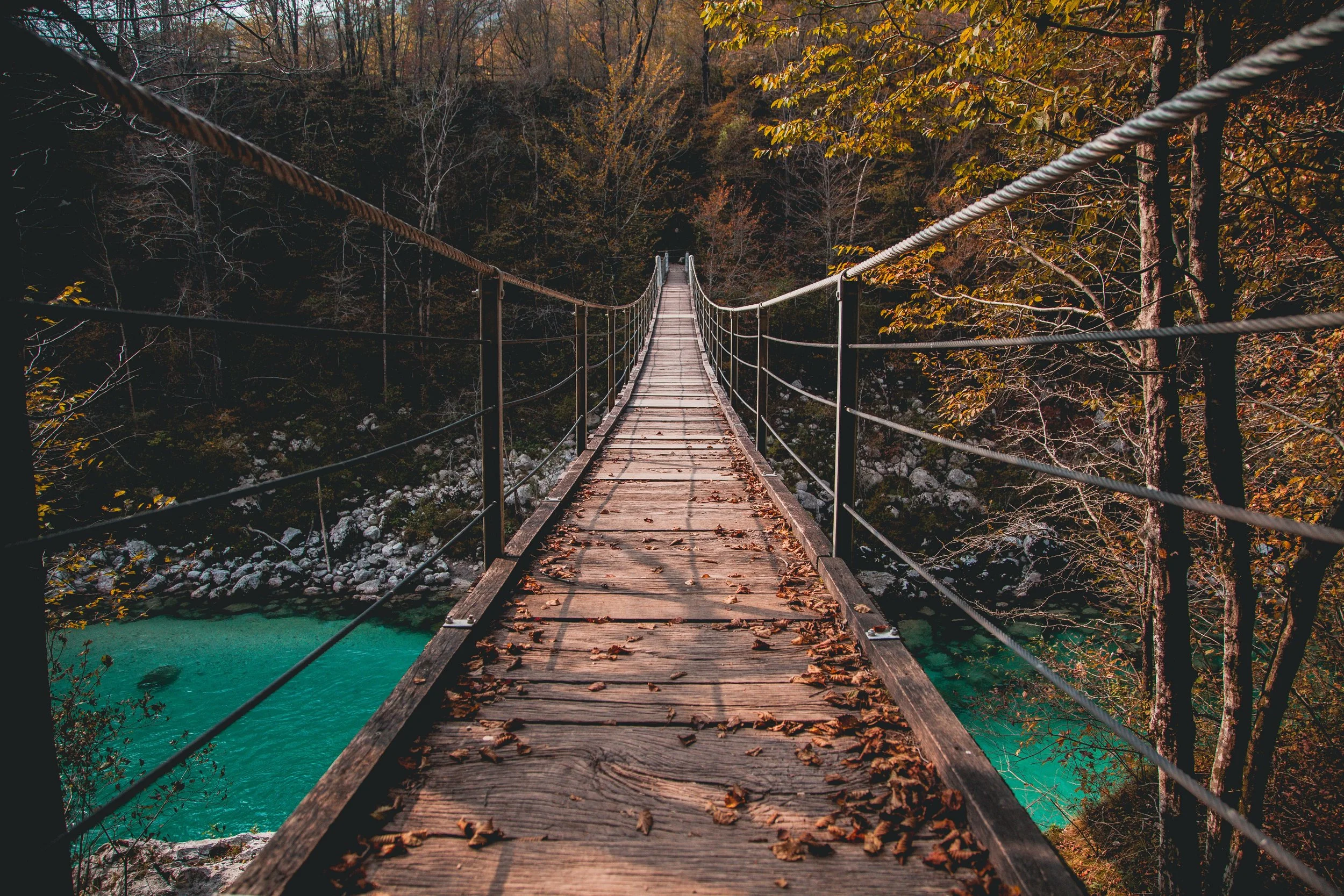
The River Soča in Slovenia
During my travels, I have always looked forwards to seeing cultural landmarks, like churches and ruins as well as new experiences. I rarely have looked forward to seeing a river in any country I have visited. That is until I went to Slovenia and heard great things about the gorgeous Soča river. This river runs north to south in the Western part of Slovenia, meandering its way through towns and cities on its way towards Italy. I was extremely happy to have a rental car to explore all the photographic spots that this river gives on its journey south.
In this post, you’ll see my latest blog from this spot, my best photos of the Soča river, and tips on how to get there.
Soča River, A Brief History
The Soča river is 138 kilometers long, where most of it flows through Slovenia and later into Italy and then eventually into the Gulf of Trieste and then the Adriatic Sea. The source of the river originates from the Trenta Valley in the Julian Alps, located in Northwestern Slovenia. There are numerous towns the river flows through such as Bovec, Kobarid, Tolmin, Kanal ob Soči, Nova Gorica, and Gorizia, just to name a few.
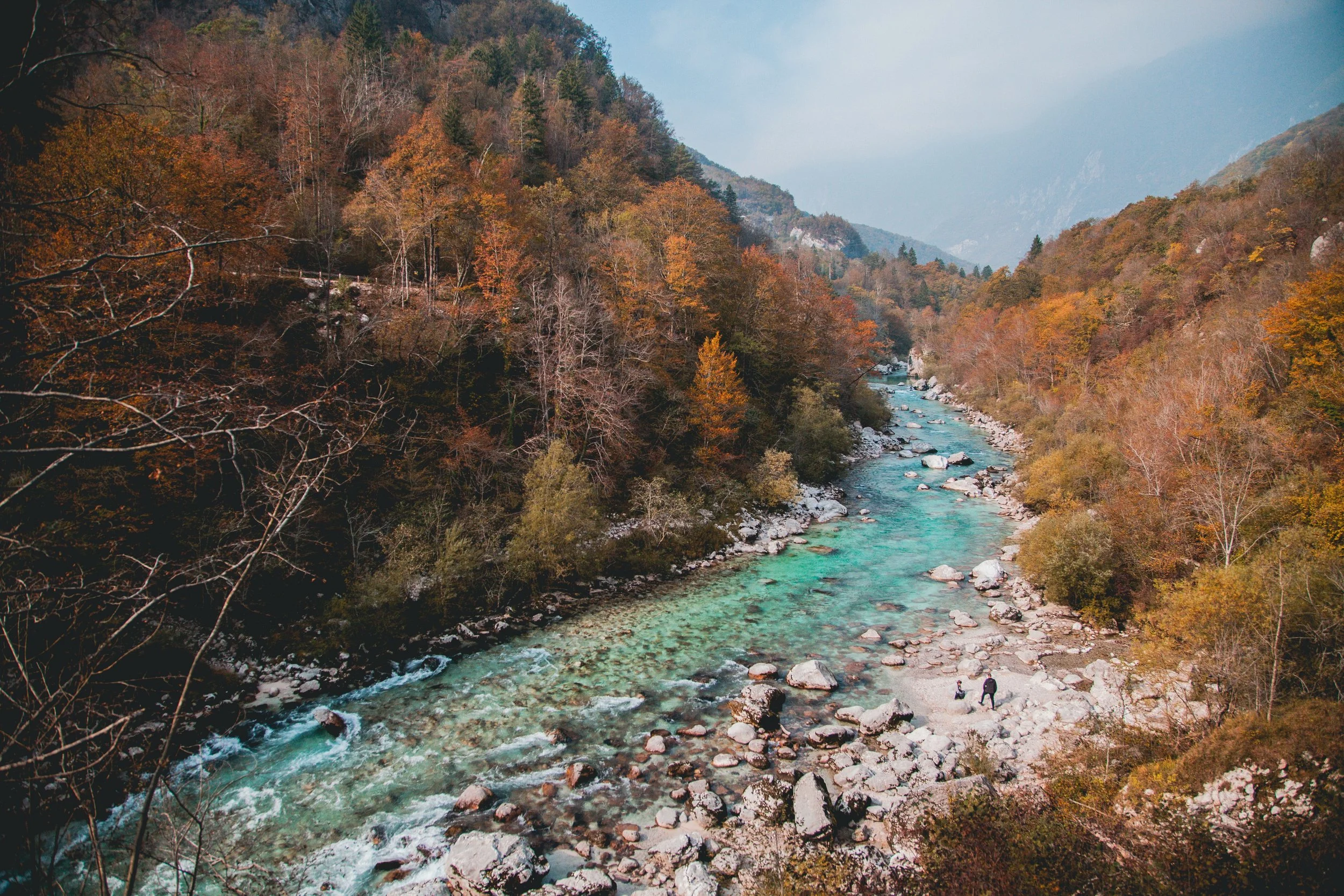
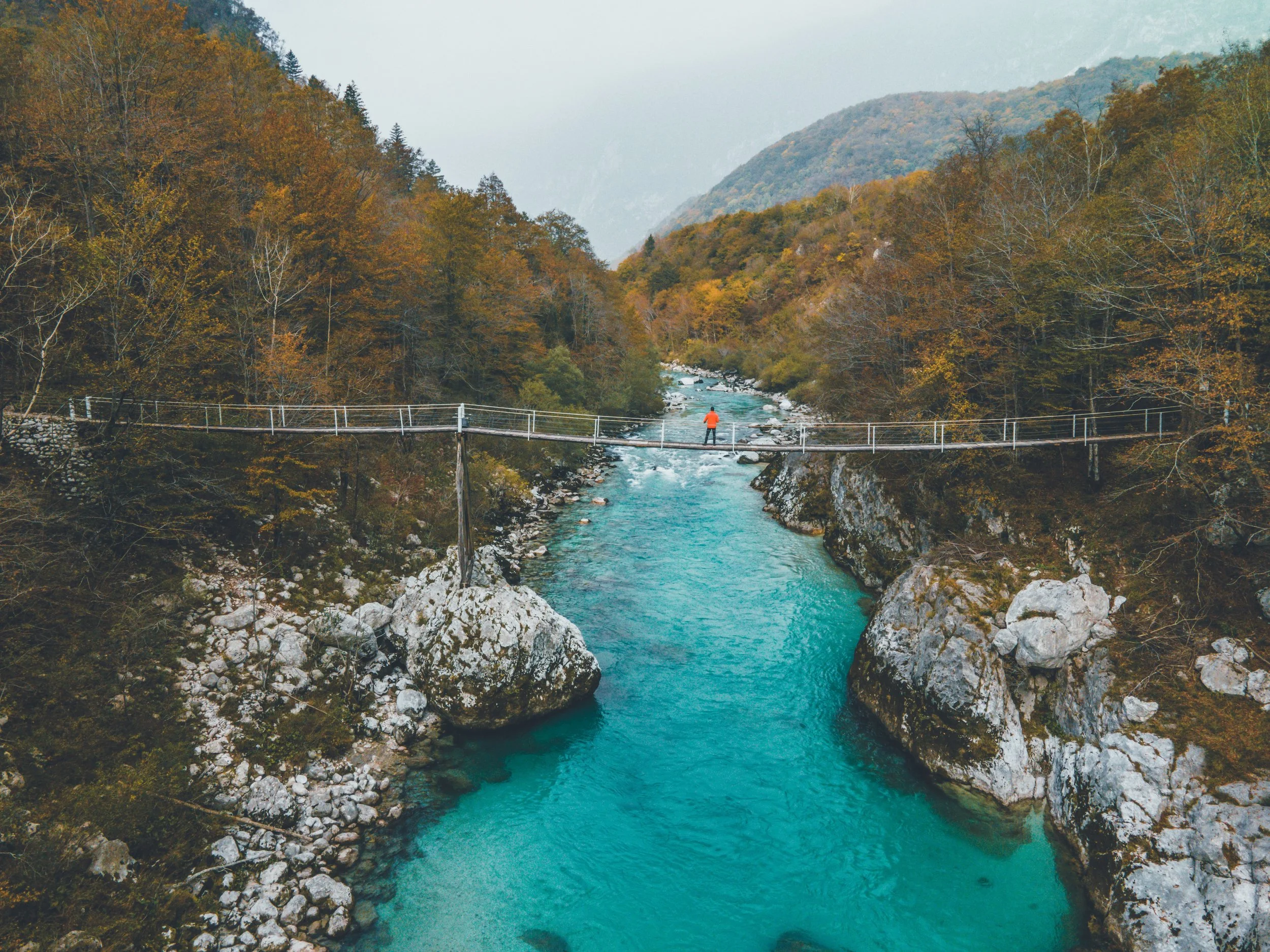
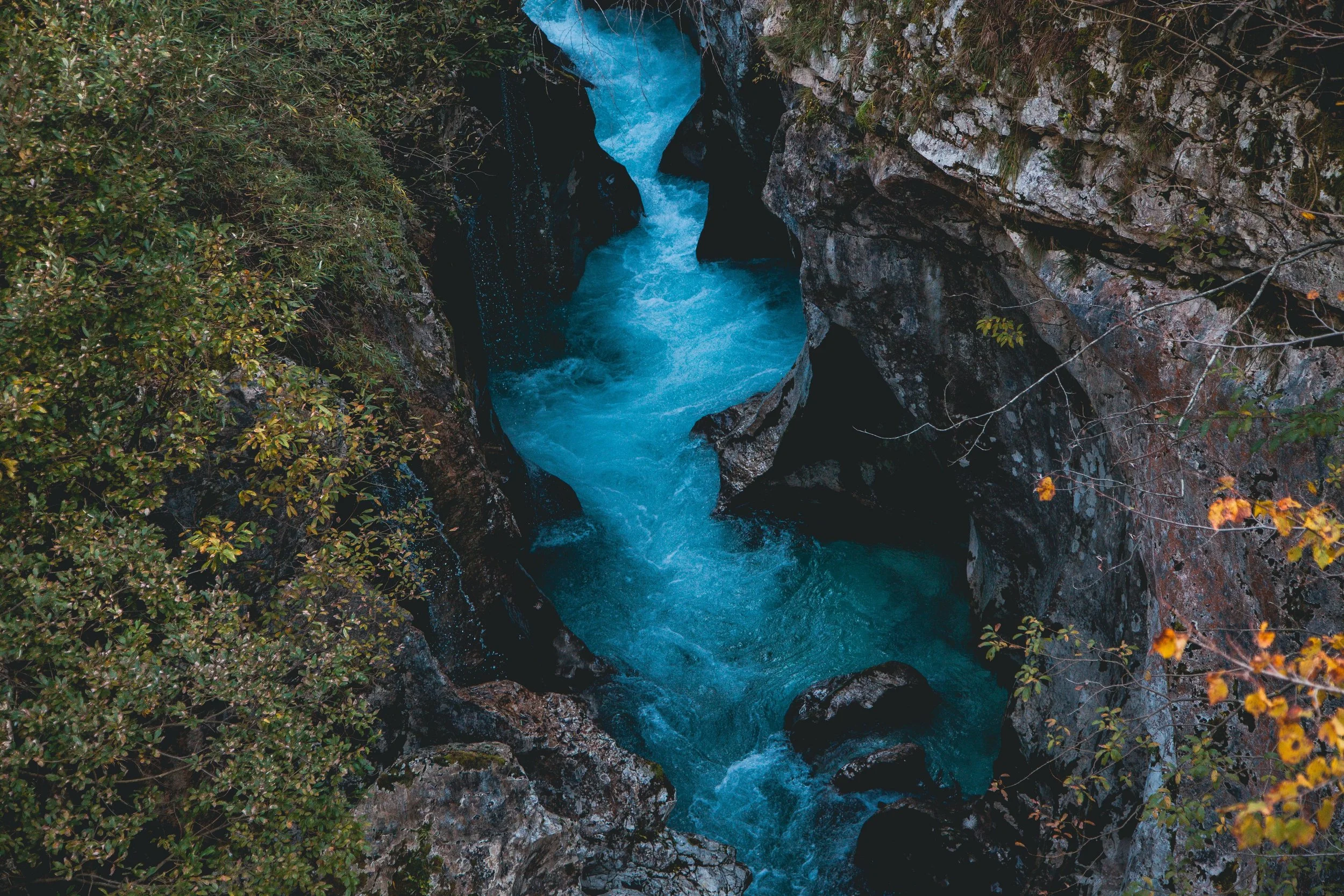
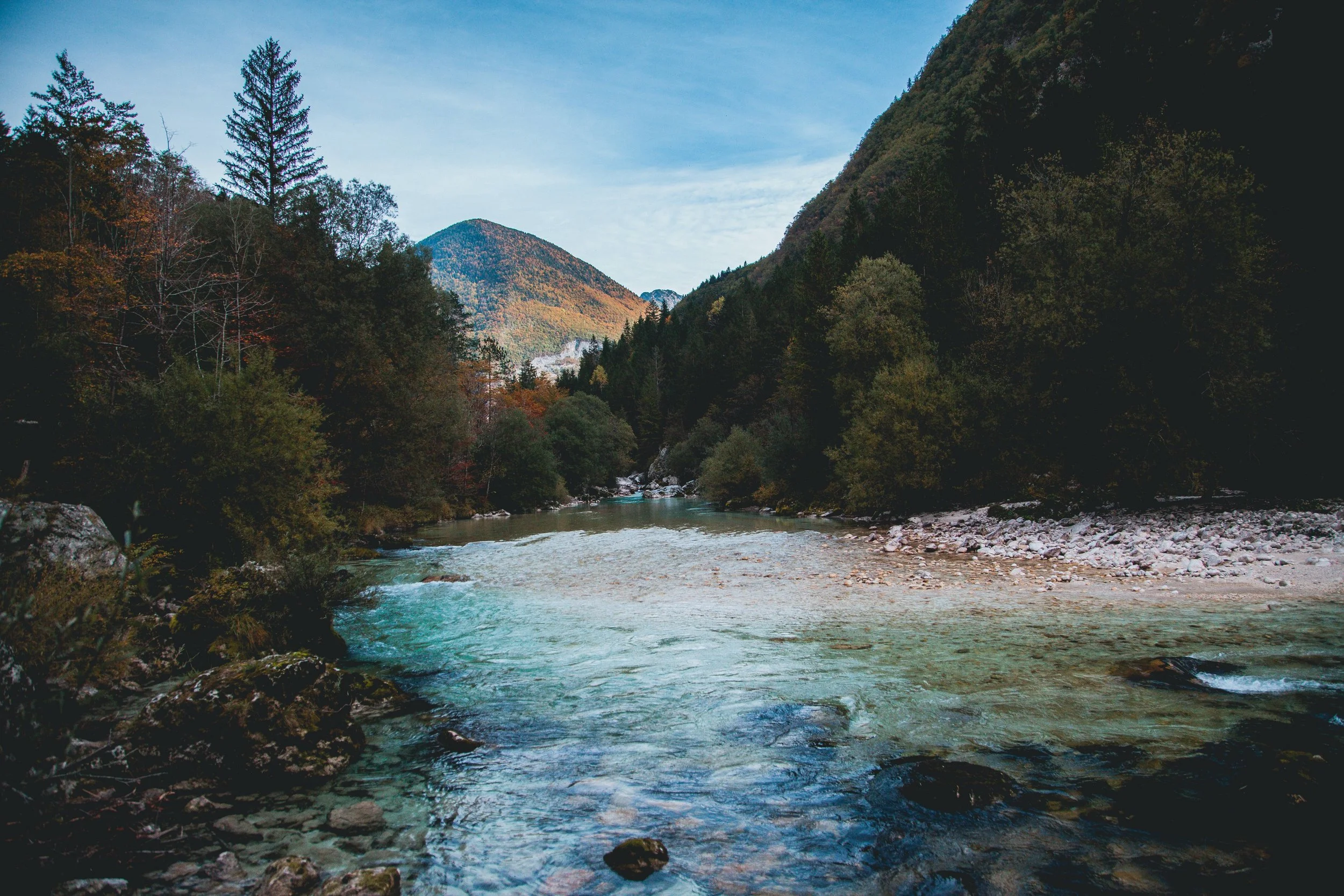
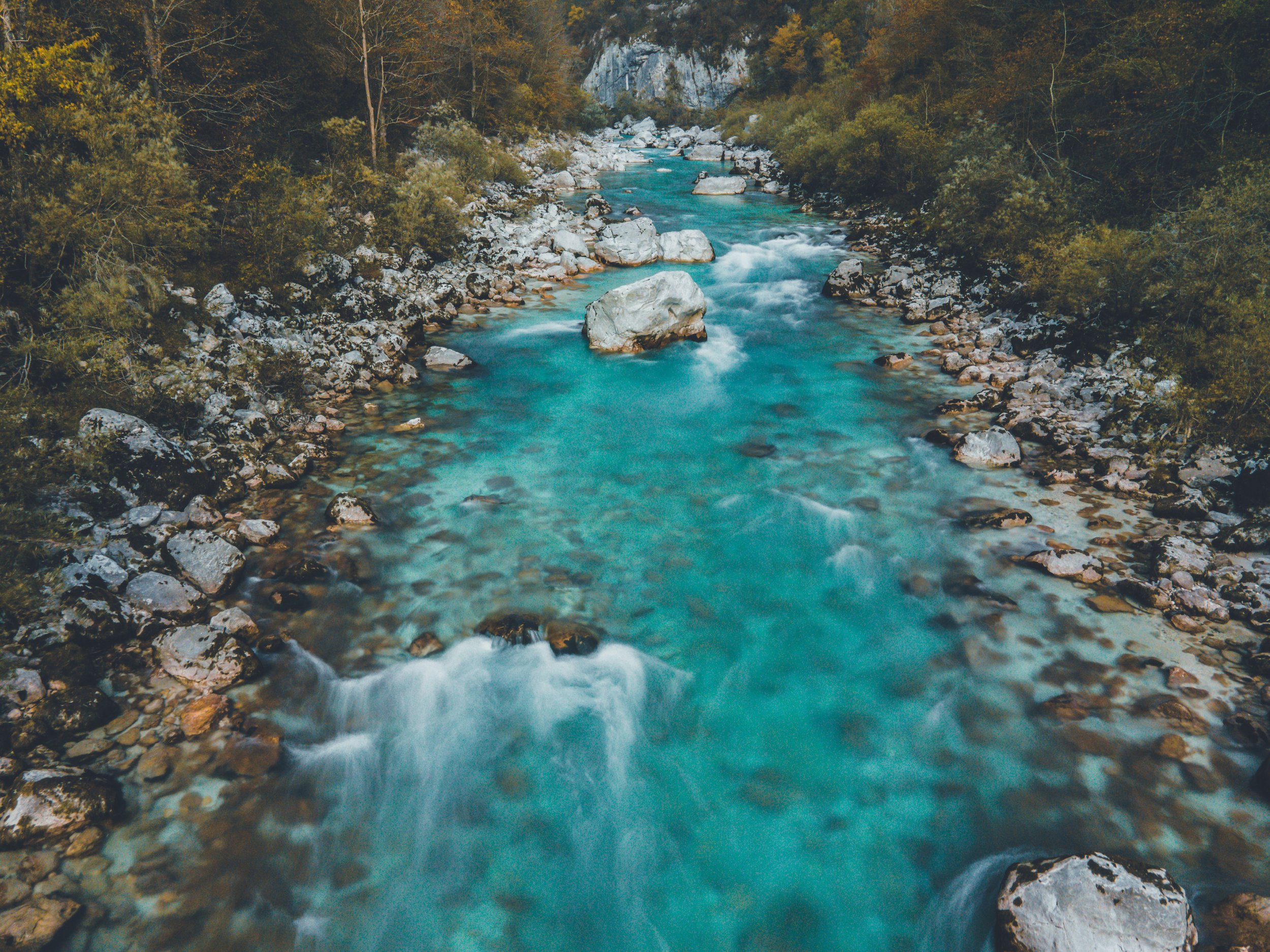
Antiquated recollections of the river referred to it as Aesontius, Sontius, and Isontius. It is known as the ‘Emerald Beauty’ due to its notable color. It retains this color throughout its span which is quite rare. It has inspired many artists and poets to depict its beauty on canvas and in prose.
Soča River Photos
Getting To the Soča River
So the great thing about this river is that since there is a road that straddles the river most of its way through Slovenia and Italy, you can always stop somewhere and capture a completely new scene and setting with the river as a backdrop. I usually provide options for my blog readers about how to reach destinations using all sorts of transportation, but in this case, I really believe that having a car is the best and only way to do it.
I would recommend making a list of the towns and cities and landscapes that the river is near and charting it in Google Maps for your convenience. I have included below some of MY favorite places to capture the Soča river with my DSLR and drone:
Source of the Soča River (Trenta) - The Vršič Pass takes you through the Julian Alps in Northwestern Slovenia which is exactly where you’ll need to be to see the source of the Soča River. You will eventually make your way to the town of Trenta while on this pass and there are signs for the source of the Soča river where you can park.
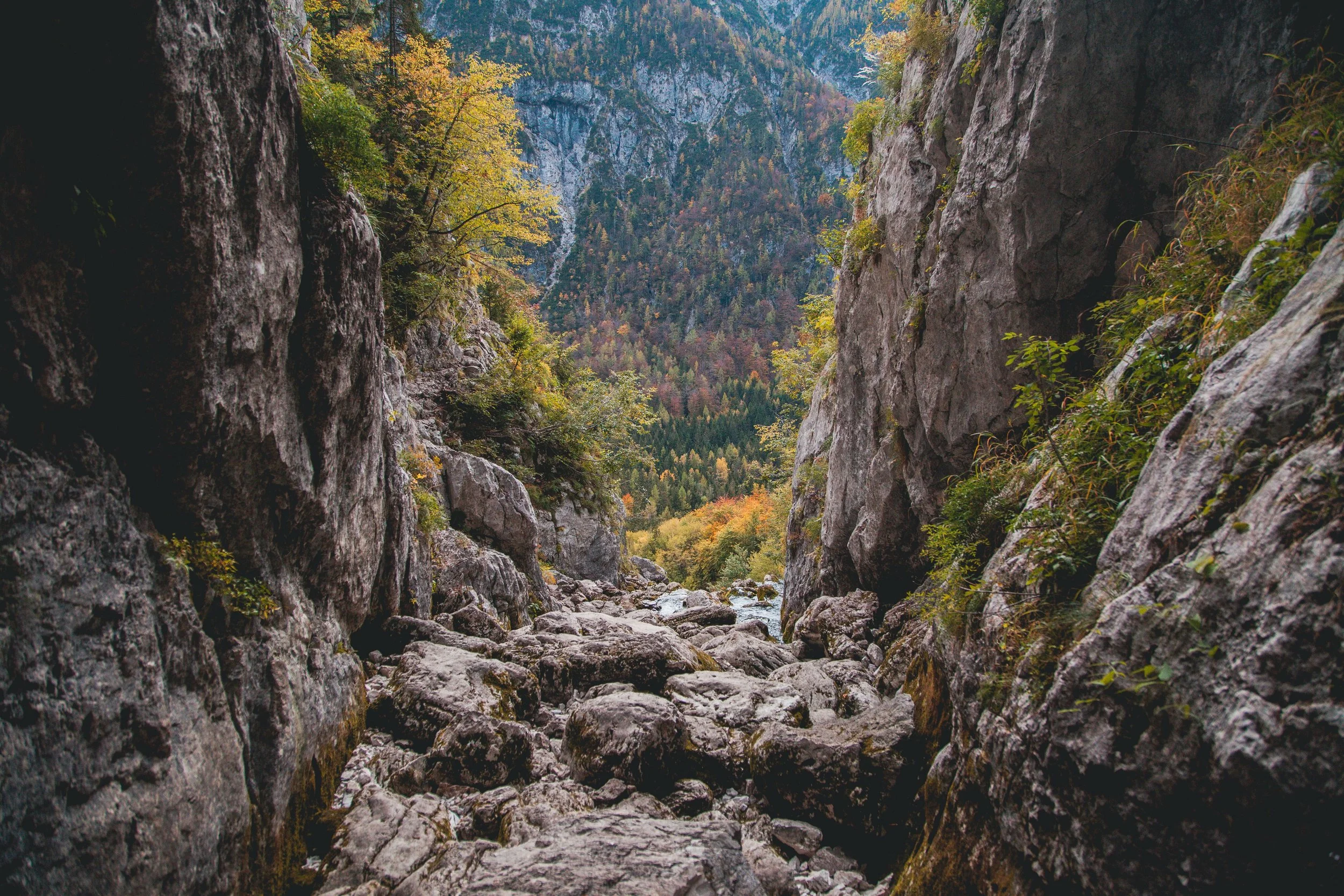
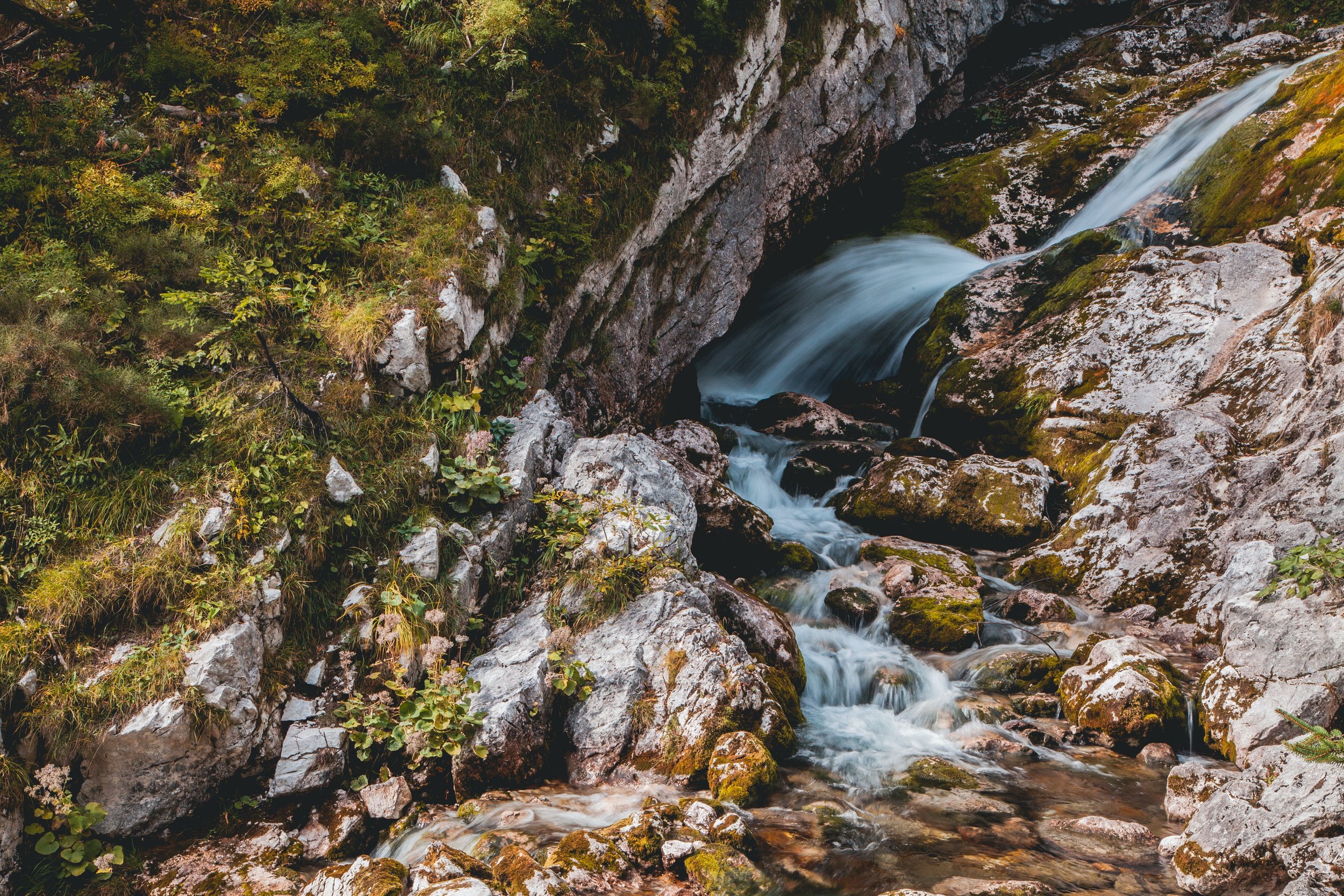
From here you will have to hike 15 minutes, all uphill to see the lake and waterfall that feeds the river. The upper part of the trail is VERY treacherous and should only be done using proper footwear, gloves, and preferably with a partner. I did this in street clothes and was nearly terrified (also a bit dumb of me, but I am still alive). The blue-green color of the water is just so incredibly alluring. This easily turned into one of my favorite parts of the park.
Triglav National Park - The sole national park in Slovenia. When you realize how awesome Triglav is, you understand why it is unnecessary to need any more. Triglav is the largest peak in the Julian Alps and highest in Slovenia with an elevation of 2,863.65 meters. So with that, it is considered the flagship mountain of the country and the park itself. The Soča river meanders through this park so you can stop pretty much anywhere and get a glimpse of the teal waters.
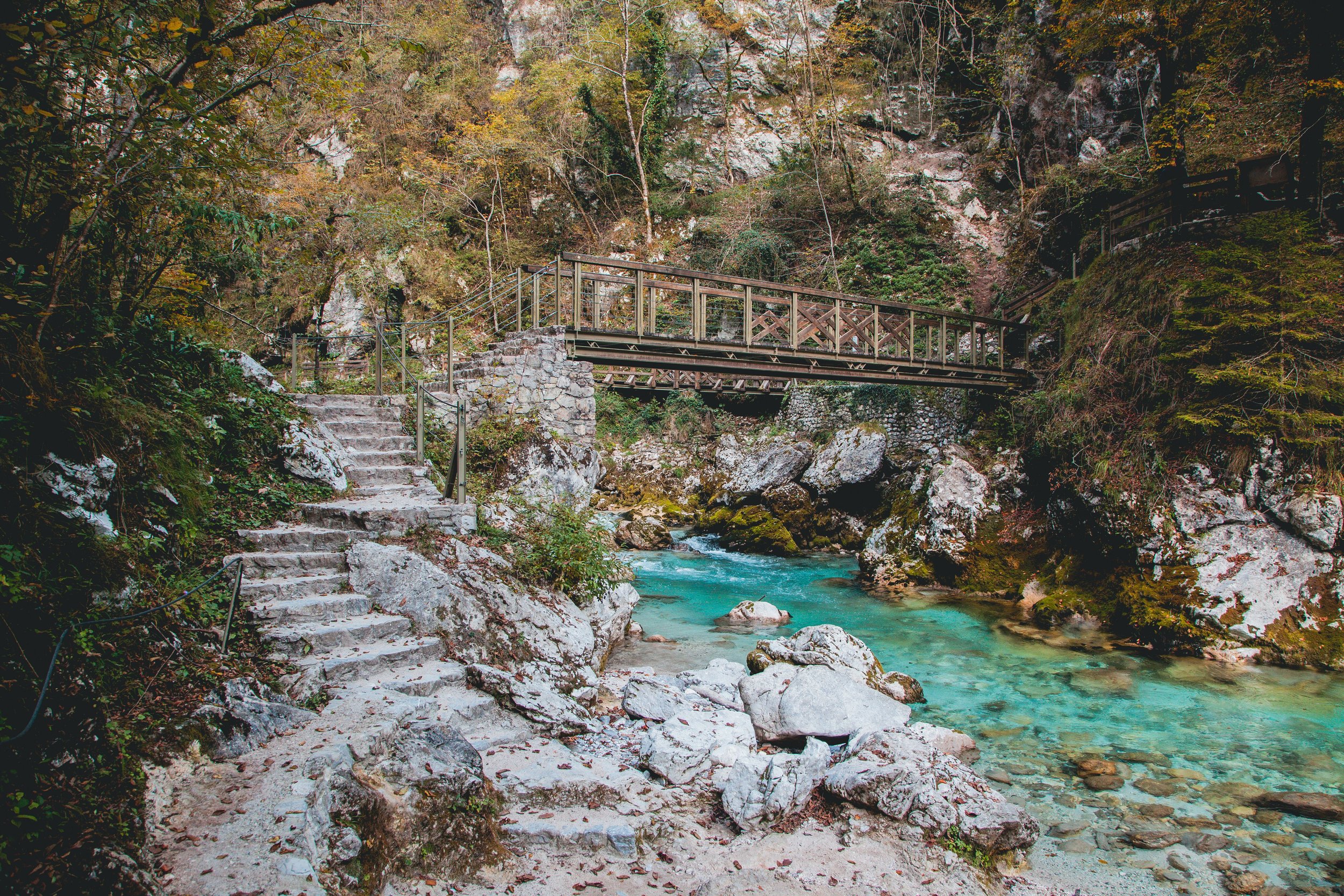
Tolmin Gorges - The Tolmin Gorges was one of my favorite places to see in Triglav. The correct name for the site is Tolminka and Zadlaščica Gorges but nonetheless it possesses natural features aptly called Dante’s Cave, Devil’s Bridge, and Bear Head. A walk through the gorge takes a good 20-30 minutes over and along the Soča river below. It is similar to the area you must hike across to get to Slap Kozjak, but still worth seeing!
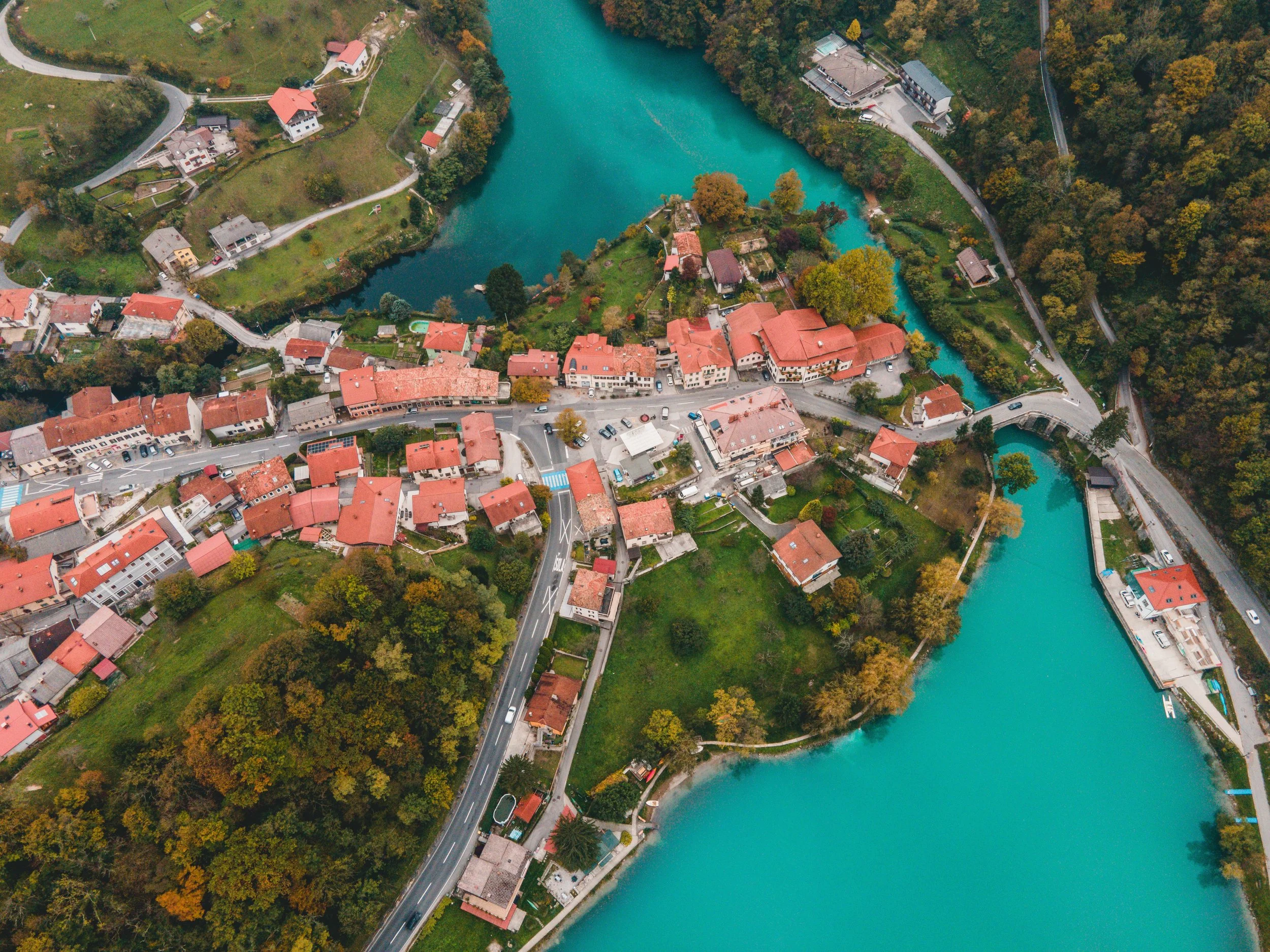
Most na Soči - While seeing Tolmin Gorges, you can also manage to see the small town of Most na Soci. What I REALLY liked about this town was how gorgeous it was, specifically its orange rooftops, juxtaposed to the brilliant teal colored water of Soca and Idrijca rivers.
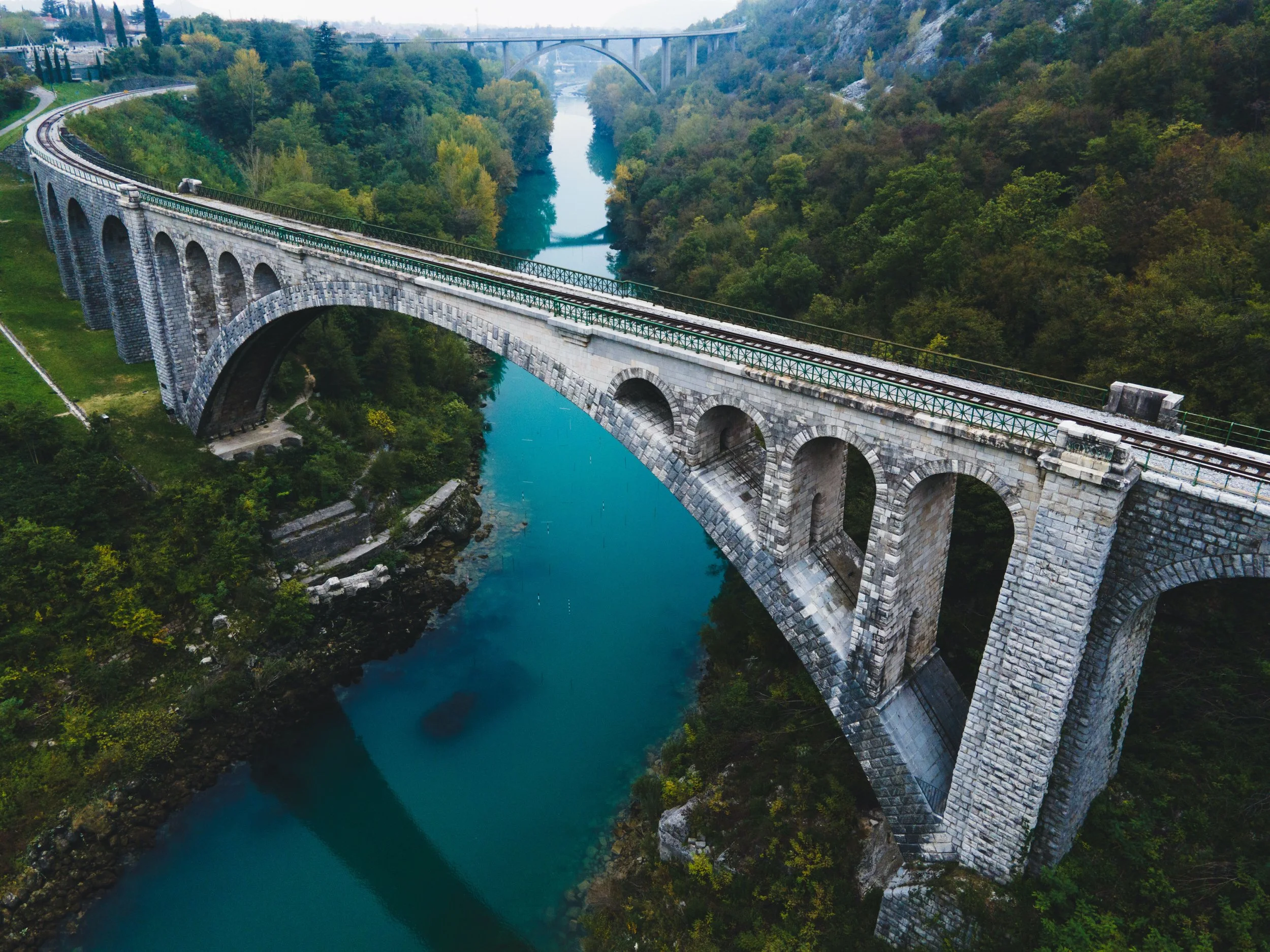
Solkan Bridge -The Solkan Bridge is the longest stone arch railroad bridge in the world. It isn’t super straightforward on how to get here on foot so I found a place to park maybe 500 meters nearby and went in with my drone. It is gorgeous!
Napoleon’s Bridge (Kobarid) - This bridge sits just nearby Slap Kozjak and you will most likely have to cross it to access the waterfall. The original one which Napoleon actually built to help his troops cross the river was made of stone but was blown up by Austrian soldiers in WWI. It was reconstructed with wood and then later with iron, by the Italians. It stands to this day and still has the appeal that is commensurate with its history. Juxtaposed next to the blue waters of the Soča river, it is quite the sight to see.
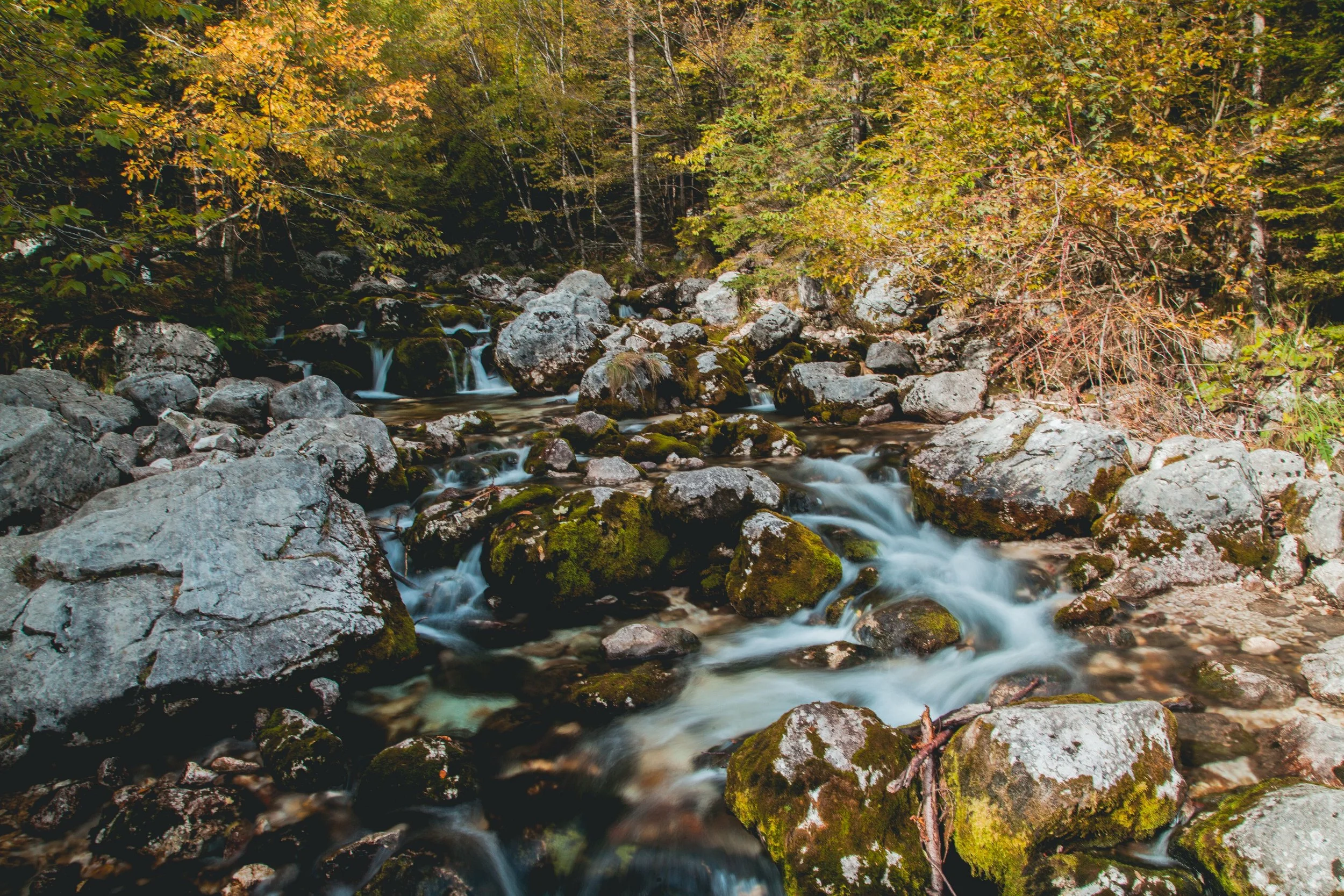
Honorable Mentions: Slap Virje, Slap Kozjak, Slap Boka - Although these waterfalls (Slap = Waterfall) do not span the Soča river, they can be found on smaller secondary rivers that feed the Soča. Therefore, they are not too much of a detour to see while on your tour. Slap Boka is the largest while my favorite has to be Slap Kozjak.


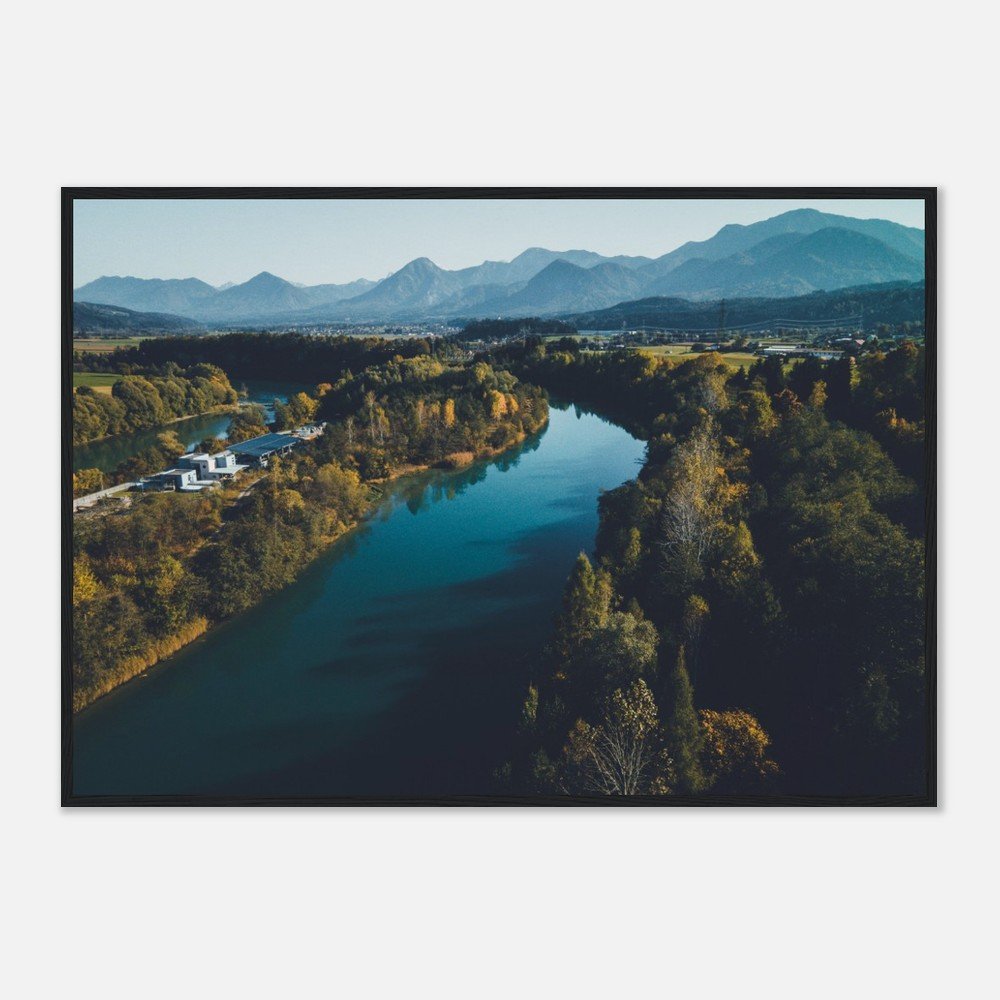
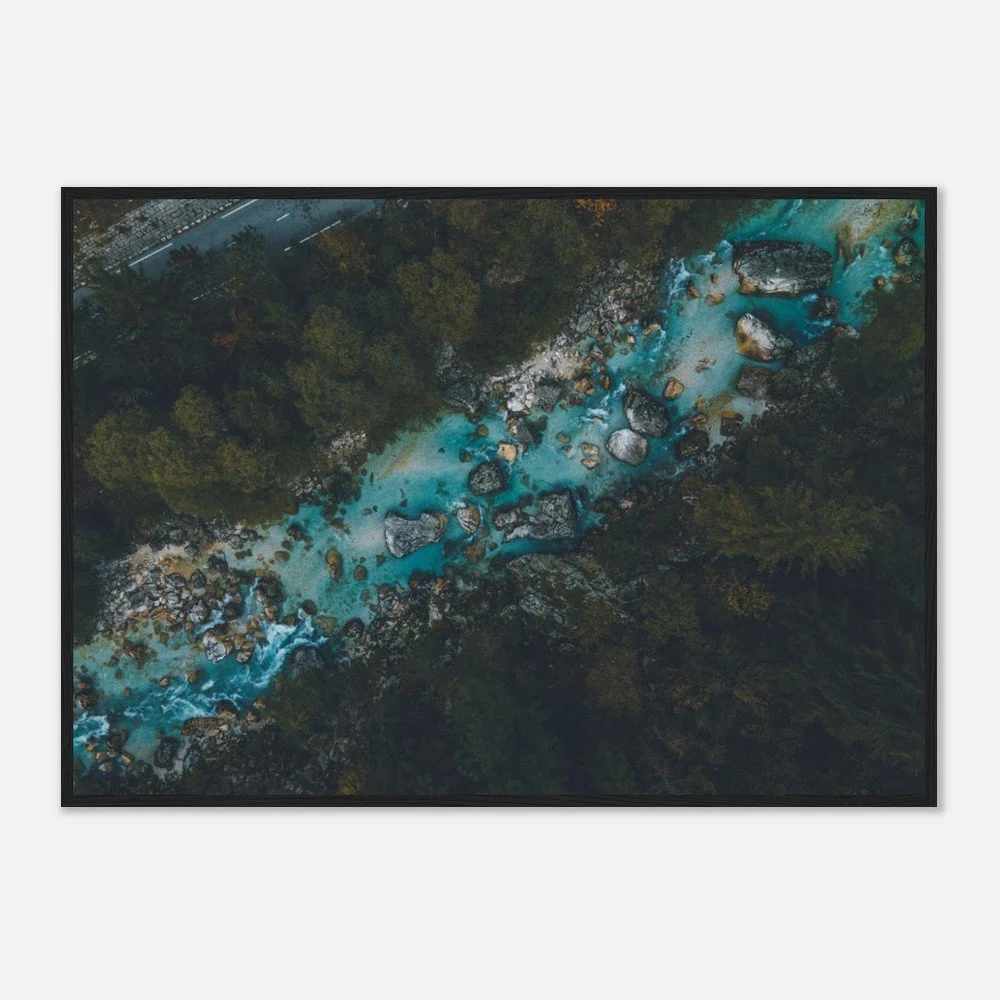


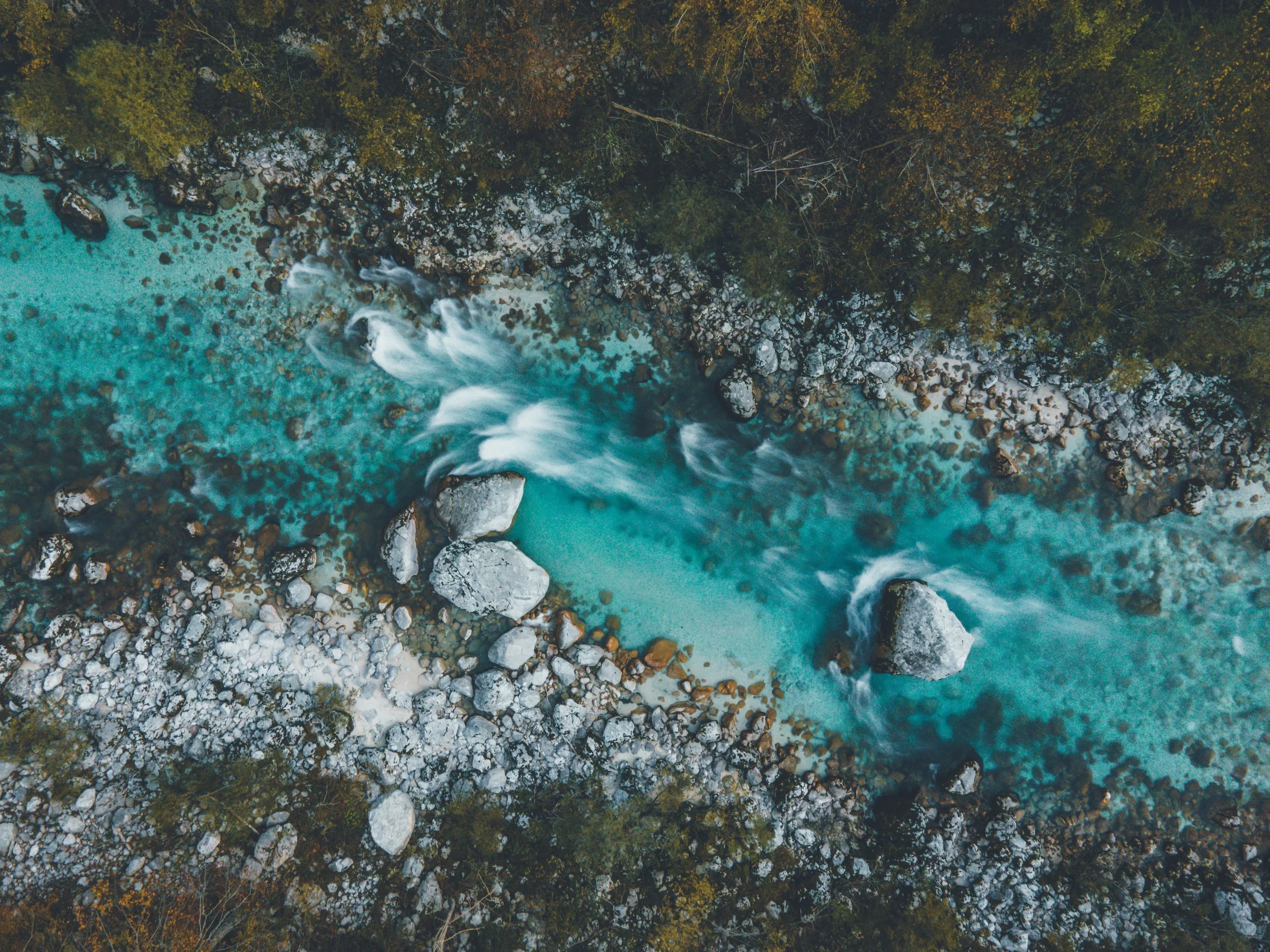
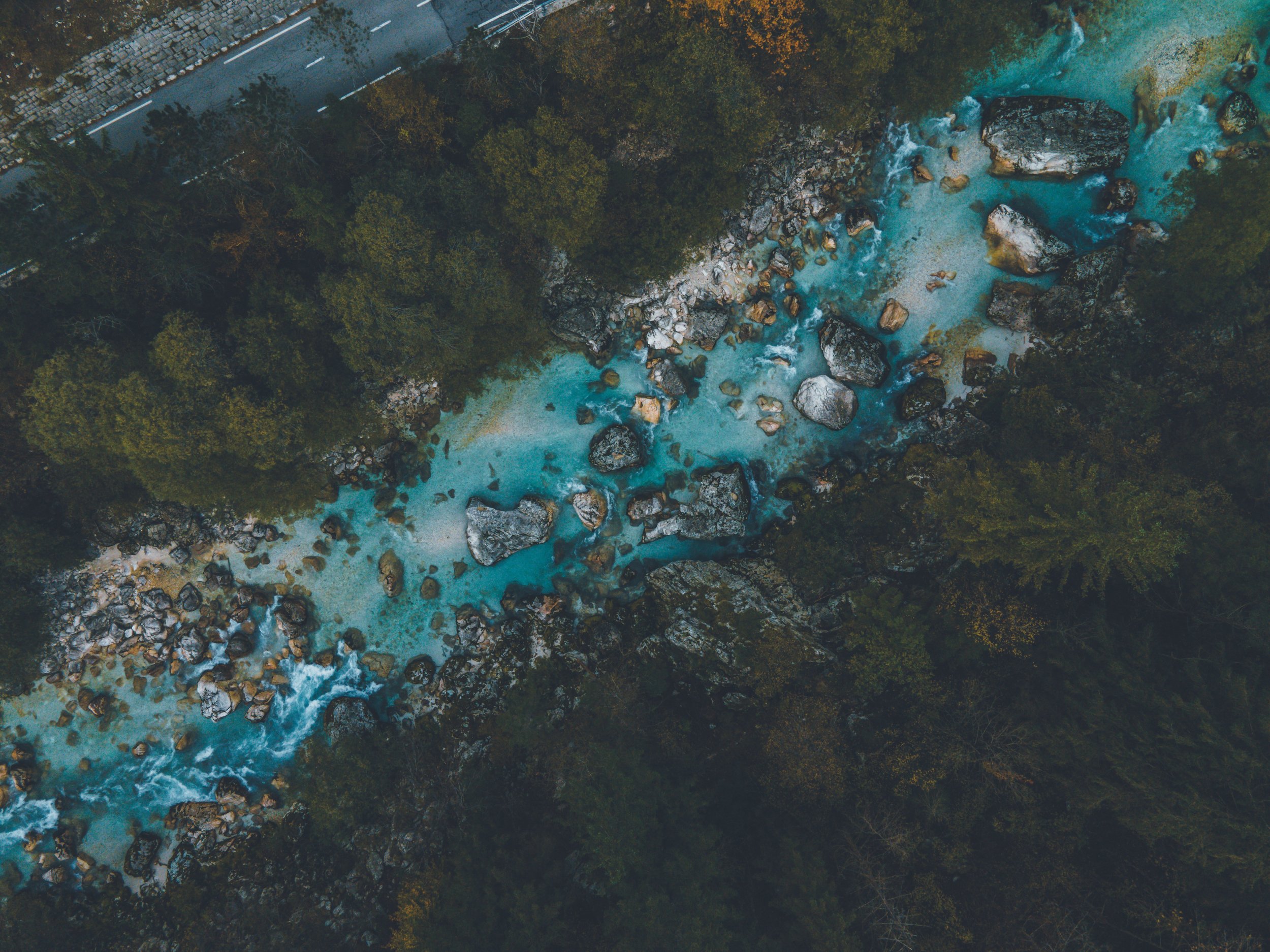
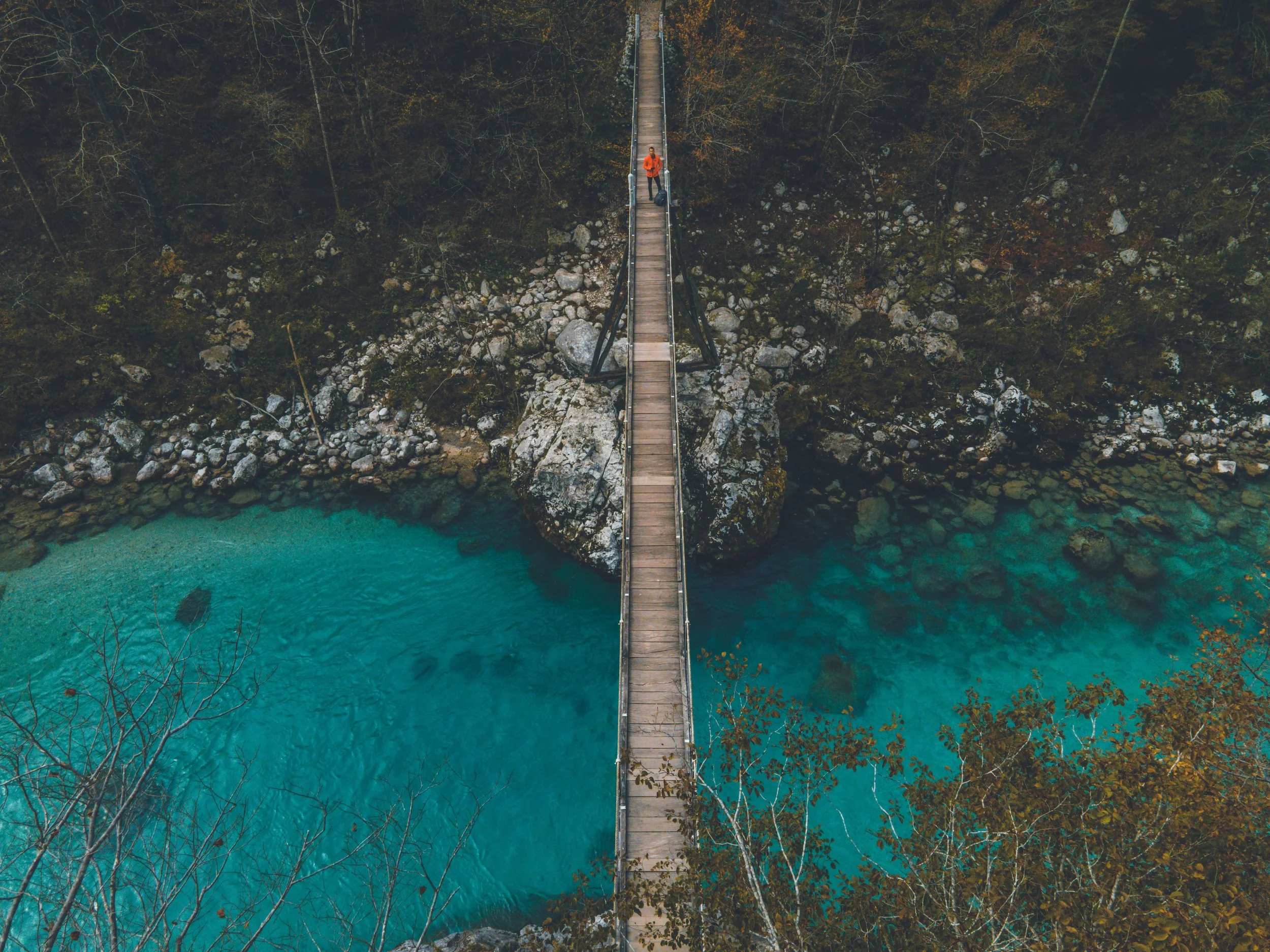
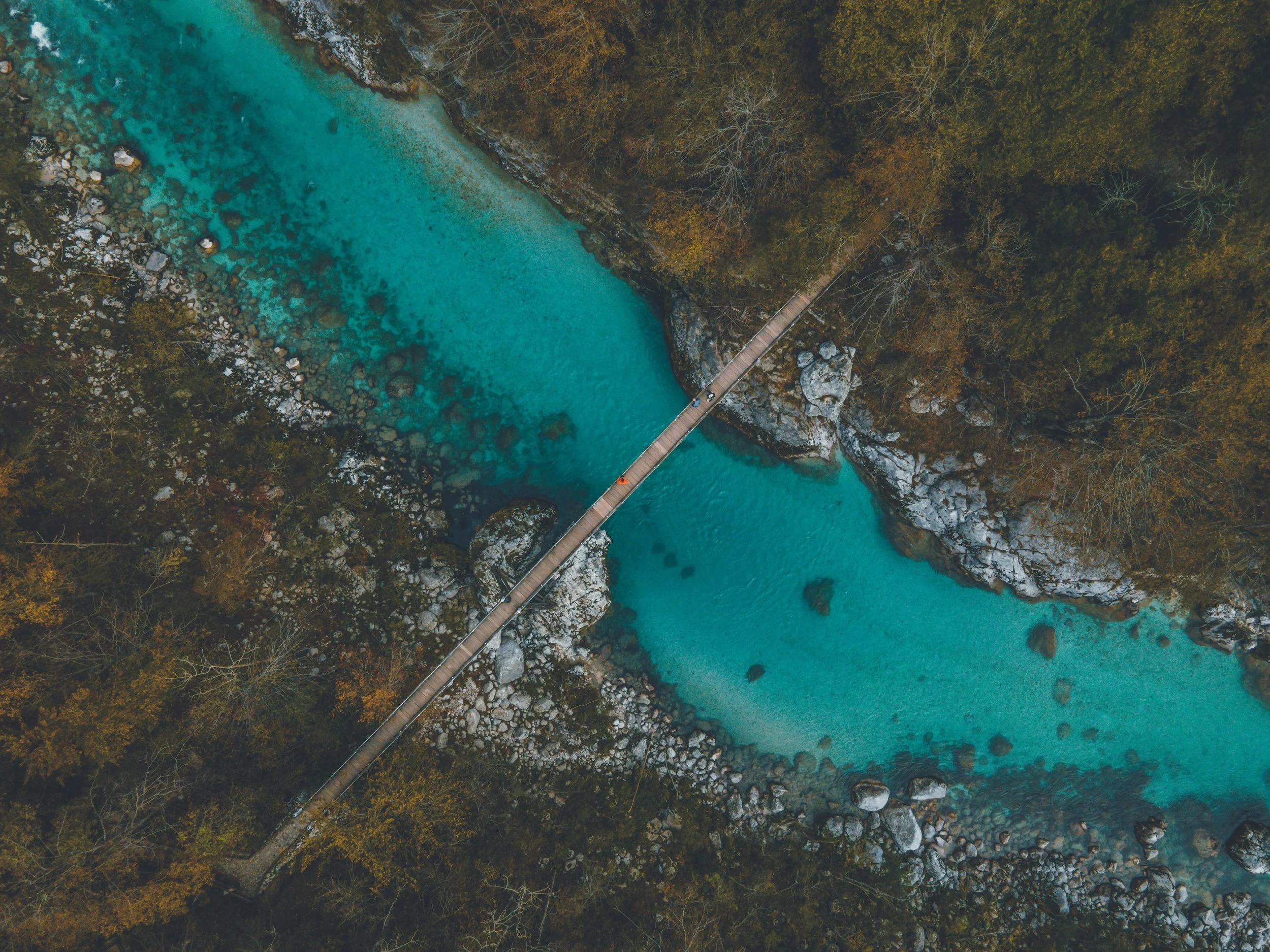
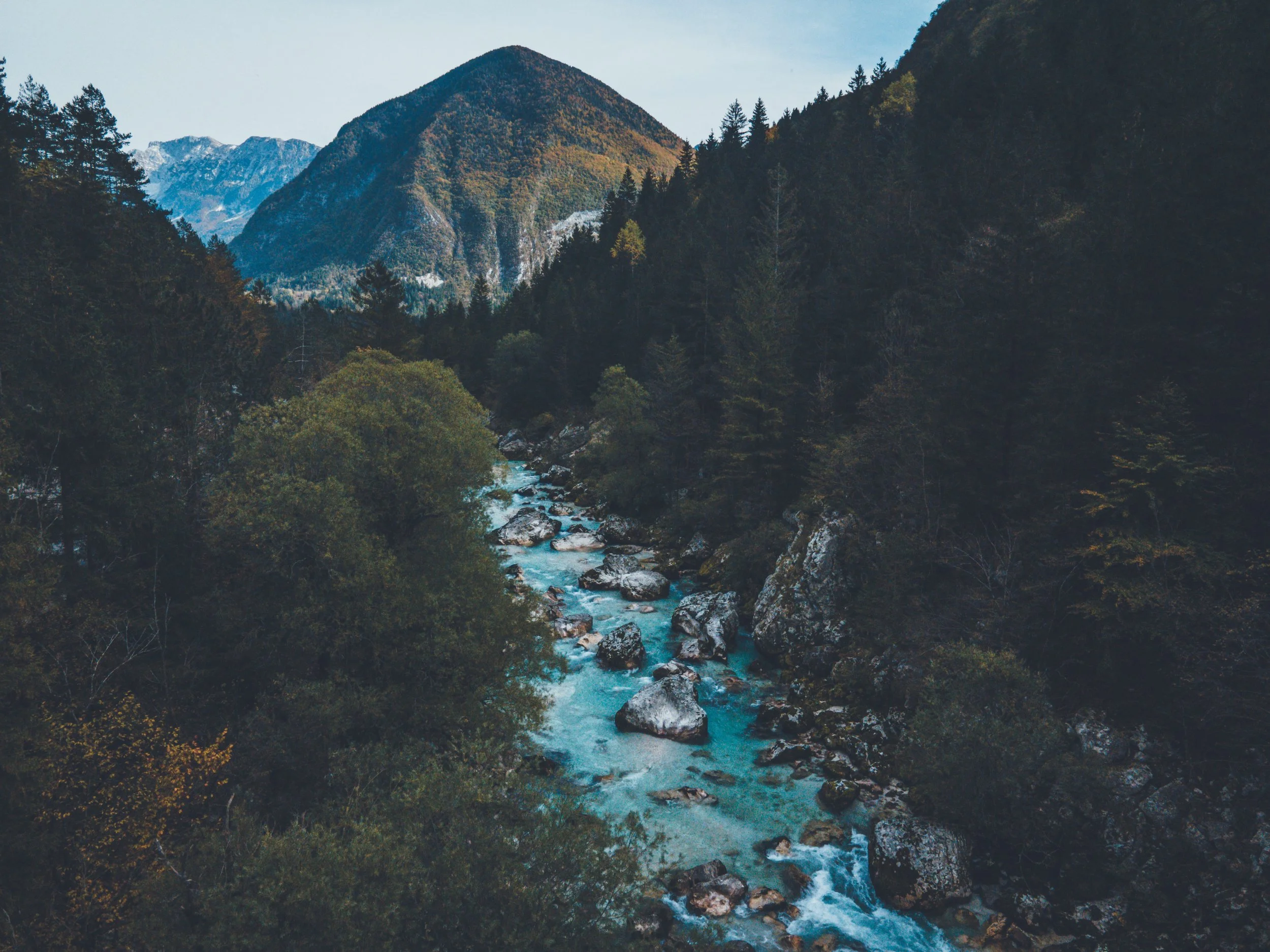
This river is exactly this shade of turquoise. It is one of the most beautiful natural features of Slovenia. The Soca River also is as ice cold as it looks, since it is fed by mountain water from the Julian Alps. Much to my enjoyment, I just loved taking drone photos above portions of the river to catch the rocky riverbed amidst the autumn foliage at the time of my visit. Though such a simple scene, this is surely one of my most favorite photos I have captured with my drone.