How Travel Helps People Connect With Strangers and Build Unexpected Friendships

Travel does something quiet and powerful: it moves people out of their routines and into new social possibilities.

One moment you are a commuter; the next, you are a fellow on a bus in a foreign city, or a roommate in a hostel. Strangers become neighbors for a few hours, sometimes for several years. This essay explains how travel creates space for meeting people while traveling, building social connections through travel, and forming travel friendships that matter long after the suitcase is put away.

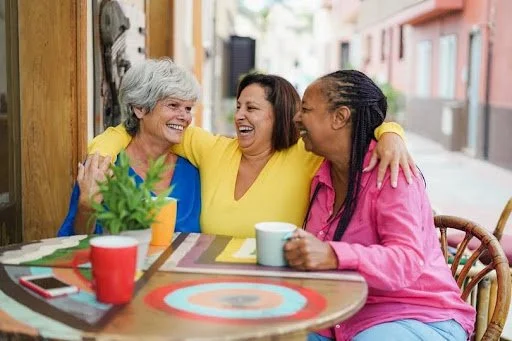
Why travel opens the door to meeting people while traveling

Being away from home lowers many invisible barriers. These can be overcome without traveling; people use the CallMeChat platform for this purpose. They connect to CallMeChat and chat with strangers in search of entertainment or to build longer-term relationships. But there's also a rule: people are more willing to chat in unfamiliar circumstances.Conversations that would feel awkward at home seem natural on a train platform or during a shared meal. Shared context—a flight delay, a sunrise hike, a local festival—becomes the simplest possible opening. Small conversations turn into longer conversations. And that's the seed of connection.Short interactions can become important. A single recommendation from a local or another traveler can change a day, a week, or a trip. That change is social glue.

Shared experiences: the engine of social connections through travel

Shared experiences create immediate common ground. Think of it: two people who climbed a muddy trail together, or who missed the last bus and found refuge in a 24-hour café — those moments carry emotional weight. When you laugh at the same mishap, you are building a memory together. When you struggle with the same language barrier and solve it, trust grows.These memories are not trivial. Shared hardships and joys accelerate intimacy. People disclose more easily when the environment is unfamiliar; vulnerability feels safer in the temporary world of travel. You might reveal a hope, an odd hobby, or a painful story — and be met with understanding rather than judgment. This is how unexpected friendships often begin.

Cultural exchange and building meaningful relationships abroad

Traveling forces you to meet people whose daily life is different from yours. You exchange customs, food, phrases, and viewpoints. That exchange matters because it gives both parties a chance to see life from a different perspective. To share a family recipe, explain a holiday, or teach a phrase in your language — these acts are small but deeply human.When you build meaningful relationships abroad, you expand your social world in ways that go beyond souvenirs. You gain a person who can translate not only words but context: why a tradition matters, what a gesture means, or how history shapes a neighborhood. These are relationships that foster global understanding, and often they endure because they are rooted in real curiosity rather than obligation.

Practical ways travel encourages connection: connect with locals and travelers

There are simple, low-tech ways travel helps people connect. Join a walking tour. Take a cooking class. Couchsurf or stay in shared accommodation. Sit at a communal table. Strike up a conversation in a market. Each of these choices increases the chance of meeting someone new.Also, be deliberate. Smile. Ask questions — open-ended ones. Compliment the meal, ask about the best local coffee, or ask for directions and follow up with, “Would you like to walk together?” Small invitations produce big outcomes.

How travel strengthens interpersonal communication

Travel asks you to listen. Whether you are interpreting a sparse phrasebook, reading body language, or trying to follow an accent, you practice attentive listening. You learn to read silence and to value clarity. Those skills transfer home. Many travelers report improved empathy and better conversational patience after periods abroad.Communication becomes creative. When words fail, gestures, food sharing, and mutual tasks fill the gaps. Learning to connect without perfect language is a core lesson of travel friendships.

Breaking social barriers and encouraging open-minded travel

Travel reduces prejudices by replacing stereotypes with real people. Instead of imagining a culture from headlines or movies, you meet a neighbor, a shopkeeper, a guide. That direct contact breaks social barriers. You discover that differences in dress, religion, or routine do not equate to differences in humanity.Open-minded travel encourages curiosity rather than conquest. When you travel to learn rather than to tick boxes, you are more likely to find the kinds of interactions that produce lasting social connections through travel.

Explore communities together: cooperative activities that create bonds

Joining community activities — volunteering, homestays, language exchanges, or local workshops — creates deeper ties than casual encounters. Working together toward a goal, even a small one, builds solidarity. You explore a neighborhood’s rhythm with someone else; you solve a problem together; you witness the same sunset from the same rooftop. Those moments form the backbone of travel friendships and expand personal networks in meaningful ways.

Create memorable travel moments — and keep them alive

Memories need maintenance. Exchange contact details. Share photos. Schedule a video call. A friendship formed at a hostel breakfast can survive on occasional messages, postcards, or joint plans for future trips. Technology makes it easier than ever to sustain these bonds. But sustaining them requires intention: reach out, check in, mark the anniversary of the trip in a message. The memory becomes a thread that keeps two people connected across distance.

The ripple effect: how travel friendships foster global understanding

Every friendship across borders is a small act of diplomacy. When people meet and like each other, they humanize whole places for one another. The ripple effect is real: more friendships mean more people who can explain, defend, or celebrate another culture in their own community. Over time, this lowers fear and increases cooperation.

A note on safety, consent, and boundaries

Meeting people while traveling is wonderful, but it is not risk-free. Respect boundaries. Be mindful of cultural norms. Trust your instincts. Friendships formed in transit can be fleeting — sometimes by design — and that is fine. But when you choose to deepen a connection, do so with mutual respect and clear communication.

Conclusion: encourage open-minded travel

Travel offers a rare permission slip: to be curious, to be vulnerable, to be friendly with strangers. That permission is valuable. It opens pathways to meeting people while traveling, to building meaningful relationships abroad, and to fostering global understanding. If you travel ready to listen, ready to share, and ready to step into the unexpected, you will come home with more than photos. You will come home with people — and those people change how you see the world.Research and traveler surveys consistently highlight one idea: social connections through travel rank high among travelers’ most treasured outcomes. In practice, whether you are exploring alone or with others, the choice to engage — to ask, to share, and to stay curious — makes all the difference. Encourage open-minded travel. Explore communities together. Create memorable travel moments. The friendships you find may be the most surprising souvenirs of all.