How Ohio’s Cities Tell Different Stories

Ohio rarely announces itself with a single image. It doesn’t lean on one skyline or one myth. Instead, it unfolds through contrasts — industrial muscle beside college-town calm, river cities shaped by trade alongside suburbs built on quiet persistence. 
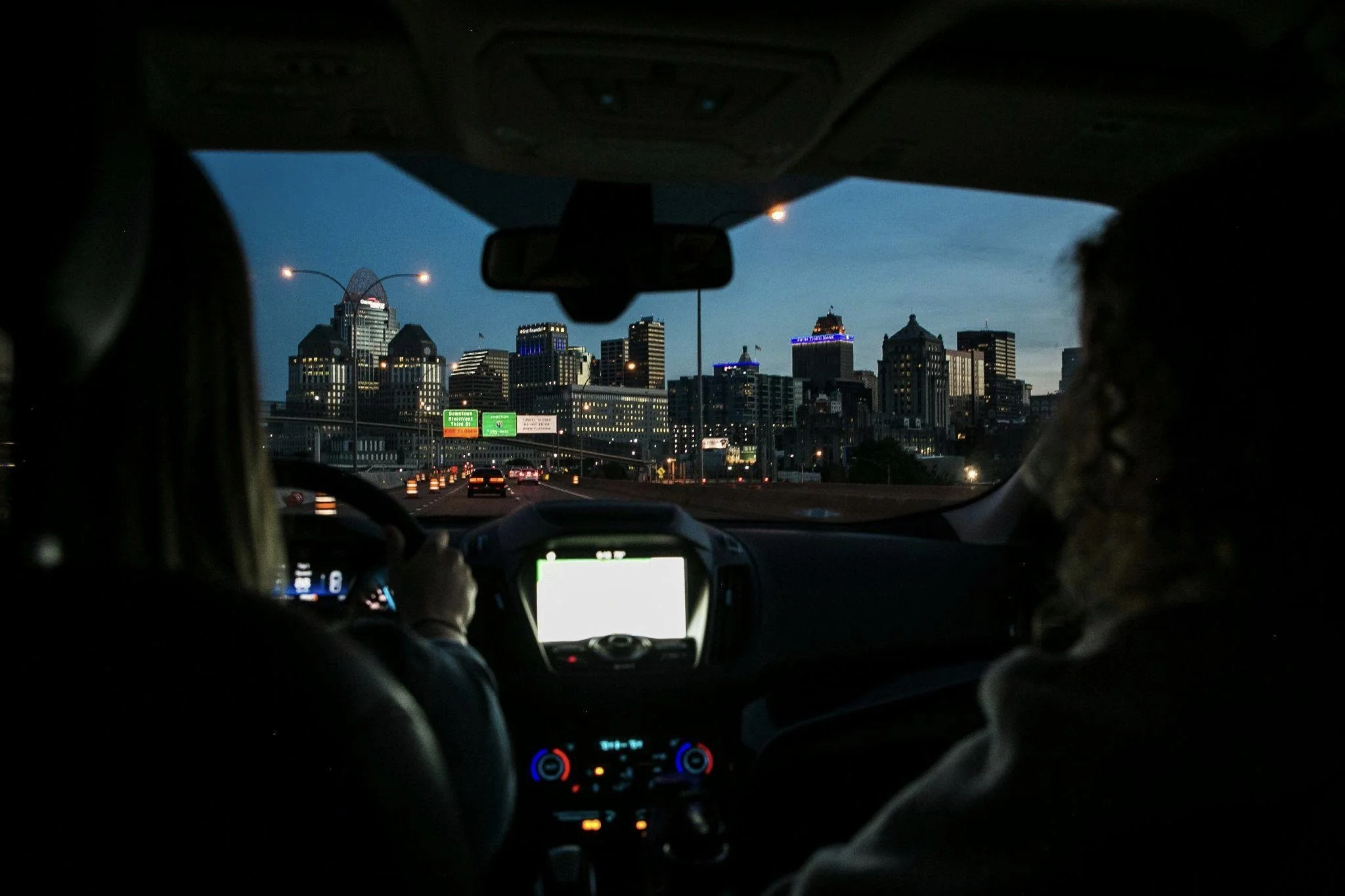
To move through Ohio is to collect stories that don’t compete with each other, but stack, overlap, and occasionally argue.

Each city speaks in its own accent. Some tell stories loudly, through architecture and legacy industries. Others speak softly, through neighborhoods, local rituals, and the way people use space. Together, they form a state that resists shortcuts.

Industrial Memory and Reinvention

Ohio’s largest cities still carry the weight of what they built for the country. Steel, rubber, glass, and machinery shaped not just economies, but identities. The story didn’t end when factories closed. It shifted tone.

There’s pride here, but also a willingness to rework old narratives instead of erasing them.

Cleveland: Grit With a Long Memory

Cleveland’s story begins with water and rail. Lake Erie made it a gateway, and industry followed quickly. The Flats once roared with mills and shipping traffic. Today, those same riverbanks host restaurants, music venues, and long evening walks, the industrial bones still visible beneath the renovation.

Neighborhoods like Ohio City and Tremont reflect the city’s layered history. Old worker housing stands next to new builds, bakeries sit near galleries, and murals lean into local pride without nostalgia becoming sentimentality. Cleveland doesn’t hide its past; it repurposes it.

Akron: Rubber, Reinvented

Akron was once synonymous with tires. Goodyear, Firestone, and Goodrich shaped everything from employment to the skyline. When that era faded, the city faced the same question as many Midwestern centers: what stays, and what changes?

The answer arrived in education, healthcare, and polymers research. The University of Akron became a stabilizing force, while downtown redevelopment focused on livability rather than spectacle. Akron’s story now reads as adaptation — quieter than Cleveland’s, but deliberate.

River Cities and Their Long View

Rivers give cities patience. They encourage trade, yes, but also observation. Ohio’s river cities grew with an awareness of flow — of people, goods, and time.

The Ohio River in particular shaped a city that learned early how to balance ambition with caution.

Cincinnati: Old Money, New Energy

Cincinnati feels older than it is. Its architecture leans European, its hills fold neighborhoods into distinct pockets, and its institutions project longevity. Once a powerhouse of pork processing and manufacturing, the city evolved into a center for branding, design, and consumer goods.

Over-the-Rhine tells the story best. What was once one of the most densely populated neighborhoods in the country fell into decline, then resurfaced through careful, often controversial redevelopment. Today, historic buildings house breweries, startups, and apartments, creating a cityscape that feels curated but lived-in.

Portsmouth and the Smaller River Narrative

Not all river stories are large. Towns like Portsmouth carry quieter histories of trade and industry, followed by periods of economic contraction. Here, the story is not reinvention at scale, but endurance.

Murals line floodwalls, telling local histories in public view. The river remains a presence — sometimes a threat, sometimes a reminder — shaping how residents think about resilience.

College Towns and the Business of Ideas

Ohio’s college towns operate on a different clock. Their seasons follow semesters, their populations swell and recede, and their economies orbit around thought, research, and youth.

They punch above their weight culturally, often acting as incubators for change.

Columbus: A City That Kept Growing

Columbus avoided many of the industrial collapses that hit its neighbors. Anchored by Ohio State University, state government, and a growing tech sector, it expanded steadily rather than dramatically.

Neighborhoods like Short North and German Village show how growth can coexist with preservation. Art walks, local shops, and careful zoning give Columbus a confidence rooted in continuity. It tells a story of Ohio that feels future-facing without abandoning its center.

Athens: Small City, Loud Ideas

Athens revolves around Ohio University, and the town wears that identity openly. Independent bookstores, music venues, and cafés double as intellectual commons. Political debates spill into daily life. Creativity is not outsourced.

Athens represents Ohio’s thinking side — less concerned with scale, more invested in influence. Its graduates leave, but they carry the city’s voice with them.

Lake County Cities and the Edge of the Water

Lake County tells a different Ohio story — one shaped by proximity rather than prominence. Sitting between Cleveland and the Pennsylvania border, its cities often live in the shadow of larger neighbors while maintaining their own rhythms.

Here, the lake matters more than the skyline.

Mentor: Suburban Order With Room to Breathe

Mentor grew through postwar expansion, but avoided the sprawl-at-all-costs mentality. Parks, lake access, and a strong school system anchored its development. Retail corridors coexist with quiet residential streets, creating a city that prioritizes function.

Mentor’s story is one of balance. It doesn’t chase identity through reinvention. It refines what works.

Painesville: History at Street Level

Painesville feels older, more layered. Its downtown shows traces of 19th-century planning, with brick buildings and walkable blocks. Lake Erie College adds academic weight, while nearby wineries and lake access give the city a recreational edge.

Painesville tells a story of continuity — not flashy, but grounded. It reflects Lake County’s broader character: understated, resilient, and tied to place.

Willoughby and the Value of Main Streets

Willoughby’s downtown is a reminder that small cities can feel complete. Independent restaurants, restored buildings, and community events create a sense of scale that resists anonymity.

Lake County cities don’t shout. They offer something steadier — a narrative built on proximity, routine, and local attachment.

Manufacturing Towns and Quiet Persistence

Beyond the headlines and metros, Ohio’s smaller manufacturing towns continue to write their chapters. These places rarely get rebrands. They get through.

Their stories are often carried by families, not institutions.

Mansfield: Between Industry and Landscape

Mansfield sits at a crossroads of manufacturing heritage and natural beauty. The nearby Mohican State Park draws visitors, while old industrial sites linger as reminders of another economic era.

The city’s story is transitional. It hasn’t fully rewritten itself, but it hasn’t stopped either. There’s dignity in that pause.

Lima: Infrastructure and Invisibility

Lima’s oil refinery and rail connections keep it relevant, even when attention drifts elsewhere. It plays a supporting role in Ohio’s economy, rarely celebrated, rarely idle.

Lima represents the connective tissue of the state — the places that keep systems running without demanding recognition.

One State, Many Voices

Ohio doesn’t resolve into a single narrative. It resists slogans. Its cities speak in fragments, shaped by water, industry, education, and geography. Some stories are polished. Others remain rough around the edges.

What ties them together is persistence. Reinvention happens here, but so does staying put. Growth exists alongside memory. Progress rarely arrives cleanly, but it arrives honestly.

To understand Ohio, you don’t look for one city that explains the rest. You listen to them all — Cleveland’s grit, Cincinnati’s patience, Columbus’s momentum, Lake County’s steadiness. Together, they tell a story that’s richer precisely because it refuses to simplify itself.